


Lightning is one of nature’s most awe-inspiring yet dangerous phenomena. Striking approximately 1.2 billion times a year globally, it’s not spread evenly across the planet. While some areas experience just a handful of lightning strikes annually, others witness thousands. What causes these geographical disparities? Let’s explore ten places where lightning strikes more often than anywhere else on Earth.
Understanding Lightning

Before diving into specific locations, it’s important to understand the mechanics behind lightning. Lightning occurs when there’s a discharge of electricity during a storm, creating a brilliant flash of light. This phenomenon often happens when storm clouds get negatively charged at their base, while the ground becomes positively charged, prompting an electrical discharge.
The Lightning Capital Lake Maracaibo, Venezuela

Lake Maracaibo in Venezuela holds the title for the most lightning strikes anywhere in the world. Known as the “Catatumbo Lightning,” this phenomenon can strike hundreds of times per hour and peak to over 260 days a year. Its unique geography, with the Andes mountains creating wind patterns, makes it ripe for frequent electrical storms.
Lightning Alley, Florida, USA

Florida’s central region, famously termed “Lightning Alley,” is the lightning capital of the United States. Warm, moist air colliding with cold fronts during the summer months results in frequent thunderstorms. This state experiences more lightning flashes per square mile than any other in the USA, captivating and cautioning both residents and tourists.
The Democratic Republic of Congo
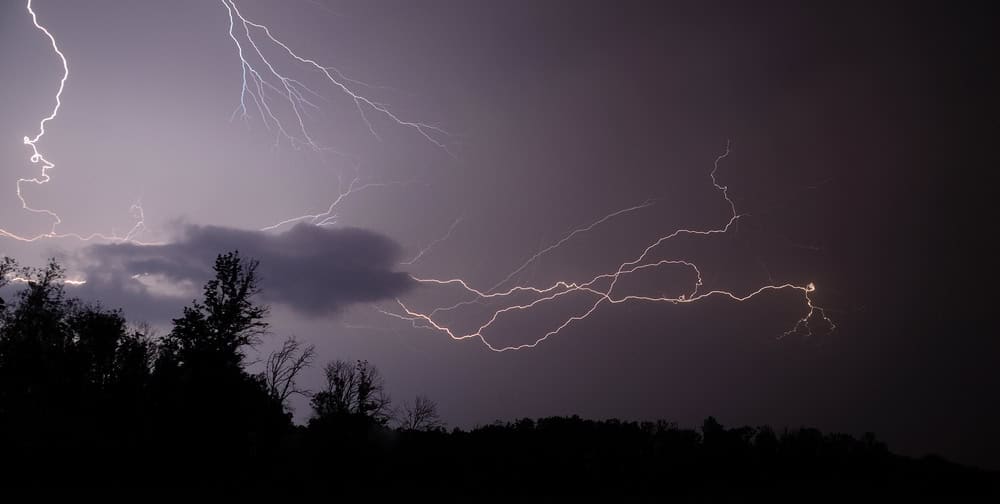
The central African nation of the Democratic Republic of Congo frequently registers as one of the areas with the highest lightning activity globally. The combination of tropical climate, abundant rainfall, and dense forests contributes to the frequent lightning storms experienced here.
Indonesia’s Java Island

Java, the most populous island in Indonesia, records high lightning density, particularly during the monsoon seasons. The island’s equatorial position and sea breeze front formation enhance convective storms, making frequent lightning a common occurrence.
Singapore The Urban Lightning Hub

Although tiny in size, Singapore sees significant lightning activity, thanks to its tropical climate, urban heat, and moisture-laden environment. The convergence of sea breezes often catalyzes thunderstorms, leading to frequent lightning strikes.
Kampala, Uganda
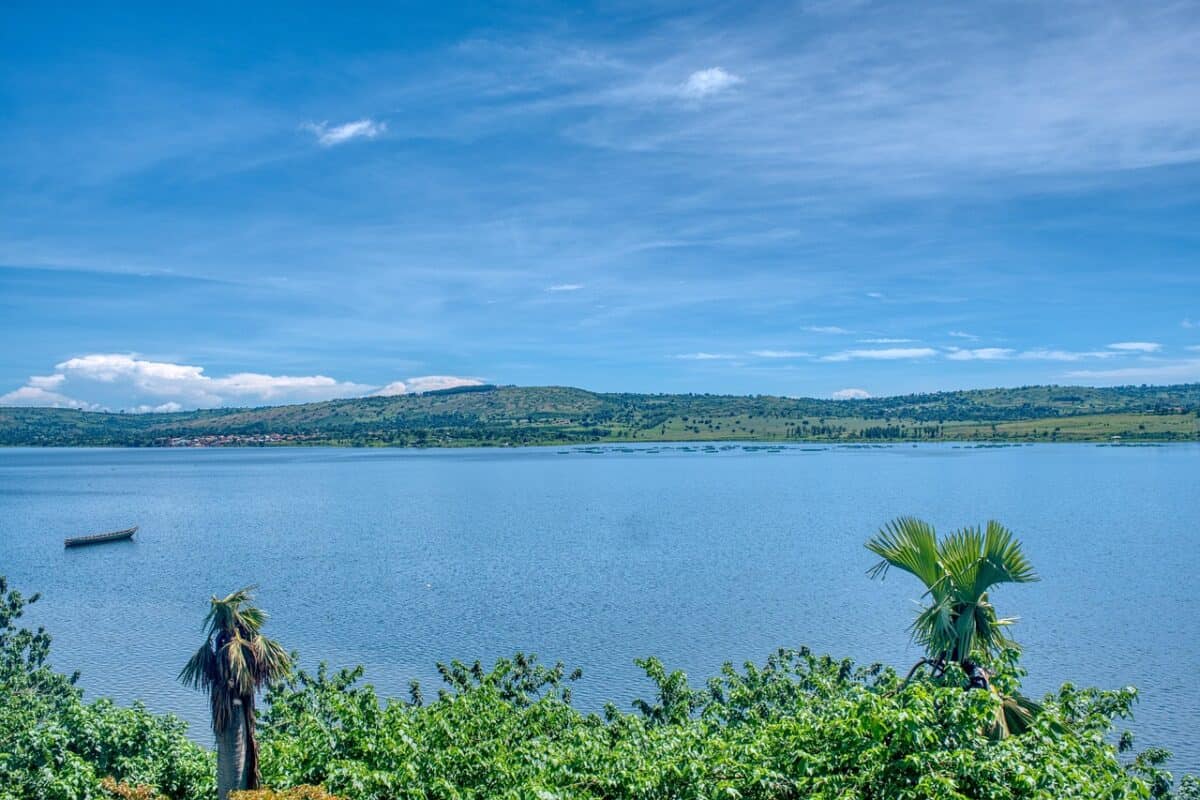
Kampala, the capital of Uganda, also experiences a high frequency of lightning. The city’s position near Lake Victoria and its altitude create an environment prone to electrical storms, particularly during the rainy seasons.
Northern Argentina
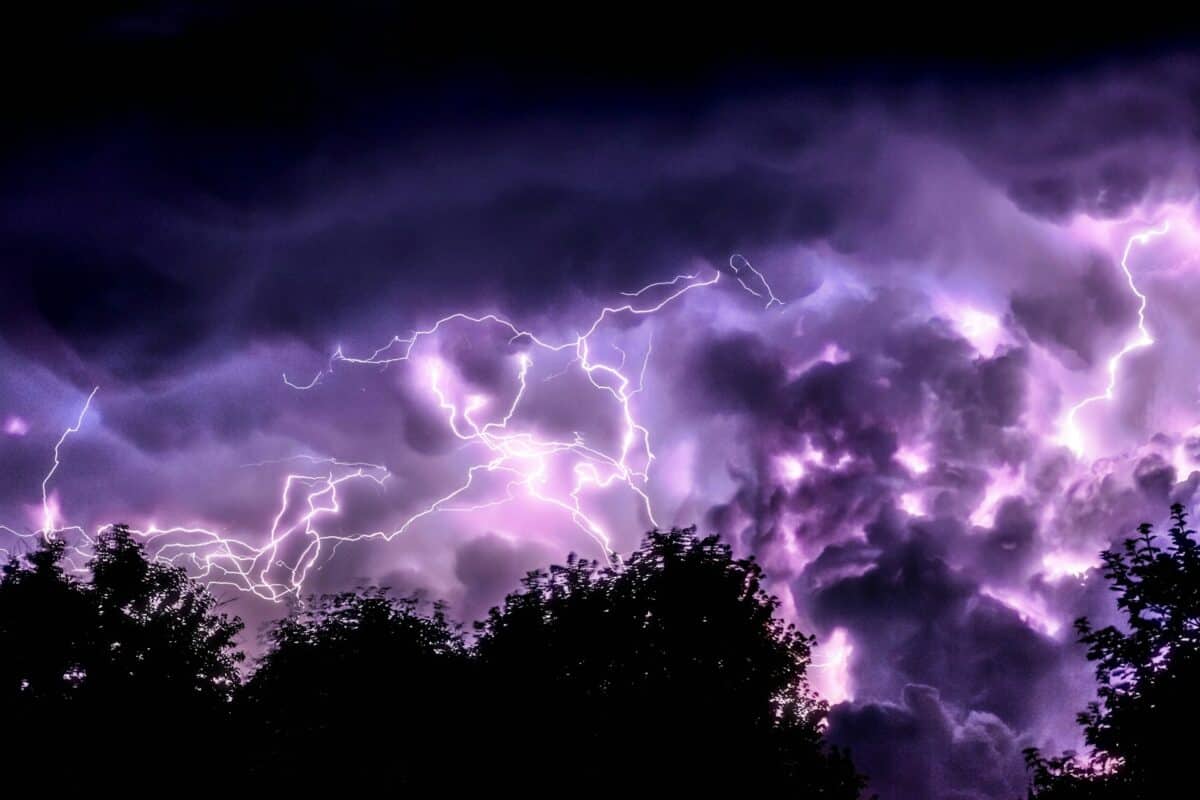
Northern Argentina, especially in the region of northern Corrientes, sees frequent lightning activity. The convergence of warm, moist air from the north and cooler air from the south generates intense thunderstorm activity, particularly in fall and spring.
Rajasthan, India

Rajasthan, particularly its eastern regions, witnesses significant lightning occurrences. The monsoon winds meeting the high temperatures of the Thar Desert create perfect conditions for thunderstorms, especially from June to September.
Central and South Sudan
Central and South Sudan also experience high lightning strike rates. The region’s climate, characterized by the intertropical convergence zone, provokes regular thunderstorms, accounting for the frequent electrical activity.
Conclusion: Respecting Nature’s Power

Understanding and respecting the power of lightning is crucial for the safety and appreciation of this natural wonder. While areas like Lake Maracaibo dominate with luminous storms, regions worldwide exhibit unique conditions that amplify lightning activity. As climate patterns continue to evolve with global changes, the importance of research and awareness grows, reminding us of nature’s unpredictable yet mesmerizing prowess.

As a little kid, I fell in love with nature, wildlife, and animals. Living in the USA, South Africa, Italy, China and Germany gave me the opportunity to discover the world's Wildlife. My favorite animals are Mountain Gorillas, Siberian Tigers, and Great White Sharks.
I'm a certified PADI Open Water Diver, went to Everest Base Camp and Trekked Gorillas in Uganda. I hold a Master of Science in Economics and Finance.
Please send any feedback to feedback@animalsaroundtheglobe.com
- 10 Prehistoric Insects That Were the Size of Birds - July 18, 2026
- 20 Unbelievable Dinosaur Discoveries That Completely Rewrite History - July 18, 2026
- 15 Stunning Landmarks in Malaysia That Should Never be Missed - July 18, 2026