
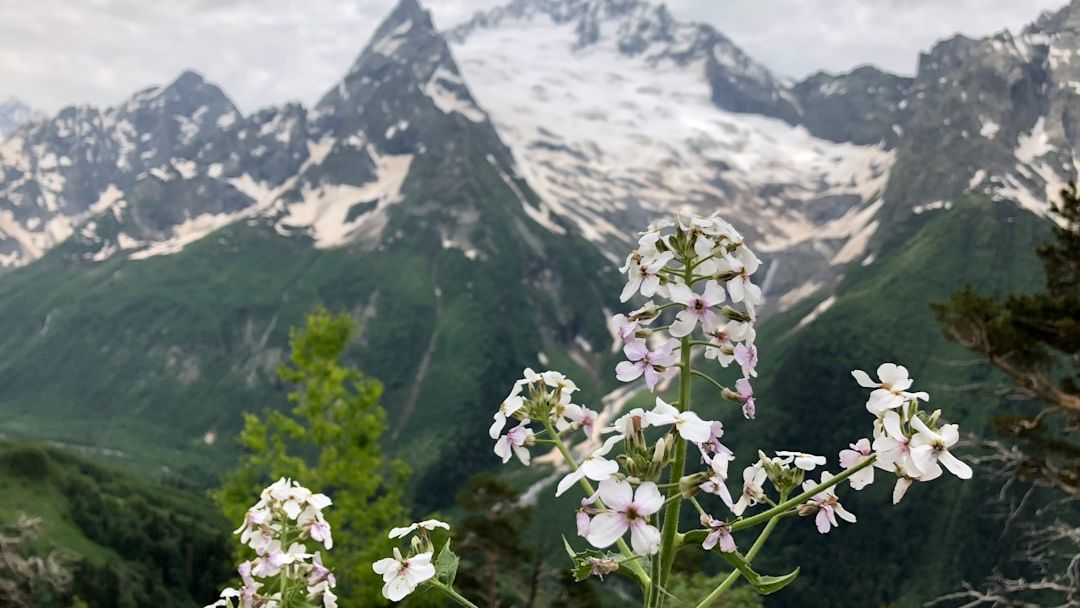
Picture your backyard alive with the hum of bees and the flutter of butterflies, turning a simple patch of green into a thriving ecosystem. Pollinators like these tiny heroes keep our food supply going strong, yet they’re facing tough times from habitat loss and pesticides. The good news? A few smart plant choices can make all the difference, drawing them in like a magnet.
These aren’t just pretty faces. They pack nectar and pollen punches that keep pollinators fueled through the seasons. Ready to transform your garden? Let’s dive into the top 10.[1][2]
1. Milkweed: Monarch Butterfly Lifesaver
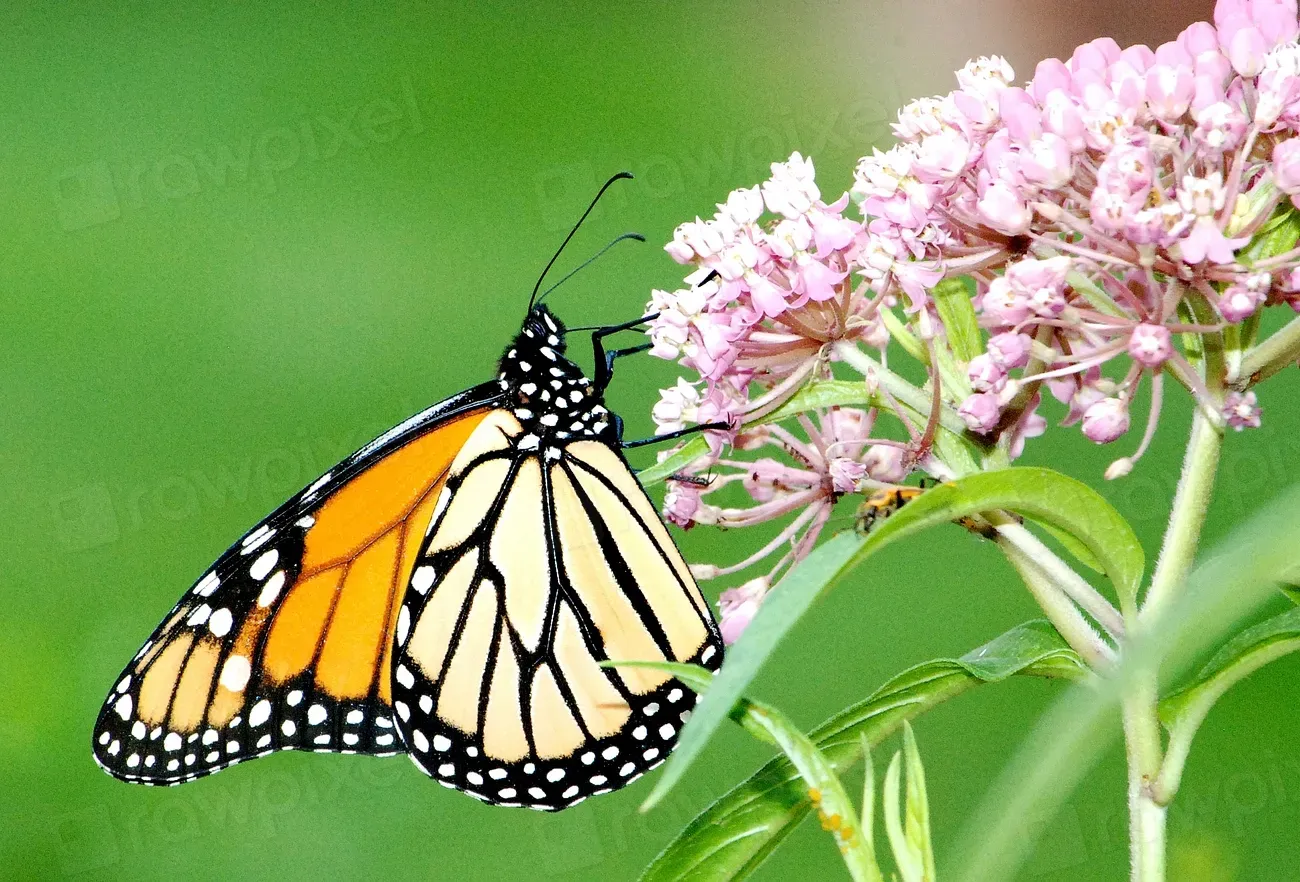
Nothing beats milkweed when it comes to supporting monarchs. This native powerhouse serves as the sole host plant for their caterpillars, who munch on the leaves before transforming into those iconic orange wonders. Bees and other butterflies flock to its star-shaped flowers for sweet nectar too.[2]
Plant common or butterfly milkweed in full sun with decent drainage. It blooms from summer into fall, keeping the party going late in the season. Honestly, skipping milkweed feels like ignoring the star of the show in your pollinator garden.[2]
2. Bee Balm: Vibrant Nectar Powerhouse
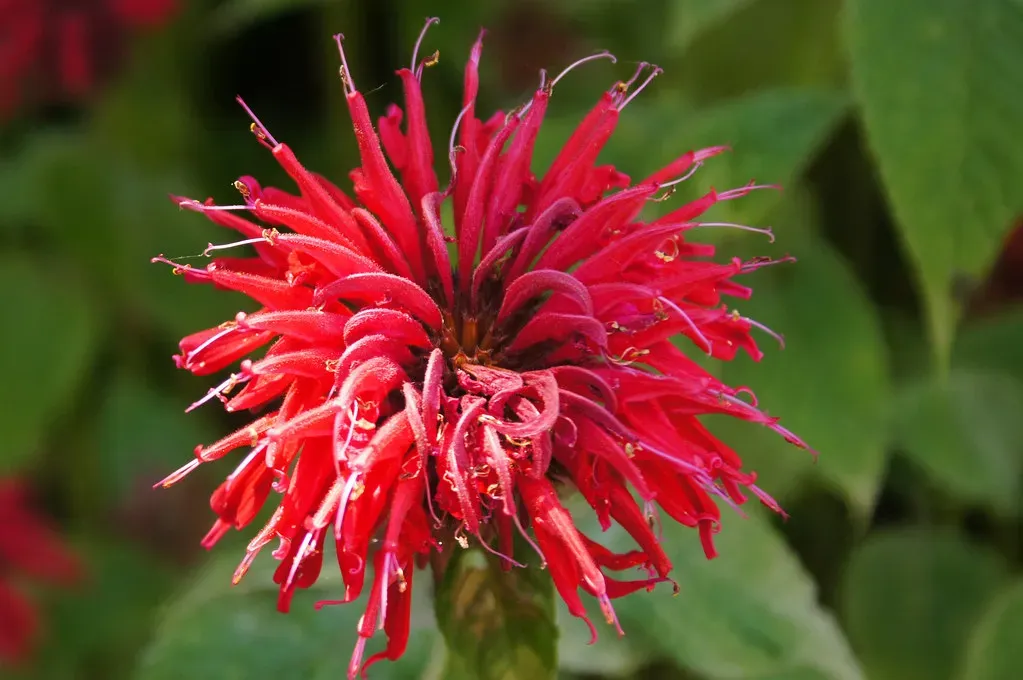
Bee balm explodes in tubular flowers of red, pink, or purple that hummingbirds, bees, and butterflies can’t resist. Native wild bergamot varieties draw in a crowd with their minty scent and long bloom time through summer. It’s like throwing a non-stop buffet for your local pollinators.[2]
Grow it in moist, well-drained soil under full sun to partial shade. Deadhead spent blooms to encourage more flowers. I think every garden needs this bold beauty; it turns heads and saves bees all at once.[3]
Resistant to most pests, it spreads gently if happy. Watch butterflies dance on those whorls all season long.
3. Lavender: Evergreen Bee Magnet
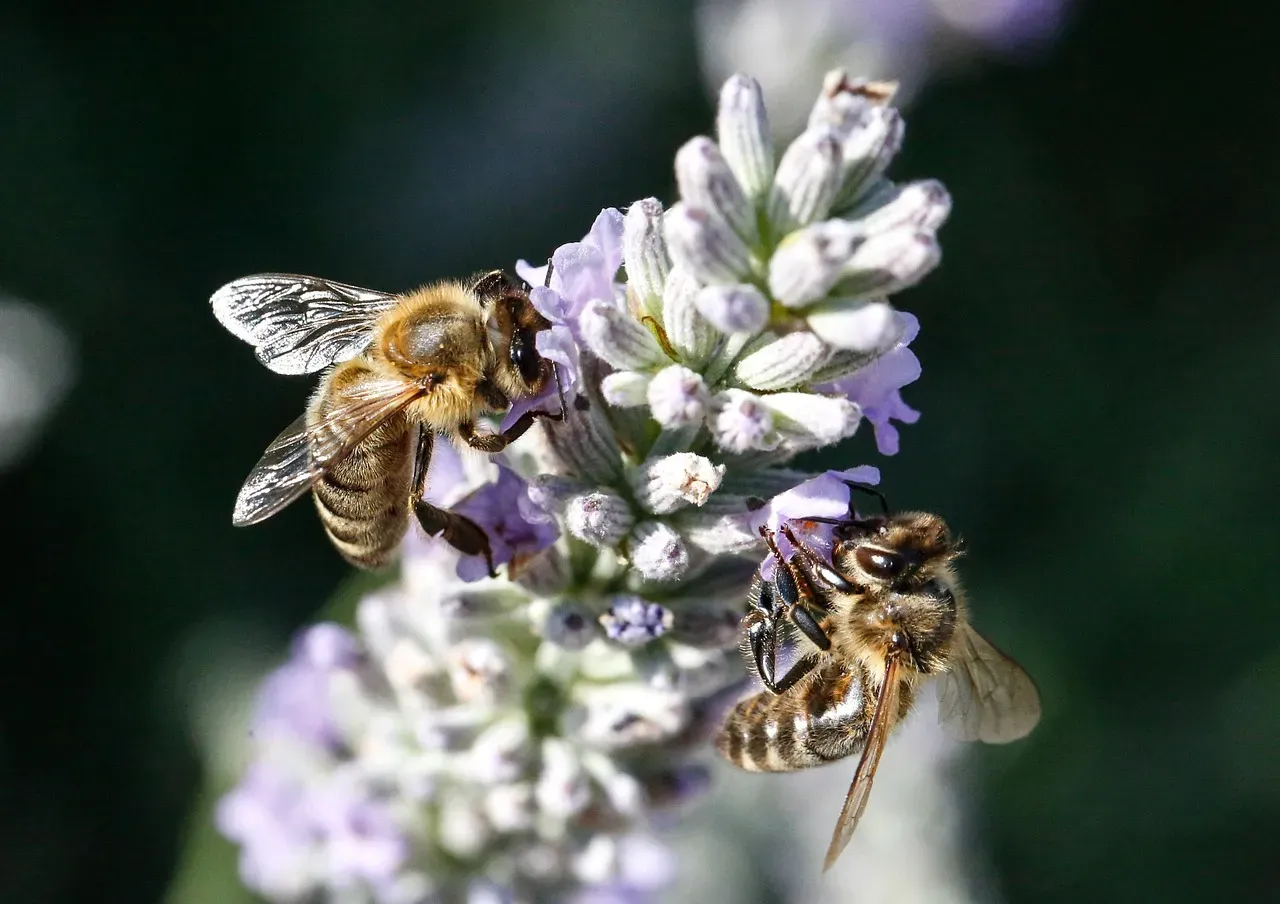
Lavender’s spikes of purple blooms scream summer, pulling in bees and butterflies from dawn till dusk. This drought-tolerant perennial offers reliable nectar from early summer to fall. Here’s the thing: its fragrance isn’t just for us humans.[4]
in full sun with sandy, well-draining soil. Trim after flowering to keep it bushy. Pollinators treat it like a gas station on a road trip, refueling constantly.[5]
4. Purple Coneflower: Tough Daisy for All
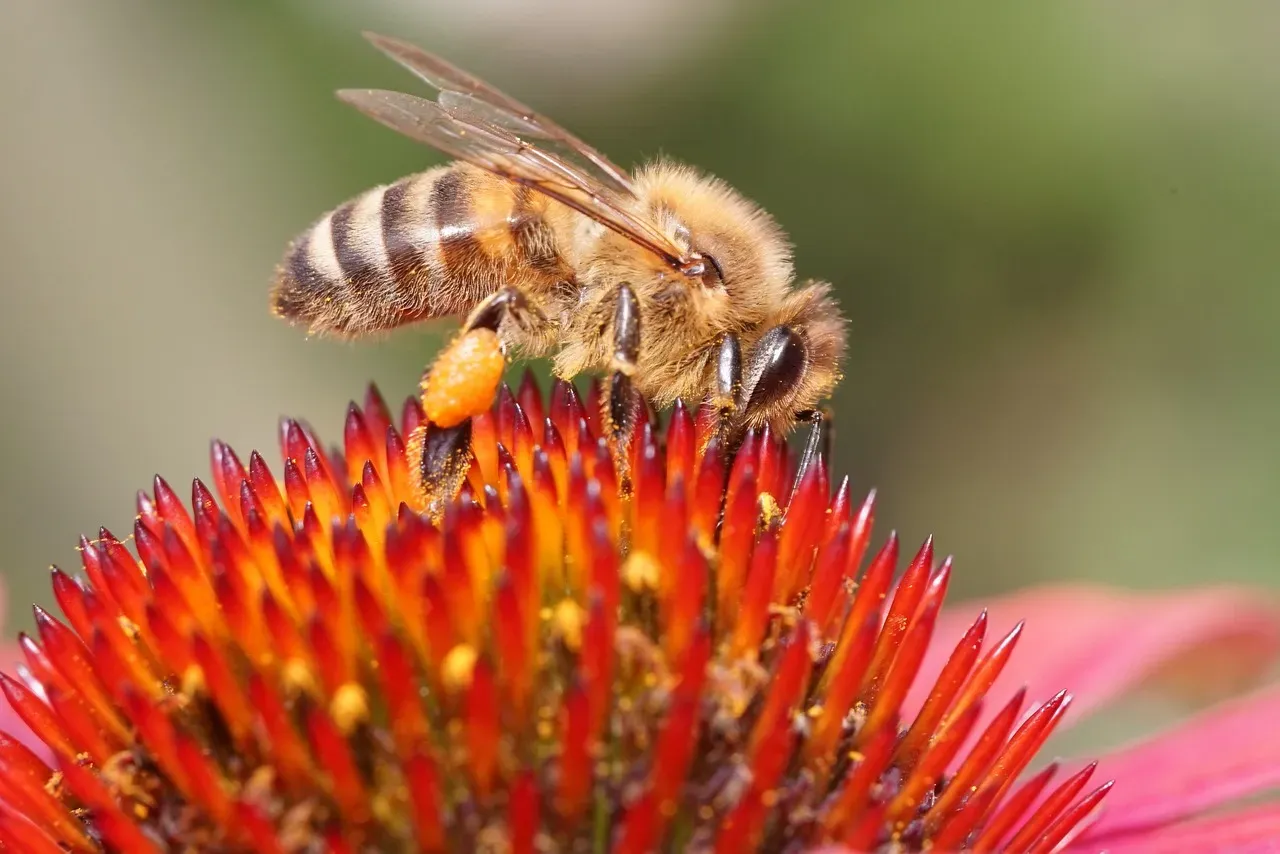
Echinacea’s daisy-like purple petals surround a central cone that’s irresistible to bees, butterflies, and even goldfinches later for seeds. This native perennial blooms midsummer, providing a steady nectar flow. It’s hardy, drought-resistant, and screams low-maintenance.[6]
Plant in full sun, any decent soil. It self-seeds mildly, filling gaps naturally. Butterflies perch right on those sturdy stems, making for some magical garden moments.[7]
Let it stand through winter for bird food. A real winner for beginners.
5. Sunflower: Giant Pollen Provider
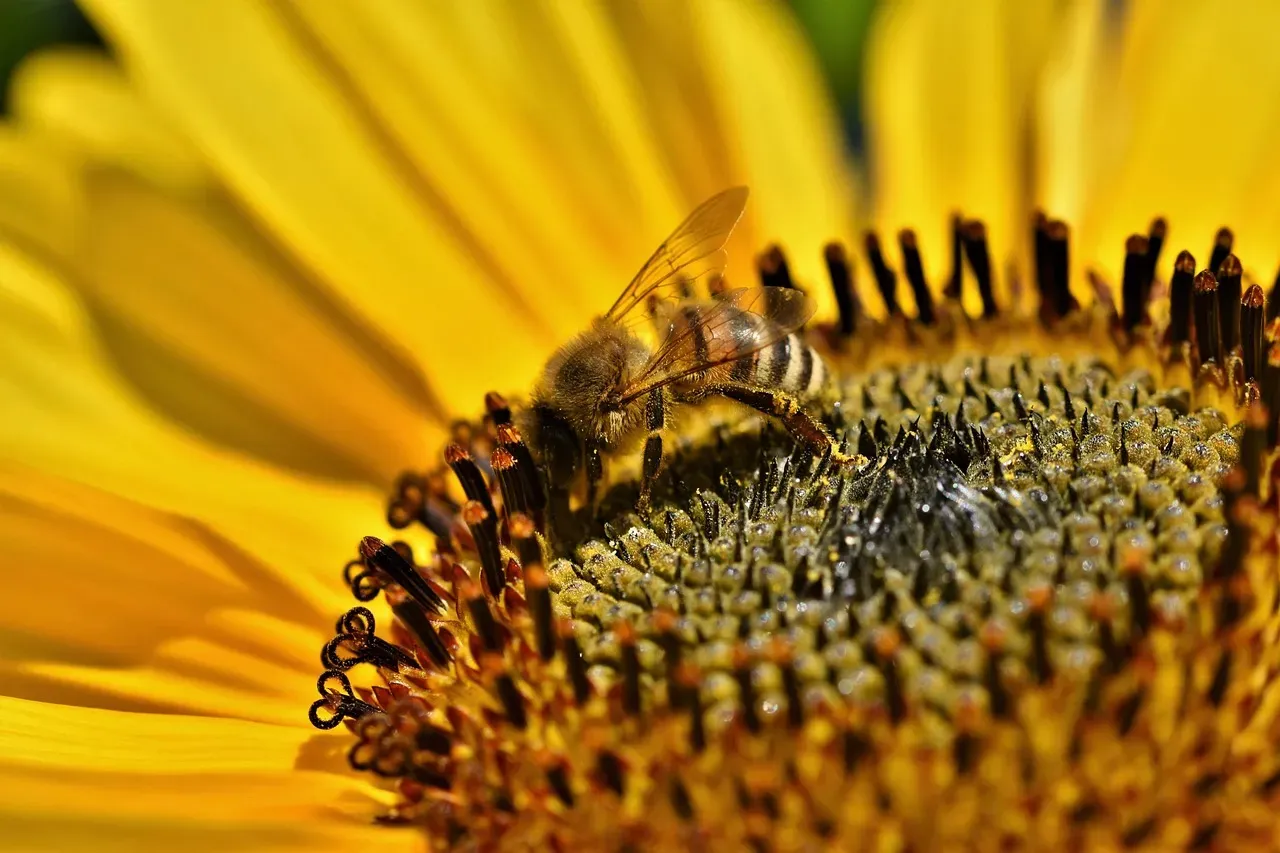
Sunflowers tower with massive heads packed with pollen and nectar, beloved by bees and butterflies alike. Native varieties support a huge range of pollinators while birds clean up the seeds. Their cheerful faces track the sun, inviting visitors all day.[8]
Sow seeds directly in full sun, rich soil. They grow fast, blooming by late summer. Who doesn’t love watching bumblebees disappear into those huge disks?
Choose pollenless types if mess worries you. Still a pollinator superstar.
6. Salvia: Tubular Delight for Hummers and Bees
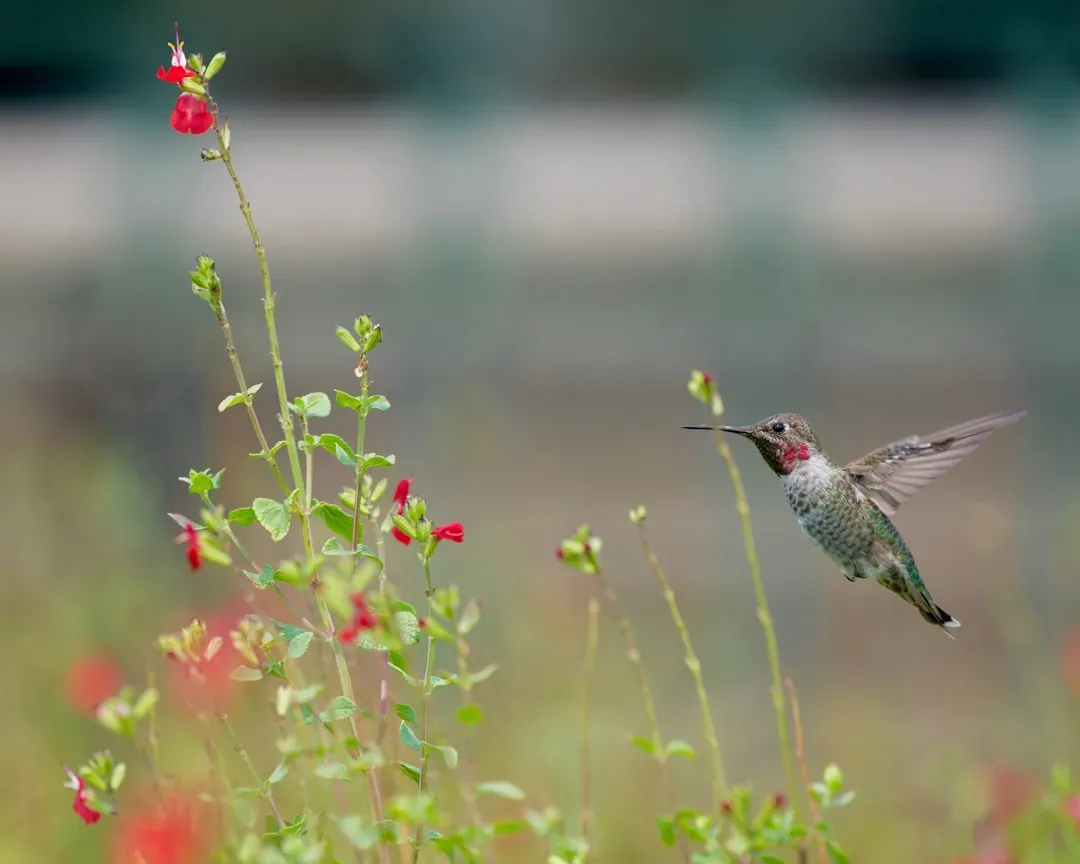
Salvias in reds, blues, and purples offer long, slender flowers perfect for hummingbirds and long-tongued bees. Many varieties bloom repeatedly from spring to frost. Native types like autumn sage in heat.[9]
Full sun, well-drained soil is key. Cut back for reblooming. It’s like a straw for pollinators, delivering nectar efficiently.[5]
7. Butterfly Bush: Namesake Butterfly Beacon
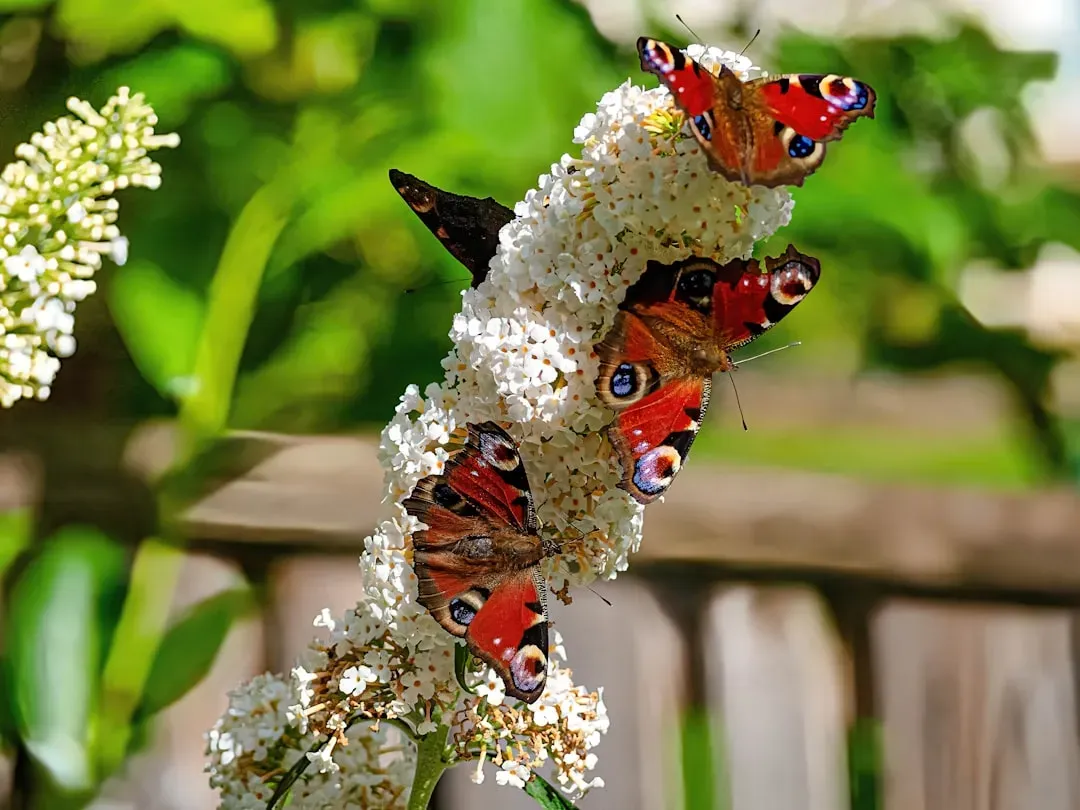
Buddleia lives up to its name with long, fragrant spikes that butterflies swarm like kids at an ice cream truck. It flowers nonstop in summer, nectar-rich for all species. Though not native everywhere, sterile hybrids prevent invasiveness.[10]
Plant in full sun, prune hard in spring. Drought-tolerant once established. The sheer number of visitors will shock you.
Pair with natives for best results. A garden showstopper.
8. Mountain Mint: Under-the-Radar Nectar Bomb
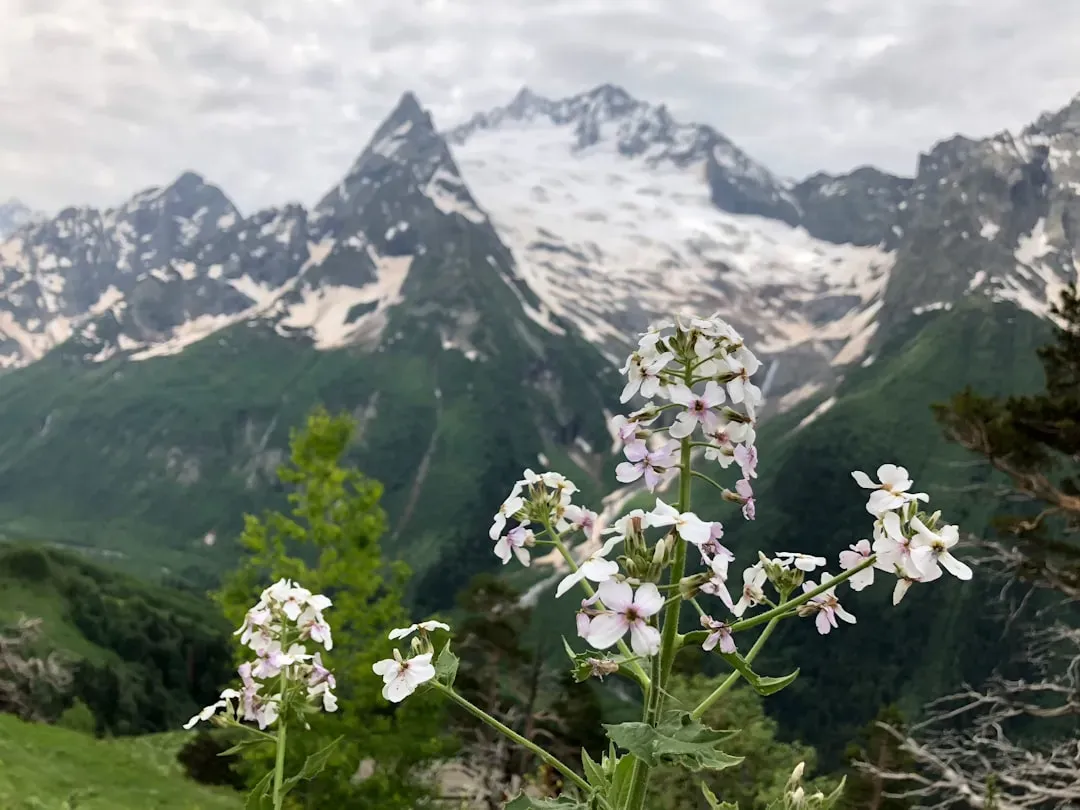
Mountain mint’s silvery bracts and tiny flowers explode with appeal for native bees and butterflies. It blooms midsummer, minty leaves repel pests naturally. Often overlooked, but pros swear by it.[11]
Full sun to part shade, moist soil. Spreads but easy to control. Bees go wild here, like they’ve found hidden treasure.
Bonus: deer ignore it. Smart choice for tough spots.
9. Yarrow: Flat-Topped Pollinator Hub
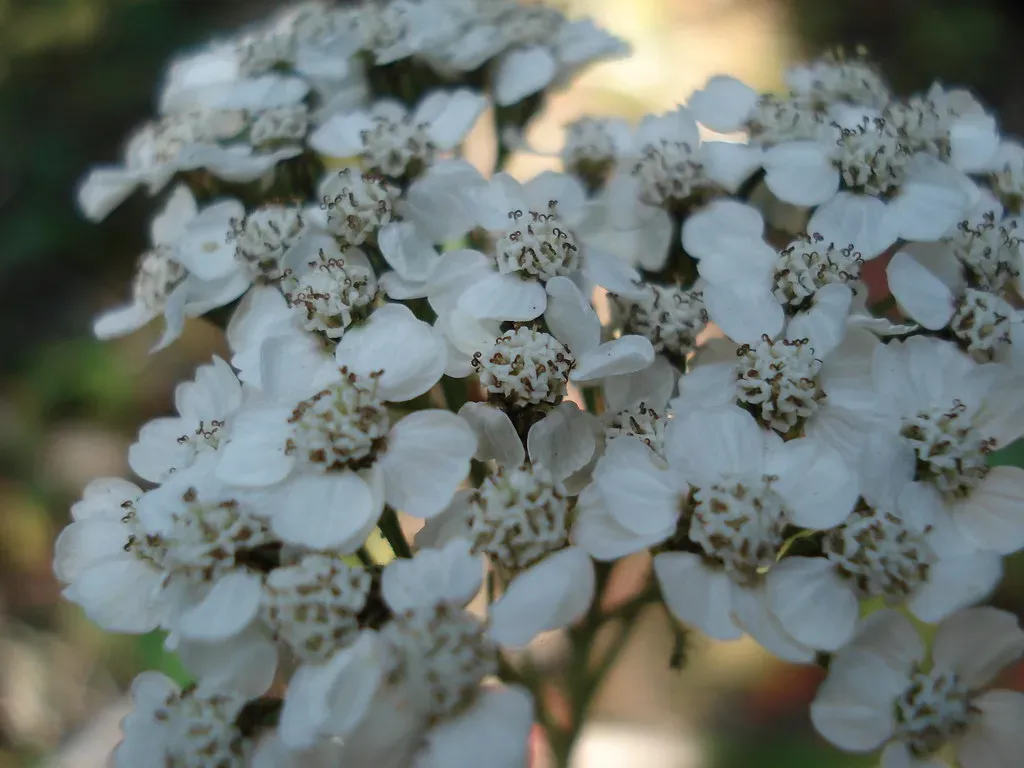
Yarrow’s flat clusters in whites, yellows, pinks draw tiny beneficial insects alongside butterflies and bees. Blooms early summer to fall, super drought-tolerant. Native across North America.[12]
Any soil, full sun. Cut back for more blooms. It’s the reliable workhorse every pollinator garden craves.
10. Goldenrod: Late-Season Lifeline
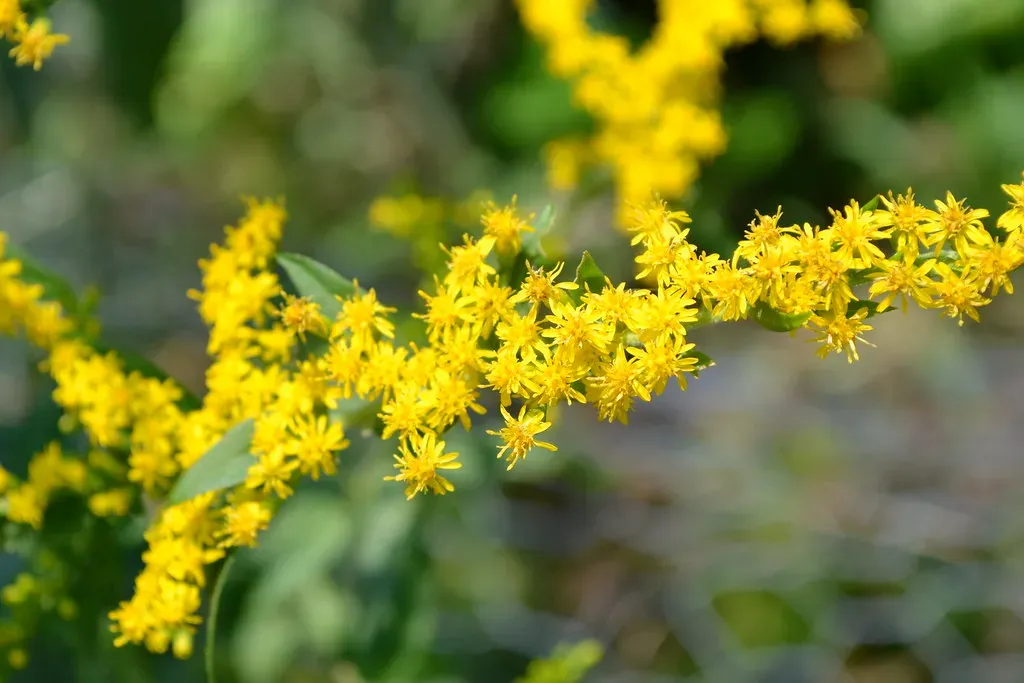
Goldenrod lights up fall with yellow plumes, fueling bees and butterflies pre-winter. Not the allergy culprit people think; ragweed gets that blame. Nectar-packed for migrants too.[13]
Full sun, average soil. Spreads but manageable. Plant it, and watch the garden buzz right up to frost.[14]
Bringing It All Together: Build Your Pollinator Paradise
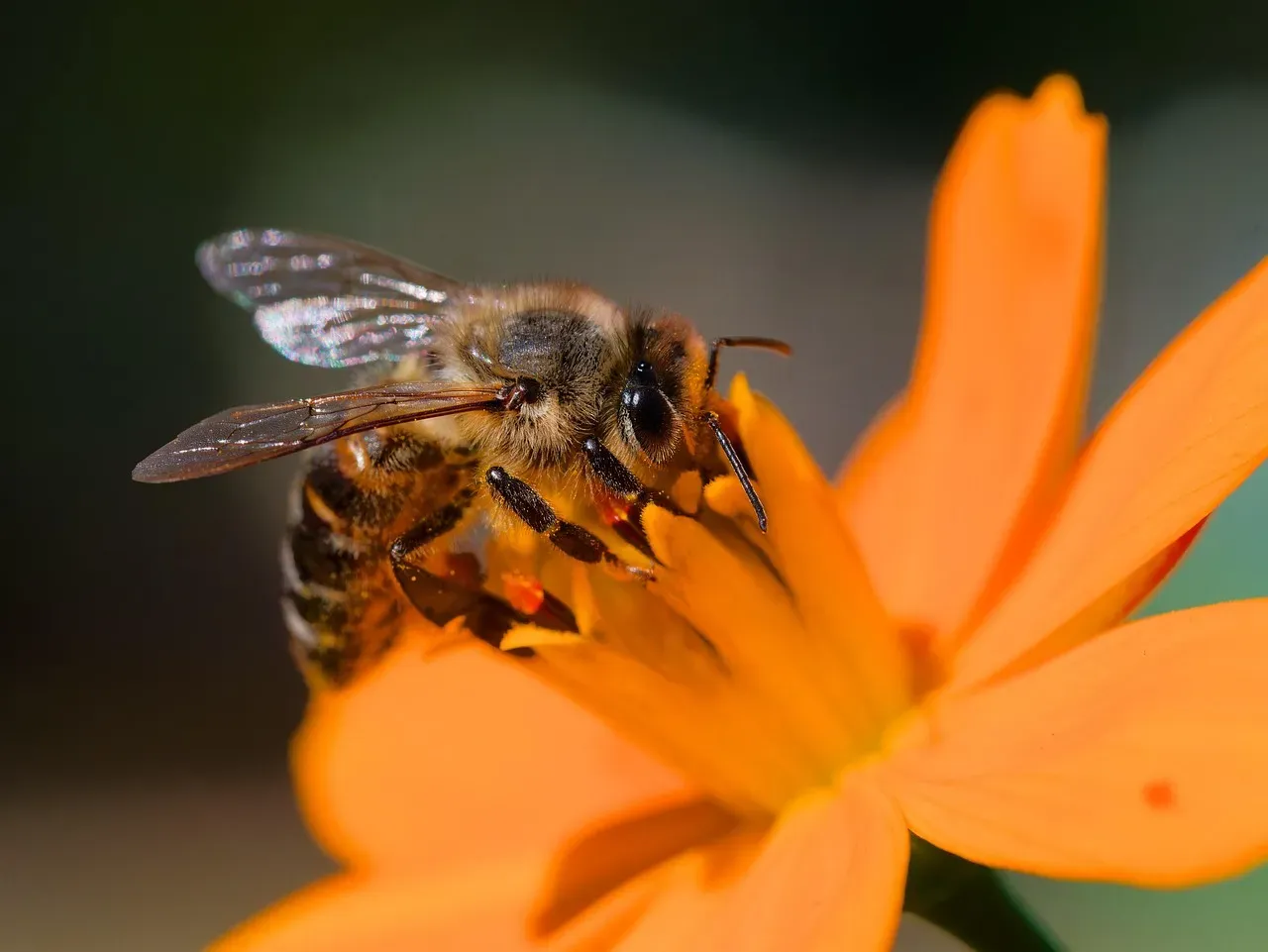
Mix these plants for year-round support, layering bloom times and heights. Go native where possible to boost local species. Your garden becomes a sanctuary, and you’ll feel the buzz of life around you.
Small changes yield big impacts. What plant will you add first? Share in the comments.[1]

- 15 Ways Dogs Turn Downsizing Into a Joyful Transition - August 10, 2026
- 18 Astonishing Facts About Human Evolution That Rewrite Our Origins - August 10, 2026
- 15 Signs Your Dog Is the Best Roommate You’ve Ever Had - August 10, 2026