
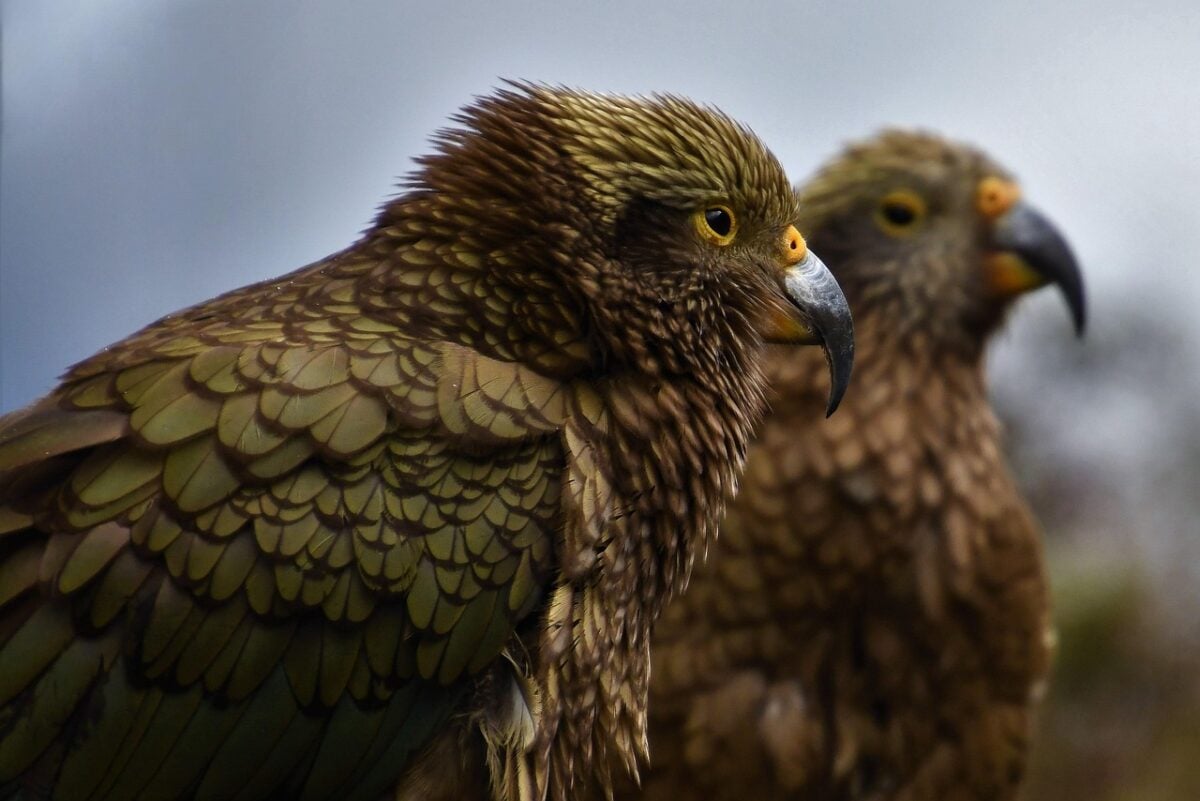
Imagine walking past your living room at night and hearing your parrot softly mumbling to itself in the dark. It is not calling you, it is not asking for a treat, it is just… rehearsing. For a long time, people brushed moments like this off as random noise. But animal cognition research is slowly painting a different picture: parrots might be practicing language alone the way a child whispers new words under their breath before saying them out loud to others.
This idea sounds almost unnervingly human, and that is exactly why it fascinates scientists. If parrots really do rehearse their words in private before using them socially, it suggests that their vocal behavior is not just mimicry on autopilot. It hints at planning, self-monitoring, and maybe even a tiny glimpse of inner speech. Let’s dig into what researchers are seeing, what it might mean, and why your parrot’s late-night muttering could be a lot deeper than it seems.
Why Scientists Think Parrots Are Actually “Rehearsing”
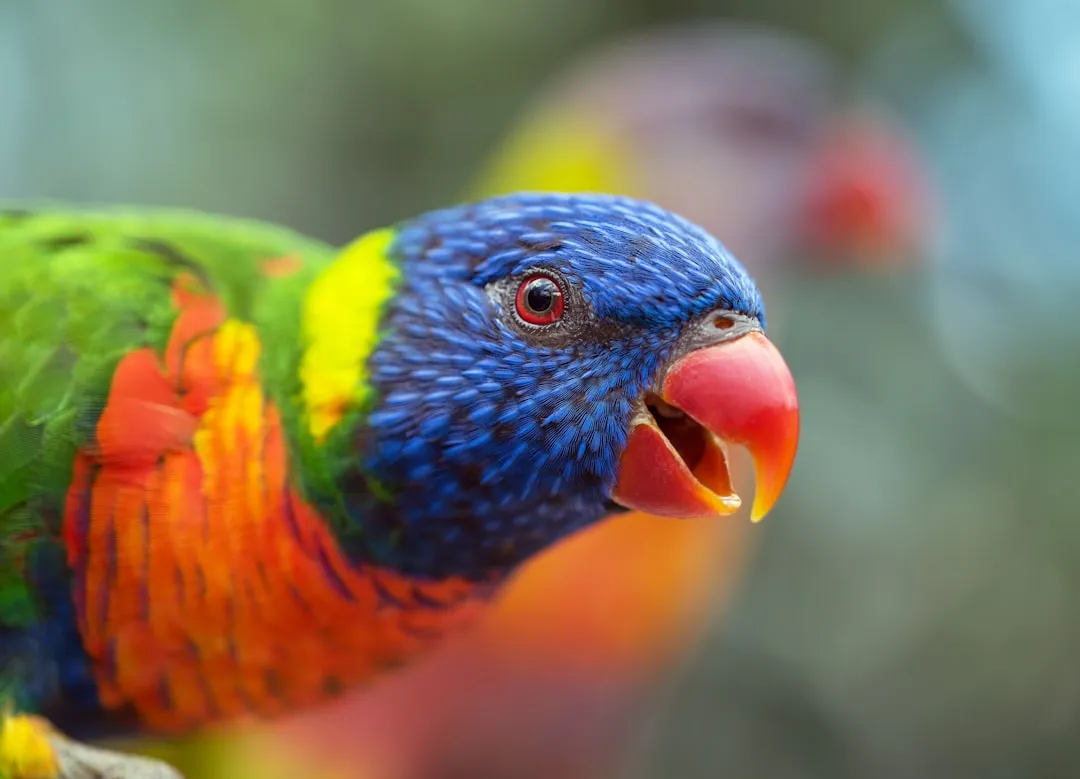
In studies of animal cognition and vocal learning, researchers have noticed a pattern that feels very familiar from human development: practice in low-pressure settings before performance in social ones. Young parrots, especially, are often heard producing soft, exploratory versions of calls and words when they are alone or not being directly engaged. Owners sometimes describe this as mumbling, babbling, or “talking to themselves,” and recordings in controlled settings back this up.
What makes this extra interesting is that some of the sounds heard in these private sessions later show up as clearer, more confident versions in social interactions with humans or other birds. In other words, the raw material appears in solitude first, then emerges refined when it actually matters. It looks less like random noise and more like trial runs, similar to a kid singing a line under their breath before they dare to sing it out loud in front of the class.
Parallel to Human Babbling: The Baby Talk of Birds
Developmental psychologists have long known that human infants go through a phase of babbling before meaningful speech. They repeat syllables, experiment with sounds, and play with rhythm and pitch long before they can ask for water or name a toy. Vocal learning animals such as parrots, songbirds, and even some marine mammals show comparable phases of “subsong” or babbling that serve as a playground for the vocal system.
In parrots, this babbling phase often includes distorted or incomplete versions of human words, flock calls, and household sounds. Over time, as they get feedback from social partners and hear the surrounding soundscape, those fragments sharpen into recognizable words and calls. The fact that this happens most safely when there is no immediate social pressure strongly points to a learning strategy, not just random mimicry. It is the avian equivalent of practicing a new dance move when no one is watching.
Vocal Learning: Why Parrots Are in the Same Club as Humans
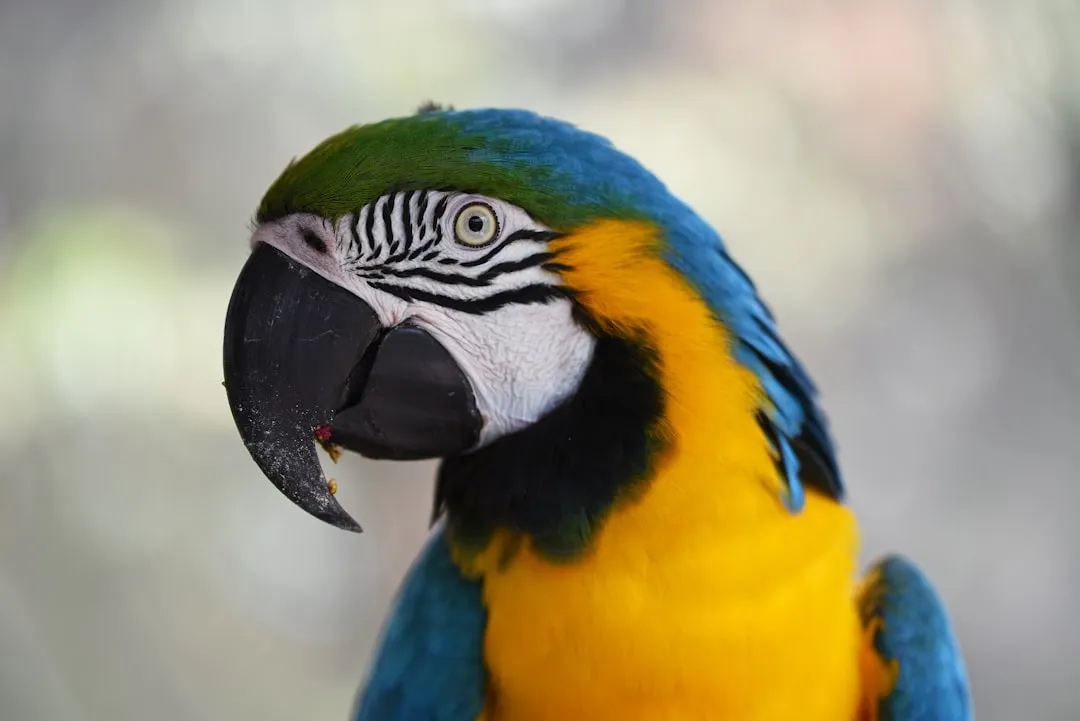
Parrots belong to a rare group of species known as vocal learners, animals that learn sounds by hearing them and then reproducing them, rather than being born with a fixed set of calls. Humans, songbirds, hummingbirds, and a few other species are in this exclusive club. This capacity alone already tells you that parrots’ brains are wired for flexible, experience-dependent control over sound.
In the brain, vocal learning depends on specialized circuits linking auditory regions (hearing) with motor regions (movement and sound production). In parrots, these networks are especially elaborate and layered. The same kinds of brain processes that let a person imitate a foreign accent after hearing it for a while seem to support a parrot’s ability to absorb, tweak, and eventually produce “Hello,” whistled tunes, and even context-linked phrases. Rehearsal in solitude fits neatly into this framework as a phase where sensory memories and motor patterns are being synced up without the chaos of live interaction.
Practicing Alone vs Speaking in Public: What Changes for the Bird
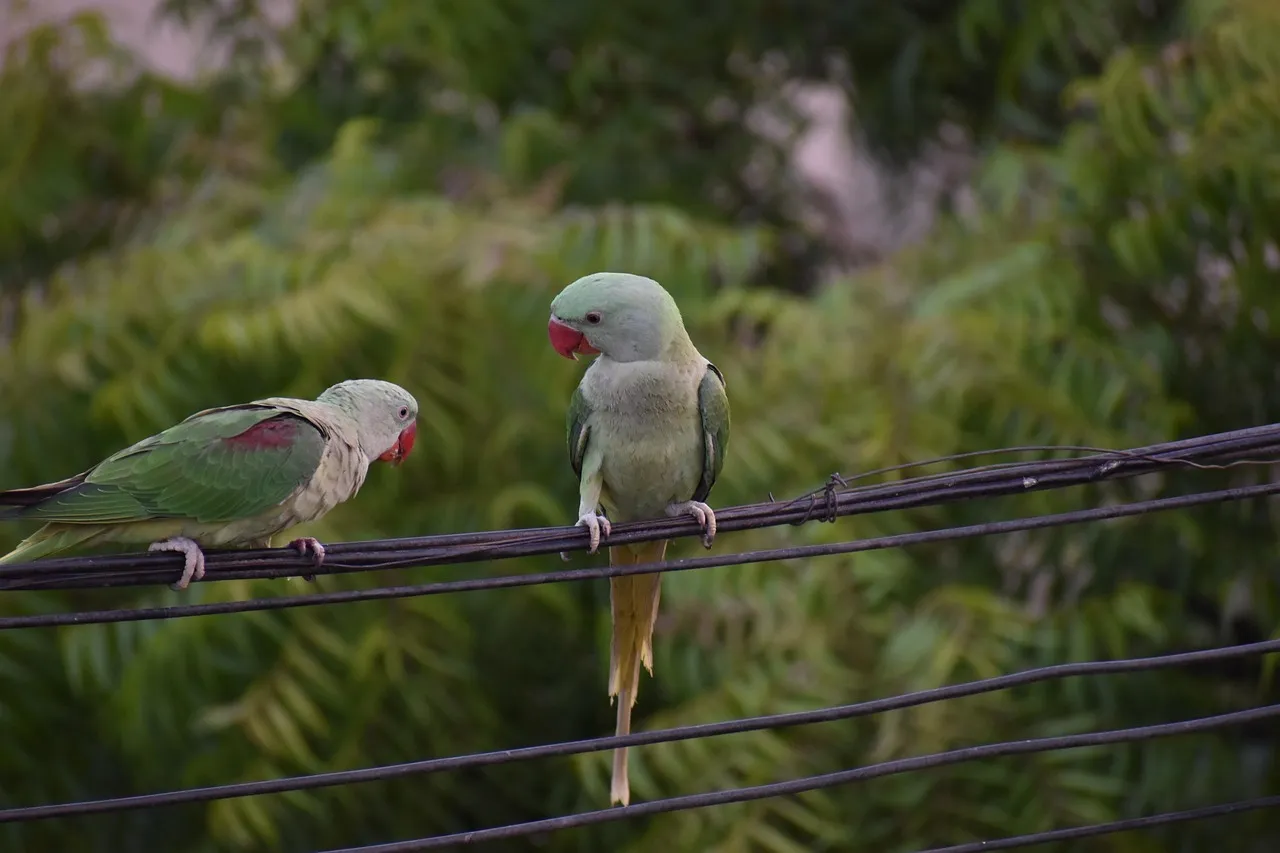
Anyone who has ever rehearsed a speech alone in their room and then felt their voice suddenly change when real people were watching knows the difference between private and public performance. Parrots appear to experience a similar split. Recordings suggest that when they are alone or in a low-stress context, their practice sessions are often quieter, more variable, and filled with half-finished syllables and odd combinations. They are exploring the space of what their vocal apparatus can do.
When other birds or humans are present and responding, their vocal output tends to be more structured and selective. They use specific words or calls that have worked before to get attention, treats, or contact. That shift from exploratory, messy practice to targeted, socially meaningful use is the key hint that they are not just parroting everything blindly. They are choosing from a toolbox they have been refining offstage, which is a very different thing from simple reflexive imitation.
Is There Intention Behind the Words, or Just Clever Mimicry?
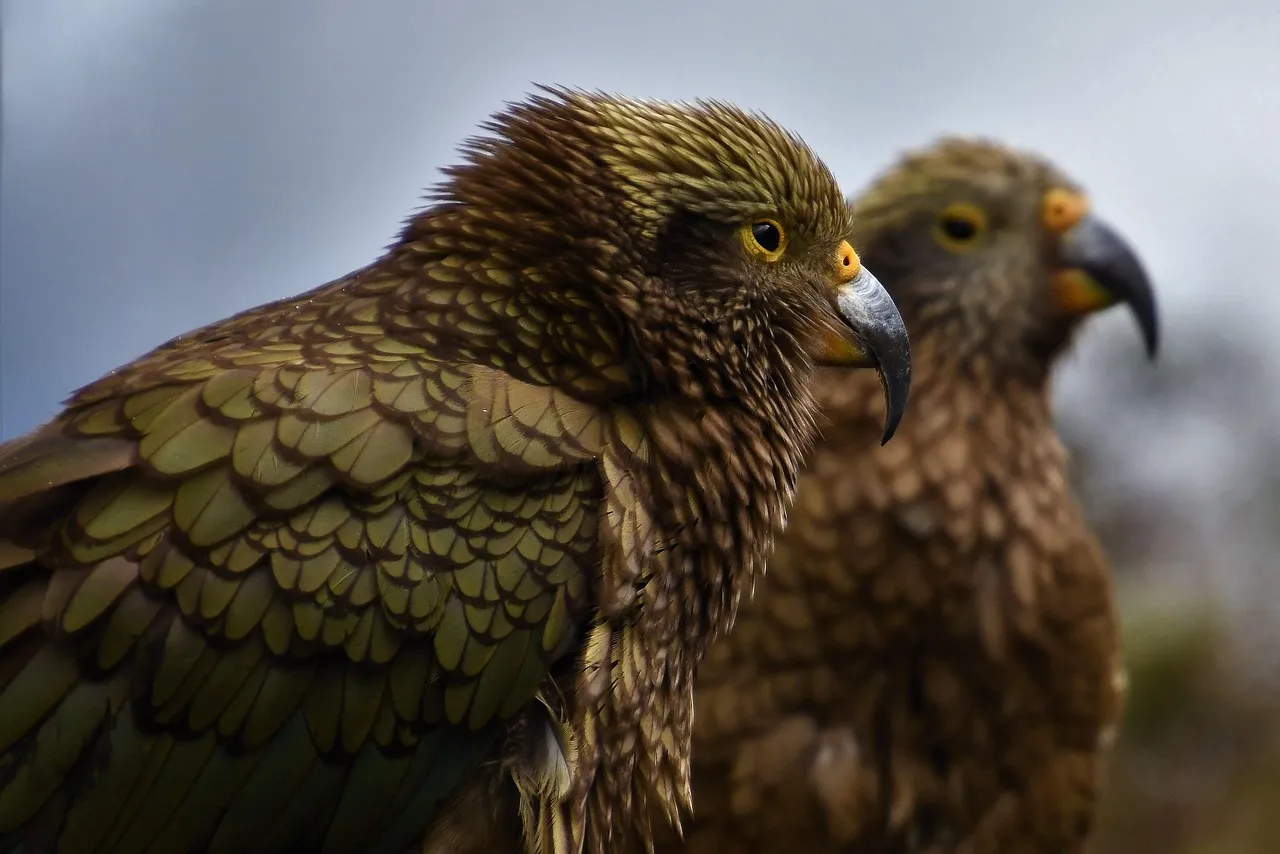
This is where the debate heats up. Some researchers argue that parrots’ private practice suggests a degree of intention: the bird is not only copying sounds but also deciding when and how to deploy them. For instance, if a parrot only uses a certain phrase in a greeting context, after having rehearsed that phrase while alone, it looks suspiciously like it has linked that sound to a situation and polished it for that purpose. That is not full-blown human language, but it edges toward meaningful communication.
Others warn against over-interpreting. From a more cautious view, rehearsal could simply be the brain’s way of stabilizing motor patterns without any conscious planning. In this view, a parrot using a word in an appropriate social moment might still be relying mostly on learned associations: this sound tends to get this reaction, so the bird keeps using it there. Personally, I think the truth probably lies in the middle: parrots are not tiny feathered humans, but they are also not empty tape recorders. Their practice habits show that something flexible and goal-directed is happening, even if it does not match our idea of language one-to-one.
What This Reveals About Parrot Minds and Inner Worlds
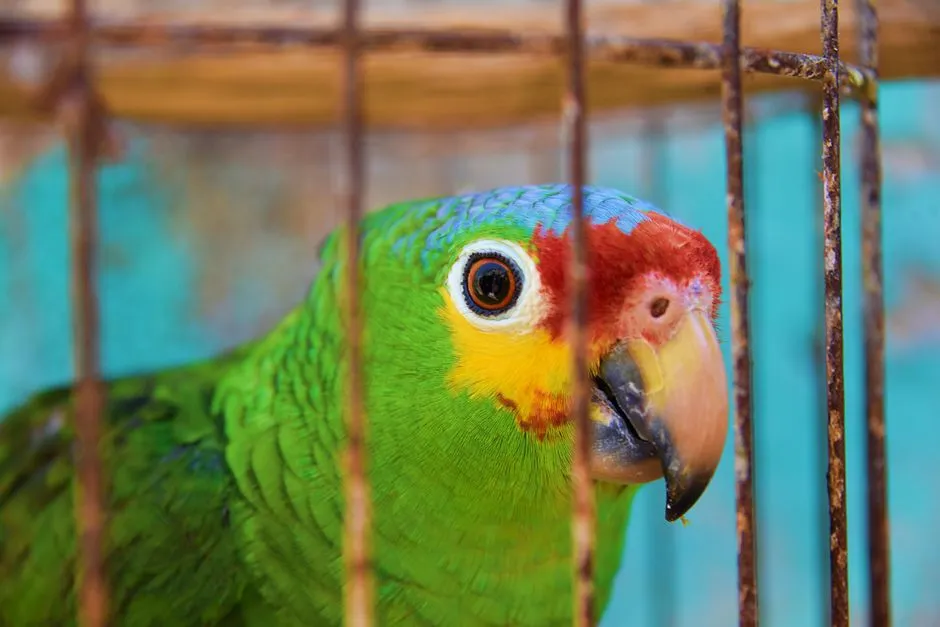
When a parrot mutters words alone in its cage, it is hard not to wonder what, if anything, is going on in its mind. Does it “hear” those words internally the way we do when we silently read? Is it imagining a human responding, or simply enjoying the sounds? Animal cognition research cannot yet answer these questions fully, but the very fact that parrots practice words without immediate reward or audience hints at a richer inner life than many people assumed a few decades ago.
If the bird were only saying things because someone rewarded it on the spot, we would not expect such a strong pattern of solitary, low-stakes rehearsal. That extra step suggests that parrots may have a kind of internal motivation to explore sounds and perhaps to prepare for future interactions. It is a bit like a stand-up comic trying out lines into an empty mirror: there is no laugh right now, but there is a sense that these words might matter later.
How Parrot Owners Can Support Healthy “Practice” and Real Conversation
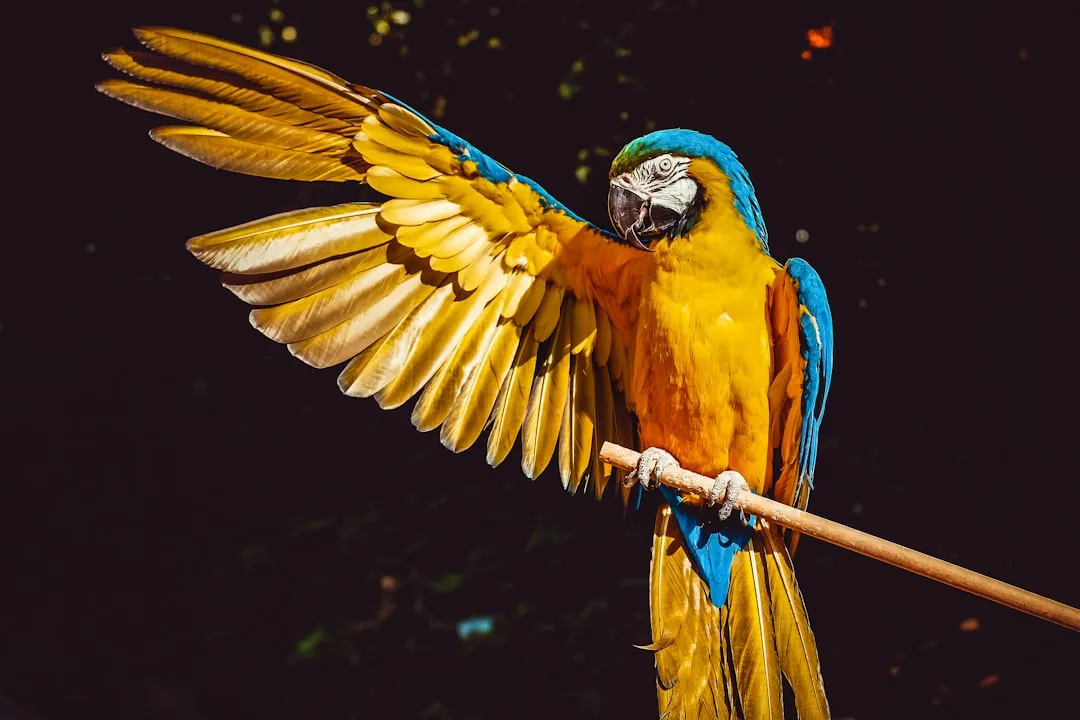
For people living with parrots, this research has surprisingly practical implications. If your bird is a vocal learner constantly refining its toolkit, then the environment you provide really matters. Clear, consistent phrases tied to situations, plenty of social interaction, and time for the bird to simply “talk to itself” without interruption can all feed into better, more meaningful use of words later. Cutting off or mocking that private practice might be a bit like telling a child to stop babbling because it sounds silly.
It also suggests that owners should be thoughtful about what they model. Parrots do not just learn isolated sounds; they learn patterns of when those sounds are used. If a certain phrase appears only during arguments or stressful moments, do not be surprised if the bird starts dropping it at tense times. By treating your parrot as a vocal learner with needs and preferences rather than a living soundboard, you create a space where its private rehearsal can blossom into something closer to a genuine, back-and-forth relationship.
Conclusion: Practicing in the Dark and What It Says About Us
To me, the idea that parrots quietly rehearse words when no one is listening is one of those findings that gently rearranges how you see the world. It blurs the sharp line we like to draw between human minds and animal minds. No, parrots are not planning political speeches or debating philosophy. But they are apparently refining vocal skills in private, shifting from rough drafts to polished “performances” in social situations, and that alone is a big deal for how we think about animal intelligence.
The opinion I keep coming back to is this: if we underestimate parrots here, we are probably underestimating a lot of other animals too. Their inner lives will not look exactly like ours, but dismissing their practice, play, and experimentation as meaningless noise does more to flatter our egos than to reflect reality. Next time you hear a parrot whispering to itself, maybe pause before you laugh it off. Could it be that, just like us, it is simply getting ready to say something that matters a little more when someone is finally paying attention?
