Skip to Content

10 Popular Garden Birds in North America and How to Ensure They Keep Returning

10 Popular Garden Birds in North America and How to Ensure They Keep Returning
10 Popular Garden Birds in North America and How to Ensure They Keep Returning-feature image/Unsplash
Many people notice a flash of color or a cheerful song outside their window and wonder what draws certain birds to one yard over another. The answer often lies in small choices about food, water, and shelter that turn an ordinary space into a reliable stopover. Learning which species visit most often opens the door to simple steps that keep them coming back season after season.

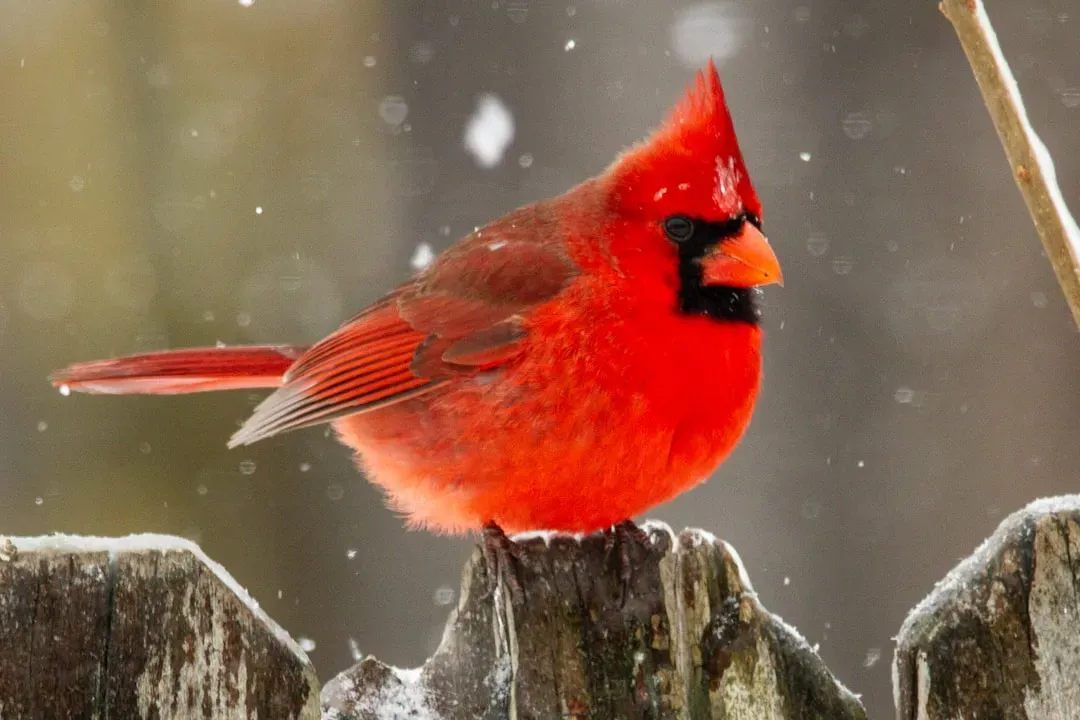
Northern Cardinal

Northern Cardinal (Image Credits: Unsplash)
The Northern Cardinal stands out with its bright red plumage and clear whistling calls that carry across suburban yards. People enjoy watching pairs visit feeders year round because the males stay vibrant even in winter. Offering sunflower seeds in a platform or hopper feeder gives them a steady supply they recognize quickly. Cardinals also appreciate dense shrubs for nesting and cover from predators. Planting native berry producing bushes like dogwood or viburnum adds natural food sources while creating safe thickets. Keeping cats indoors and limiting pesticide use further encourages these birds to raise families nearby.

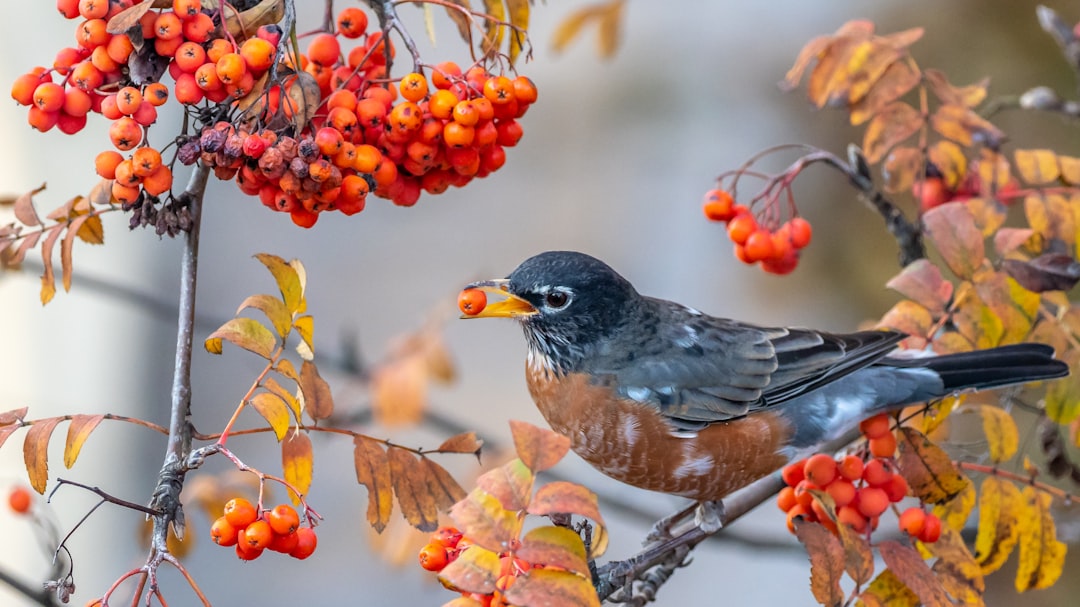
American Robin

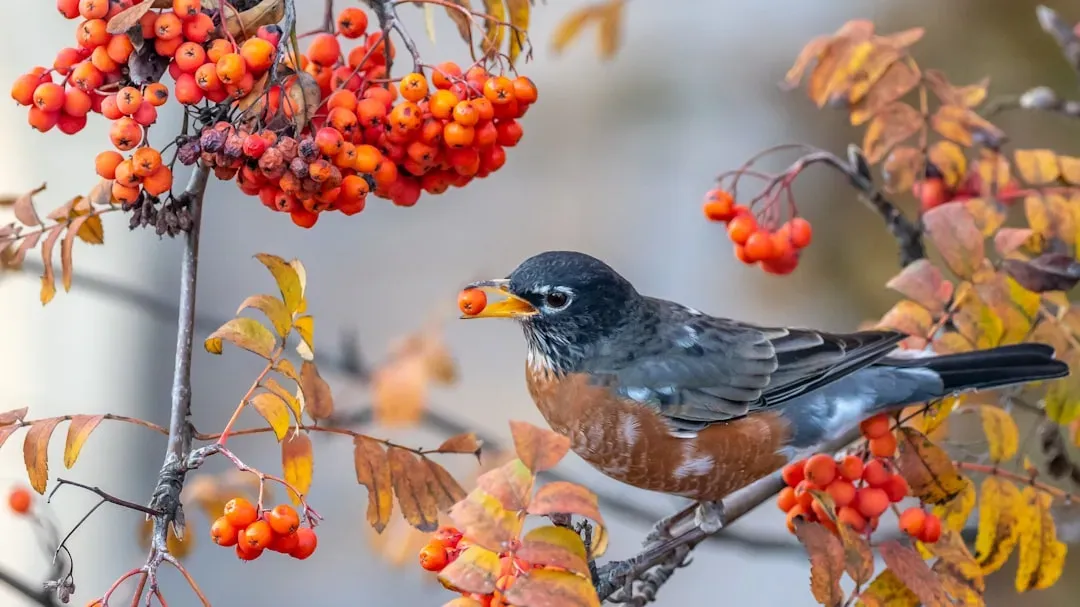
American Robin (Image Credits: Unsplash)
American Robins appear on lawns across the continent searching for earthworms after rain. Their orange breasts and upright posture make them easy to spot even from a distance. Providing a shallow birdbath with moving water helps them bathe and drink while they hunt insects on the grass. These thrushes build nests in the crooks of trees or on ledges. Leaving leaf litter in garden beds supports the worms they prefer and reduces the need for chemical treatments. Adding a few fruit bearing trees like serviceberry supplies extra nutrition during migration periods.

Black Capped Chickadee

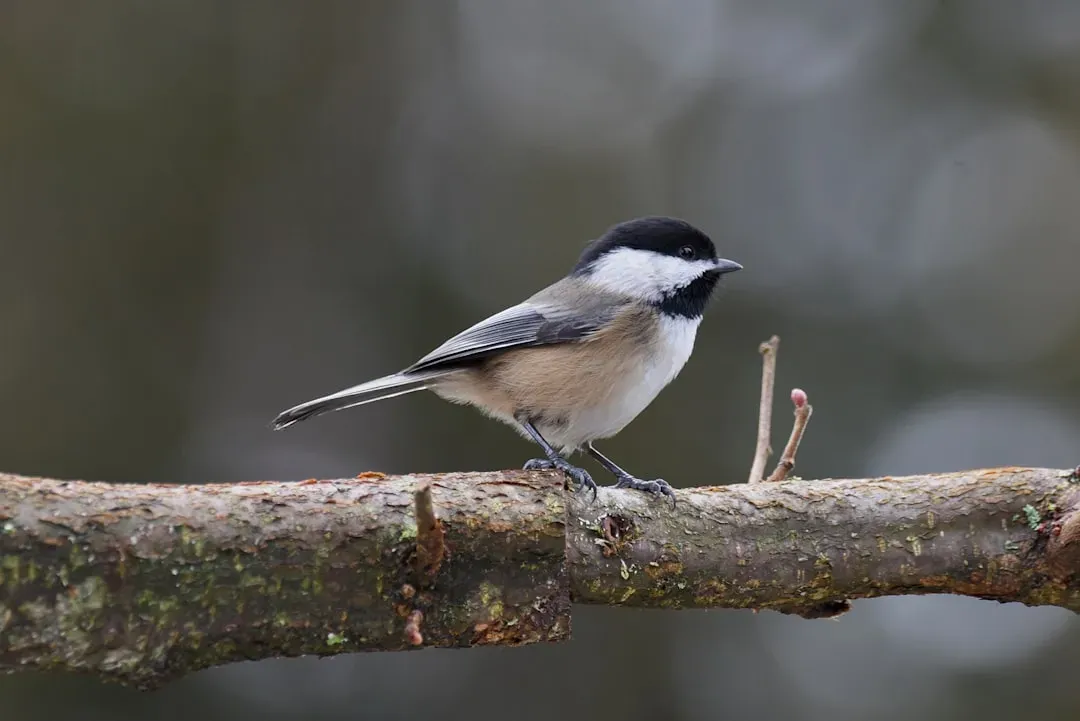
Black Capped Chickadee (Image Credits: Unsplash)
Black capped Chickadees bring lively acrobatics to feeders as they grab seeds and fly off to cache them. Their bold personalities and distinctive chick a dee calls make them favorites among backyard observers. Sunflower and safflower seeds in tube feeders suit their small size and strong grip. These tiny birds nest in cavities so installing a small nest box with a quarter inch entrance hole offers extra housing. Leaving some dead branches or snags in the yard supplies natural sites while also attracting the insects they eat in summer. Consistent fresh water nearby keeps them visiting even on cold days.

Blue Jay

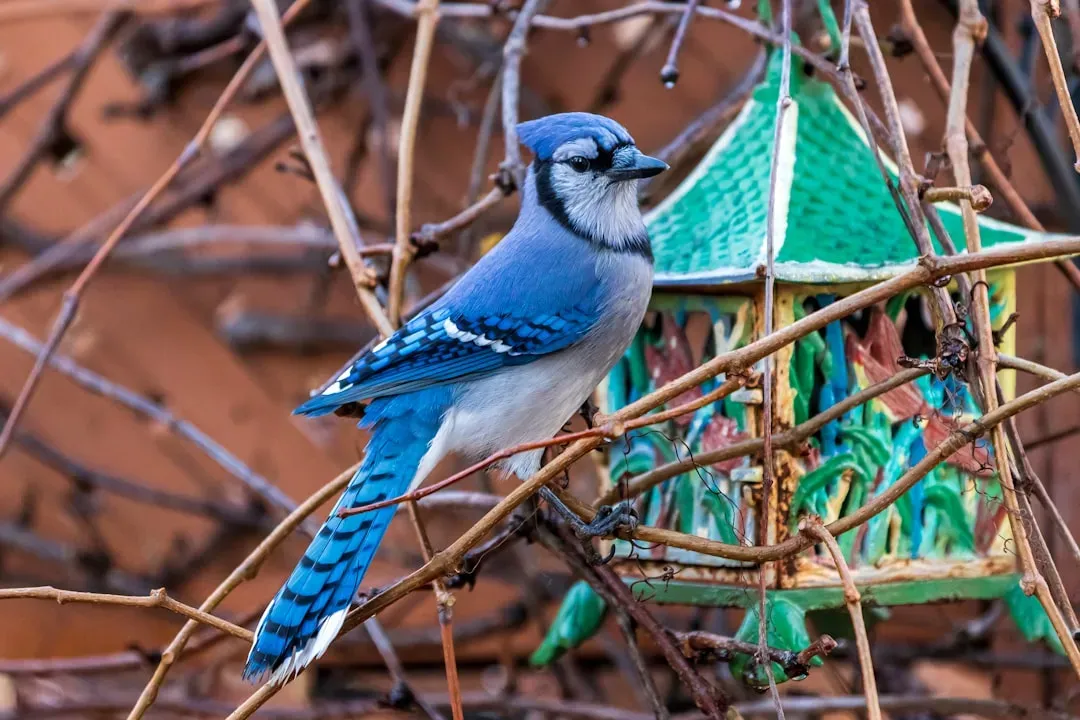
Blue Jay (Image Credits: Unsplash)
Blue Jays add bold color and intelligence to the garden scene with their bright blue feathers and complex vocalizations. They often travel in family groups and can be quite vocal when defending food sources. Whole peanuts and large sunflower seeds in an open tray appeal to their preference for bigger items. These corvids need sturdy trees for nesting and roosting. Planting oak or beech trees provides acorns they cache for later while also offering height for safety. Avoiding reflective surfaces that confuse them during flight reduces window collisions and encourages regular returns.

American Goldfinch

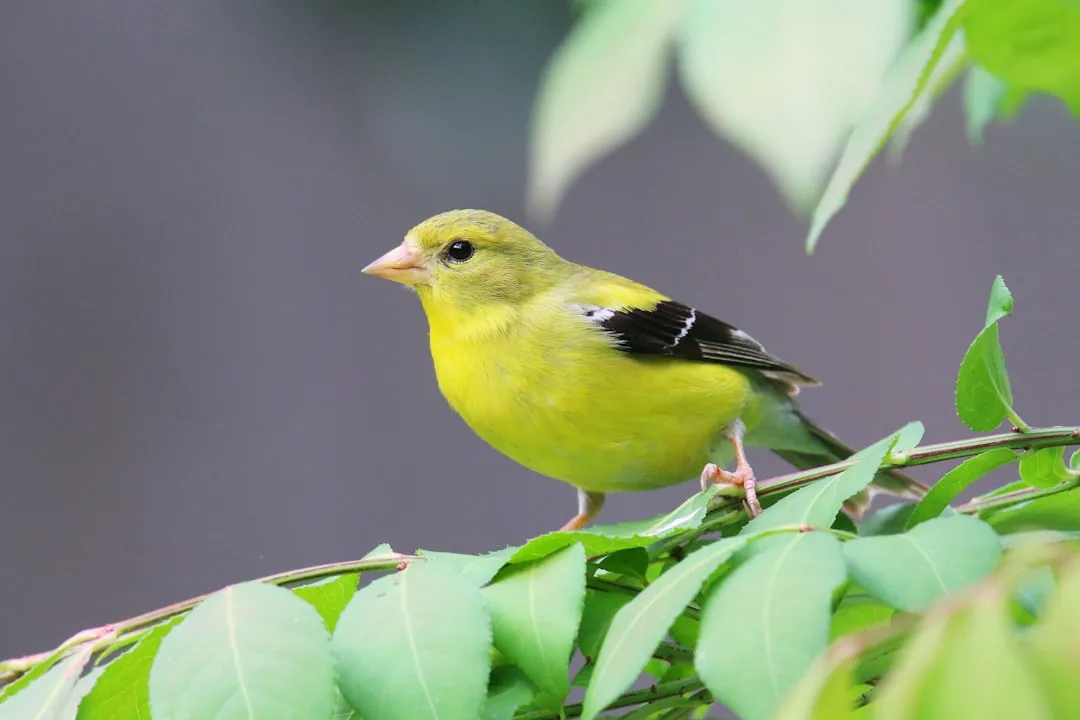
American Goldfinch (Image Credits: Unsplash)
American Goldfinches arrive in bright yellow breeding plumage and bring a gentle twittering sound to feeders. They favor thistle and nyjer seed which their specialized beaks handle with ease. A dedicated finch feeder with small ports keeps the seed clean and accessible only to them. Goldfinches nest later than most species so late blooming native plants like coneflower and aster supply both seeds and nesting material. Maintaining a pesticide free lawn allows the weeds and insects they rely on during the breeding season. A reliable water source supports their frequent bathing habits.

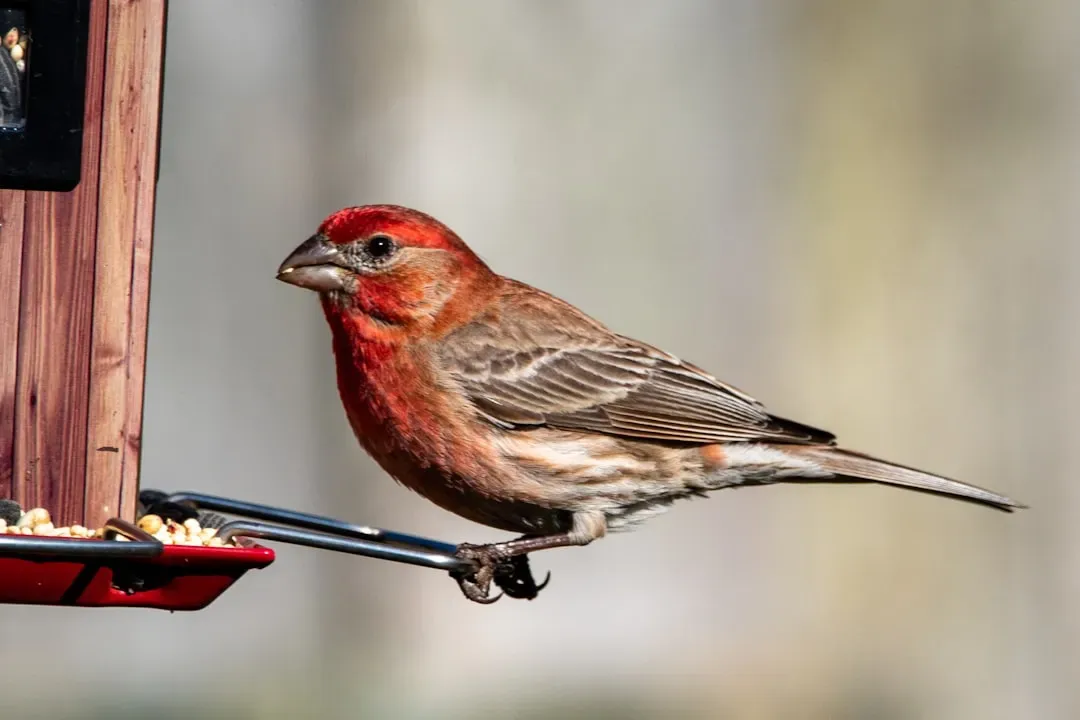
House Finch

House Finch (Image Credits: Unsplash)
House Finches have spread widely and now appear at feeders throughout much of North America. Males show rosy red coloring on the head and chest while females remain streaked brown. Mixed seed blends that include millet and sunflower work well in hanging or platform feeders. These adaptable birds nest in hanging planters or dense vines so providing such spots around the house increases their presence. Offering grit or crushed eggshells helps with digestion and eggshell formation. Keeping feeders clean prevents the spread of disease that can affect local populations.

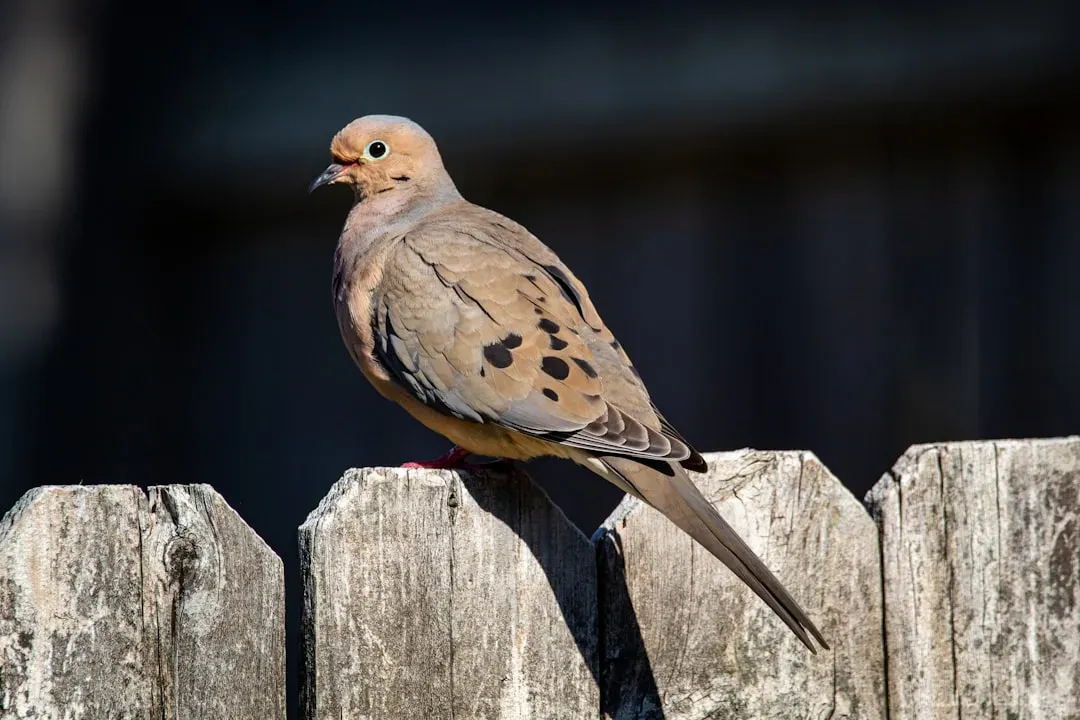
Mourning Dove

Mourning Dove (Image Credits: Unsplash)
Mourning Doves visit quietly and their soft cooing often signals the start or end of the day. Their plump bodies and long tails make them distinctive on the ground beneath feeders. Scattering millet and cracked corn on a low platform or directly on the ground matches their foraging style. These doves prefer open ground for nesting so a simple platform nest or undisturbed corner of the yard can help. Avoiding ground traps and keeping the area free of loose string reduces hazards. A large shallow bath allows them to drink and preen without competition from smaller birds.

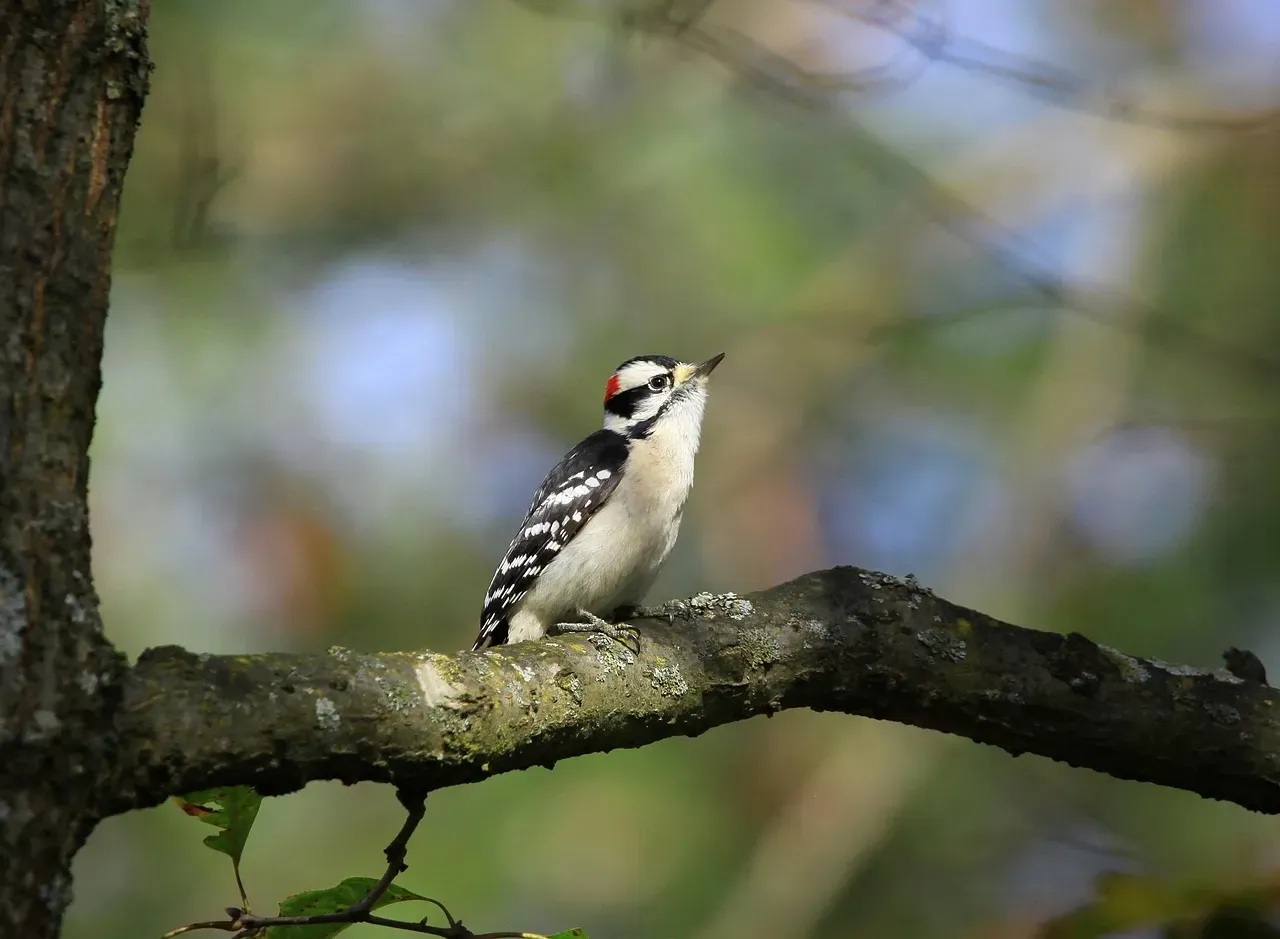
Downy Woodpecker

Downy Woodpecker (Image Credits: Pixabay)
Downy Woodpeckers cling to suet feeders and tree trunks with their stiff tails and chisel like beaks. Their small size and black and white pattern distinguish them from larger relatives. Suet cakes or peanut butter mixtures placed on a vertical feeder attract them reliably through winter. These woodpeckers excavate nest holes in dead wood so preserving a few standing snags or installing a suet feeder near a dead branch supports their habits. Planting insect friendly trees like birch increases natural food during warmer months. Reducing outdoor lighting at night helps them rest undisturbed.

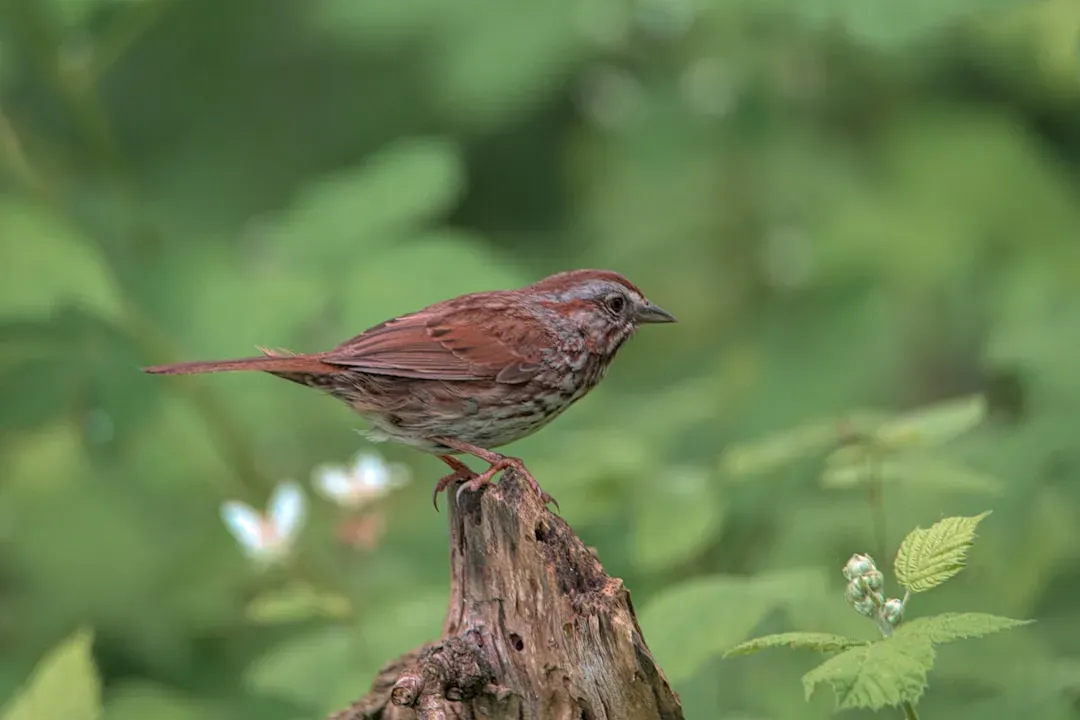
Song Sparrow

Song Sparrow (Image Credits: Unsplash)
Song Sparrows fill gardens with varied melodies from low shrubs and fence lines. Their streaked brown plumage provides camouflage while they search for seeds and insects. Offering white millet and sunflower chips in a ground level feeder suits their preference for scratching through debris. These sparrows build nests close to the ground in thick cover so maintaining brush piles or dense perennials creates safe sites. Leaving some areas of the garden unmowed during breeding season protects young birds. Fresh water in a low dish encourages daily visits and bathing.

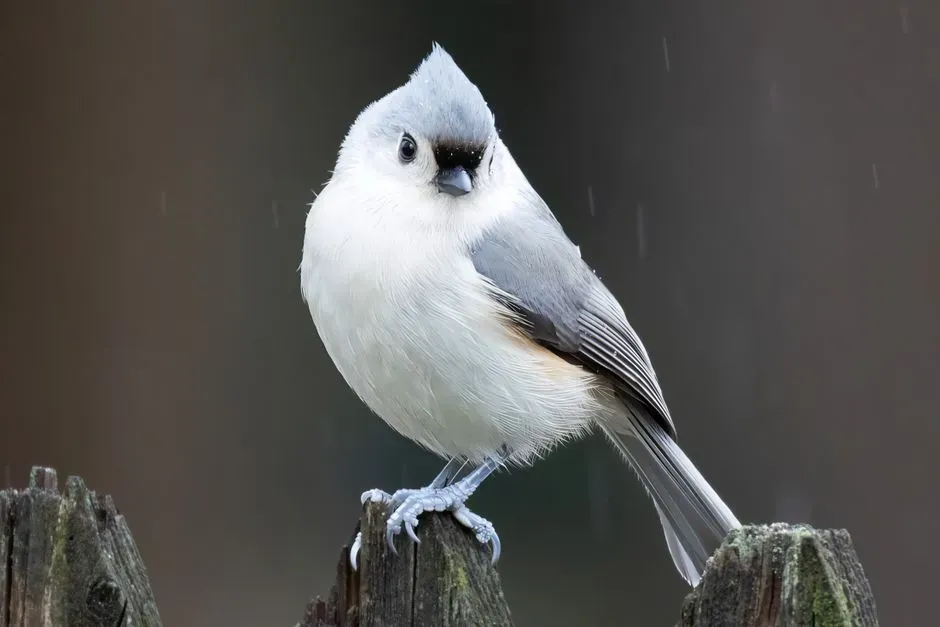
Tufted Titmouse

Tufted Titmouse (Image Credits: Pexels)
Tufted Titmice dart to feeders with crests raised and quick movements that catch the eye. Their gray bodies and large black eyes give them a curious expression. Sunflower seeds and peanuts in a tube or platform feeder match their agile feeding style. These birds use nest boxes with a small entrance and often line them with soft material they gather themselves. Planting nut producing trees like hickory adds seasonal food while also supporting insects. Keeping a consistent water source and limiting disturbance near potential nest sites helps pairs return each spring. Making room for these birds turns a backyard into a living system that rewards attention with color, sound, and quiet company throughout the year. Small consistent efforts compound into places where generations of birds feel at home. The real satisfaction comes from watching the same individuals or their offspring return because the space meets their needs.
Did you find this helpful? Share it with a friend who’d love it too!
    Up next: