
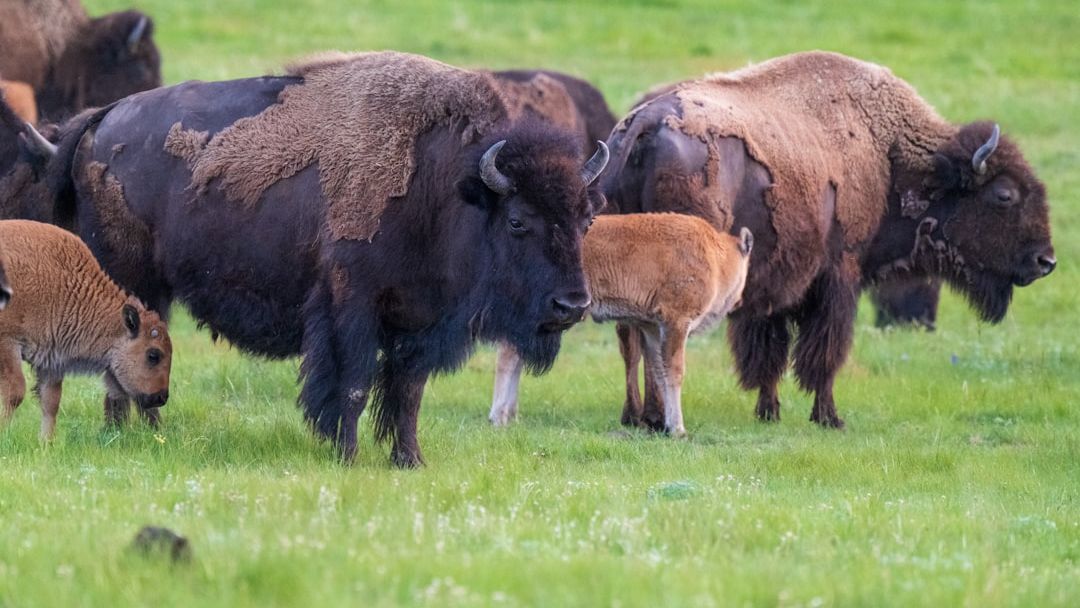
The Great Plains stretch endlessly beneath vast skies, where storms gather with frightening intensity. Nothing quite compares to the raw power of nature unleashed when darkness falls and tornadoes carve their destructive paths across the prairie. Yet in this unforgiving landscape, an ancient wisdom emerges from the most unlikely creatures.
Throughout centuries, bison have roamed these grasslands with an instinct that defies human logic. While other animals flee in panic from approaching storms, these massive creatures choose a different path entirely. Their behavior might seem counterintuitive, but it represents millions of years of evolution perfectly calibrated to survive the harsh reality of prairie life.
The Ancient Instinct That Defies Logic
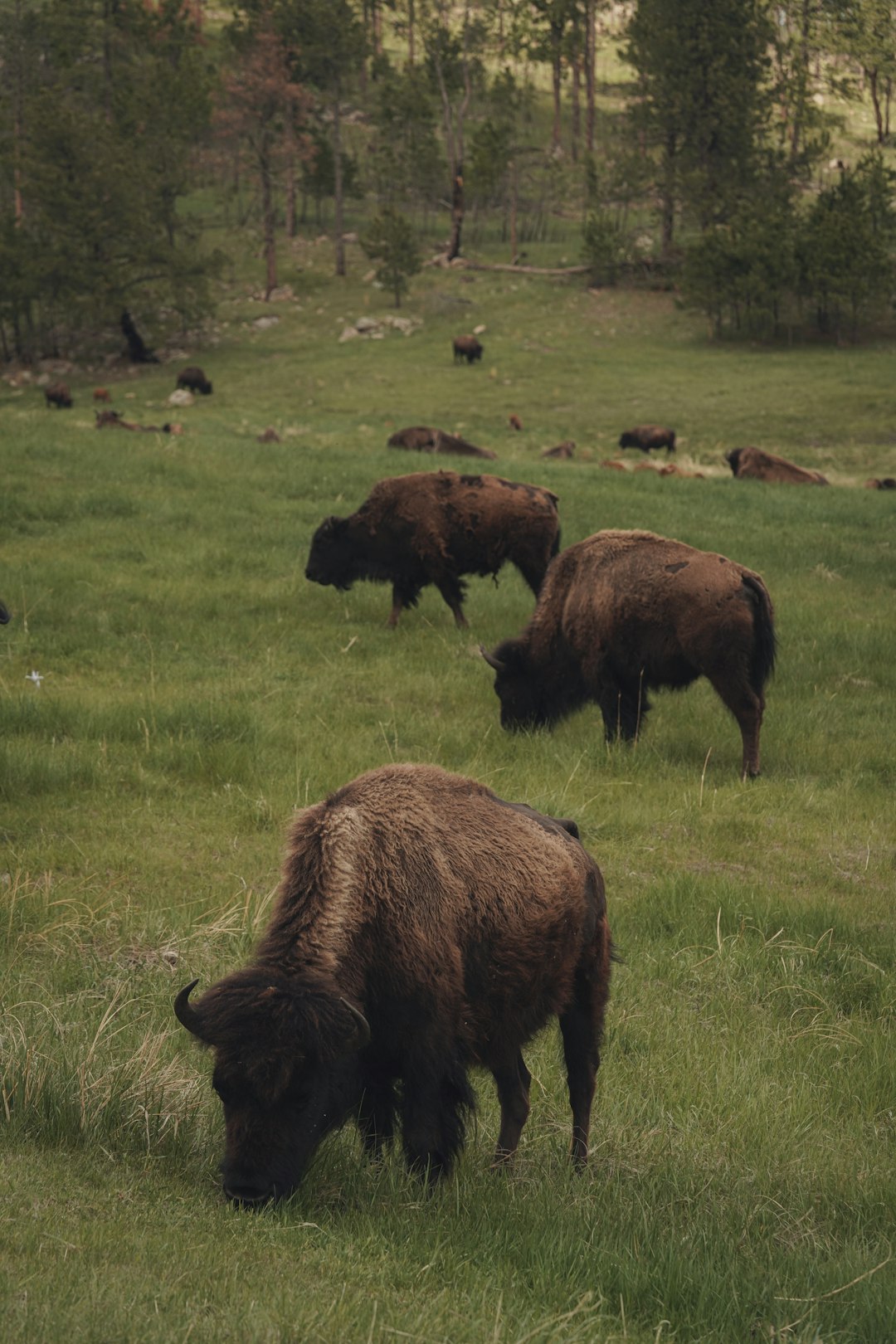
When storm clouds gather on the horizon, bison are often said to charge directly into storms, though this behavior is largely anecdotal and not well-documented scientifically, while their close relatives, cows, huddle together and run away from the storm. This remarkable behavior has puzzled observers for generations. The bison essentially position themselves to intercept the storm head-on, minimizing the distance they need to traverse to clear the weather system entirely.
While bison are more resilient to harsh weather than many animals, they typically seek shelter during severe storms like most wildlife. This isn’t mere bravado or reckless abandon. This behavior is a survival strategy, not a conscious act of bravery. It’s a deeply ingrained response that has proven effective in the harsh environment they inhabit.
Night Terrors on the Great Plains
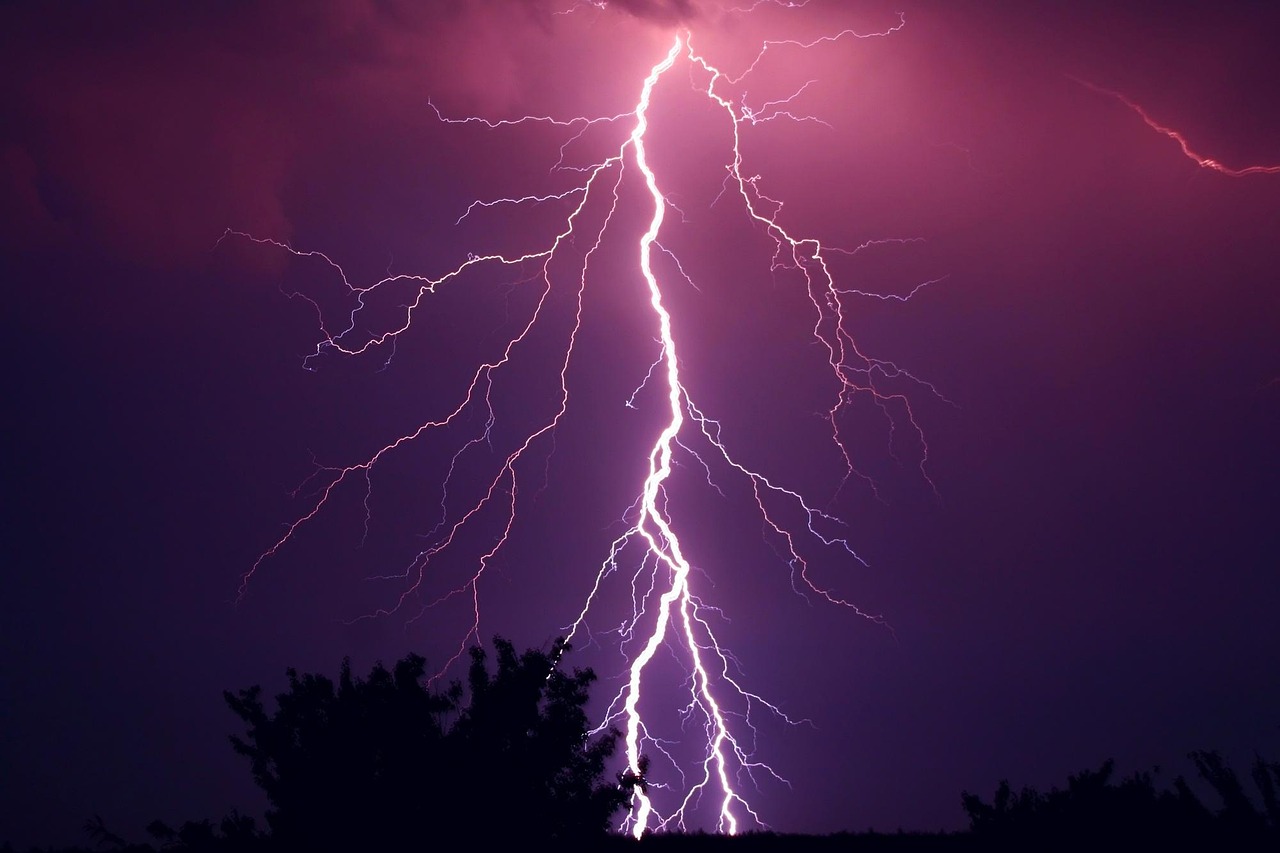
Thunderstorms are rare on the high plains, but when they do occur they excel in all the elements of grandeur and sublimity. Nowhere is the lightning-flash a more vivid and blinding glare. Nowhere is the crash of the thunder more stunning, nor its roll more deep and prolonged. Nowhere does a man feel more intensely the nearness and power of the Creator.
The storms of each locality generally come from one particular direction, and, at whatsoever season occurring, are often perfect tornadoes, overturning and destroying everything movable. When these violent weather systems strike at night, the danger multiplies exponentially. Visibility becomes nearly zero, and the disorienting darkness amplifies the terror of nature’s fury.
How Other Animals Face the Storm
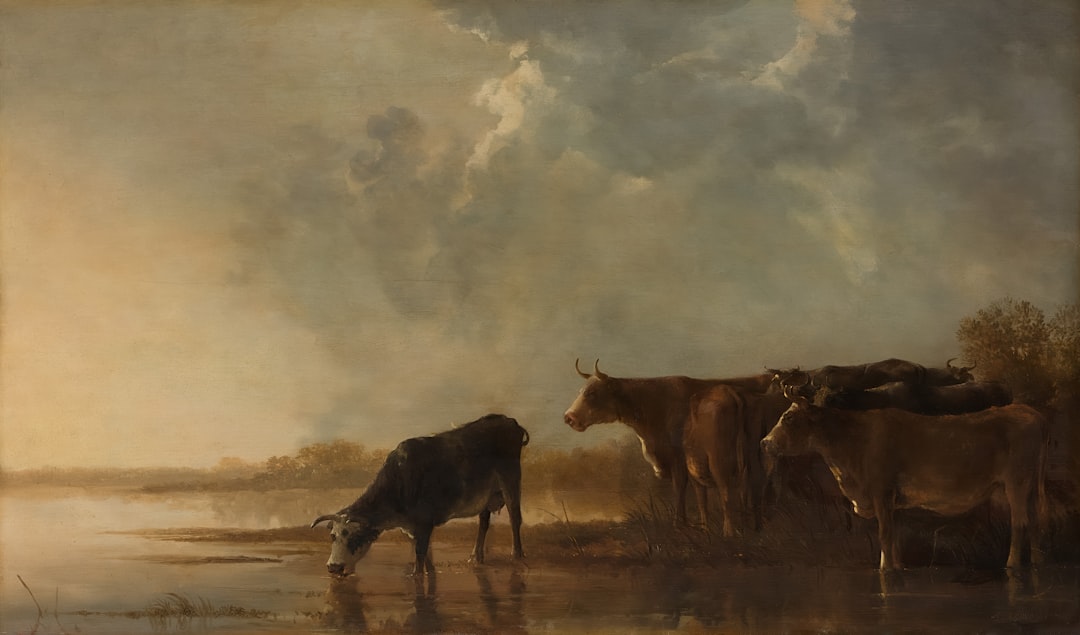
When a storm is approaching, cows will typically start to panic and run away from it. They may try to find shelter or simply try to outrun the storm. However, this strategy is ultimately futile. Cows tend to huddle together and move with the storm, potentially prolonging their exposure. This behavior might be related to their herd dynamics or their physiological limitations compared to bison.
The little ground-dwellers, you can’t tell me that an armadillo can outrun a tornado or knows what to do. Most wildlife lacks the physical capabilities and learned behaviors to survive these extreme weather events. Their survival often depends on pure chance rather than strategy.
The Science Behind the Charging Strategy
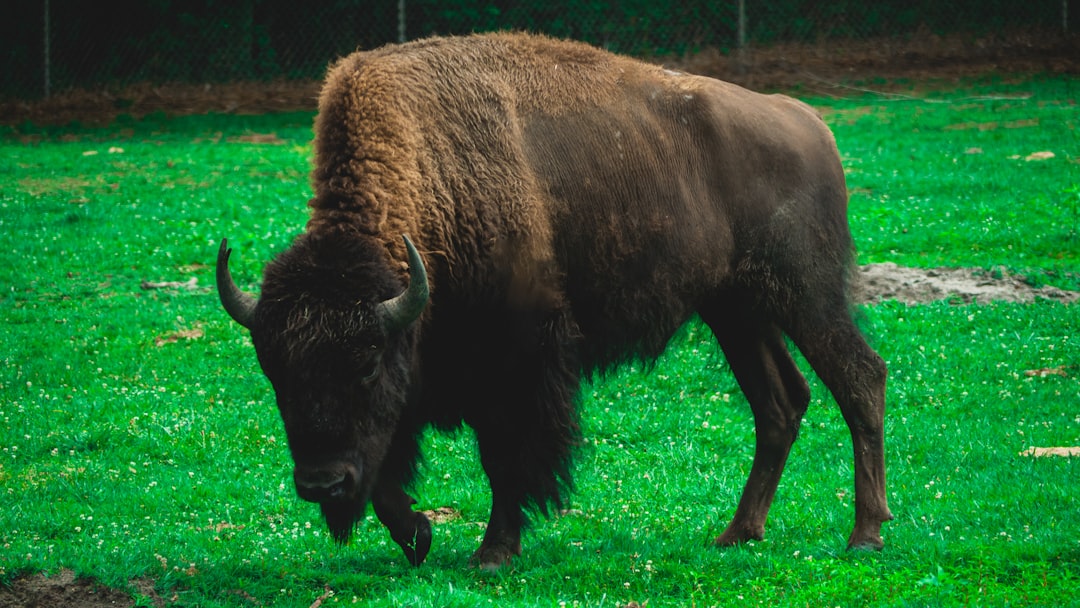
According to popular belief, bison charge into storms to limit exposure time, though scientific observation suggests they more commonly seek natural shelter and how quickly its adversity is overcome. This counterintuitive approach actually makes perfect sense from a physics standpoint. By moving toward the storm, bison reduce their total exposure time to dangerous conditions.
By turning and running away we only prolong our suffering and lengthen our exposure to the elements of the storm, therefore, greatly increasing the suffering we endure. The mighty bison has it right, by charging into the storm, facing it head on, it limits the amount of time it takes to weather the storm and how quickly its adversity is overcome. This behavior transforms what could be prolonged suffering into a brief but intense encounter.
Survival Stories from the Prairie
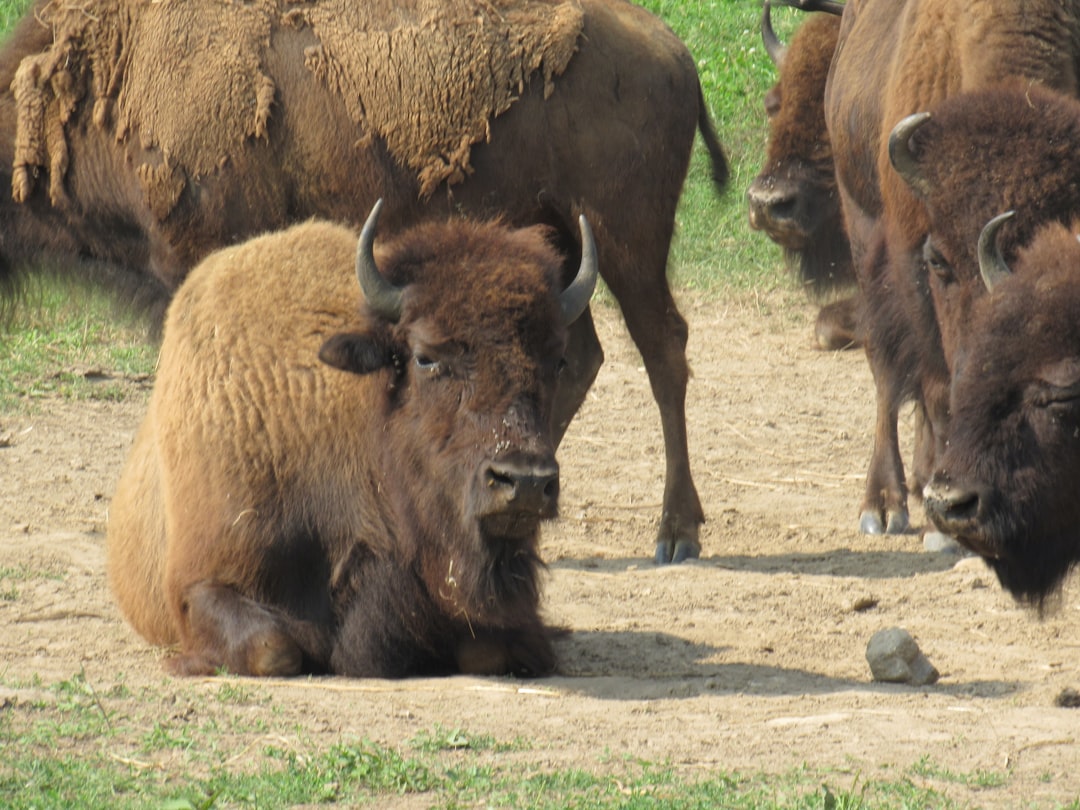
Despite speaking with numerous ranchers, producers, tribes, and even government herds, only one instance of a bison stampede has been witnessed. Interestingly, the cause of this stampede is still unknown to this day, but witnesses share that no bison suffered severe harm. Bison have been roaming the lands for centuries and it’s hard to believe that they would not be accustomed to the sounds of wolves howling, lightning striking, and severe storms brewing.
A severe hailstorm in August, 1954, completely covered the ground with stones up to half an inch in diameter. A group of 150 buffalo was loosely spread out into many smaller subgroups when the storm arrived. Even under these extreme conditions, the bison demonstrated their remarkable resilience and survival instincts.
The Protective Power of the Herd
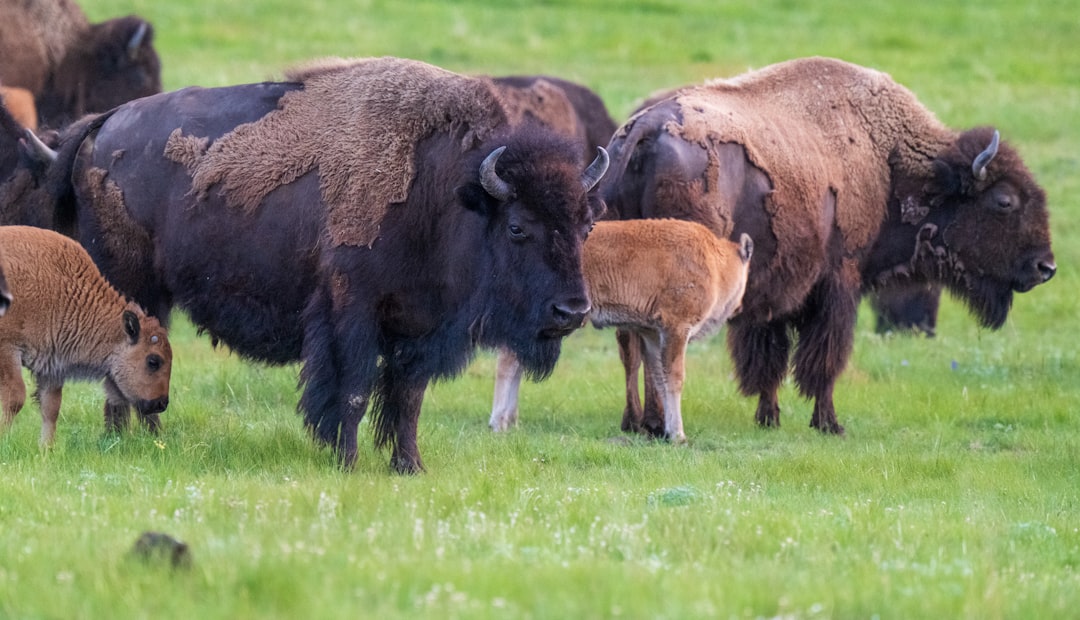
This is the story of the little lame cow and the two brave bulls who came to her rescue. I’ve always known that bison watch out for their own, but seeing it play out like this in the wild was absolutely amazing. It was early December, and as I entered a meadow I came across an injured cow who was having difficulty walking. The herd was grazing about 200 metres away, and she was trying to keep up. She was in no immediate danger until I showed up, and that’s when two young bulls sprang to action. The first bull to arrive took charge of the situation immediately, throwing several serious glances my way. Less than a minute later he was joined by another bull, and the two of them walked over to the injured cow together. After a good sniff followed by some grunts and head nods, the bulls escorted the injured cow away from me and back towards the herd.
Also, like the mighty Bison who is rarely seen alone, we function better with a “herd” of support around us. This social structure provides protection that extends beyond individual survival instincts.
Nature’s Resilience in Tornado Alley
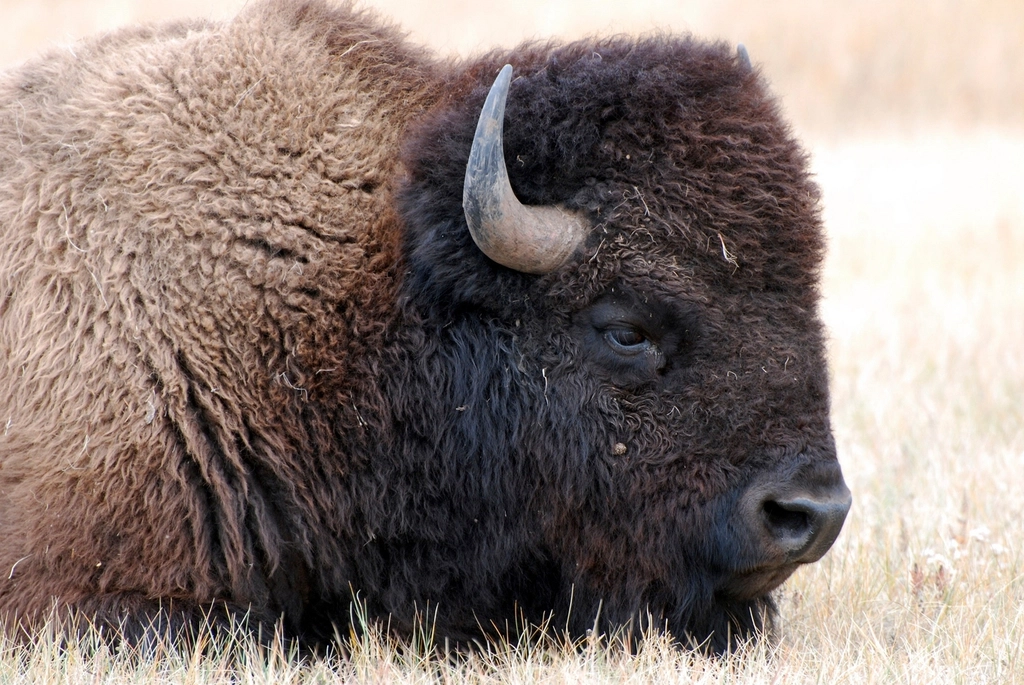
Many species have adapted and developed defense mechanisms to protect themselves from the sorts of severe weather that occur in this part of the country. Oklahoma’s had tornadoes for hundreds of years, and our wildlife, more or less, has learned to live in that environment. I tend to think that if tornadoes had a large-scale impact on some of Oklahoma’s most well-known species, we wouldn’t have as many.
Habitat so strongly influences wildlife survival after a storm. Tornadoes clear forest canopies, creating shrubland that favors birds like the golden-winged warbler and the whip-poor-will. Even destruction can create new opportunities for different species to thrive.
Lessons from the Prairie Giants
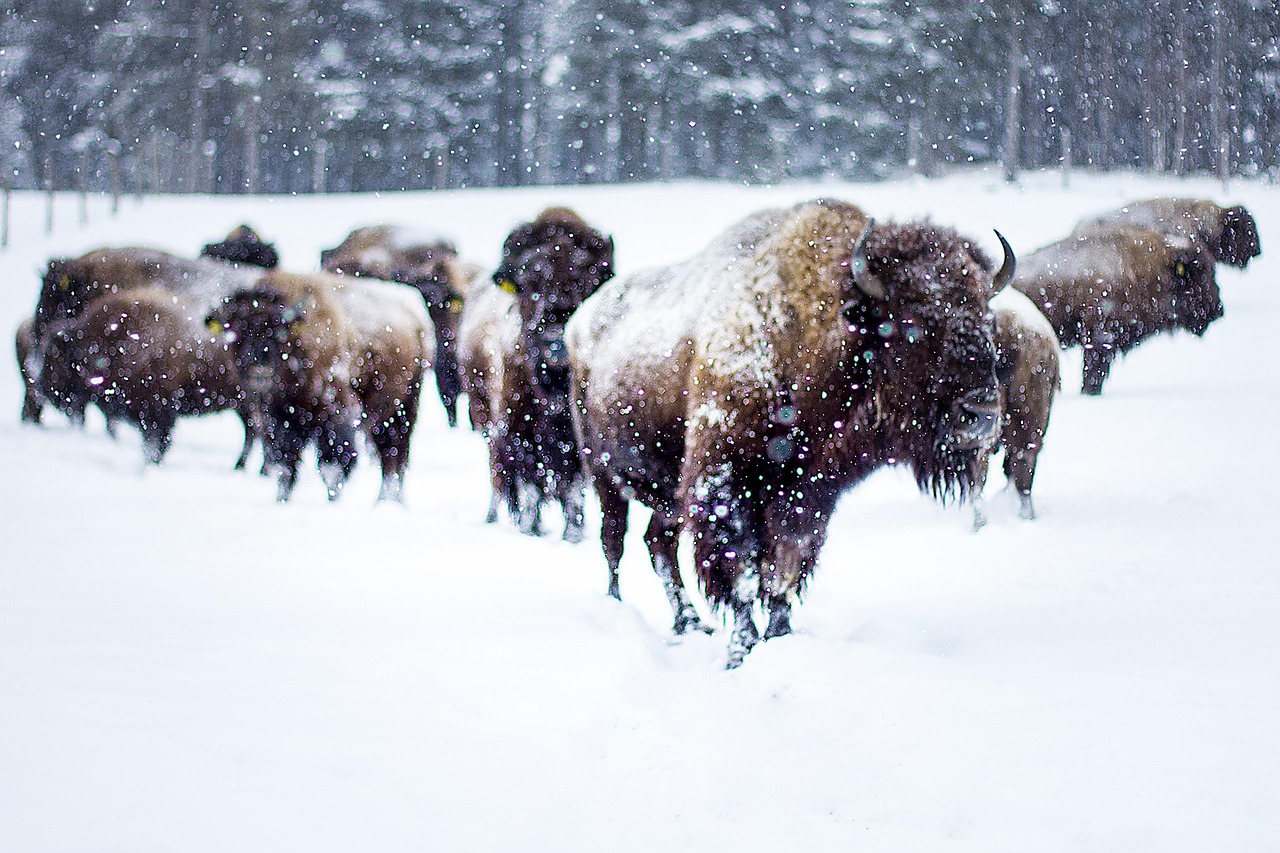
The bison’s approach to storms offers profound insights into facing adversity. The effectiveness of this strategy also depends on the type of storm. It’s more applicable to fast-moving storms like blizzards or thunderstorms, rather than stationary weather events or large-scale disasters like tornadoes, where the unpredictability of the storm might make “running into it” a dangerous proposition.
While there are anecdotal accounts of bison appearing to face storms, scientific research indicates this behavior is not as systematic as often claimed. While not every bison will react the same way, the tendency to head into the storm is a recognizable pattern. These magnificent creatures have survived ice ages, droughts, and countless storms by trusting their instincts over fear. Their courage isn’t born from ignorance but from evolutionary wisdom earned through millennia of prairie life.
When darkness falls and tornadoes threaten, the bison teach us that sometimes the only way through is straight ahead. They remind us that survival often requires facing our fears rather than fleeing from them, trusting in ancient wisdom that has weathered every storm. What would you have guessed about these prairie giants before learning their remarkable secret?
