

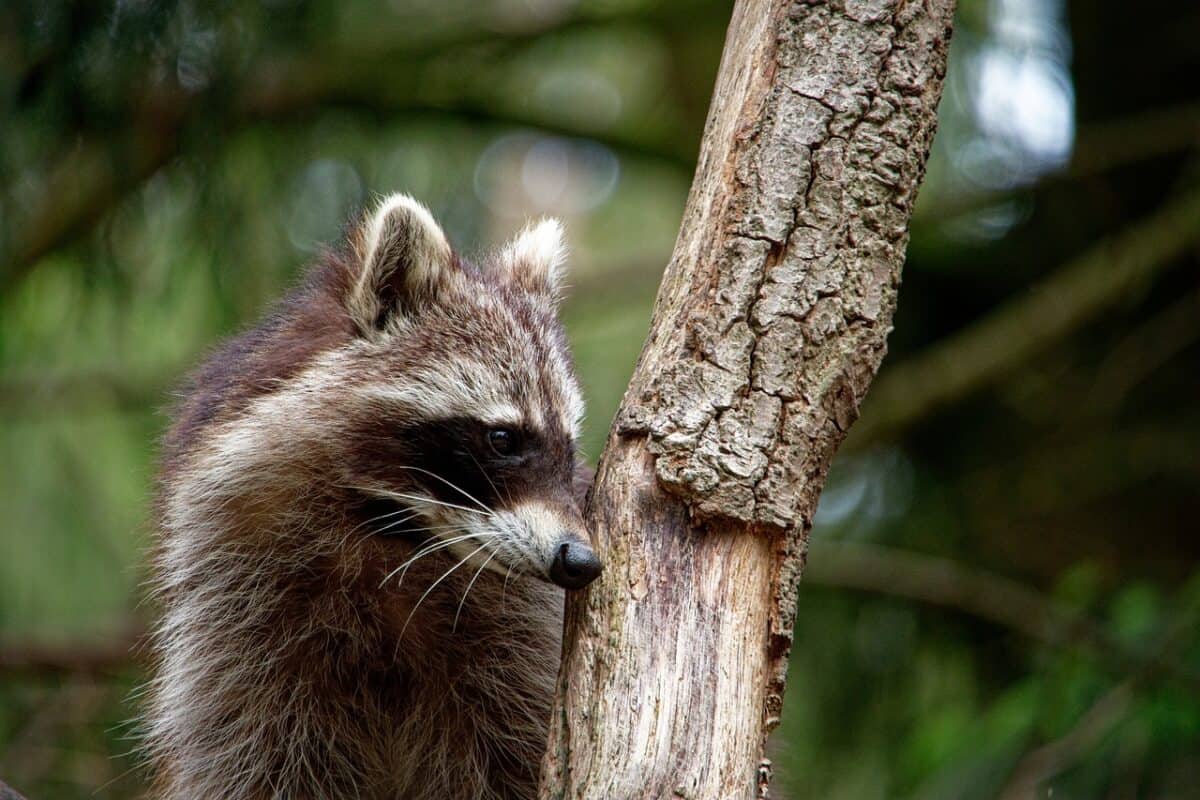
In the grand tapestry of the animal kingdom, a unique set of predators demonstrate impressive skills that allow them to traverse both the forest floor and the tree canopy. These creatures have adapted to climb trees, whether for hunting, escaping danger, or finding shelter. In this article, we delve into the fascinating world of arboreal hunters, exploring how their physical adaptations and behaviors contribute to their roles as formidable predators.
A World Beyond the Ground
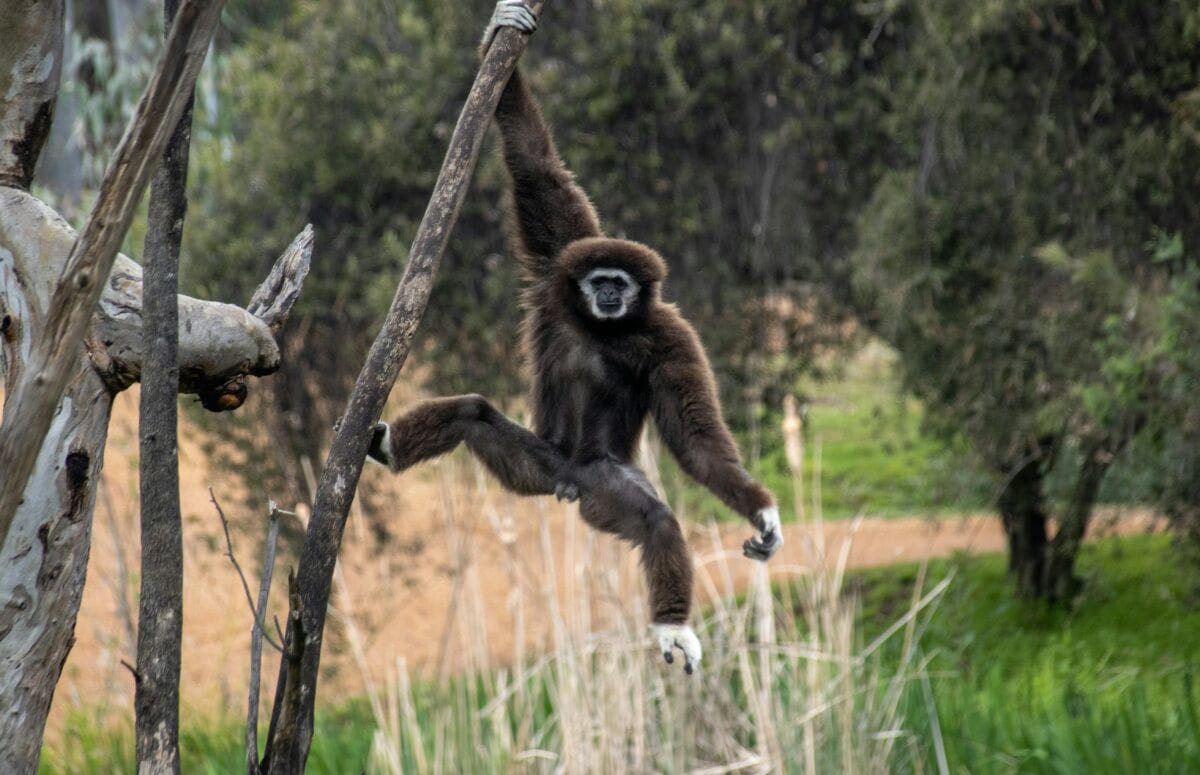
When we think of predators, we often envision stealthy hunters stalking their prey across the ground. However, some predators have taken their hunting prowess to a new level by mastering the art of scaling trees. This skill allows them to access a variety of prey that remain out of reach to less versatile hunters, giving them a competitive edge in diverse ecosystems.
10. The Leopards: Stealth and Agility
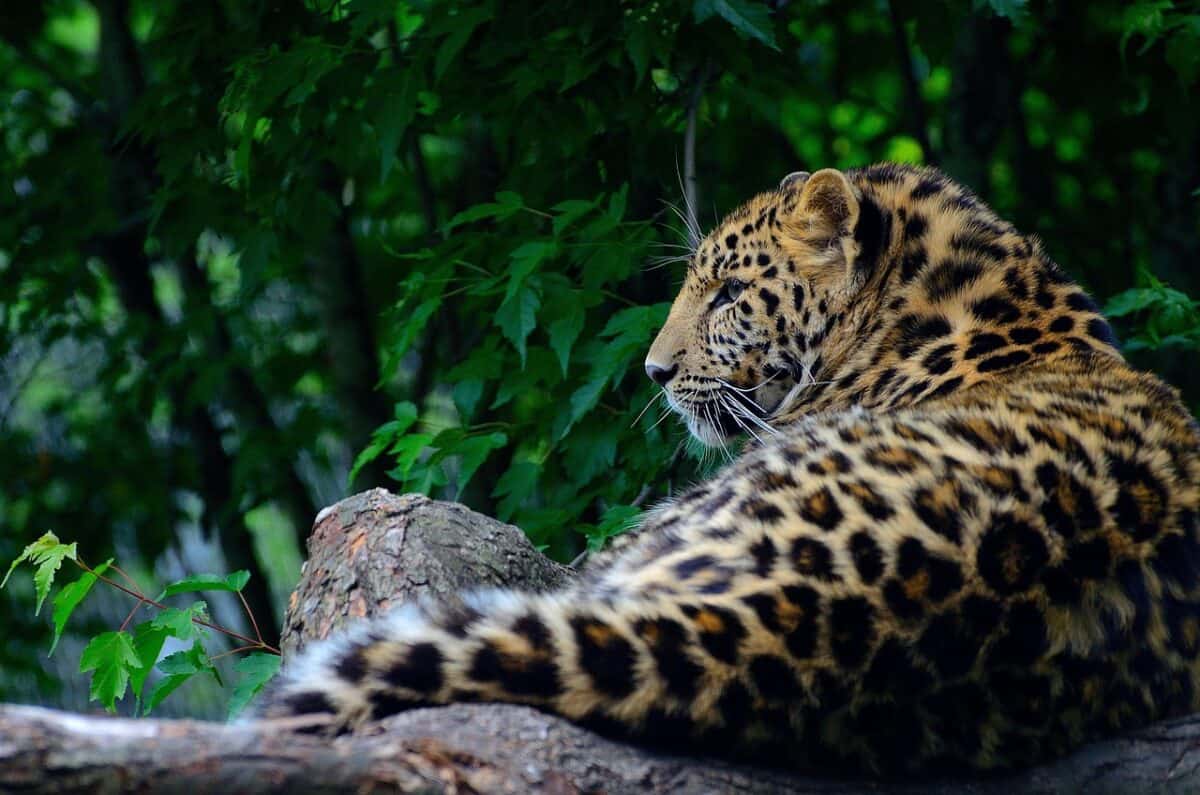
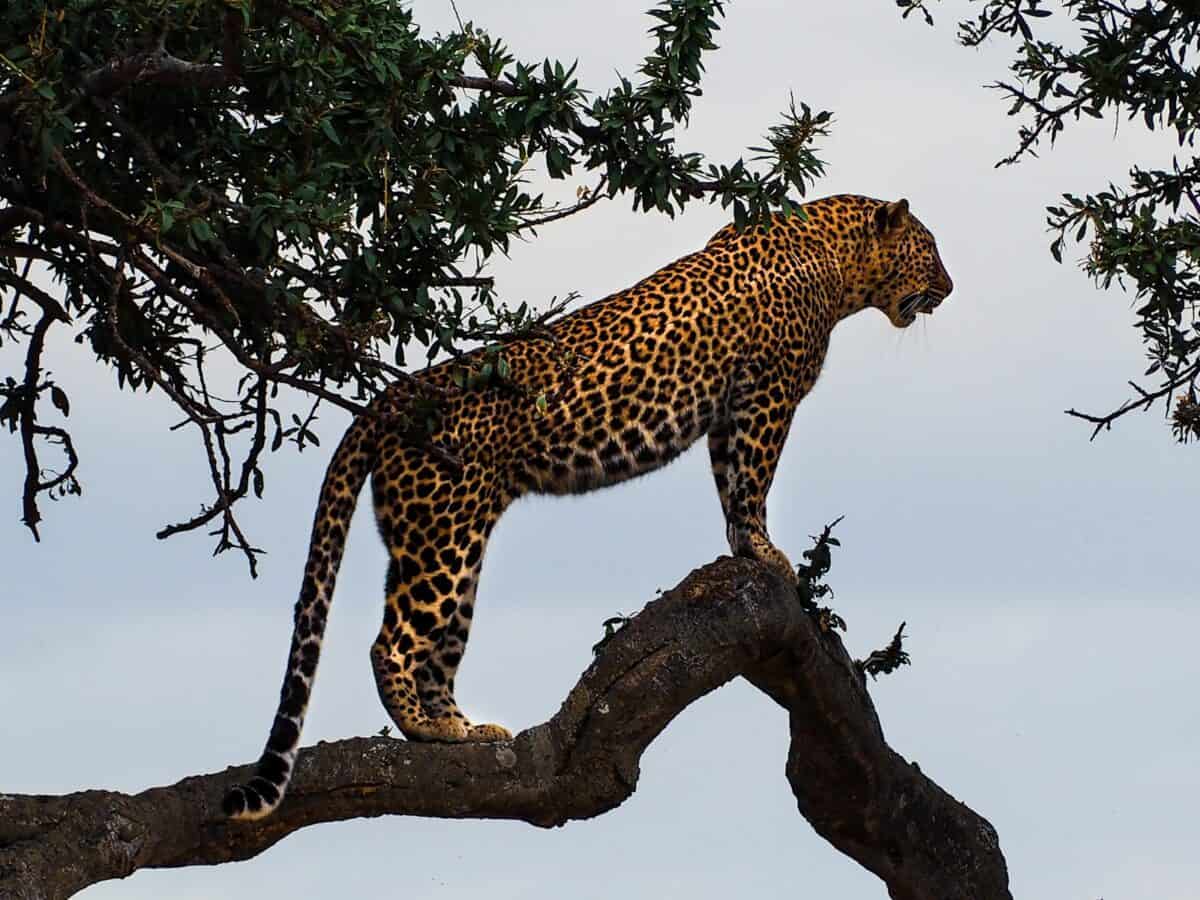
Leopards are one of the most recognizable tree-climbing predators, known for their incredible strength and agility. Their retractable claws, powerful limbs, and strong muscles make them excellent climbers, allowing them to stash prey high in the branches away from other large carnivores. This behavior not only keeps their meal safe but also provides a vantage point to survey their territory.
9. Jaguars: Forest Dwelling Powerhouses
Jaguars, the largest cats in the Americas, are famed for their strength and adaptability. Equipped with robust limbs and a formidable bite, these big cats are capable climbers. In dense jungles, jaguars use their climbing skills to access hard-to-reach areas and search for prey, further highlighting their versatility as predators.
8. Pumas: The Versatile Climbers
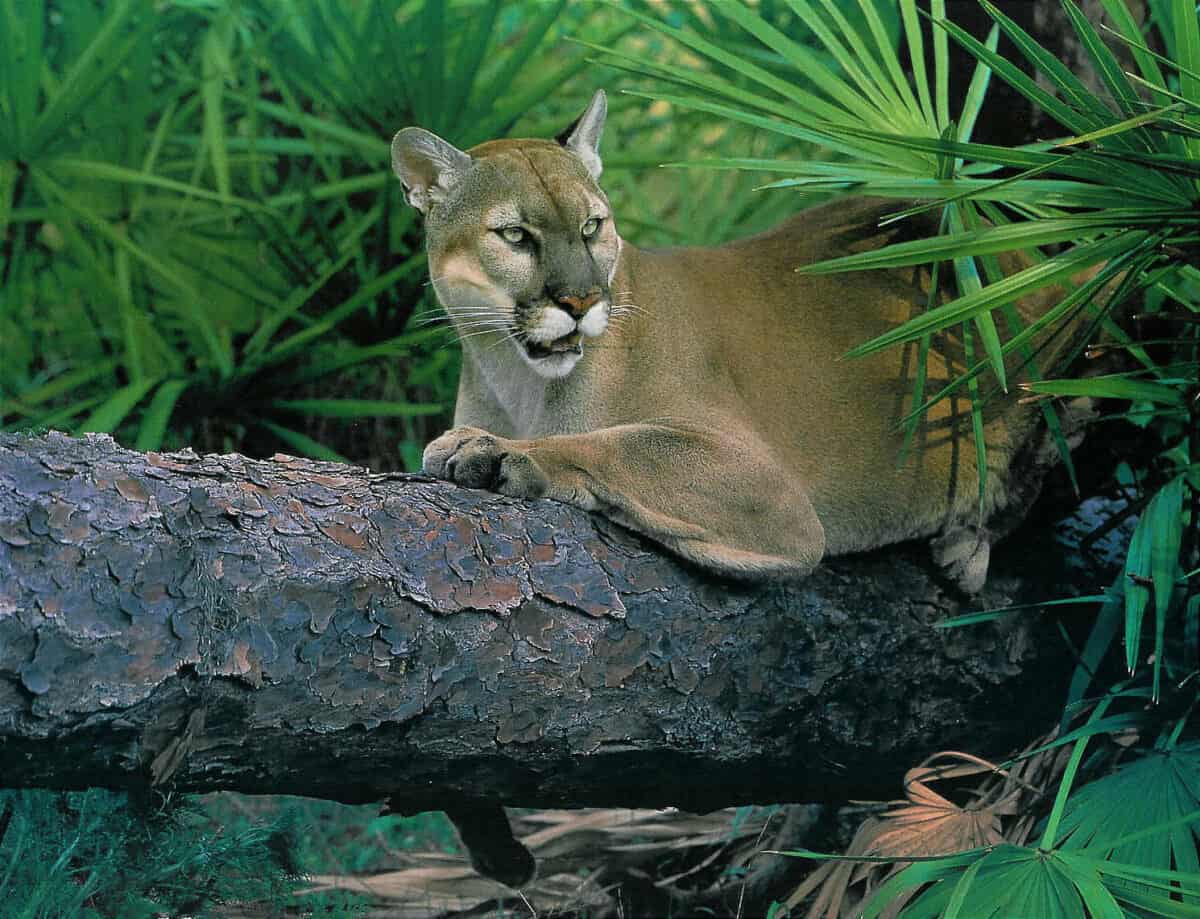
Pumas, also known as cougars or mountain lions, are highly adaptable felines with a range that spans vast territories across the Americas. These secretive predators are skilled climbers, often ascending trees to escape threats or surveil their surroundings. Their muscular build and keen senses make them adept hunters, capable of taking down a variety of prey.
7. Lynxes: Silent Hunters of the Forest

Lynxes, with their tufted ears and short tails, are solitary hunters that excel in snowy and forested habitats. While not as frequently seen climbing trees as leopards, lynxes are capable of doing so when the need arises. Their sharp claws and excellent balance aid them in navigating the branches, ensuring they remain effective predators in their environments.
6. Bears: Surprisingly Skilled Climbers

While not traditionally considered arboreal creatures, many bear species can and do climb trees. Black bears, in particular, are known for their impressive climbing abilities, often ascending trees to forage for food or hide from perceived threats. Their strong claws and thick limbs support their weight, allowing them to venture into the foliage in search of sustenance.
5. Martens: Agile Hunters

Martens, members of the weasel family, are small yet fierce predators that excel in treetop navigation. Their slender bodies and elongated tails provide the balance needed to pursue prey through the trees. Found in woodlands across the Northern Hemisphere, martens utilize their climbing prowess to hunt birds and small mammals.
4. Raccoons: Curious Foragers
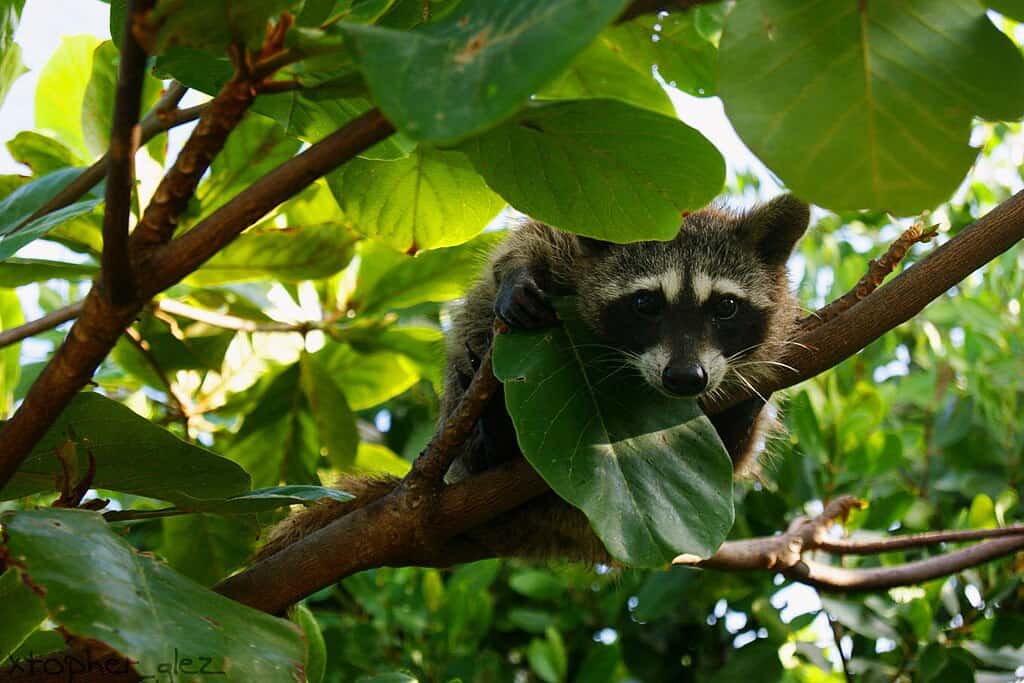
Though not predators in the traditional sense, raccoons are opportunistic omnivores with notable climbing skills. Their dexterous paws and sharp claws enable them to scale trees with ease. While primarily foraging for fruits, nuts, and insects, raccoons will also hunt small animals, demonstrating their adaptability in a variety of environments.
3. Opossums: Nocturnal Climbers
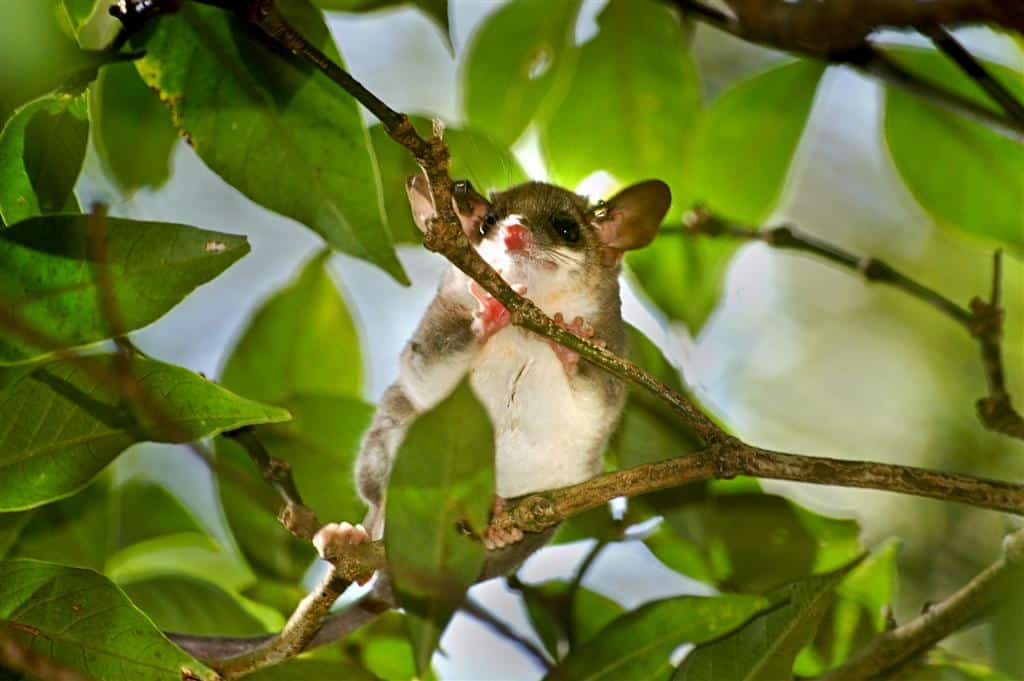
Opossums are marsupials with intriguing climbing capabilities. Their prehensile tails and opposable thumbs make them adept at navigating through the tree canopy. Nocturnal by nature, opossums use their climbing skills to search for food and avoid danger, proving that tree climbing is vital for their survival.
2. Tree-Boa Species: Evasive Predators

Certain boas, like the emerald tree boa, are quintessential tree dwellers, relying on their climbing skills to hunt. Their muscular bodies and prehensile tails allow them to coil around branches while waiting to ambush unsuspecting prey. As skilled ambush predators, they play an integral role in maintaining ecological balance.
1. Fisher Cats: Tenacious Pursuers

Despite their name, fisher cats are neither cats nor avid fishers; they are members of the weasel family. These tenacious carnivores are capable climbers, using their skills to pursue prey such as porcupines, which are usually safe from ground-based threats. Their adaptability in both hunting and habitat selection showcases their role as versatile predators.
The ability to climb trees grants certain predators a distinct advantage in the wild. From the stealthy leopard to the adaptable raccoon, these animals have evolved unique adaptations that allow them to thrive in diverse ecological niches. Understanding these remarkable creatures provides insight into the intricate dynamics of ecosystems and highlights the innovative strategies animals employ to secure their survival. As we continue to study these arboreal acrobats, their story of adaptation and survival enriches our appreciation for the complexities of the natural world.

- What We Can Learn From the Way Animals Build Homes - August 9, 2026
- Mini Pigs Are Becoming America’s Fastest-Growing Pet Trend - August 9, 2026
- Beginner’s Guide to Spotting Wolves in the Wild - August 9, 2026
Leave a comment
You must be logged in to post a comment.