

Deep in the heart of South Carolina lies one of America’s most magnificent avian sanctuaries. Congaree National Park catalogs 200 bird species, creating a birding paradise where ancient cypresses tower overhead and mysterious waterways wind through the wilderness. This remarkable ecosystem holds secrets that have captivated ornithologists and nature enthusiasts for decades.
The park’s largest remaining bottomland hardwood forest in the United States provides food and shelter for numerous plants and wildlife, making it a critical refuge for both common and extraordinarily rare species. What makes this place truly special isn’t just the sheer number of birds, but the elusive and endangered species that call these flooded forests home. Let’s dive into the fascinating world of Congaree’s most extraordinary feathered residents.
Ivory-billed Woodpecker
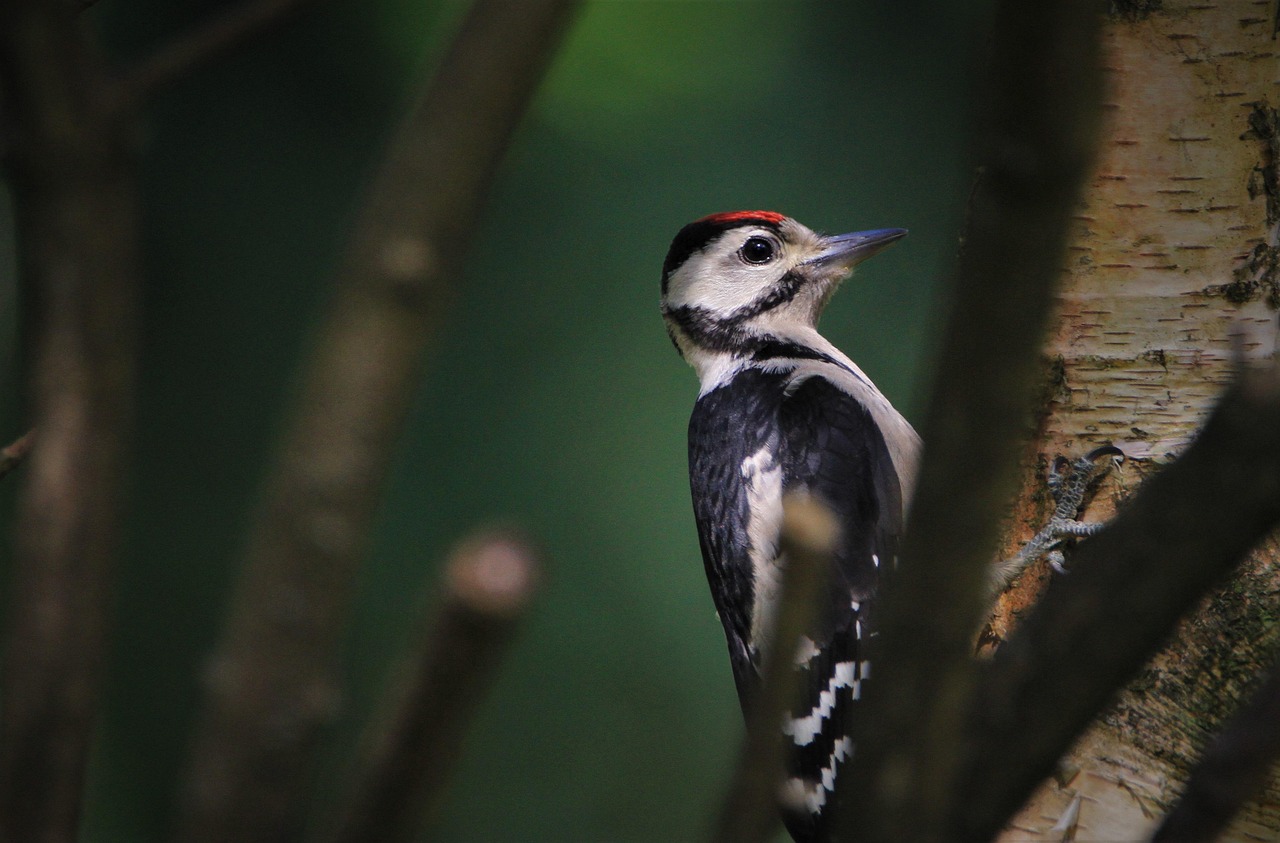
Perhaps no bird stirs more emotion among birdwatchers than the legendary Ivory-billed Woodpecker. Once common across the southeastern United States, these majestic woodpeckers, as large as a red-tailed hawk, are now most likely extinct. Before extinction it was the third-largest woodpecker in the world, with a wingspan of approximately 30 inches.
The connection between this species and Congaree runs incredibly deep. Fifty years ago, a whimsical boat voyage and the cry of a mythically rare bird led to the creation of Congaree, South Carolina’s only National Park. All of South Carolina’s woodpeckers, perhaps even including Ivory-billed Woodpecker, have occurred in the park, though the last sighting of an Ivory-billed Woodpecker in the United States that everyone agrees is authentic was in 1944.
Bachman’s Warbler
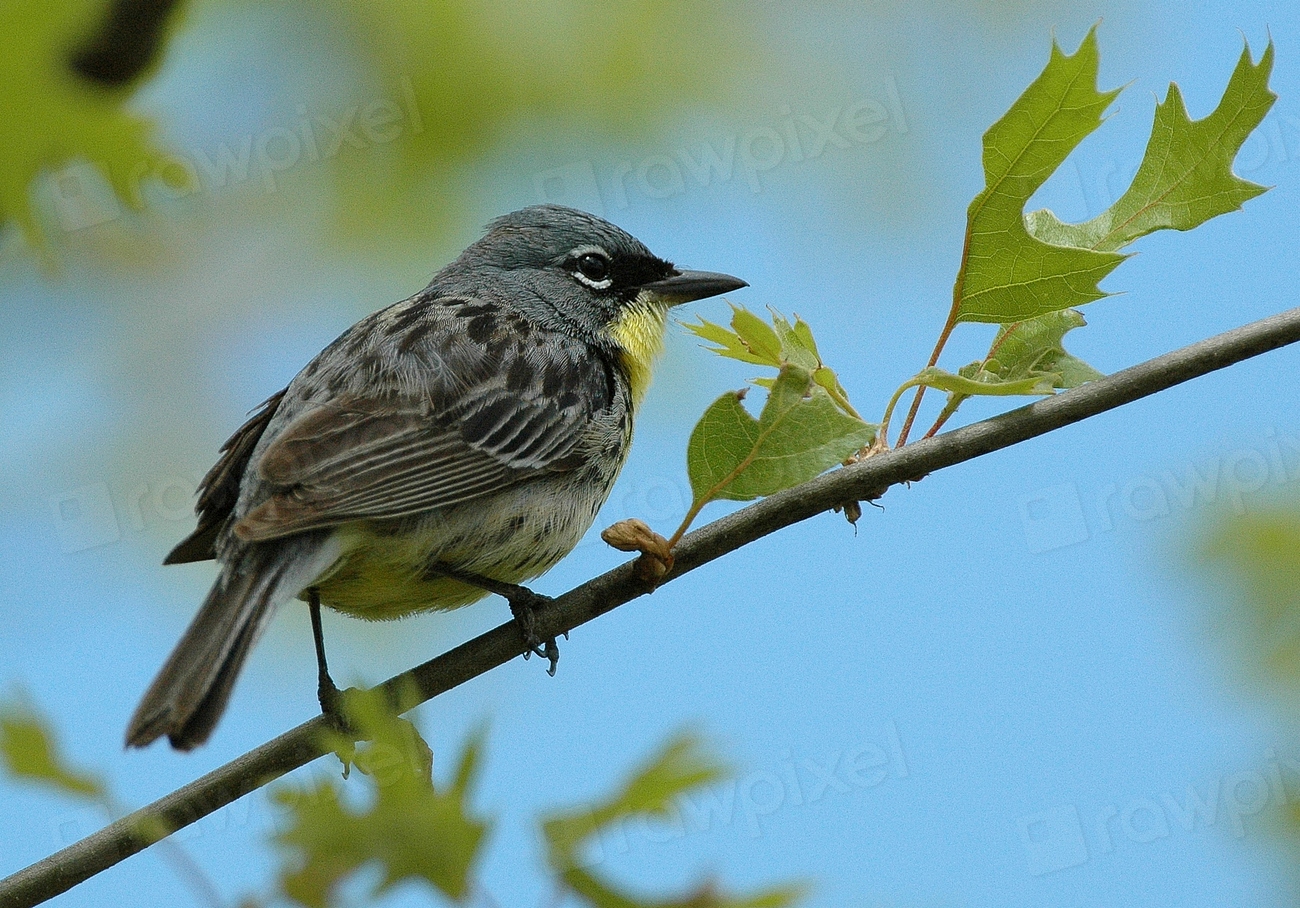
The Bachman’s warbler is a very rare summer resident of southeastern floodplain forests, approximately 4.0-4.5 inches long with a yellow to drab-olive breast and face. Bachman’s warbler has long been considered one of North America’s rarest songbirds, listed as critically endangered in 1967, and no official sightings have been reported in several decades.
The species holds particular significance for Congaree. In 2001, however, reliable sightings were reported at Congaree National Park. Subsequent searches failed to document any Bachman’s warblers. Researchers concluded “we feel confident that Bachman’s warbler would have been detected in the areas surveyed [at Congaree National Park] if it were present”. Despite this, hope remains alive for this mysterious species that once thrived in the park’s unique habitat.
Red-cockaded Woodpecker
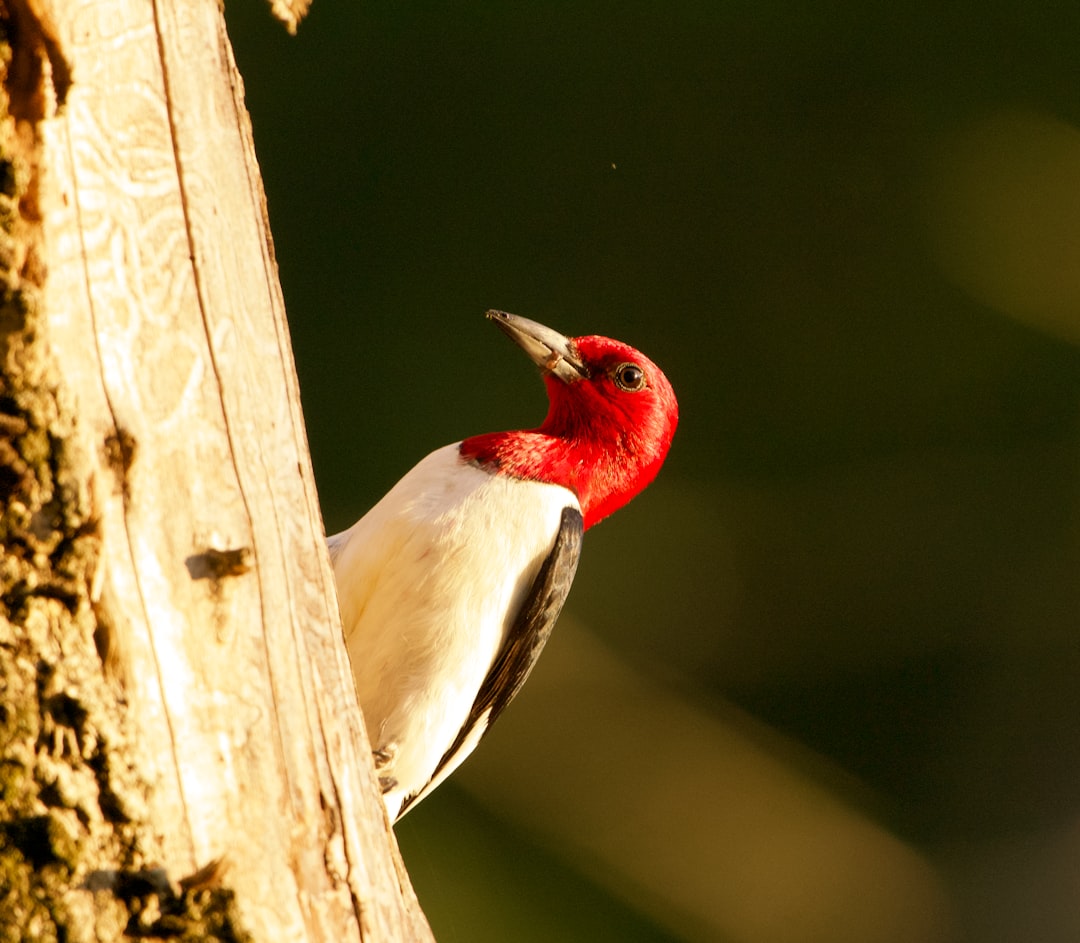
The Red-cockaded Woodpecker represents one of the most endangered woodpecker species in North America. The tract includes rare and endangered species of both plants and animals, such as the red-cockaded woodpecker. This small woodpecker requires very specific habitat conditions to survive and thrive.
Unfortunately, their presence at Congaree has declined significantly over time. Red-cockaded Woodpeckers no longer occur regularly, unfortunately. Their disappearance from the park reflects broader challenges facing this species throughout the Southeast, where habitat loss and fragmentation continue to threaten their survival. The species depends on mature pine forests with specific characteristics that have become increasingly rare.
Prothonotary Warbler
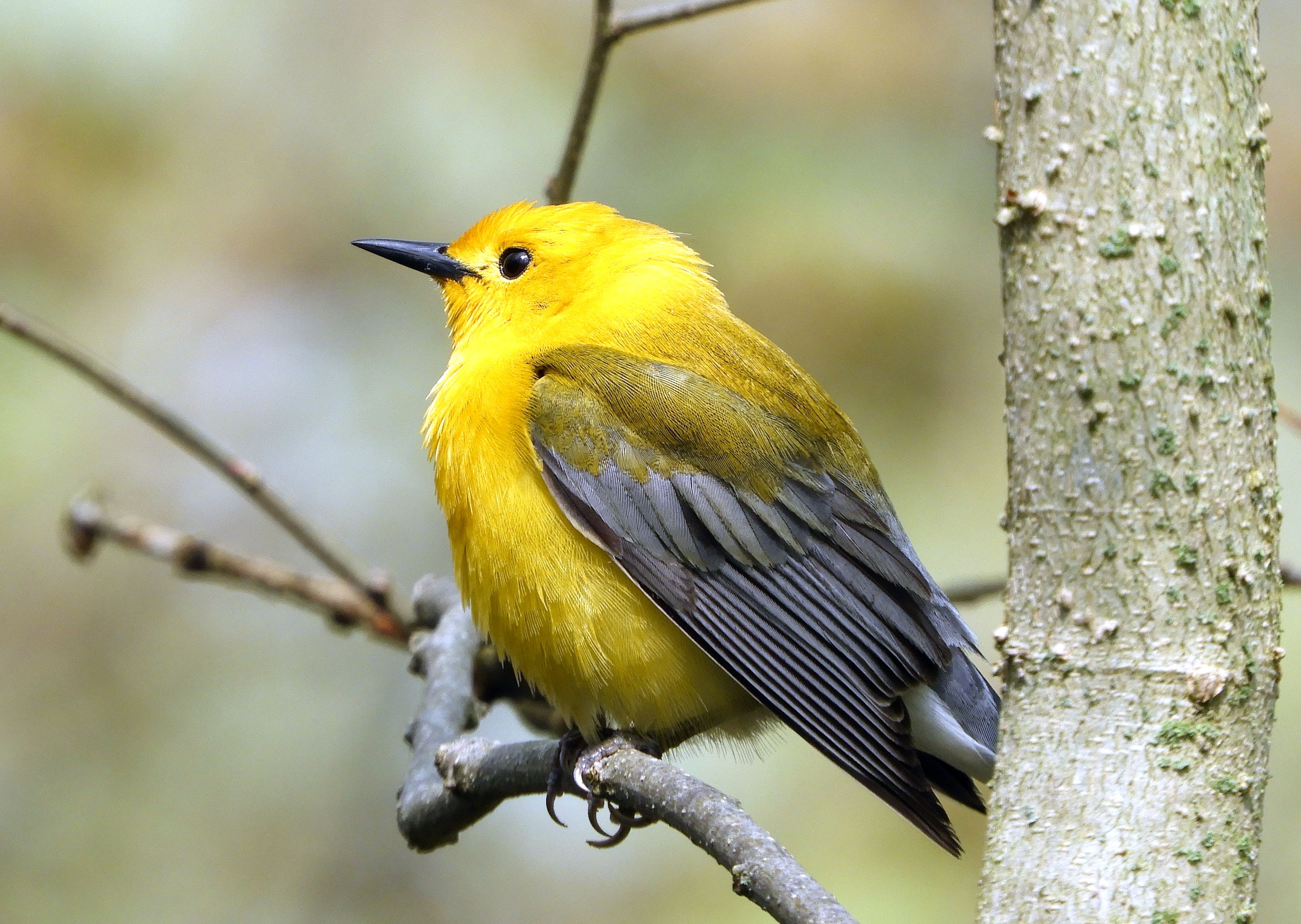
The brilliant golden Prothonotary Warbler stands out as one of the most stunning residents of Congaree’s wetlands. Species such as Prothonotary Warbler, are present but in relatively low numbers, making each sighting particularly special for visitors exploring the park’s waterways.
These vibrant yellow birds prefer the swampy, wooded areas that Congaree provides in abundance. Researchers took pictures of a male Prothonotary Warbler that stayed lower in the vegetation than usual because of the wind. Their preference for nesting in tree cavities near water makes them perfectly suited to the park’s flooded bottomland forest ecosystem, where ancient trees provide ideal breeding habitat.
Limpkin
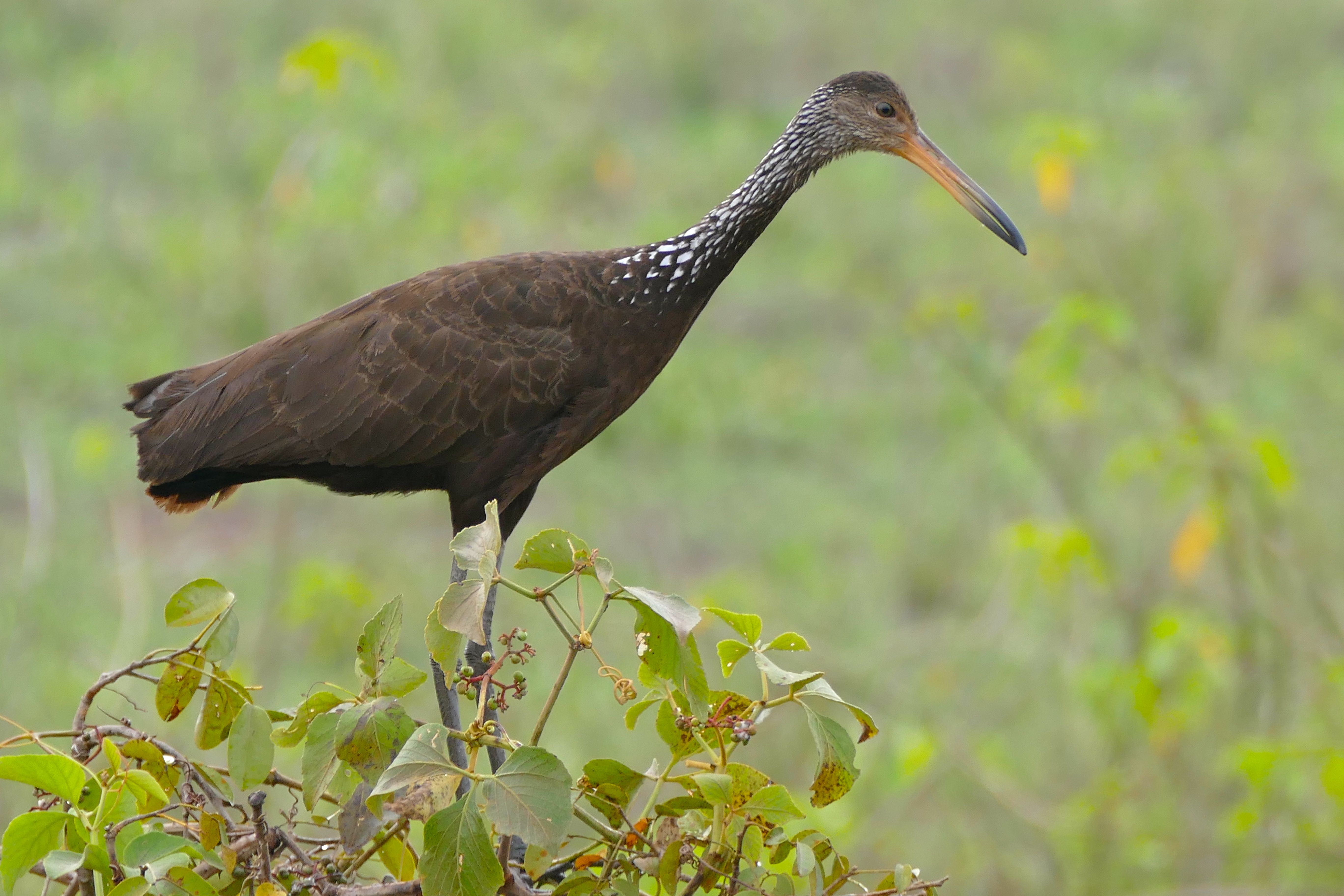
Among the more unusual and elusive residents of Congaree is the mysterious Limpkin. “One of the birds that we’ve seen in the park that’s more elusive is the limpkin,” a long-legged bird that eats snails. This fascinating wading bird represents a rare sighting opportunity for even experienced birders.
Limpkins are particularly interesting because they bridge the gap between cranes and rails in the bird world. Their presence at Congaree indicates the health of the wetland ecosystem, as these specialized feeders require abundant populations of freshwater snails and mussels. Their haunting calls echoing through the swamp at dawn and dusk create one of the park’s most memorable soundscapes.
Wood Stork
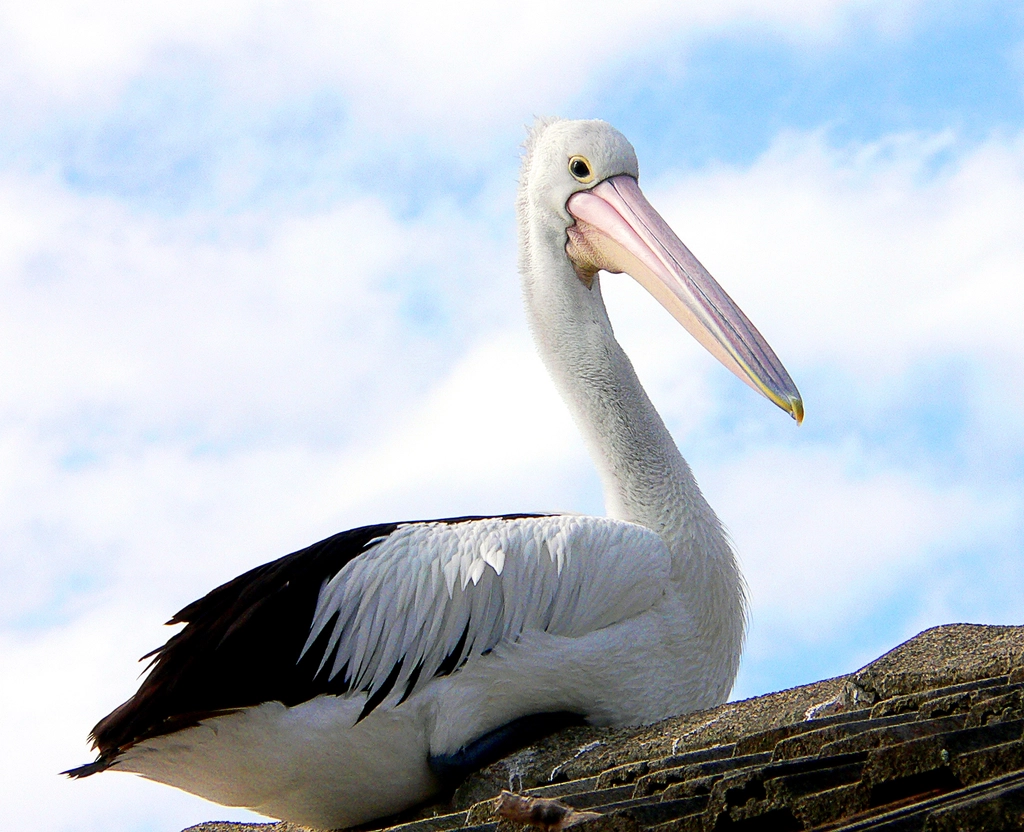
The impressive Wood Stork represents one of North America’s most recognizable wading birds. It contains three state-listed species of concern, including the bald eagle, American swallow-tailed kites, and wood stork. These massive birds, with their distinctive bald heads and imposing stature, create unforgettable wildlife viewing experiences.
Wood Storks depend heavily on the cyclical flooding patterns that make Congaree unique. During dry periods, fish become concentrated in shallow pools, making feeding more efficient for these tactile feeders. Their presence indicates a healthy wetland ecosystem, as they require large amounts of fish to sustain their populations throughout the breeding season.
Swallow-tailed Kite
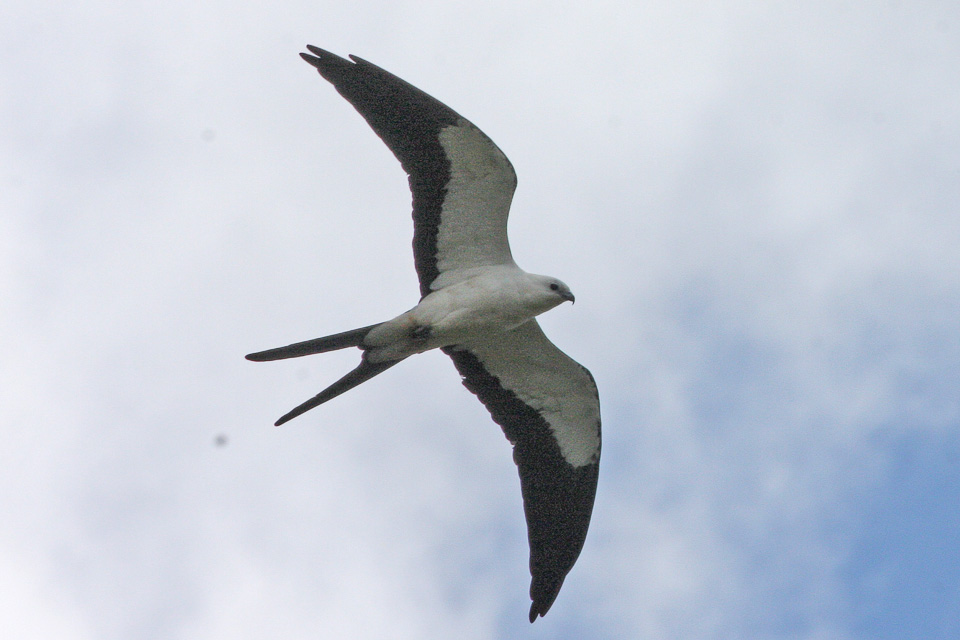
The graceful Swallow-tailed Kite soars through Congaree’s skies like a living work of art. It contains three state-listed species of concern, including the bald eagle, American swallow-tailed kites, and wood stork. These elegant raptors showcase some of the most impressive aerial displays in the avian world.
Their distinctive forked tails and striking black and white plumage make them unmistakable when spotted gliding effortlessly above the forest canopy. Swallow-tailed Kites feed primarily on insects, small reptiles, and amphibians, which they often catch and consume while still in flight. Their summer presence at Congaree coincides with peak breeding season, when pairs perform spectacular courtship flights together.
Mississippi Kite
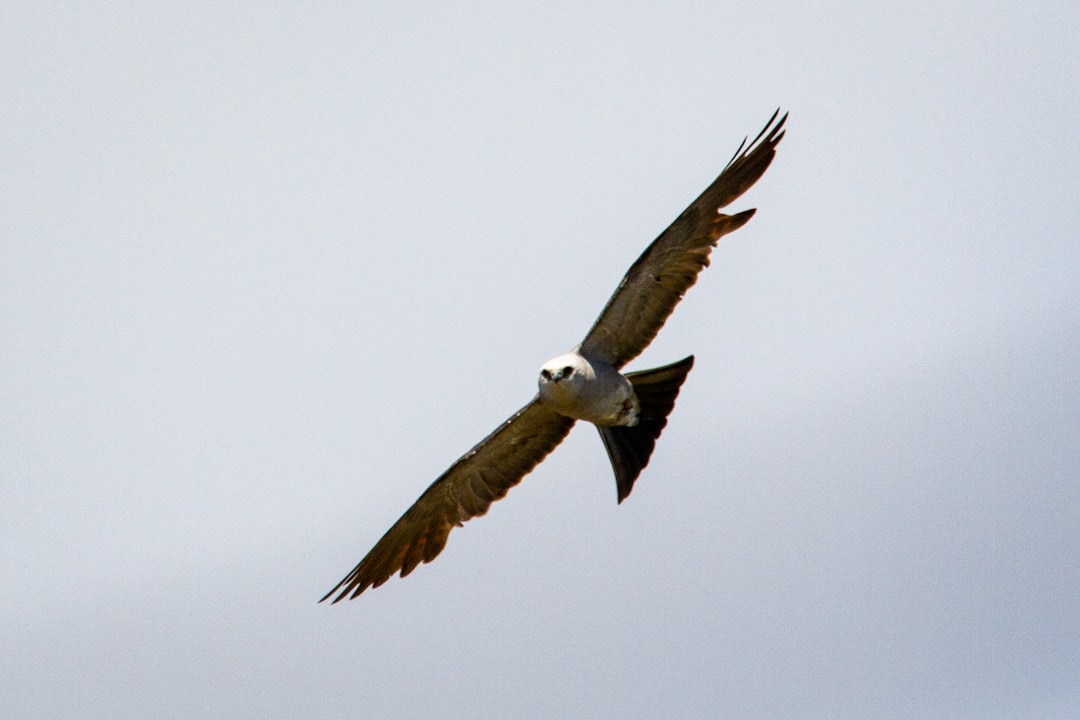
The sleek Mississippi Kite adds another dimension to Congaree’s impressive raptor diversity. Mississippi Kite (s), Red-shouldered Hawk, Yellow-billed Cuckoo (s) represent some of the seasonal specialties that make spring and summer visits particularly rewarding for birding enthusiasts.
These agile hunters specialize in catching insects on the wing, performing incredible aerial maneuvers that showcase their exceptional flying abilities. Mississippi Kites arrive at Congaree during spring migration and remain through the breeding season. Their presence often signals the peak of insect activity in the park, as they follow these abundant food sources throughout their range.
Yellow-crowned Night-Heron
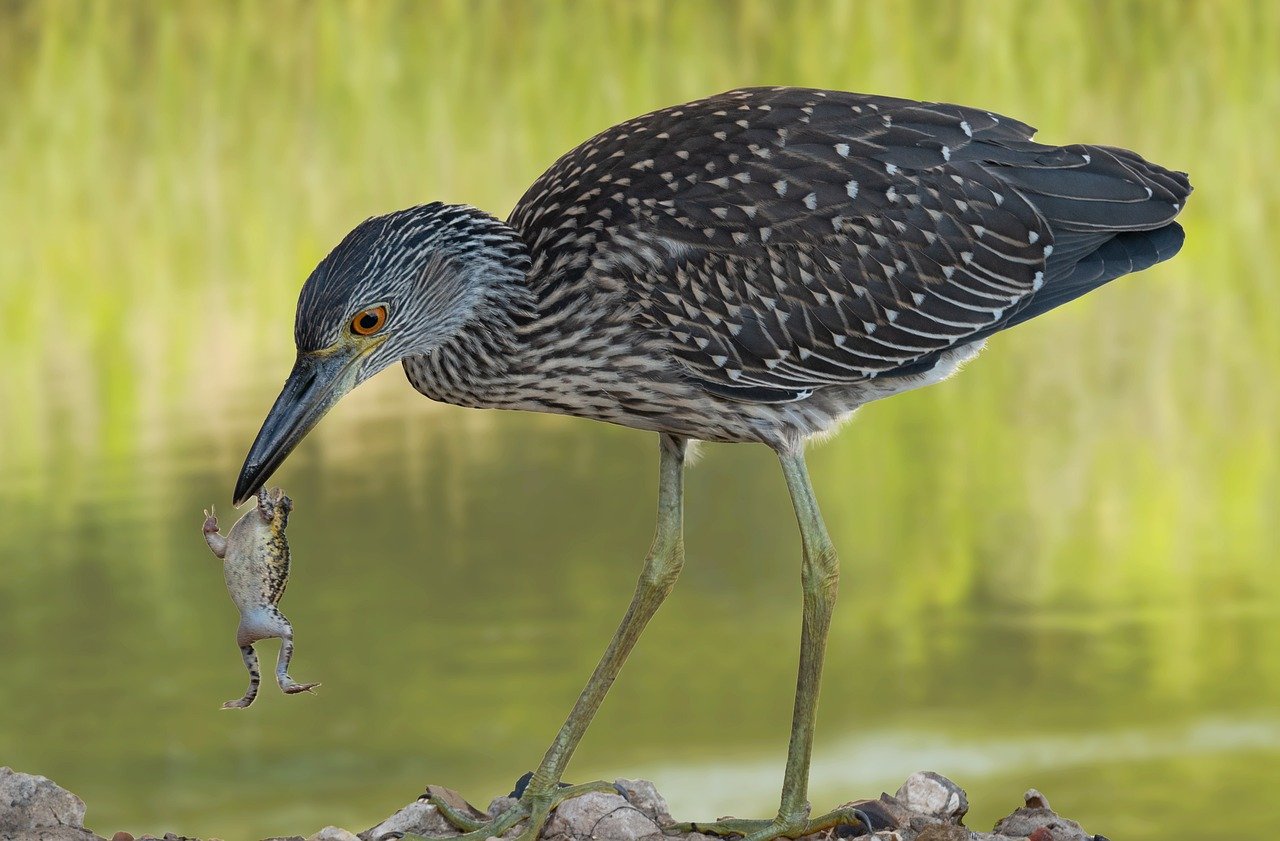
The distinctive Yellow-crowned Night-Heron represents one of Congaree’s most regularly observed rare species. Yellow-crowned Night-Heron (s), Mississippi Kite (s) appear consistently during breeding season, offering reliable viewing opportunities for dedicated birders. These birds are regularly observed at Congaree National Park, confirming their continued presence.
These stocky wading birds prefer the park’s quiet backwaters and wooded swamps where they hunt for crustaceans, frogs, and fish during twilight hours. Their distinctive yellow crown stripes and sturdy build distinguish them from their more common Black-crowned cousins. Night-herons play important ecological roles as both predator and prey within the complex wetland food web.
Swainson’s Warbler
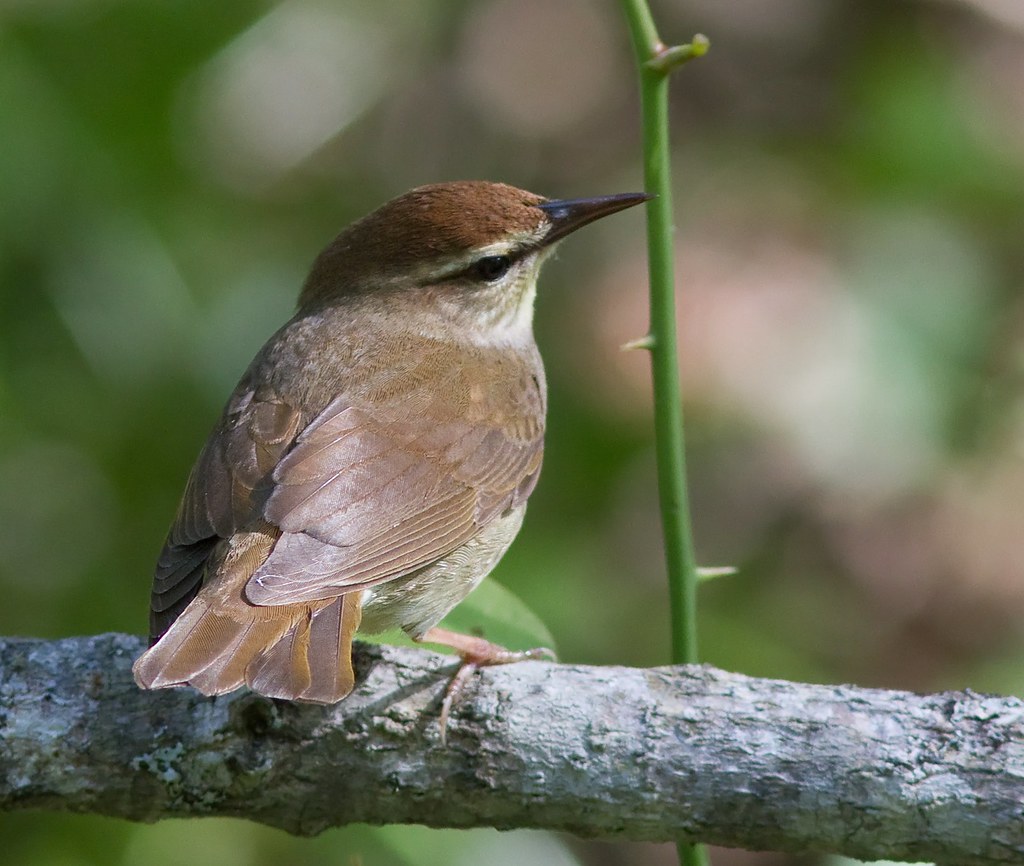
The secretive Swainson’s Warbler represents one of the most challenging species to observe at Congaree. Swainson’s Warbler (s) appears in the park’s species list as a summer resident, though their elusive nature makes them a prized sighting for serious birders seeking to expand their life lists.
These plain brown warblers prefer dense understory vegetation in mature forest areas, where they forage methodically through leaf litter for insects and spiders. Their loud, musical songs often provide the only indication of their presence, as they remain well-hidden within the thick vegetation. Swainson’s Warblers require large territories of undisturbed forest, making Congaree’s protected status crucial for their continued survival.
Conclusion
Congaree National Park stands as a testament to the power of conservation in protecting some of North America’s most extraordinary bird species. From the legendary Ivory-billed Woodpecker that helped establish the park to the elusive Limpkin that continues to surprise visitors today, these ten rare species represent just a fraction of the avian diversity thriving in this unique ecosystem.
The park’s success in maintaining habitat for these specialized species demonstrates what’s possible when we prioritize conservation. Each rare bird sighting reminds us of the delicate balance required to sustain these remarkable populations for future generations. What species do you hope to encounter on your next visit to this incredible birding destination?

- 10 Dog Breeds That Are Surprisingly Good Apartment Dwellers - June 17, 2026
- The World’s Rainforests Teem With Undiscovered Species Waiting to Be Found - June 17, 2026
- 7 Surprising Benefits of Having a Cat in Your Home - June 17, 2026