


From the towering peaks of Alaska to the ancient ruins of the Southwest, Native American sacred sites dot the landscape of North America like stars in the night sky. These places hold stories that stretch back thousands of years, each one carrying the weight of prayers, ceremonies, and spiritual connections that have endured through centuries of change. They’re more than just beautiful destinations or historical curiosities. These sites represent the living, breathing heart of Indigenous cultures that have thrived on this continent since time immemorial.
Walking through these sacred spaces is like stepping into a different realm entirely, one where the veil between the physical and spiritual worlds grows thin. Each location tells its own story through stone and earth, through the whispered legends passed down from elder to child. So let’s explore these remarkable places where the sacred still walks among us.
Denali – The High One of Alaska
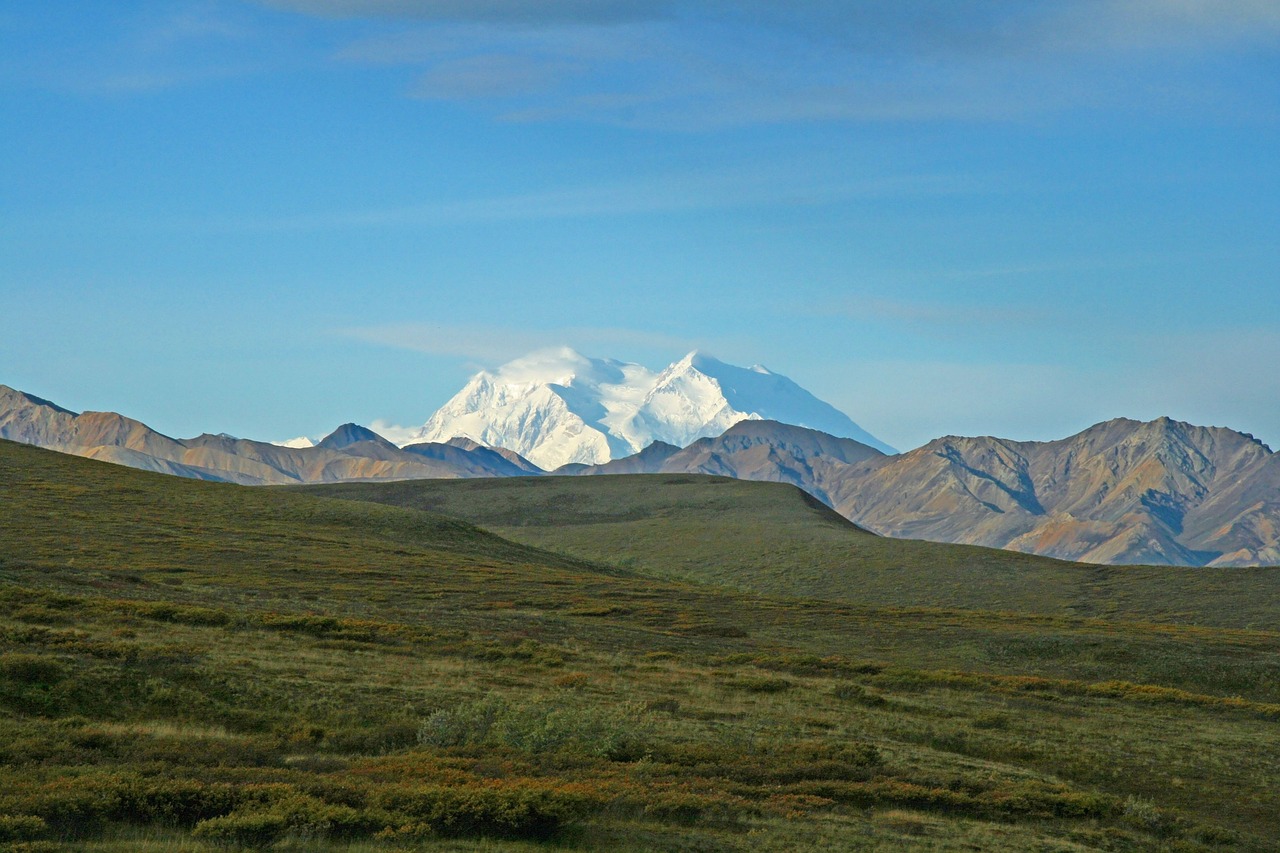
In ancient times, likely as far back as 12,000 years, hunter-gatherers lived, at least seasonally, in the region surrounding the highest mountain . They must have marveled at the 20,310-foot-high peak just as visitors to Denali National Park do today. The prehistoric residents traveled and traded in the peak’s vicinity. To the Dena’ina, Ahtna, Lower Tanana, Koyukon, and Upper Kuskokwim, the mountain they call “the High One” or “the Great One” is still sacred. Native Americans who live in the mountain’s long shadow believe it has supernatural powers.
Standing before Denali is like confronting the very backbone of creation itself. This massive sentinel has watched over countless generations of Indigenous peoples, serving as both a navigational landmark and a spiritual touchstone. The mountain’s presence shaped the rhythms of life for those who called this land home, its seasonal moods dictating hunting patterns and ceremonial cycles.
Chaco Canyon – The Ancient Ceremonial Heart
Between 850 and 1250 CE, Chaco Canyon, in what is now northwest New Mexico, was a major center of Ancestral Puebloan culture. Today, the surrounding area is protected to preserve the history of those people, including majestic public and ceremonial buildings that are among America’s most significant intact examples of pre-Columbian culture. It is thought that this area was once a unique gathering place for different clans to meet – a center for trade and cultural exchange that remains a hallowed landmark today.
The massive stone structures rising from the desert floor tell stories of architectural genius and spiritual devotion. It is the largest Great House at Chaco. At its zenith, it likely boasted over 600 rooms over four stories. Its construction had begun by 850 CE, making it the earliest monumental Great House at Chaco and in the broader Ancestral Puebloan world. Walking among these ruins, you can almost hear the echoes of ancient ceremonies that once filled these sacred spaces with song and prayer.
Mesa Verde – Cliff Dwellings in the Sky
Mesa Verde represents one of the most spectacular achievements of ancient architecture . After breakfast, depart for Mesa Verde National Park, established in 1906 to preserve and interpret the archeological heritage of the Ancestral Pueblo people who made it their home for over 700 years from 600 AD to 1300 AD. Today the park protects nearly 5,000 known archeological sites including 600 cliff dwellings, some of the best preserved in the United States.
These remarkable structures seem to defy gravity as they cling to the canyon walls like ancient apartments in the sky. Believing the cliff dwellings to be sacred ancestral sites, they did not live in the ancient dwellings. “One of those houses, high, high in the rocks, is bigger than all the others. Utes never go there, it is a sacred place.” The reverence shown by later Indigenous peoples toward these ruins speaks to their enduring spiritual power.
Canyon de Chelly – Living Sacred Landscape
Don’t miss Spider Rock, an exceptional slender sandstone spire that rises 750 feet from the canyon floor and is sacred to the Navajo. Canyon de Chelly stands as one of the most remarkable examples of a living sacred landscape . This canyon system is a very special place; for nearly 5,000 years, people have lived in these canyons (longer than anyone has lived uninterrupted anywhere on the Colorado Plateau). The Ancestral Puebloans, followed by Hopi and then Navajo, have called Canyon de Chelly their homes.
The red sandstone walls rise like cathedral spires, their surfaces decorated with ancient petroglyphs and pictographs that tell stories spanning millennia. Today, Navajo families still tend their hogans and sheep in the canyon bottom, maintaining a connection to the land that has endured through countless generations.
Devils Tower – Mato Tipila, the Bear’s Lodge
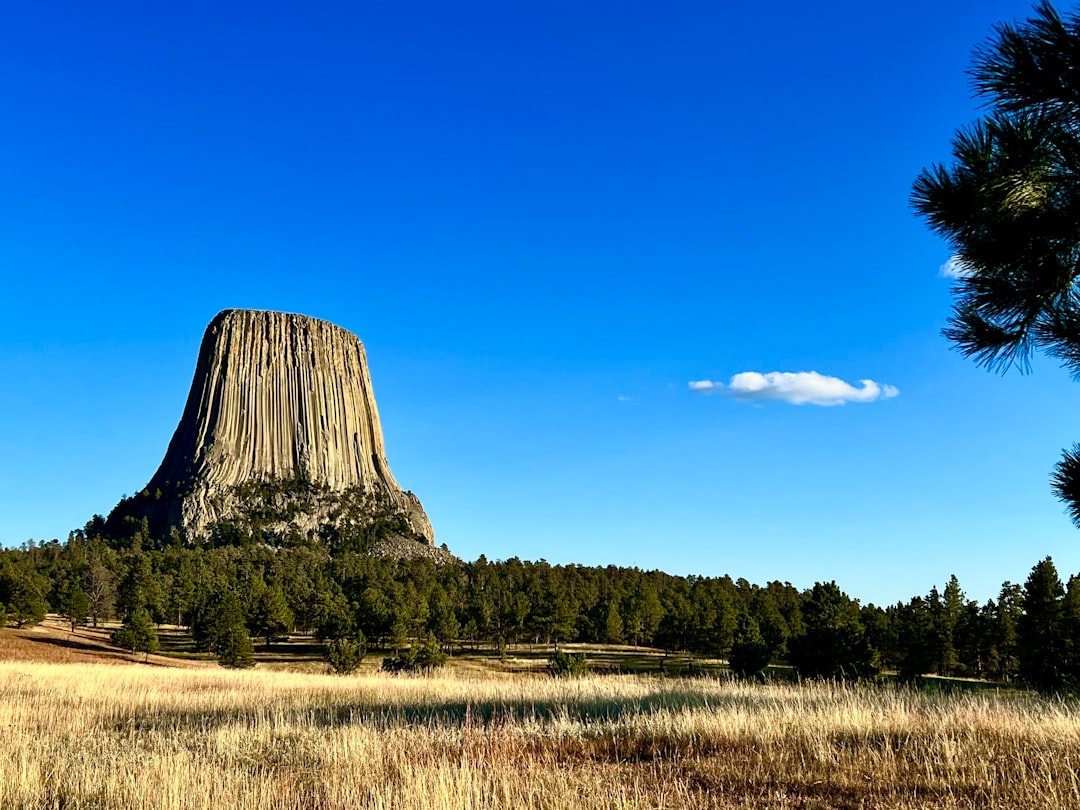
To the Lakota tribe, the tower is known as Mato Tipila (also Mato Mountain or Matȟó Thípila, pronounced mah-DOH tee-pee-la). Rising like a massive stone tree from the Wyoming grasslands, this geological wonder has captured imaginations for thousands of years. The Lakota say it was formed when a group of girls climbed on top of a rock to escape a giant bear. Calling on the Great Spirit’s help, the rock suddenly began to rise beyond the efforts of the fearsome creature to reach them, hence giving it its distinctive appearance in the hundreds of parallel cracks left by the climbing bear’s claws!
Devil’s Tower is a major center of worship for the Lakota who go to the tower for ceremonies (pipe rituals, vision quests and sun dances) held in June around the summer solstice. The power of this place draws people from across the Plains, its vertical columns reaching toward the sky like fingers grasping for the sacred.
Pipestone National Monument – The Sacred Quarry
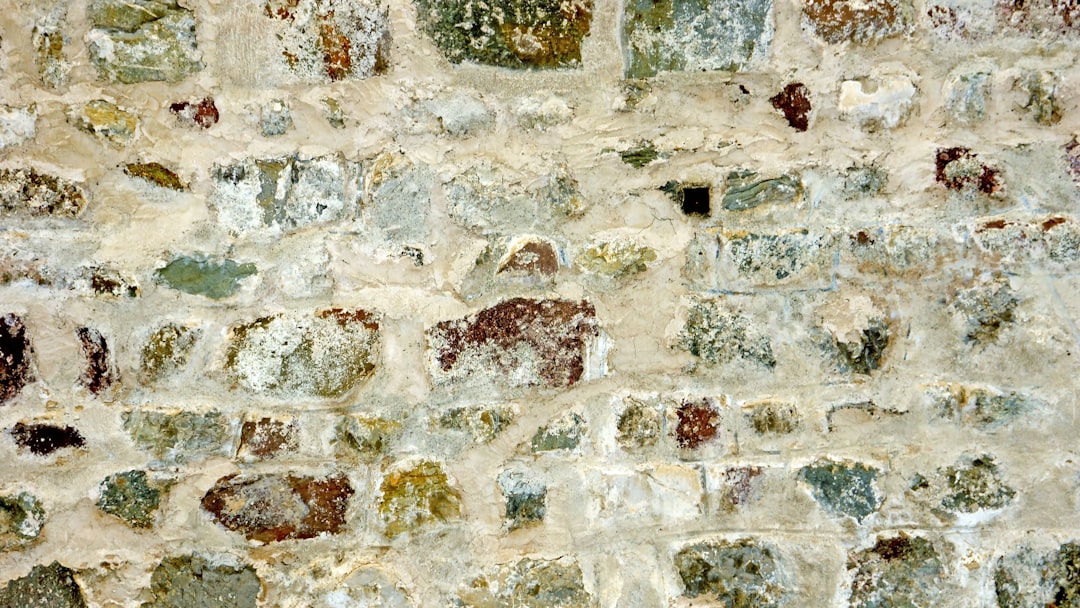
For thousands of years, people of many different tribes journeyed to the site on the edge of the northern plains, now in Minnesota, to quarry the red stone. It is done to this day. From the soft stone, now called catlinite, pipe bowls are carved for ceremonial use. The site continues to be sacred to many tribes. In ancient times as now, it was a place of peace, and the pipes carved from its stone are known to the white man as peace pipes.
Native legend tells the story its own way: Long ago the Great Spirit took the form of a bird and showed the people the red stone that was his flesh. He made a pipe from it and smoked it and told them it was a way to connect to him. This extraordinary site demonstrates how the sacred can be found in the simplest things, transforming stone into vessels for prayer.
Wind Cave – The Sacred Emergence Place
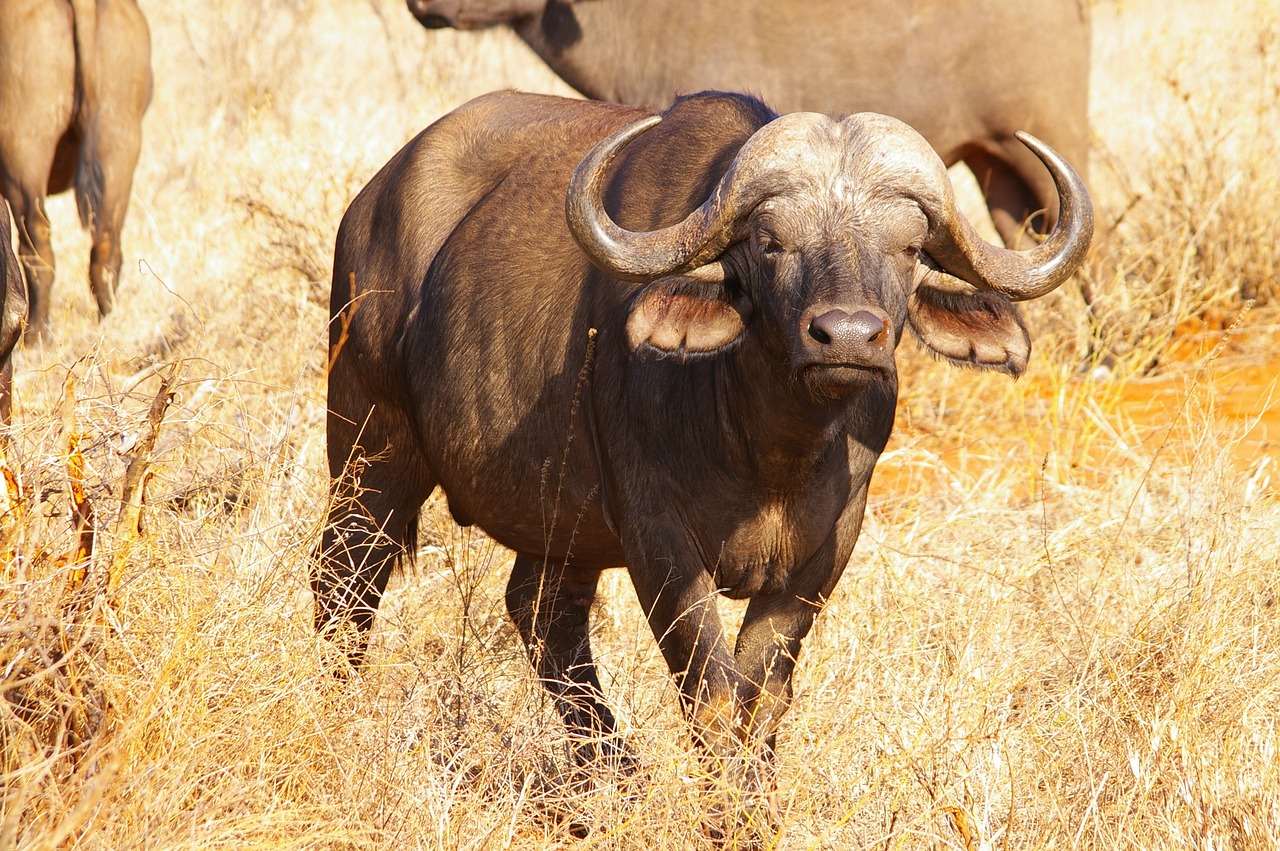
To many of the Lakota people, Wind Cave is the sacred site in their oral creation story; this is where the Pte Oyate – Buffalo Nation/People – emerged from inside Mother Earth and became Ikce Wicasa – Common People. Located in the Black Hills of South Dakota, this underground labyrinth holds profound significance as a place of beginning. Wind Cave National Park – located ten miles north of Hot Springs – was the first ever cave designated a national park anywhere in the world. Established in 1903 by President Theodore Roosevelt, Wind Cave is home to the vast majority of the earth’s discovered boxwork, rare calcite formations that resemble honeycombs.
Buffalo are revered by many of the region’s tribes, especially the Lakota. DeCory speaks of the “sacred trust” between the creatures and humans due to their shared emergence from Wind Cave. Buffalo appear ubiquitously in the Lakota stories of creation and renewal, with their spiritual essence commonly called upon in significant ceremonies and traditions.
Effigy Mounds – Earthworks of the Spirits
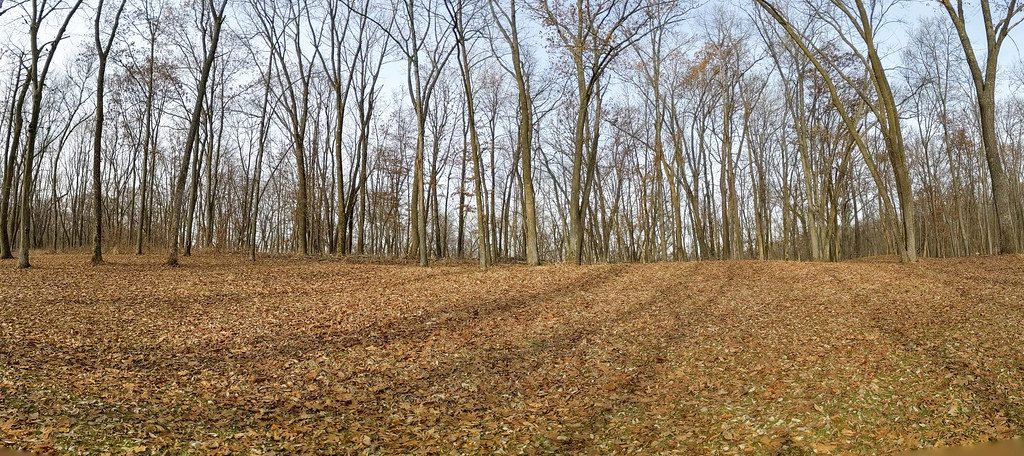
The only national monument in Iowa, Effigy Mounds was protected by President Harry Truman in 1949 in order to preserve its namesake series of sacred hillocks, constructed by a culture that inhabited land along the upper Mississippi River, stretching east to Lake Michigan (what is now parts of Iowa, southeast Minnesota, southern Wisconsin and northern Illinois). Numbering more than 200, the mounds were built over thousands of years in a variety of shapes ranging from simple cones to bison and birds. Though the exact function of the mounds as a whole remains unknown, some are burial sites, and experts think that others may have acted as territorial markers. Whatever the mounds’ purpose, more than 15 modern-day tribes, ranging from Minnesota to Oklahoma, are considered to be culturally associated with them.
These earthworks represent one of the most mysterious and beautiful forms of ancient Indigenous art. The largest and best-preserved chain of mounds, the evocatively named “Marching Bears,” can only be fully appreciated from overhead. Walking among these grassy sculptures, you can feel the reverence that went into their creation.
Bear Butte – The Sacred Mountain of Vision
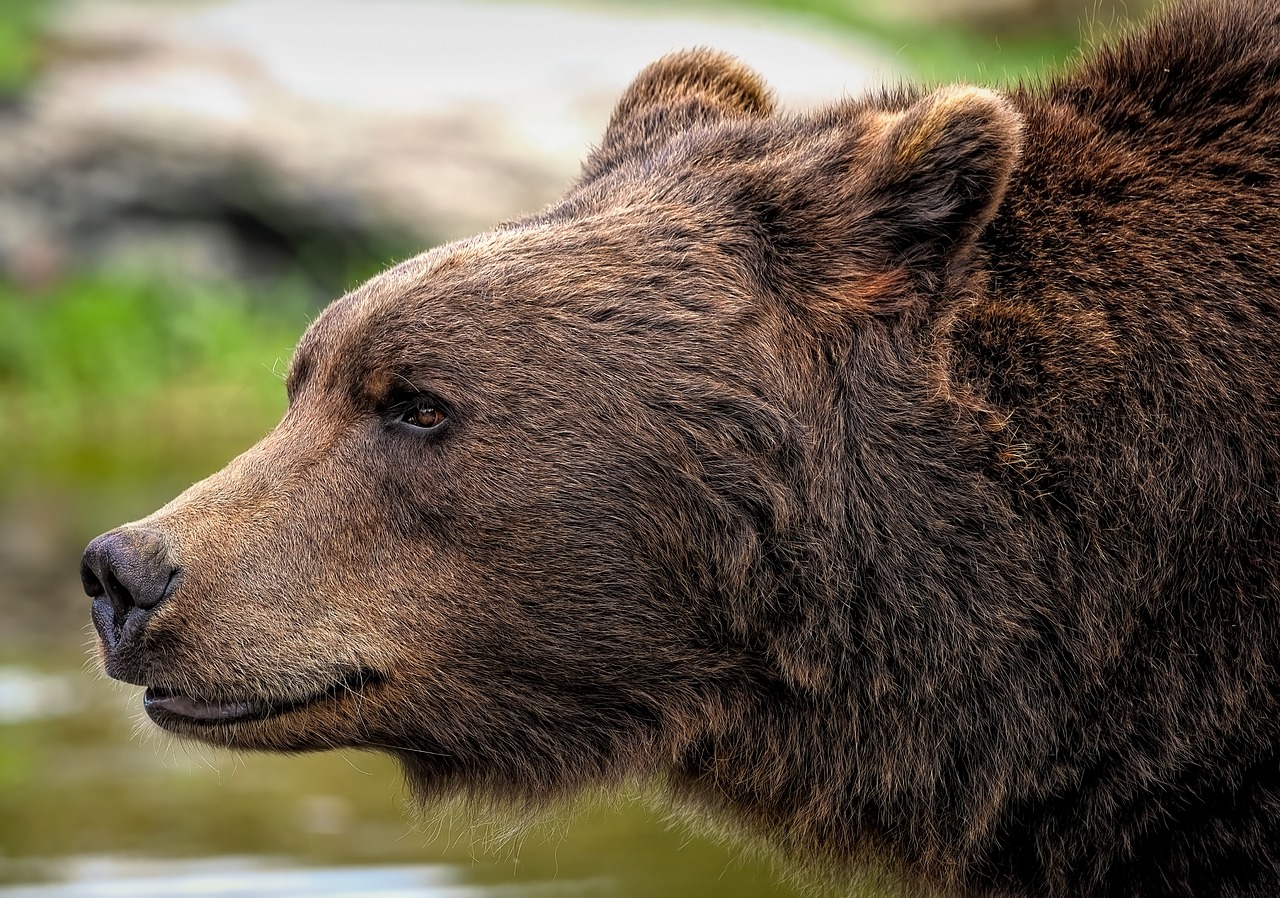
About two hours (by car) north of Wind Cave is Bear Butte State Park, which the Lakota refer to as Mato Paha and the Cheyenne call Noahvose. This lone peak rising from the plains has served as a place of vision quests and spiritual renewal for countless generations. Lakota elder Johnson Holy Rock says: “If a man was starving, he was poor in spirit and in body, and he went into the Black Hills, the next spring he would come out, his life and body would be renewed. So, to our grandfathers, the Black Hills was the center of life, and those areas all around it were considered sacred, and were kept in the light of reverence.”
The mountain’s isolation and commanding presence make it a natural cathedral, a place where earth touches sky and the spiritual world feels within reach. Many come here seeking guidance, following pathways worn smooth by centuries of pilgrim feet.
Great Serpent Mound – The Ancient Mystery
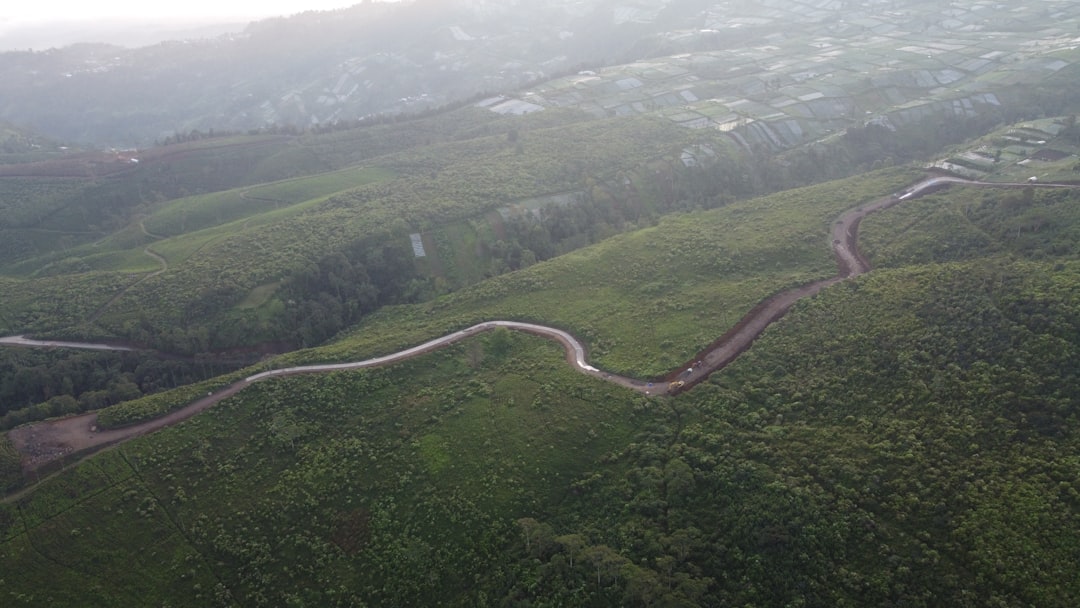
Did the site once have large totemic shrines to a legendary serpent? Were great ceremonies conducted there? Is there astronomical significance to the mound’s placement? No one knows. Today, the Great Serpent Mound, a National Historic Landmark owned by the Ohio Historical Society, is managed in a park by the Arc of Appalachia.
This remarkable earthwork serpent stretches across the Ohio landscape like a massive prayer written in soil and grass. Though its builders and their intentions remain shrouded in mystery, the mound’s undulating form captures something primal and powerful about humanity’s relationship with the sacred. Standing beside this ancient artwork, you can’t help but wonder what ceremonies once took place here and what stories this serpent was meant to tell.
Conclusion
These ten sacred sites represent just a fraction of the thousands of places across North America where Indigenous peoples have maintained spiritual connections for millennia. Each location reminds us that the sacred isn’t confined to buildings constructed by human hands, but exists in the very fabric of the landscape itself. From the towering peaks of Denali to the mysterious earthworks of Ohio, these places continue to serve as bridges between the physical and spiritual worlds.
Always be respectful of these sites. Appreciate them. Be in awe. When you visit these remarkable places, you’re not just observing history or admiring natural beauty. You’re stepping into spaces where the sacred still lives and breathes, where countless generations have come to pray, seek guidance, and connect with forces larger than themselves. What do you think about the enduring power of these sacred places? Tell us in the comments.

adventuring, photography and videography. I am currently working towards a BSc in Biodiversity and Ecology at Stellenbosch University to go on to specialise in Marine Sciences one day.
Please send any feedback to Feedback@animalsaroundtheglobe.com
- 21 Animals That Call Shenandoah National Park Home - August 10, 2026
- Top 17 Fluffiest Animals In The US - August 7, 2026
- The 10 Least Obedient Dog Breeds - August 7, 2026