
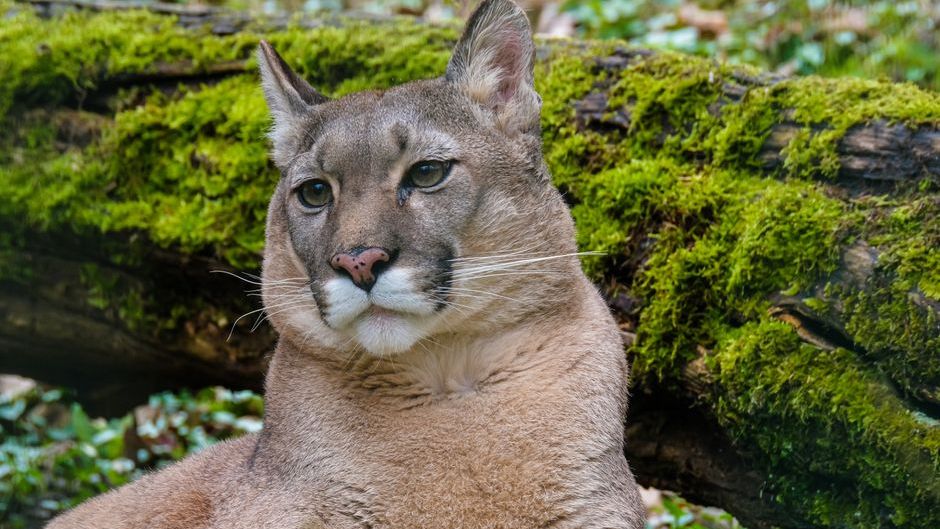
Imagine a world where the haunting howl of the red wolf is silenced, the majestic flight of the California condor is grounded, and the delicate dance of the monarch butterfly is no more. This isn’t a dystopian future – it’s a looming reality. Yet, amidst these shadows, science and conservation efforts are casting beams of hope. Let’s explore ten American animals teetering on the brink of extinction and the groundbreaking initiatives striving to pull them back.
The Red Wolf: A Howl Echoing in the Void
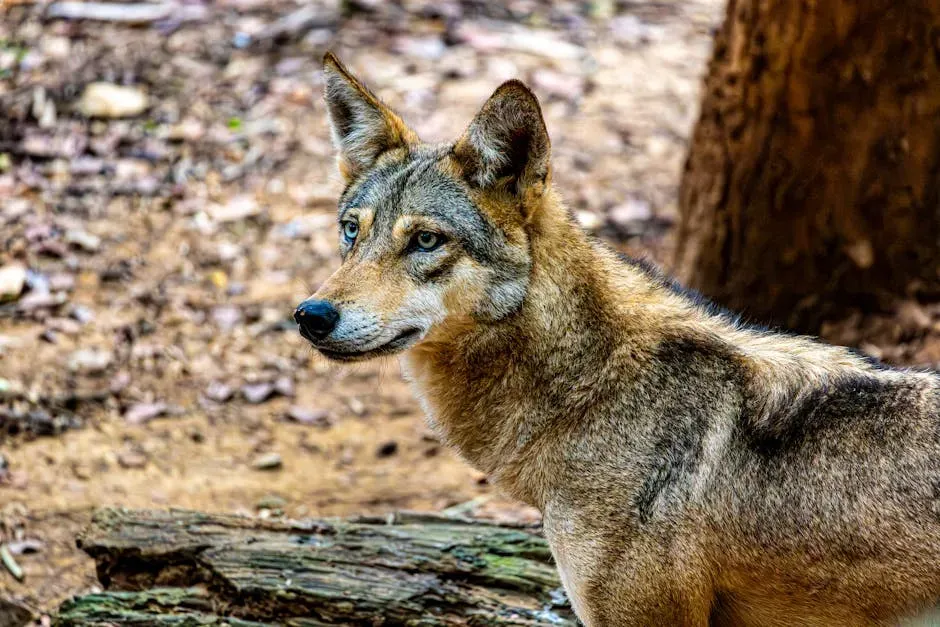
Once roaming the southeastern United States, the red wolf’s population dwindled to a mere handful by the late 20th century. Habitat loss and aggressive predator control programs nearly sealed their fate. However, captive breeding programs and reintroduction efforts have been pivotal. The U.S. Fish and Wildlife Service’s Red Wolf Recovery Program has seen some success, with wild populations established in North Carolina. Yet, challenges persist, and continuous support is crucial to ensure their survival.
California Condor: Soaring Back from the Brink
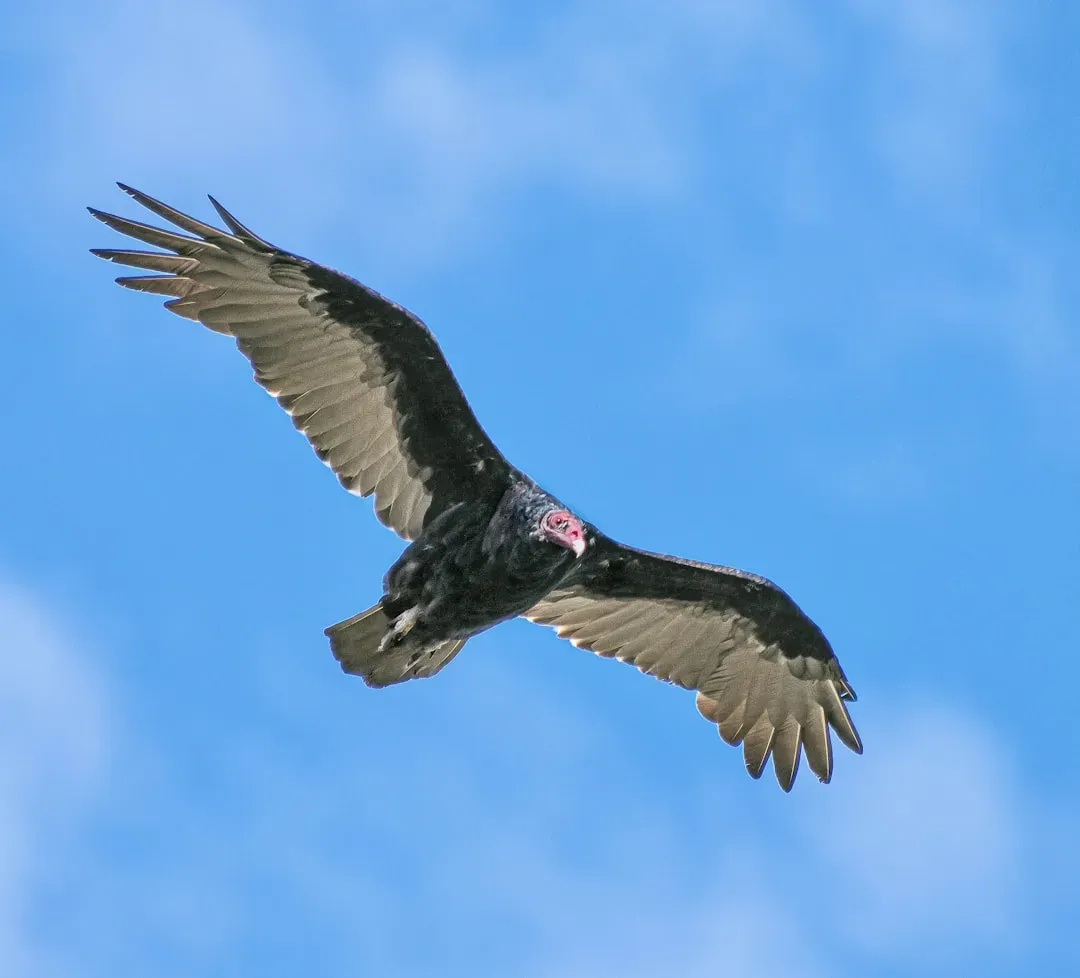
With a wingspan that commands the skies, the California condor faced near extinction due to lead poisoning and habitat destruction. By 1987, only 27 individuals remained. Intensive conservation efforts, including captive breeding and habitat protection, have increased their numbers to over 400. The reintroduction of these birds into the wild, coupled with public education on lead-free ammunition, offers a promising path forward.
Monarch Butterfly: A Delicate Migration in Peril
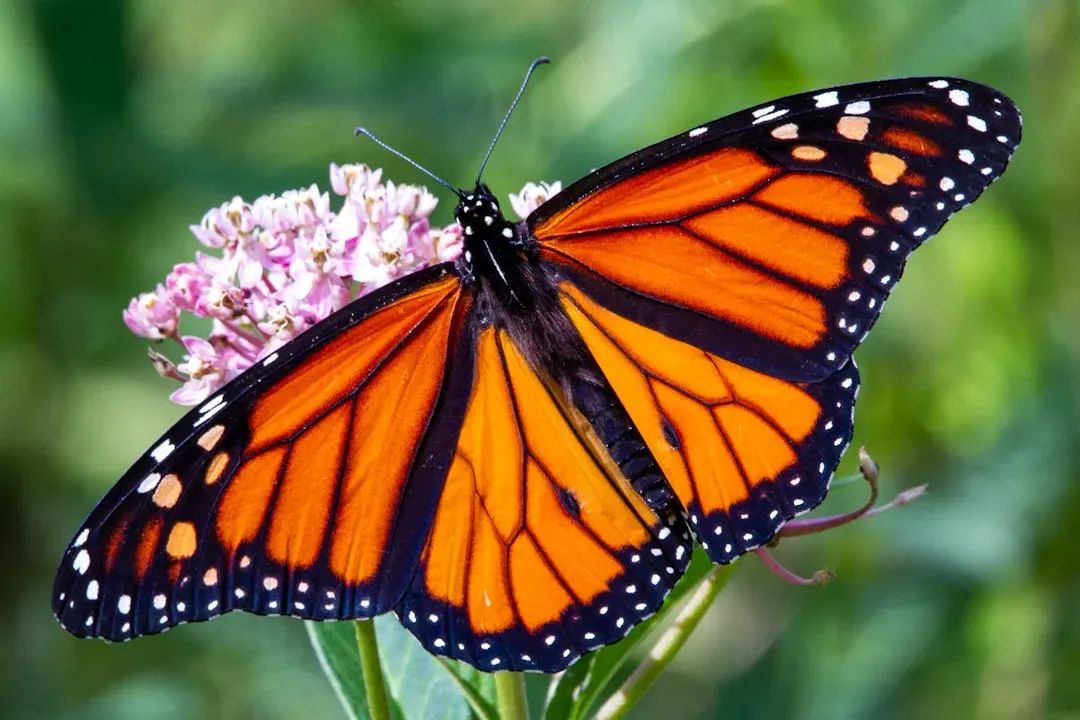
The monarch butterfly’s epic migration is one of nature’s marvels. However, habitat loss, climate change, and pesticide use have led to a significant decline in their numbers. Conservationists are promoting the planting of milkweed – the monarch’s primary breeding plant – and creating butterfly-friendly habitats. Citizen science projects also play a role in monitoring populations and raising awareness.
Florida Panther: The Last of the Eastern Cougars
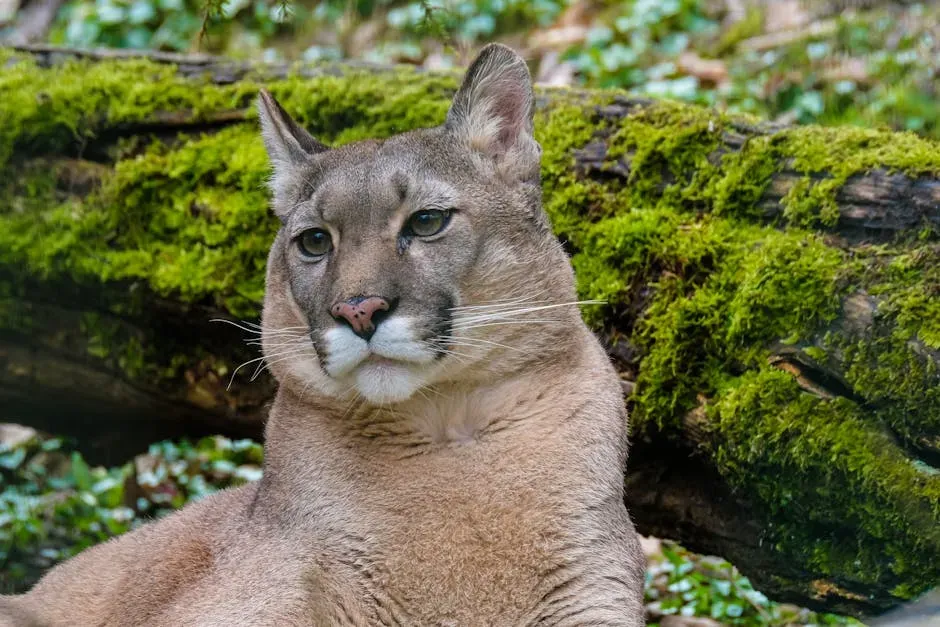
Once ranging across the southeastern U.S., the Florida panther now clings to survival in the swamps of southern Florida. Habitat fragmentation and vehicle collisions are major threats. Conservation strategies include habitat corridors to connect fragmented areas and wildlife crossings to reduce road fatalities. These efforts have led to a gradual increase in their population, but vigilance remains essential.
Hawaiian Monk Seal: An Ancient Species Facing Modern Threats
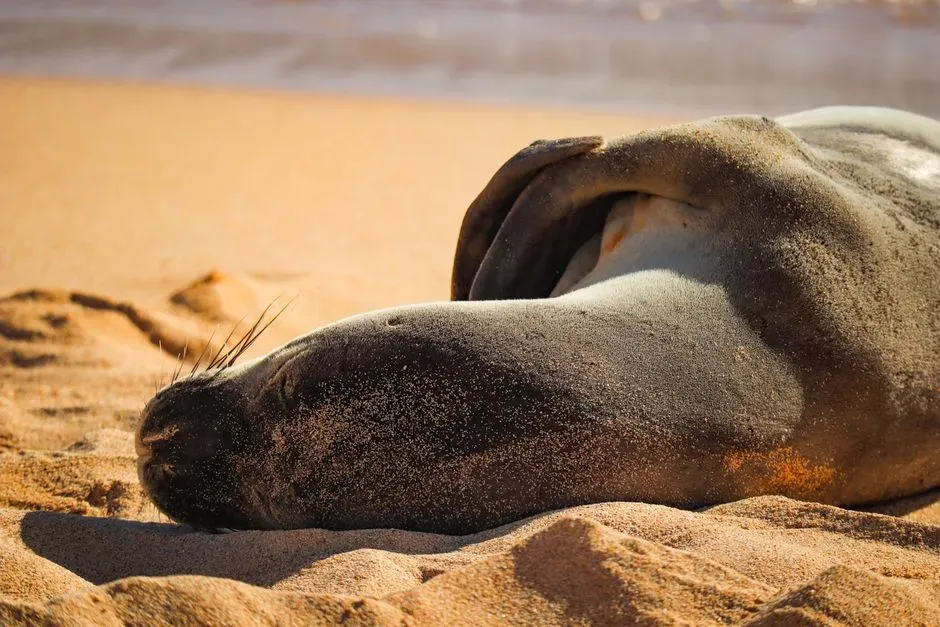
Endemic to the Hawaiian Islands, the Hawaiian monk seal is one of the most endangered marine mammals. Threats include entanglement in fishing gear, disease, and human disturbance. Conservationists are implementing measures such as habitat protection, rescue and rehabilitation programs, and community education to foster coexistence and recovery.
Black-Footed Ferret: A Prairie Ghost Reappears
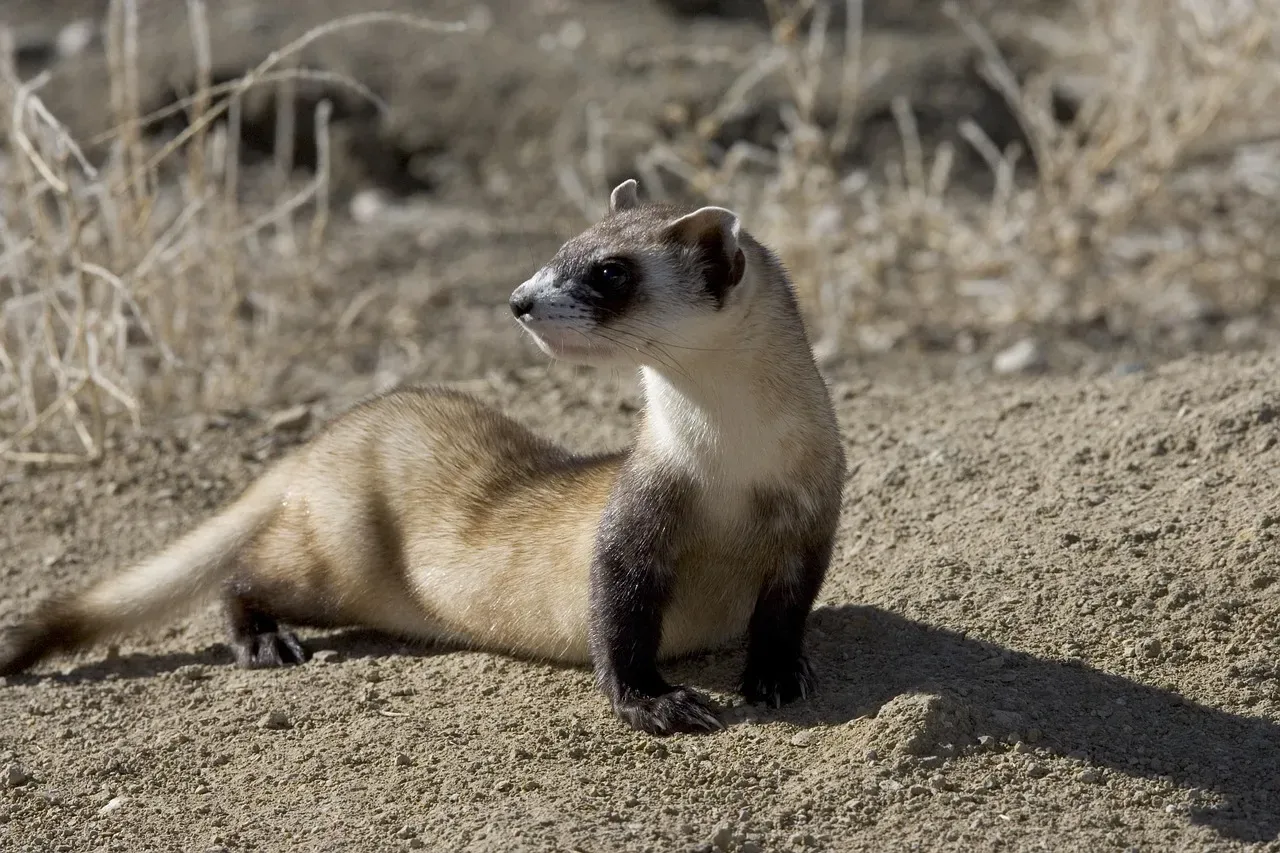
Once thought extinct, the black-footed ferret was rediscovered in 1981. Habitat loss and disease had decimated their populations. Captive breeding and reintroduction programs have been instrumental in their comeback. Efforts now focus on disease management and habitat restoration to support sustainable wild populations.
Atlantic Bluefin Tuna: Giants of the Deep in Decline
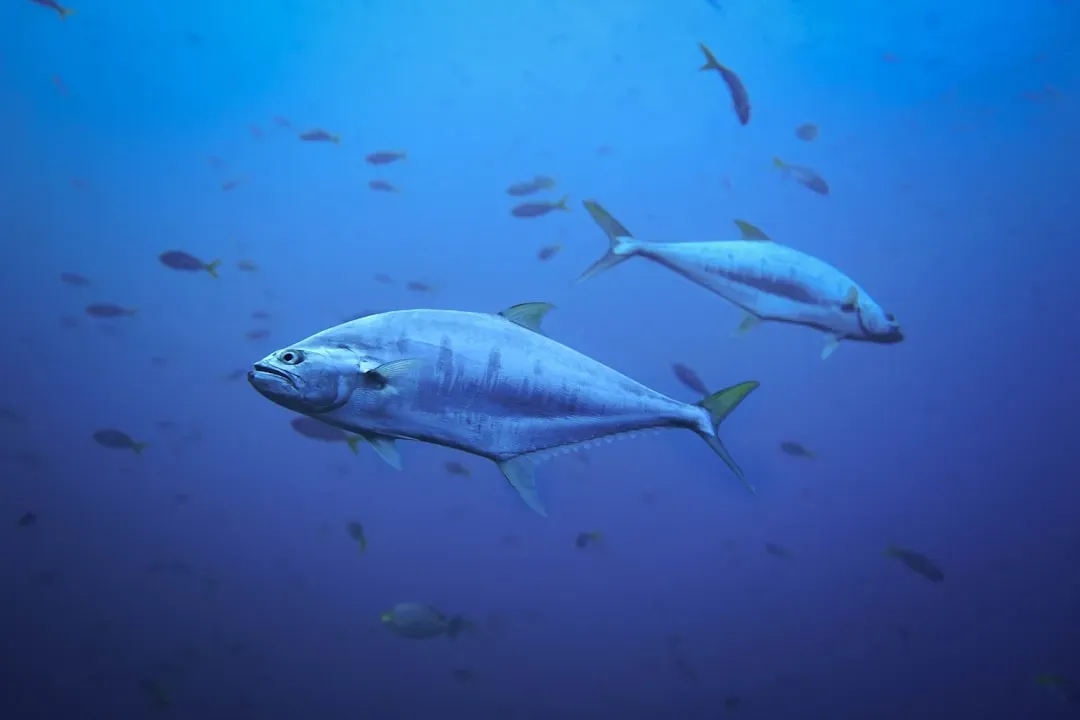
Overfishing has severely impacted Atlantic bluefin tuna populations. These ocean giants are prized for their meat, leading to unsustainable harvests. International agreements and quotas aim to regulate fishing practices. Advances in aquaculture and tracking technologies offer hope for sustainable management and recovery.
American Burying Beetle: Nature’s Decomposers in Danger
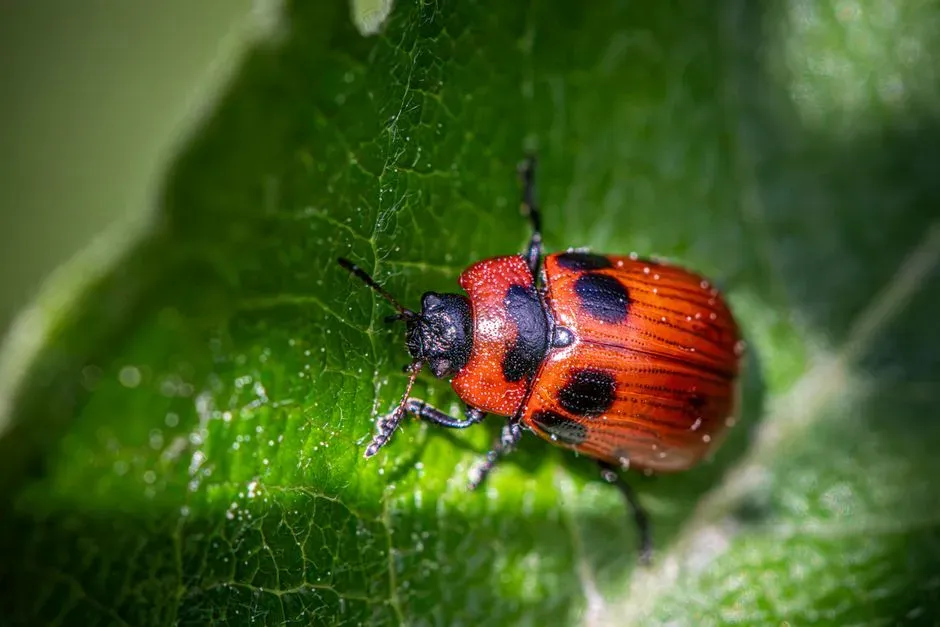
Once widespread, the American burying beetle has seen a dramatic range reduction. Habitat loss and changes in carrion availability are key factors. Conservation efforts include habitat restoration and captive breeding programs. Research into their ecological role underscores the importance of their preservation.
Ocelot: The Phantom Cat of the Southwest
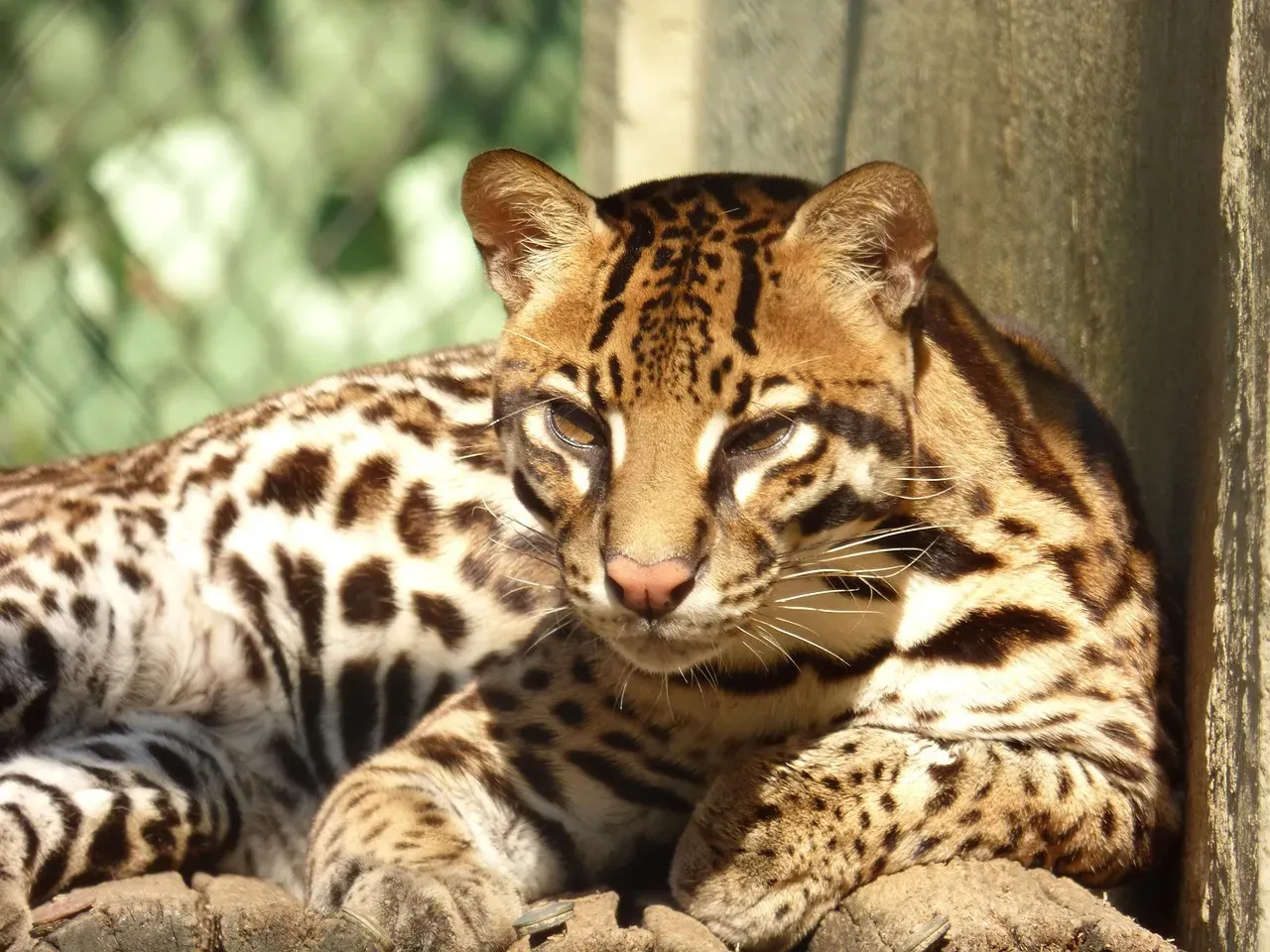
In the U.S., the ocelot’s range is limited to parts of Texas and Arizona. Habitat fragmentation and road mortality threaten their survival. Conservationists are working on habitat connectivity projects and public education to reduce human-wildlife conflicts. Monitoring programs aim to track population trends and inform conservation strategies.
Plains Garter Snake: A Slithering Symbol of Conservation Success
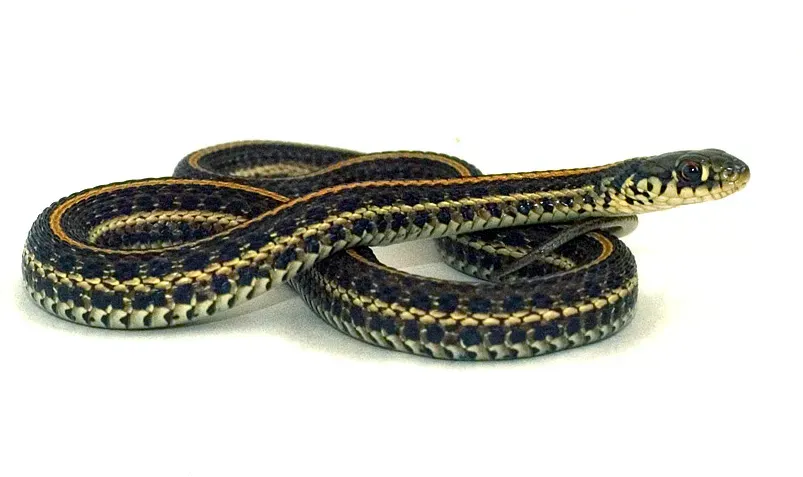
In Ohio, the plains garter snake faced local extinction due to habitat loss. The Columbus Zoo initiated a breeding program, releasing over 400 snakes into the wild. This effort has led to increased sightings and a gradual population rebound, highlighting the impact of targeted conservation actions.
While the plight of these species is dire, the fusion of science, community engagement, and unwavering dedication offers a beacon of hope. Each success story underscores the resilience of nature and the profound impact of human intervention. The question remains: will we rise to the challenge and ensure these creatures continue to grace our world?
