

When you picture the cutest creatures on Earth, you probably envision playful dolphins splashing in crystal waters or fluffy pandas munching bamboo. Perhaps you imagine slow lorises with their giant saucer eyes or the bizarre platypus lounging along an Australian riverbank. These animals dominate our Instagram feeds and star in countless nature documentaries. Their cuteness seems almost weaponized, tugging at our heartstrings with every glance.
Here’s the thing though. Nature rarely creates perfection without some sort of twisted trade. Behind those doe eyes and soft fur, many of harbor shocking secrets that would make your skin crawl. We’re talking about venom that can cause flesh to rot, aggressive behaviors that rival the most violent predators, and survival tactics so brutal they belong in a horror film.
Let’s dive into the disturbing reality lurking behind ten of nature’s most deceptively adorable faces.
Slow Lorises: Venomous Primates With Flesh-Rotting Bites
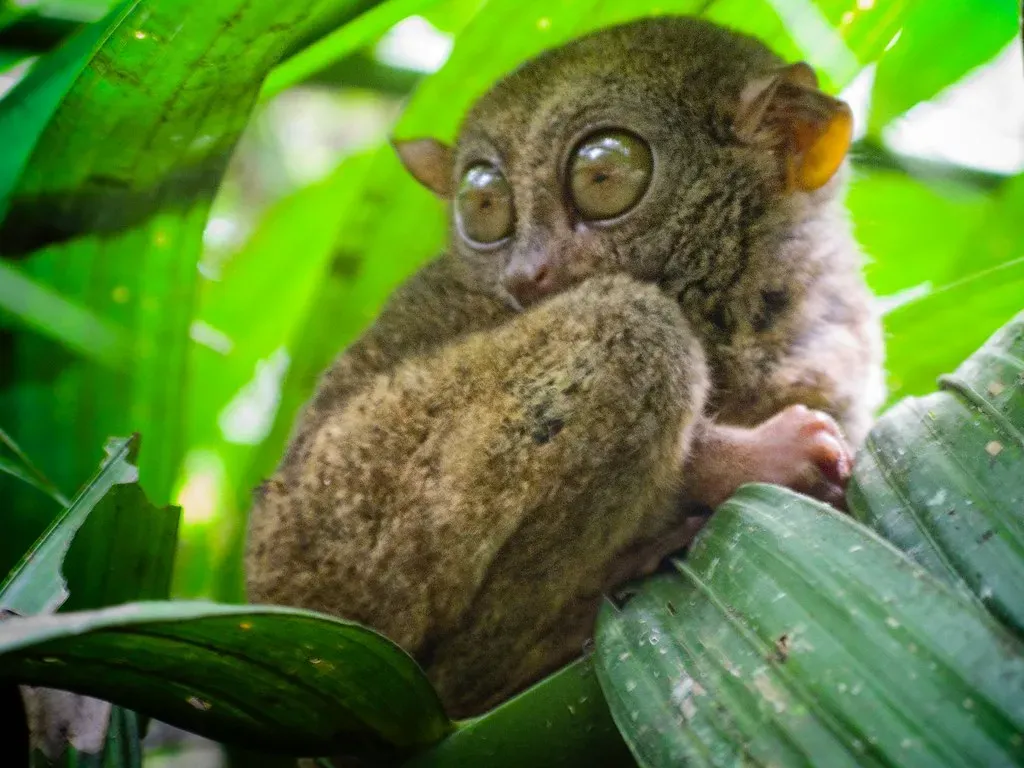
The doe-eyed slow loris is one of the only poisonous mammals in the world. Picture this: a tiny, fuzzy primate that fits in the palm of your hand, moving through tree branches with an almost hypnotic slowness. Everything about them screams adorable, especially those enormous eyes that seem perpetually surprised.
Despite the animals’ small size, slow loris bites are intensely painful, and in both humans and loris conspecifics can cause oedema, fester, take weeks to heal, and leave loss of fur and scarring. The slow loris bite is reported to be painful in humans with symptoms including burning of the tongue and throat, hypotension, muscle convulsions, heart and respiratory problems, unconsciousness, and even death through anaphylaxis shock. When they raise their arms and lick the gland, enzymes in their saliva mix with the oil to produce venom that gets pulled into their toothcomb, where it’s then ready to be delivered with a bite.
It fills into their grooved canines, which then deliver a grisly bite strong enough to pierce through bone. The imbued venom causes the victim’s flesh to rot away, and some lorises have even been seen with half their faces melted off. The team concluded that slow lorises are viciously territorial, and they use venom as their weapon of choice.
Dolphins: The Ocean’s Playful Predators With a Dark Side
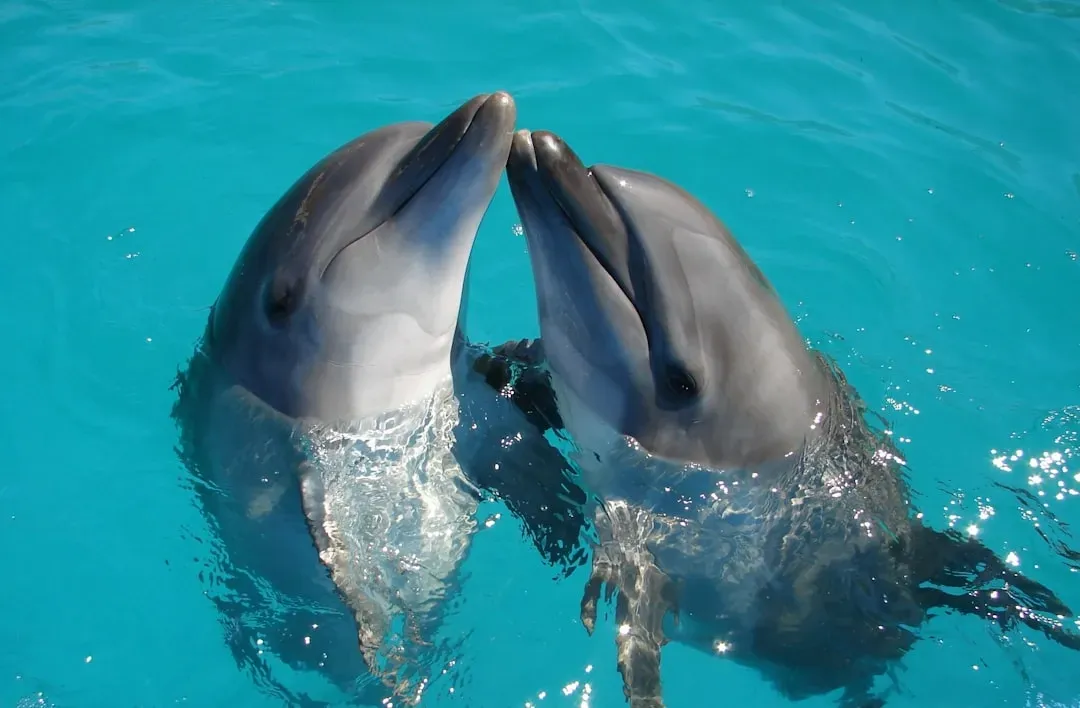
Everyone loves dolphins. They’re smart, social, and always seem to be smiling. We swim with them on vacation and watch them perform tricks at aquariums. Yet, these marine mammals possess an incredibly disturbing repertoire of behaviors that would shatter anyone’s Flipper fantasy.
Not only do dolphins commit infanticide, some of them murder just for the fun of it. Some groups of dolphins have been observed attacking and beating to death porpoises for no apparent reason. A study was conducted in the area that this happened and it was discovered that there was no shortage of food. It seemed there were no logical reasons for this to be done.
In truth, dolphins often display aggression, particularly males when interacting with females. It is understood that this is because males see new calves as “competition”, so may try and see off the baby, so that the mother is free to make more babies. And male dolphins are ruthless when it comes to mating. Some researchers have documented cases where males form gangs to isolate females, and they’re known to display violent behaviors during mating season that would be illegal by human standards.
Platypuses: Venomous Spurs That Deliver Excruciating Pain
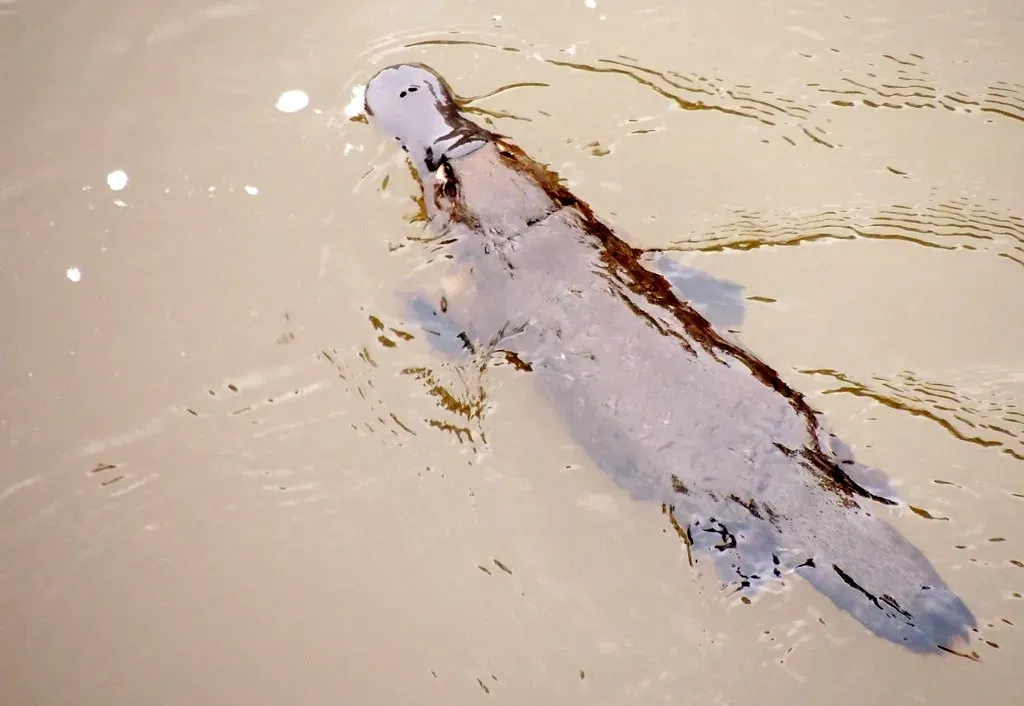
The platypus looks like Mother Nature had a few drinks and decided to glue together leftover animal parts. Duck bill? Check. Beaver tail? Sure, why not. But here’s what most people don’t know about this bizarre Australian oddity.
Although powerful enough to paralyze smaller animals, the venom is not lethal to humans. Still, it produces excruciating pain that may be intense enough to incapacitate a victim. The male platypus has half-inch poisonous spurs located on the inner side of each back ankle. A kick from one of these bad boys is potent enough to kill small animals and cause intense pain in humans.
A clinical report from 1992 showed that the severe pain was persistent and did not respond to morphine. Pain was immediate, sustained, and devastating; traditional first aid analgesic methods were ineffective. One victim described the agony as worse than being hit by shrapnel during the Vietnam War. The pain can last for weeks or even months, with muscle wasting persisting long after the initial injury. Male platypuses produce this venom primarily during breeding season, likely using it to battle rival males for mates.
Sea Otters: Cute Faces Hiding Horrifying Behavior
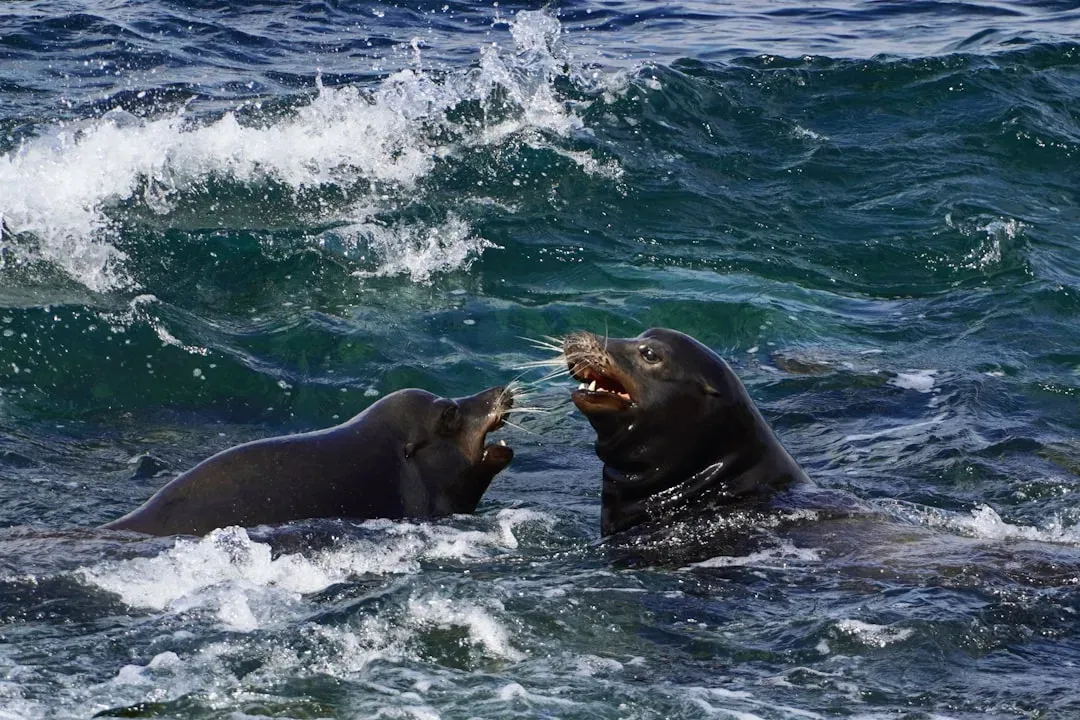
Sea otters are social media darlings. They hold hands while sleeping, float on their backs, and crack open shellfish on their bellies using rocks as tools. Honestly, they look like living stuffed animals. The reality, though, is far more disturbing than their wholesome reputation suggests.
As documented by a study in Aquatic Mammals, there are also numerous reports of male sea otters having violent “forced copulation” with baby harbor seals. Using a similar method of biting and drowning, the young seals often die as a result because the encounters are so aggressive.
In one prior report on breeding-associated mortality, a tagged territorial male sea otter held a struggling female underwater until her body became limp and then copulated repeatedly with her carcass. Ten months later, this same male was observed with the carcass of another female sea otter. Males regularly exhibit aggressive behavior during mating, often holding females underwater and biting them until they submit. The violence extends beyond their own species, making otters far more sinister than their cuddly appearance would suggest.
Pandas: Bamboo-Munching Bears With Bone-Crushing Jaws
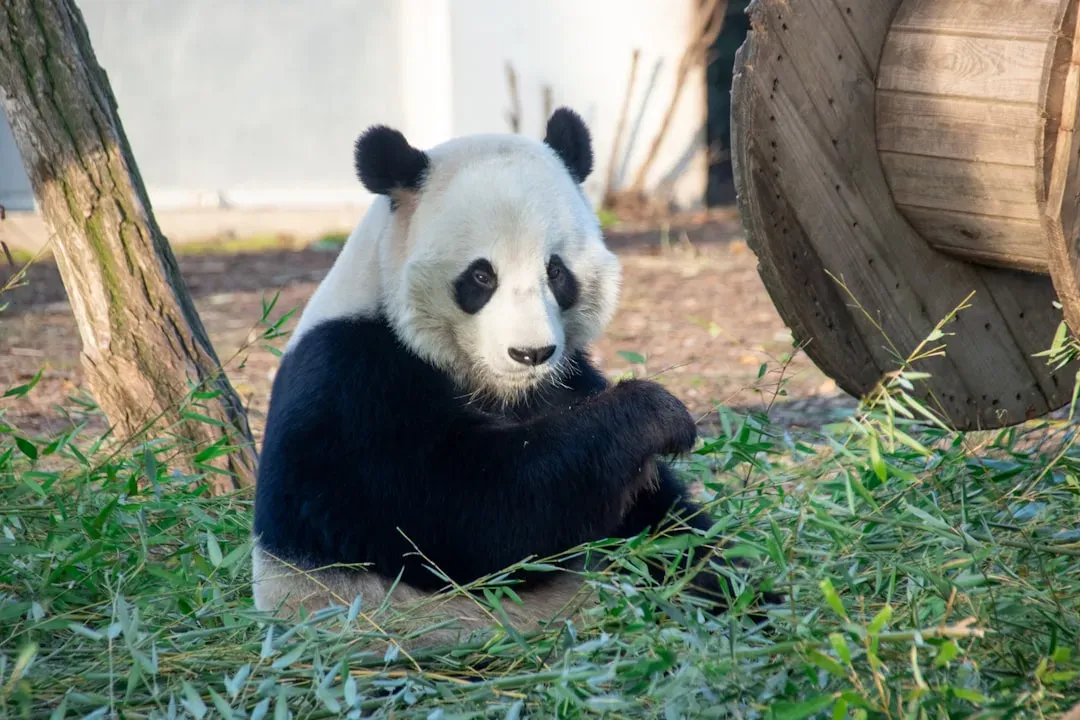
Giant pandas are conservation icons and diplomatic gifts between nations. Their roly-poly appearance and clumsy behavior make them seem harmless and endearing. Kids line up at zoos just to catch a glimpse of these black and white teddy bears.
Roly-poly panda bears can crush your bones with just one bite. Pandas have delivered nasty bites to people’s limbs when they felt threatened. A fierce bite helps protect pandas. But more often, this crushing power helps them eat. The animals’ powerful jaws can crunch through the tough stalks.
Roughly the vast majority of their diet consists of bamboo, one of nature’s toughest plants with hard fibrous stalks. To consume this rigid vegetation, pandas evolved incredibly strong jaw muscles and teeth designed to pulverize. While pandas are normally pretty easy going, if they do feel threatened, let’s just say they don’t have a problem reminding you that they are bears and will attack you. Remember, beneath that fluffy exterior beats the heart of a bear. They’re still wild predators with all the equipment necessary to do serious damage.
Kangaroos: Mothers Who Sacrifice Their Young
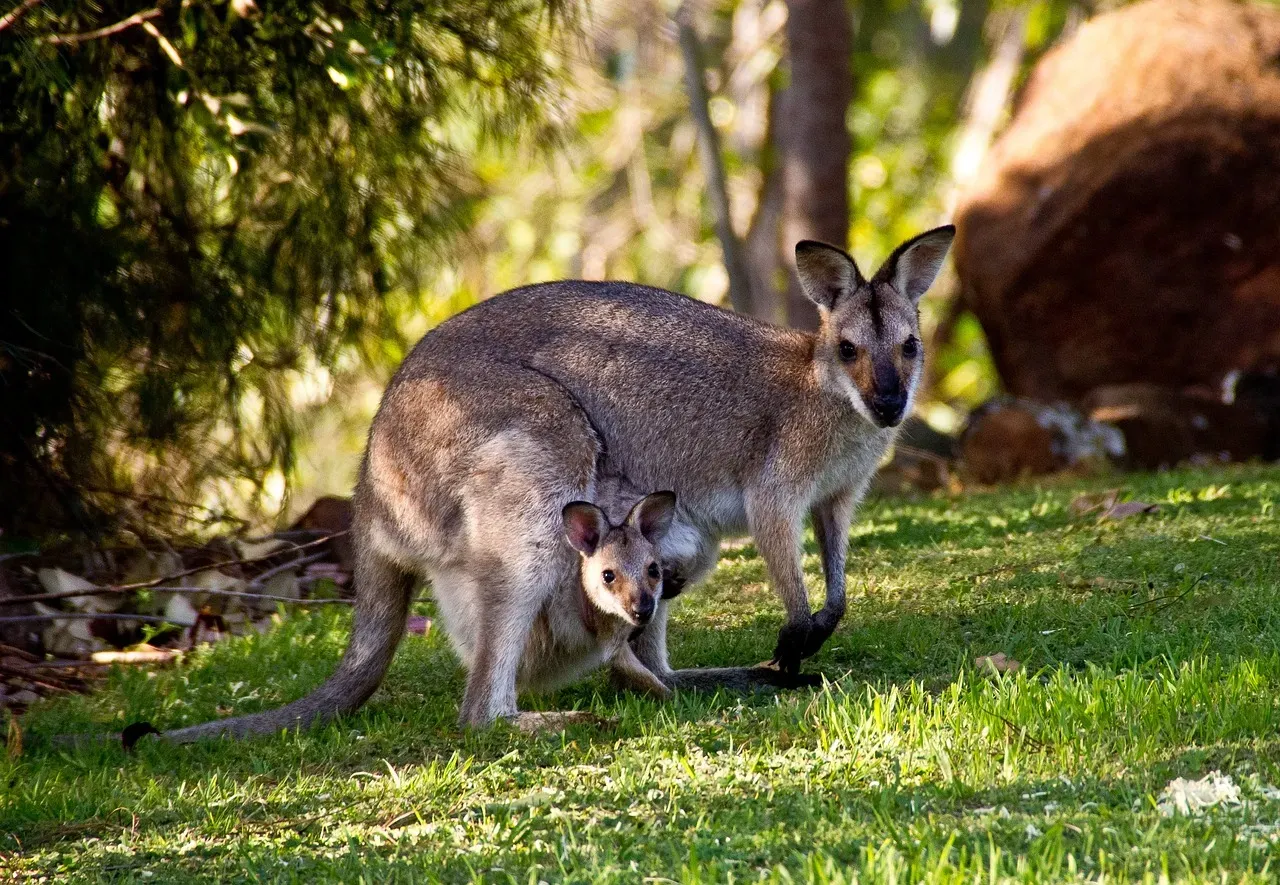
Kangaroos represent Australia itself, hopping across the outback with joeys peeking adorably from their pouches. They seem like the perfect example of devoted motherhood in the animal kingdom. The truth is considerably more ruthless.
If in danger, a mother kangaroo will sacrifice her baby. The logical reason for this is because a baby can’t reproduce, so it’s up to the mother to keep herself alive so that the species can continue to thrive. There are two instances in which a female kangaroo will sacrifice her young: if she is being pursued by predators or if the sacrifice of one joey will lead to a better outcome for the remaining babies. When a joey is used as bait, a mother kangaroo will “eject” it from her pouch and leave it behind for the predator so she can escape and eventually produce more young.
From an evolutionary perspective, it makes cold, calculated sense. A mother can produce more offspring if she survives, whereas the baby cannot reproduce yet. Still, the image of a mother deliberately abandoning her helpless infant as predator bait clashes violently with the cute commercials and tourism posters we’re used to seeing.
Polar Bears: Arctic’s Apex Predators in Cuddly Disguise
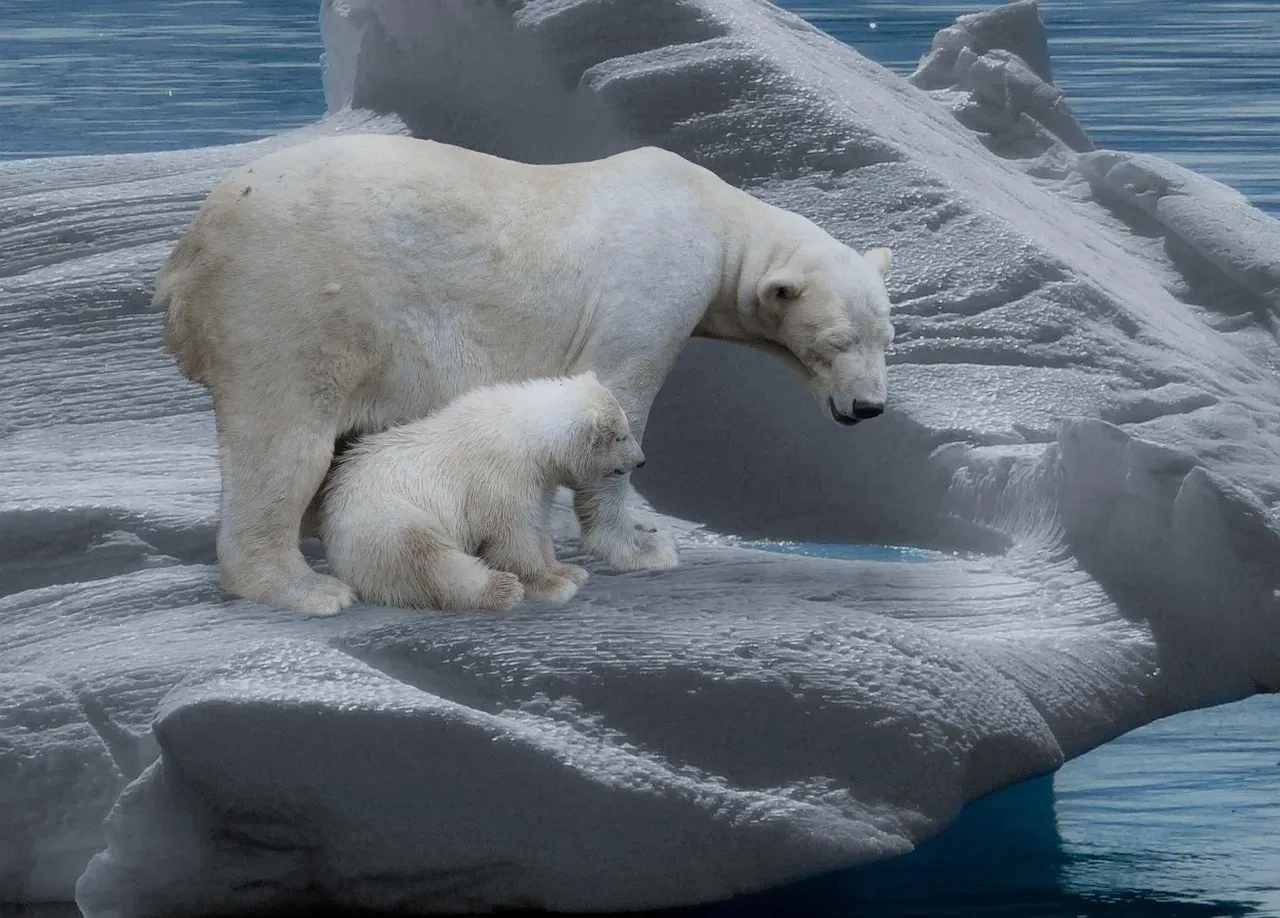
Polar bear cubs are impossible not to love. They tumble through the snow, cling to their mothers, and appear in countless nature documentaries highlighting their struggle against climate change. We sympathize with their plight and root for their survival.
Polar bears may look cute and cuddly, but they are the world’s largest land predator, often stalking the breathing holes that seals make in the ice. The apex predators are massive and can grow to be over ten feet tall with a bite force of 1,200 psi.
Polar bears may look cute and cuddly, but they are the world’s largest land predator, often stalking the breathing holes seals make in the ice. Using their excellent sense of smell, polar bears wait until they detect the seal’s breath, then reach into the hole and drag the seal out onto the ice. Male polar bears have been known to attack and kill prey twice their size, including walruses, beluga whales and narwhals. These magnificent hunters possess patience, power, and cunning that would terrify anyone who truly understood their capabilities. In their world, cute doesn’t equal safe.
Snails: Thousands of Teeth in Slow-Moving Packages
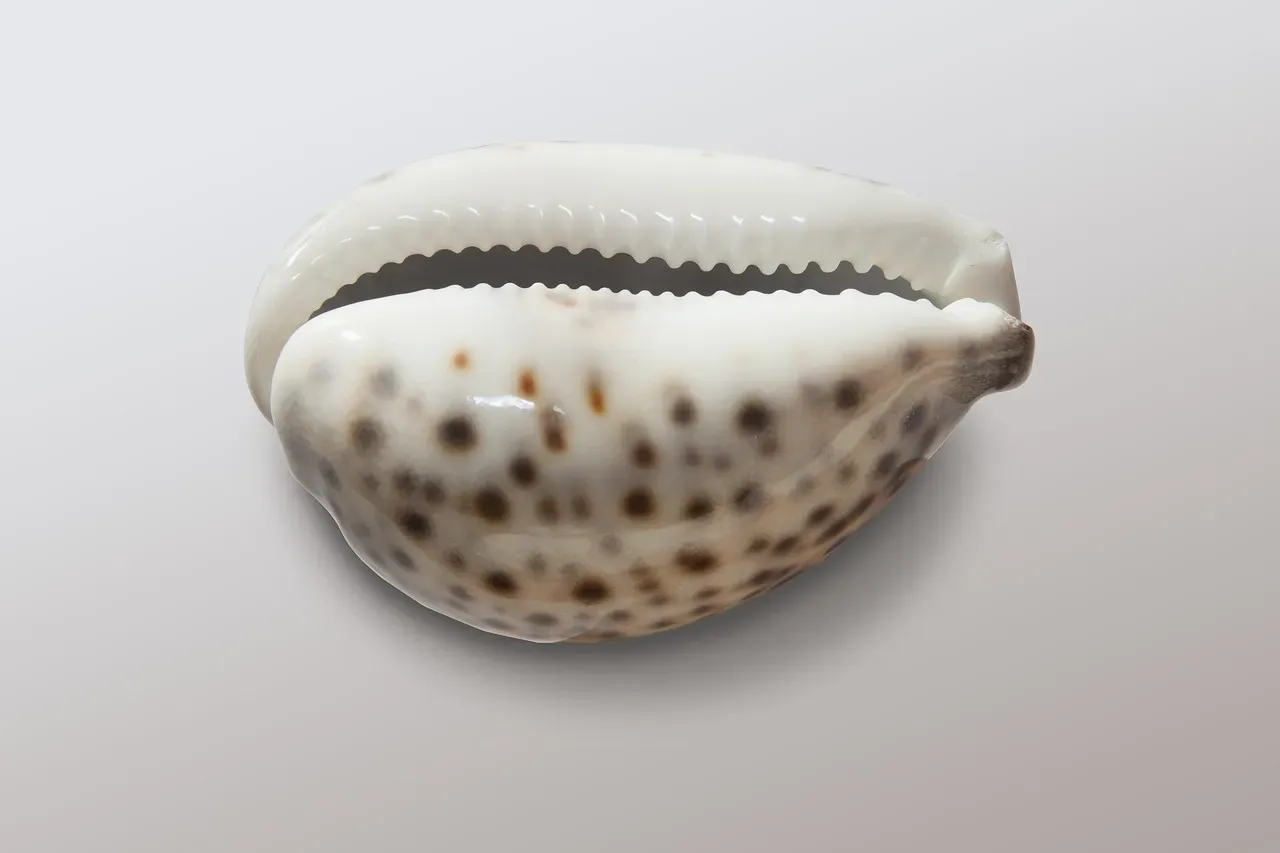
Garden snails inch along at speeds that barely register. They’re slimy, harmless, and often kept as classroom pets for children. What possible threat could these gentle mollusks pose?
Gastropods, including snails and slugs, have thousands of tiny teeth located on a ribbon-like structure called a radula. Depending on the species, they use these teeth as a poison harpoon, to cut prey or, in the case of the ghost slug, to seize and devour earthworms.
Some carnivorous snail species weaponize this dental arsenal in truly horrifying ways. Certain cone snails possess venomous harpoon teeth that can kill fish almost instantly, and their toxins are powerful enough to be potentially deadly to humans. The ghost slug, found in Wales, uses its thousands of teeth to grab earthworms and suck them down like spaghetti. It’s an image that transforms these seemingly passive creatures into efficient predatory machines.
Ladybugs: Cannibalistic Beetles With Chemical Weapons
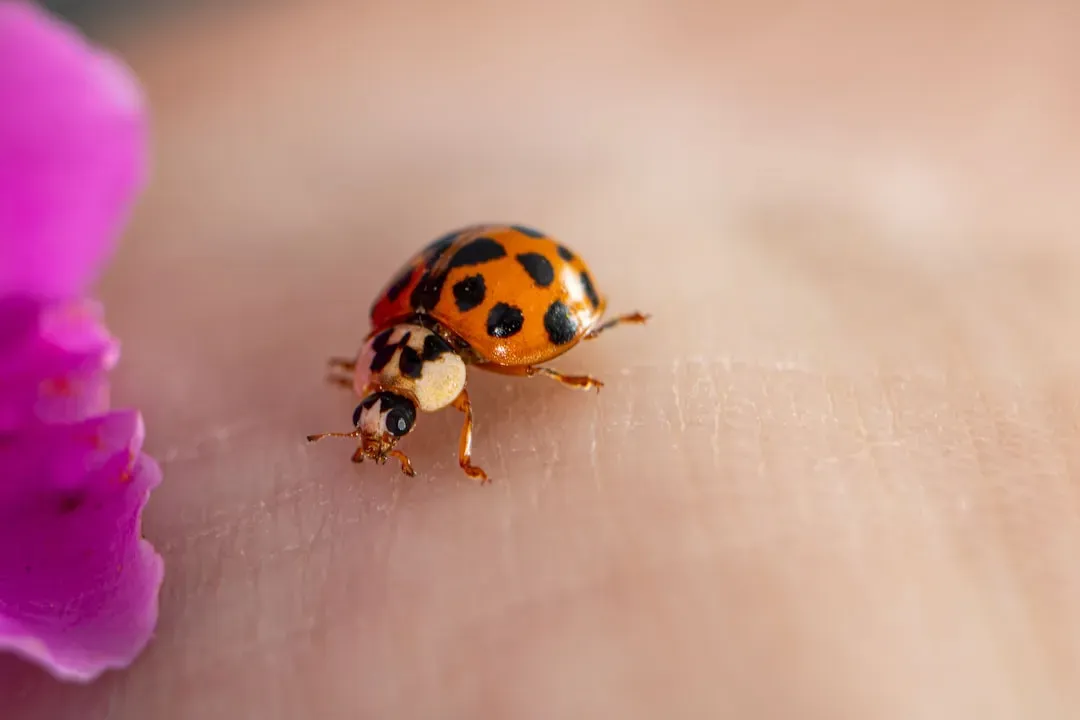
Ladybugs are universally beloved symbols of good luck. Children gently place them on their fingers, counting their spots and making wishes as they fly away. Gardeners welcome them as natural pest control. Their bright red shells with black polka dots make them instantly recognizable and utterly charming.
If it’s a matter of survival, certain species of female adult ladybugs, such as the Harlequin ladybug, will eat their own unhatched eggs if they can’t find small insects to munch on. The beetles also have a wicked defense mechanism: When threatened, ladybugs emit a foul-smelling fluid from their leg joints that helps scare away predators.
They’re willing to consume their own offspring when food becomes scarce, prioritizing individual survival over maternal instinct. The yellowish fluid they secrete as a defense mechanism not only smells terrible but can stain skin and fabric. Some species of ladybugs are so aggressive they’ve become invasive, outcompeting native species and even biting humans when they land on exposed skin.
Poison Dart Frogs: Lethal Beauty in Miniature Form
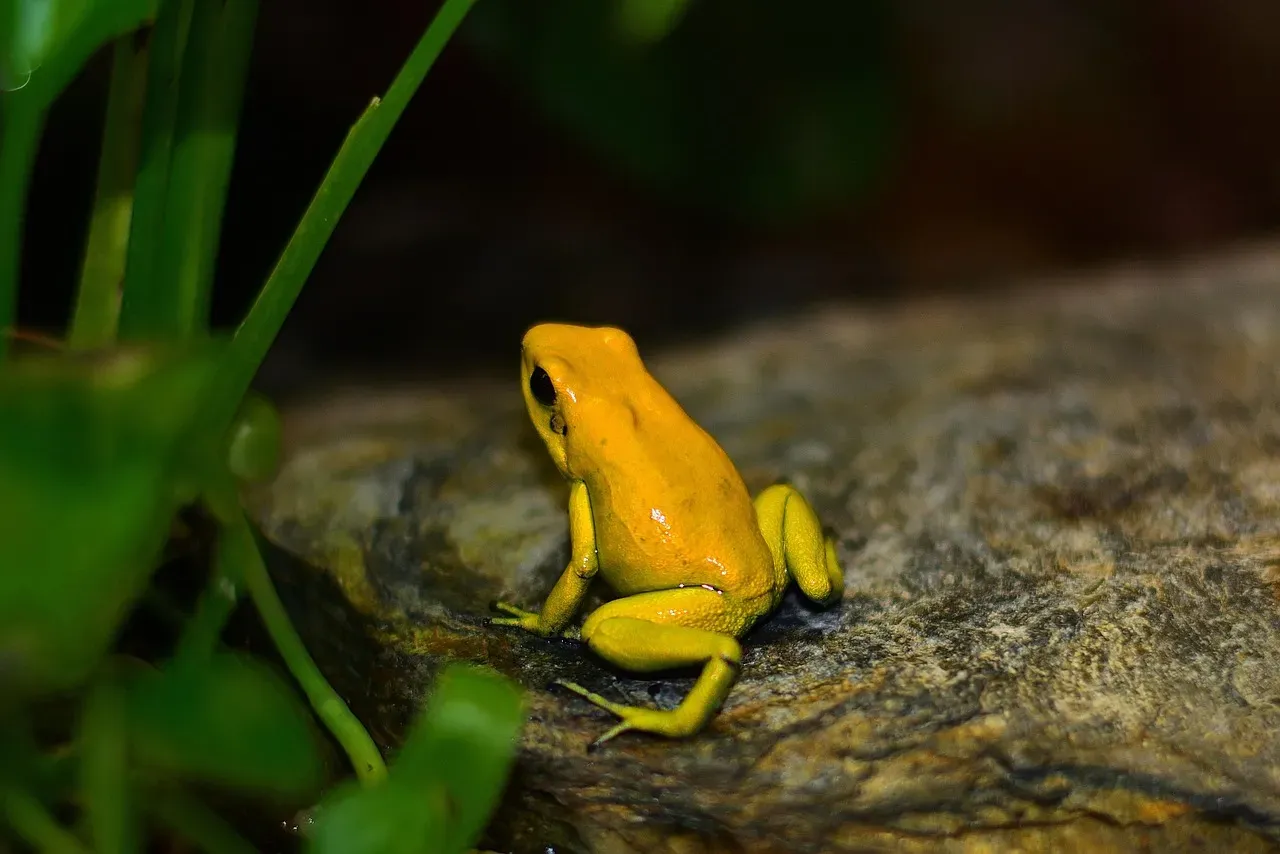
Poison dart frogs come in the most spectacular colors imaginable. Electric blue, brilliant yellow, vibrant red, neon green. They’re tiny, fitting easily on a fingertip, and look like living jewels hopping through rainforest foliage. Their beauty is absolutely mesmerizing.
This little frog contains about one milligram of poison, enough to kill 10 – 20 humans if the poison reaches their bloodstreams. The frogs get their name because they store toxins in their skin. Their coloring warns predators that they’re dangerous to touch or eat.
Indigenous tribes in Central and South America recognized their lethality centuries ago, using the frogs’ secretions to poison the tips of their hunting darts, hence the name. The deadliest subspecies possesses a toxin strong enough to instantaneously stop a human heart. That won’t happen to you unless you eat them, but most of the frogs also secrete toxins through their skin, so it’s best to steer clear altogether. The golden poison dart frog specifically carries enough toxin to kill ten adult humans. Evolution designed these creatures as living warnings: beauty can be deadly.
Conclusion: Nature’s Deceptive Packaging
The animal kingdom constantly reminds us that appearances deceive. Those big eyes, soft fur, and playful behaviors evolved for survival, not to make humans feel warm and fuzzy. Cuteness serves purposes we barely understand, from disarming predators to attracting mates to conserving energy.
Every creature discussed here plays crucial roles in their ecosystems. Dolphins maintain ocean health, pandas disperse bamboo seeds, sea otters protect kelp forests, and even venomous animals contribute to the delicate balance of nature. Their disturbing behaviors aren’t evil or malicious. They’re simply surviving using every tool evolution provided.
Perhaps that’s the real lesson here. Nature operates beyond our moral frameworks, indifferent to our classifications of good and evil, cute and scary. These animals remind us that wilderness remains wild, no matter how desperately we want to cuddle it. They deserve our respect, our fascination, and most importantly, our distance.
What surprised you most about these adorable animals’ dark secrets? Did any of these facts completely change how you view them?

- 12 Common Mistakes Pet Owners Make That Can Harm Their Beloved Animals - July 19, 2026
- Why Mangroves Are Vital to Florida’s Coast - July 19, 2026
- How Did Reindeer Become a Symbol of Christmas? - July 19, 2026