
Picture this: you’re floating in crystal blue water, enjoying a peaceful dive, when suddenly a massive shadow glides beneath you. Your heart races, expecting the worst. Yet instead of the Hollywood monster you’ve been conditioned to fear, you witness something extraordinary – an intelligent creature displaying behaviors that would make dolphins jealous and scientists speechless.
For too long, sharks have been painted as mindless killing machines, thanks to decades of sensationalized media portrayals. The reality is far more fascinating. These ancient predators possess remarkable intelligence that continues to astound marine biologists worldwide. From problem-solving abilities that rival primates to social networks more complex than high school hierarchies, sharks are rewriting our understanding of ocean intelligence. Let’s dive into the most compelling evidence that these apex predators are anything but the simple-minded beasts we once believed them to be.
The Great White That Learned to Outwit Cage Divers
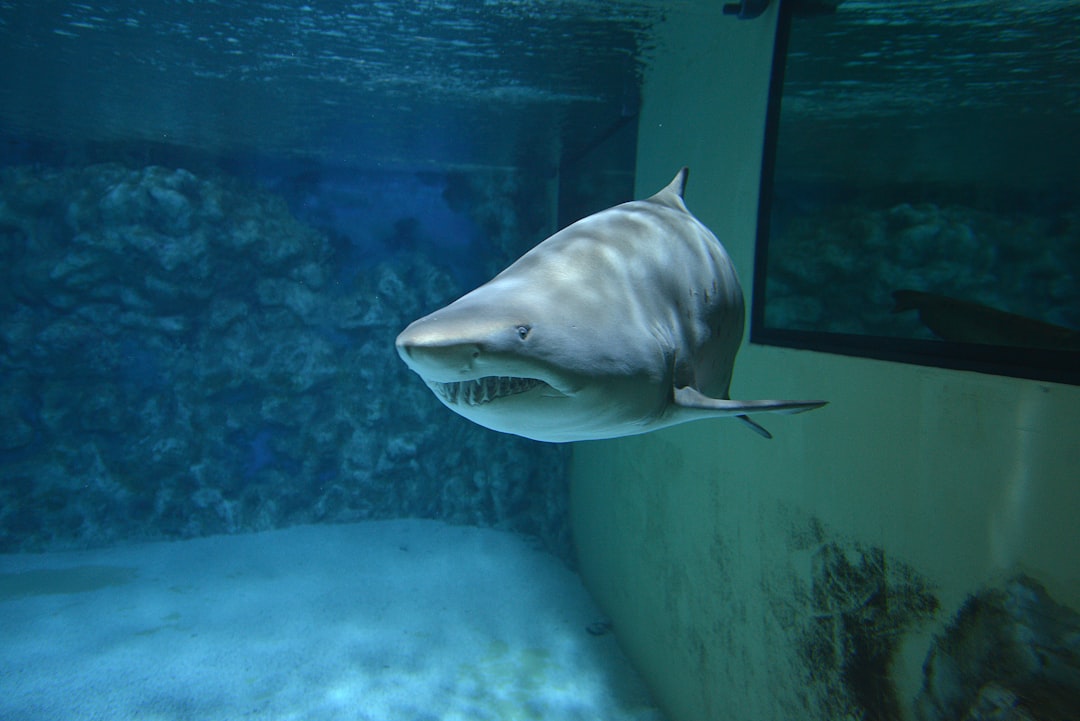
Observations of baited White Sharks reveal that most individuals quickly learn that the bait, nearby boat and shark cages do not represent a threat to its eyes. In response, the eye-rolling behavior is greatly reduced and may discontinue altogether for as long as an individual shark is feeding in that now-familiar situation. This is an example of habituation.
What’s truly remarkable is how quickly these adaptations occur. Individual great whites have been documented returning to the same dive sites, recognizing specific boats and even particular crew members. If, however, a human boldly and ill-advisedly reaches out to pat an inured White Shark on the head, the eye rolling behavior is likely to re-appear. This suggests sharks possess detailed memory banks that catalog threats versus harmless encounters, adjusting their behavior accordingly.
The Bonnethead Shark’s Mental GPS System
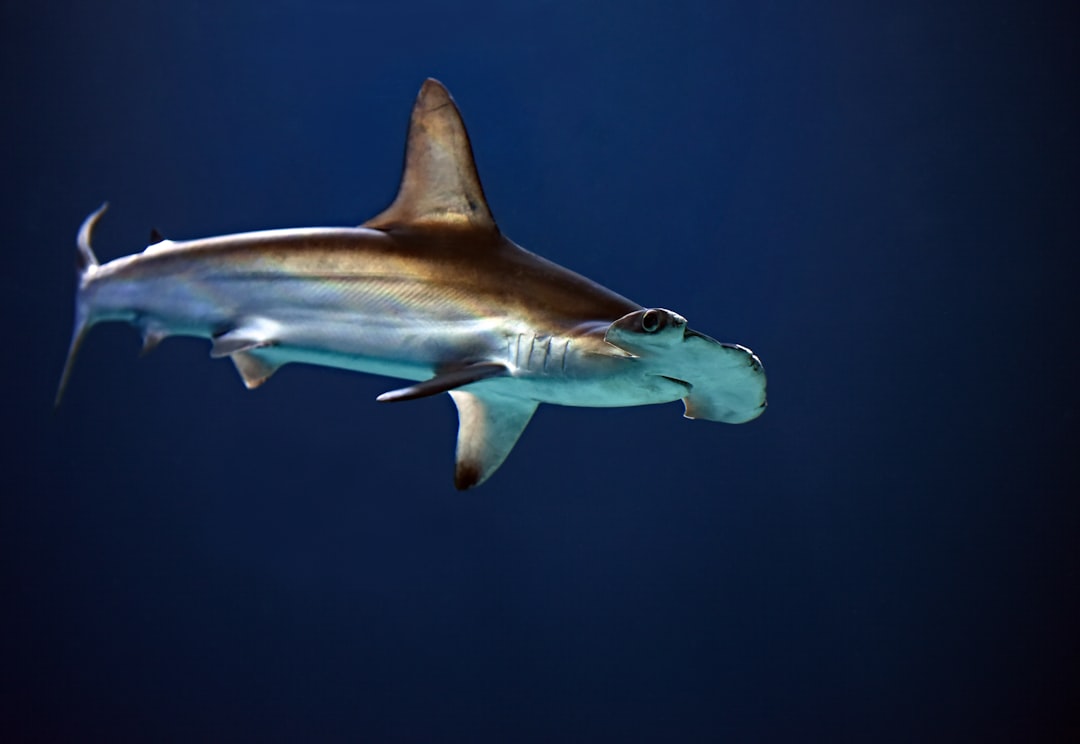
Bonnethead sharks (Sphyrna tiburo) can use the Earths geomagnetic fields to build a “mental map” in their minds, which they can use to navigate. This is a highly evolved cognitive ability.
Scientists have discovered that these smaller hammerhead sharks essentially carry around a built-in GPS system in their heads. They can detect minute variations in Earth’s magnetic field and use this information to create detailed mental maps of their territory. Sharks are also capable of “time-place learning”, where they can identify a particular area and remember what time of day something happens there.
The Lemon Sharks’ Social Learning Network
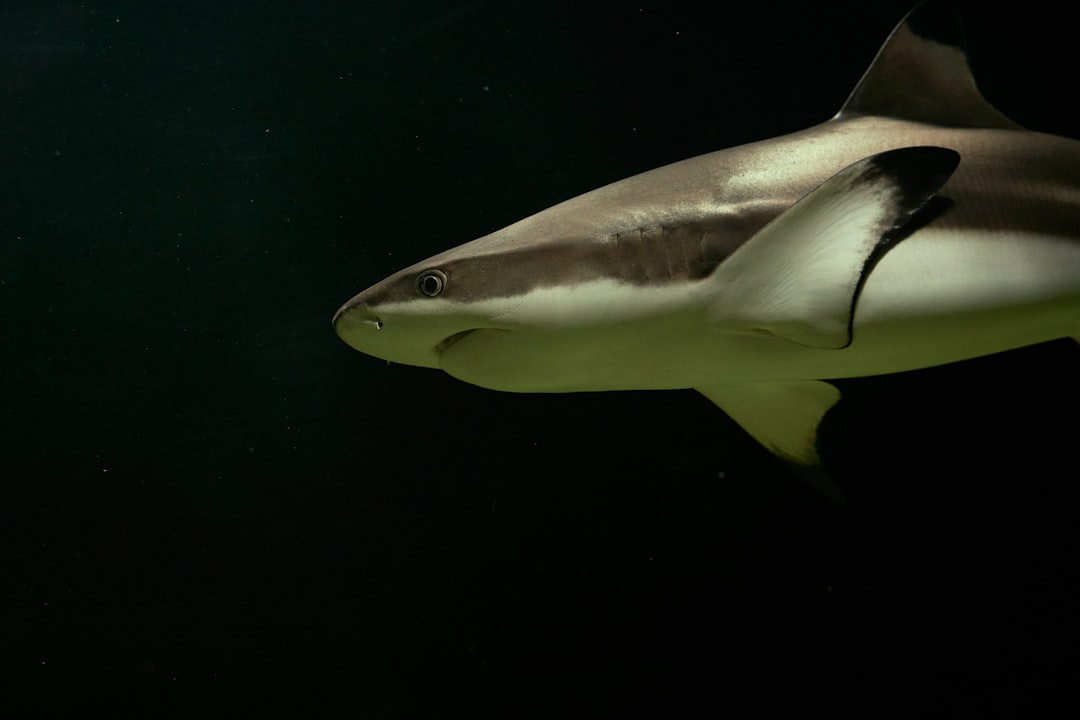
These results indicate that juvenile lemon sharks, like numerous other animals, are capable of using socially derived information to learn about novel features in their environment. Laboratory studies have shown these sharks can literally learn by watching their peers, a cognitive ability once thought exclusive to higher mammals.
Social learning task for lemon sharks (after Guttridge et al. 2013) in a semi-captive condition. Sharks had to enter the indicator zone (IZ) which caused a target (T) to be revealed. Subjects then had to approach the target and enter the target zone (TZ) to receive a food reward. The implications are staggering – sharks aren’t just learning from experience, they’re teaching each other.
The Port Jackson Sharks’ Musical Memory
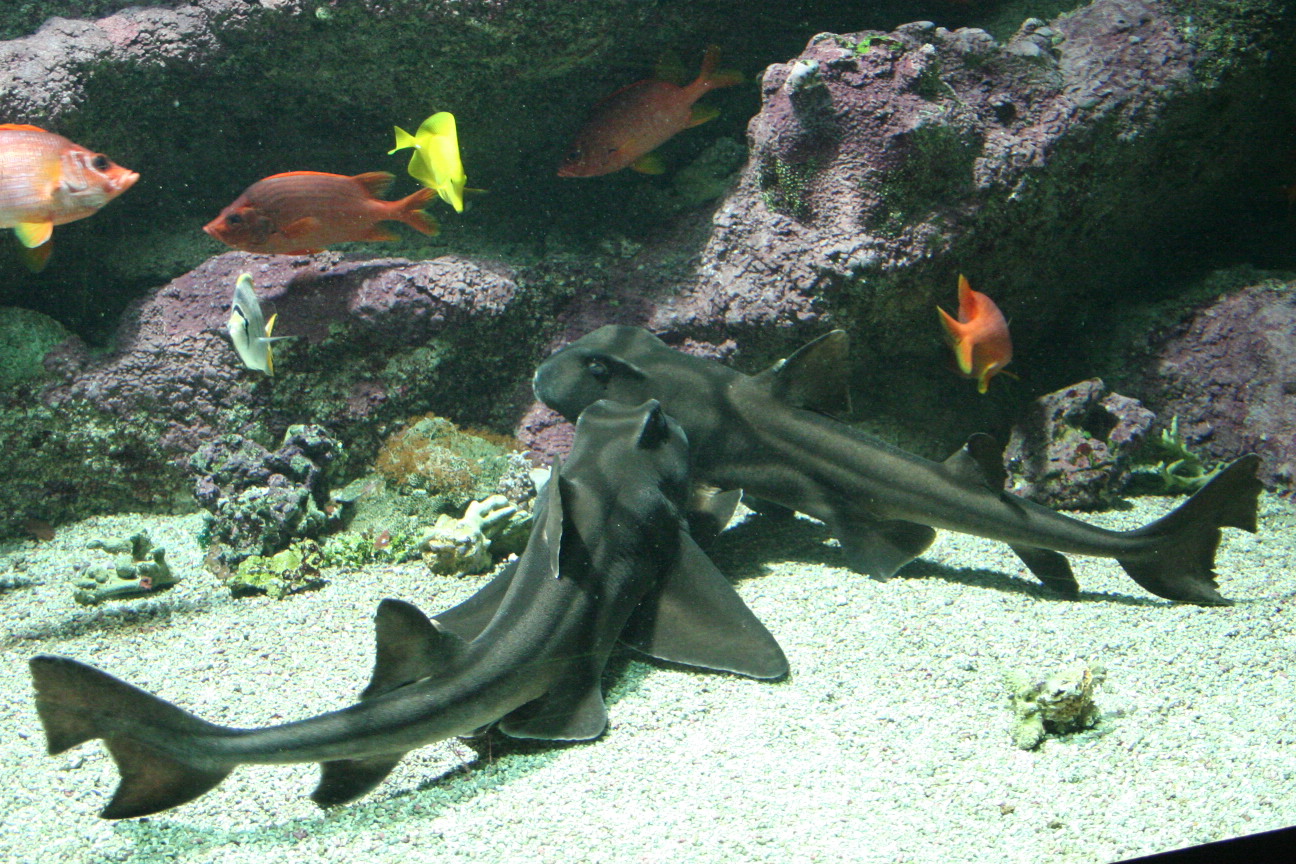
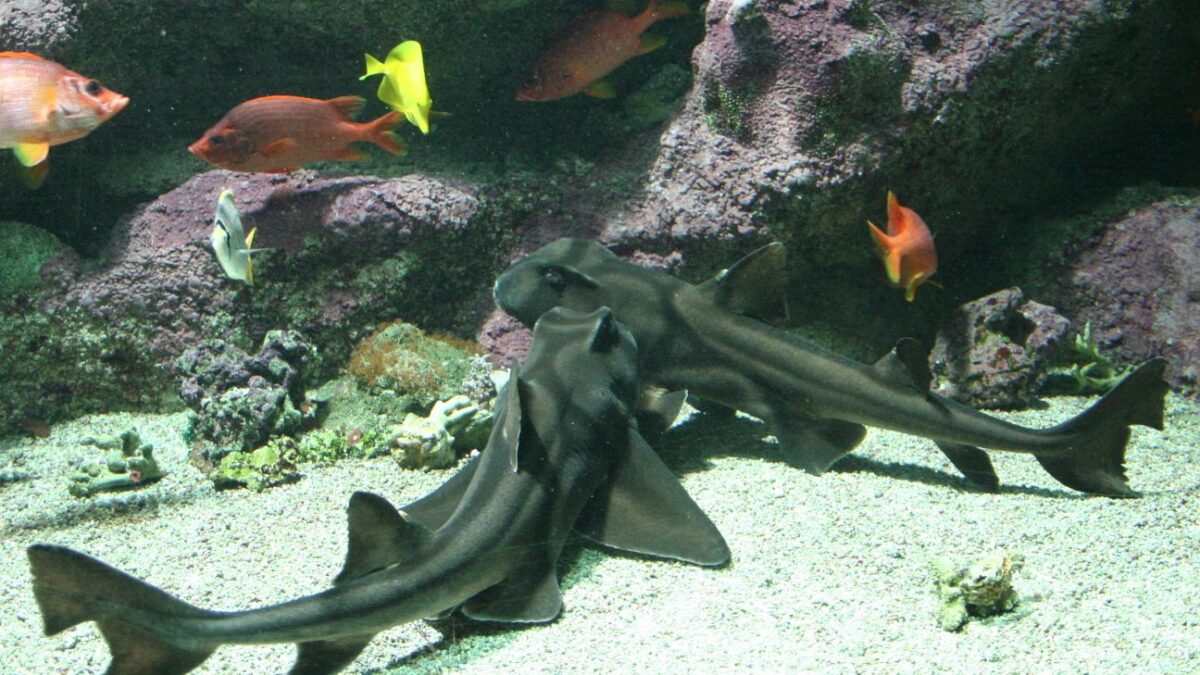
Port Jackson sharks (Heterodontus portusjacksoni) can be trained to recognise different genres of music and use these as cues for navigation. In what sounds like something from a science fiction movie, these Australian sharks can distinguish between jazz and classical music, using these auditory cues to navigate complex maze systems.
They have excellent spatial memories and have easily defeated complex maze experiments. Researchers have found their maze-solving abilities rival those of laboratory rats, completely overturning assumptions about fish intelligence.
The Curious Great White’s Scientific Method
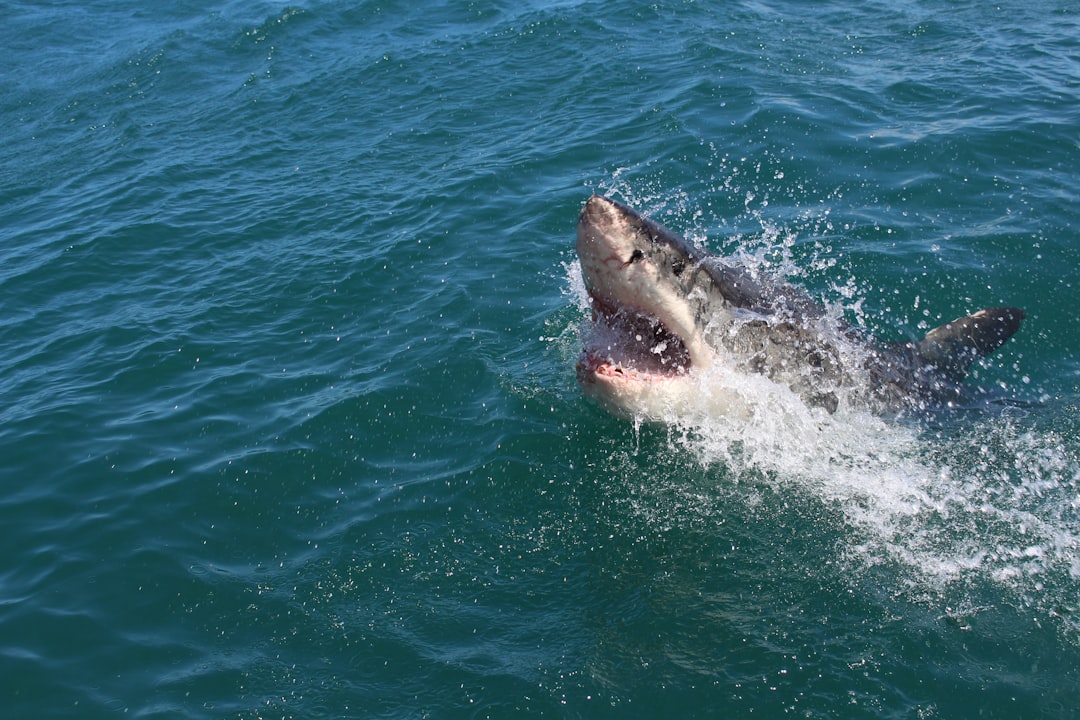
Collier and his colleagues found that a wide variety of floating objects had been bumped and/or nipped by White Sharks and they noted that it seemed to make little difference what color, shape, size, or kind of movement the objects had when struck. What is intriguing about these cases, however, is the fact that relatively little damage was inflicted against the objects struck by White Sharks suggesting that the animals were examining rather than attempting to eat them. This, and other behavioral evidence, strongly suggests that the Great White experiences curiosity.
Rather than mindlessly attacking everything in sight, great whites display what researchers call “investigative behavior” – essentially conducting their own scientific experiments. They gently mouth objects, testing textures and materials before determining whether something is food, threat, or simply interesting. This controlled, methodical approach demonstrates sophisticated decision-making processes.
The Stingray Tool-Users
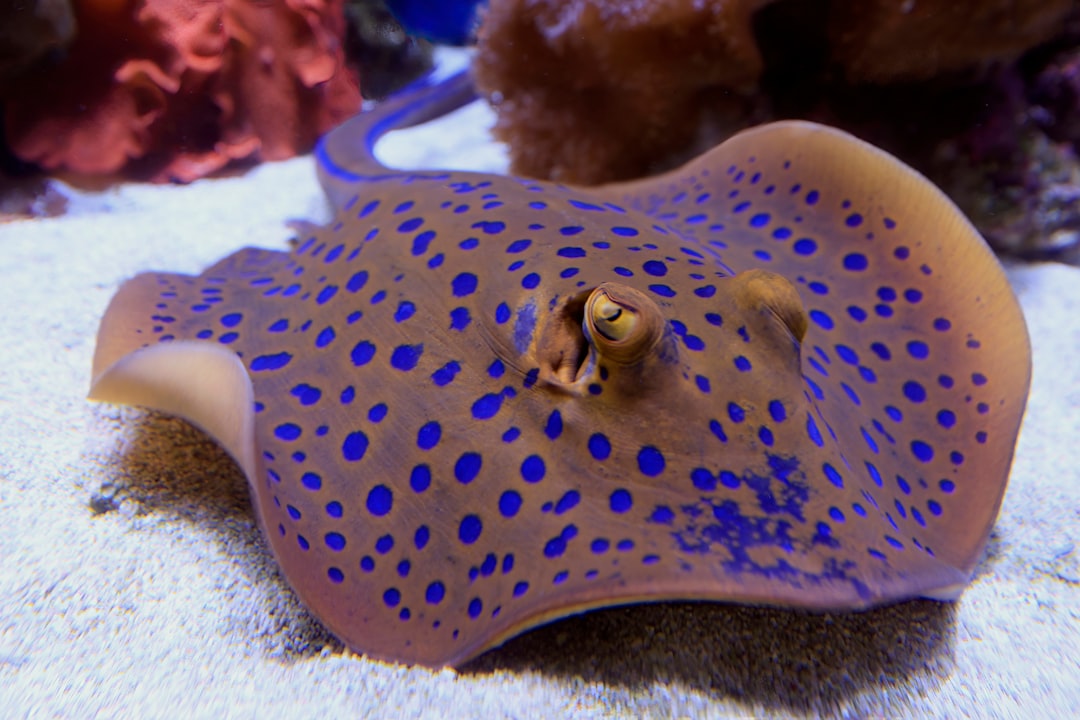
Some stingrays have reportedly been observed using tools – something that was thought to be limited to only the most cognitively advanced species, like chimps and corvids. These shark relatives have been observed manipulating objects in their environment to access food sources, joining an elite club of tool-using animals.
Some research suggests certain shark species may demonstrate problem-solving abilities with environmental objects. This problem-solving ability, though rare, shows a level of cognitive sophistication that is often overlooked in these creatures. The fact that these ancient cartilaginous fish can problem-solve using environmental tools suggests cognitive abilities that parallel those of much more recently evolved species.
The Hammerhead Friendship Networks
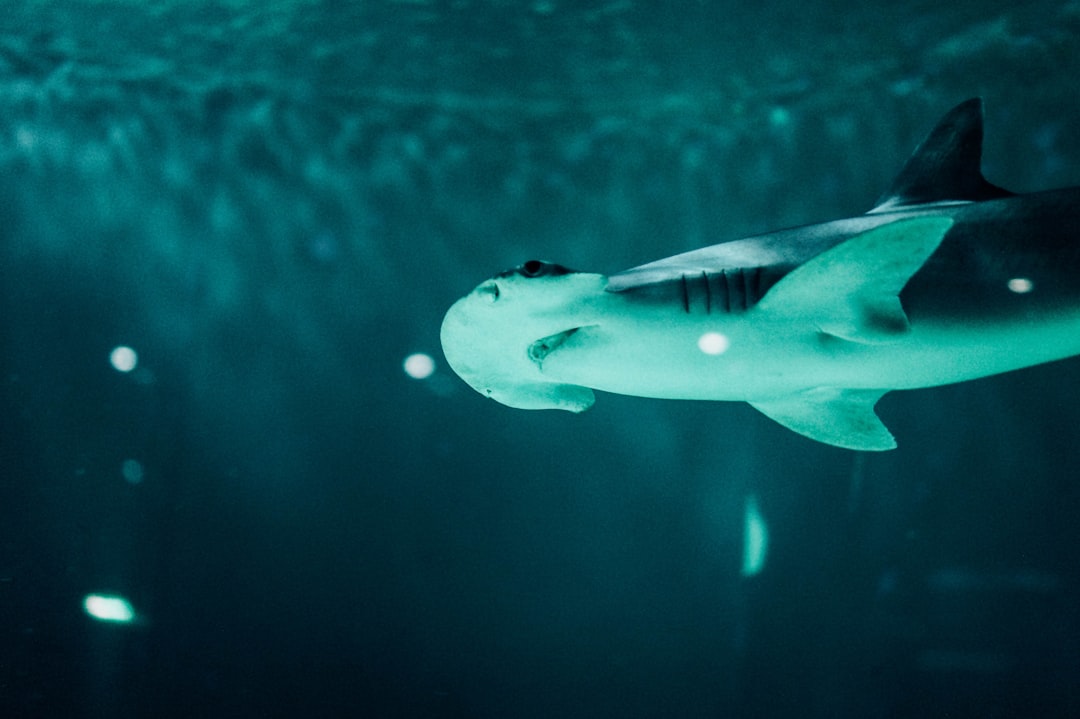
A scientific paper published in 2020 by a renowned shark scientist found that species of reef shark in the Pacific Ocean return to the same communities year after year. Some sharks were even observed to prefer the company of certain other sharks – indicating a form of ‘friendship’. Other research has shown that certain shark species congregate together whether it’s for protection or food, forming complex social networks.
These discoveries challenge everything we thought we knew about shark social behavior. Individual sharks maintain long-term relationships, returning annually to reconnect with specific companions. Studies have now shown that sharks in fact have different personalities within the same species. Port Jackson sharks, local to Southern Australia, have been observed to vary in boldness.
The Grey Reef Sharks’ Coordinated Hunting Strategy
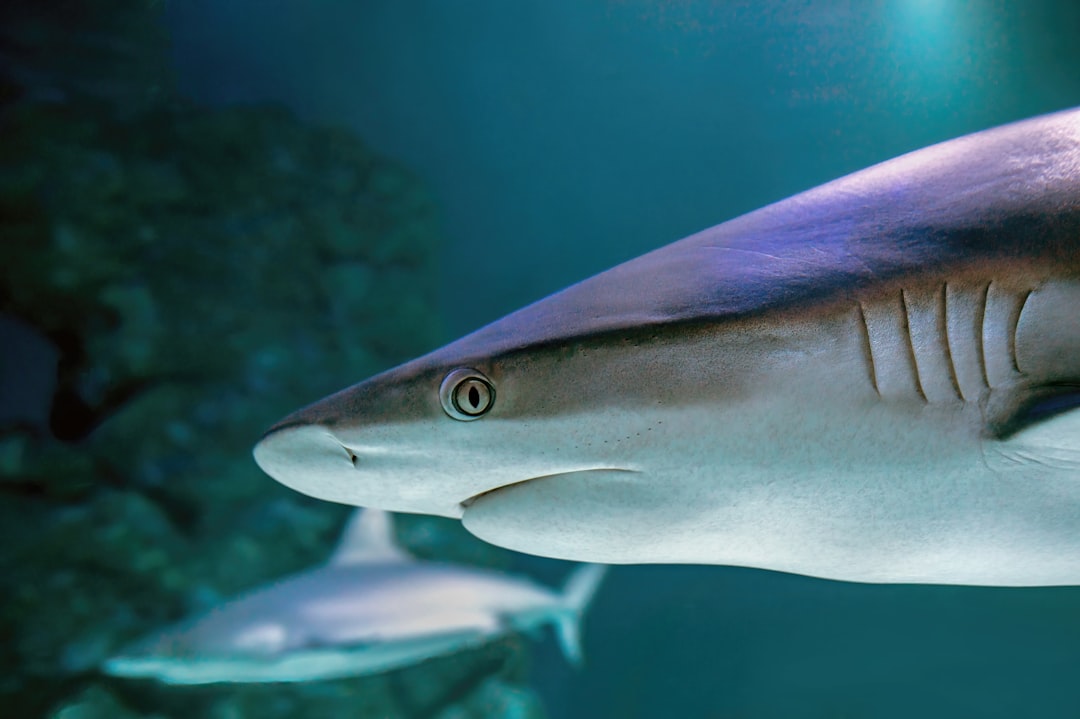
Sharks have a tendency to work together as a team. A few years ago, a group of seven sharks were observed near Smitswinkel Bay in South Africa working to relocate a partially beached dead whale into deeper waters so that they all could feed upon it.
This isn’t random group behavior – it’s coordinated problem-solving requiring communication, planning, and cooperation. Groups of sharks, roughly the same age and gender, tend to return to the same area each year. Sharks have been observed returning to a particular place and patrol the same bays every year at the same time. Each year, they bask and communicate with each other with body movements and are present at each others kills. A particular species renown for this behaviour is the Grey Reef Shark.
The Playful Porbeagle Sharks
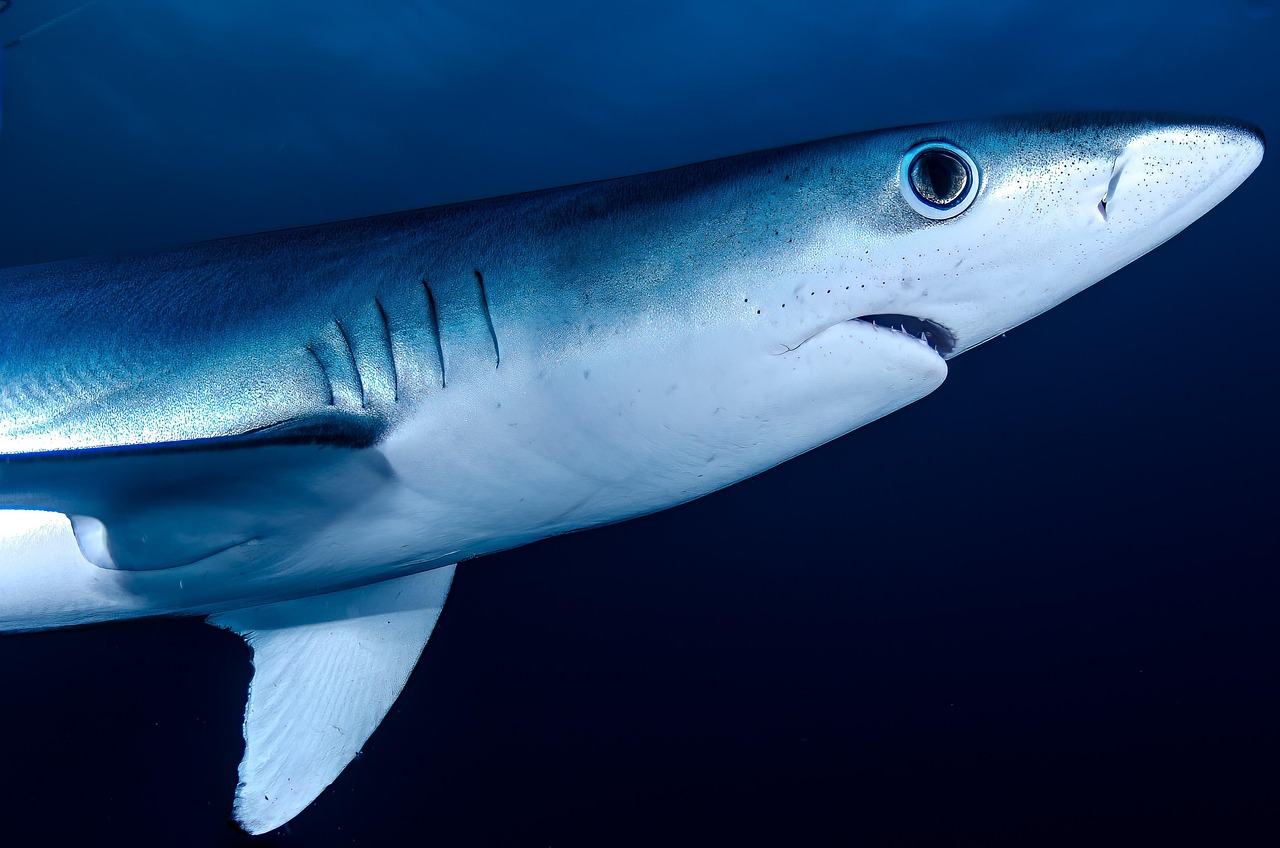
Sharks have even been known to engage in playful activities Porbeagle sharks have been observed repeatedly rolling over and over again in kelp and then being chased by another with a piece of kelp trailing behind them.
Play behavior in animals typically indicates higher cognitive function and emotional complexity. The fact that porbeagle sharks engage in what can only be described as games suggests they experience something akin to joy or entertainment – emotions we rarely associate with these ancient predators.
The Memory Champions of the Deep
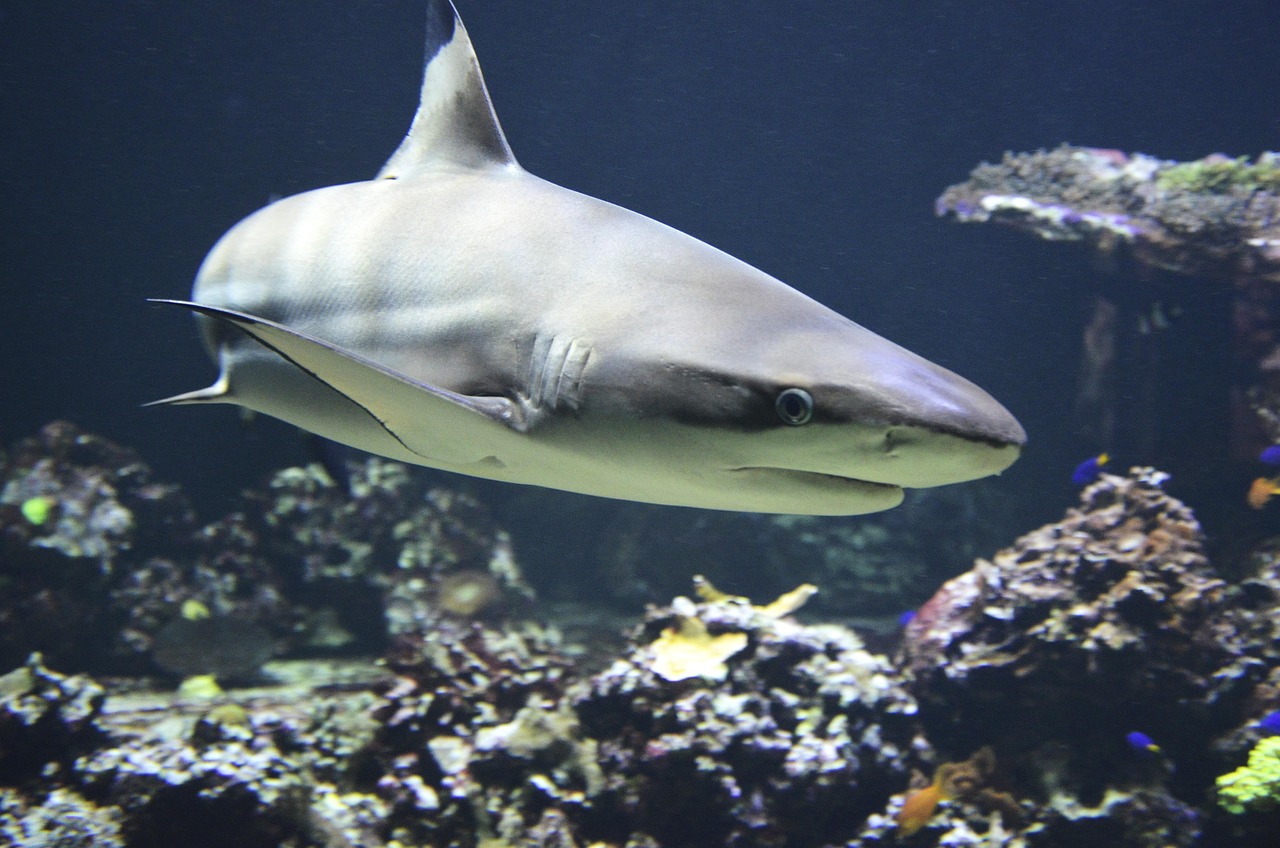
Studies have shown that sharks can remember specific experiences for up to a year or longer, contradicting the “three-second memory” myth popularized about fish. Following successful training, sharks were subjected to several training breaks ranging from one to six weeks, after which they were tested again for memory retention capabilities. Sharks successfully mastered the spatial tasks after 5-21 sessions and retained this knowledge in the absence of reinforcement for a period of up to six weeks. This is the first study to show that sharks, like stingrays and other vertebrates, can solve spatial tasks and retain spatial knowledge for an extended period of time, possibly aiding them in activities such as food retrieval, predator avoidance, mate choice and habitat selection.
Their memory capabilities extend far beyond simple recognition. Researchers found that certain species of sharks could remember the location of food for extended periods, demonstrating a capacity for long-term memory akin to that seen in more traditionally recognized intelligent species. These cognitive abilities help explain how sharks navigate vast oceanic territories with such precision.
Conclusion
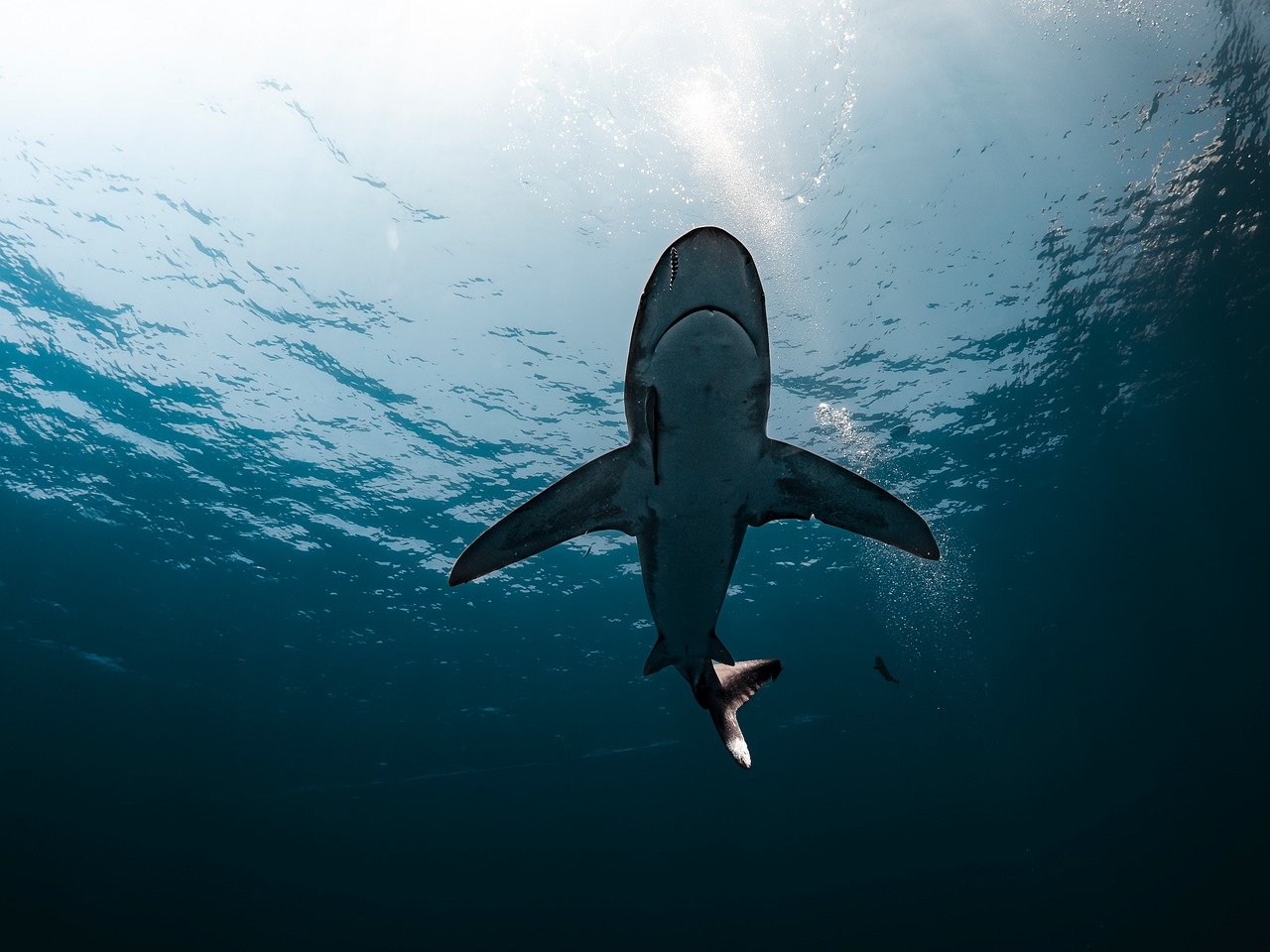
The handful of species that have been cognitively assessed in some detail over the last decade have provided enough data to safely conclude that sharks and rays are cognitively on par with most other vertebrates, including mammals and birds. Despite the popular belief that sharks are mindless killing machines, evidence over the last 20 years or so has shown that their cognitive tool box seems to be much like those of other vertebrates. Sharks and rays are intelligent and inquisitive creatures with surprising behavioural flexibility, able to learn using natural and artificial cues.
These remarkable encounters represent just the tip of the iceberg when it comes to shark intelligence. From magnetic navigation systems to complex social bonds, these ancient predators continue to surprise scientists with abilities that rival those of animals we’ve long considered the ocean’s smartest residents. The emerging picture of shark cognition challenges us to fundamentally reconsider how we define and recognize intelligence in non-human animals. Far from the mindless eating machines of popular imagination, sharks demonstrate sophisticated learning capabilities, complex social behaviors, impressive memory, and individual personalities that suggest cognitive processes we’re only beginning to understand. This recognition doesn’t just change how we view sharks – it expands our understanding of what intelligence can look like when adapted to environments and evolutionary pressures vastly different from our own.
The next time you see a shark’s fin cutting through the water, remember you’re witnessing one of evolution’s most successful cognitive achievements – a creature whose intelligence has been fine-tuned over 400 million years of oceanic mastery. What other secrets are these silent thinkers keeping in the depths below?

- 10 Orca Quirks That Will Make You Forget the Boat Attacks - June 19, 2026
- What Do Animals Dream About When They Sleep? - June 19, 2026
- 6 Winter Pests That Can Ruin Your Garden - June 19, 2026