

Have you ever watched your dog’s paws twitch in their sleep or noticed your cat making tiny chirping sounds while curled up on the couch? It’s hard not to wonder what’s going on in their minds during those moments. Are they chasing something? Battling invisible foes? Or maybe just reliving their day at the park?
For decades, scientists thought dreams were uniquely human, a special product of our complex brains. Turns out, we might have been a bit too full of ourselves. The animal kingdom is far more mysterious and mentally active than we ever imagined, and their dream worlds might be even stranger than ours.
The Science Behind Animal Sleep and Dreams
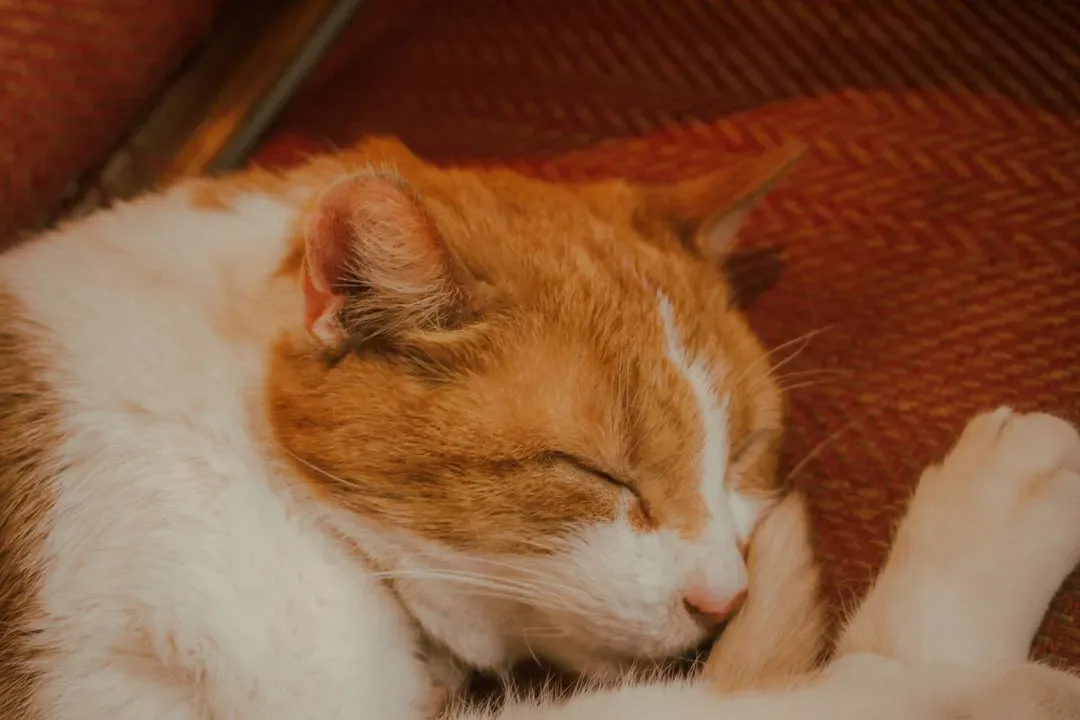
Let’s be real, animals definitely dream. Research has shown that many animals experience a sleep phase similar to humans known as REM (Rapid Eye Movement) sleep, which is closely associated with dreaming, and the presence of REM sleep in animals indicates that they likely experience dreams. During this phase, their brain activity looks remarkably similar to when they’re wide awake, which is pretty wild when you think about it.
Here’s the thing though. Unlike humans who can wake up and tell you all about that weird dream where they showed up to work in their pajamas, animals can’t exactly fill us in on the details. So scientists had to get creative. When sleeping animals have brain activity that mirrors wakeful brain activity, this indicates they are dreaming.
What makes this even more fascinating is that REM sleep has been observed in a variety of mammals, including monkeys, dogs, and cats, as well as in some birds and reptiles, suggesting that dreaming is not exclusive to humans but is a widespread phenomenon in the animal kingdom. That’s right, even your pet goldfish might be experiencing something dream-like. Well, maybe. The jury’s still out on fish, honestly.
Think about it like this: if you hooked up electrodes to measure brain waves during sleep, you’d see these distinctive patterns lighting up across different species. The similarity is uncanny. It’s almost like nature decided this whole dreaming thing was important enough to spread across vastly different creatures.
The coolest part? Animals have complex dreams and are able to retain and recall long sequences of events while they are asleep, and their dreams are connected to actual experiences. They’re not just experiencing random neural firings. There’s actual content to what they’re dreaming about.
What Rats Reveal About Animal Dreams
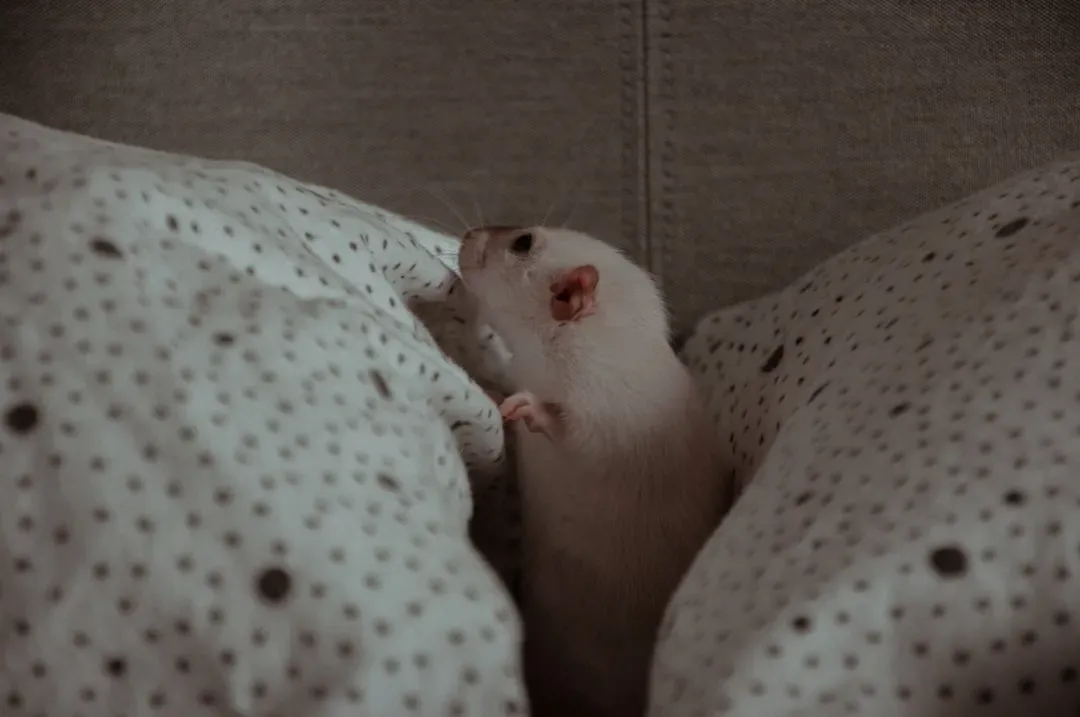
Rats have become the unexpected heroes of dream research, and what scientists discovered about them is absolutely mind-blowing. As rats dreamed, researchers could reconstruct where they would be in a maze if they were awake and whether the animal was dreaming of running or standing still. I mean, come on. That’s incredible.
MIT researchers trained rats to navigate mazes during the day, monitoring which brain cells fired as the animals made their way through the twists and turns. Cells in the animals’ brains fire in a distinctive pattern identical to the pattern that occurs when they are awake and trying to learn their way around a maze, and researchers concluded the rats were dreaming about the maze.
The precision was striking. Neural firing patterns during sleep often mirror those from their waking experiences, indicating they could be replaying memories. It wasn’t just vague impressions either. These little rodents were literally rerunning their daily experiences like hitting replay on a mental DVR.
Sleeping rodents saw what they had seen in the maze while awake, and the same has been found for auditory and even emotional areas that reactivate when the rat reruns the maze during REM sleep. So they’re not just seeing the maze, they’re feeling it too. That sounds pretty similar to how our dreams work, doesn’t it?
Rats dream about specific places like mazes they’ve explored while awake, and they might even walk those routes in reverse and imagine new routes in their dreams, too. They’re problem-solving in their sleep. Makes you wonder if that’s where they come up with new escape routes from lab experiments.
Dogs and Cats: Our Furry Dreamers
Dogs and people dream about things that occurred during their waking hours, and information gathered during the day is processed and may be relived in dreams. So when Fido is running in his sleep, he’s probably chasing that squirrel from earlier. Makes perfect sense when you think about it.
Scientists figured out cats dream too, but in a rather unsettling way. By removing parts of the pons in cats’ brains during experiments in the 1960s, researchers caused cats deep in REM sleep to move as if awake, hunting, jumping, grooming and aggressively defending themselves against invisible threats. Watching sleeping cats suddenly start hunting phantom prey must have been equal parts fascinating and creepy.
Dogs being interested in food, play, and beloved owners by day would expect to show up in their dreams, and pet dogs likely dream about food, play and yes, beloved owners. There’s something oddly touching about knowing your dog might actually dream about you. Though they probably also dream about that time you forgot to give them a second treat.
Cats, being cats, have their own agenda. It’s a very safe assumption that cats dream about stalking and pouncing on prey. Even the most pampered house cat is apparently reliving their predatory instincts every night. That explains the 3 AM zoomies, I suppose.
We should expect dogs to dream in smells, given that olfaction is so central to their waking experience of the world. Their dreams probably aren’t just visual like ours. They’re experiencing full sensory replays tailored to how they actually perceive the world. That’s simultaneously beautiful and bizarre.
Birds Dream in Song
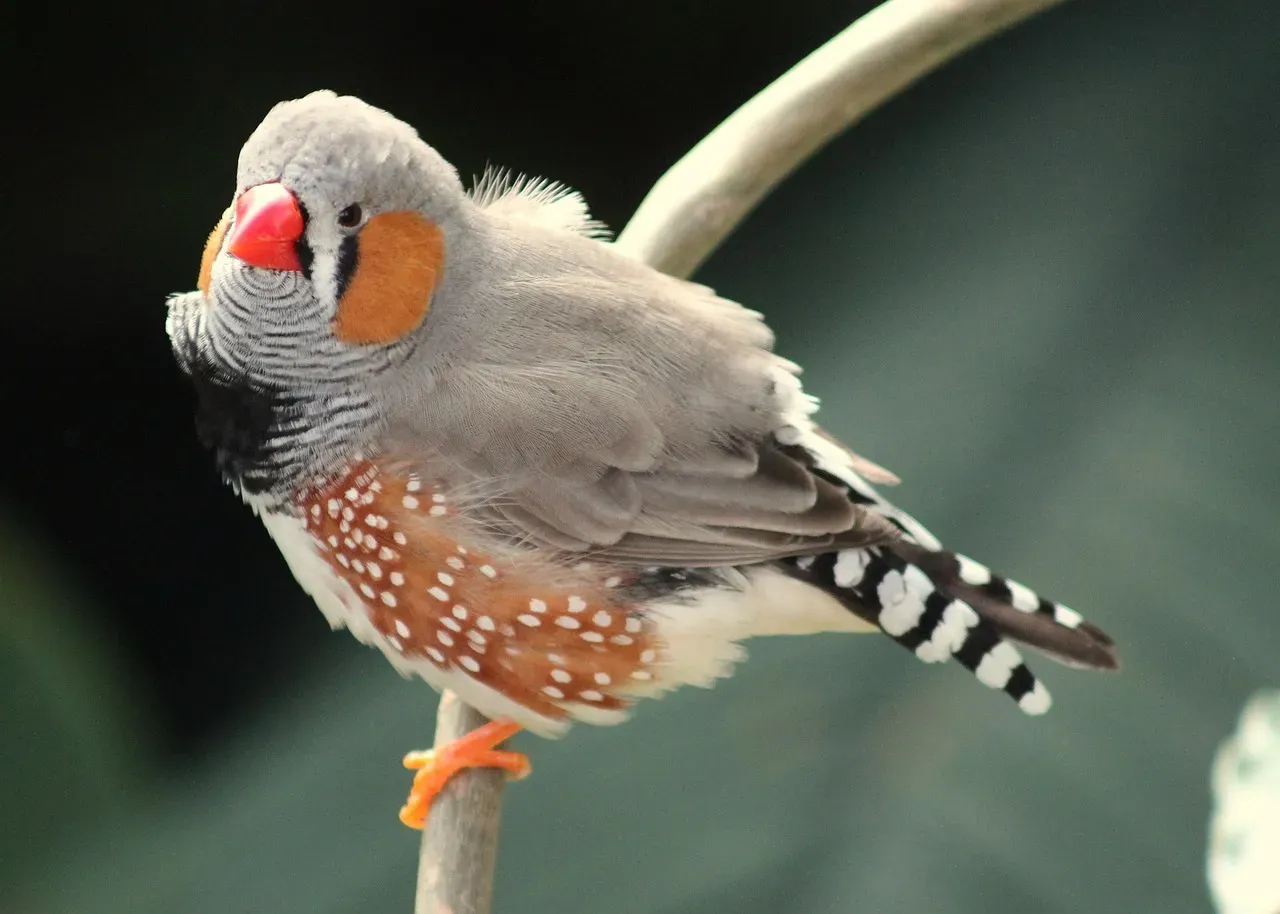
Here’s where things get truly remarkable. Finches were the first non-mammals found to have a similar sleep structure as humans including REM sleep, and the birds move their vocal muscles to match the music in their brains, and sleeping finches produce variations on their songs, suggesting they gather sensory information while awake and create adaptive changes. They’re literally practicing their songs while asleep.
Scientists recently did something straight out of science fiction. For the first time, researchers have translated birds’ sleeping muscle activity into sound. They captured the tiny muscle movements in sleeping birds’ throats and turned them into actual audio. You can now listen to what a bird is dreaming about. Let that sink in for a moment.
One of the synthetic songs they produced matched the noises kiskadees make when fighting over territory, and when they looked at video footage of the sleeping bird from that moment, they noticed its head feathers were standing on end just like they would if the bird had been awake and sparring with a competitor. This bird was having what might be a nightmare about territorial battles.
When awake, Zebra Finches sing a well-regulated line of staccato notes, but their sleeping song movements are fragmented, disjointed and sporadic rather like a dream. Their dream songs sound messy and improvised, kind of like when we try to speak in our dreams and it comes out garbled.
The really cool part? The zebra finch appears to store the neuronal firing pattern of song production during the day and reads it out at night, rehearsing the song and perhaps improvising variations. They’re not just replaying. They’re actually getting creative in their sleep, testing out new versions of their tunes.
What This All Means for Animal Consciousness
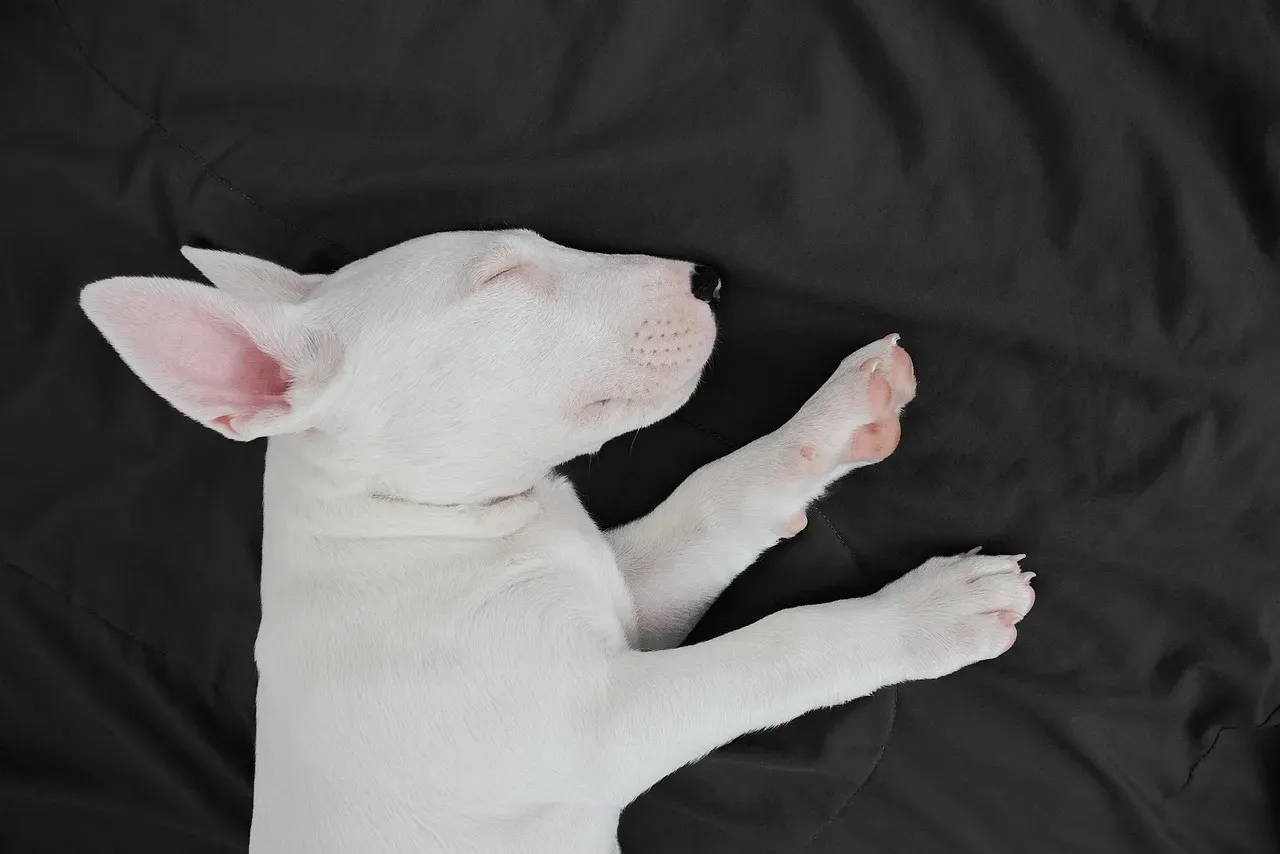
Research shows that dreaming may foster social bonds and improve cognitive flexibility, benefiting survival and adaptation across species. Dreaming isn’t just random brain noise. It serves real purposes across the animal kingdom, from consolidating memories to working through social dynamics.
Dreaming gives us a way of extending a number of cognitive capacities to animals including things like emotion, memory, and even imagination. If animals can dream, what else are they capable of mentally? It’s hard to say for sure, but the implications are pretty profound when you start thinking about it.
Some dream scientists think that dreaming in animals is a sign of sentience, suggesting that many species have rich inner lives that we are only just beginning to understand. Their mental worlds might be far more complex than we’ve given them credit for. Maybe that hamster running on its wheel has deeper thoughts than we assumed.
The finding suggests that REM sleep may have evolved at least 450 million years ago before land and aquatic animals diverged in their evolution. Dreaming is ancient, woven into the fabric of animal life long before humans showed up. We inherited this feature from a very, very distant ancestor.
Honestly, there’s something humbling about realizing that the sleeping cat on your lap might be experiencing something not so different from your own dreams. The findings serve as a reminder that humans are not so different from other animals, even those that look and act nothing like us.
So next time you see an animal twitching in their sleep, remember they might be on their own mental adventure. Whether they’re navigating mazes, practicing songs, or hunting invisible prey, animals are living entire secret lives in their dreams. It makes you wonder what else is going on in those mysterious minds of theirs, doesn’t it? What do you think about it? Tell us in the comments.

- The Ancient Secrets of Yellowstone’s Wild Animals Revealed - August 6, 2026
- Are Some Common Pet Behaviors Actually Signs of Undiagnosed Stress? - August 6, 2026
- 8 US States With the Most Horseshoe Crab Spawning Beaches - August 6, 2026