

There is a wild cat living in the folds of the Himalayas that most people have never heard of. It is roughly the size of the cat sleeping on your sofa, yet it navigates forest trails at elevations that would leave most hikers gasping. It is secretive, strikingly beautiful, and far more complex than its compact frame suggests.
The Himalayan leopard cat has existed in the shadows of larger, more glamorous predators for centuries. While the snow leopard gets documentary crews and conservation headlines, this small feline goes about its life almost entirely unnoticed. That invisibility is part of the problem, and part of the fascination. Let’s dive in.
1. A Miniature Leopard That Is Not a Leopard at All
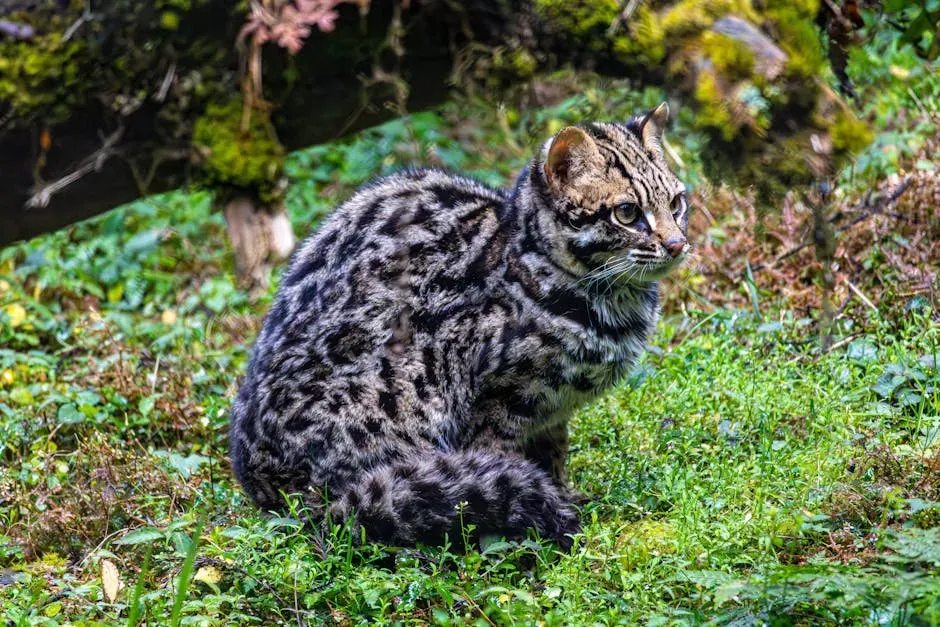
Here’s the thing – the name is beautifully misleading. The leopard cat is about the size of a domestic cat, but more slender, with longer legs and well-defined webs between its toes. It looks, at first glance, like someone scaled a leopard down to apartment size and gave it the run of the Himalayan foothills.
About the size of a domestic cat, the leopard cat is named for the spotted leopard-like markings on its coat. However, it belongs to the separate Prionailurus genus within the Felidae family. So despite the resemblance, it shares no particularly close kinship with the big cat it visually echoes.
Body and limbs are marked with black spots of varying size and colour, and along its back are two to four rows of elongated spots. The tail is about half the size of its head-body length and is spotted with a few indistinct rings near the black tip. The background colour of the spotted fur is tawny, with a white chest and belly. Honestly, it is one of the most visually striking small cats on the planet.
2. The Himalayan Variant Has Its Own Distinct Coat
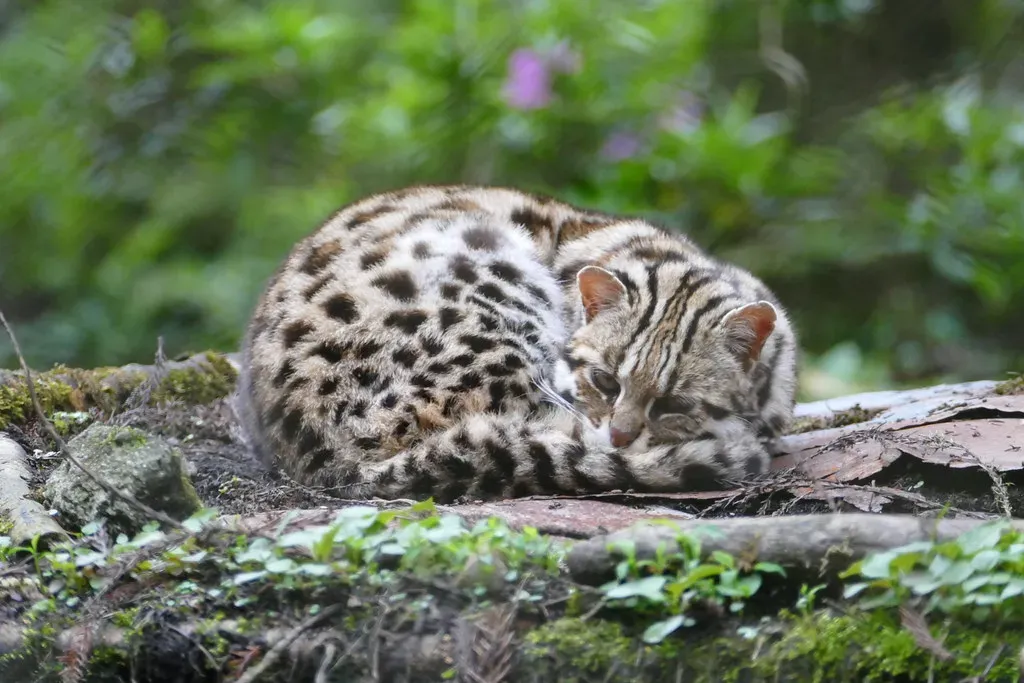
Not all leopard cats are the same, and the Himalayan population is a prime example of how dramatically the species adapts. The fur colour is yellowish brown in the southern populations, but pale silver-grey in the northern ones. This is not just cosmetic variation. It reflects a deep biological response to very different environments.
He proposed to differentiate between a southern subspecies P. bengalensis bengalensis from warmer latitudes to the west and east of the Bay of Bengal, and a northern P. bengalensis horsfieldi from the Himalayas, having a fuller winter coat than the southern. That thicker winter coat is the cat essentially dressing for the altitude.
The length of the fur is variable according to their habitat, with those cats in the most northern part having longer, thicker coats than the southern subspecies. Think of it like the difference between a rainforest-ready lightweight jacket and a high-altitude parka. Same species, dramatically different wardrobe.
3. They Live at Jaw-Dropping Elevations
If you thought wild cats mostly stuck to lower, forested terrain, the Himalayan leopard cat has some surprising news for you. These cats inhabit habitats from lowland tropical evergreen rainforest and plantation forests at sea level to moist temperate and dry coniferous forests in the Himalayan foothills at elevations of 1,000 to 3,000 meters. That is already remarkable for an animal its size.
What is even more astonishing is how high individual sightings have been recorded. This cat occurs over a wide elevation range, from sea level to over 4,000 metres elevation in the Himalayas. In eastern Nepal, a cat was pictured at 3,254 m elevation and in Kangchenjunga Conservation Area, Nepal, a Leopard Cat was detected with camera traps at 4,474 m elevation.
Nearly four and a half kilometres above sea level. Let that sink in. This small, compact cat is essentially doing what mountain climbers need weeks of acclimatisation to accomplish. I think that alone earns it a level of respect it rarely receives.
4. Almost Nobody Knows How Many Exist in the Wild
You would assume that for a species this widespread, scientists would have a solid population count. You would be wrong. No one knows how many leopard cats there are in the wild. It is impossible to count a small wild cat that ranges over most of eastern Asia. That is not a gap in knowledge. That is a near-total blank.
In Russia the total population was estimated at 1,600 individuals, in Nepal at fewer than 2,500 and in Pakistan 100-150 individuals. Those Pakistan numbers are particularly alarming when you consider how large the potential Himalayan range actually is.
The Himalayan foothills population remains especially data-poor. The cat species is categorized as “Data Deficient” in Pakistan. When a species is officially listed as “Data Deficient,” it doesn’t mean the animal is fine. It means we simply don’t know, and not knowing is a conservation crisis of its own kind.
5. It Is a Master of Nocturnal Stealth
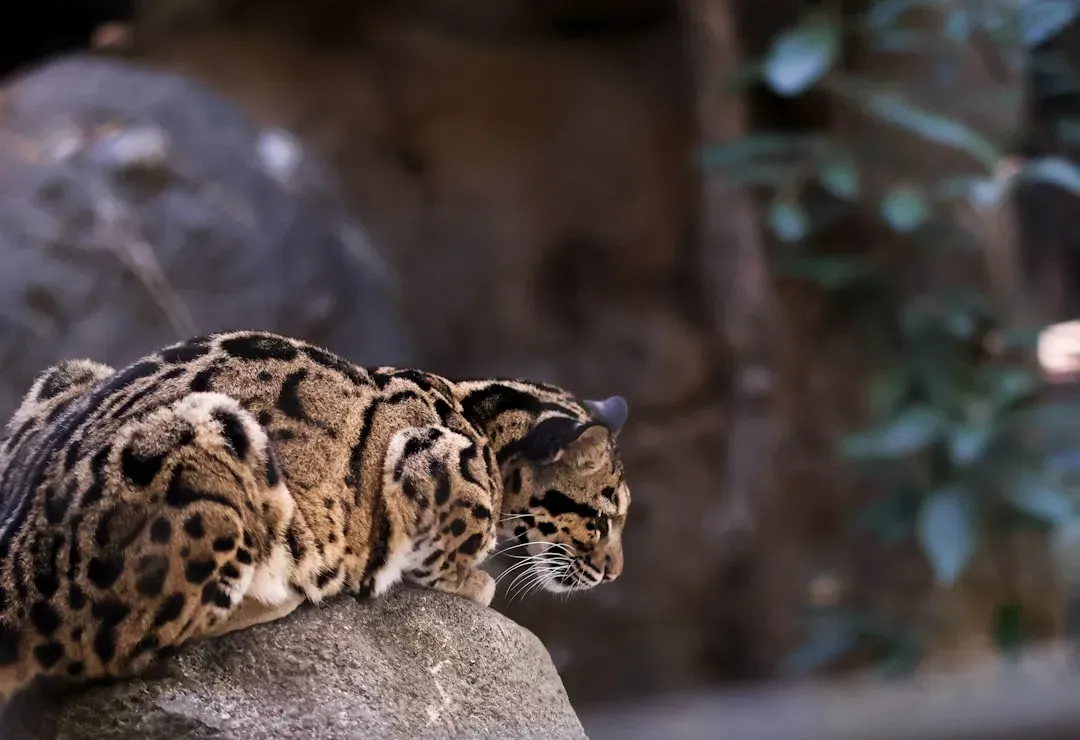
Part of why this cat is so rarely seen comes down to its lifestyle. The Leopard Cat is a solitary species but has been observed in pairs or with dependent young. It is mainly described as nocturnal and crepuscular. So while you are asleep, this cat is working the ridgelines and river edges of the Himalayas like a ghost on four legs.
They use forests and understory for resting and breeding, and hunting is done both on the ground and in trees. Most of their hunting is done at night, but their activity levels vary widely depending on the habitat. The combination of dense cover, steep terrain, and nighttime activity makes camera trapping these cats genuinely difficult.
Leopard cats are nocturnal and semi-arboreal, which likely helps reduce risk of predation. As ambush predators, they are extremely stealthy and they probably use their small size and cryptic coloration to avoid potential predators. In other words, this cat has evolved to be invisible. It is exceptionally good at its job.
6. Its Diet Is Surprisingly Versatile
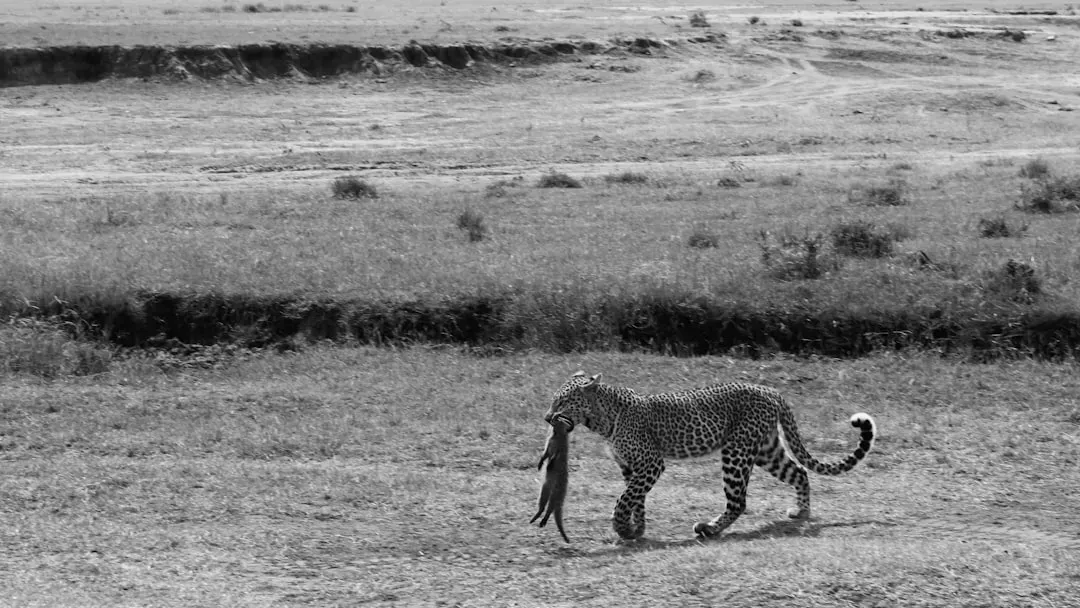
A creature this small surviving at high Himalayan altitudes needs to be opportunistic and creative about food. These cats feed on a variety of small prey, including mammals, lizards, amphibians, birds, and insects. That is a remarkably diverse menu for a cat weighing only a few kilograms.
As a keystone Himalayan mesopredator, the obscure leopard cat fills an important niche checking pika, vole, songbird, and young hare populations along fragile montane gradients. In other words, it is not just eating to survive. It is actively shaping the balance of prey species across entire mountain ecosystems.
Think of it like a small, furry ecological accountant, quietly auditing the rodent and bird populations of the high hills. Adaptable not only in their habitation, Asian leopard cats are also versatile hunters and have been found to consume over 95 different prey species including small mammals, birds, lizards, amphibians, and insects. Ninety-five prey species. That range is extraordinary.
7. The Fur Trade Has Taken a Devastating Toll
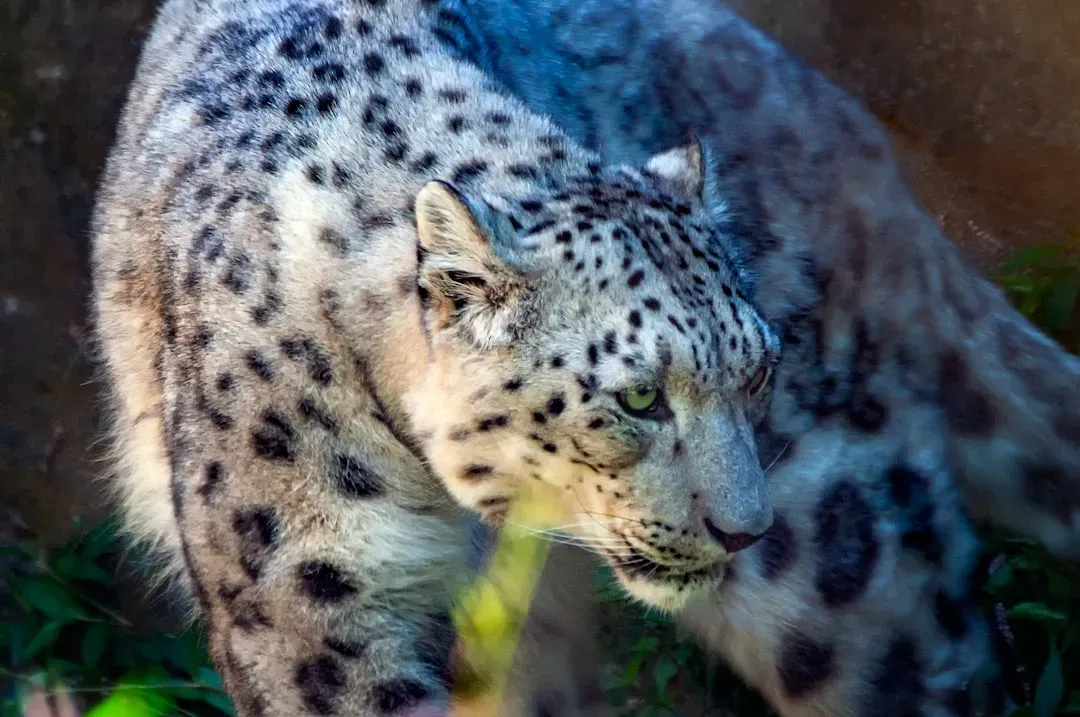
Let’s be real – the single most damaging human pressure on the Himalayan leopard cat has been the commercial fur trade, and the scale of it is genuinely shocking. In China, leopard cats are hunted mainly for their fur. Between 1984 and 1989, about 200,000 skins were exported yearly. Two hundred thousand. Per year.
The main threats to this species in Pakistan include hunting by commercial traders for its richly spotted fur mainly for decorations and coats, captive breeding as pets, interbreeding with domestic cats to make the domesticated Bengal cat and traditional medicinal use of bones. The list of pressures is long, and most of them originate from human demand rather than ecological factors.
It takes the skins of thirty-six Asian leopard cats to make one full-length coat, an item commonly found in tourist shops in Kathmandu, Nepal. That single statistic reframes the fur coat as something far more disturbing than a fashion item. Although commercial trade is much reduced, the leopard cat continues to be hunted throughout most of its range for fur, food, and for sale as a pet.
8. The Cat That Accidentally Created a Domestic Breed
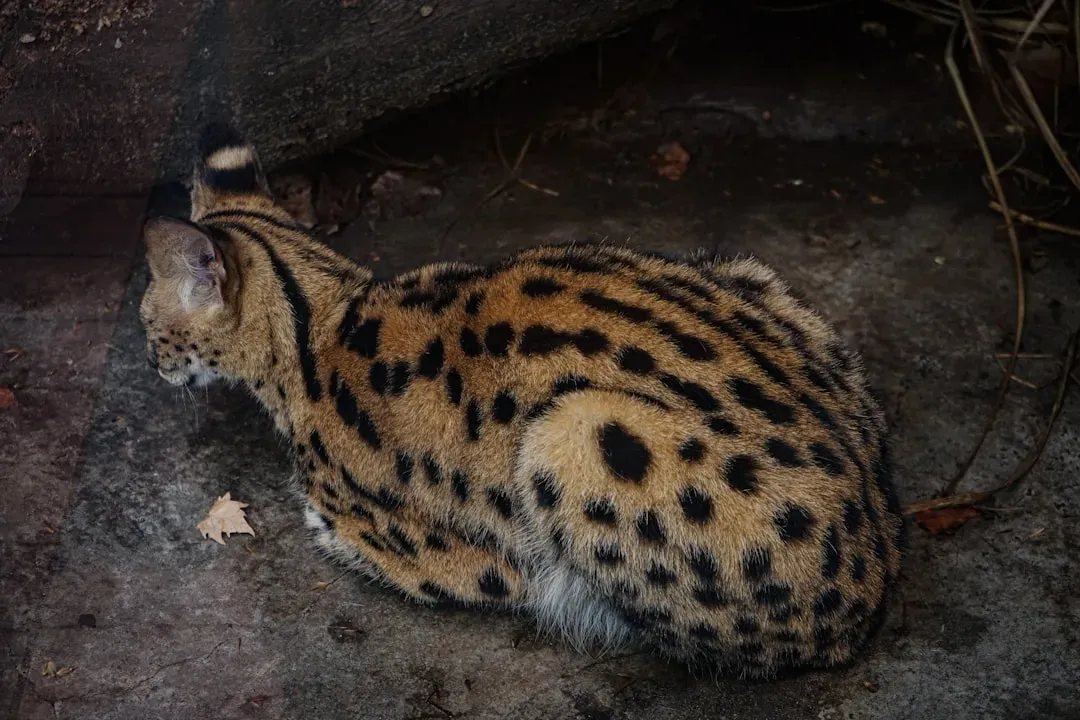
Here is a genuinely surprising twist in this cat’s story. The leopard cat subspecies P. b. bengalensis is the wild foundation stock of a hybrid domestic cat breed, the Bengal cat. That popular, spotted domestic cat sitting in someone’s living room traces its lineage directly back to the wild leopard cat of Asia.
It was crossed with domestic cats to make the Bengal breed in the mid-20th century; those hybrids differ from pure leopard cats and are treated differently by laws. The Bengal cat is now one of the most sought-after domestic breeds in the world, yet most owners have no idea they are looking at the echo of a wild Himalayan predator.
I think there is something both fascinating and a little ironic about that. The wild original is struggling for survival in shrinking mountain forests, while its domesticated descendant lounges on velvet cushions. The Leopard Cat is generally illegal or highly regulated as pets. Trade is under CITES Appendix II; many places need permits or ban ownership.
9. Legal Protection Exists, but Enforcement Is Deeply Uneven
On paper, the Himalayan leopard cat has significant legal backing. The leopard cat is included on CITES Appendix II, and leopard cat populations in Bangladesh, India and Thailand are included in Appendix I. The leopard cat is protected across part of its range. Hunting is prohibited in Bangladesh, Cambodia, Hong Kong, India, Japan, Malaysia, Myanmar, Nepal, Pakistan, Russia, Thailand and Taiwan.
Still, the reality on the ground is far messier. Three of the surveyed markets are situated on international borders with China and Thailand, and cater to international buyers, although the leopard cat is completely protected under Myanmar’s national legislation. Implementation and enforcement of CITES is considered inadequate.
Although the leopard cat is generally flexible in its habitat choice and prey selectivity it still faces many threats including habitat loss due to anthropogenic activities, commercial exploitation for fur trade and competition with sympatric species. A law without enforcement is just words on paper, and in remote Himalayan border regions, enforcement is often simply absent.
10. Its Ecological Survival Depends on Forest Connectivity
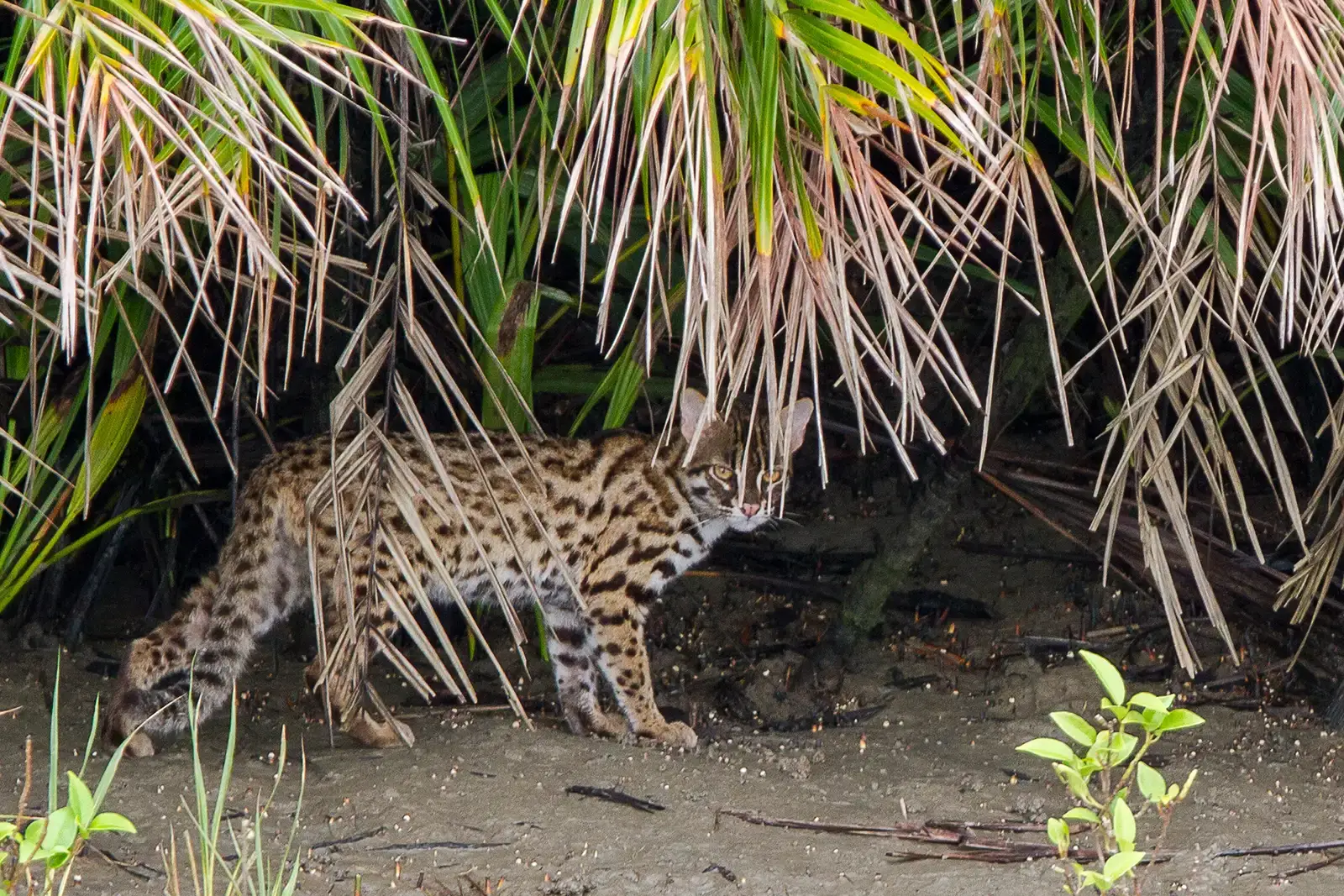
The long-term fate of the Himalayan leopard cat is intimately tied to forest connectivity, and that connectivity is fraying. Although the leopard cat seems able to adapt and live near human settlements, this species is pressured by broadscale habitat modification and forest clearance for agriculture, tea plantations, and exotic tree plantations. This is largely because cleared areas lack the understory preferred by both the cat and its prey.
Very few studies have targeted the ecology and genetics of Nepal’s leopard cats compared to more high-profile species. Camera trapping establishes an ecological presence across Langtang, Makalu Barun, and Sagarmatha national parks, but substantial knowledge gaps persist regarding population densities, connectivity, and viability trends.
Safeguarding viable habitat corridors maintains the cat’s obscure niche checking rodents and birds that can degrade fragile ecosystems if left unchecked. Their specialized hunting behaviors thus uphold stability and regeneration vital for both environmental and community resilience in the face of unrelenting pressures. Remove the corridors, and the whole delicate balance collapses, not just for this cat, but for the ecosystem it quietly holds together.
Conclusion: The Ghost in the Foothills
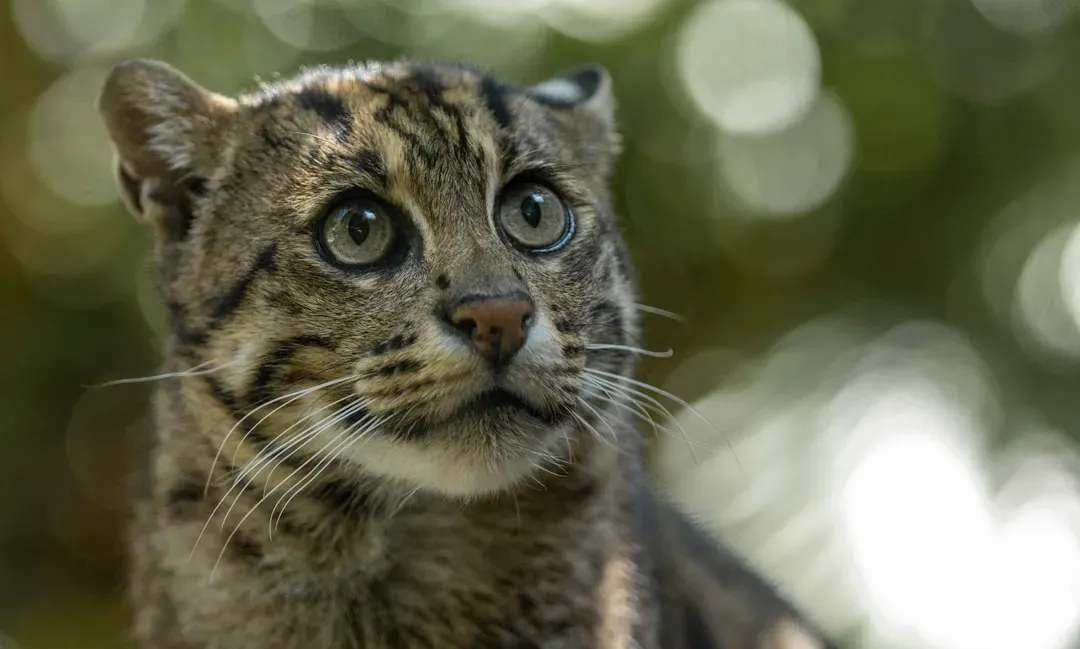
The Himalayan leopard cat is one of those species that reveals how much we still don’t understand about the mountain ecosystems we think we know. It is small enough to be overlooked, elusive enough to evade counting, and threatened enough to warrant genuine urgency. Yet it sits largely outside the conservation spotlight.
Its rarity is not simply a product of low numbers. It is the product of altitude, invisibility, data gaps, an insatiable fur trade, and habitat that keeps disappearing one cleared hillside at a time. In many ways, this cat’s story is a perfect portrait of how wild species quietly slip away before most of us even knew they were there.
The next time you see a spotted Bengal cat in a café or pet shop, remember what it came from. Somewhere in the high cold forests between Nepal and Pakistan, its wild ancestor is padding silently through the dark, surviving on instinct, adaptability, and the slim grace of enough forest remaining. That is worth knowing. What do you think – should lesser-known species like this one receive the same conservation attention as the iconic big cats? Tell us in the comments.

- These 7 Historic US Battlefields Are Sacred Grounds Of Remembrance - August 2, 2026
- The JWST Found A Jekyll-and-Hyde Galaxy In The Early Universe - August 2, 2026
- 10 Heartwarming Ways A Chihuahua Shows They’ve Bonded With You - August 2, 2026