
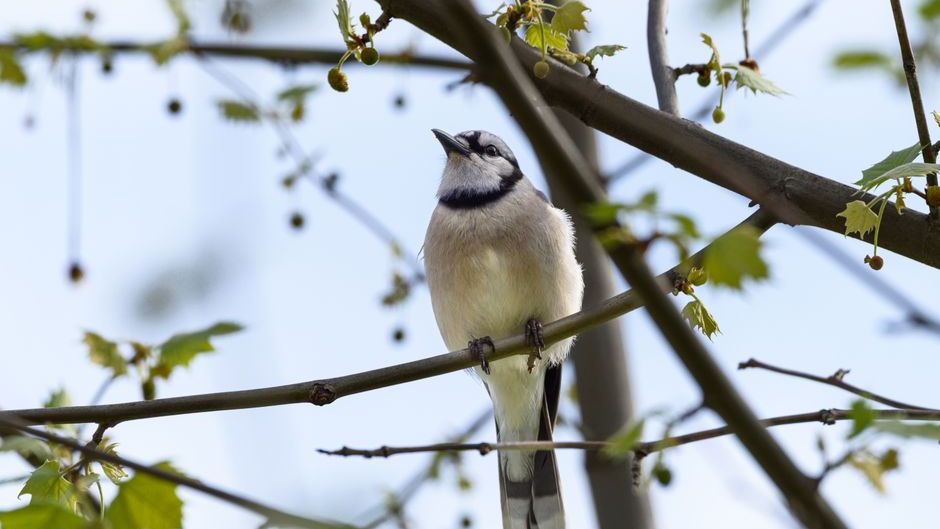
The Distinctive Nature of Blue Jay Vocalizations

Blue jays produce a range of sounds, but the loud jeer call stands out for its piercing quality. This vocalization often gets described as a scream or harsh jay jay note that carries well through open spaces. Naturalists note that these calls serve multiple purposes beyond simple noise making.
The birds adjust the intensity and repetition based on context. Raised crests often accompany the louder versions, signaling heightened alertness. Over decades of observation, researchers have linked these sounds to both everyday interactions and more pressing situations in the birds daily routines.
Why Dawn Seems to Amplify These Calls

Early morning brings increased activity as birds leave roosts and begin foraging. Blue jays tend to use their jeer calls more prominently during this window, possibly to reconnect with flock members after the night. The cooler air and lower background noise help the sounds travel farther.
Studies of seasonal patterns show these calls appear consistently across different times of year. In fall months especially, the jeer becomes a regular feature just before sunrise. This timing aligns with broader patterns seen in many corvid species that coordinate movements at first light.
Alarm and Mobbing Behaviors
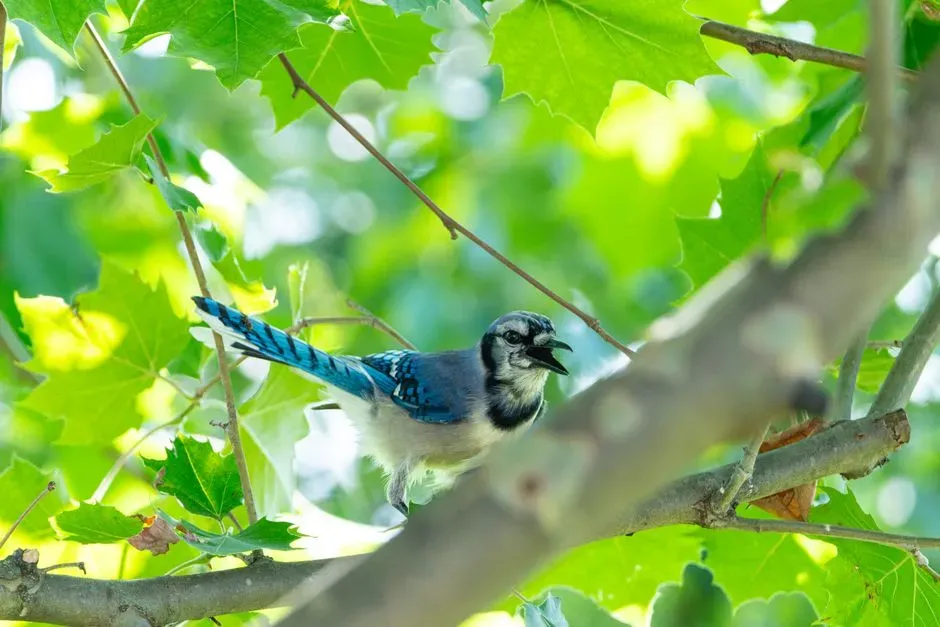
When a potential threat appears, blue jays quickly shift into alarm mode. Their loud calls rally nearby individuals to investigate or harass predators such as hawks or cats. This mobbing response helps protect the group and can drive intruders away from the area.
The behavior benefits not only the jays but also other birds in the vicinity that pick up on the warning. Observations confirm that a single jay spotting danger often triggers a chorus from others. Such coordinated responses have been documented repeatedly in backyard settings and woodland edges alike.
How Jays Use Mimicry Effectively
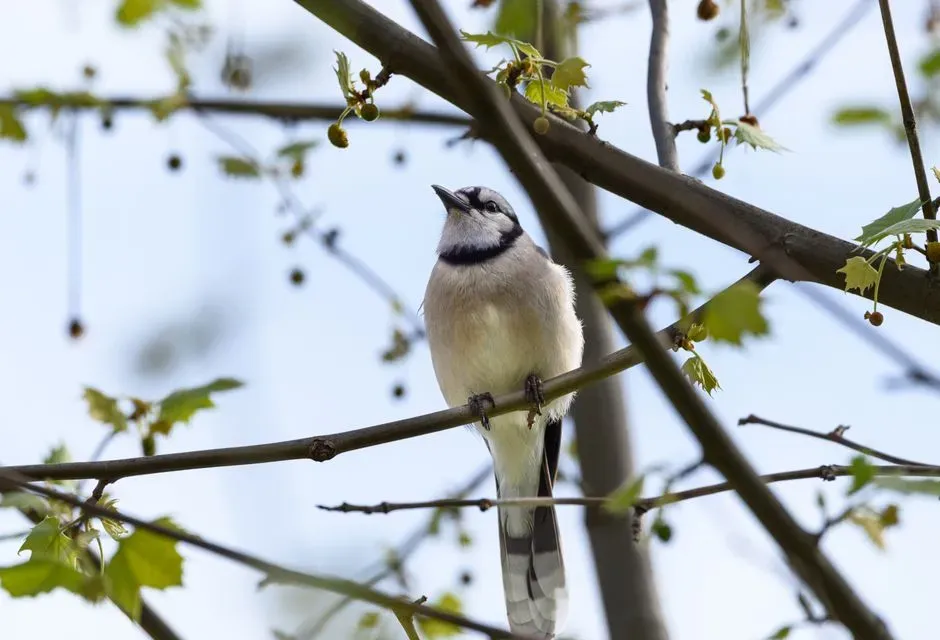
Blue jays possess an impressive ability to imitate the screams of hawks like the red shouldered variety. This mimicry can serve to startle smaller birds away from food sources or to add confusion during tense encounters. The imitation blends seamlessly with their own repertoire of sounds.
Listeners sometimes mistake the copied calls for actual predators, which adds an extra layer of utility. Naturalists tracking these birds over many years have noted how the skill enhances survival in mixed habitats. It allows jays to influence the behavior of surrounding wildlife without direct confrontation.
Communication Within the Flock

Blue jays maintain strong social bonds, and their calls help keep the group informed about locations and resources. A loud series at dawn might announce the discovery of food or simply confirm that all members are accounted for after roosting separately. Variations in tone convey different levels of urgency or excitement.
These interactions strengthen the flock structure that supports cooperative defense and foraging. Younger birds learn the nuances by listening to adults. Long term field records show that consistent vocal exchanges contribute to the stability of local jay populations throughout the seasons.
Insights from Long Term Studies
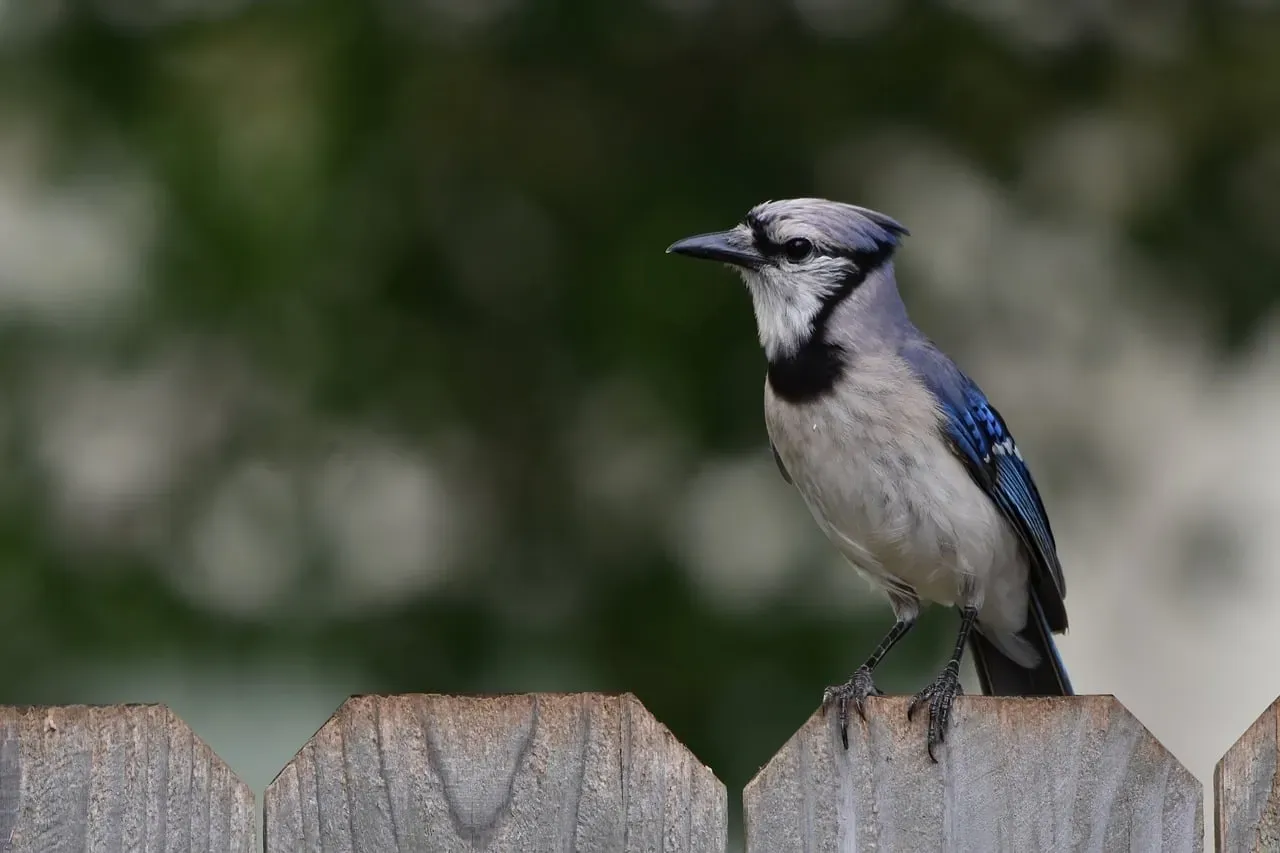
Researchers have followed blue jay vocal patterns for decades, recording how calls change with weather, season, and local conditions. Early work focused on distinguishing the jeer from other notes and linking them to specific actions like foraging or predator avoidance. Modern observations continue to refine these connections using audio equipment and direct sightings.
The accumulated data reveals that dawn screaming rarely indicates a single fixed event. Instead it reflects a flexible system of communication adapted to daily needs. Such findings underscore the intelligence behind what might first seem like random outbursts in the yard.
Reflections on Sharing Space with These Birds

Living alongside blue jays means accepting their bold presence as part of the local soundscape. Their dawn calls remind us that yards function as active ecosystems rather than quiet retreats. Many people come to appreciate the warning system these birds provide, even when the volume disrupts a peaceful morning.
Over time the racket becomes a familiar signal of life stirring outside. Observers who pay attention often notice patterns that reveal more about neighborhood wildlife than any single quiet moment could. In the end, these vocal residents add a layer of wild energy that enriches the ordinary view from the window.

- These 7 Historic US Battlefields Are Sacred Grounds Of Remembrance - August 2, 2026
- The JWST Found A Jekyll-and-Hyde Galaxy In The Early Universe - August 2, 2026
- 10 Heartwarming Ways A Chihuahua Shows They’ve Bonded With You - August 2, 2026