

Nature’s resilience never ceases to amaze. In an era where headlines often feature extinction stories and vanishing habitats, something remarkable is happening across our planet. Species once on the brink of disappearing forever are quietly staging extraordinary comebacks. Some were reduced to fewer than two dozen individuals, others faced complete habitat destruction, yet through dedicated conservation efforts, scientific innovation, and sheer biological determination, they’re reclaiming their place in the wild.
These recovery stories aren’t just statistical victories. They represent hope, proving that human intervention can reverse even the most dire environmental scenarios. From the smallest frogs developing disease immunity to massive marine giants returning to waters they once called home, nature is writing comeback stories that would make Hollywood screenwriters jealous. Let’s explore ten species that refused to give up.
California Condor: Soaring Back from Twenty-Two Birds
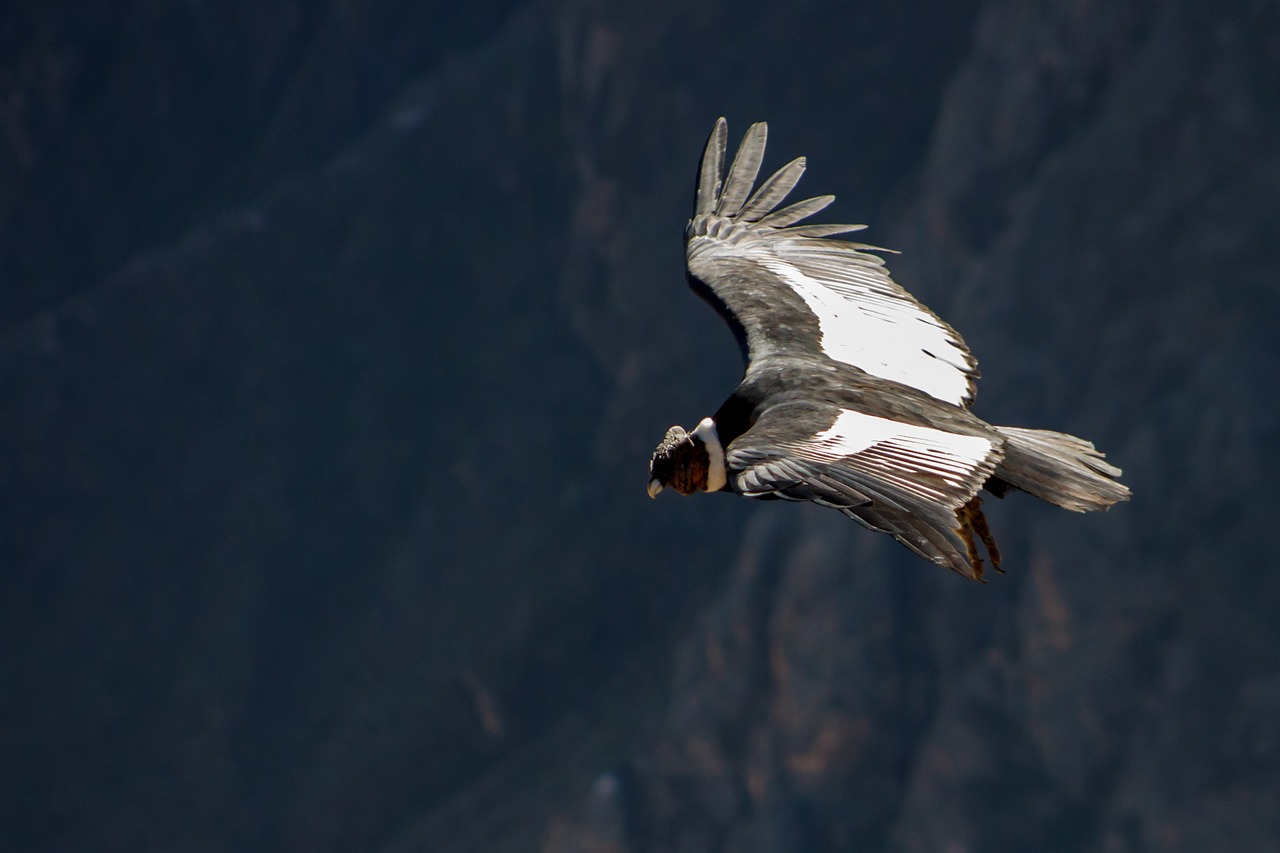
Picture this: by 1982, only 22 wild California condors remained in the world, and extinction looked inevitable. These magnificent birds, with their nearly three-meter wingspan, were vanishing faster than anyone could count them. The decision to capture every remaining wild condor sparked massive controversy.
The gamble paid off spectacularly. As of September 2024, there are now approximately 336 free-flying California condors, with an additional 201 individuals in captivity. Even more exciting? 2024 is shaping up to be the best year for California condors since the critically endangered species clawed back from the brink in the 1980s, with only one death in the Central Coast flock compared to 11 in 2023. These massive scavengers are once again riding thermal currents across California, Arizona, Utah, and Mexico.
Iberian Lynx: Europe’s Greatest Cat Recovery
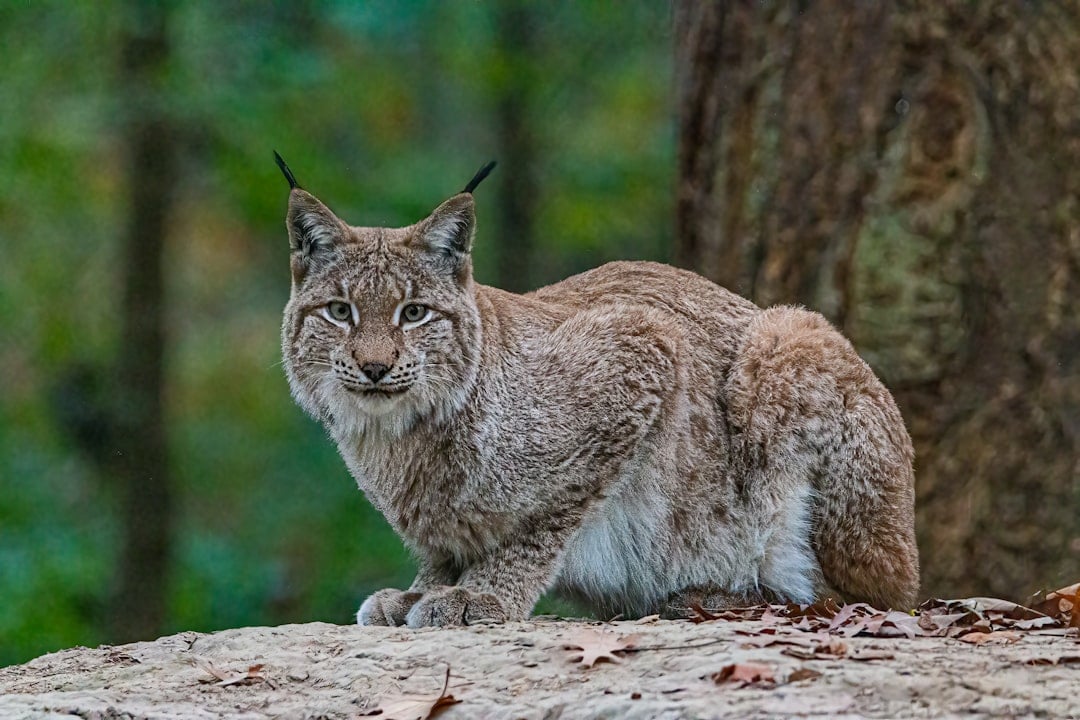
The Iberian lynx, once the world’s most endangered cat, has rebounded from just a few hundred individuals to a few thousand. This spotted beauty with distinctive tufted ears nearly vanished from Spain and Portugal’s landscapes forever. Habitat loss and declining rabbit populations pushed these magnificent predators to the absolute edge.
In 2024, the Iberian lynx was declared no longer endangered by the IUCN following an incredible 20 years of international conservation collaboration. Conservation experts are calling it “the greatest recovery of a cat species ever achieved”. The transformation from critically endangered to merely vulnerable represents one of conservation’s most stunning victories.
Red-Cockaded Woodpecker: From Military Base to Success Story
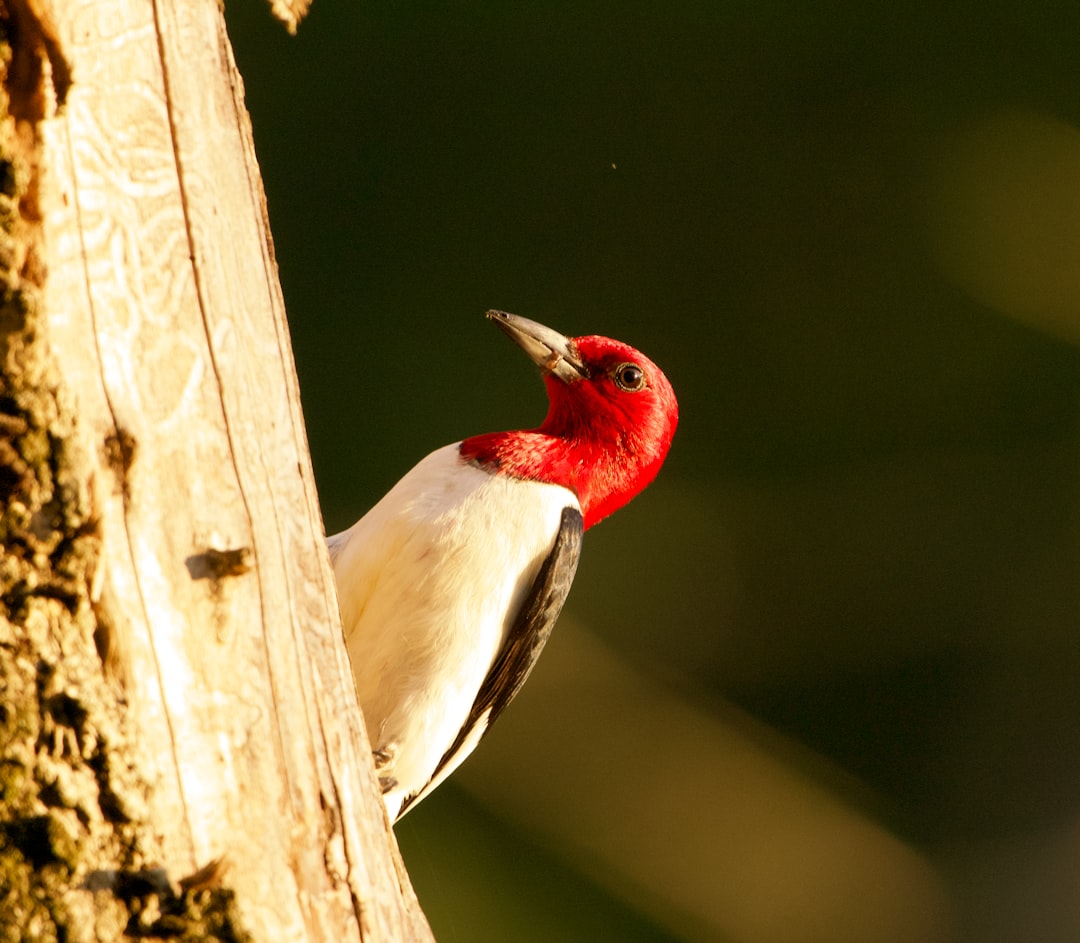
Who would have thought an Army training ground could become a conservation triumph? The red-cockaded woodpecker, an iconic species native to southeastern U.S. pine forests, has rebounded from just 1,470 nest clusters in the 1970s to over 7,800 today. This recovery was significant enough to justify removing the bird from the U.S. endangered species list.
The woodpecker’s comeback story unfolds in an unlikely setting: a live-fire training ground at an Army base in North Carolina. Military personnel became unexpected conservation heroes, carefully managing forest burns and habitat protection around training exercises. Sometimes the most extraordinary conservation stories emerge from the most unexpected places.
Hooded Grebe: Dancing Back from Patagonian Lakes
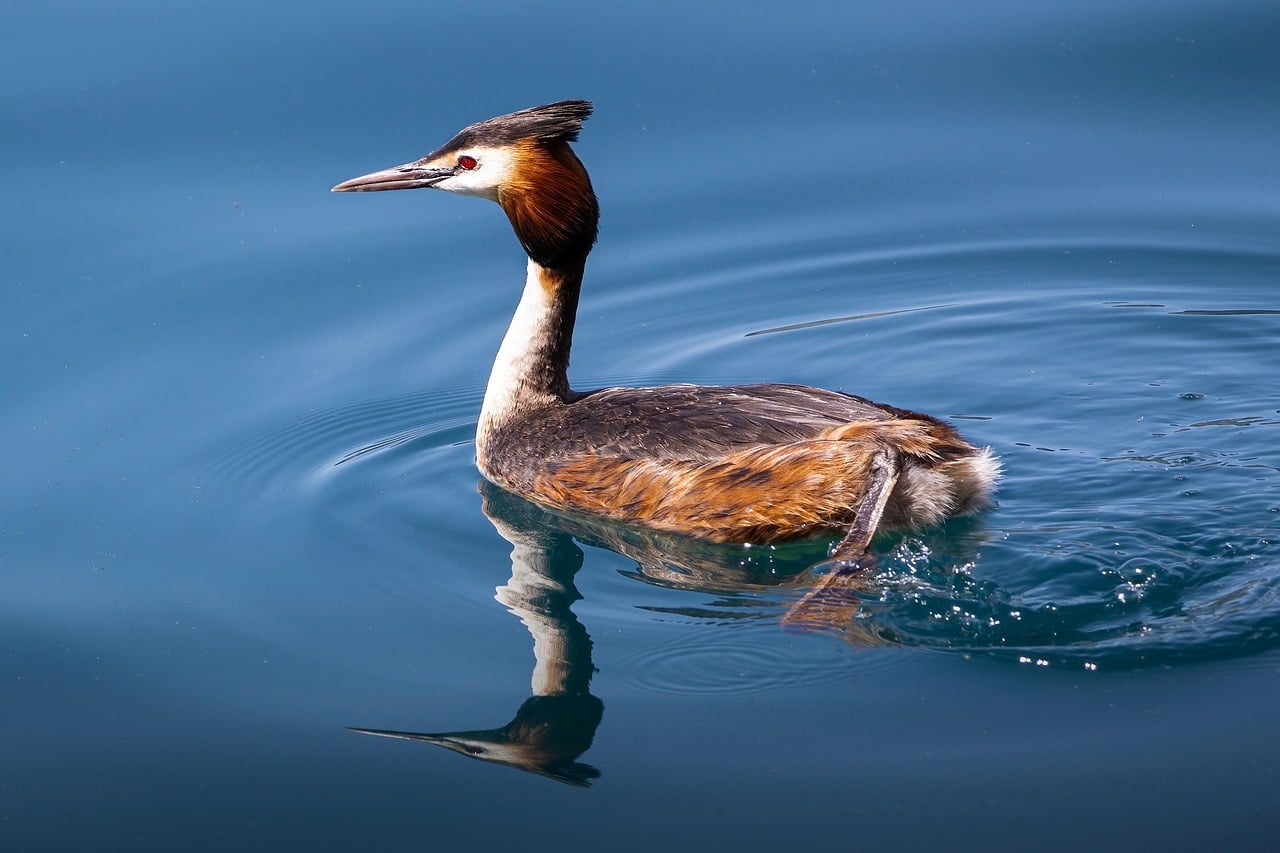
Deep in Patagonia’s windswept plateaus, a critically endangered water bird famous for its elaborate courtship dance was vanishing from lakes where it had lived for millennia. The Hooded Grebe, endemic to the high plateaus of Patagonian Argentina, has returned to lakes where they had not been seen for more than five years, after heavy snowfall during the winter season led to the recovery of key lakes.
Five primary lakes were found to have significant presence of water milfoil – essential for Hooded Grebe nests – raising expectations for new colonies to form in early summer 2025. This remarkable recovery demonstrates how climate patterns can sometimes work in conservation’s favor, refilling dried lakebeds and restoring critical breeding habitat for one of the world’s rarest water birds.
Snow Leopard: The Ghost Returns to the Mountains
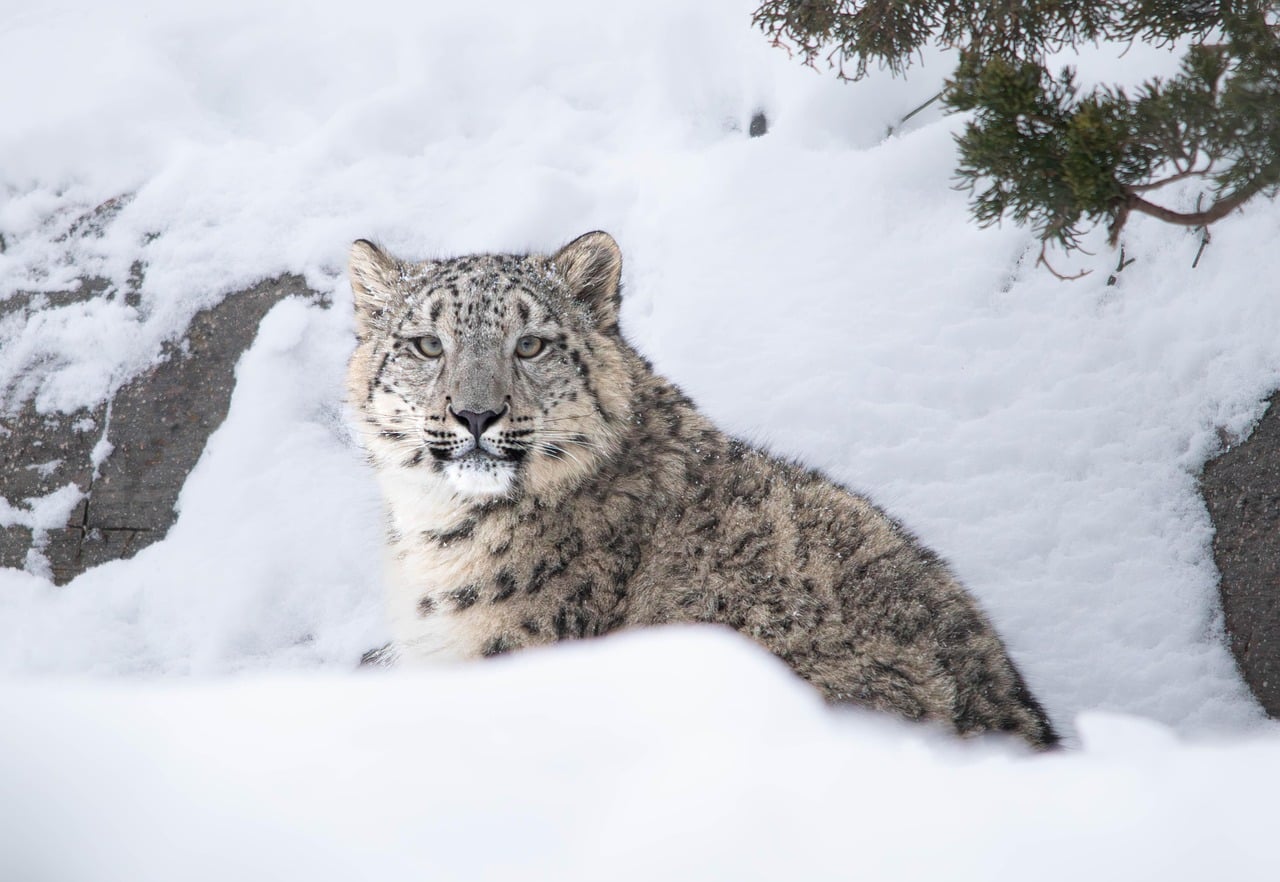
In the remote peaks of Central Asia, the “ghost of the mountains” is staging a quiet comeback that’s capturing global attention. The 2023 national snow leopard survey in Bhutan revealed a remarkable 39.5% increase in the snow leopard population compared to 2016. This represents one of the most significant population increases documented for this elusive species.
Kazakhstan’s snow leopard population has rebounded to near-historic levels, with an estimated 152 to 189 individuals now residing in the country, representing an increase of more than 26% since 2019. Meanwhile, India’s 2024 survey found 718 snow leopards nationwide, with 477 in Ladakh – the highest in the country. These remarkable recoveries show that targeted conservation efforts can help even the most elusive predators reclaim their mountain kingdoms.
Blue Whale: Antarctic Giants Rise from Near Extinction
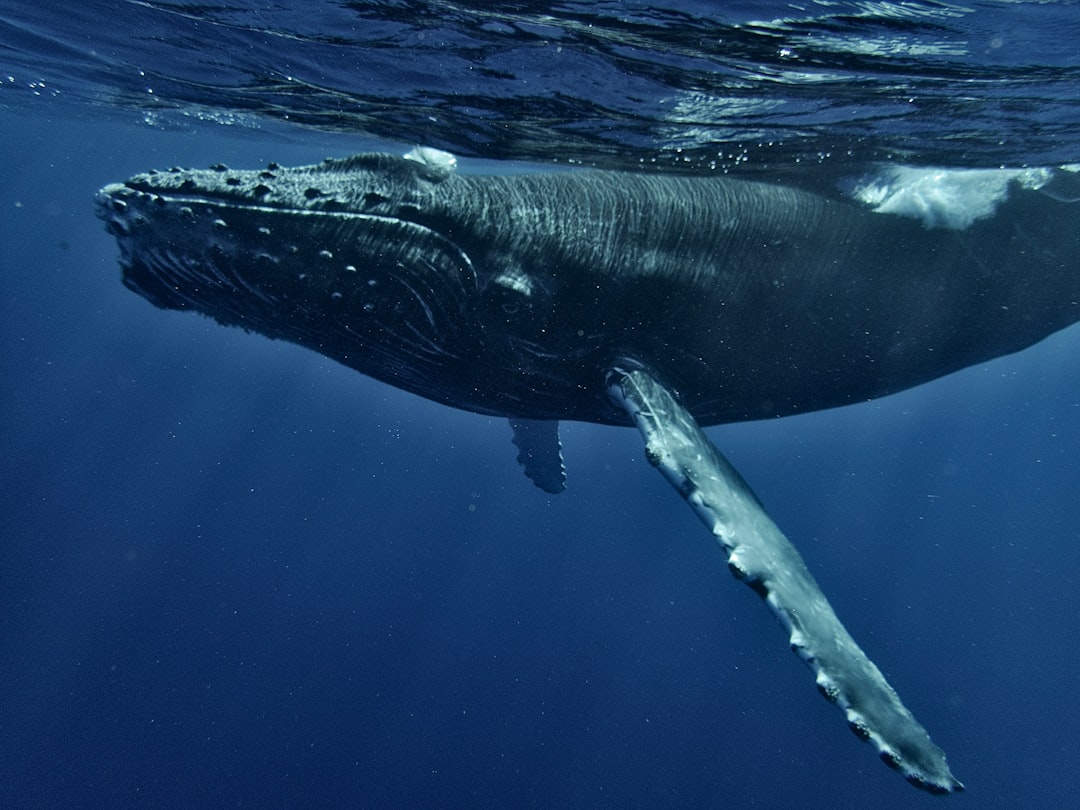
The blue whale, the largest animal on Earth, has shown significant recovery in Antarctica after decades of severe decline due to commercial whaling in the 20th century. These ocean giants, reaching lengths of up to 30 meters, were hunted to within a whisper of extinction during the industrial whaling era.
Marine species have seen dramatic recoveries, with humpback and blue whales making a comeback after an international moratorium on whaling. The sight of blue whale spouts breaking the Antarctic surface represents more than just species recovery – it symbolizes the ocean’s remarkable ability to heal when given the chance. Their return brings hope that even the most severely depleted marine populations can bounce back with proper protection.
European Bison: From Extinction to Forest Restoration
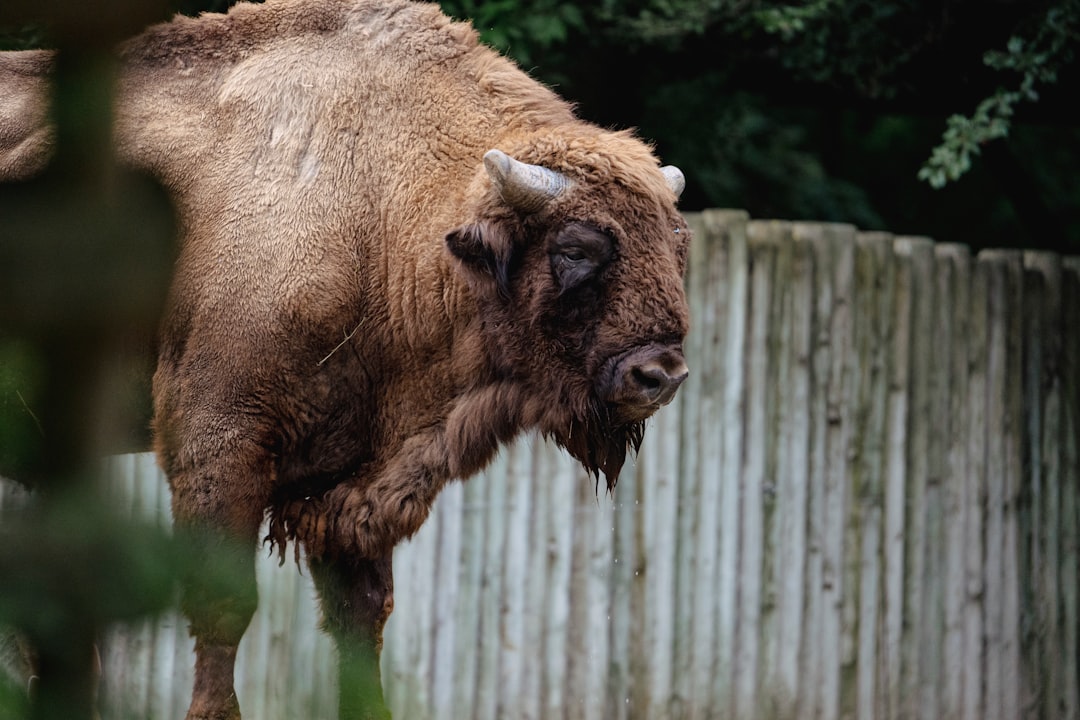
The European bison, which was hunted to extinction in the wild in the early 20th century, now roams parts of Eastern Europe thanks to sustained conservation efforts over decades. These massive herbivores, Europe’s largest land mammals, disappeared completely from wild landscapes by the 1920s, surviving only in captive populations.
A rewilding project reintroduced a herd of more than 170 European bison that could help capture the carbon equivalent of 84,000 US cars per year, representing a multifaceted conservation success that aids in species recovery and enhances ecological health. Their grazing behaviors help restore grassland ecosystems, creating cascading benefits for countless other species while demonstrating how large herbivore restoration can combat climate change.
Dalmatian Pelican: New Colonies After Eighty Years
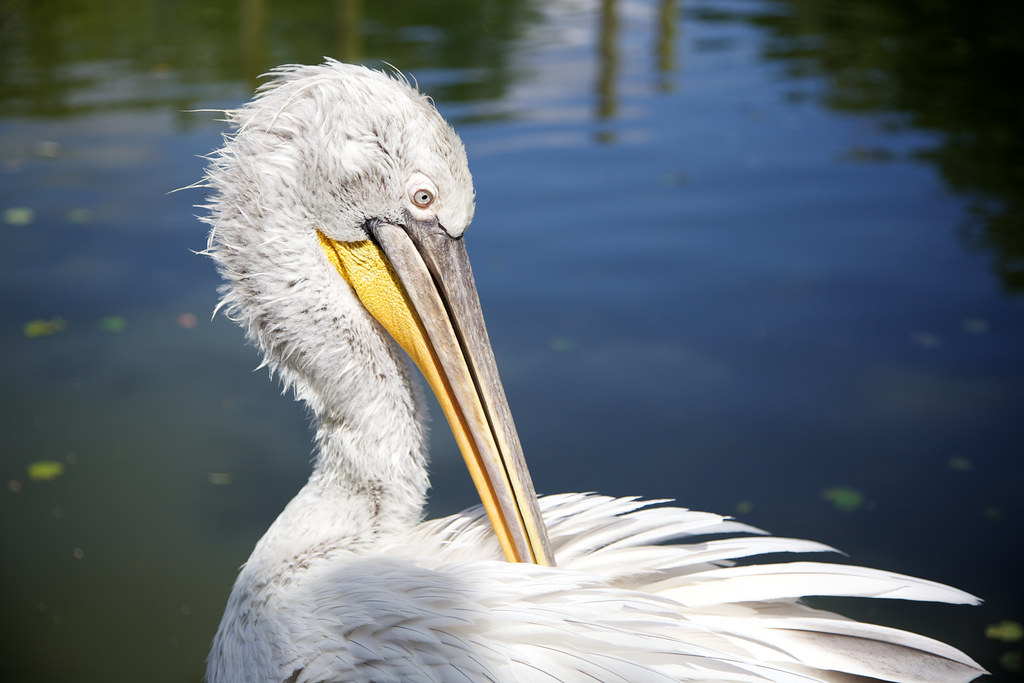
Sometimes conservation victories arrive with impressive wingspan displays. Dalmatian Pelicans formed a new breeding colony in Bulgaria, the fourth in the country, marking the first time in 80 years that the species has nested in the vast Mandra-Poda wetland complex. These enormous waterbirds, among Europe’s largest flying birds, had been absent from this region for nearly a century.
The site, now home to 23 nests, is close to the city of Burgas in Southeastern Bulgaria, and comes just one year after conservationists built floating platforms, or artificial islands, for the birds. This rapid response to habitat improvement shows how quickly some species can recolonize suitable areas when given appropriate nesting infrastructure.
Philippine Eagle: Returning to Storm-Battered Islands
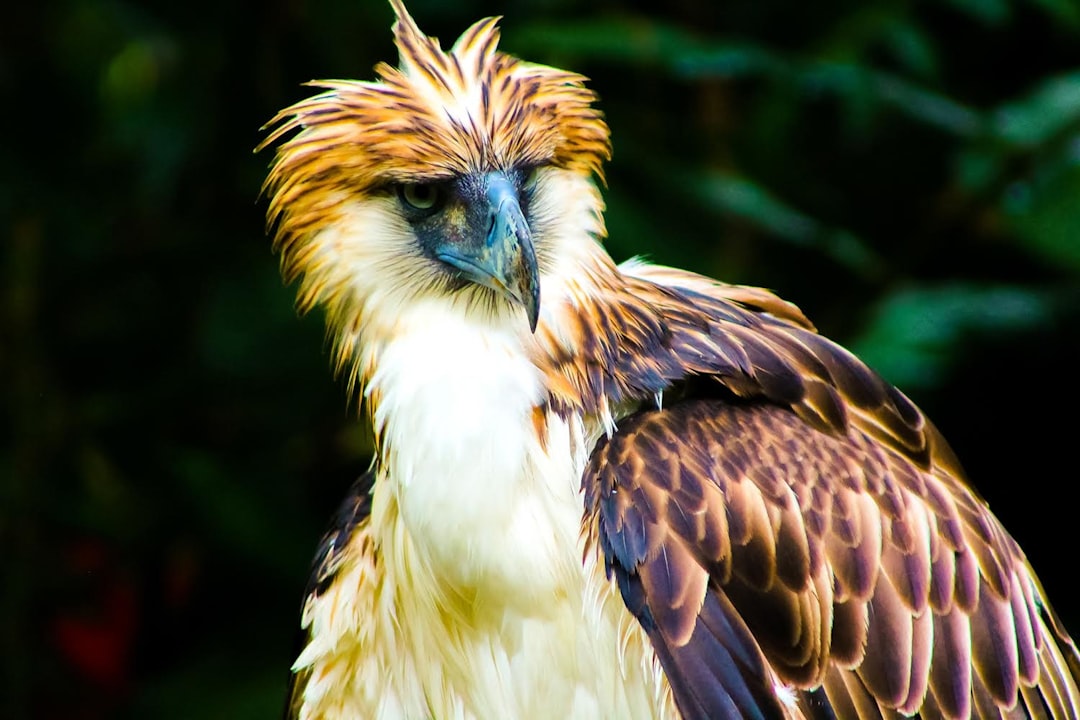
The Philippines’ national bird, one of the world’s most magnificent raptors, is reclaiming islands where super typhoons had wiped out entire populations. Conservation experts collaborated on the translocation of Philippine Eagles from Mindanao as part of a programme to release 18 eagles to Leyte to re-establish a population on the island, where the species had not been seen since a 2013 super typhoon.
These majestic birds, with their distinctive shaggy brown crests and piercing eyes, represent hope for island biodiversity recovery. The translocation program demonstrates how strategic species reintroductions can help restore ecological balance to landscapes devastated by extreme weather events. Each released eagle carries the genetic diversity needed to establish sustainable breeding populations on previously depleted islands.
Apache Trout: Arizona’s Native Fish Swims Free
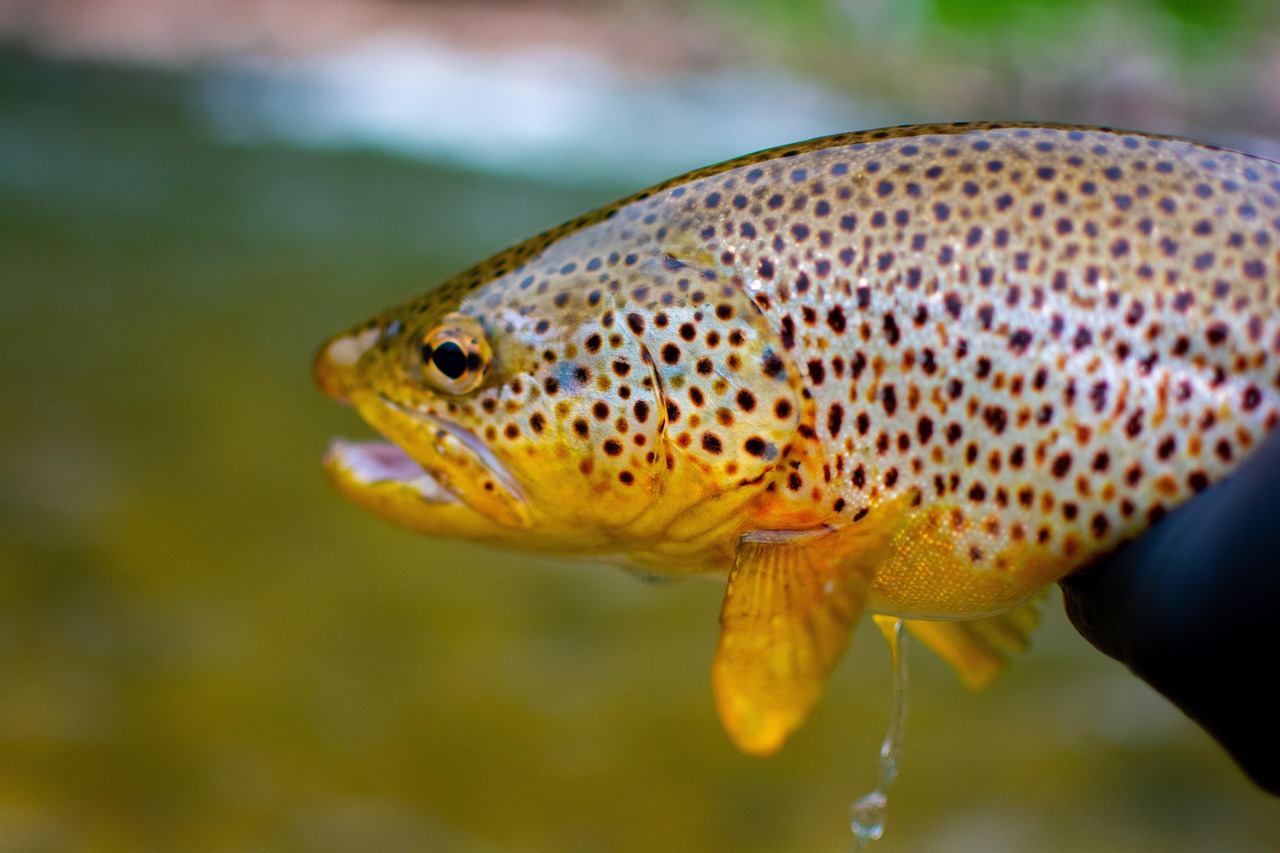
Apache trout, Arizona’s state fish, have recovered enough territory to graduate from the endangered species list entirely. These beautiful native salmonids, with their distinctive yellow coloration and black spots, once faced extinction due to habitat degradation, competition from non-native species, and water diversions.
Their recovery represents a triumph of aquatic restoration in the American Southwest. Stream restoration projects, non-native species removal, and careful habitat management have allowed Apache trout populations to recolonize their historic mountain streams. Swimming freely in Arizona’s high-country waters once again, these fish prove that even freshwater species can make remarkable comebacks when their ecosystems are properly restored.
Conclusion
These ten remarkable comeback stories illuminate a powerful truth: extinction doesn’t have to be forever, and conservation efforts can achieve seemingly impossible results. “Conservation works if given the chance”, as researchers emphasize, though six times more species are declining than improving.
From California condors soaring over Grand Canyon to snow leopards prowling Himalayan peaks, these species remind us that nature possesses an extraordinary capacity for recovery when we provide the right conditions. Their stories aren’t just about individual species – they’re about ecosystem restoration, community engagement, and the remarkable things that happen when science, dedication, and hope converge. What other species do you think could stage similar comebacks with the right conservation support?

- 13 Amazing Facts About Prairie Dogs and Their Complex Societies - July 25, 2026
- Which Zodiac Signs Need Cats the Most for Emotional Balance? - July 25, 2026
- 8 Animals That Have Been Around Longer Than Sharks - July 25, 2026