

Sharks are often revered as one of the most ancient creatures of the ocean, having roamed the seas for over 400 million years. However, they aren’t the ultimate ancients of our planet. Several other fascinating species have been around even longer. This article explores eight animals that outdate sharks, showcasing the incredible diversity and resilience of life on Earth.
1. Horseshoe Crabs
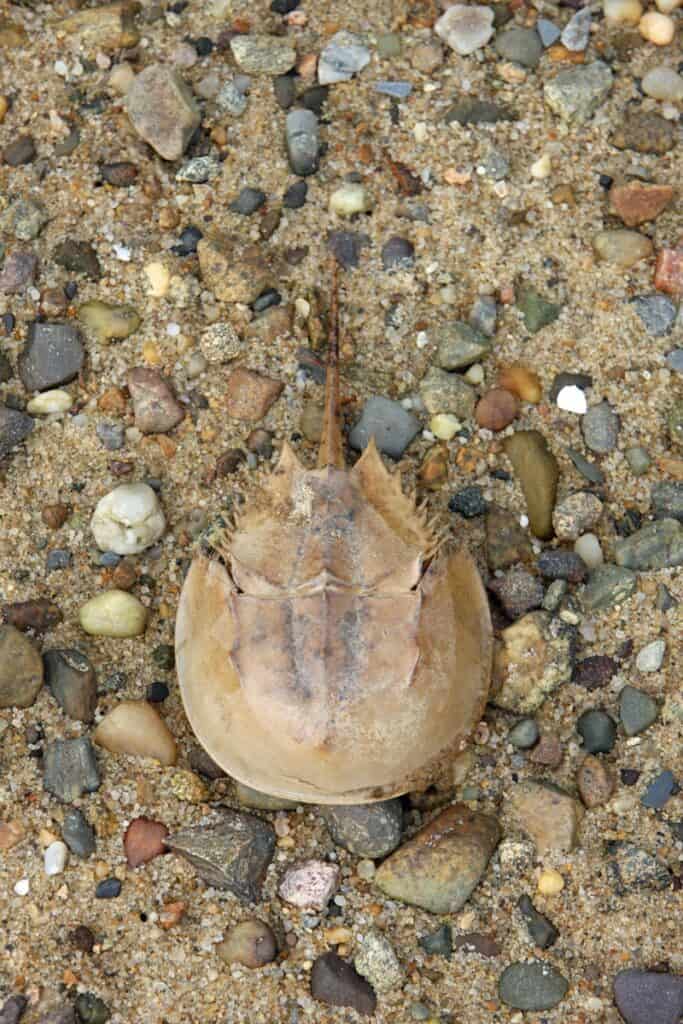
Horseshoe crabs, distinguished by their practical helmet-like shell and long tail spine, have existed for over 450 million years. These marine arthropods have changed remarkably little over time, earning them the moniker of living fossils. Their unique blue blood is highly valued in the medical field for its ability to detect bacterial contamination in vaccines and medical devices.
2. Nautilus

The nautilus, with its beautiful spiral shell, first appeared around 500 million years ago. This cephalopod mollusk navigates the deep ocean using jet propulsion, maintaining most of its ancient characteristics despite the evolutionary changes seen in its relatives like octopuses and squid. Their shells, sectioned into internal chambers, aid in buoyancy control, allowing them to thrive in various ocean depths.
3. Jellyfish

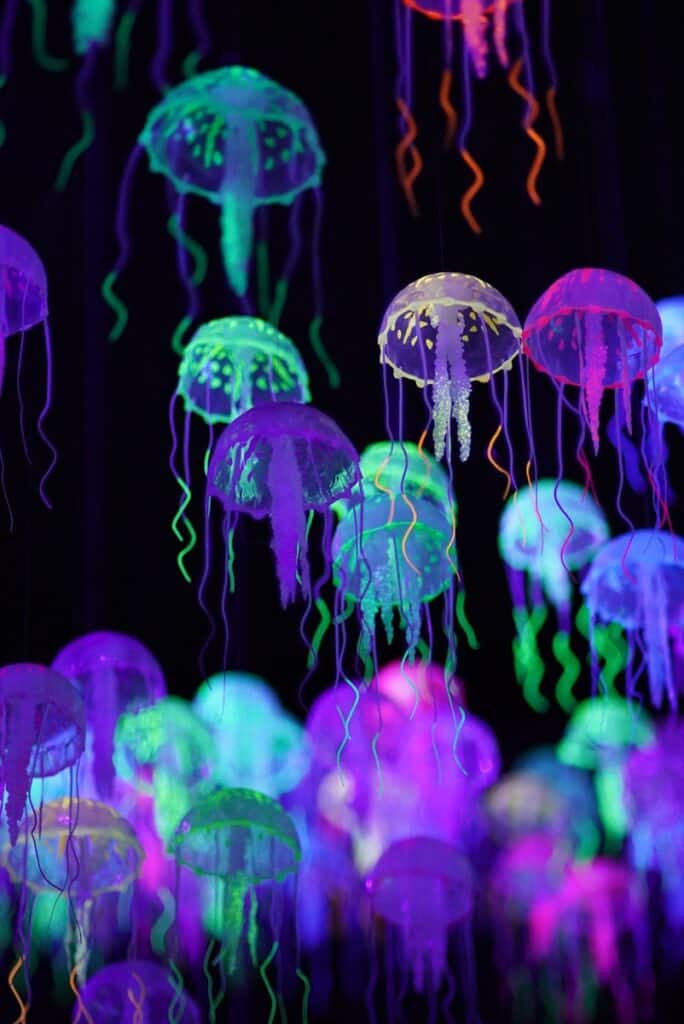
Jellyfish have been pulsating through our oceans for over 500 million years, predating both sharks and trees. They are simple organisms without a brain or heart, relying on a network of nerves for basic functions. Some species, like the Turritopsis dohrnii, have an extraordinary ability to revert to their juvenile form, essentially rendering them biologically immortal.
4. Sea Sponges

Sea sponges are among the most primitive multicellular organisms, existing for more than 600 million years. They lack true tissues and organs, obtaining nutrients by filtering water through their porous bodies. Sponges have been instrumental in chemical innovations throughout their history, providing various metabolites beneficial in pharmaceuticals, including anti-cancer compounds.
5. Coelacanth

Once thought extinct until its rediscovery in 1938, the coelacanth is a lobe-finned fish that dates back about 400 million years. Its limb-like fins provide a glimpse into the evolutionary transition of fish to land vertebrates. Found in deep-sea environments, coelacanths are living representatives of a lineage more closely related to tetrapods than modern fish.
6. Lampreys

Lampreys, jawless fish resembling eels, have existed for over 360 million years. Unlike sharks’ jaws, their round mouths are lined with sharp teeth perfect for attaching to and feeding on other fish. They play a vital role in freshwater ecosystems and offer insight into vertebrate evolution due to their primordial anatomy and physiology.
7. Hagfish

Hagfish share a common ancestry with lampreys and have been swimming the oceans for about 300 million years. These eel-like creatures are known for their remarkable ability to produce vast quantities of slime when threatened. This defense mechanism, along with their scavenging lifestyle, has allowed hagfish to persist through dramatic changes in Earth’s history.
8. Trilobites
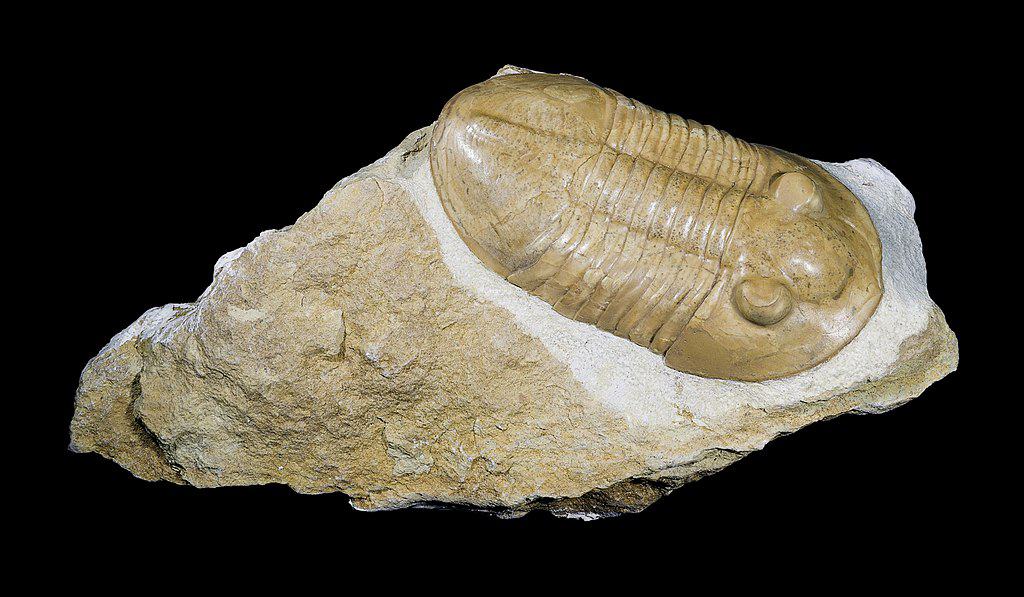
No discussion on ancient animals is complete without trilobites, though they are no longer around today. These arthropods dominated marine ecosystems for over 270 million years before going extinct about 252 million years ago, just before the age of dinosaurs. With diverse forms and sizes, trilobites are among the most studied fossils, providing rich insights into ancient ecological dynamics.
Conclusion
Exploring the animals that have survived longer than sharks reveals the extraordinary capacity of life to adapt and endure through the eons. From the captivating jellyfish to the armoured horseshoe crab, these ancient beings are windows into our planet’s distant past. Understanding their resilience not only deepens our appreciation for biodiversity but also underscores the importance of preserving such remarkable life forms for future generations.

- If Your Native American Zodiac Sign Is a Hawk, Here’s What It Means - July 25, 2026
- 13 Amazing Facts About Prairie Dogs and Their Complex Societies - July 25, 2026
- Which Zodiac Signs Need Cats the Most for Emotional Balance? - July 25, 2026
Leave a comment
You must be logged in to post a comment.