
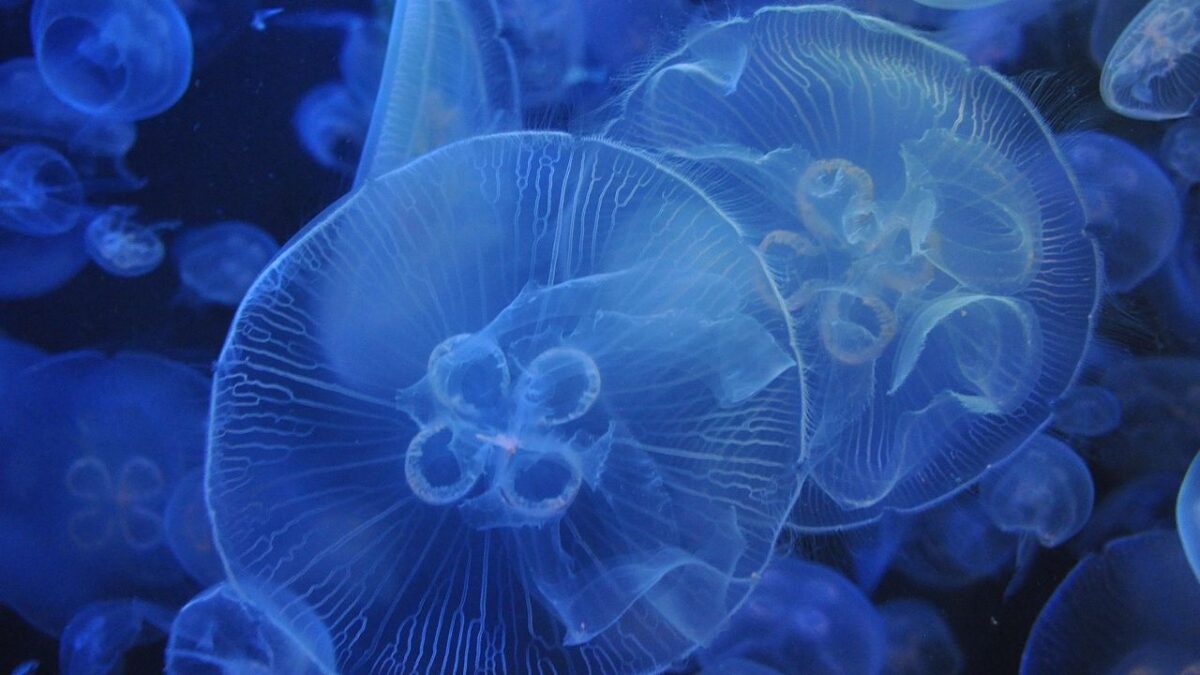
Picture this: a jellyfish that rewinds its biological clock, a worm that survives outer space, and a rodent that seemingly forgot how to age. Sounds like science fiction, right? Yet these creatures exist among us right now, quietly defying the laws of mortality that govern most living things. We humans spend billions trying to extend our lives by a few years, while certain organisms have already cracked codes we’re only beginning to understand.
While most living things march inevitably toward death, these bizarre organisms seem to have found loopholes. Nature has been experimenting with immortality and extreme survival for millions of years, developing strategies so radical they challenge everything we thought we knew about life and death. Let’s be real, if you could reverse your aging process or survive being frozen solid, wouldn’t you want to know how? So let’s dive in and meet these extraordinary species that refuse to play by the rules.
The Tardigrade: Microscopic Marvel That Laughs at Death
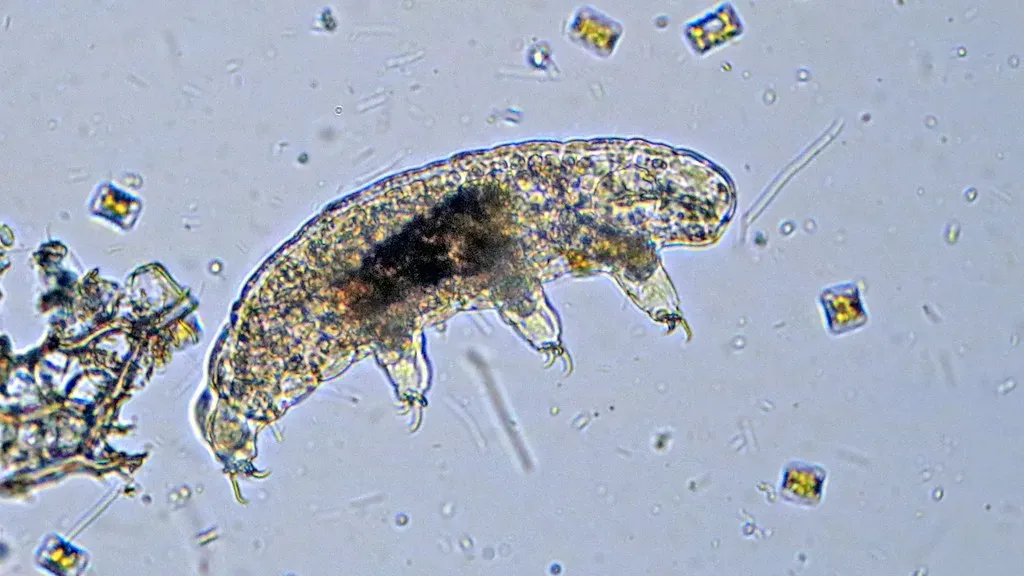
Tardigrades, affectionately known as water bears or moss piglets, are microscopic eight-legged animals that have developed perhaps the most impressive death-defying adaptations on Earth. These tiny creatures (typically 0.5mm long) can survive extreme conditions that would be fatal to almost any other organism. Think about that for a second. Something smaller than a grain of rice can withstand environments that would instantly kill you or me.
They are probably among the most unbreakable creatures on Earth, able to survive dehydration, microwaving and temperatures as hot as 150ºC or as low as –273ºC. When faced with hostile conditions, these remarkable organisms enter a state called cryptobiosis, essentially hitting the pause button on life itself. They curl into a dehydrated ball, expel almost all water from their bodies, and reduce their metabolism to nearly zero.
The truly mind-blowing part? They can exist in suspended animation for over three decades. During this time, they’re neither dead nor truly alive, existing in a liminal state between the two. In 2007, the European Space Agency’s FOTON-M3 mission exposed tardigrades to open space for 10 days. They survived the vacuum, radiation, and extreme temperatures of space, then reanimated when conditions improved. I know it sounds crazy, but these tiny creatures might outlive us all.
Turritopsis Dohrnii: The Jellyfish That Reverses Time
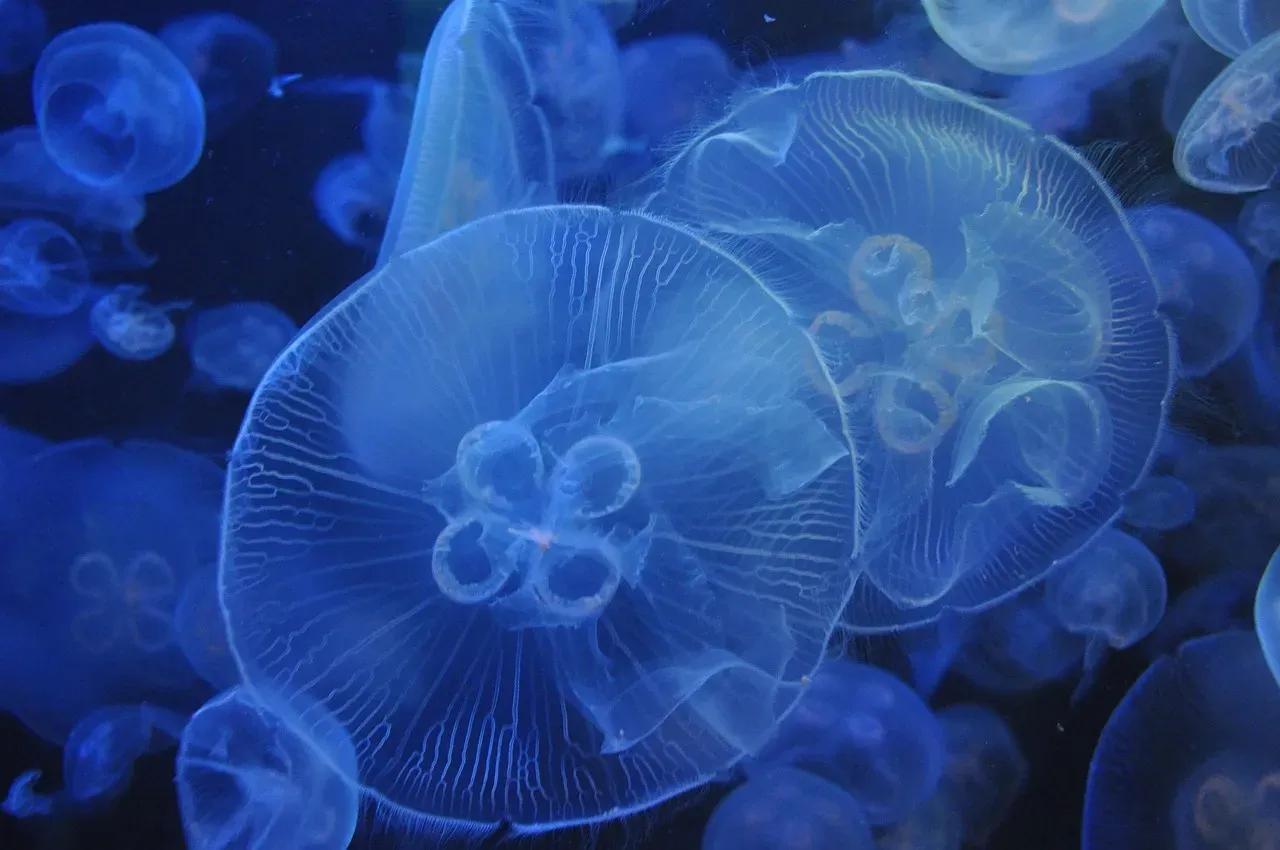
This jellyfish (Turritopsis dohrni) is famous as the only animal that, in an emergency, can avert death. Here’s the thing: most organisms follow a one-way street from birth to death. This jellyfish decided that rule didn’t apply to it. Unlike other jellyfish, if an adult Turritopsis dohrnii experiences damage, environmental stress, sickness, or old age, it absorbs its own tentacles and reverses its development to its young, sexually immature polyp form.
This process, called transdifferentiation, is basically biological time travel. It allows the jellyfish to bypass death, rendering Turritopsis dohrnii potentially biologically immortal. Theoretically, this process can go on indefinitely, effectively rendering the jellyfish biologically immortal, although in practice individuals can still die.
Scientists have identified specific mechanisms behind this remarkable ability. They have found variants and expansions of genes associated with replication, DNA repair, telomere maintenance, redox environment, stem cell population, and intercellular communication. It’s not magic, but it might as well be. Honestly, the fact that an animal can simply decide to get younger when times get tough is one of nature’s most audacious survival strategies.
Planarian Flatworms: Masters of Regeneration
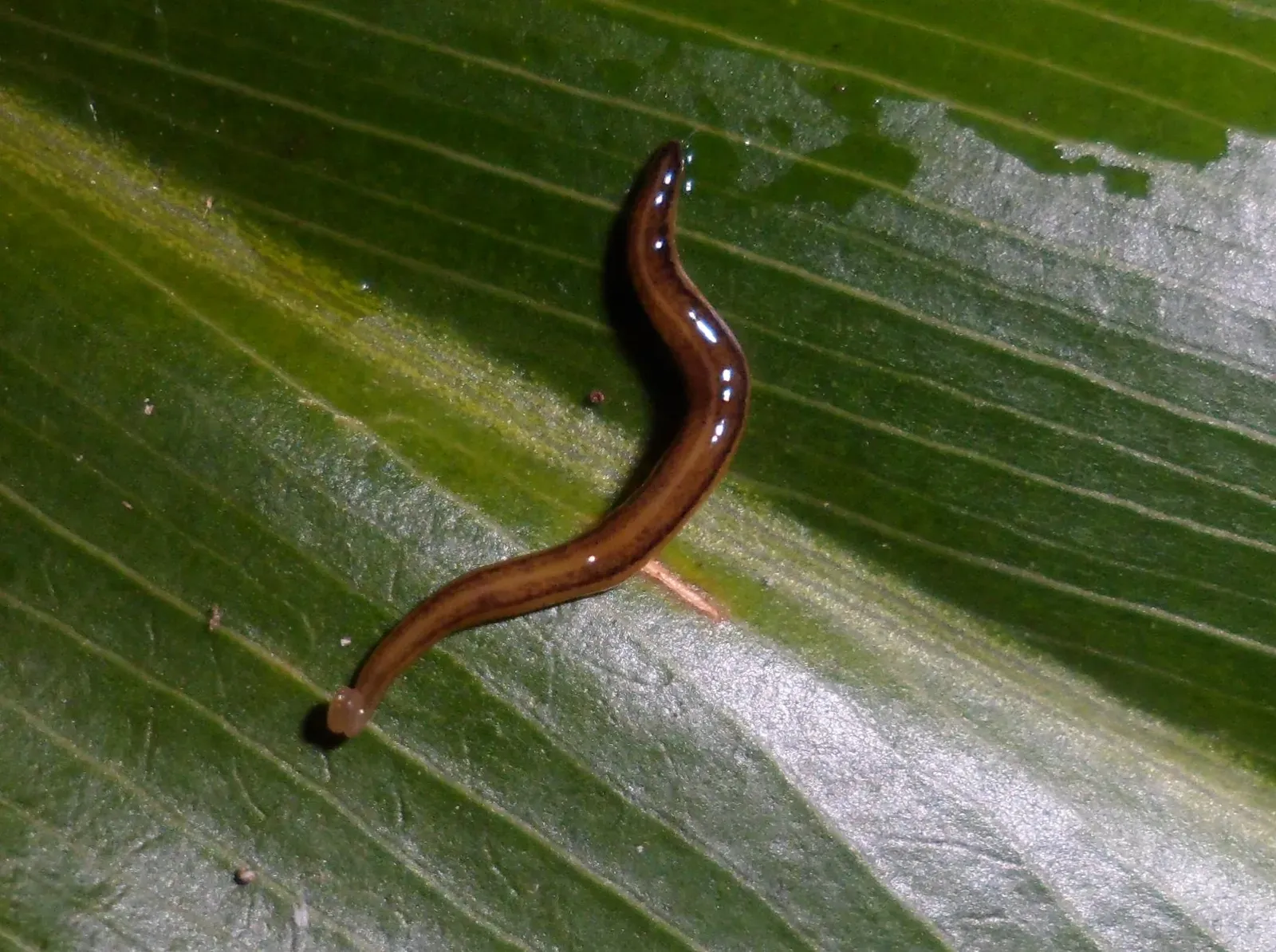
If you’re looking for a creature that takes regeneration to an extreme, planarians are your answer. Planarians can regenerate new heads, tails, sides, or entire organisms from small body fragments in a process taking days to weeks. Chop one into pieces, and each fragment grows into a fully functional worm. Key to planarians’ regenerative ability are powerful cells called pluripotent stem cells, which make up one-fifth of their bodies and can grow into every new body part.
These aren’t just minor repairs we’re talking about. If you cut a planarian in half, two new planarians will grow out of the pieces. The head section? It grows a new tail. The tail section? It grows an entirely new brain, eyes, and all the complex structures needed for a functioning organism. Let’s be real, if humans could do this, medical science would look completely different.
Researchers have been fascinated by these abilities for centuries. Scientists have shown that a dismembered planarian can generate several hundred tiny animals, hence they could “almost be called immortal under the edge of a knife”. The mechanisms involve sophisticated stem cell populations and constitutively active positional information that guides tissue reconstruction. It’s hard to say for sure, but understanding how planarians rebuild themselves could revolutionize regenerative medicine.
Naked Mole Rats: Rodents That Refuse to Age Normally
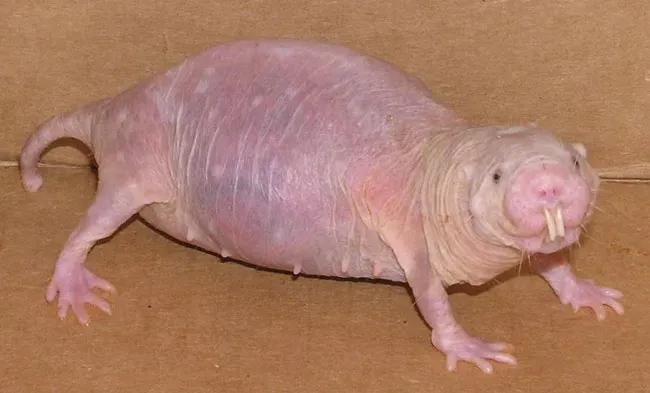
Naked mole rats are intriguing for researchers for a variety of reasons: they have the longest life span of rodents (average lifespan is 30 years), they are resistant to a variety of age-related diseases such as cancer, and they tend to remain fit and active until very advanced ages. They can live up to 30 years, the longest of any rodent – and remarkable resistance to age-related diseases, offer scientists key clues to the mysteries of aging and cancer.
Here’s where things get really interesting. The first study to analyze the life histories of thousands of naked mole rats has found that their risk of death doesn’t go up as they grow older, as it does for every other known mammalian species. They essentially defy the Gompertz law, a mathematical equation describing how mortality risk increases exponentially with age in nearly all animals.
They have identified several mechanisms that contribute to longevity and cancer resistance in naked mole rats, including the chemical HMW-HA (high molecular weight hyaluronan). This sticky molecule appears to prevent tumor formation. Compared to mice and humans, naked mole rats have about ten times more HMW-HA in their bodies. Recent breakthroughs have even shown this gene can be transferred to mice, extending their lifespans and improving their health. Think about the implications for human longevity research.
Wood Frogs: The Frozen Yet Living
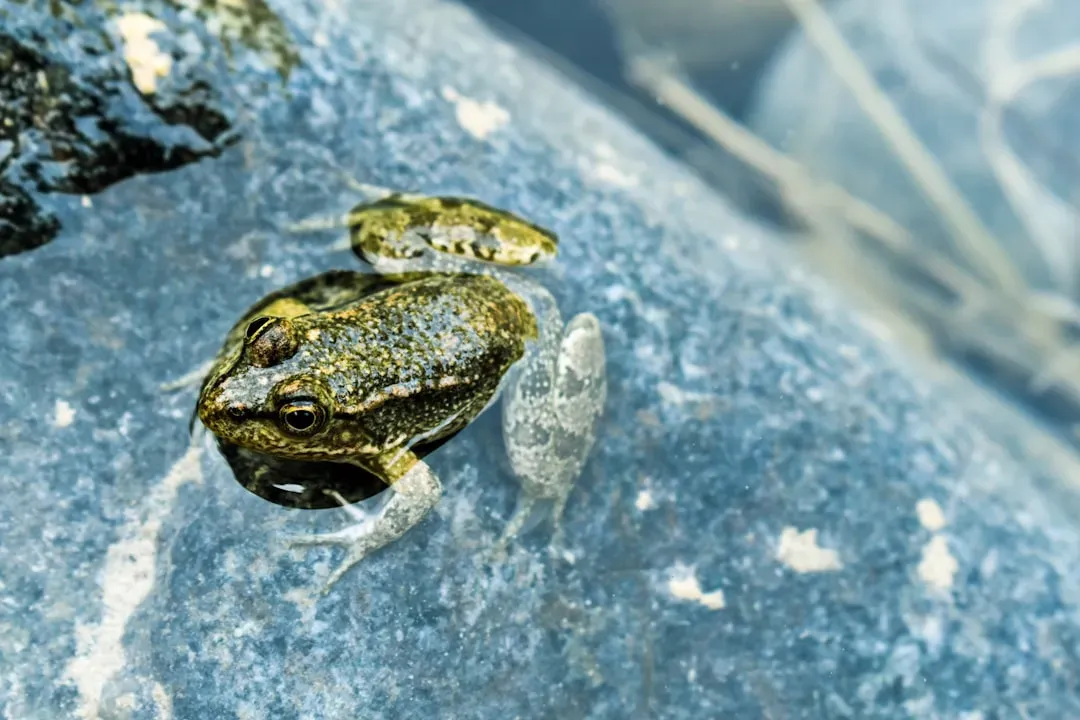
The freeze-tolerant wood frog, Rana sylvatica, is one of the very few vertebrate species known to endure full body freezing in winter and thaw in early spring without any significant sign of damage. These remarkable amphibians literally freeze solid during winter. The heart stops beating and respiration ceases. By all conventional measures, they appear dead.
The secret lies in their biological antifreeze system. As external temperatures start to dip below the freezing point, the frog’s liver produces significant amounts of glucose that flush through the bloodstream and permeate every cell. This glucose acts as a natural cryoprotectant, preventing the kind of cellular damage that would kill most organisms.
Wood frogs can endure the freezing of ~65–70% of their total body water in winter months, and thaw within hours without experiencing any measurable damage. When spring arrives, they simply thaw out and hop away as if nothing happened. Scientists are studying these frogs intensively because their freeze-tolerance mechanisms could revolutionize organ preservation for transplants. Recapitulating these pro-survival strategies in transplantable human cells and organs could improve viability post-thaw leading to better post-transplant outcomes, in addition to providing more time for adequate distribution of these transplantable materials across larger geographical areas. Indeed, several laboratories are beginning to mimic the pro-survival responses observed in wood frogs to preservation of human cells, tissues and organs and, to date, a few trials have been successful in extending preservation time prior to transplantation.
Conclusion

These ten extraordinary species reveal something profound about the boundaries of life itself. From tardigrades surviving the vacuum of space to jellyfish reversing their aging process, from flatworms regenerating entire bodies to naked mole rats defying the mathematics of mortality, nature has developed survival strategies that seem to belong in science fiction rather than reality.
What makes these creatures even more remarkable is their potential to transform human medicine. The mechanisms they employ – cellular regeneration, biological time reversal, extreme stress resistance, and negligible aging – aren’t just biological curiosities. They represent blueprints for addressing some of humanity’s greatest challenges: extending healthy lifespans, improving organ transplantation, and understanding the fundamental processes of aging and death.
Perhaps the most humbling realization is that these organisms have been perfecting their death-defying abilities for millions of years while we’ve only recently begun to understand them. Each discovery opens new questions and possibilities. The tardigrade’s ability to survive decades in suspended animation, the immortal jellyfish’s cellular plasticity, the planarian’s regenerative prowess, the naked mole rat’s cancer resistance, and the wood frog’s freeze tolerance all challenge our assumptions about the limits of biological life.
As research continues, who knows what other secrets these remarkable species will reveal? What do you think – could understanding these natural survivors help unlock the secrets to extending human life?
