

Most people smell a skunk long before they ever see one. That familiar sulfuric punch drifting across a highway or backyard is usually enough to end all curiosity on the spot. Turn around. Keep walking. Subject closed.
Which is a shame, really. Because beneath that notorious reputation sits one of the more genuinely fascinating mammals in North America. Skunks are chemically sophisticated, behaviorally complex, and far stranger than the cartoon version most of us grew up with. These ten facts might make you stop and reconsider the next time you catch that unmistakable scent in the air.
#1: Their Stripes Are Literally Pointing at Their Weapon
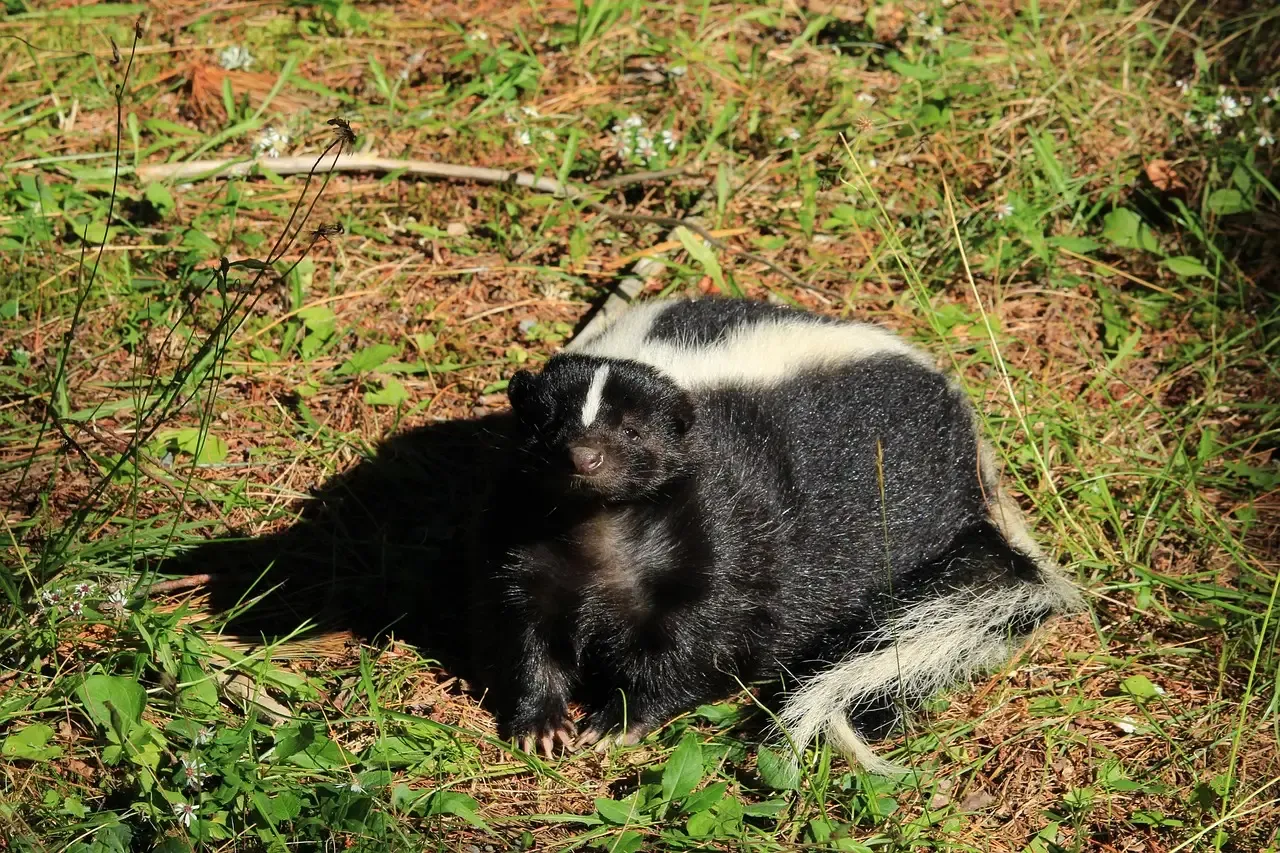
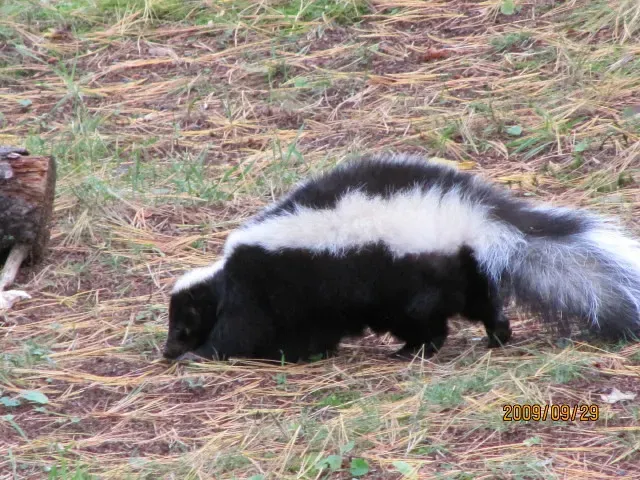
It’s not a coincidence that a skunk’s bold black and white markings draw your eyes directly toward its back end. The stripes point right to where the noxious spray comes out, and a 2011 study found that animal species choosing fight over flight when faced with a predator often have markings that draw attention to their best weapon. It’s essentially a biological advertisement.
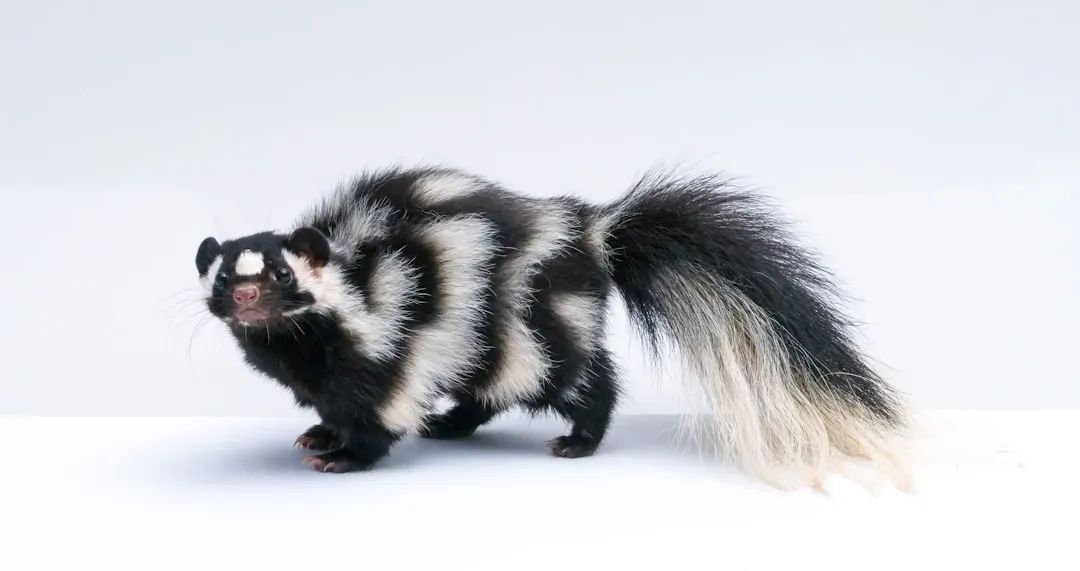
Some skunks are striped, some are spotted, and some have swirl patterns, but no matter the pattern, that black and white coloring functions as a warning sign to anyone who might cause harm. Think of it as nature’s version of a hazard label. The message is clear, and it’s been working for millions of years.
#2: The Spray Is a Precision Chemical Weapon

Skunks are equipped with two anal scent glands that are highly specialized and produce a potent, noxious liquid, and each scent gland has a nipple associated with it that allows the skunk to aim the spray with precision. When threatened, a skunk can deliver the spray as a fine mist or a direct stream. That level of control is genuinely remarkable for any animal.
Skunks can aim their spray at a target with remarkable precision, and they often target an opponent’s eyes because the spray can blind predators temporarily, giving them time to escape undetected. The spray can cause irritation and even temporary blindness, and is sufficiently powerful to be detected by a human nose up to 3.5 miles downwind. That combination of accuracy and range makes it one of the more effective defenses in the animal kingdom.
#3: The Chemistry Behind the Smell Is More Complex Than You’d Think
Skunk spray is composed mainly of three low-molecular-weight thiol compounds, as well as acetate thioesters, and these compounds are detectable by the human nose at concentrations of only 11.3 parts per billion. That’s an almost incomprehensibly small amount. The human nose is picking up traces so tiny they barely register on a chemical scale.
There are actually three different thiols in striped skunk spray, and two are the main contributors to the awful odor, while three other molecules are thioacetates that don’t have a strong scent but can easily become thiols when exposed to water. That might explain why a pet that gets sprayed may start to smell skunky again after a bath. Water essentially reactivates the odor, which is why simply washing with soap and water often makes things worse before they get better.
#4: Skunks Do a Warning Dance Before They Ever Spray
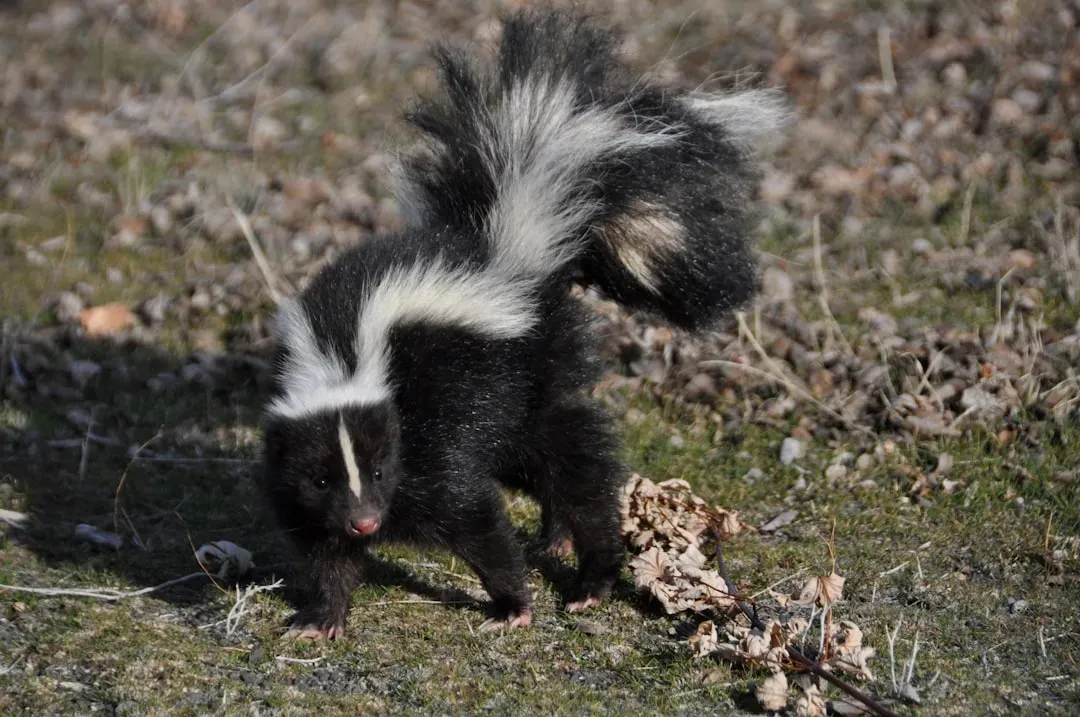
When stripes alone aren’t enough to deter predators, skunks begin an elaborate dance involving stomping and hissing, with small-spotted skunks adding handstands on their front paws. They carefully choreograph each movement to amplify the warning, ending by slamming their tails on the ground. It’s theatrical, deliberate, and oddly impressive to witness.
The last thing the skunk wants to do is spray, because it takes up to 10 days for their body to generate more musk, leaving them defenseless in the meantime. Skunks rarely use their spray since it depletes their resources, and they only use it as a last resort, with the warning dance helping them save energy while scaring off threats. That performance buys time and preserves a resource that isn’t easily replaced.
#5: Some People Literally Cannot Smell Skunks
Specific anosmia, or insensitivity to a particular smell, is actually more common than general anosmia, and one in every 1,000 people has no ability to detect skunk spray at all. This isn’t the same as having a dulled sense of smell overall. Their ability to smell coffee, flowers, or garlic remains perfectly intact.
A person with specific anosmia for skunk compounds could have a perfectly normal sense of smell for everything else and yet be completely blind to one of the most potent odors in the natural world. It’s a quirk of individual olfactory receptor genetics that remains genuinely puzzling to researchers. So if you’ve ever met someone who seemed surprisingly unbothered by skunk smell, there may be a real biological reason for it.
#6: Their Family Name Literally Means “Stink”
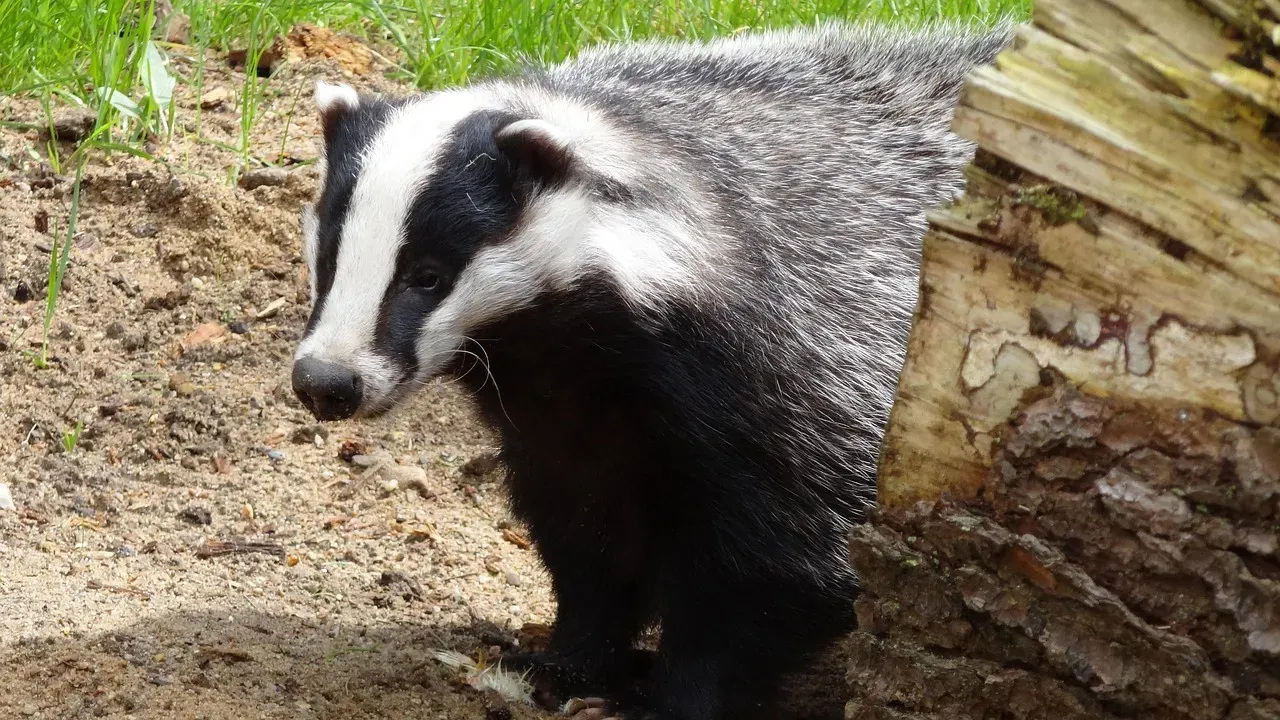
Skunks belong to the family Mephitidae, which means “stink,” and they used to be grouped with weasels, otters, badgers, and their relatives in the family Mustelidae. Unlike those animals, which have a duct that secretes scent markings, skunks spray their scent in a controllable stream from nipples in the anal gland. That anatomical distinction was enough to earn them their own family classification entirely.
After their DNA was sequenced, scientists learned that skunks derived from a single common ancestor about 30 to 40 million years ago. Today, Mephitidae contains 10 different species of skunks, which come in different sizes and coloration, and two different species of stink badger, which are the only members of the family not native to the Americas. That’s a very long evolutionary history for a creature most people only think about in passing.
#7: One Species Can Do a Handstand
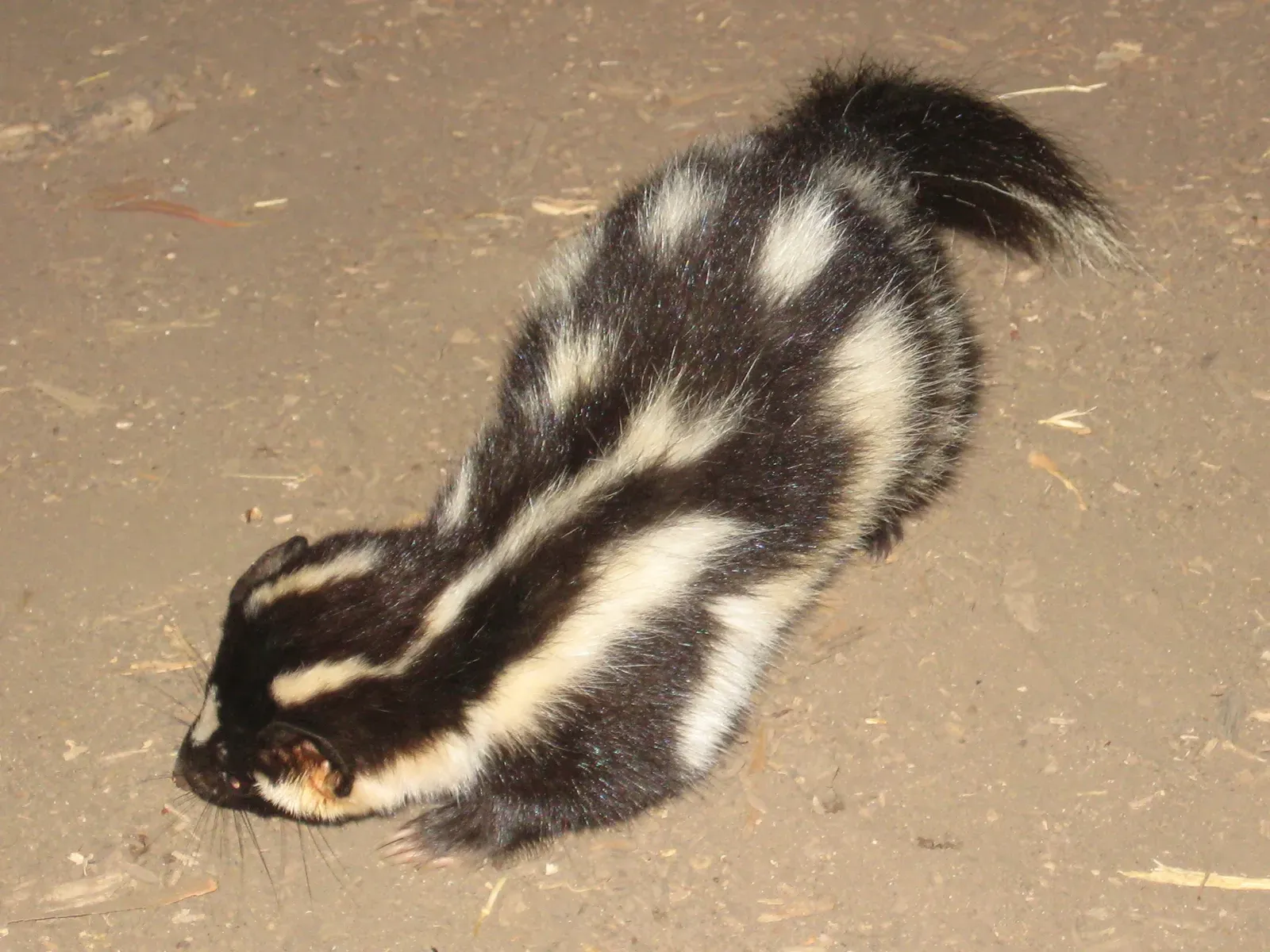
Some species of skunk even spring into a handstand before spraying, which puts the skunk’s warning markings on full display. It’s one of the more genuinely unusual defense postures in the mammal world. The spotted skunk, in particular, has turned this move into a signature warning signal.
The Eastern spotted skunk is the only skunk that can climb trees. If you ever see a skunk in a tree, it will be an eastern spotted skunk since only they can climb. So this small, acrobatic species isn’t just doing handstands on the ground. It’s also the only member of its family agile enough to take things vertical, making it arguably the most physically versatile skunk alive.
#8: Skunks Are Secret Ecosystem Workers
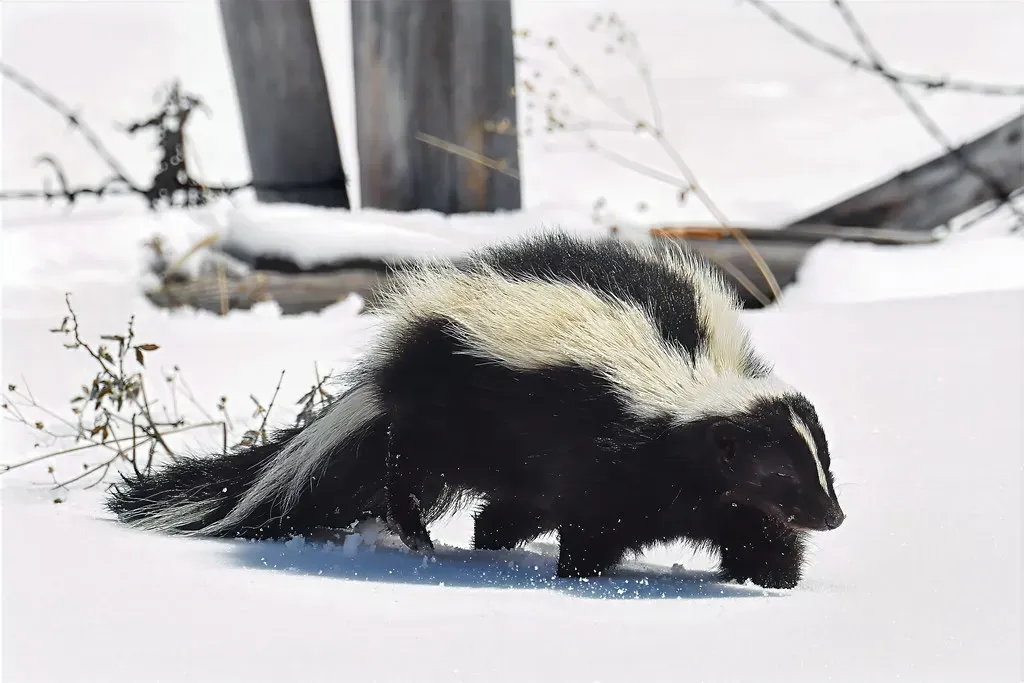
One of their primary functions is as pest controllers. By feeding on various insects, skunks help to keep populations of harmful pests in check, which can reduce the need for chemical pesticides in agricultural areas. Farmers who tolerate a skunk or two on the property are often quietly getting free pest management in return.
Skunks are foragers, consuming a wide range of foods such as fruits, nuts, and carrion, helping in seed dispersal and nutrient recycling. When skunks eat fruits and nuts, they inadvertently spread seeds through their scat, promoting plant biodiversity and contributing to healthy ecosystems. They’ll also roll caterpillars on the ground to remove the hairs before eating them, which hints at a problem-solving intelligence that most people would never expect from an animal they’ve spent years avoiding.
#9: They Don’t Hibernate, They Do Something Stranger
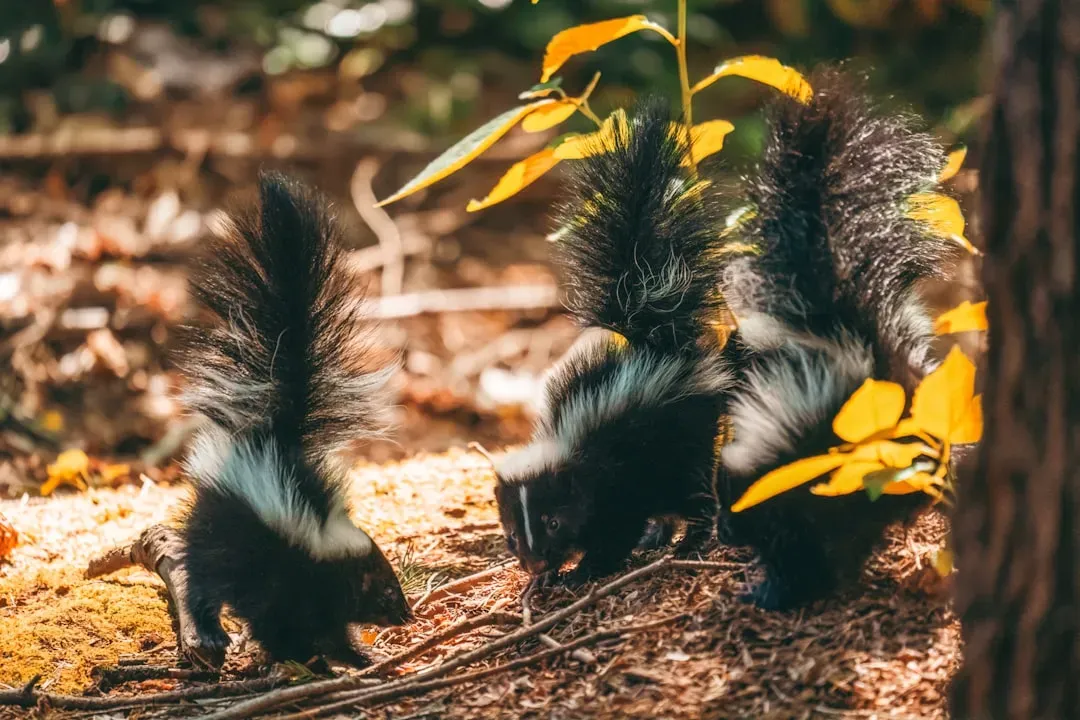
Skunks do not hibernate like some other animals. Instead, they enter a state called torpor, which conserves energy just like hibernation but lasts less than 24 hours at a time. They can dip in and out of this reduced state repeatedly throughout the cold months, waking up whenever temperatures allow.
During particularly cold spells, skunks will sometimes gather in communal dens, seeking warmth and comfort in shared shelter. This social behavior is mostly limited to these chilly periods and the mating season, as skunks are primarily solitary animals. For creatures that spend most of the year actively avoiding each other, the sudden winter huddle is a striking behavioral shift. The same animal that roams alone all summer quietly becomes a den-sharer when the temperature drops.
#10: Baby Skunks Can Spray Before They Can Even See
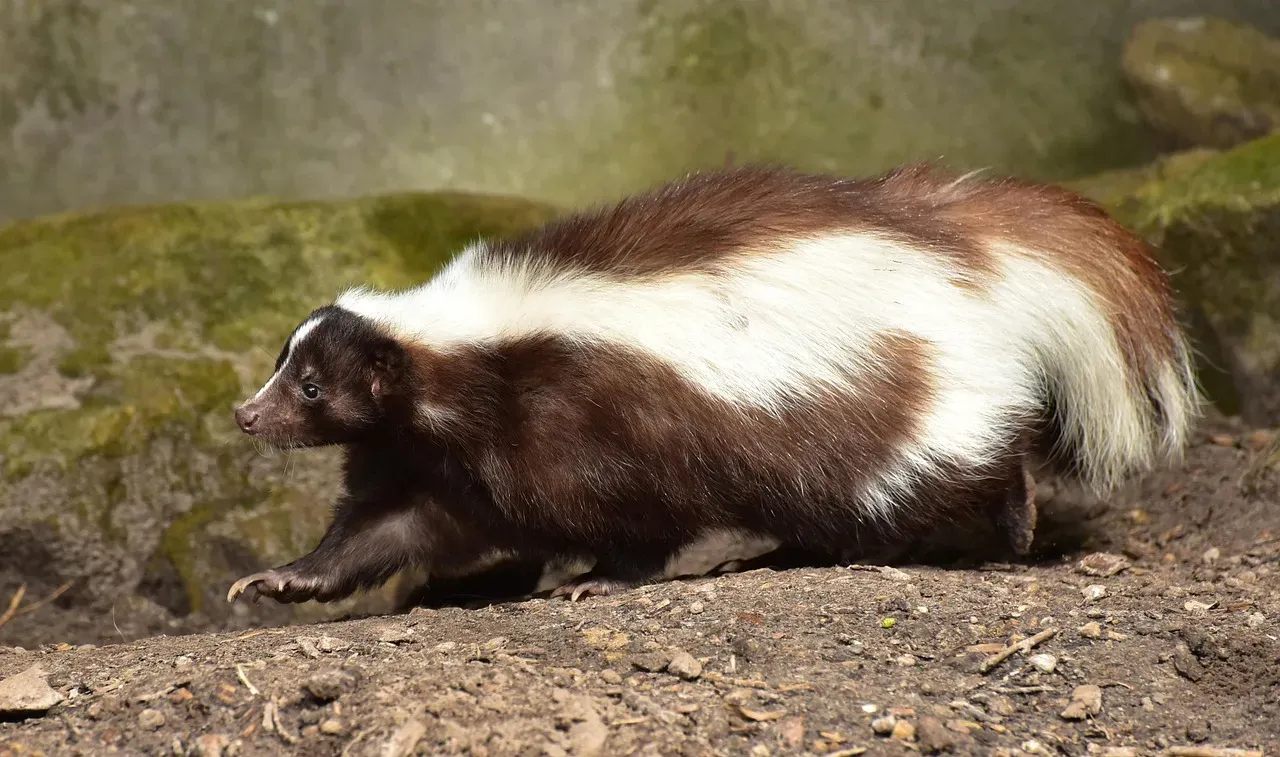
The skunk sprays musk from two anal glands on its backside, and babies can produce a foul smell even before their eyes are open. Kits are blind when born, since their eyes are sealed shut until around the age of three weeks. The defense system is operational from almost the very first moments of life, well before any other sense has fully developed.
Skunks are not born with the ability to spray their noxious liquid fully developed. They have to learn how to use it effectively, and they typically start to practice at around three to four weeks of age. Female skunks give birth every year, and their gestation period often lasts around two months, with litters of two to ten offspring at a time. That means even a single mother skunk can produce a small army of spray-equipped kits each spring, every one of them armed and gradually learning how to use it.
The Skunk Deserves a Second Look
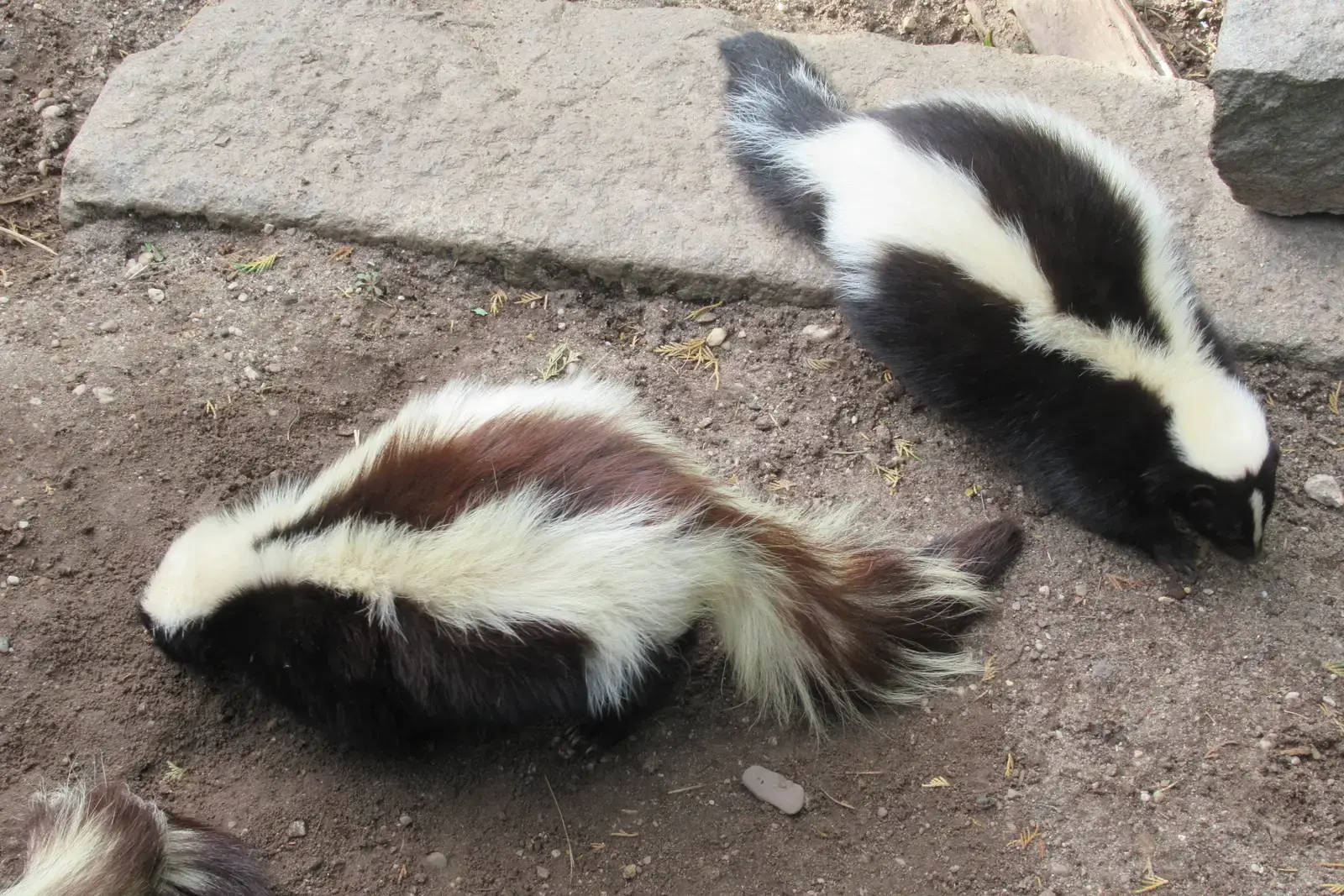
There’s a certain irony in the fact that one of the most chemically sophisticated, ecologically valuable, and behaviorally complex small mammals on the continent is also the one most humans actively avoid. Skunks have been doing handstands, performing warning dances, and deploying precision chemical defenses long before we were here to be annoyed by them.
The spray is real and worth respecting. But so is everything else that comes with it. The chemistry is more complex than a bad smell, the behavior is more nuanced than panic-and-spray, and the animal itself is older, smarter, and more socially layered than the cartoon versions suggest. Sometimes the most interesting creatures are the ones we’ve been too busy running away from to actually notice.

- 12 Architectural Wonders From The Ancient World That Inspire Us Today - July 18, 2026
- 6 Beautiful Ancient Cities That Time Forgot (But Shouldn’t) - July 18, 2026
- 6 Common Animal Behaviors That Are Often Misunderstood by Humans - July 18, 2026