
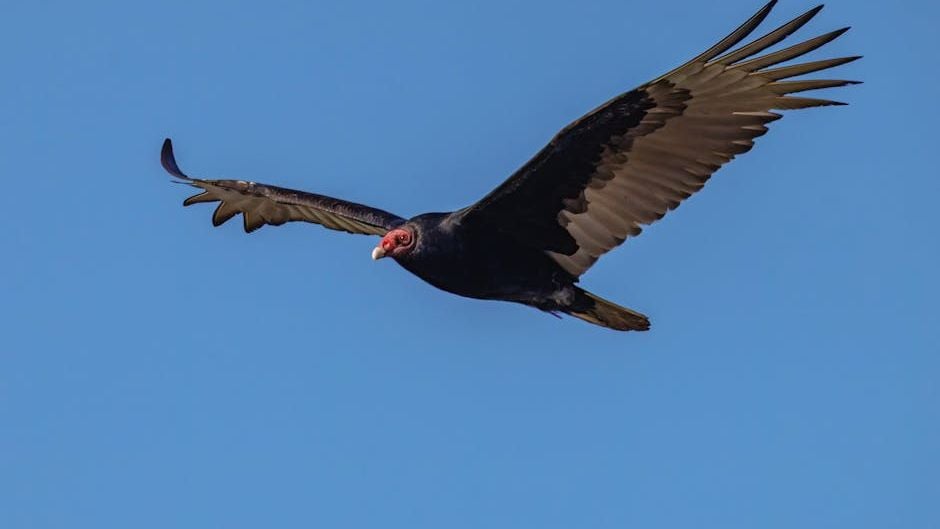
There’s a good chance you’ve looked up at a wide, lazy circle in the sky and felt a vague unease. Something large, dark, patient. Most people instinctively reach for words like “ominous” or “creepy,” which is a shame, because the bird doing the circling is quietly doing one of the most important jobs in any ecosystem. Turkey vultures don’t get fan clubs. They don’t appear on inspirational posters. Yet without them, the natural world would be a far messier, sicker, and more dangerous place for just about every creature in it.
These birds are genuinely strange in ways that go well beyond their taste for dead things. Their biology reads like something designed by an engineer who was told to solve the problem of decay at all costs, with almost no concern for elegance or aesthetics. From a stomach that rivals battery acid to a cooling method that would make most animals recoil in disgust, turkey vultures have evolved into something remarkable.
#1: Their Stomach Acid Is Stronger Than Battery Acid
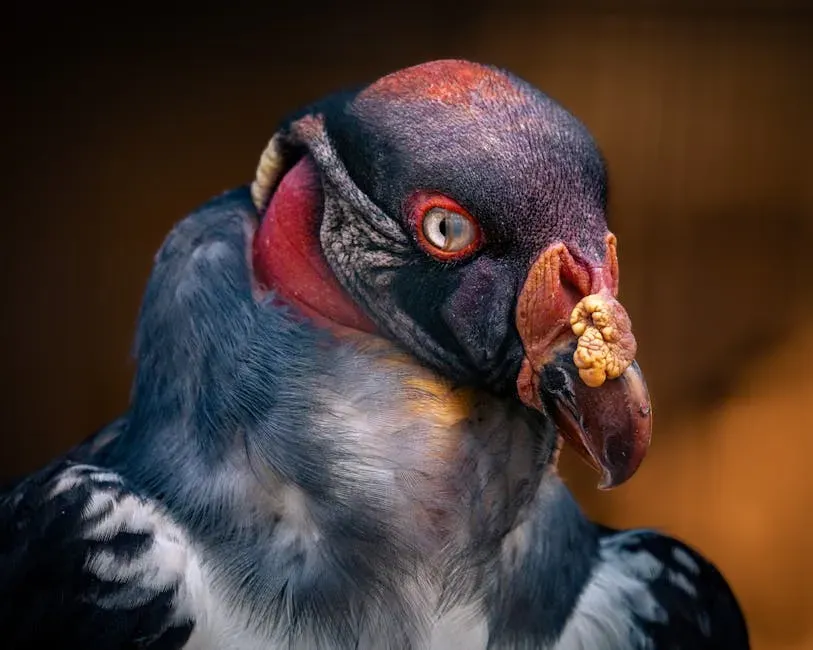
Their gastric acid is as strong as battery acid and roughly a hundred times stronger than the acid found in human stomachs, which helps the birds neutralize the toxins found in their diet of decaying meat, such as anthrax and botulism. That comparison alone says a lot. Most animals would be fatally poisoned by the kinds of carcasses a turkey vulture casually tears into on a Tuesday afternoon.
A vulture’s gizzard has a pH of slightly above zero, which is as strong as battery acid, and deadly pathogens such as anthrax, tuberculosis, rabies, salmonella, campylobacter, cholera, and botulism can be dissolved there. The result is that these birds function as a kind of biological incinerator for some of the most dangerous microbes on earth, breaking down threats that would devastate other wildlife populations if left to spread unchecked.
#2: They Can Smell Death From Miles Away
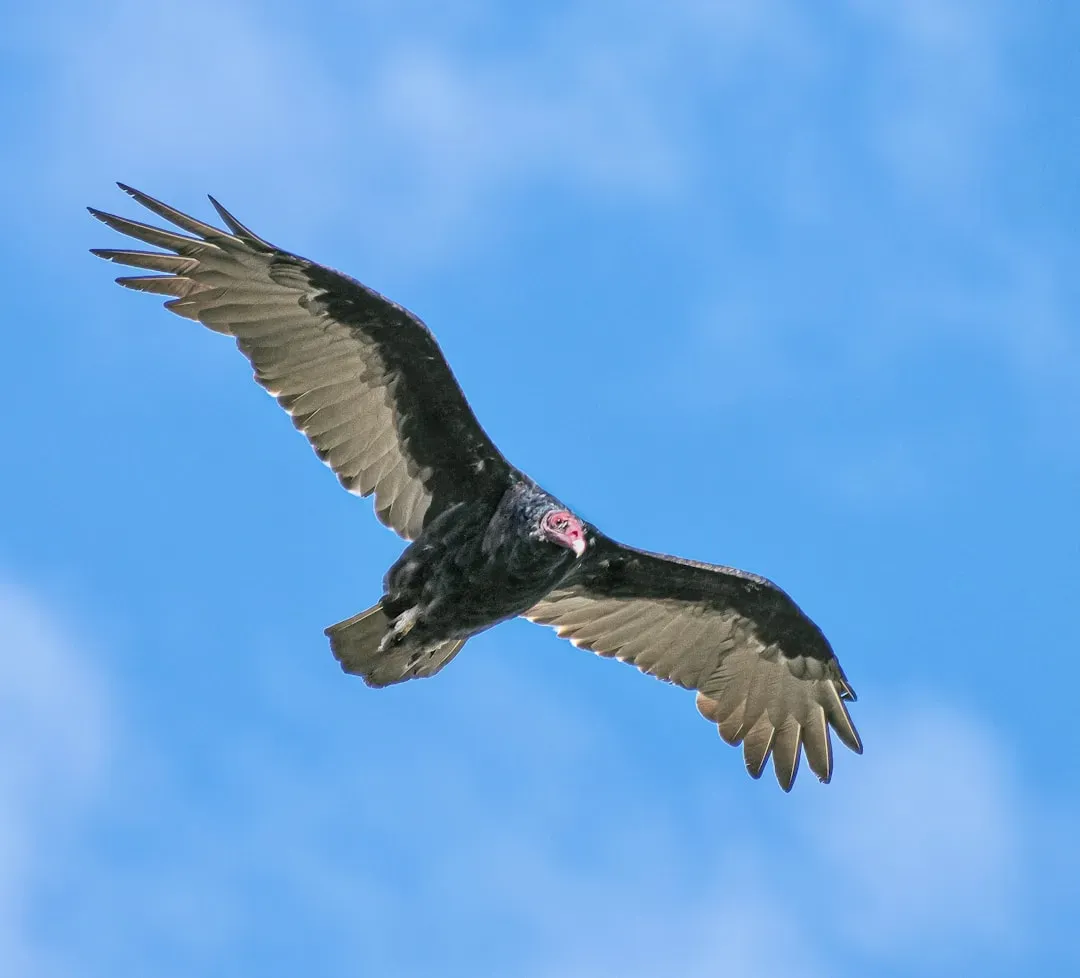
Turkey vultures find food using their keen eyesight and sense of smell, flying low enough to the ground to detect the gases produced by the beginning processes of decay in dead animals. Their nostrils can detect potential meals for miles around, even below the forest canopy, an ability that is otherwise uncommon in the avian world. Most birds rely almost entirely on vision. Turkey vultures took a very different evolutionary path.
Their olfactory bulbs are four times larger than those of the black vulture, and are tuned to detect ethyl mercaptan, the distinct gas of decay, which is the same chemical humans add to natural gas for leak detection. This super-sense makes turkey vultures unrivaled at locating carcasses, even those concealed beneath dense forest canopy. The fact that we borrowed the same chemical signal for safety detection in our gas lines is one of those quietly fascinating overlaps between human engineering and animal biology.
#3: Their Bald Heads Are a Hygiene Adaptation
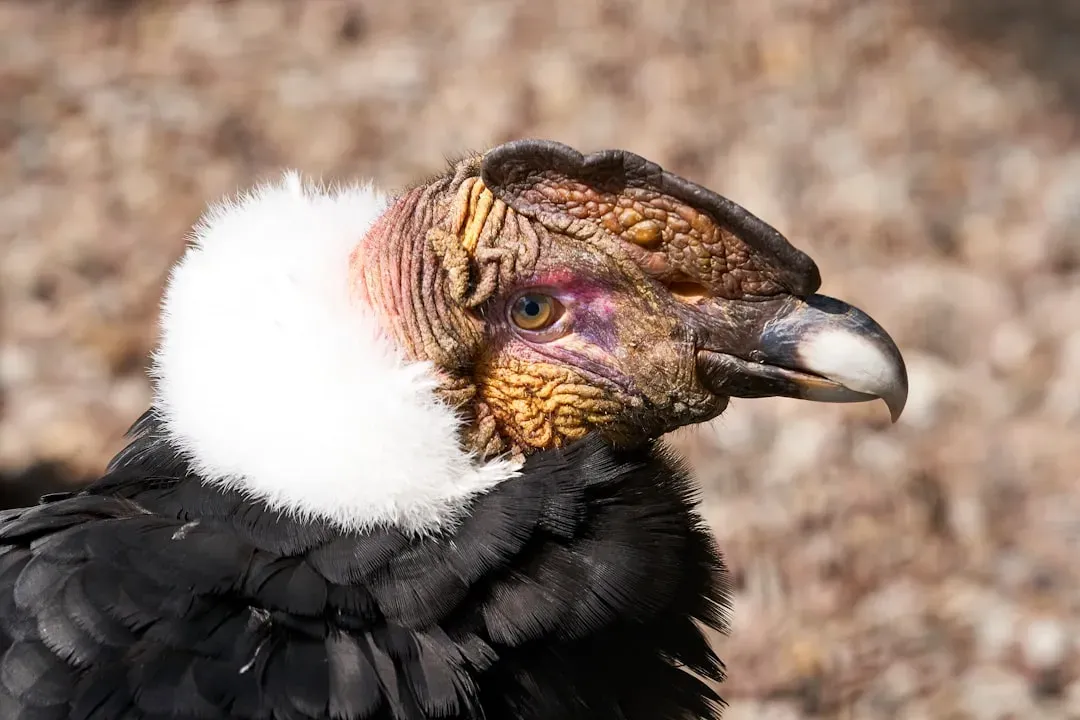
The turkey vulture’s bald, red face is practical: feathers would trap blood and tissue, while bare skin stays cleaner, especially with help from the sun and breeze. It’s an unglamorous solution, but a genuinely effective one. Any bird regularly plunging its head into a decomposing carcass needs something that can be wiped clean by sunlight and airflow, not something that soaks up biological debris.
A feathered head would collect pieces and parts of dead deer, raccoons or whatever carcass it was sticking its head in at dinner time, possibly resulting in infection. The bald head, then, isn’t a design flaw. It’s the opposite. It’s one of the cleaner solutions evolution has come up with for a persistently messy occupation, and it works remarkably well given what these birds routinely face at mealtimes.
#4: They Cool Themselves by Defecating on Their Own Legs
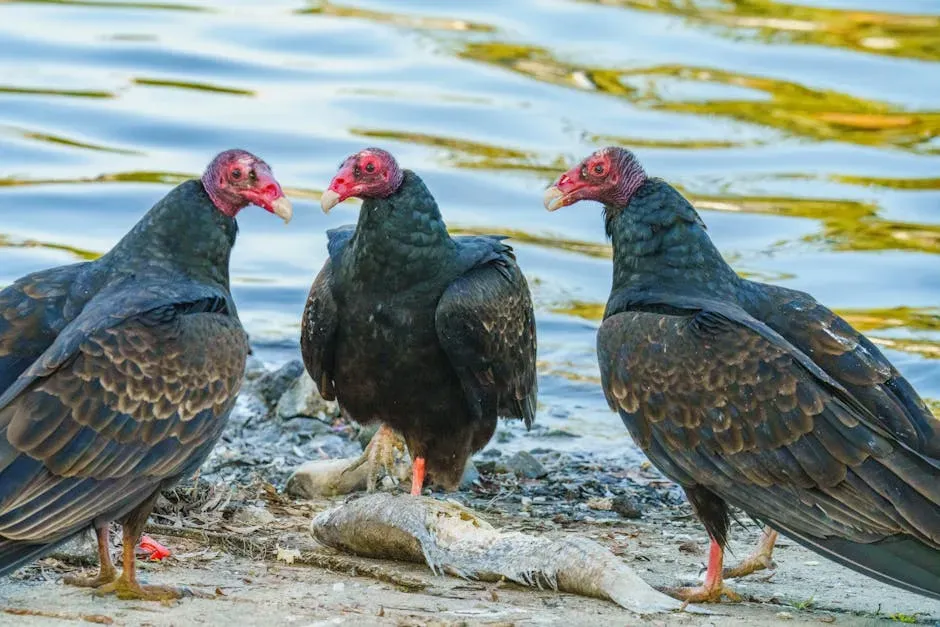
Turkey vultures defecate and urinate on their own feet to cool them down in hot weather. Because the vultures’ digestive juices kill bacteria, pooping on their legs also works as an antiseptic wash after standing on carcasses. This behavior, known as urohidrosis, sounds alarming at first. In practice, it’s a dual-purpose adaptation that handles both temperature regulation and infection control simultaneously.
Their feces do more than cool their bodies, particularly in hot, arid conditions where evaporative cooling is most effective. The acidic digestive juices act as a natural antiseptic and help kill bacteria on their legs and feet. This matters because turkey vultures often walk on decomposing carcasses while scavenging, and the process reduces the risk of infection from harmful microbes. It’s not pretty, but it’s a genuinely sophisticated biological system packed into one very strange behavior.
#5: They Projectile Vomit as a Defense Weapon
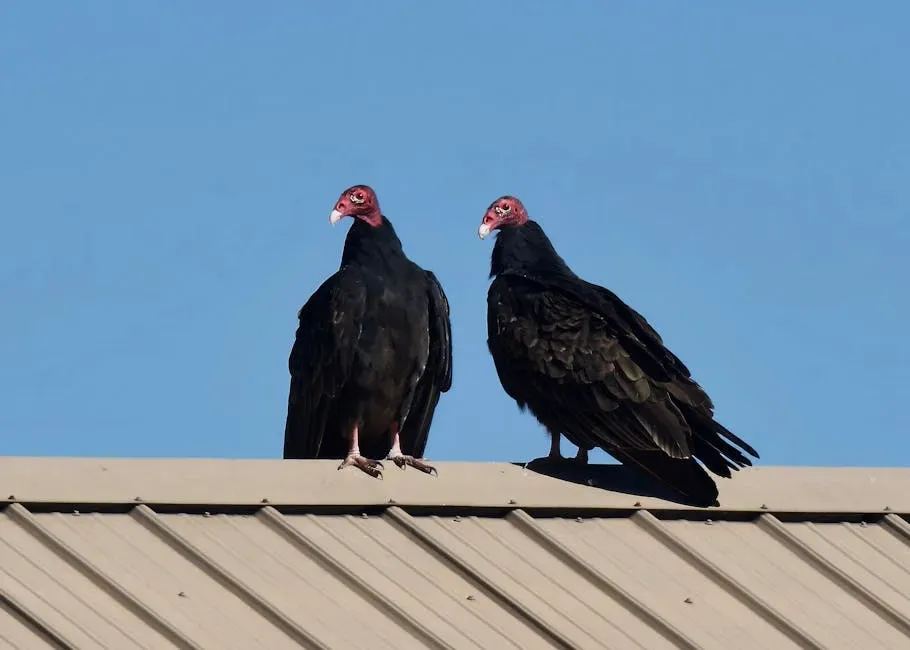
Turkey vultures possess remarkably unusual eating adaptations, including the ability to projectile vomit partially digested carrion up to ten feet as a defense mechanism. When threatened by a predator, a turkey vulture essentially turns its digestive system into a weapon. The combination of stomach contents and highly acidic gastric fluid creates an effective deterrent that very few animals want to push through twice.
Vomiting also enables these birds to quickly lighten their body weight, so they can take flight and escape more easily. The defense serves two practical purposes at once: it repels the threat directly and reduces the bird’s weight fast enough to enable quick takeoff. It’s crude, effective, and almost admirable in its commitment to survival over dignity.
#6: Their Gut Bacteria Could Kill Most Other Animals
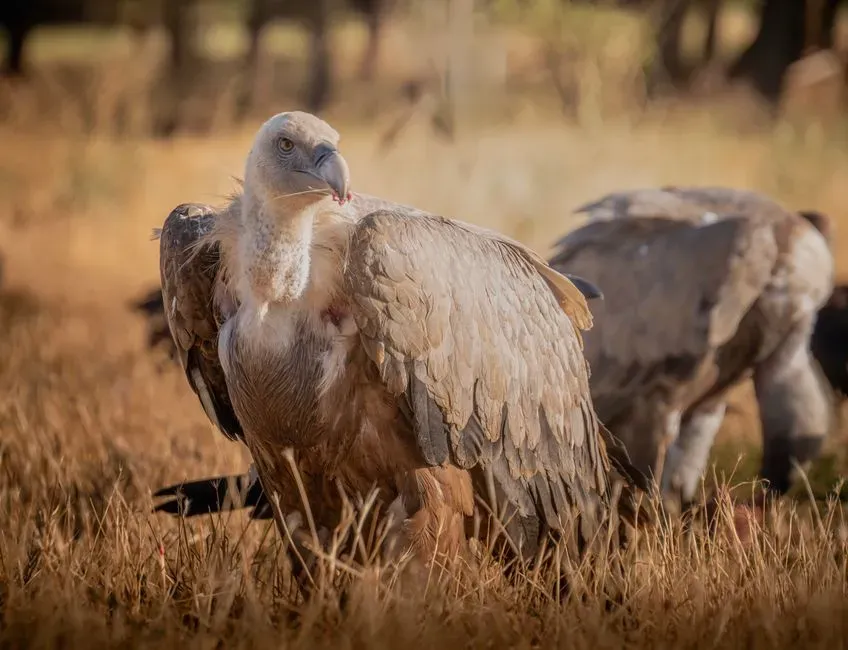
A study of microorganisms living on the skin and in the intestines of North American vultures turned up a remarkable find. The large intestines of these birds are dominated by two groups of flesh-digesting bacteria toxic enough to kill a human and most other birds and animals. The discovery suggests that millions of years of eating decaying, contaminated flesh have not only given vultures a strong tolerance to bacterial toxins, but that these birds have perhaps harnessed the decaying power of pathogenic bacteria, allowing vultures to absorb more nutrients from the food they eat.
Once the dead flesh is ingested, immensely powerful acids in the vultures’ gut begin digesting the flesh so thoroughly that they even destroy the prey’s DNA. This dynamic digestive system destroys only some toxic microbes but filters out others and concentrates them in the intestines. Vultures not only tolerate this deadly bacterial brew but appear to put it to work, extracting nutrients from food. In other words, they use bacteria from the food they eat to help them digest the food they eat. That’s a level of biological efficiency that is genuinely hard to overstate.
#7: They Soar for Hours Without Flapping Their Wings
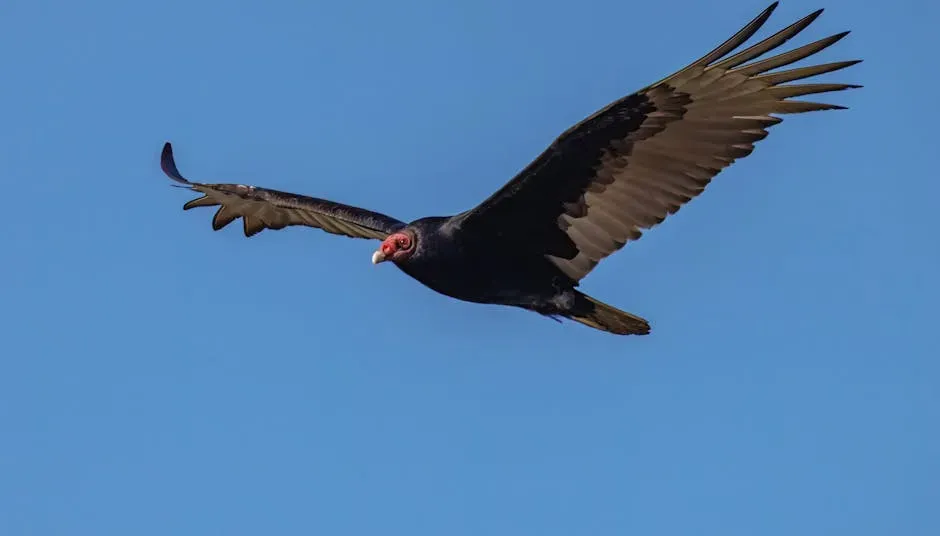
While soaring, the turkey vulture holds its wings in a shallow V-shape and often tips from side to side, frequently causing the gray flight feathers to appear silvery as they catch the light. The flight of the turkey vulture is an example of static soaring flight, in which it flaps its wings very infrequently, and takes advantage of rising thermals to stay soaring. From the ground, they appear almost effortless. That appearance is largely accurate.
Soaring vultures use only slightly more energy than they do when standing on the ground doing nothing. Their flapping, when it occurs, appears laborious and is usually used when taking off or landing. Turkey vultures usually don’t begin flying until a few hours after sunrise, after the air has been warmed by the sun. They gain altitude on pockets of rising warm air, called thermals, by circling frequently until they reach the top of the thermal. Their daily schedule is quite literally built around the physics of warm air.
#8: They Spread Their Wings to Regulate Body Temperature
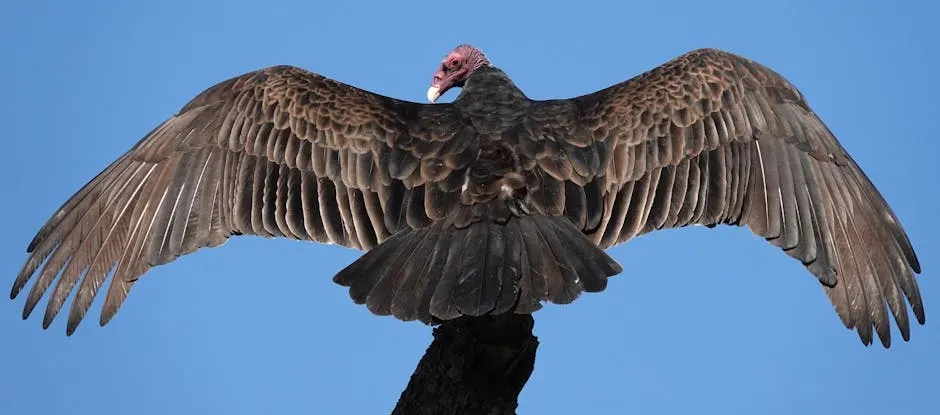
Turkey vultures are quite a sight to behold when a flock all have their wings outstretched to their impressive length. This behavior is known as sunning. Turkey vultures stand in a spread-wing stance to absorb the sun’s radiation. Many birds are known to sun, each with a different purpose, such as drying wet feathers or forcing the removal of parasites. Turkey vultures’ main reason for sunning is to raise their body temperature so they can have enough energy to go about their daily activities.
Turkey vultures are one of few birds that intentionally put themselves into a daily hypothermic state each night, lowering their body temperature a few degrees. This has been thought to conserve energy since there is not a constant source of food available. The morning wing-spreading ritual is essentially the bird rebooting its internal thermostat before heading out to work. It’s one of the stranger daily routines in the avian world.
#9: Their Scientific Name Literally Means “Purifier of the Air”
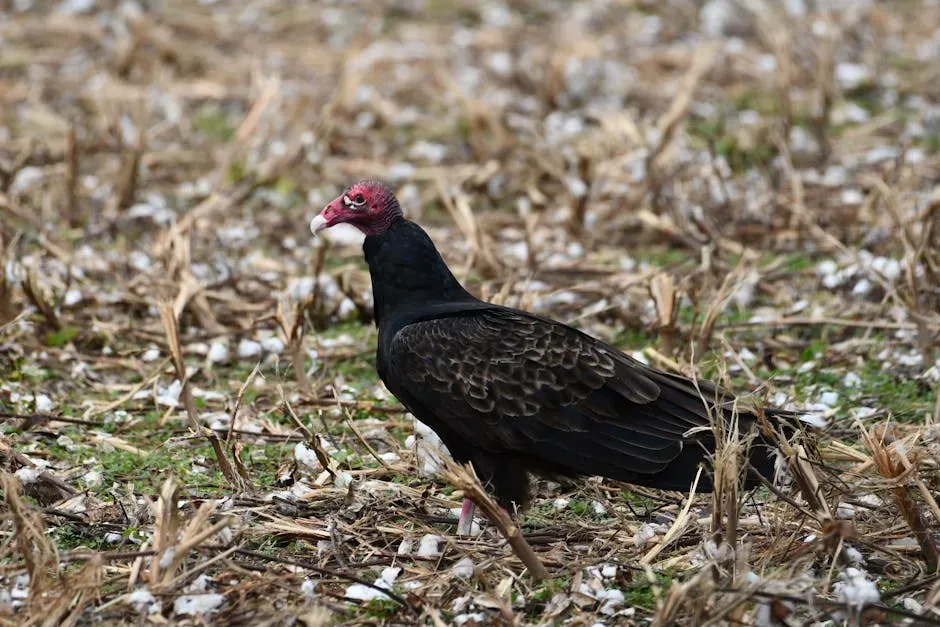
In the turkey vulture’s scientific name, Cathartes means purifier, and aura means air or the breeze. That naming choice tells you something about how naturalists have long understood this bird’s ecological function, even when public perception was far less charitable. The name is accurate in a very literal sense: these birds remove biological hazards from the environment before those hazards can travel through air, water, or soil.
The natural function of turkey vultures not only prevents disease spread that can occur through the decomposition of carcasses, but they also reduce greenhouse gas emissions when compared to replacing their ecosystem services with trucks transporting carcasses to processing facilities. The purifier label, it turns out, applies to more than just biological pathogens. There’s a real carbon argument for protecting this species, and it’s one that often gets overlooked entirely in conservation discussions.
#10: They Are Protected by Federal Law and Their Populations Are Growing
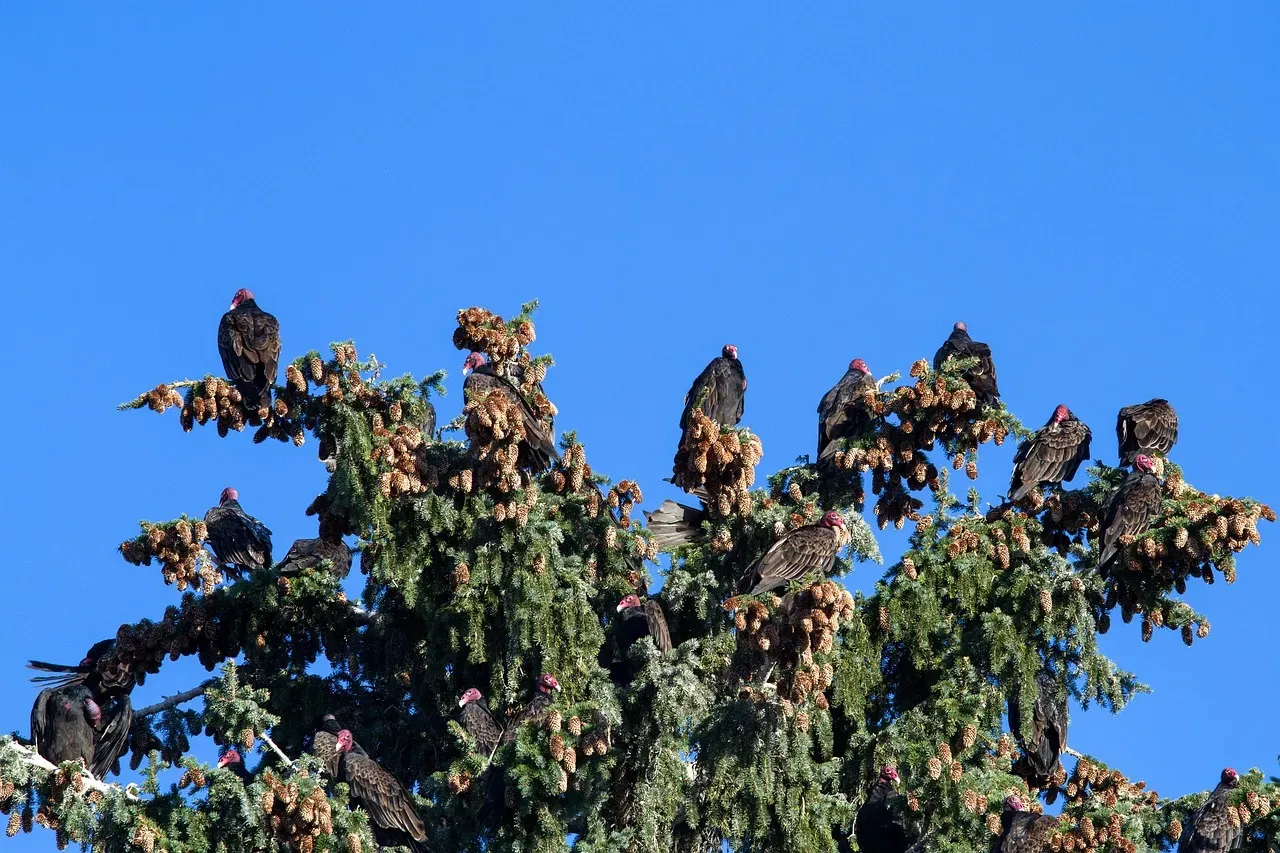
The turkey vulture has very few natural predators, and due to its value as an environmentally beneficial species, it receives special legal protections under the U.S. Migratory Bird Treaty Act of 1918. It is illegal to take, kill, or possess turkey vultures, with violations punishable by fines of up to fifteen thousand dollars and imprisonment of up to six months. The protections were hard won. For a long stretch of American history, these birds were actively persecuted based on the mistaken belief that they spread disease rather than preventing it.
The protection of the 1918 Migratory Bird Treaty Act was the first step, ending most of the trapping, shooting, and poisoning that had been occurring based on unfounded beliefs that turkey vultures preyed on newborn or weak livestock and spread disease. While this continued into the mid-1900s in Texas, where ranchers killed more than a hundred thousand turkey vultures in the early to mid-1900s, the population rebounded elsewhere between 1920 and 1940. Today, thanks to the modern interstate highway system, they have moved north, following the trail of roadkill carcasses all the way up to southern Canada, and have become honorary road crews, reducing the amount of carrion that needs to be removed.
The Unlikely Custodians of a Healthy World
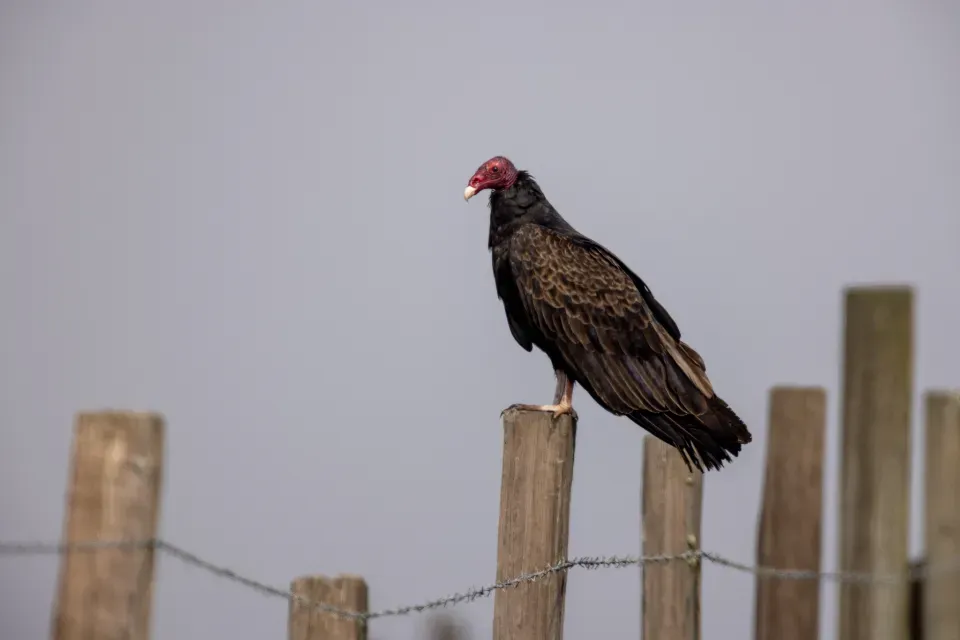
Turkey vultures occupy a role that almost no other animal is equipped to fill. They operate at the intersection of death and life, consuming what most creatures cannot touch, neutralizing what would otherwise spread harm across entire ecosystems, and doing it all with a quiet, unhurried efficiency that no human system has ever managed to replicate at scale.
The reputation problem is real, but it’s built almost entirely on misunderstanding. Their bald, red heads and preference for roadkill may look menacing, but these very traits make turkey vultures essential members of nature’s cleanup crew: removing carcasses, reducing disease risk, and recycling nutrients. The next time you spot one tilting and rocking on a thermal overhead, the word that fits best isn’t ominous. It’s indispensable.

- Why Veterinarians Say If Your Cat Sleeps With Their Back to You, It's the Highest Form of Trust in Feline Behavior - July 20, 2026
- The Zodiac Signs That Owls Avoid Completely (And What Folklore Says It Means About Your Energy) - July 20, 2026
- You Won’t Believe What These 5 Animals Eat for Dinner - July 20, 2026