
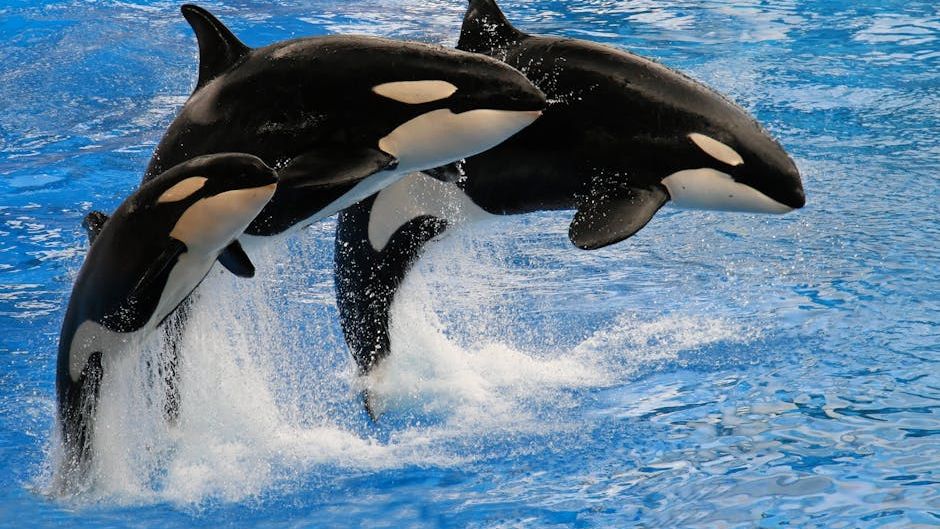
There is no creature in the ocean quite like the orca. Black and white, impossibly fast, and eerily intelligent, it moves through the water with a calm self-assurance that only comes from being at the absolute top of the food chain. No natural predator. No competition. Just open ocean, tight-knit family, and an almost unsettling level of strategic awareness.
What makes orcas so captivating isn’t just their size or their speed. It’s the creeping realization, the more you learn about them, that they operate with a sophistication that challenges our assumptions about animal intelligence. Here are ten facts that might change the way you see the ocean’s most dominant predator.
#1: They Are Not Actually Whales
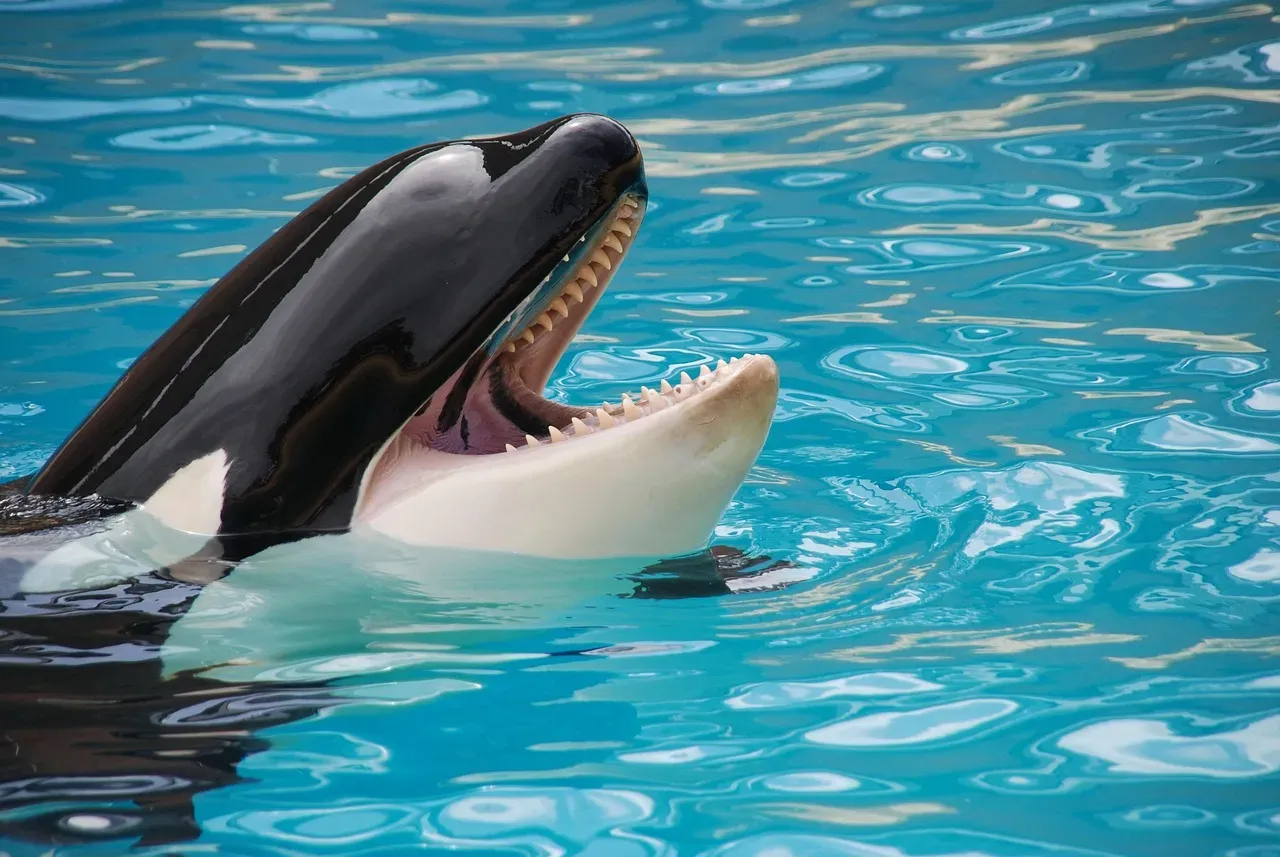
Despite carrying the name “killer whale” in popular culture, orcas are not whales at all. Despite their common name, killer whales are not true whales. Orcas are the largest members of the oceanic dolphin family, Delphinidae, and this classification reflects their closer genetic and behavioral links to dolphins rather than whales. It’s one of the great misnomers in marine biology, still confusing schoolchildren and adults alike.
The killer whale is the ocean’s top predator and the largest member of the Delphinidae family. Members of this family include all dolphin species, as well as other larger species such as long-finned pilot whales and short-finned pilot whales. The name “killer whale” itself likely originates from 18th-century sailors who observed orcas hunting large baleen whales and called them “whale killers,” a phrase that eventually reversed over time.
#2: They Are Found in Every Ocean on Earth
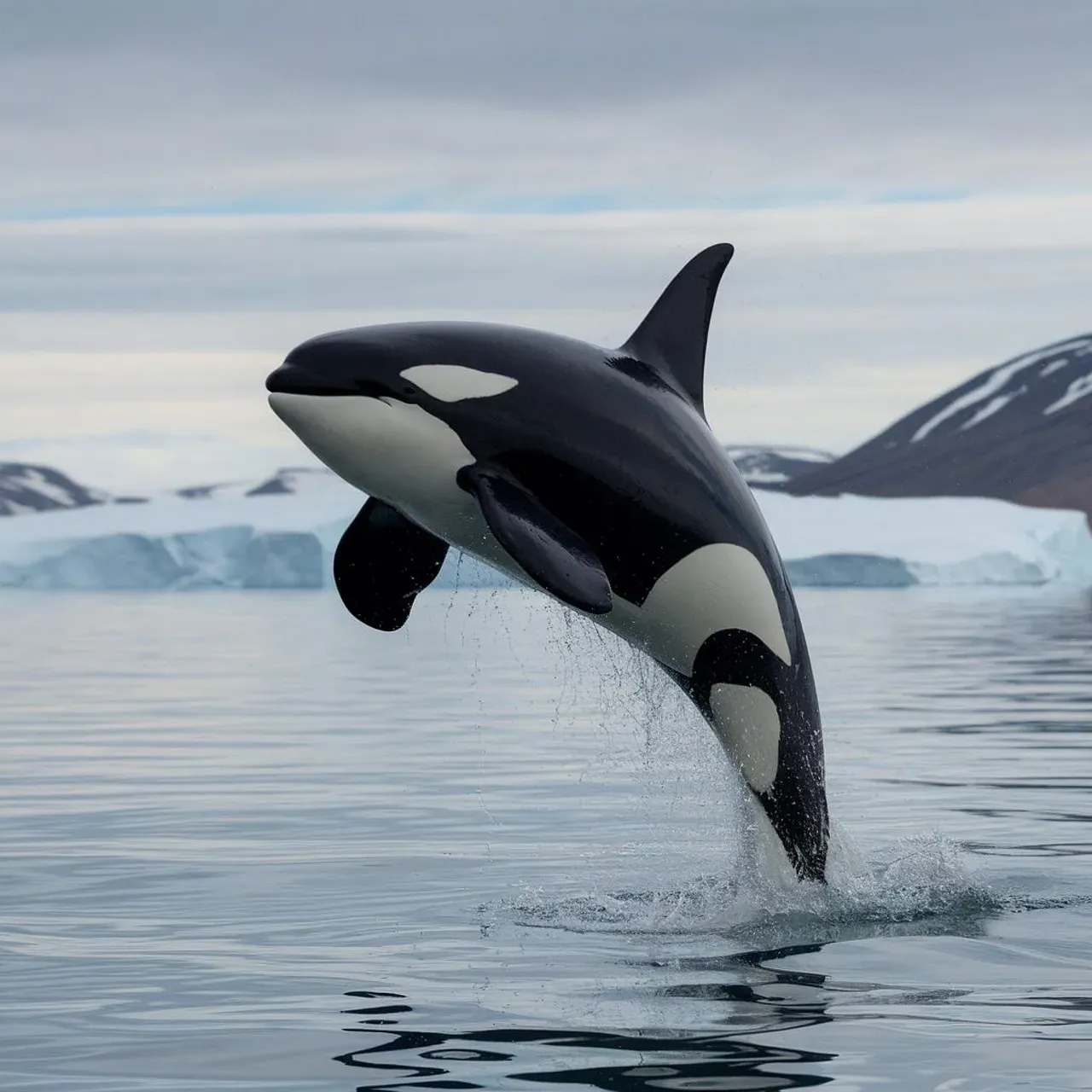
Orcas are one of the most widespread marine mammals, found in every ocean, from the freezing Arctic and Antarctic regions to temperate and even tropical waters. This vast range highlights their remarkable adaptability to different habitats, including open seas, coastal areas, and semi-enclosed seas. Few animals on the planet can make that claim.
Killer whales are found in all oceans. While they are most abundant in colder waters like Antarctica, the north Atlantic, and the north Pacific, they are also found in tropical and subtropical waters. A cosmopolitan species, it inhabits a wide range of marine environments, from Arctic to Antarctic regions to tropical seas, but is more commonly documented in temperate or cooler coastal waters. Their global presence is a testament to just how well-adapted they truly are.
#3: They Hunt Over 140 Different Species
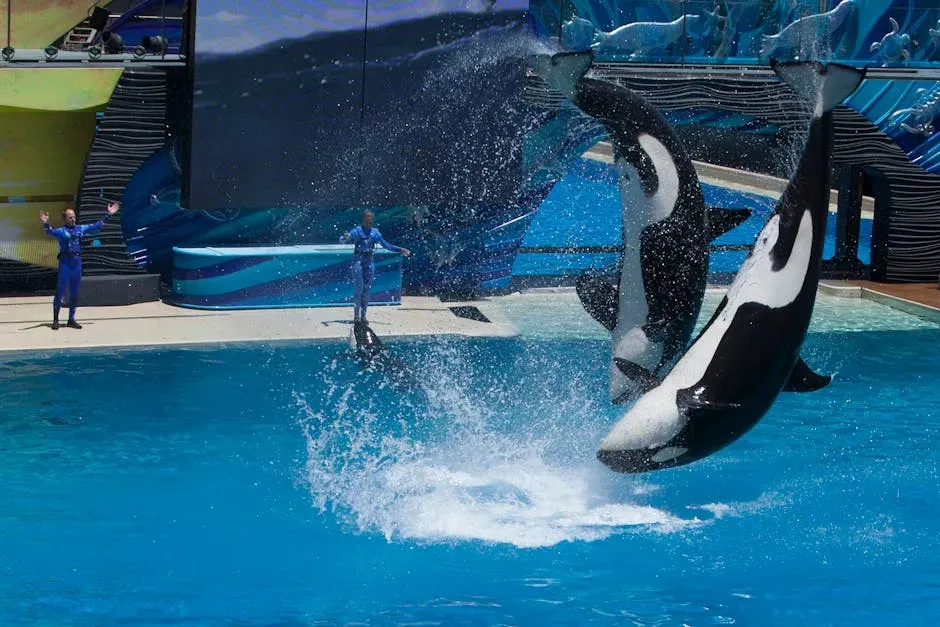
The orca’s diet is extensive globally, encompassing a vast array of marine life from the smallest schooling fish to the largest baleen whales. Studies have documented that orcas prey on over 140 animal species worldwide, showcasing their opportunistic yet specialized nature. That breadth of prey is nearly unmatched in the animal kingdom.
Orcas are apex predators with a diverse diet, and individual populations often specialize in particular types of prey, including bony fish, sharks, rays, and marine mammals such as seals, dolphins, and whales. The diet also includes cephalopods such as squid and octopus, and unusual prey items like seabirds and leatherback sea turtles, which are generally taken opportunistically. The sheer range is staggering. From penguins to blue whales, they eat almost anything that moves in the ocean.
#4: They Are the Only Known Predator of Great White Sharks
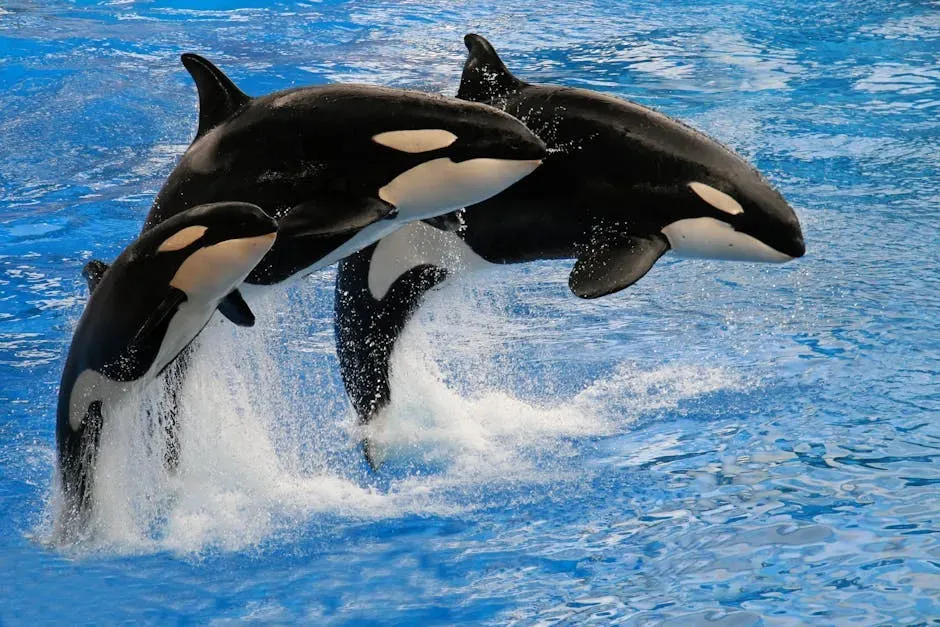
Orcas feed on fish and squid like other toothed whales, but will also target seals, sea birds, and even whale species far bigger than themselves. Killer whales are also the only known predators of great white sharks. That single fact tends to stop people in their tracks.
An orca has been observed, for the first-ever time, individually consuming a great white shark within just two minutes. In other parts of the world, orcas have preyed on broadnose sevengill sharks, whale sharks, and even great white sharks, whose livers orcas have been observed to target by flipping the sharks onto their backs, inducing a paralysis called tonic immobility. The arrival of orcas in an area can cause white sharks to flee and forage elsewhere. In terms of raw oceanic dominance, nothing else comes close.
#5: They Killed a Blue Whale – The Largest Animal on Earth
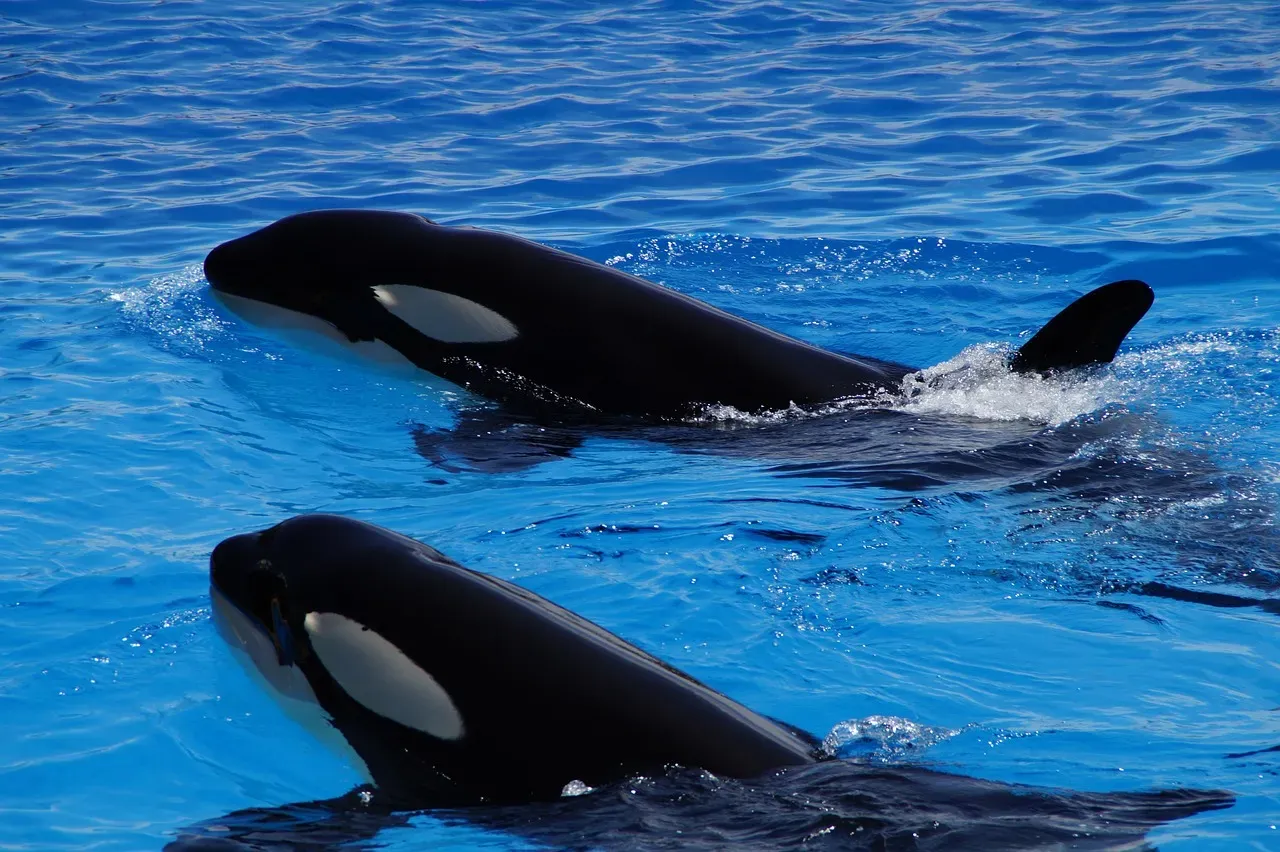
In March 2019, researchers off the coast of southwestern Australia witnessed a gruesome scene: a dozen orcas ganging up on one of the biggest creatures on Earth to kill it. The orcas devoured huge chunks of flesh from the flanks of an adult blue whale, which died an hour later. This was the first-ever documented case of orca-on-blue-whale predation, but it wouldn’t be the last.
In the months and years that followed the first attack in March 2019, orcas preyed on a blue whale calf and juvenile in two additional incidents, pushing the young blue whales below the surface to suffocate them. Large whales require much effort and coordination to kill, and orcas often target calves. A hunt begins with a chase followed by a violent attack on the exhausted prey. Nothing in the sea is too big for a determined pod of orcas.
#6: Their Hunting Techniques Are Learned Culture, Not Instinct
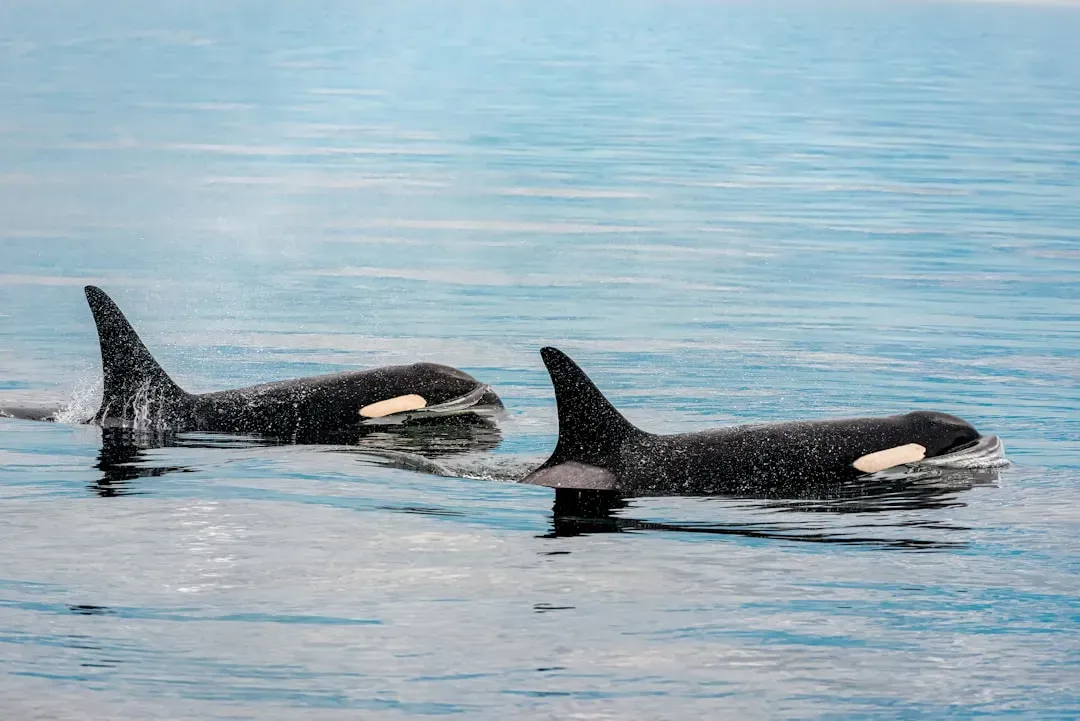
Their sophisticated hunting techniques and vocal behaviors, often unique to specific groups and passed down from generation to generation, are considered to be manifestations of animal culture. This is a remarkable distinction. We tend to think of culture as a human trait, but orcas challenge that assumption in quietly profound ways.
Orcas learn highly specialized hunting strategies and pass that knowledge to their offspring. Some killer whales in Argentina beach themselves to snatch seals on the shore, while in Antarctica, other populations create waves to push seals off floating sea ice. Beaching, usually fatal to cetaceans, is not an instinctive behaviour, and can require years of practice for the young. The fact that a young orca must spend years mastering a deadly technique passed down by its elders says everything about the depth of their social learning.
#7: They Have Their Own Language, Dialects, and Culture
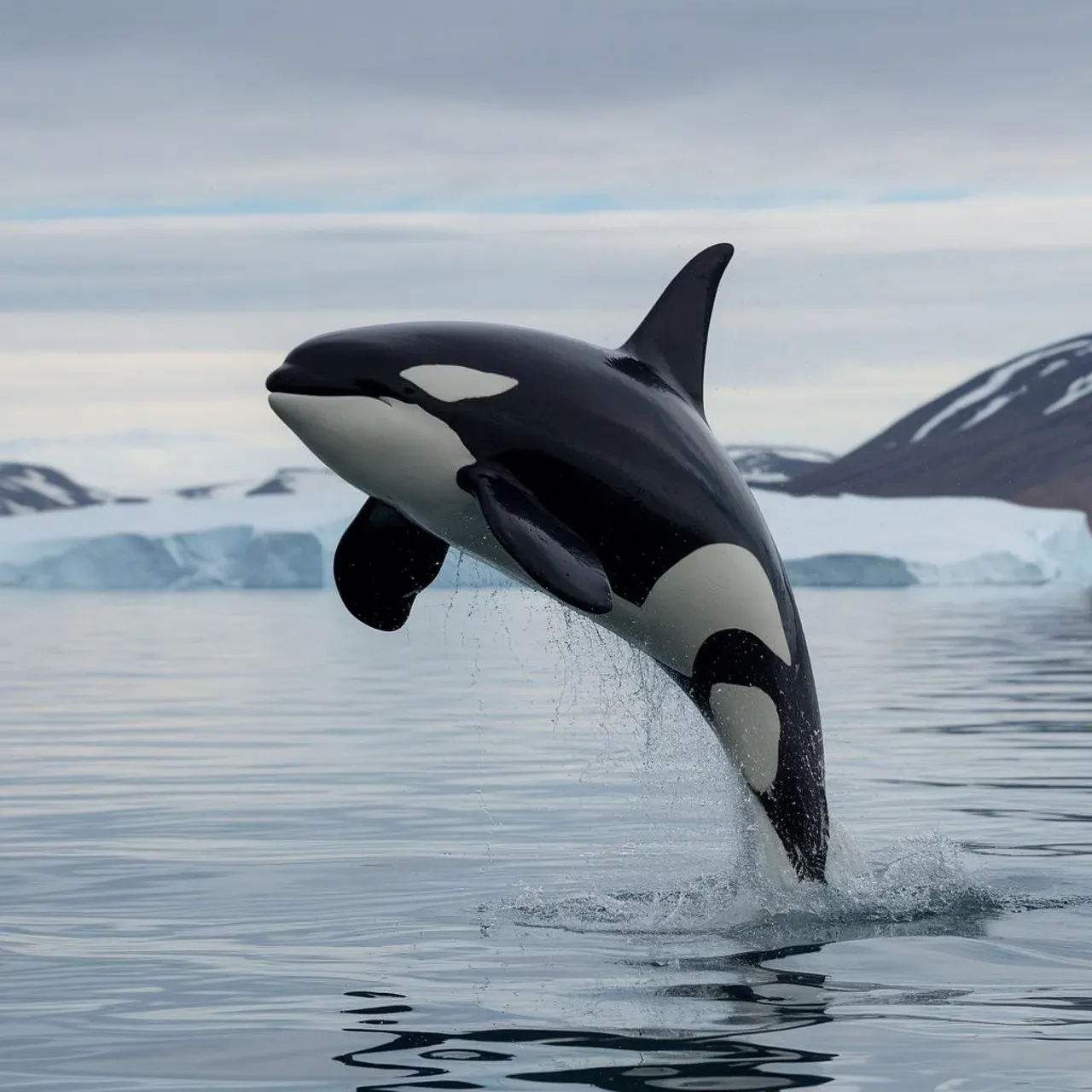
Orcas are acoustic animals, meaning sound helps them perceive their world. They make vocalizations using clicks, whistles, and calls, each of which allows orcas to form a sense of identity, communicate with each other through a distinct dialect, and interact with other pods. Their language is both learned and inherited.
Each pod has its own distinctive calls, like different dialects of the same language. The species can learn to mimic new sounds, which may help them form these dialects. Each pod in the Pacific Northwest possesses a unique set of sounds that are learned and culturally transmitted among individuals. These sounds help keep groups together and serve as family badges. Think of it as an underwater mother tongue, passed from grandmother to grandchild across generations.
#8: Grandmothers Are Essential to Pod Survival
![#8: Grandmothers Are Essential to Pod Survival (NOAA (http://www.afsc.noaa.gov/Quarterly/amj2005/divrptsNMML3.htm]), Public domain)](https://nvmwebsites-budwg5g9avh3epea.z03.azurefd.net/aatg/25cd602fbd0dd266d90544474527d08d.webp)
The orca is one of only a handful of mammals known to go through menopause. The reason has remained murky, but new research suggests why: grandmothers boost the survival of their grandcalves. Scientists who analyzed decades of orca populations in the Pacific Northwest found that young orcas with grandmothers were more likely to stay alive than those without. A calf’s risk of death rose dramatically for two years following the death of its grandmother.
By analyzing the lives of 378 orca grandchildren in two resident groups in the Northeast Pacific, researchers found that calves whose maternal grandmother died within the last two years had a mortality rate roughly four and a half times higher than a calf with a living grandmother. When times get tough and salmon are scarce, the pod will always turn to the oldest female to lead. A long post-reproductive lifespan enables older females to share inherited cultural and ecological knowledge with their pod, such as where and when to find Chinook salmon, in both times of plenty and times of scarcity. The wisdom of age, it turns out, is just as vital under the sea as it is on land.
#9: They Display Grief, Friendship, and Deep Emotional Bonds
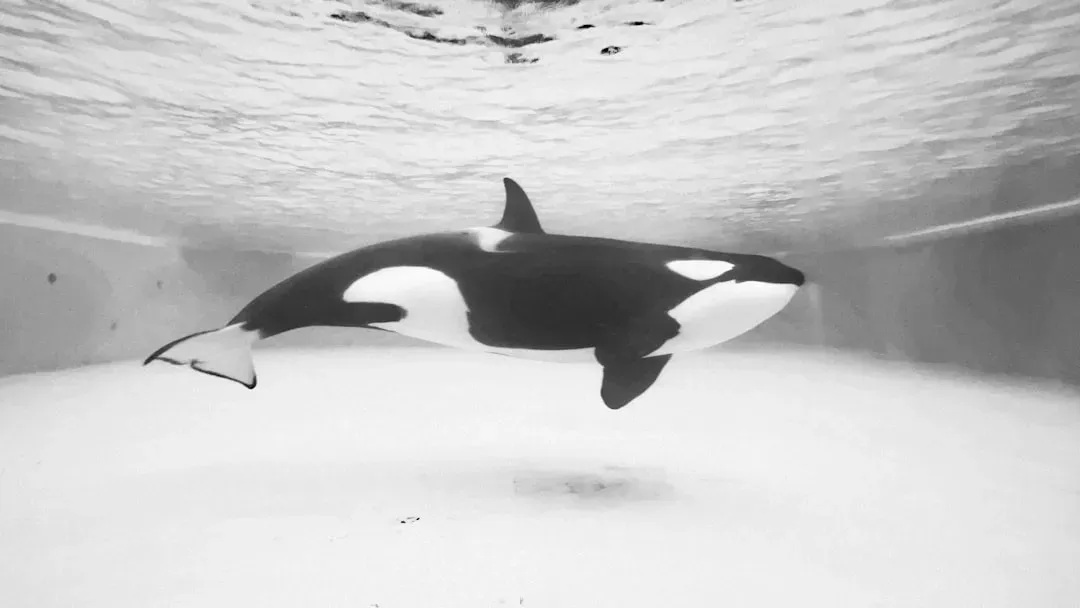
In 2018, researchers spotted a seemingly grief-stricken female orca pushing her dead newborn calf around. The orca, named Tahlequah, pushed her lifeless calf for at least 17 days, covering roughly a thousand miles of ocean before she eventually let go of it. It remains one of the most haunting examples of animal grief ever recorded.
Like humans, orcas have a powerful display of personality, identity, and range of emotion, including playfulness and empathy, due to their highly developed insular cortex. This has allowed orcas to develop unique social behaviors. Research published in Proceedings of the Royal Society B found that orca social bonds are comparable to those seen in primates, including humans. A killer whale interacts more with certain members of its pod, usually those of a similar age and of the same sex. These aren’t just animals sharing a hunting ground. They are individuals maintaining meaningful relationships over decades.
#10: They Have Been Ramming and Sinking Boats Off Europe Since 2020
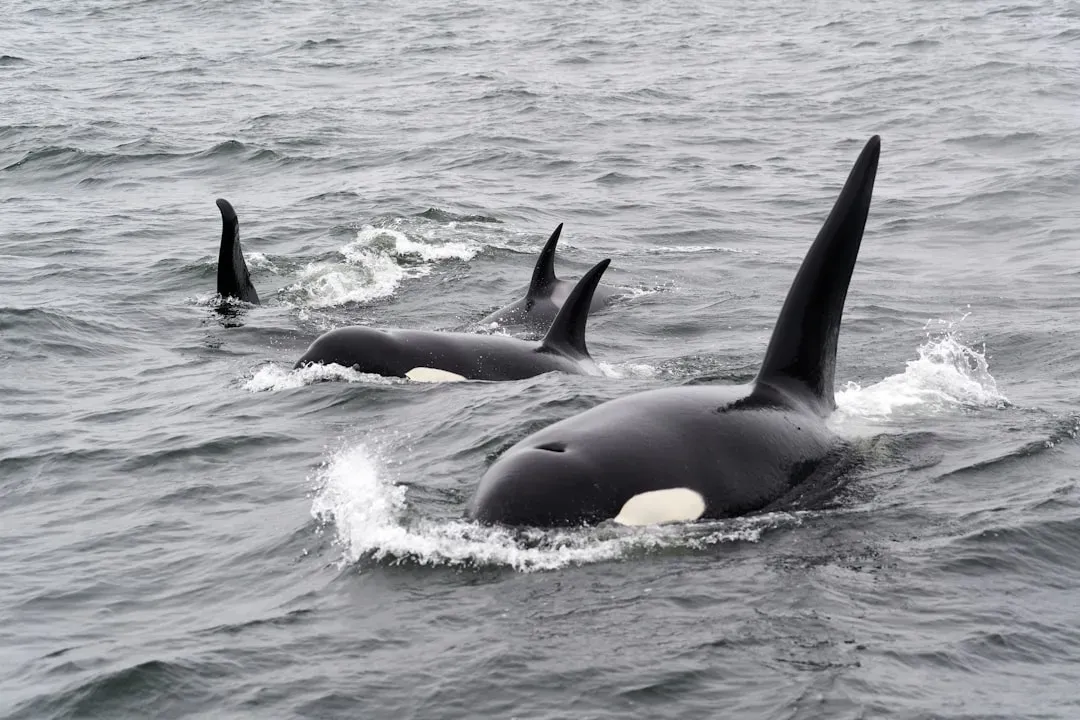
Beginning in 2020, a subpopulation of orcas began ramming boats and attacking their rudders in waters off the Iberian Peninsula. The behavior has generally been directed towards slow-moving, medium-sized sailboats in the Strait of Gibraltar and off the Portuguese, Moroccan, and Galician coasts. The novel behavior is thought to have spread between different pods, with over 500 reported interactions from 2020 to 2026 attributed to fifteen different individual orcas.
In interactions where orcas have come in physical contact with vessels, the pod typically approaches stealthily from the stern. Contact with the vessels includes ramming, nudging, and biting, usually focusing on the rudder. Orcas have been observed using their heads to push the rudder or using their bodies to make lever movements, causing the rotation of the rudder. Scientists were still uncertain why the orcas were interacting with ships in this way, but suspected it may be a form of play. No person has ever been killed by a wild orca. The behavior is alarming on the surface, yet the science points less to aggression and more to a species testing the limits of its own curiosity.
Final Thoughts: Respect, Not Fear
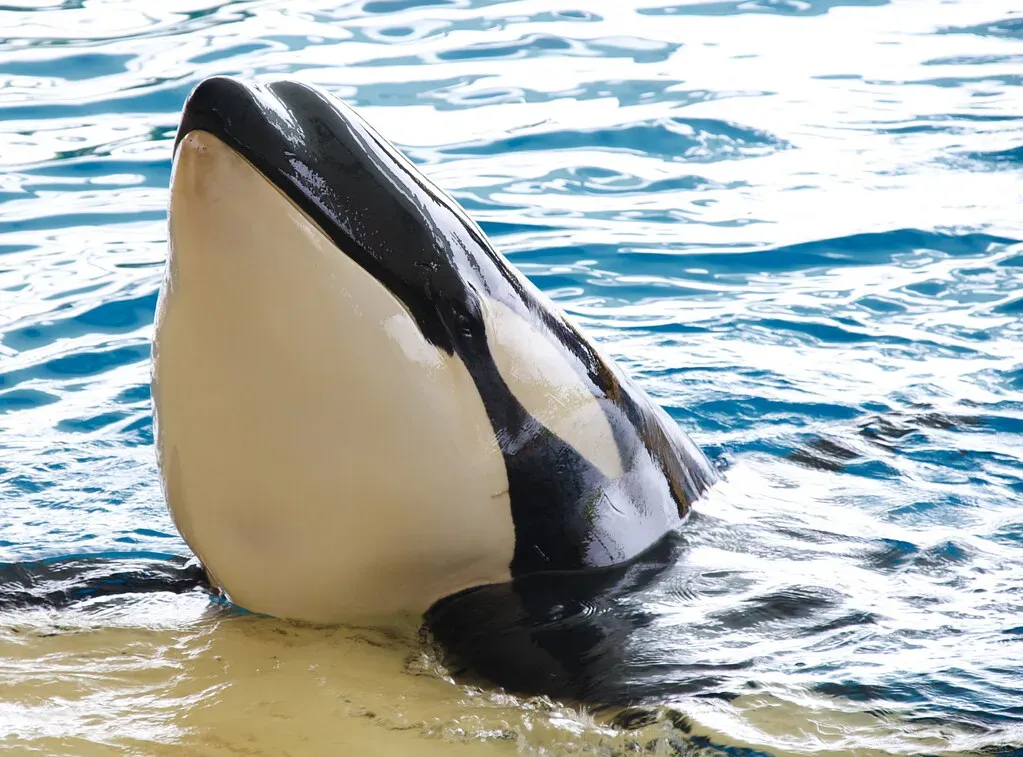
Orcas have earned every bit of their reputation. They are the most dominant predators the ocean has ever produced, operating with a level of intelligence, social depth, and cultural sophistication that few animals on Earth can match. Calling them merely “aggressive” actually undersells them.
What the science keeps revealing is a species far more complex than the label “killer whale” suggests. They grieve. They teach. They remember. They maintain friendships and mourn losses. The grandmother who leads her pod to salmon in lean times is not so different in purpose from the elders we rely on in our own communities.
The real stunner isn’t that orcas are fearsome. It’s that they are so deeply, uncomfortably familiar. That, perhaps more than anything, is what makes them so compelling to study and so important to protect.
