
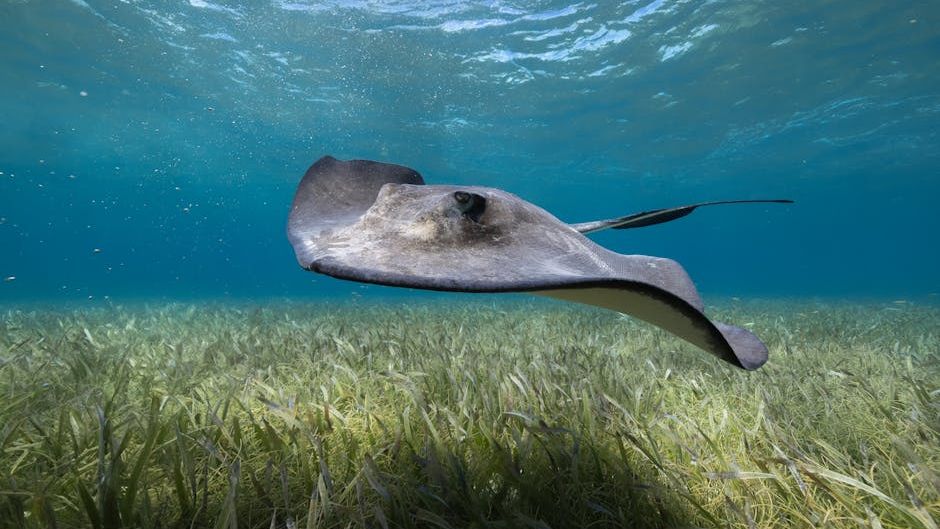
Picture this: a shadowy figure flaps gracefully across the seafloor, blending seamlessly with the sand like a living UFO. Stingrays have captivated ocean lovers for ages with their eerie elegance and hidden superpowers. These flat marvels hide secrets that could rival any sci-fi plot.
From ancient origins to jaw-dropping sizes, prepare to be amazed. Let’s plunge into ten stunning that reveal why stingrays deserve a spot on your must-know list.[1][2]
1. Stingrays Boast Cartilage Skeletons Like Sharks
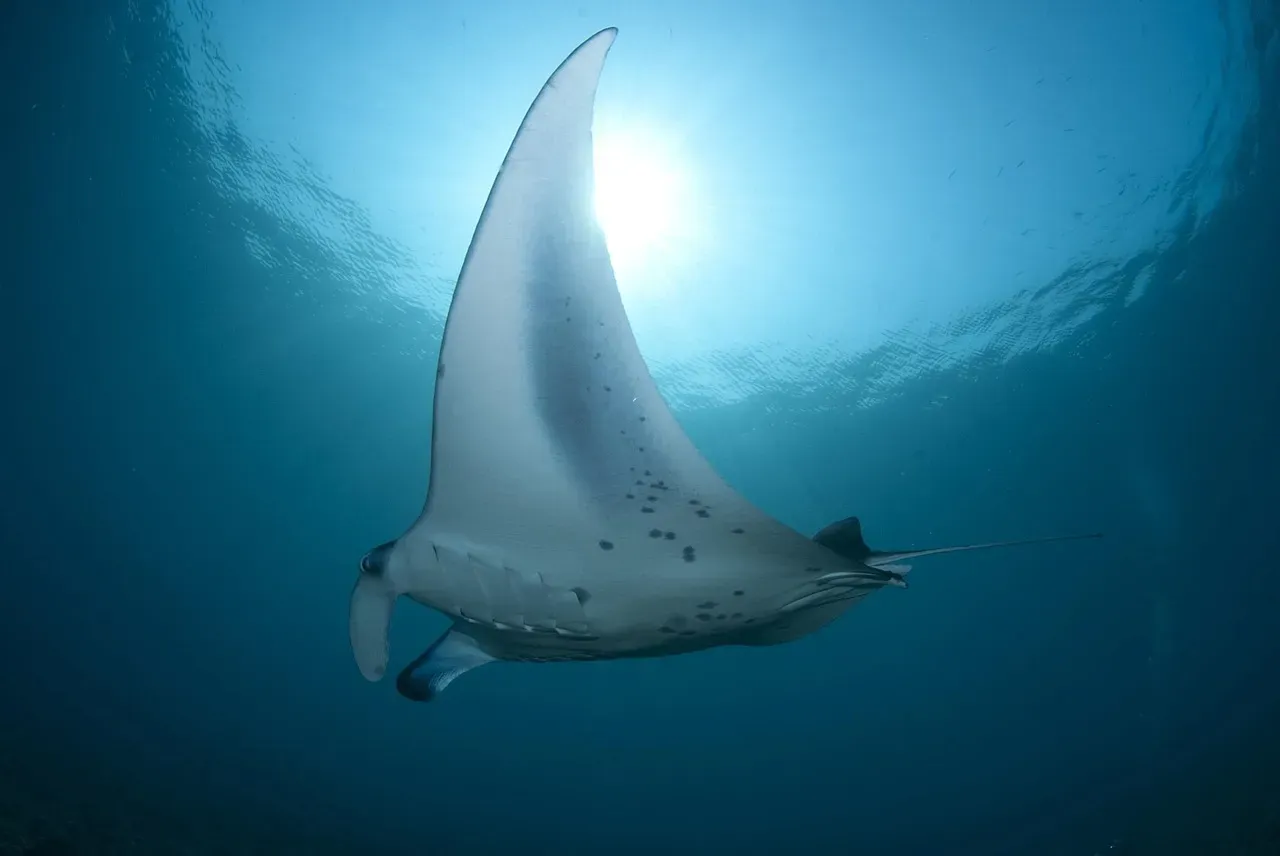
Stingrays share a family tree with sharks. Both belong to elasmobranchs, fish with skeletons made entirely of cartilage instead of bone. Think of it like the flexible stuff in your nose or ears, keeping them lightweight yet tough.[1]
This setup lets them glide effortlessly. No rigid bones means smoother twists and turns through water. Honestly, it’s a clever evolutionary hack for bottom-dwellers.[2]
Sharks and rays parted ways millions of years ago but kept this trait. It helps them squeeze into tight spots on the ocean floor. Pretty ingenious, right?
2. They Hunt with a Built-In Sixth Sense
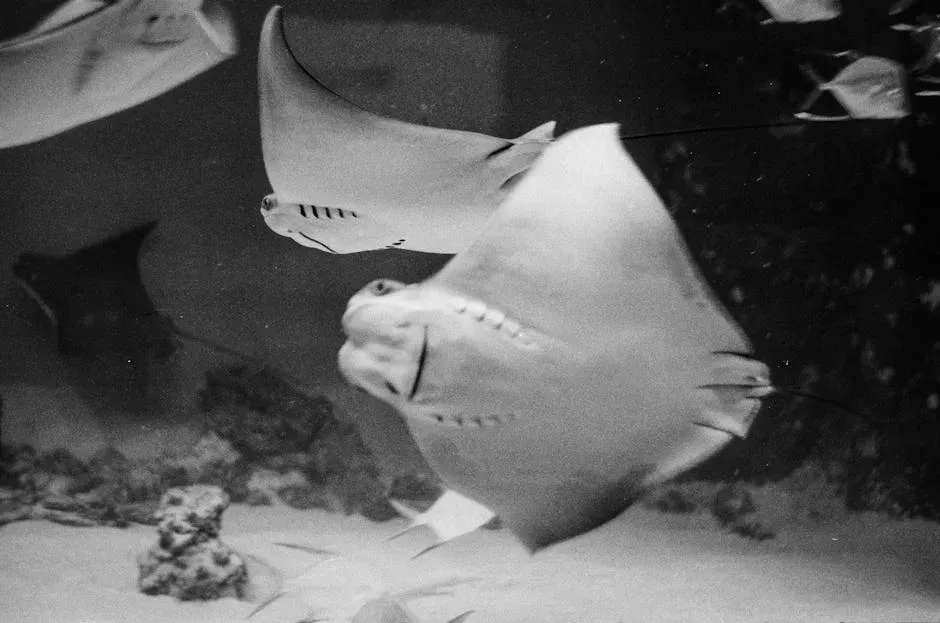
Ampullae of Lorenzini sound fancy, but they’re stingray super-sensors. These gel-filled pits detect tiny electrical pulses from hidden prey. Even buried clams give off signals they can’t escape.[1]
Eyes sit atop their bodies, useless in murky depths. Mouth and gills lurk underneath. So they rely on this electric radar, spooky and effective.
Imagine feeling a heartbeat through sand. That’s their daily hunt. No wonder they rarely miss dinner.[3]
3. Mothers Give Birth to Ready-to-Swim Pups
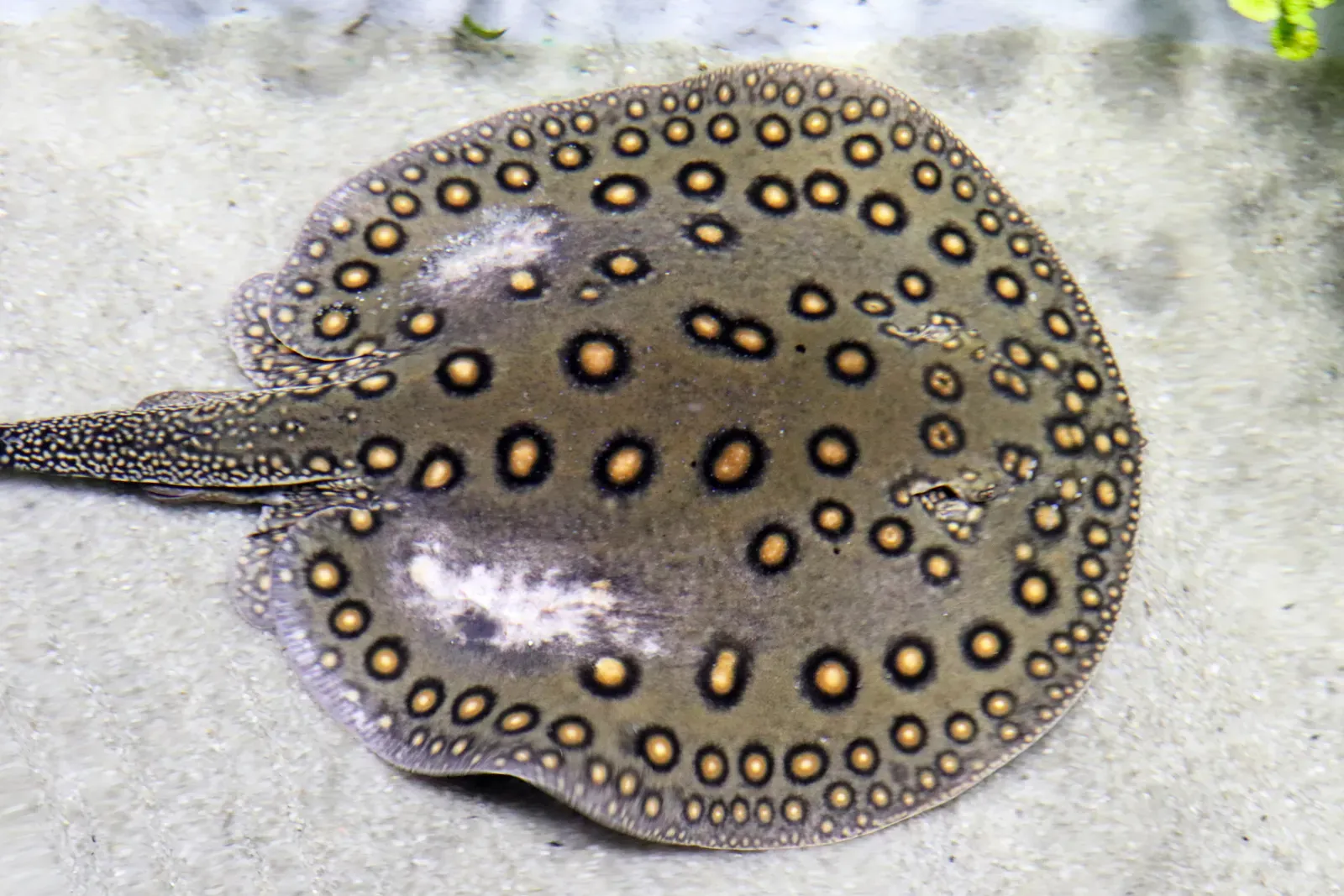
No eggs for most stingrays. They’re ovoviviparous, hatching young inside the mom before live birth. Pups emerge mini-adults, fully formed and fierce swimmers.[1]
Females birth two to six at a time, once a year. Babies hunt solo right away. Protection lasts till about age three, a solid start in tough seas.
It’s nature’s crash course in survival. These little ones dodge predators from day one. Impressive family planning.[2]
4. Eyes Up Top, Mouth Down Below
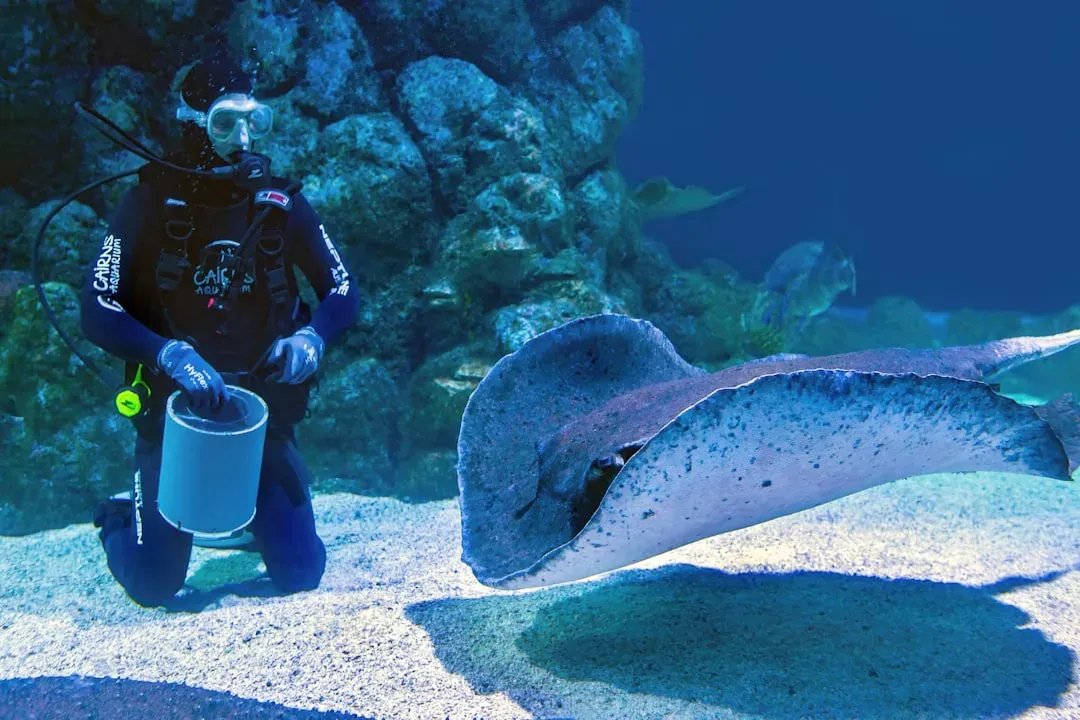
Stingray design flips the script. Eyes peer skyward while mouth and nostrils hug the underside. Perfect for scanning threats above and slurping food below.
They vacuum prey with a quick jaw snap. Fins help pin it down. This setup thrives in shallow, sandy haunts.[4]
Let’s be real, it looks odd. Yet it works like a charm for seafloor feasts. Evolution nailed the layout.
5. Masters of Disguise on the Seafloor
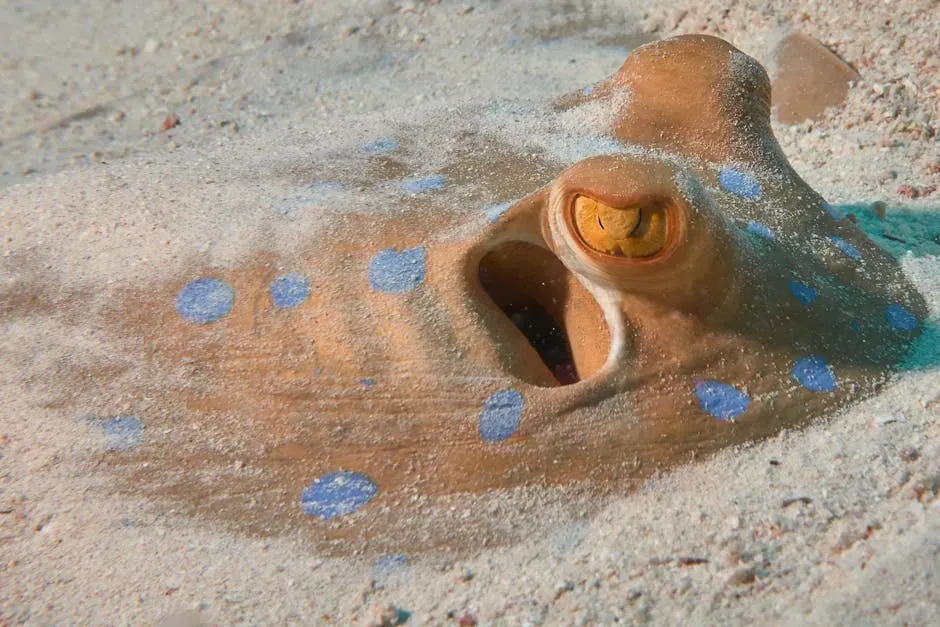
Stingrays bury themselves in sand for stealth. Mottled skin matches the bottom perfectly, from beige to dark brown. Predators swim right over without a clue.[5]
They flap wings to stir cover, vanishing head-first. Hammerheads and seals hunt them hard, but camouflage buys time. A simple trick, deadly effective.
Countershading adds flair, dark tops and pale bellies. Light from above blends them in. Hiding pros, no doubt.[4]
6. Venomous Tails Pack a Punch
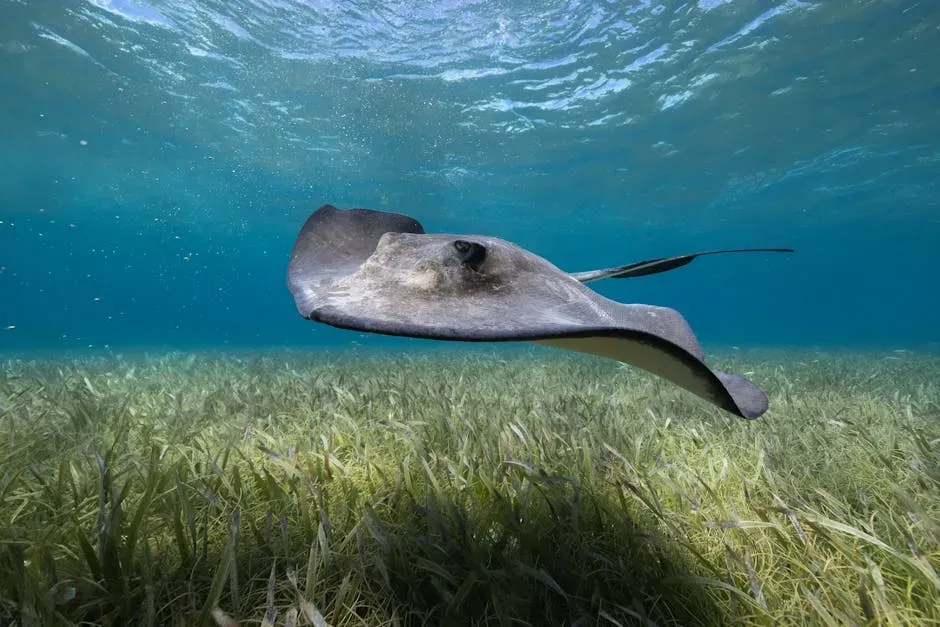
That signature barb? Serrated and venom-coated for defense. One flick delivers pain, swelling, even tissue damage. Rarely fatal to humans, but ouch anyway.[4]
Spines regrow if lost. Adults pack stronger venom. They aim for legs or feet when stepped on.
Not hunters’ tools, purely shields. Ancient Greeks even used it as anesthetic. Wild history there.[5]
7. Jaws Crush Shells Like Nuts
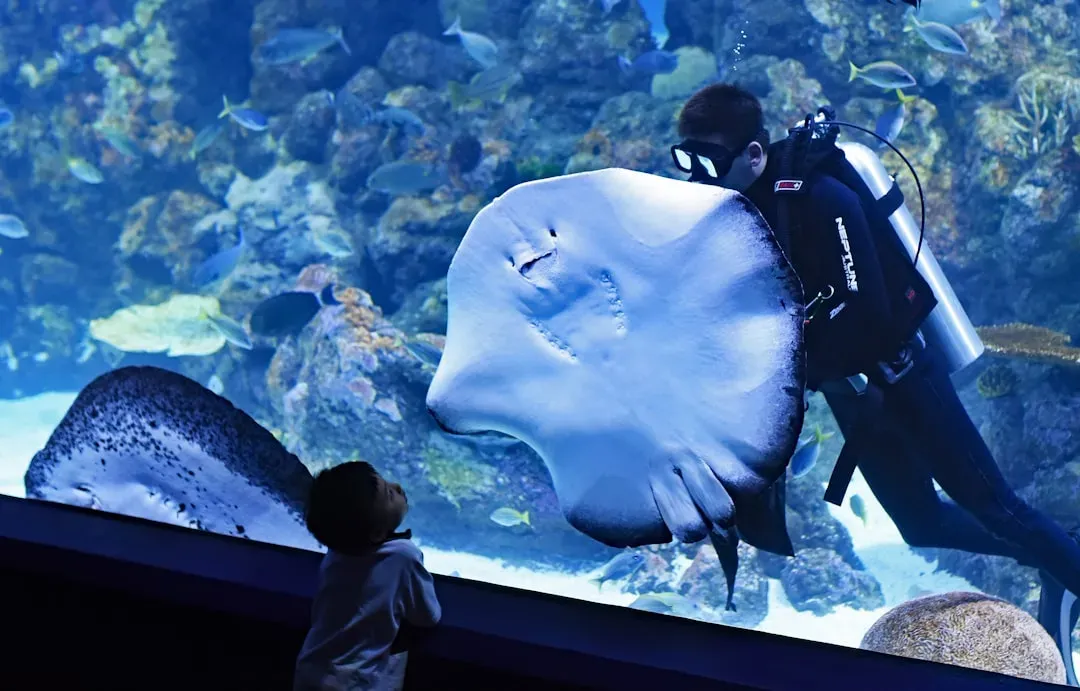
Cartilage jaws seem soft, yet they pulverize clams. Layered, calcified plates grind like pestles. Hollow struts keep weight low, power high.[5]
Teeth shed and regrow constantly. Males sharpen up for mating grips. Versatile biters all around.
They ruffle sand, expose prey, then chomp. Crabs, shrimp, mussels fall fast. Bottom-feeders’ dream setup.[4]
8. Ancient Survivors from the Jurassic
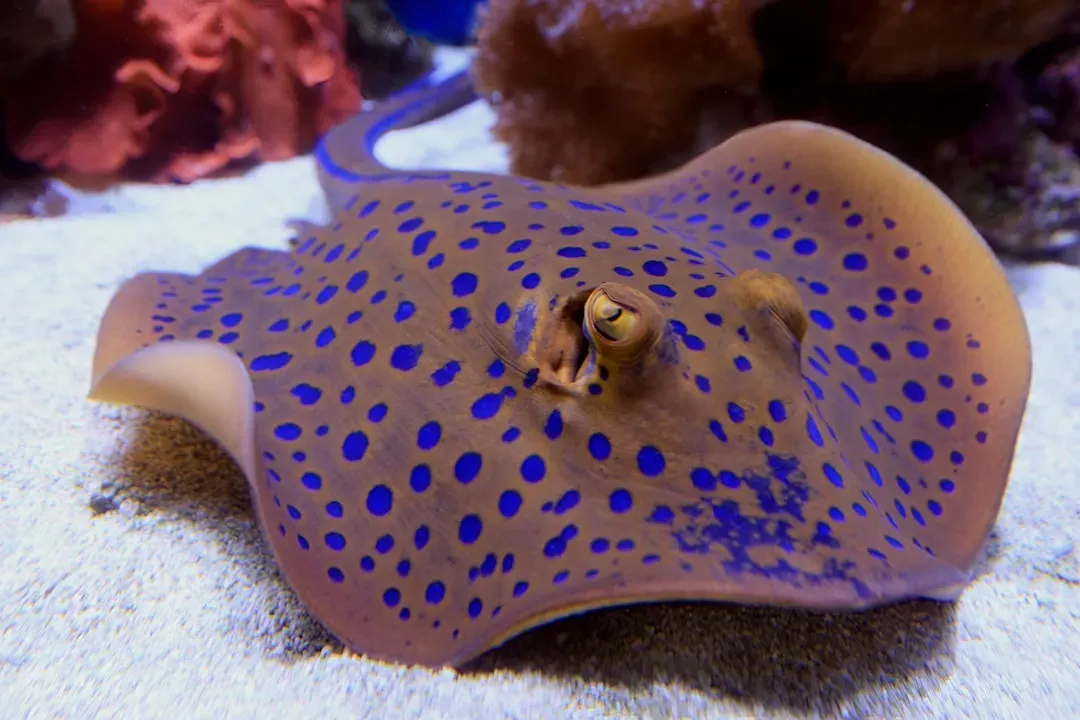
Fossils trace stingrays to 150 million years ago. Jurassic seas birthed their kind. Scales and teeth tell the tale, bones absent as always.[1]
They’ve outlasted dinosaurs. Paleocene saw modern groups emerge. Tough cookies through eons.
Today’s threats loom larger than asteroids. Still, resilience shines. Survivors par excellence.[5]
9. Size Ranges from Pocket to Monster
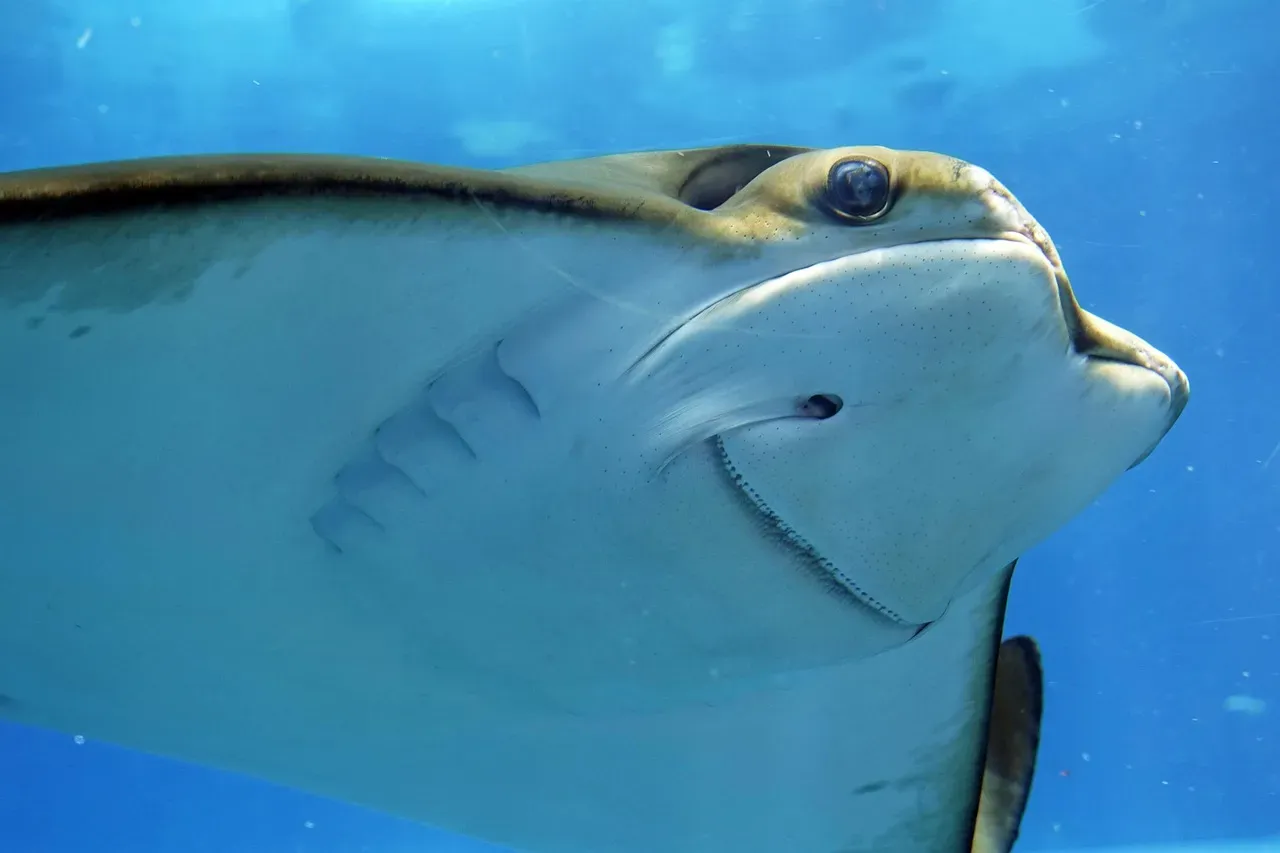
Tiny short-nose electric rays hit 10cm. Giants stretch way bigger. Oceanic mantas span 7m, but true stingrays impress too.[1]
Giant freshwater stingray smashed records at 661 pounds. Mekong River beast, 13 feet long. Largest freshwater fish ever tagged.[6]
Short-tails near 800 pounds in salt. Variety rules their world. From mini to mega.
10. Gentle Giants Shun Aggression
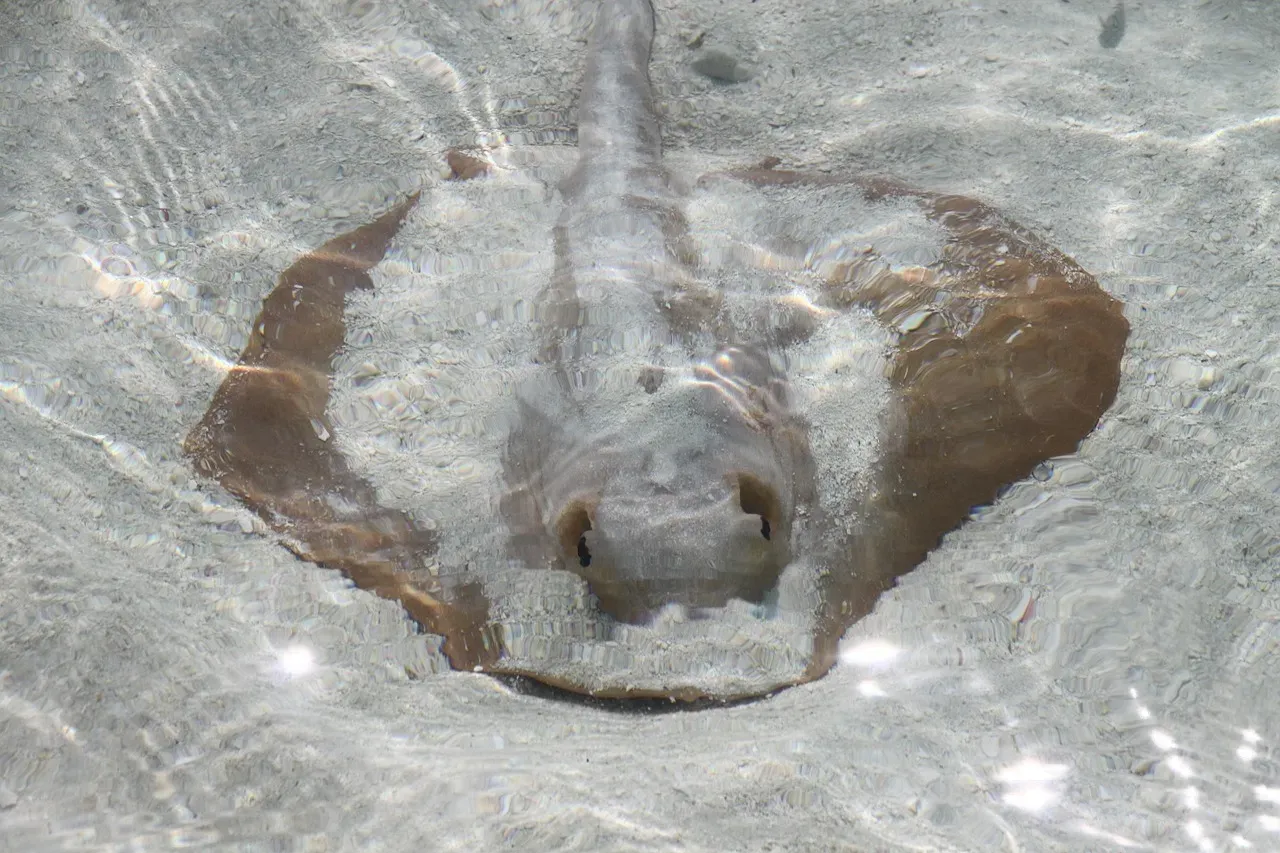
Stingrays play nice with humans usually. Stings happen from surprise steps or blocked paths. Shuffle feet to avoid drama.[5]
Solitary mostly, group for feeds or breeds. Cow-nose rays form massive fevers of thousands. Social when it suits.
They’re chill bottom-dwellers. Respect their space, earn peaceful encounters. Beauty in their calm.[3]
Stingrays remind us oceans hold endless wonders. These flattened flyers challenge what we think we know about fish. Which fact blew your mind most? Dive deeper next time you’re by the sea.
