

Most people walk into a rescue shelter and read a dog the same way they’d read a stranger at a party – a wagging tail means happy, a growl means danger, a tucked chin means shy. Rescue workers see something completely different. In the first sixty seconds of intake, a trained eye collects a picture that can take a new owner months to piece together – if they ever do at all.
What makes this fascinating, and sometimes heartbreaking, is how often the signals are the exact opposite of what people expect. The dog sitting calmly in the corner might be the one in the most crisis. The one growling softly might be the one closest to trust. The fourteen behaviors below are what rescue workers quietly clock the moment a dog walks through the door – and every single one tells a story the dog has no other way to tell.
#1 – One-Sided Ear Flick Combined With a Still Body

Out of everything rescue workers watch for at intake, this is the one that makes experienced handlers go quiet and slow down immediately. One ear flicking rapidly while the rest of the body stays completely statue-still is not a quirk – it is a dog running calculations. It means the animal is processing multiple threats at once and hasn’t decided yet whether to flee, freeze, or act defensively.
Veteran rescue staff log this cue the moment they see it because it overrides almost every other signal in the room. A dog showing this micro-movement has typically lived through months or years of unpredictable handling – never knowing if a reached hand meant food or a hit. That tiny asymmetry is the nervous system saying: I am still deciding what you are. Extra caution during first contact isn’t optional when this shows up. It’s protocol.
#2 – Complete Freezing in Place Shows Learned Helplessness

A dog that stops all movement the moment it enters intake is not being cooperative, and it is not simply overwhelmed by novelty. Rescue workers recognize total freezing as one of the most serious behavioral signals a dog can display – it means the animal has stopped believing that anything it does will change what happens next. Psychologists call this learned helplessness. Rescue workers just call it heartbreaking.
They track how long the freeze lasts and whether a soft voice or gentle movement from a handler restarts normal behavior. When the freeze holds even after calm reassurance, it usually means the dog will need extra time and patience during veterinary exams – because compliance that looks cooperative is actually disconnection. These dogs didn’t learn that good behavior gets rewarded. They learned that behavior doesn’t matter at all.
Fast Facts
- Learned helplessness in dogs was first documented by psychologists Seligman and Maier, who found that dogs exposed to uncontrollable stress later failed to escape it even when escape was possible.
- A quiet, still dog at intake is not necessarily calm – welfare science treats reduced activity with caution when the surrounding context is aversive or inescapable.
- Recovery from learned helplessness can take months or even years of patient, consistent handling.
- Dogs experiencing this state often show a cluster of signals: excessive panting, ears pinned flat, lip licking, and shaking – all at once.
- U.S. shelters and rescues received approximately 6.5 million cats and dogs in 2023 alone, making accurate intake assessment more critical than ever.
#3 – Rolling Onto the Back Exposes Vulnerability, Not Invitation

It looks adorable. A dog flops onto its back within seconds of arrival, belly exposed, and every first-time volunteer’s instinct is to crouch down and start rubbing. Experienced rescue staff move differently. Immediate belly-up rolling at intake is a high-stress appeasement gesture – the dog’s way of broadcasting total non-threat in hopes of avoiding pain – and it can flip to defensive snapping in an instant if the dog feels cornered.
The detail that separates a genuinely relaxed dog from a frightened one is eye contact. A dog at ease will hold soft, blinking eye contact while on its back. A dog using belly-up as a fear tactic will look away or track the handler’s hands with darting eyes. This distinction changes everything about how initial contact is handled. Misreading it – and going in for that belly rub – is exactly how well-meaning people get bitten and good dogs get unfairly labeled dangerous.
#4 – Excessive Ground Sniffing Acts as Avoidance
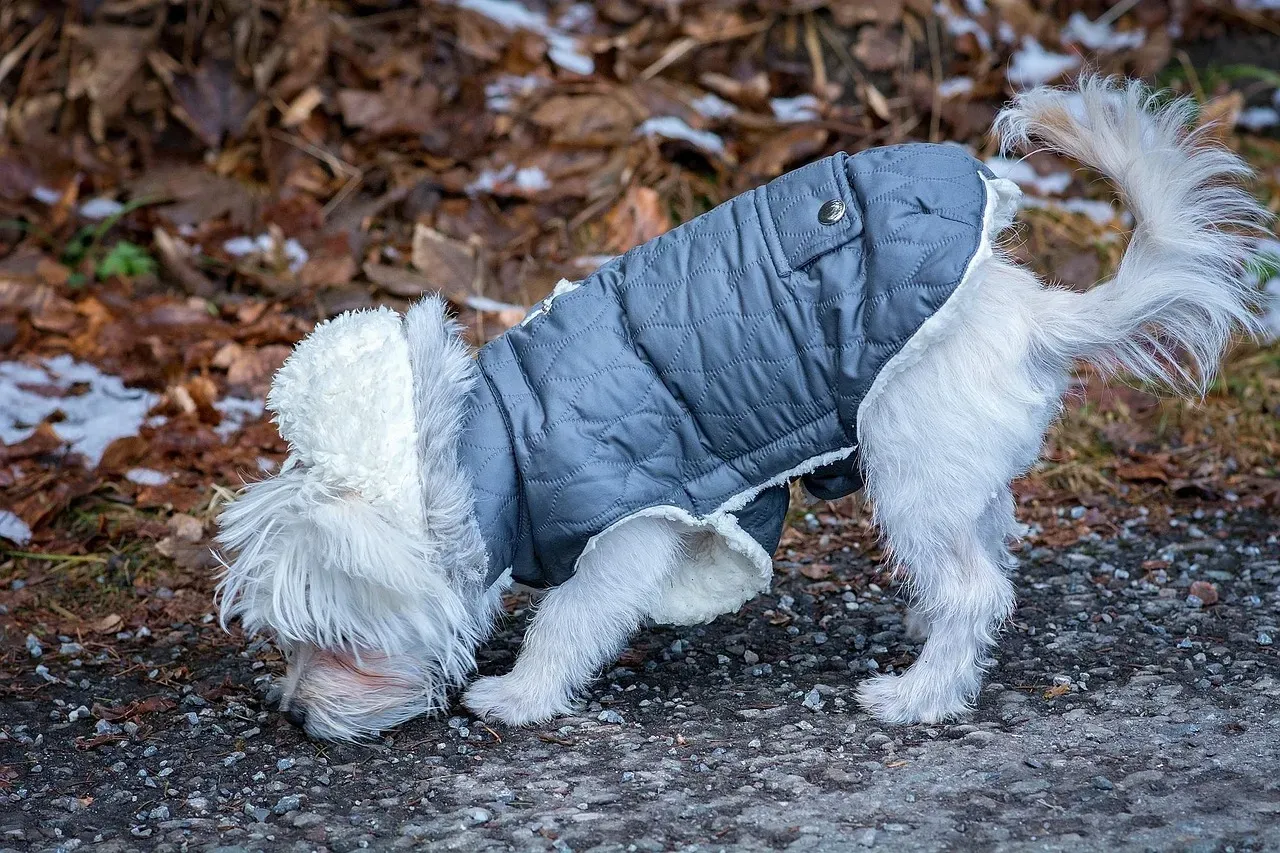
A dog that arrives and immediately buries its nose in the floor, working every inch of concrete instead of orienting toward the humans in the room, is not being curious. It is deliberately avoiding interaction – and doing it with impressive sophistication. Rescue teams recognize this shutdown strategy quickly because it tends to look so benign that untrained staff chalk it up to the dog “just being a sniffer.”
Workers watch whether the sniffing intensifies near exits, doorways, or whenever a new person enters the space. That pattern reveals a dog that learned investigation was punished in its previous environment and is now using scent work as a socially acceptable way to disappear into itself. It’s not curiosity. It’s self-protection wearing the mask of curiosity.
#5 – High-Pitched Whining Reveals Separation Distress

The moment a handler steps away and a dog erupts into thin, persistent whining, most onlookers assume the dog is just excited or lonely in the way any dog would be in a new place. Rescue workers hear something more specific: a nervous system that has already formed an anxious attachment during transport and is now alarming at the loss of the one familiar presence it had, even if that presence was a stranger.
Staff test this by stepping fully out of sight for a short period and listening for escalation – whether the whining builds, holds steady, or tapers. A dog that escalates rapidly into near-panic is flagged immediately. These dogs are typically routed toward experienced fosters rather than first-time homes, because separation anxiety mismanaged in early adoption weeks tends to compound rather than resolve. What looks like neediness on day one is often a preview of what happens every time the front door closes.
#6 – Low Growls Mask Protective Instincts, Not Aggression

A soft growl at intake makes new volunteers freeze. It makes experienced rescue workers pay closer attention – but not in the way you’d expect. They aren’t bracing for an attack. They’re listening to context. A dog that growls when someone reaches toward its collar is communicating something entirely different from a dog that growls the moment a person enters the room. One is a boundary. One is fear generalized across all humans.
Many of these dogs learned that staying quiet led to worse outcomes. The growl isn’t escalation – it’s communication they’ve finally been allowed to use. Rescue staff note whether the growl is paired with forward body posture or backward lean, because that single distinction changes the entire handling plan. A dog leaning away while growling softly is scared. A dog leaning forward is a different conversation entirely. Most arrival growls fall into the first category, and treating them like the second category is one of the most common mistakes made in the first hour of intake.
#7 – Raised Hackles Signal Heightened Arousal, Not Instant Danger
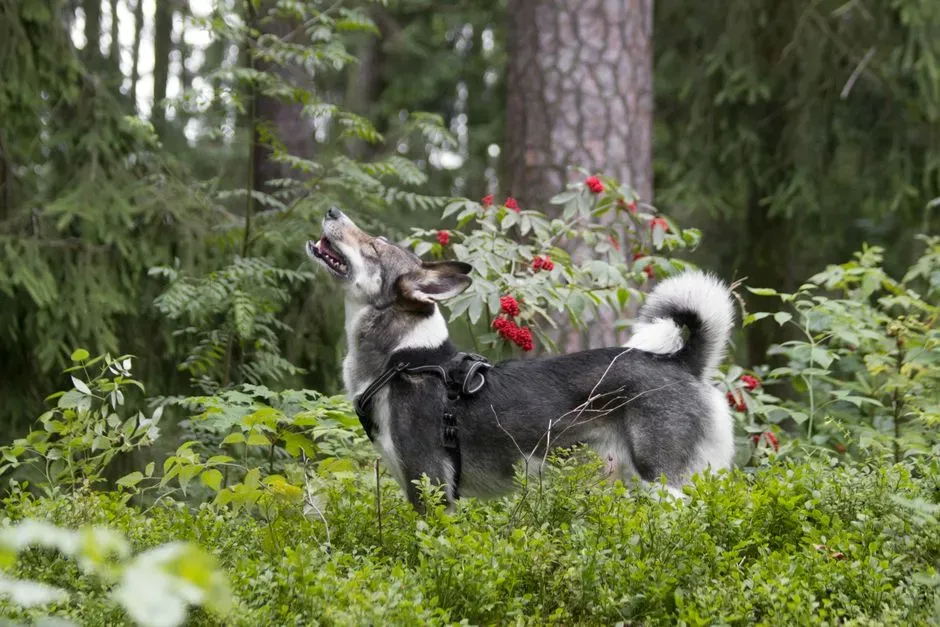
Hair standing in a ridge along the spine gets dramatic reactions from people who haven’t worked with dogs professionally. New volunteers sometimes back away completely. Rescue workers simply note it and adjust – because raised hackles at intake far more commonly reflect intense uncertainty or sensory overload from the intake environment than genuine aggression. The sounds, smells, and chaos of arrival are genuinely overwhelming, and hackles are the body’s automatic response to that flood.
What actually matters is whether the hackles drop once the dog is given a quiet moment alone with reduced stimuli. If they do, the dog is reactive to environment, not people – and that’s a manageable starting point. If they stay raised through silence and calm, the picture gets more complex. This single observation shapes whether a dog gets paired with calm resident animals during its first days or kept in a lower-stimulus isolated space while its nervous system finds ground again.
Quick Compare: Fear Signal vs. True Aggression at Intake
- Growling + body leaning backward: Fear-based boundary – dog is scared, not attacking
- Growling + body leaning forward, stiff tail: Potential offensive aggression – requires different protocol
- Hackles raised + loose, wiggly body: High arousal or excitement, not threat
- Hackles raised + frozen, rigid posture: Conflict state – handler slows all movement immediately
- Belly roll + soft blinking eyes: Genuine relaxation or submission
- Belly roll + darting eyes, tracking hands: Appeasement from fear – approach with extreme care
#8 – Cowering Low to the Ground Hides a Specific Kind of History

There is a difference between a dog that lowers itself cautiously while sniffing something new and a dog that arrives and immediately flattens its entire body against the floor, ears back, gaze averted. The second one is not being careful. It is expecting punishment for simply existing in someone’s presence. Rescue workers have seen this enough times to feel the weight of it immediately – this dog was corrected physically, repeatedly, for being a dog.
They watch how quickly the dog rises when softly encouraged – or whether it stays frozen against the floor even after gentle praise. This posture frequently correlates with physical findings that confirm what the behavior already suggested: calluses on the elbows from excessive crate time, scarring, or tension held so chronically in the muscles that the dog can’t fully stand upright at first. It gets documented immediately and prioritizes the dog for both a full medical workup and a handling protocol that strips away all urgency and pressure from the first interactions.
#9 – Spontaneous Yawning Acts as a Stress Valve

A dog that yawns repeatedly in the first few minutes of arrival is not tired from the journey. Canine behaviorists have long recognized yawning as a deliberate self-calming signal – something dogs do to manage their own internal state when the environment becomes too much to process. Rescue workers track whether yawns cluster around specific triggers: a new person entering the room, a loud sound from another kennel, the sound of a door latch.
Those clusters paint a surprisingly precise map of what the dog finds threatening versus what it can tolerate. A dog that yawns when a stranger approaches but settles quickly is in a very different place than one that yawns continuously for twenty minutes regardless of what’s happening around it. Staff respond to arrival yawning by dimming lights, lowering voices, and reducing foot traffic near the intake space – because forcing interaction on a dog that is actively working to soothe itself almost always makes the first assessment harder and less accurate.
#10 – Rapid Lip Licking Indicates Internal Conflict
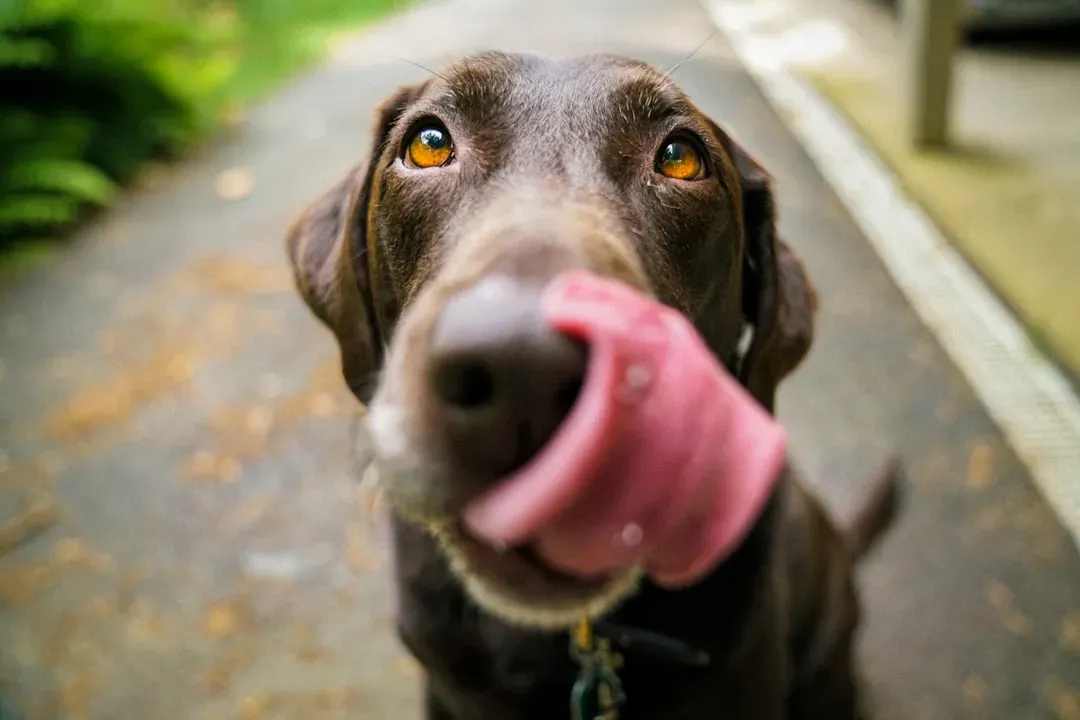
Quick, repeated tongue flicks across the lips – with no food in sight – are one of the most missed signals at intake, and one of the most informative. Most observers assume the dog smells something interesting or is simply anxious in a general way. Rescue staff read it more precisely: the dog is caught between the urge to approach and the urge to flee, and the body is leaking that conflict through a stress behavior it can’t fully suppress.
Frequency matters enormously here. A dog that licks its lips once when a treat is offered is responding normally to food anticipation. A dog that licks continuously throughout the intake process, particularly when no food is present, is signaling stress levels that could escalate into resource guarding or redirected snapping later. Workers test it deliberately – offering a high-value treat and watching whether the lip licking stops when the conflict resolves or intensifies when the approach-avoidance tension rises. That response shapes the feeding and handling strategy for the dog’s first critical days.
#11 – Ears Pinned Flat Against the Head Show Submission Overload

Flattened ears get misread constantly in viral dog content as a sign of guilt or aggression. In a rescue intake context, they almost always mean something more specific and more troubling: the dog has learned that making itself appear as small and non-threatening as possible is the best available strategy for avoiding harm. It is not guilt. It is not attitude. It is a nervous system that has been worn down into permanent appeasement mode.
Rescue workers note whether the ears stay glued even after the handler speaks softly, creates space, and avoids direct eye contact – all signals that should communicate safety to a dog with normal socialization. When the ears remain flat through all of that, it predicts weeks, sometimes months, of patient confidence-building before even basic training becomes productive. These dogs don’t need commands yet. They need consistent proof that the rules have changed – that people in this new place are not a threat to survive, but a relationship worth trying.
Worth Knowing
- Approximately 24% of newly adopted dogs show separation distress in the first month at home – one of the top behavioral challenges new owners face.
- Research involving over 22,000 adopters found that more than 78% of dog adopters reported at least one behavioral challenge in early weeks, even when overall satisfaction was high.
- The national average post-adoption return rate is around 15% – and behavioral issues are a primary driver, second only to owner lifestyle mismatches.
- Accurate intake reading directly reduces return rates: dogs matched to the right home and foster type based on behavioral cues fare measurably better in the first six months.
- Adult dogs carry the greatest odds of post-adoption return, making thorough intake assessment especially critical for dogs over two years old.
#12 – Tucked Tail Position Exposes Chronic Fear, Not Momentary Nerves
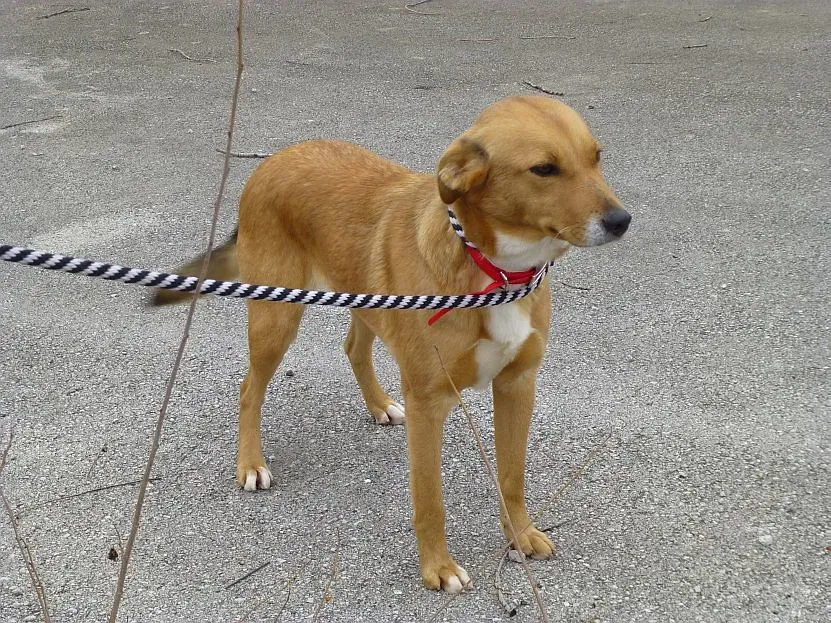
Every nervous dog tucks its tail at some point. But a tail clamped so tightly between the legs that it presses against the belly – held that way through the entire arrival process regardless of reassurance – is a different signal entirely. Rescue teams recognize this as the physical signature of chronic, low-level terror. Not a bad day. Not a stressful car ride. A life lived in a state of constant threat that has reorganized the dog’s baseline.
Staff observe whether the tail releases at all once the dog sniffs a safe space or receives calm, non-pressured praise. A tail that softens even briefly is encouraging – there’s still flexibility in the nervous system. A tail that stays locked regardless of positive input tells workers the dog likely spent significant time confined, punished for normal behavior, or both. It’s documented immediately and changes the entire approach to how and when the dog is introduced to other animals, because a chronically fear-based dog meeting a confident one too early can set back both of them dramatically.
#13 – Avoiding Direct Eye Contact Signals Deep Trauma, Not Shyness
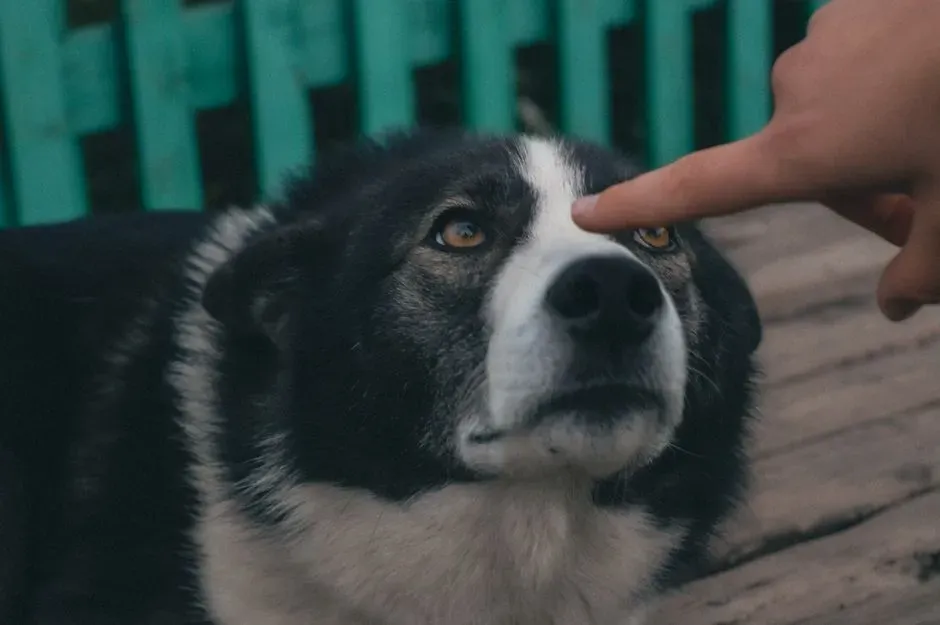
A dog that won’t meet anyone’s gaze at intake gets misread constantly – written off as aloof, “not a people dog,” or simply overwhelmed by novelty. Rescue workers recognize it as something more specific: a learned survival behavior from environments where eye contact was dangerous. In homes where direct looks were met with punishment, dogs train themselves out of the behavior entirely. By the time they arrive at intake, looking away isn’t shyness. It’s scar tissue.
The diagnostic detail is in the body that surrounds the averted gaze. A dog that looks sideways while its body stays low, tight, and braced is in active shutdown – absorbing the environment while trying to disappear from it. Workers test this carefully by offering treats from the side rather than head-on, removing the social pressure of a frontal approach. Whether the dog takes the treat at all, and whether it briefly glances at the handler afterward, tells them more about recovery potential than almost any other single observation in the first hour of intake.
#14 – Excessive Panting Reveals More Than Heat
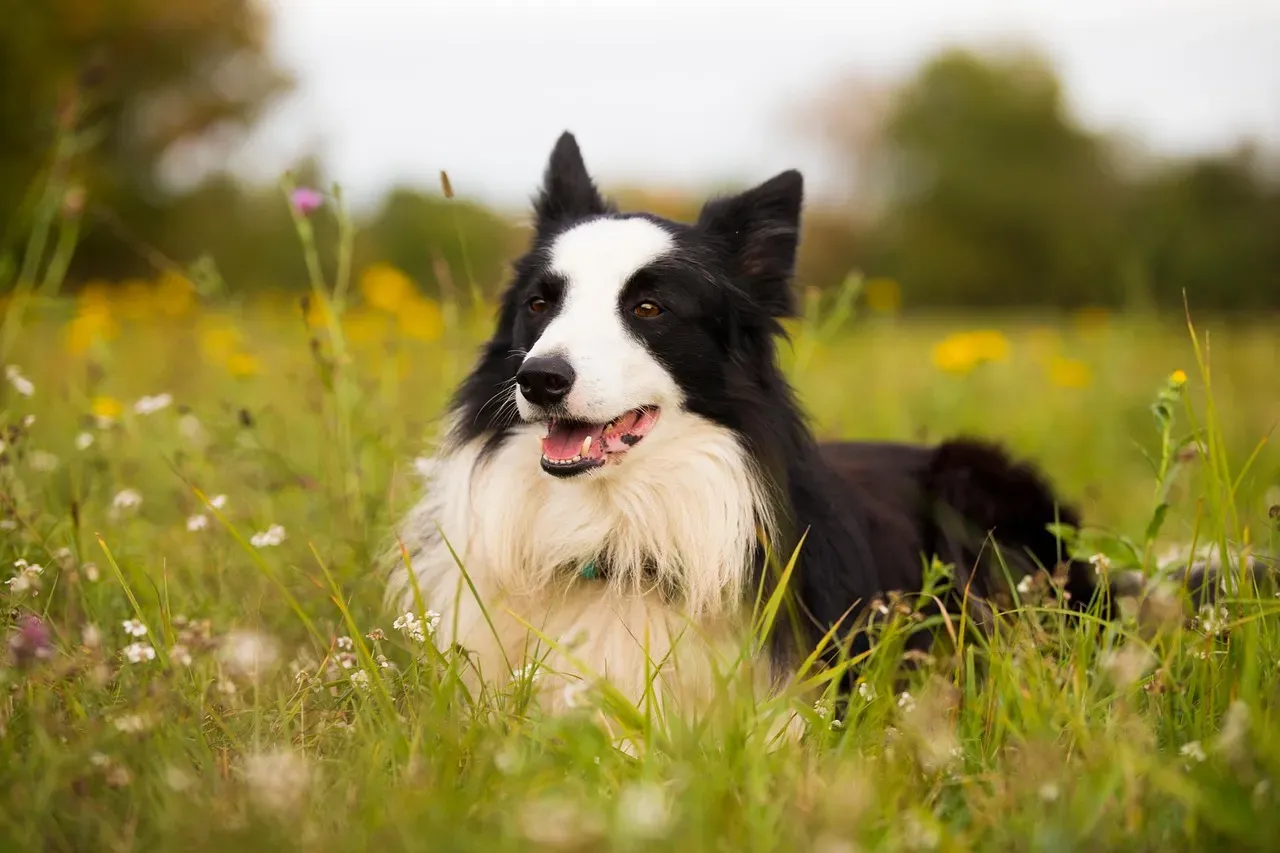
Heavy panting at arrival is easy to dismiss – it’s been a stressful trip, the shelter is warm, the dog is nervous. Rescue workers don’t dismiss it. They clock it immediately, because the specific rhythm and persistence of stress panting looks and sounds different from heat-related panting, and because what it’s hiding can range from acute cortisol overload to undiagnosed heart conditions that only reveal themselves once a dog settles and the adrenaline drops.
Gums and pulse get checked fast. Water gets offered in a quiet space away from the noise of other intakes. Then workers watch what happens next – whether the panting slows once the dog is in a calmer environment or continues at the same relentless pace regardless of conditions. A dog still panting hard in a quiet crate twenty minutes after arrival, with clean gums and no obvious pain response, is almost certainly carrying a stress load that runs far deeper than the transport itself. That distinction shapes whether the dog goes straight into general housing or into a lower-stimulation medical observation space while its baseline gets established over the first critical hours.
The Quiet Language Most People Never Learn to Hear
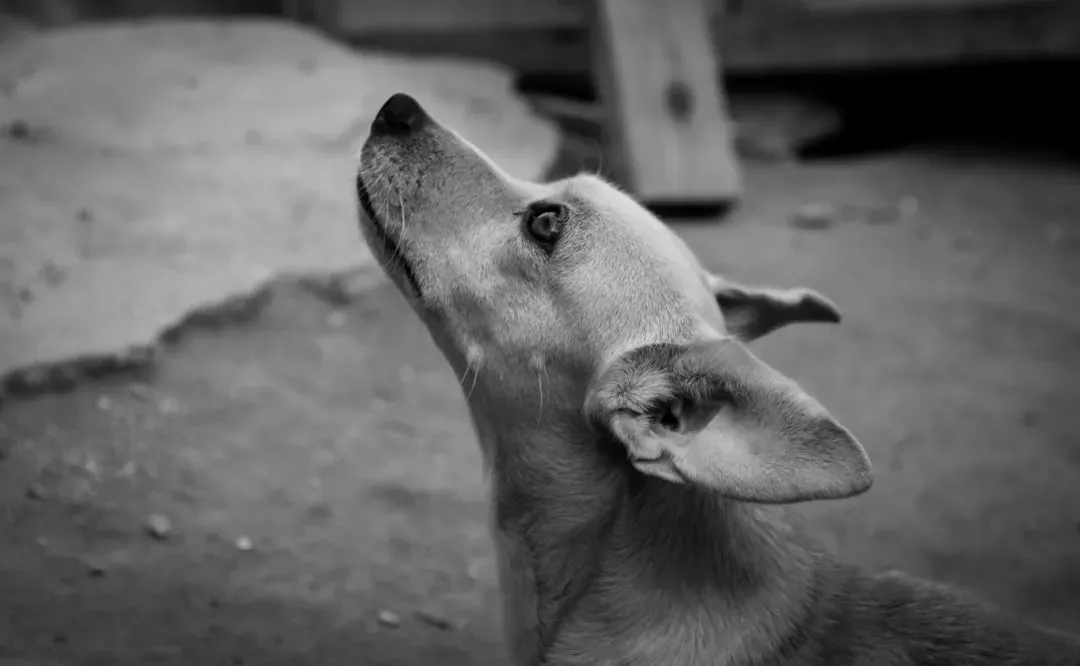
The dogs that seem calmest on arrival frequently carry the deepest scars. The ones labeled difficult or dangerous are often just the ones who ran out of quieter ways to ask for help. Every behavior on this list is a dog communicating something it has no other vocabulary for – and every time a rescue worker catches one of these signals in those first critical seconds, they’re not just doing a job. They’re translating a story the dog has been trying to tell for a long time.
Getting these cues right on day one changes everything: adoption success rates, return rates, the length of time a dog spends in the system, and ultimately whether it gets a second chance at all. The difference between a dog that finds its person and one that cycles endlessly through rescue often comes down to whether someone in that first hour knew how to listen. These workers do. And now, so do you.
“A quiet dog is not necessarily calm. A dog that stops trying may be shut down rather than settled.”
Canine Welfare Science Research
We tend to celebrate the big rescue moments – the tearful reunions, the transformation videos, the before-and-after photos. What rarely gets shown is the first sixty seconds. The moment a tired, terrified animal crosses a threshold into an unfamiliar space and a trained human being quietly begins to listen. That is where recovery actually starts. Not with the perfect forever home. Not with the right training program. With one person who knows how to read the language a dog never had words for – and who meets it exactly where it is.
