

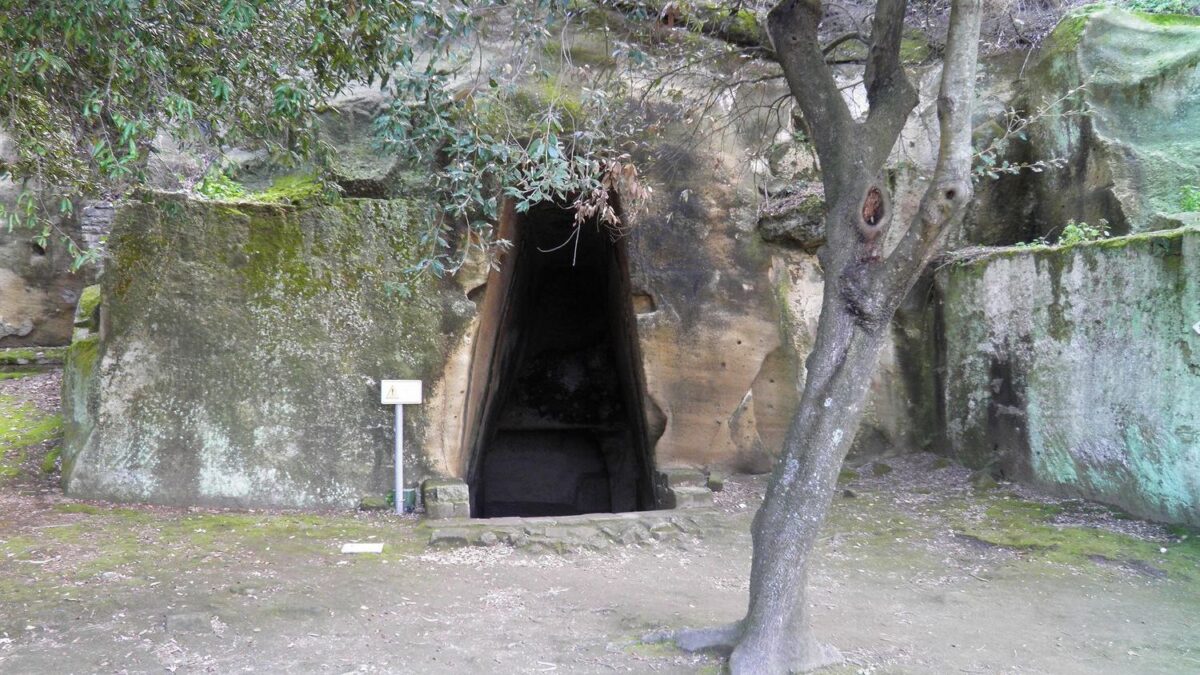
Imagine standing at the edge of a dark cave or staring into the churning waters of a volcanic crater lake, knowing ancient people once believed these were actual doorways to the land of the dead. It’s easy to dismiss such ideas as mere superstition, right? Yet cultures across the world, separated by oceans and centuries, all identified specific physical locations where they believed the living could cross into the realm beyond.
These weren’t just symbolic places mentioned in dusty myths. Real archaeological sites exist today where priests once performed blood rituals, where animals dropped dead from toxic fumes, and where human remains still lie scattered as evidence of sacrifice. From the sulfurous caves of Turkey to the limestone caverns of Belize, these supposed gateways offer something more unsettling than folklore. They’re tangible, visitable places where ancient beliefs collided with geological phenomena to create portals that terrified and fascinated in equal measure. Let’s explore ten of these eerie thresholds between worlds.
Pluto’s Gate at Hierapolis, Turkey
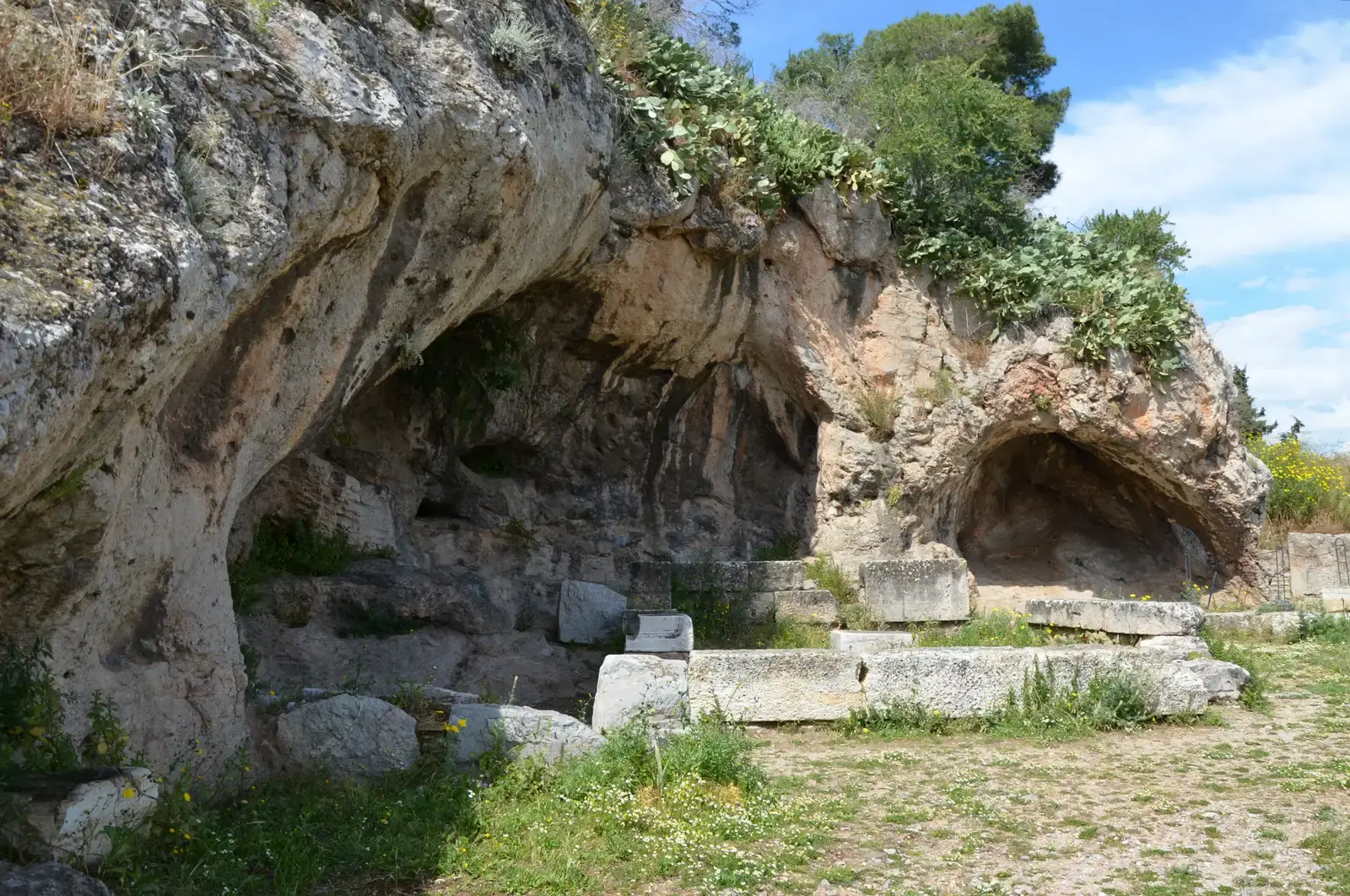
Pluto’s Gate, known as Ploutonion in Greek and Plutonium in Latin, was unearthed by Italian archaeologists in the ancient city of Hierapolis near modern-day Pamukkale in Turkey. Italian archaeologists working at the Greco-Roman site announced the discovery of the city’s gate to the underworld in 2013. Honestly, the name alone gives you chills.
A cave near Hierapolis emitted toxic gases that were fatal to animals that ventured too close. The ancient historian Strabo described the gate by noting that any animal that passes inside meets instant death, adding that he threw in sparrows and they immediately breathed their last and fell. During modern excavations, several birds died as they tried to get close to the warm opening, instantly killed by carbon dioxide fumes. A study found CO2 at deadly concentrations of up to 91 percent in the grotto below the temple of Pluto. The deadly properties haven’t diminished over millennia, which is both fascinating and terrifying.
Lake Avernus Near Naples, Italy
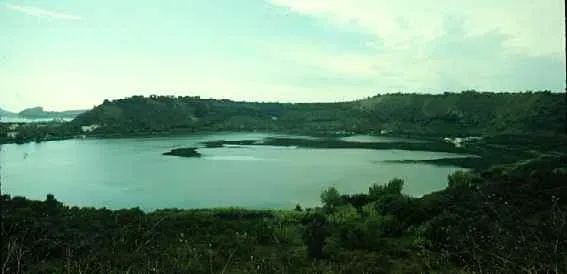
Lake Avernus was of major importance to the Romans, who considered it to be the entrance to Hades. Lake Avernus is a volcanic crater lake located in the Avernus crater in the Campania region of southern Italy, around four kilometers west of Pozzuoli. The name itself comes from Greek, meaning “birdless,” likely due to the toxic fumes seeping from the area.
In Virgil’s Aeneid, Aeneas descends to the underworld through a cave near the lake. Virgil’s plot involves Aeneas seeking out the prophetess sibyl at the Greek settlement of Cumae, where he wishes to descend into the underworld to speak to his father who died on the sea voyage from Troy. Because of its sulfurous vapors, it was considered an entrance to the underworld by the ancient Romans. Let’s be real, if you’re a Roman hero needing to chat with the dead, this is where you went. In ancient Roman beliefs, Lake Avernus was considered the entrance to Hades, and its name grew to be a synonym for the underworld itself.
Cape Matapan Caves, Greece
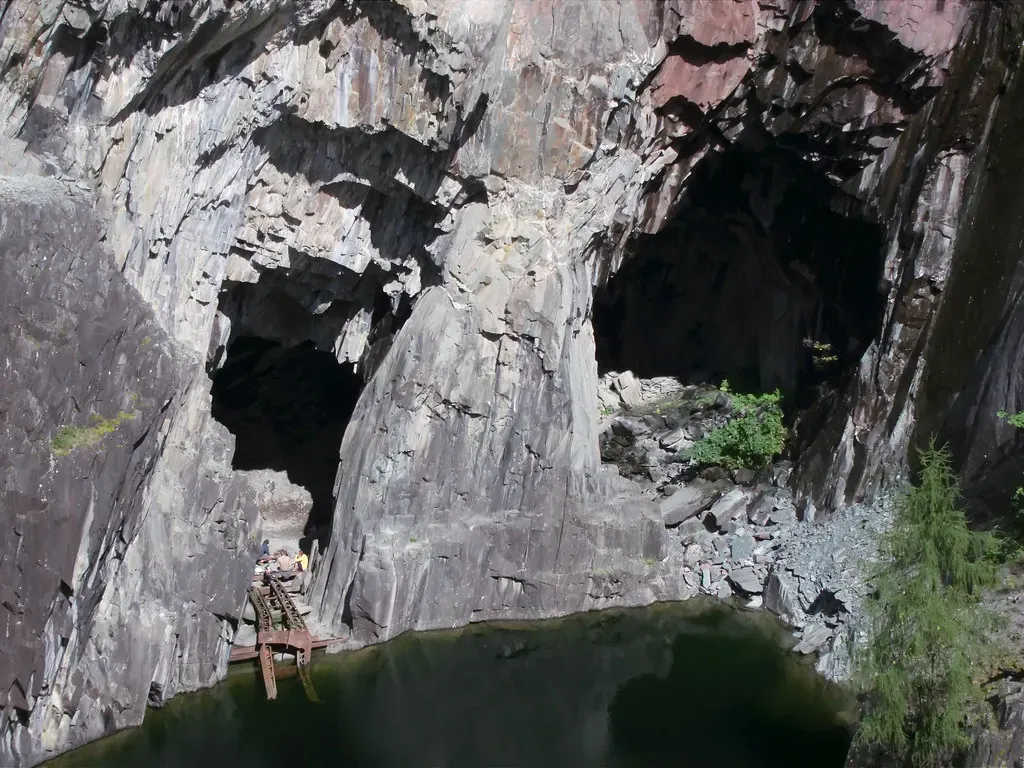
The caves at Cape Matapan, also known as Tenaro or Cape Tainaron, lie at the end of the Mani peninsula in Greece. The ancient Greeks believed that a cave on the tip of the cape was an entrance to Hades, the underworld of Classical mythology. This isn’t some obscure legend either – it’s one of the most famous underworld entrances in Greek mythology.
The cave was believed to be the gateway to Hades, the realm of the dead, where departed souls were transported across the rivers Styx and Acheron by Charon the ferryman, to be judged on whether they would reside in Elysium or Tartarus. In Greek legends, the cave was the portal through which Heracles dragged Cerberus during the 12 labors set by Eurystheus of Mycenae. When Orpheus traveled to Hades to rescue his beloved Eurydice, it is said he passed through the caves at Cape Matapan. If you know your Greek myths, basically every major hero who needed to visit the dead came through here.
Actun Tunichil Muknal Cave, Belize
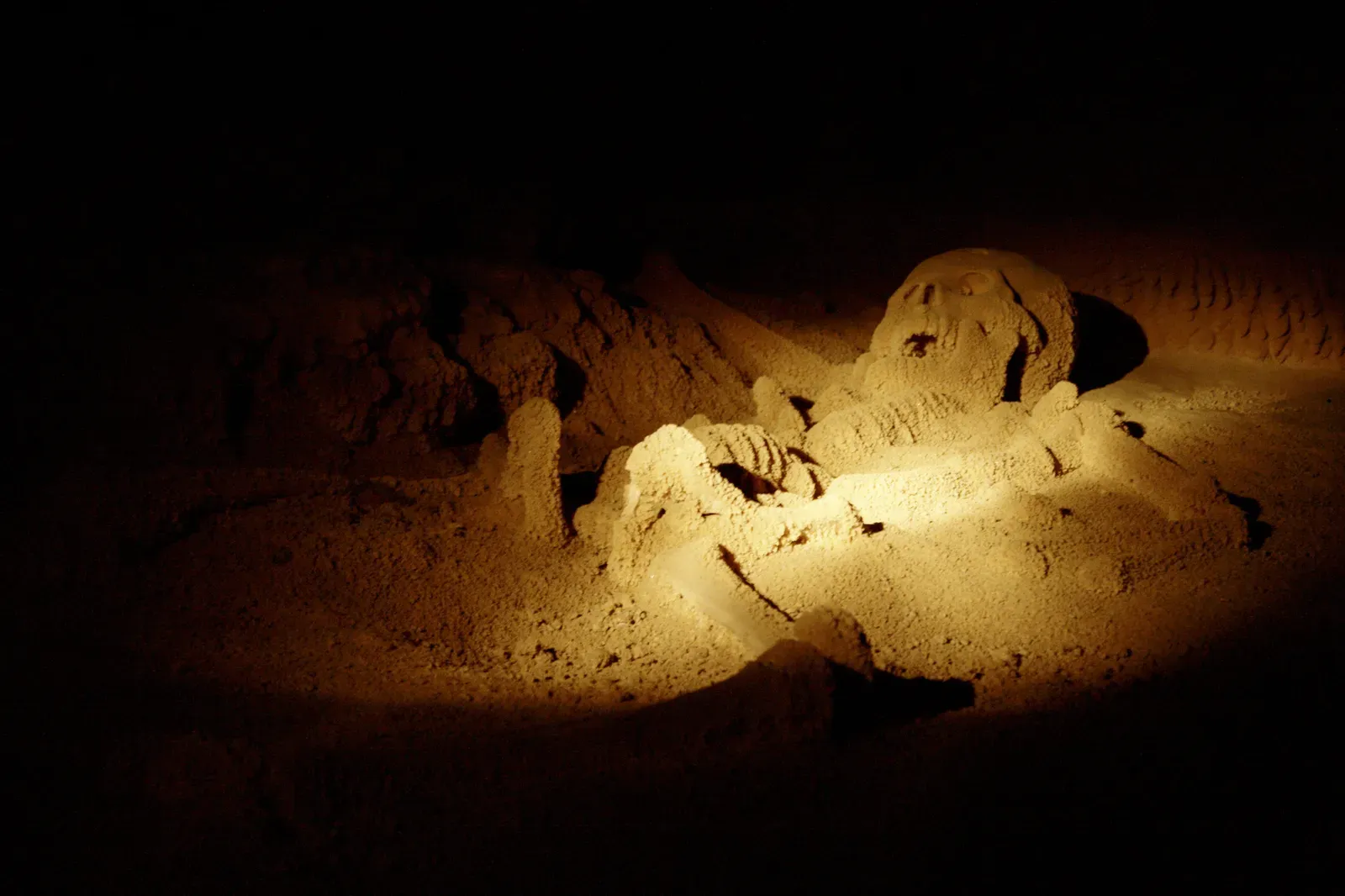
The name Actun Tunichil Muknal translates as “Cave of the Crystal Sepulchre,” and locals know it as “Xibalba” after the Mayan underworld. There are hundreds of caves in Belize that served as portals to what the Maya called Xibalba – home to ancient death gods, rituals, and extraordinary relics left behind.
Walking a further kilometer and a half in the cave to the back of the cave system, you find the skeletons of the ritual sacrifices made by the Maya to their gods more than a thousand years ago. The cavern safeguards the bones of 13 men, women, children, and the famous “Crystal Maiden,” who was thought to be a sacrifice. Limestone caves in Belize were believed by the ancient Maya to be the physical entrance ways to the underworld. I think what’s most haunting is that these aren’t just stories – the skeletal evidence is still there, calcified and preserved in the darkness.
The Cave of the Cumaean Sibyl, Italy
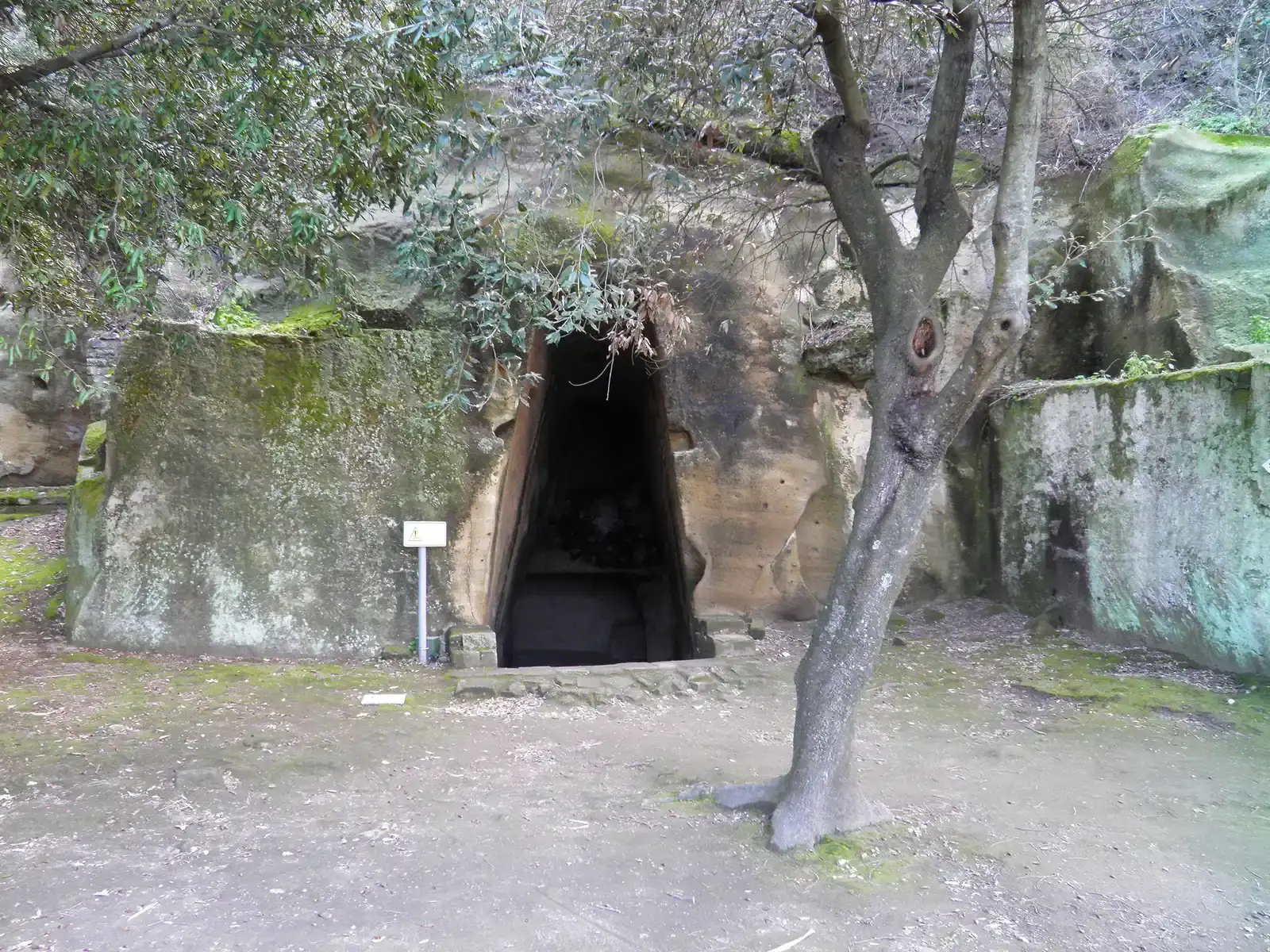
In Virgil’s classic work The Aeneid, he describes a cave with a hundred entrances that led deep beneath the earth, where Aeneas encountered the Sibyl. It was in this cave, located in Cumae, a Greek settlement close to modern-day Naples, that Aeneas encountered the Sibyl. The association with the underworld solidified the Cave of Sybil’s reputation as a gateway to the realm of the dead, and today it is a mystical ancient Roman site worth exploring.
The Cumaean Sibyl was an oracle, a fortune-teller, and priestess, whose sung prophecies echoed endlessly around the hollow caverns, and at the age of 700 she served as a guide to Aeneas as he descended through the caves to the Hell below. It wasn’t until 1932 that archaeologist Amedeo Maiuri finally discovered this well-documented entrance to the netherworld. The discovery came more than 2,000 years after Virgil wrote about it, proving sometimes ancient poets knew what they were talking about.
Lacus Curtius in the Roman Forum
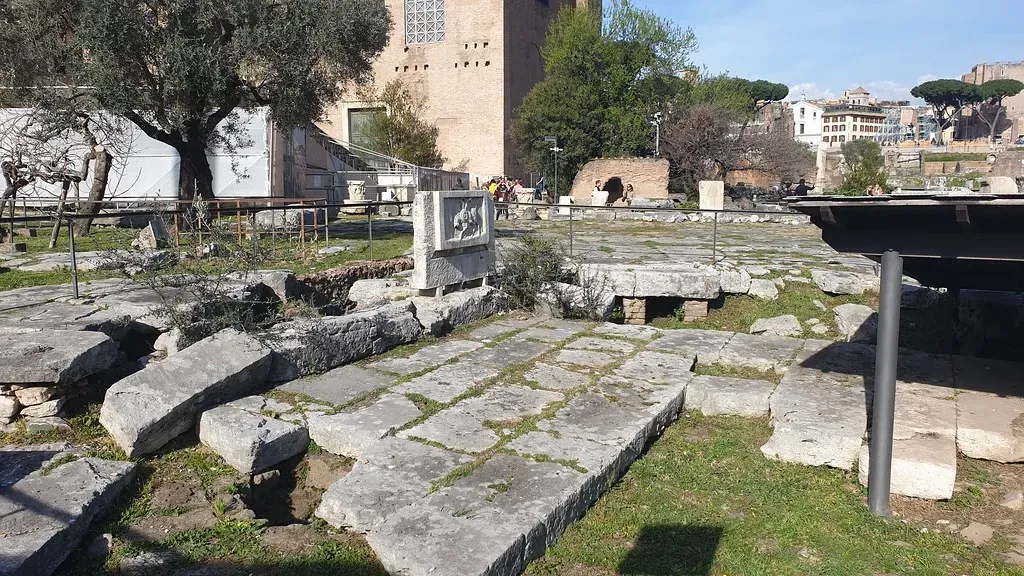
In the middle of the Roman Forum is another entrance, Lacus Curtius, where according to legend, a Roman soldier named Curtius bravely rode his horse into the entrance in a successful effort to close it, although both he and his horse perished in the deed. A mysterious chasm in the heart of the ancient Roman Forum, the Lacus Curtius was once believed to be a gateway to hell.
Likely to have been a dried lake, this part of the area was never drained but gradually became smaller until only a basin remained, and according to legend recounted in historical texts, Curtius rode his horse into the pool and successfully closed it, sacrificing both himself and his horse in doing so. It’s one thing to have a gateway to the underworld in some remote cave – it’s another to have one smack in the middle of your city’s main forum.
Mount Hekla, Iceland
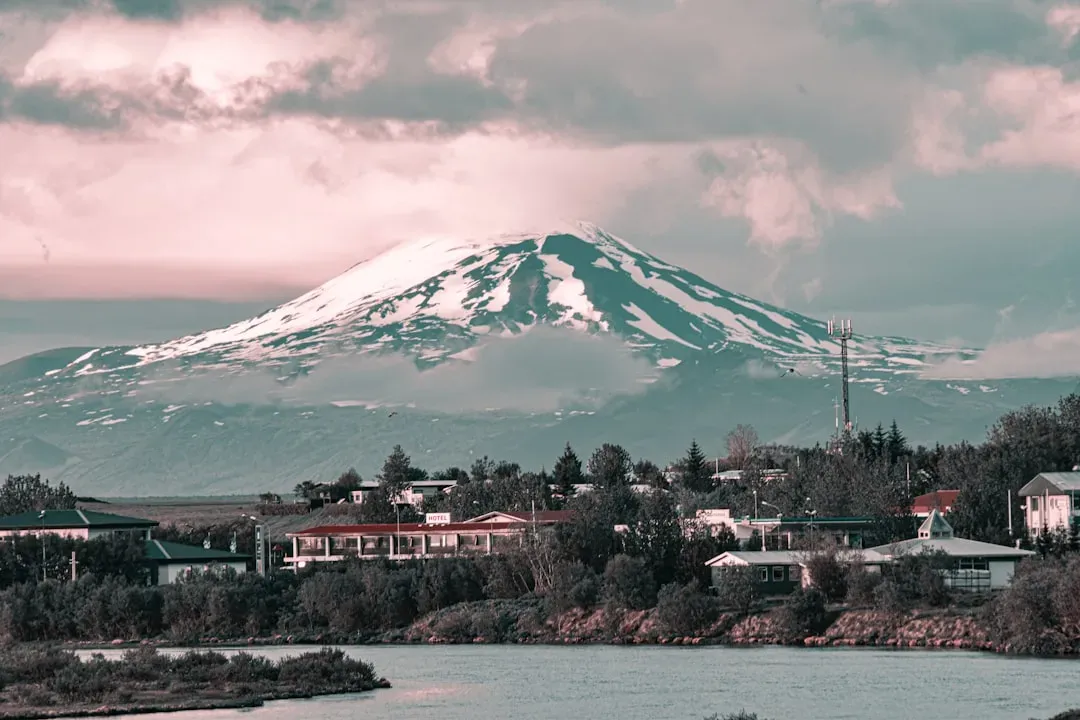
Mount Hekla, a prominent volcano in Iceland, has long been associated with the underworld, with its frequent eruptions and otherworldly activity leading medieval Europeans to believe it was a gateway to Hell. The volcano’s fearsome reputation is rooted in its historical eruptions, often accompanied by fiery displays and sulfurous fumes, and these dramatic events fueled the belief that Hekla was a portal to the underworld, a place of eternal torment and suffering.
Here’s the thing: unlike the Mediterranean gateways rooted in classical mythology, this one comes from medieval Christian beliefs about Hell itself. Along with Iceland’s Hekla, sites served as entrances to the Hell of Christian scripture. When a volcano erupts with that kind of fury in medieval times, people genuinely believed they were witnessing the gates of damnation opening.
Masaya Volcano, Nicaragua
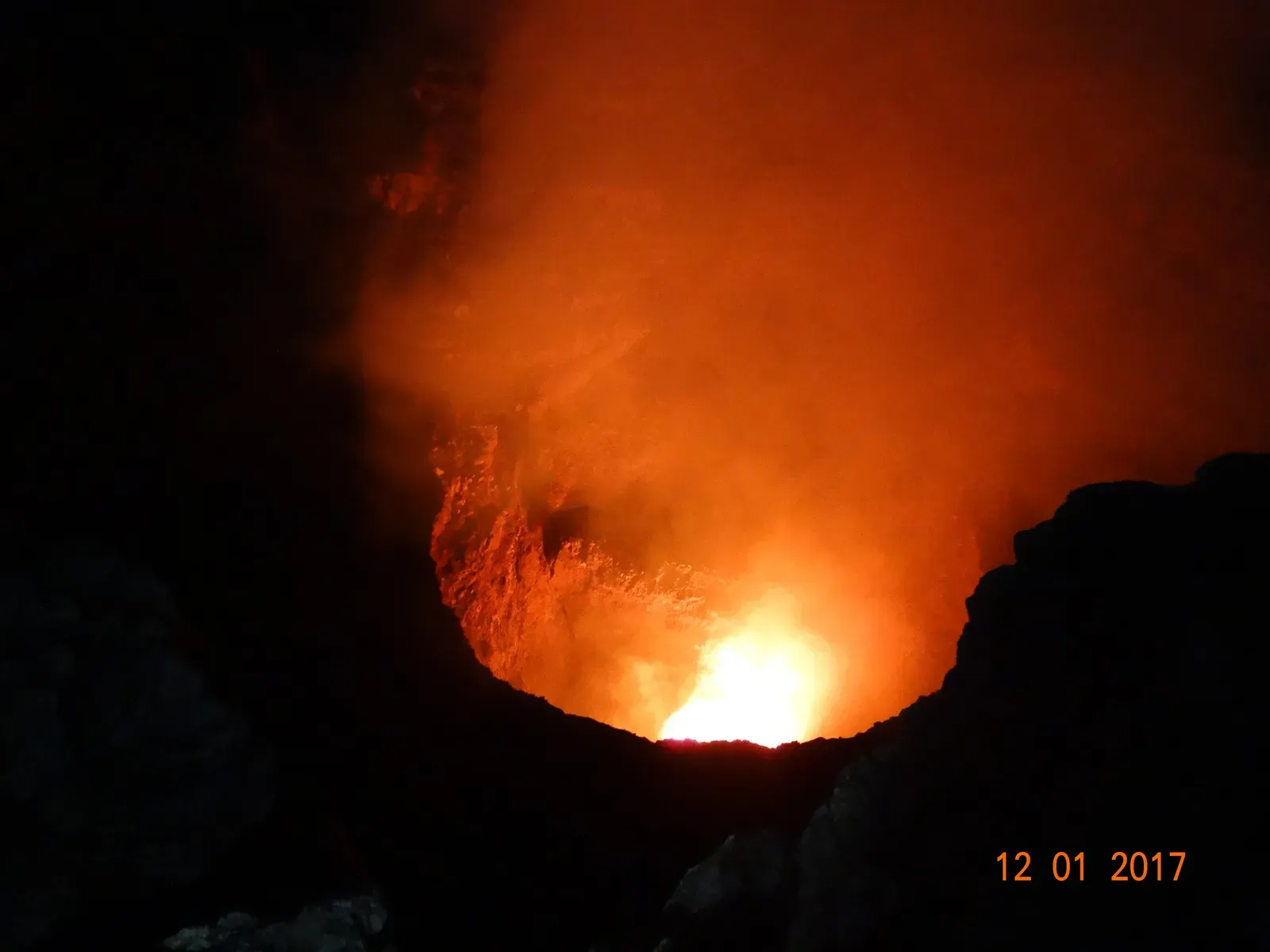
Masaya Volcano located in Nicaragua is known as another gate of hell, and according to local lore, the volcano was a deity unto itself, locally known to the indigenous as the “mouth of hell.” Nicaragua’s Masaya Volcano was dubbed the “Mouth of Hell” by the Spaniards, who came across it in the 16th century.
In the park is a lava tube formed by lava flows where one can find bats and observe the glowing lava in the dark crater mouth of the volcano, and it is an active volcano, constantly emitting gases. Standing at the edge and staring into a glowing, gas-belching crater? Yeah, I can see why both indigenous peoples and Spanish conquistadors agreed this looked like a direct line to the underworld.
Cenote Sagrado at Chichen Itza, Mexico
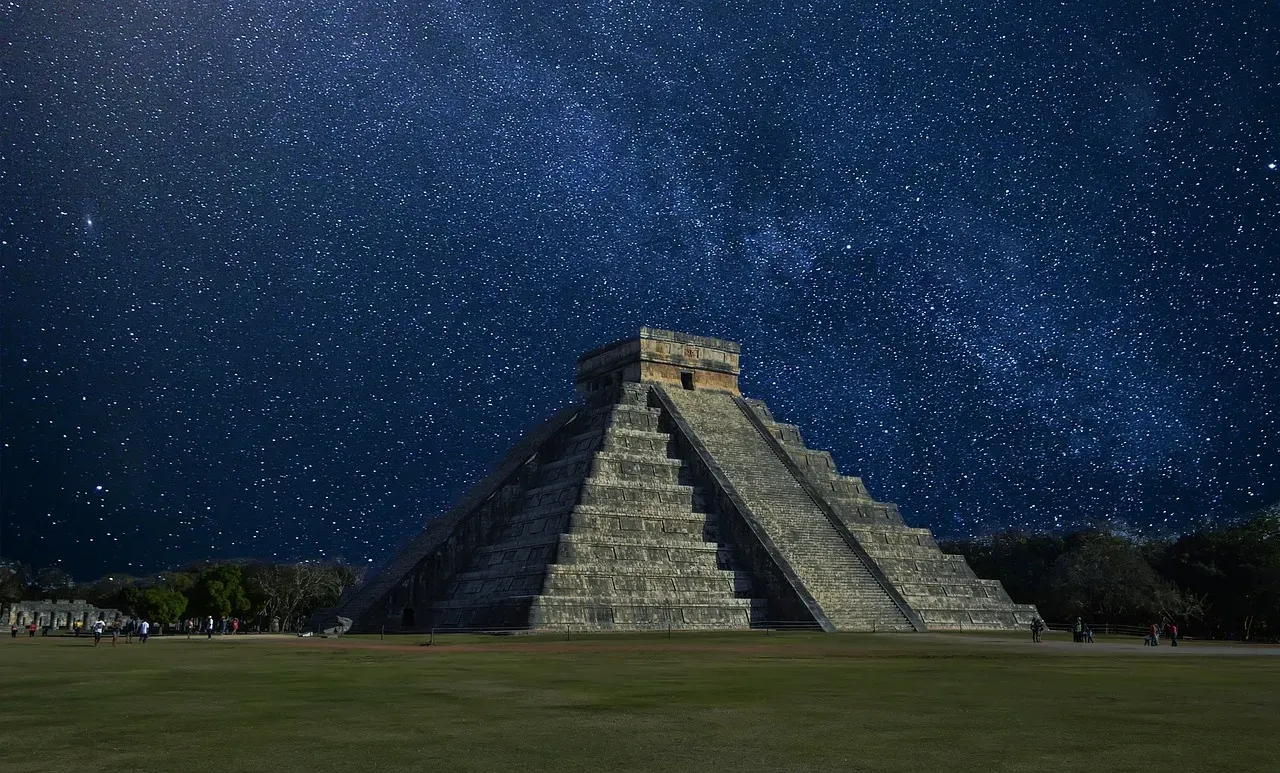
Located within the ancient Mayan city of Chichen Itza, Mexico, Cenote Sagrado is a natural sinkhole and sacred Cenote that was once home to tributes and rituals, with the Mayans believing this Cenote was a portal to the underworld and using it for human sacrifices to appease the gods. Archaeologists have discovered human remains and artifacts within the Cenote, confirming its connection to Mayan rituals and beliefs.
The Yucatan’s many limestone caves and cavern networks enchanted the Maya, and they ritually deposited valuables and sacrificed humans to the gods of the watery cave underworld. The deep, dark water of these sinkholes must have seemed like natural openings into another realm. It’s hard to say for sure, but the archaeological evidence speaks loudly about how seriously the Maya took these beliefs.
Fengdu “Ghost City,” China
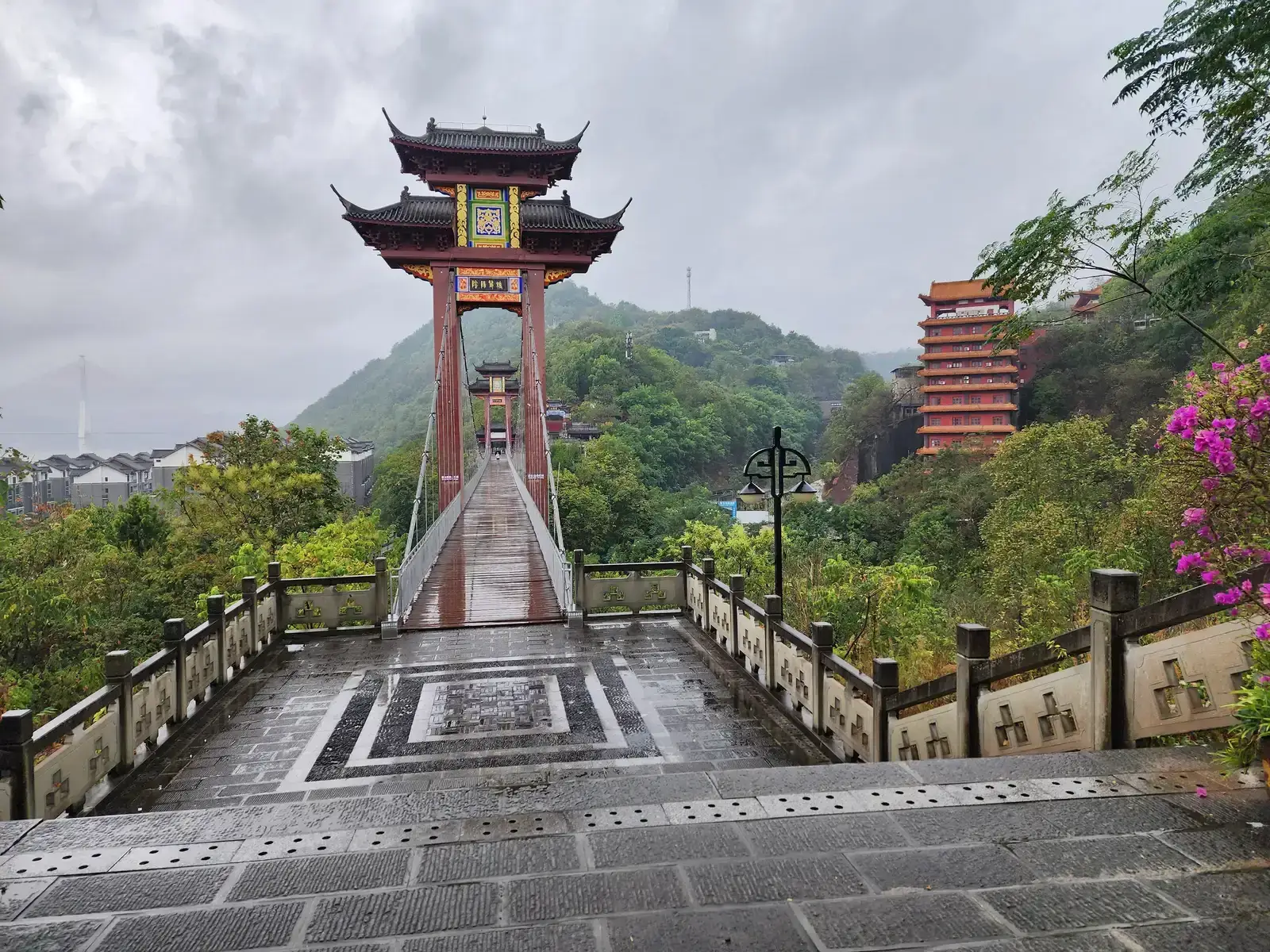
An altogether quite different hellgate can be found in the heart of China – a city of ghosts with close ties to Naraka, the underworld of Chinese mythology. This 2,000-year-old settlement is located on Ming Hill at the northern end of the Yangtze River, and was founded during the Han Dynasty.
Fengdu is famous for its striking, traditional architecture and elaborate craftsmanship, with streets and squares filled with statues of ghosts and demons, as well as poignant reminders of the punishments that await the wicked in the next life. Unlike the natural caves and volcanic features of other underworld gateways, Fengdu is an entire city built around the concept of death and judgment. Visitors to Fengdu are treated to a rare glimpse into the workings of hell.
Conclusion
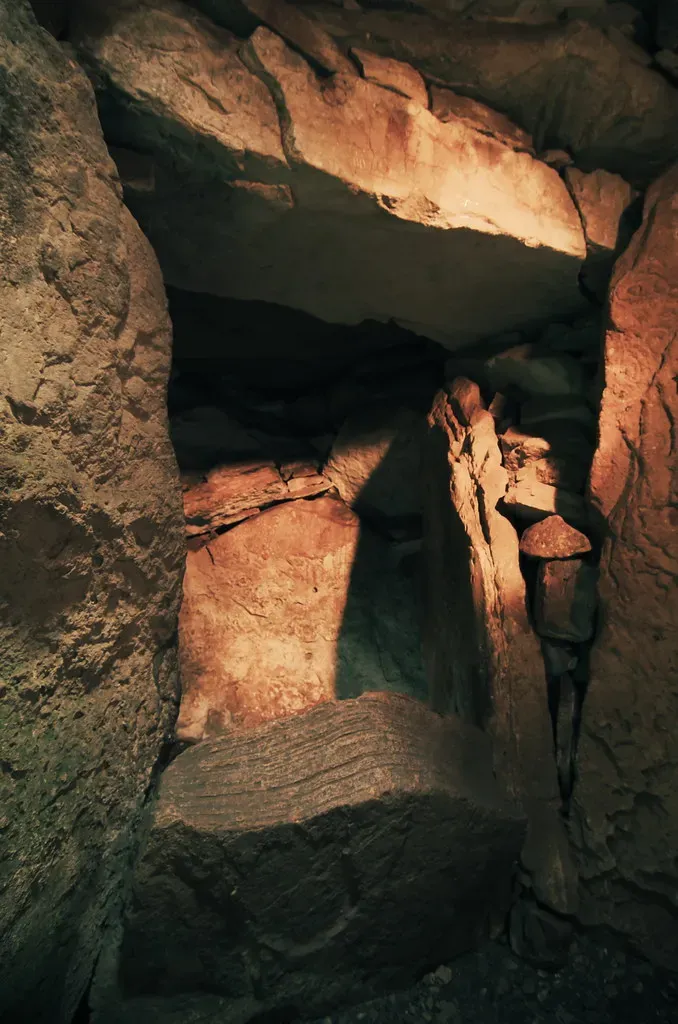
So what do we make of these gateways scattered across the globe? They reveal something fascinating about human nature: when confronted with mysterious geological phenomena – toxic gases, bottomless crevasses, volcanic fire – our ancestors didn’t just shrug and walk away. They built entire belief systems around these places, turning natural wonders into sacred sites.
Whether it’s the carbon dioxide-saturated cave at Hierapolis or the calcified skeletons in Belize’s ATM cave, these sites continue to captivate us because they’re more than myth. They’re tangible intersections of faith, fear, geology, and human sacrifice. Many remain accessible today, allowing modern visitors to stand where ancient priests once stood, perhaps feeling the same eerie pull toward the unknown.
Did visiting these places make ancient people more spiritual, or just more terrified? What do you think – would you dare to explore one of these supposed gateways yourself?
