
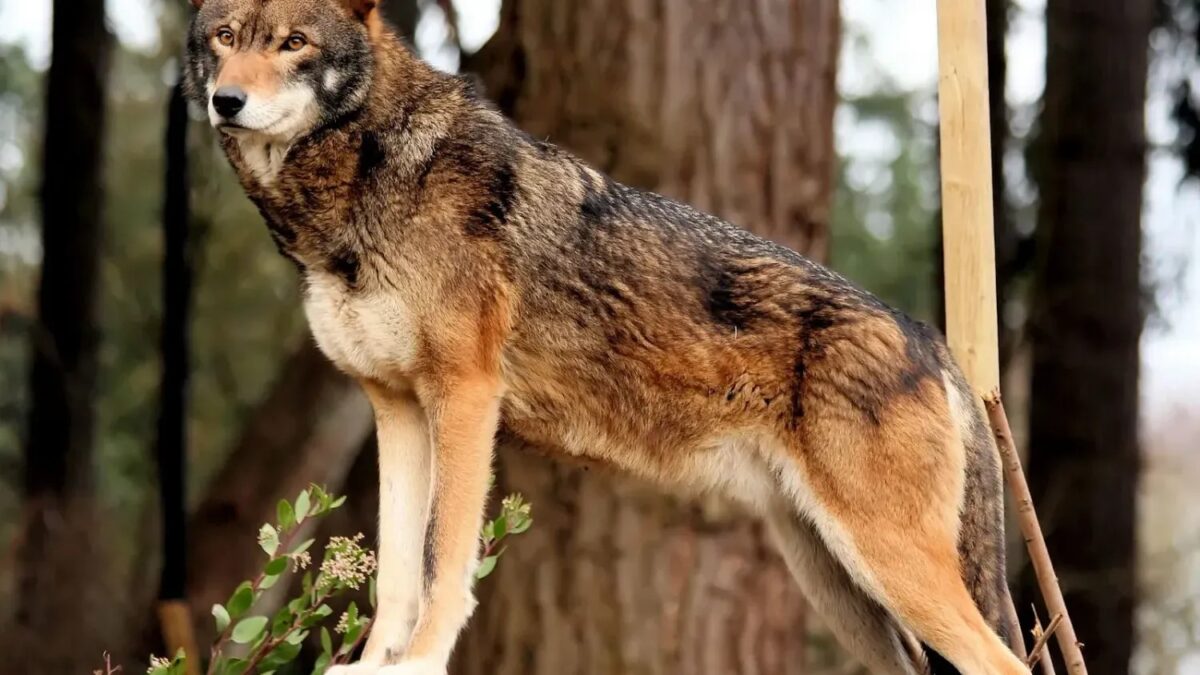
Picture this: a creature so rare that it exists in only one place on Earth. Not in some remote mountain range or exotic island. No, this animal calls northeastern North Carolina home, making it one of the most exclusive residents anywhere in the world. We’re talking about the red wolf, a species that has clung to existence by the thinnest thread imaginable.
North Carolina’s Albemarle Peninsula is home to the only confirmed wild red wolves in existence, and their story is equal parts tragedy and triumph. Red wolves used to roam throughout the eastern seaboard from Pennsylvania to Florida and as far west as Texas, but now? They’re squeezed into a tiny corner of one state. It’s hard to wrap your mind around how an apex predator that once dominated an entire region has been reduced to this.
What happened to bring them to this single location? The answer involves centuries of persecution, a miraculous rescue effort, and ongoing battles that make the future uncertain.
The Historic Range That Vanished
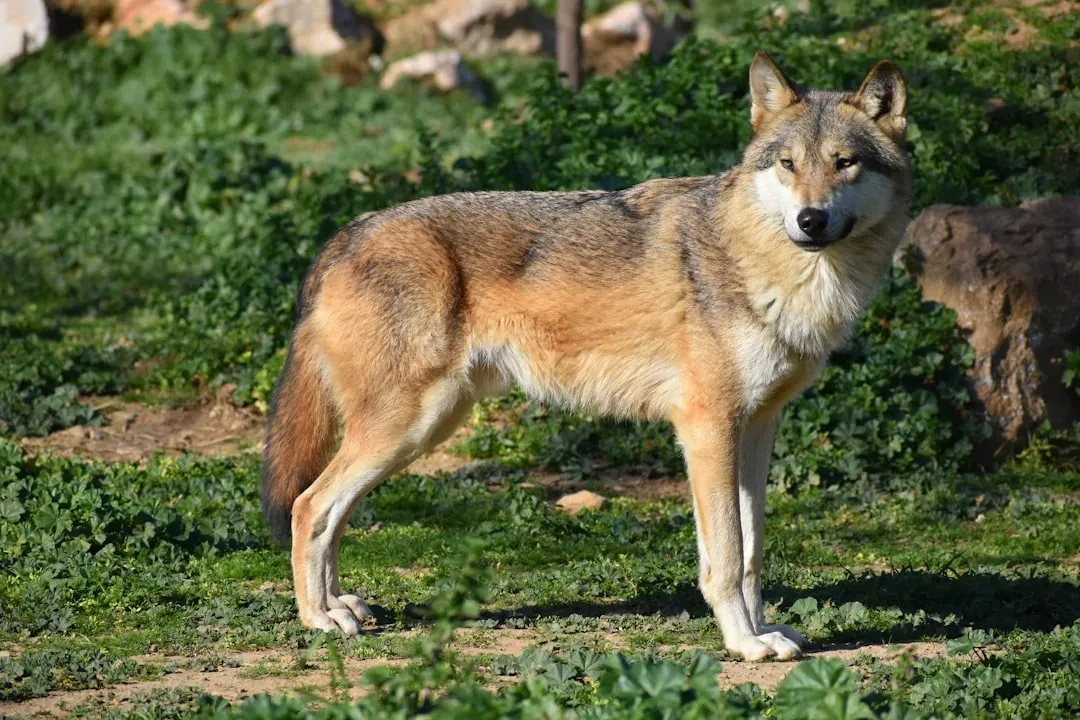
Let’s be real, the red wolf used to own the southeastern United States. Once common throughout the Eastern and South Central United States, red wolf populations were decimated by the early 20th century as a result of intensive predator control programs, as well as the degradation and alteration of the habitat that the species depends upon. These wolves weren’t hiding in obscure corners either. They thrived everywhere from coastal marshes to bottomland forests.
Red wolf populations began to decline as early as the 1700s when European settler-colonizers viewed wolves as an imminent threat to both their livestock and the big game they hunted, and offered bounties to hunters who killed the wolves. Can you imagine? The government actually paid people to wipe out an entire species.
By the mid-20th century, the situation had become dire. Hunting and habitat destruction led to extirpation of red wolves from Southern Atlantic states, leaving only two viable red wolf populations in the wild: one in the Ozark region of Missouri, Arkansas, and Oklahoma; and the other in southwestern Louisiana and southeastern Texas. The walls were closing in fast, and the red wolf’s days appeared numbered.
The Extinction That Wasn’t Permanent
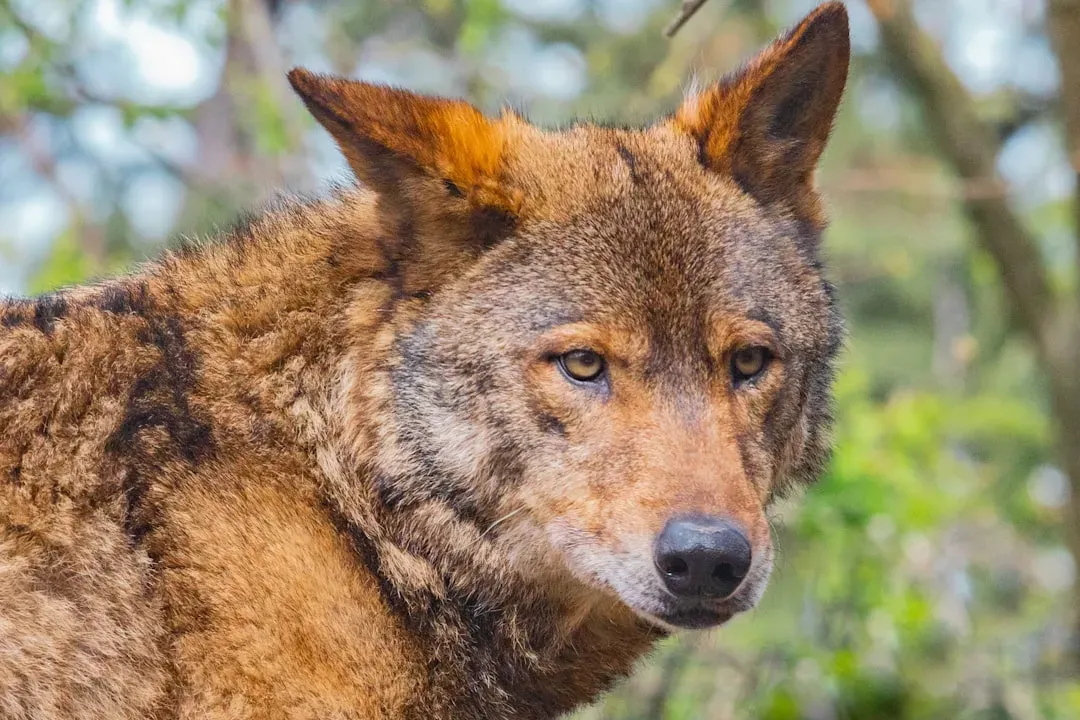
Here’s where the story gets shocking. Red Wolves were officially declared extinct in the wild in 1980, but due to the efforts of the U.S. Fish and Wildlife Service, which captured the remaining 14 wild Red Wolves and started a captive breeding program, the species became the first animal to be successfully reintroduced after being declared extinct in the wild. Just fourteen animals. That’s all that stood between total oblivion and survival.
Think about the pressure on that decision. Between 1974 and 1980, 400 wolves were captured for the captive breeding program and the U.S. Fish and Wildlife Service declared red wolves extinct in the wild, with fourteen of those red wolves becoming the genetic future of all wild red wolves. Every single red wolf alive today descends from that tiny founding population. Talk about putting all your eggs in one basket.
The North Carolina reintroduction program was the first groundbreaking reintroduction of an extinct large carnivore in human history, pre-dating Yellowstone, and what was learned from red wolf reintroduction in 1987 was used to help Yellowstone become successful almost a decade later. North Carolina wasn’t just chosen randomly. It became the testing ground for something that had never been attempted before.
Why North Carolina Became The Chosen Location
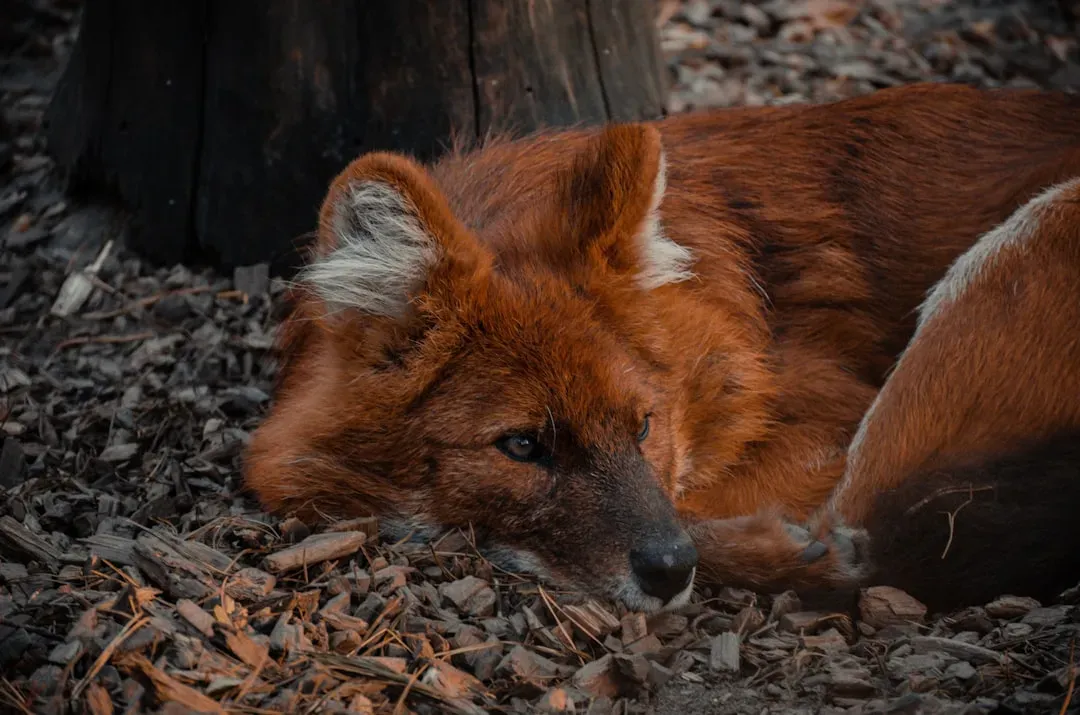
So why did scientists pick northeastern North Carolina for this unprecedented experiment? The answer lies in the unique characteristics of the Albemarle Peninsula. The U.S. Fish and Wildlife Service released the first red wolves into the wild in 1987 in North Carolina, the only location in the United States currently inhabited by wild American red wolves, and the region offered something special.
Equally at home in forests, swamps, and coastal prairies, Red Wolves can thrive in a wide range of habitats and are known as habitat generalists. The Albemarle Peninsula provided massive tracts of protected federal land, particularly within Alligator River National Wildlife Refuge and Pocosin Lakes National Wildlife Refuge. These refuges offered isolation from heavy human development, which was crucial for wolves learning to survive again in the wild.
Another factor? Prey availability. Mostly they hunt smaller mammals like raccoons, rabbits, and rodents, along with white-tailed deer. The region had abundant deer populations and smaller prey species that could sustain wolf packs. Plus, the area’s low human population density meant fewer conflicts with landowners and reduced risk of the wolves being shot, either intentionally or by mistake.
Initially, things looked promising. Innovative management tactics led to steady population growth, reaching a height of about 120 red wolves by 2007. For roughly two decades, it seemed like the red wolf had dodged extinction permanently.
The Collapse And Near Re-Extinction
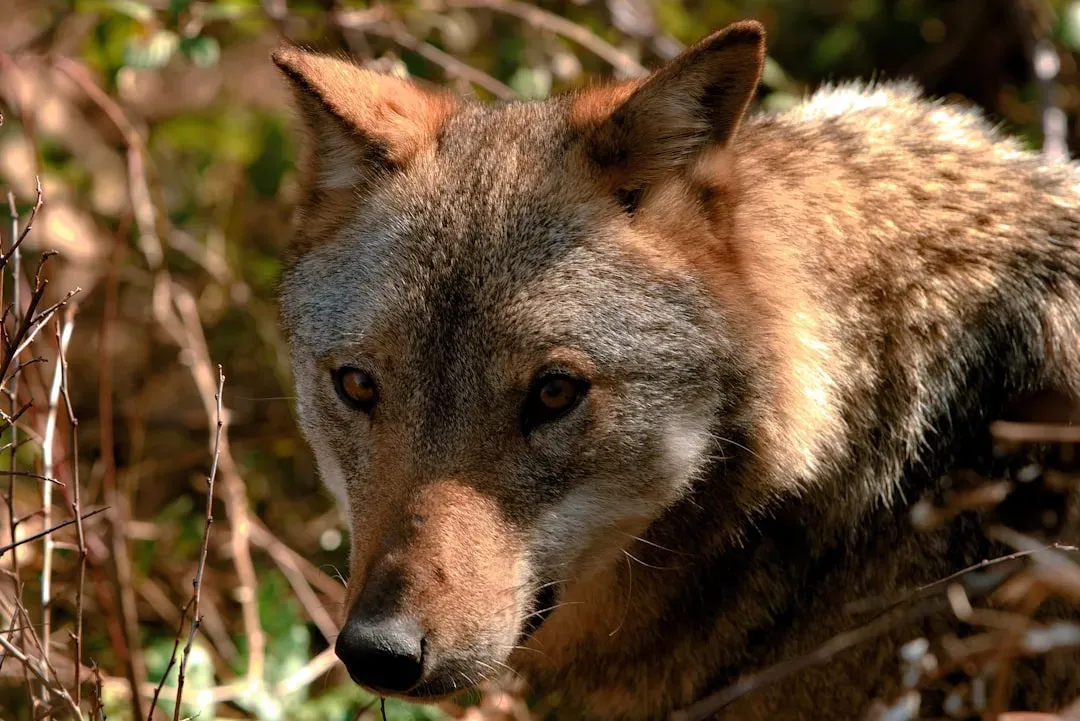
Then everything fell apart. By 2010, approximately 130 wild red wolves roamed 1.7 million acres of public and private land in five counties, but then in 2011 and 2012, a sharp uptick in illegal gunshot mortality, plus some unfortunate management decisions by USFWS, caused the population to plummet. It’s heartbreaking, honestly. After all that work, the wolves were being systematically eliminated again.
In 2014, the USFWS stopped reintroducing captive-born red wolves into the wild, ceased implementing the Red Wolf Adaptive Management Plan that limited hybridization with coyotes, and even began issuing kill permits to landowners. The very agency charged with protecting these animals essentially abandoned them. Political pressure and misinformation campaigns created an environment where wolves were once again viewed as enemies.
The situation got so bad that by 2021, there were less than 10 red wolves known to remain in the wild. A second extinction seemed inevitable. Conservation groups had to take the government to court just to force them to resume recovery efforts. In January 2021, U.S. District Court Judge Terrence Boyle ruled that USFWS must develop a plan by March 1, 2021 to resume the successful practice of releasing captive red wolves into the Red Wolf Recovery Area in North Carolina.
The Fragile Recovery Happening Today
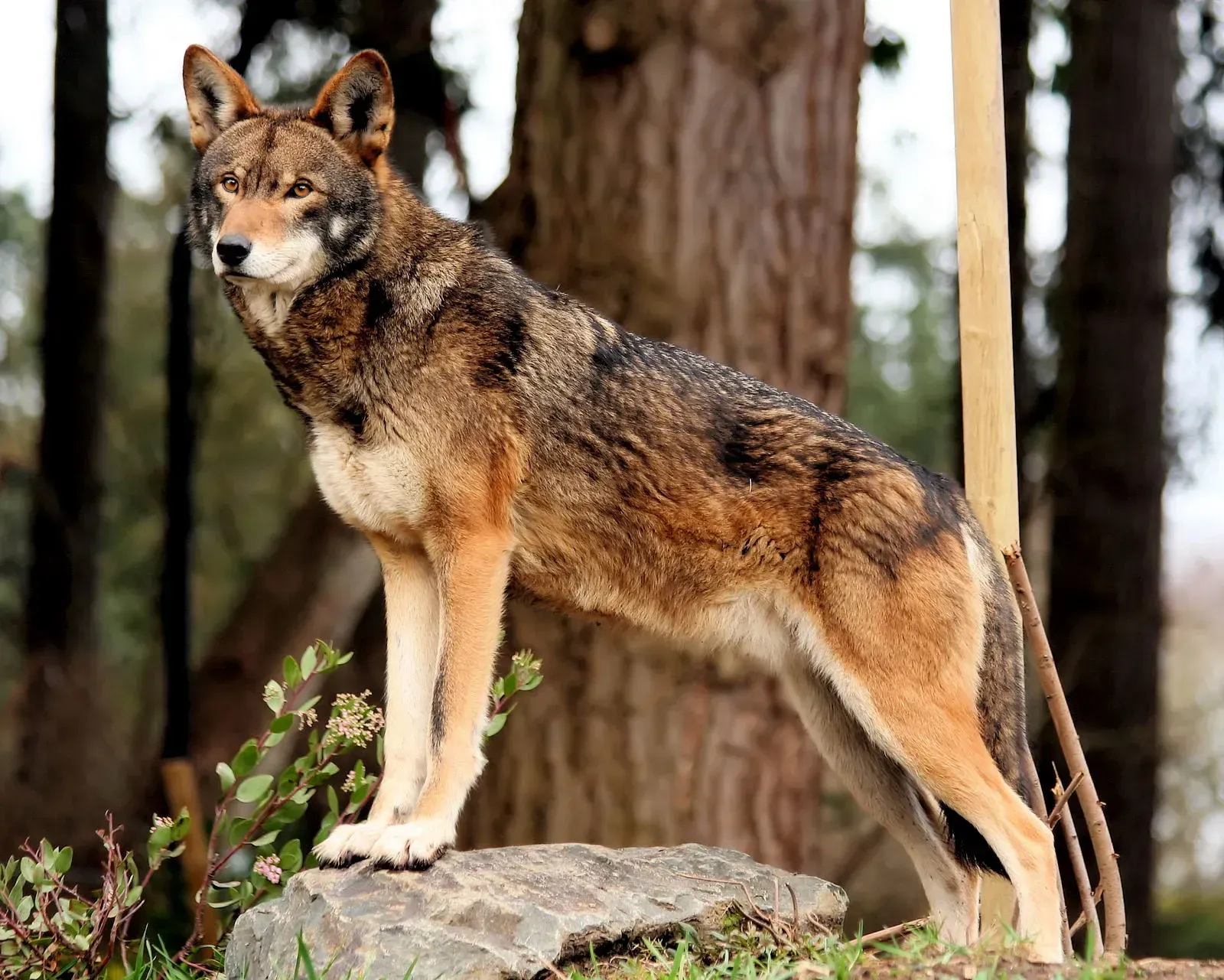
Fast forward to 2025, and there’s cautious optimism mixed with ongoing concern. Red wolf populations in northeastern North Carolina are still far from recovered, but there are optimistic signs that the highly endangered species now has a solid chance, with more wolves breeding, more pups surviving, coyote hybridization being cut, and fewer mortalities from vehicle strikes and gunshots. Small victories matter when you’re dealing with roughly two dozen animals.
There have been no Red Wolf/coyote hybrid litters born in the last three years as a direct result of the coyote sterilization management practice, with gunshot mortality significantly down with none reported since May 2023, and only one Red Wolf mortality in the last 12 months from a car strike. These improvements show that when proper management techniques are implemented, red wolves can persist.
As of August 2025, there are approximately 280 Red Wolves in SAFE facilities across the country, with 52 SAFE Red Wolf facilities total. This captive population serves as genetic insurance and provides wolves for future release efforts. Meanwhile, innovative techniques like cross-fostering pups between captive and wild litters help maintain genetic diversity and wild behaviors.
North Carolina remains the only state with wild red wolves not because other states lack suitable habitat, but because establishing new populations requires immense political will, landowner cooperation, and sustained funding. The recovery plan calls for additional reintroduction sites, but progress remains slow.
Conclusion
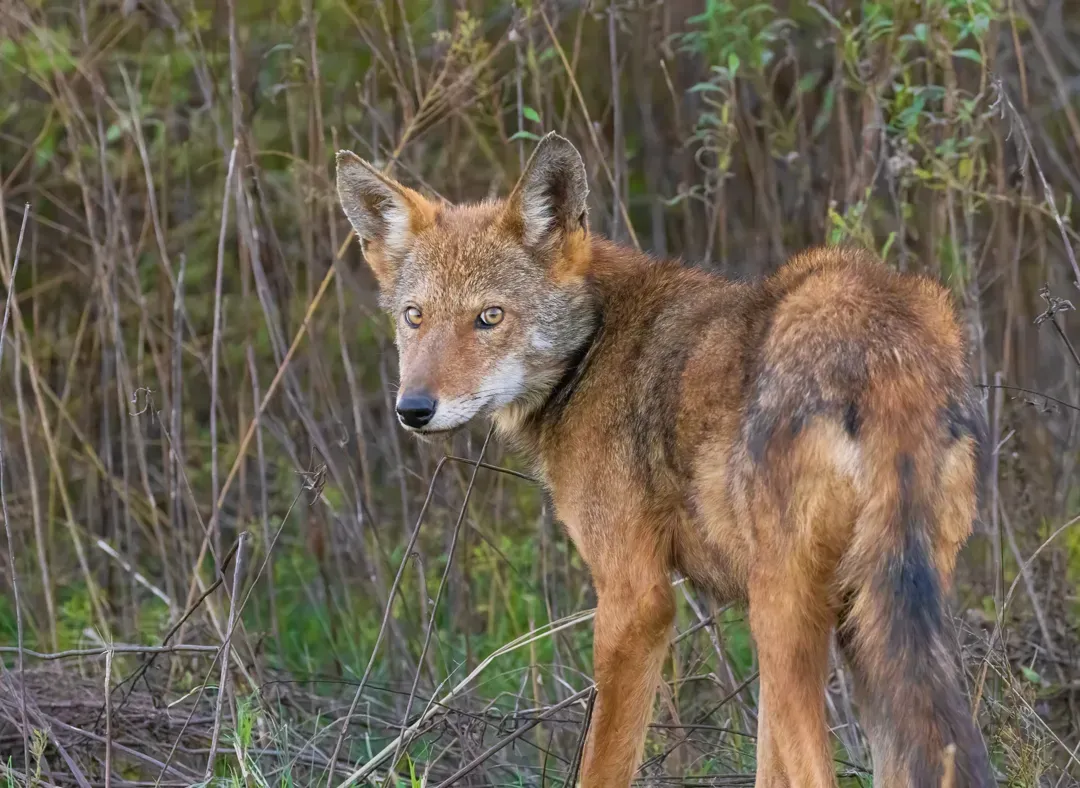
North Carolina didn’t choose to be the last refuge for red wolves. It became that by necessity, by chance, and by the determination of scientists who refused to let extinction be the final chapter. The state’s northeastern corner holds something precious and precarious: roughly 28 to 31 wild red wolves representing the entire free-roaming population of their species on Earth.
The red wolf’s confinement to North Carolina tells a larger story about what we value, what we’re willing to sacrifice, and whether we can coexist with predators that once defined American wilderness. Every howl echoing across the Albemarle Peninsula is a small miracle, a defiant reminder that extinction doesn’t have to be forever.
What happens next depends on continued commitment from wildlife managers, tolerance from local communities, and recognition that these wolves belong here just as much as we do. Will North Carolina remain , or will we finally expand their territory? The answer will reveal whether we’ve truly learned from past mistakes.
