

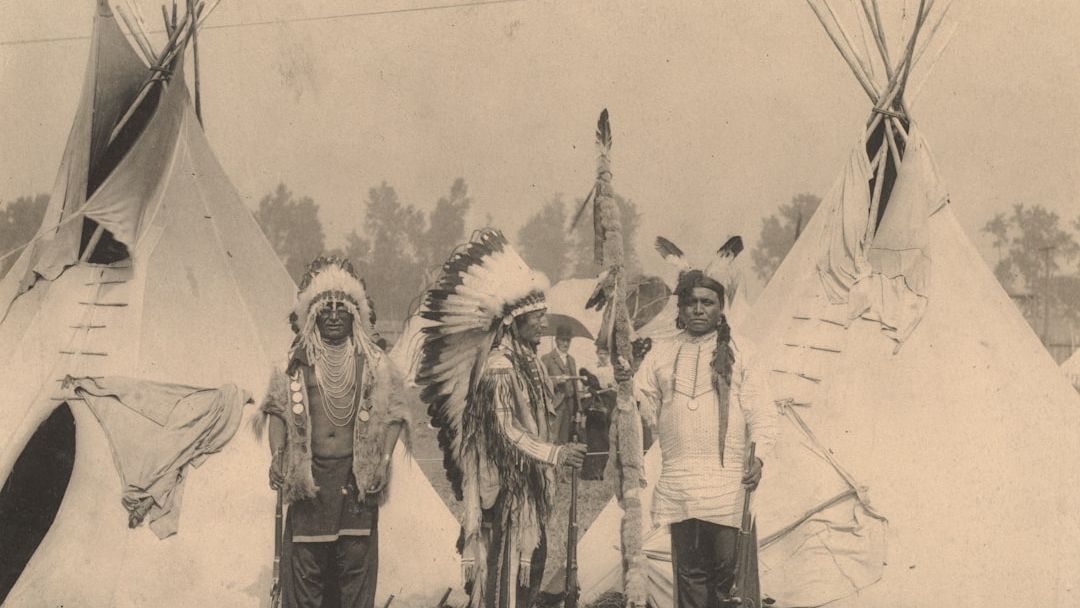
Most of us remember learning about Native Americans through the same narrow lens. We built sugar cube missions, heard simplified stories about Thanksgiving, and memorized a few names from the Trail of Tears. What we didn’t learn are the complex truths that challenge everything we thought we knew about indigenous cultures and their place in American history.
The numbers tell the story: roughly ninety percent of what schools teach about Native Americans focuses only on events before 1900. This approach creates a dangerous myth that indigenous peoples are frozen in time, existing only in history books rather than as vibrant communities shaping today’s world.
Native Americans Didn’t Get Voting Rights Until 1924 (And Even Then, Not Really)
Here’s something that might shock you: Native Americans weren’t granted U.S. citizenship until President Calvin Coolidge signed the Indian Citizenship Act in 1924. Think about that timing. Even after gaining citizenship, many states continued blocking Native voting rights well into the 1960s.
Arizona was actually the last state with an outright ban on Native American voting. Some states used clever tactics like requiring voters to live at postal addresses when over 40,000 homes on Native lands don’t have traditional street addresses. It’s a voting barrier that persists today.
Most Native Languages Spoken Today Are in Danger of Disappearing Forever
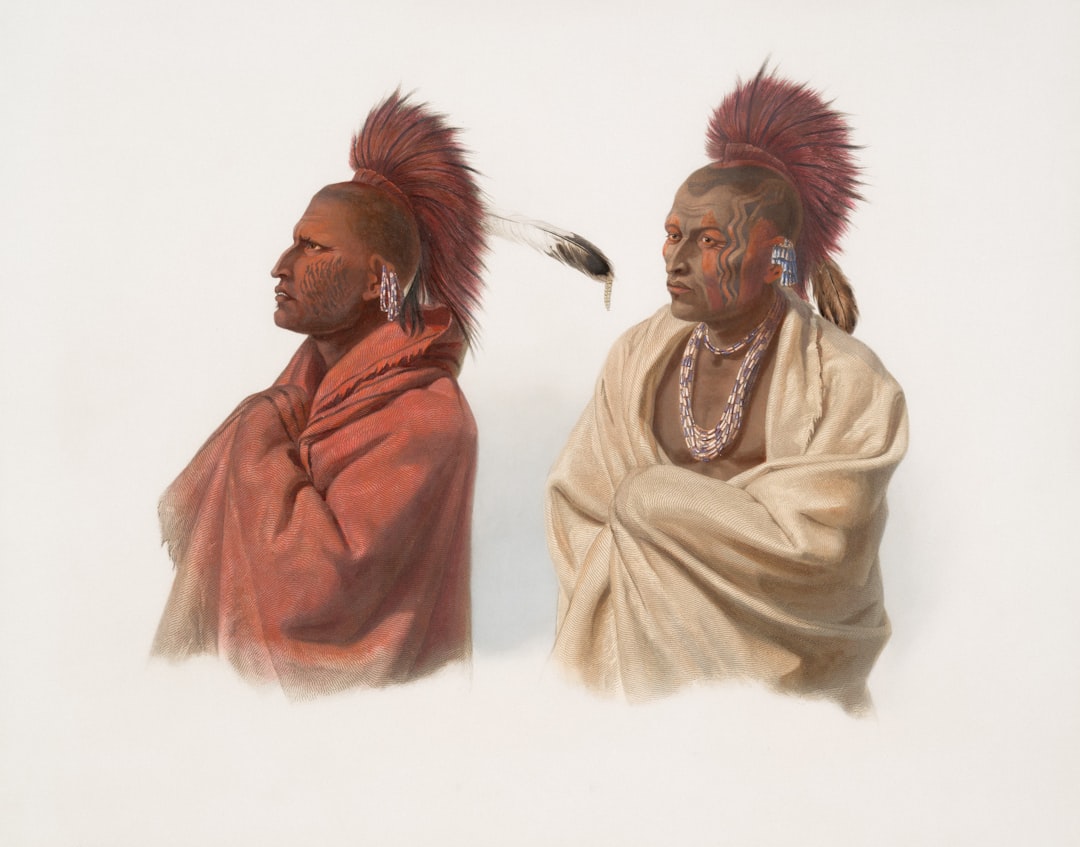
Before European colonization, over 300 languages were spoken by Native American tribes, but today only about 175 indigenous languages remain active. This isn’t just about numbers on a page. When a language dies, entire ways of understanding the world vanish with it.
The boarding school system played a devastating role in this linguistic genocide. Children were forbidden to speak their Native languages and punished severely when they did. Imagine being seven years old and getting beaten for speaking the only language you knew.
The Boarding School System Was Cultural Warfare, Not Education
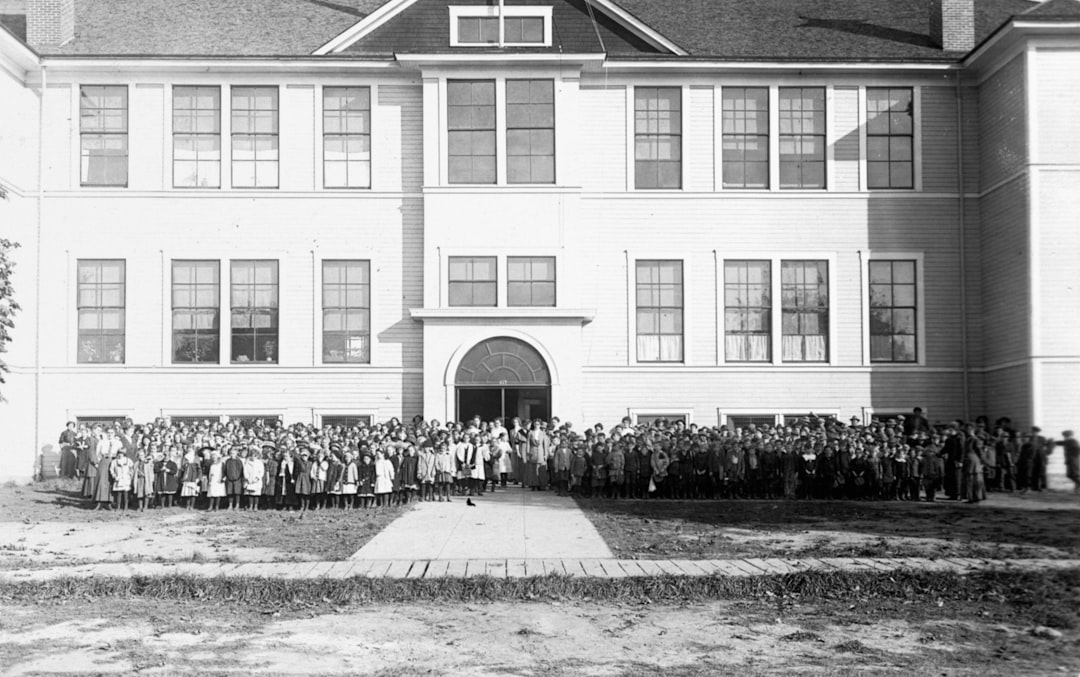
The famous motto “Kill the Indian to save the man” perfectly captured the true purpose of Native American boarding schools. Between 1869 and the 1960s, hundreds of thousands of Native children were removed from their families, with enrollment jumping from 20,000 in 1900 to over 60,000 by 1925.
Students were separated from families for years at a time, forced to cut their hair, abandon traditional clothing, and take new English names. Many endured physical and sexual abuse. Deaths are estimated to be in the thousands.
Native Americans Come From Hundreds of Distinct Nations, Not One Culture
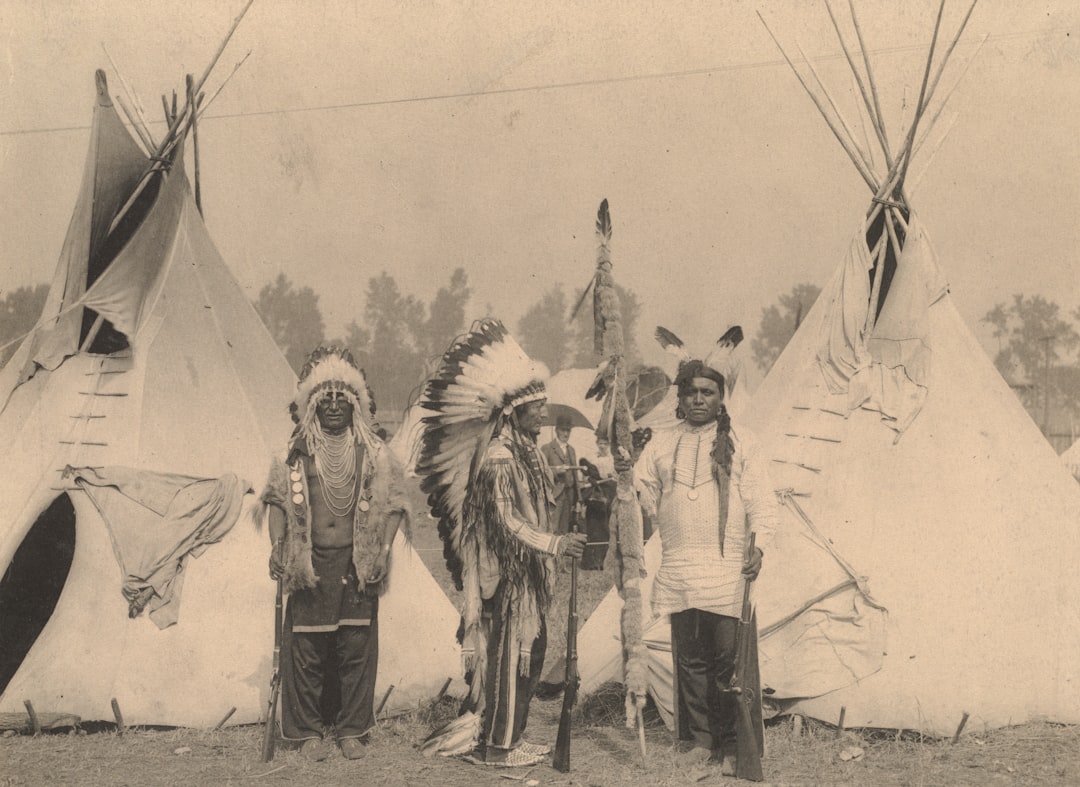
Native Americans aren’t one people but actually come from hundreds of different tribal groups with very different histories. Yet most textbooks lump them together as if they shared identical cultures and experiences.
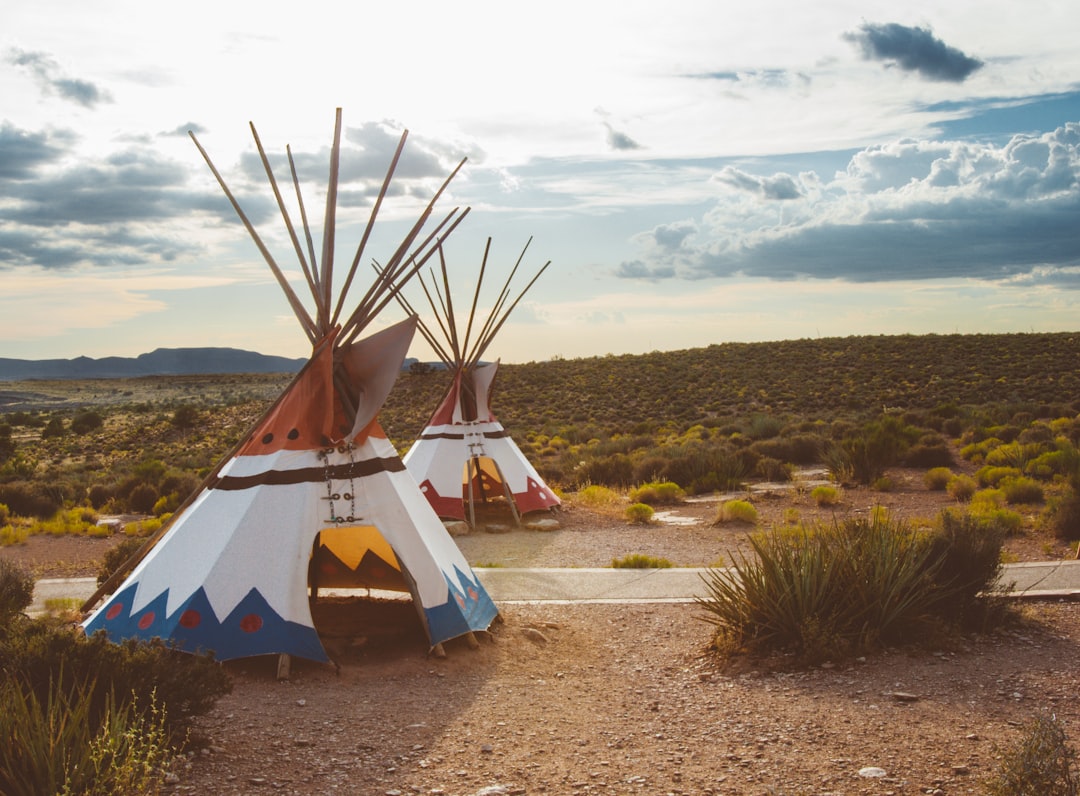
The Hollywood stereotype of all tribes living in teepees is completely false – Native Americans had vastly different housing, languages, and ways of life depending on their tribal nation. The Iroquois lived in longhouses, Mesa Verde peoples dwelled in cliffs, and Plains tribes used teepees for their nomadic lifestyle.
Native Americans Helped Shape American Democracy
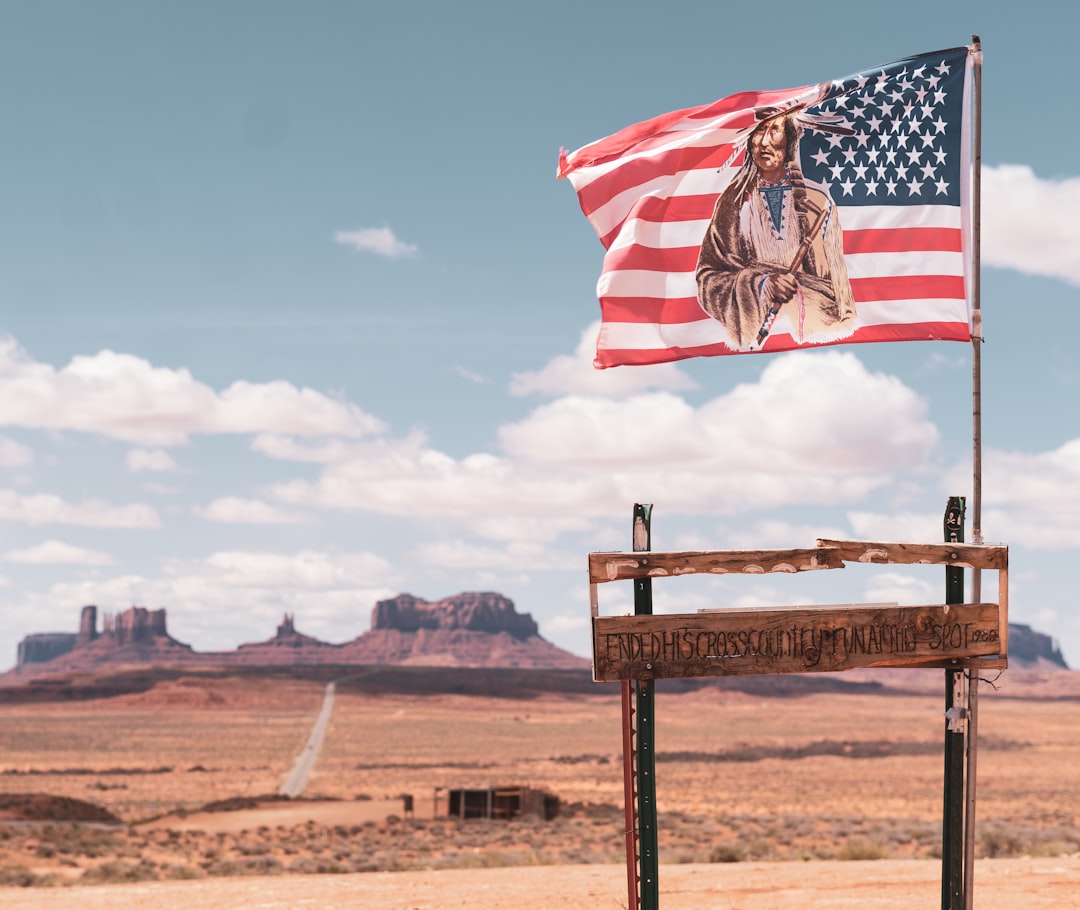
Native American cultures heavily influenced early American democracy, with some Indigenous peoples having federalist systems of government long before European arrival. The delegates at the 1787 Constitutional Convention were familiar with these indigenous governmental structures.
This contribution gets completely erased from most civics textbooks. Instead, we learn about democracy as if it sprang fully formed from European philosophy, ignoring the sophisticated political systems that already existed on this continent.
The Term “Squanto” Masks a Tragic Story of Survival
Most people learned about Squanto as the helpful Native American who saved the Pilgrims, but the real story is far more complex and heartbreaking. Tisquantum had been kidnapped and enslaved years before the Mayflower arrived, eventually escaping and making his way back to find his entire village dead from disease.
His “help” to the Pilgrims came from a man who had already lost everything. Schools present this as a heartwarming tale of cooperation while ignoring the trauma and devastation that made his assistance possible.
Native Americans Are Invisible in Modern History Lessons
Many students are surprised to learn that Native peoples still exist today because their education completely stops covering indigenous history after the 1890s. On the Navajo Nation, about one-third of the population still lives without running water or electricity partly because New Deal programs in the 1930s only offered services to states and counties, not tribal governments.
This erasure isn’t accidental. When students don’t learn about ongoing indigenous issues, they can’t question current policies or understand how historical injustices continue today.
The “Civilizing” Mission Was Really About Land Theft
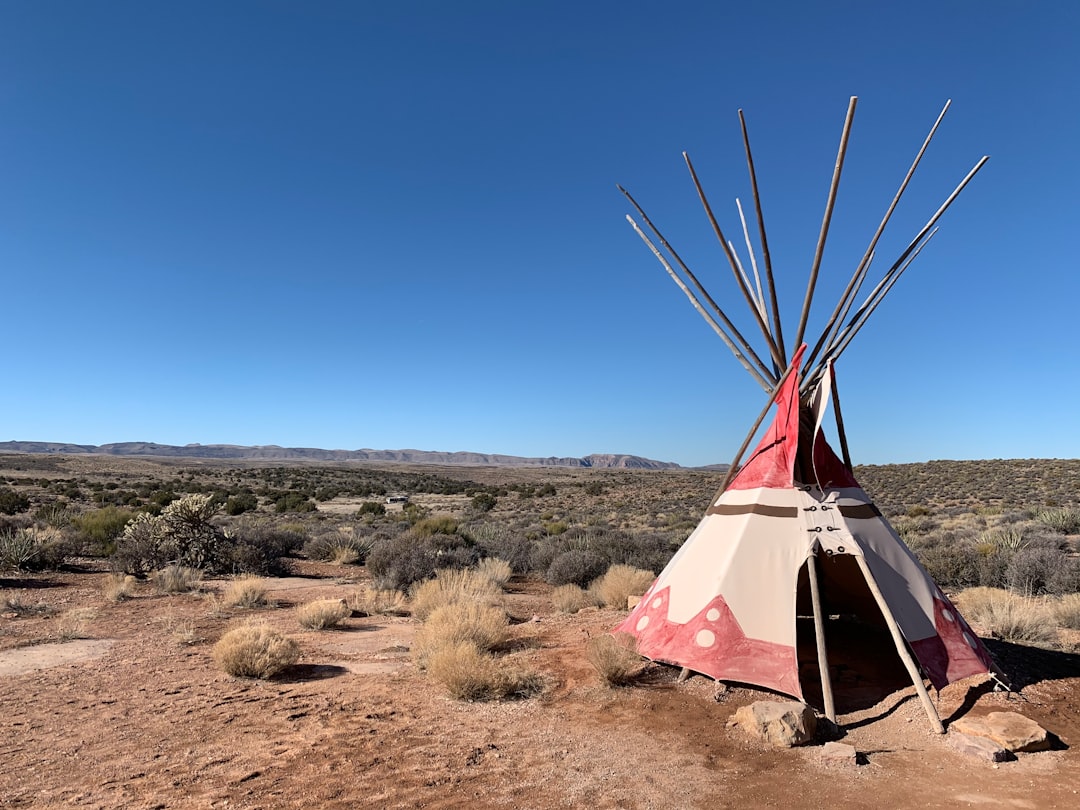
The boarding school era’s greatest genocide wasn’t just cultural but involved massive land loss and dispossession, with policymakers believing Native people could abandon their homelands if they were properly “civilized”.
The Dawes Act redistributed tribal lands into individual 160-acre allotments, and by 1932, Native Americans had lost two-thirds of their original 138 million acres. The “education” was cover for one of history’s largest land grabs.
Popular Books About Native Americans Were Actually Written by Racists
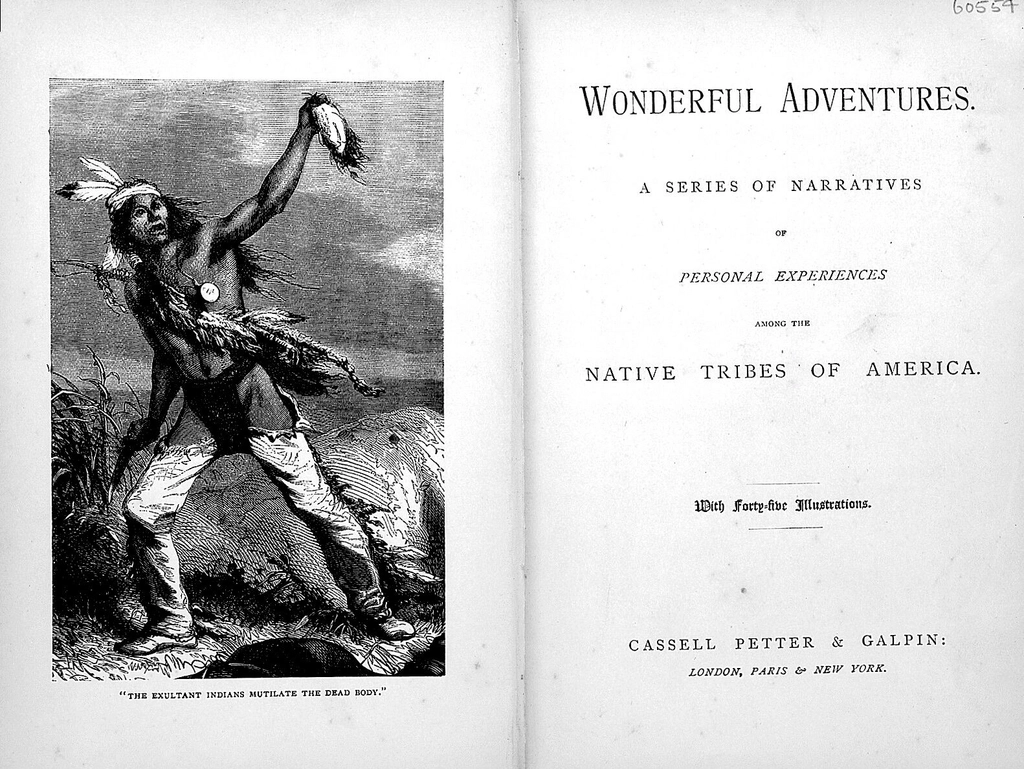
Countless Americans grew up reading “The Education of Little Tree,” believed to be a Cherokee memoir that was even recommended by Oprah, but in 1991 it was exposed as a complete hoax written by Asa Carter, a white supremacist and former Klu Klux Klan member.
This book shaped how millions of Americans understood Native culture, and it was entirely fabricated by someone who actively promoted racial hatred. It’s a perfect example of how false narratives about indigenous peoples get embedded in our culture.
Jim Thorpe Was Possibly America’s Greatest Athlete, But Few Know His Full Story
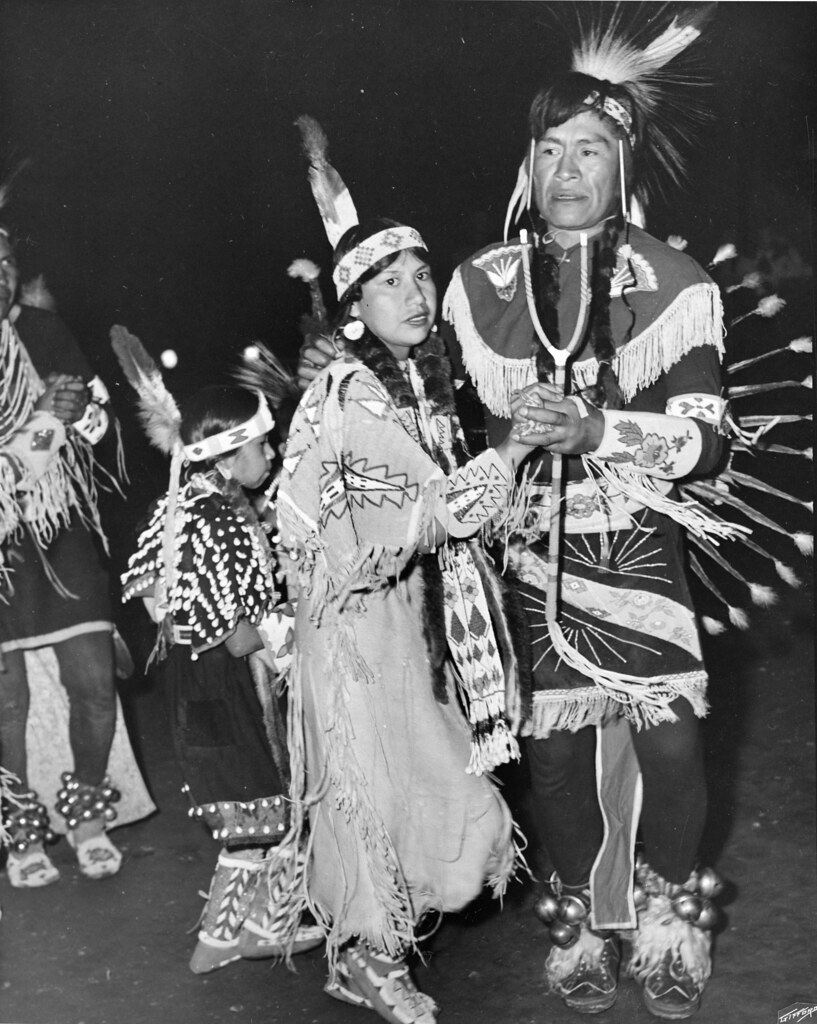
Jim Thorpe, a member of the Sac and Fox nation, became the first Native American to win Olympic gold medals (he won two), but he also played professional football, baseball, basketball, and lacrosse, plus won a ballroom dancing championship in college. Many consider him the greatest athlete of all time.
Yet most people only know him as “that Olympic guy” without understanding his groundbreaking role as a Native American athlete succeeding in a deeply racist era. His story gets reduced to sports trivia instead of being celebrated as a triumph over systemic discrimination.
Conclusion
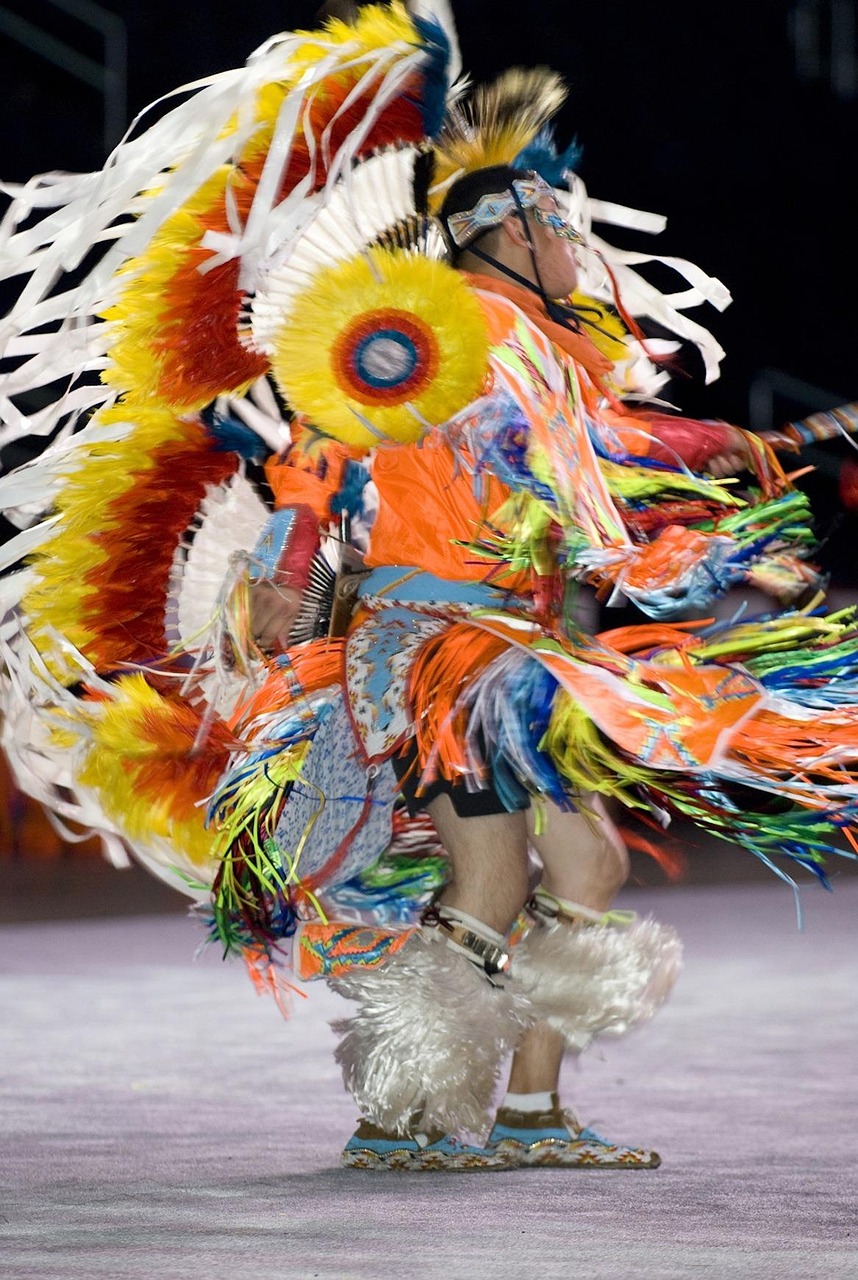
These facts reveal how our education system has systematically erased, simplified, or distorted Native American experiences. This lack of understanding isn’t just detrimental for Native students – it robs all Americans of core information about our history, geography, culture, and law.
When we teach incomplete or false stories about indigenous peoples, we perpetuate harmful myths that affect real communities today. Understanding these truths doesn’t just correct historical records – it helps us build a more honest and inclusive society for everyone.
What other “facts” from your school days might need a closer look? Tell us what surprised you most in the comments.

- Which Animals Inspired the Design of Real Robots - June 3, 2026
- 12 Calm, Low-Maintenance Dogs Ideal for Retirement Years - June 3, 2026
- The Wild Cat That Best Represents Each Zodiac Sign - June 3, 2026