


Every single day, engineers around the world look to nature’s most brilliant solutions for inspiration. Think about it. Animals have spent millions of years perfecting their survival techniques through evolution’s relentless testing. Now roboticists are borrowing these time-tested designs to create machines that can climb walls, swim through water, and even take to the skies.
This fascinating field called biomimetics has revolutionized how we approach robotics. Rather than starting from scratch, scientists study how animals move, hunt, and navigate their environments. The results are nothing short of remarkable. Let’s explore the incredible animal kingdom that’s shaping our robotic future.
Dogs – Boston Dynamics’ Four-Legged Revolution
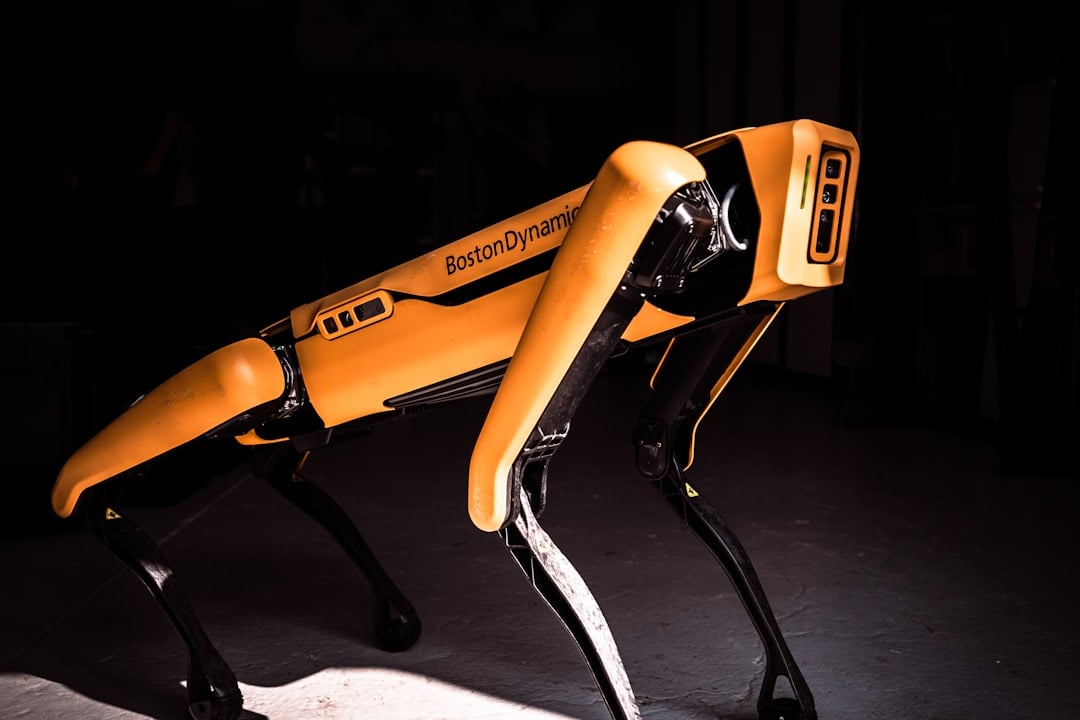
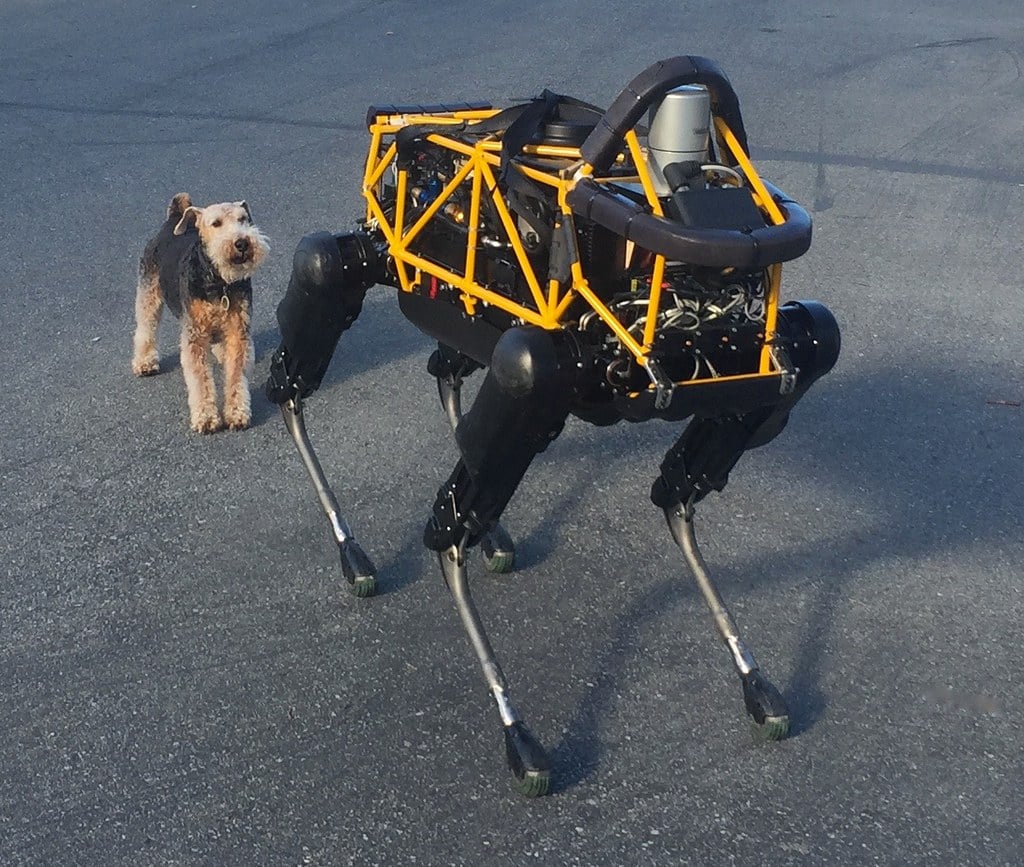
When you think about animal-inspired robots, the famous Spot robot from Boston Dynamics probably comes to mind first. The canine-esque BigDog and Spot robots created by Boston Dynamics represent perhaps the most recognizable biomimetic machines today.
These quadruped robots borrow the natural stability and agility of dogs to navigate challenging terrain. They can maintain balance on uneven surfaces, recover from falls, and even dance with surprising grace. The four-legged design provides inherent stability that two-legged robots struggle to achieve.
Geckos – Masters of Wall-Climbing Technology
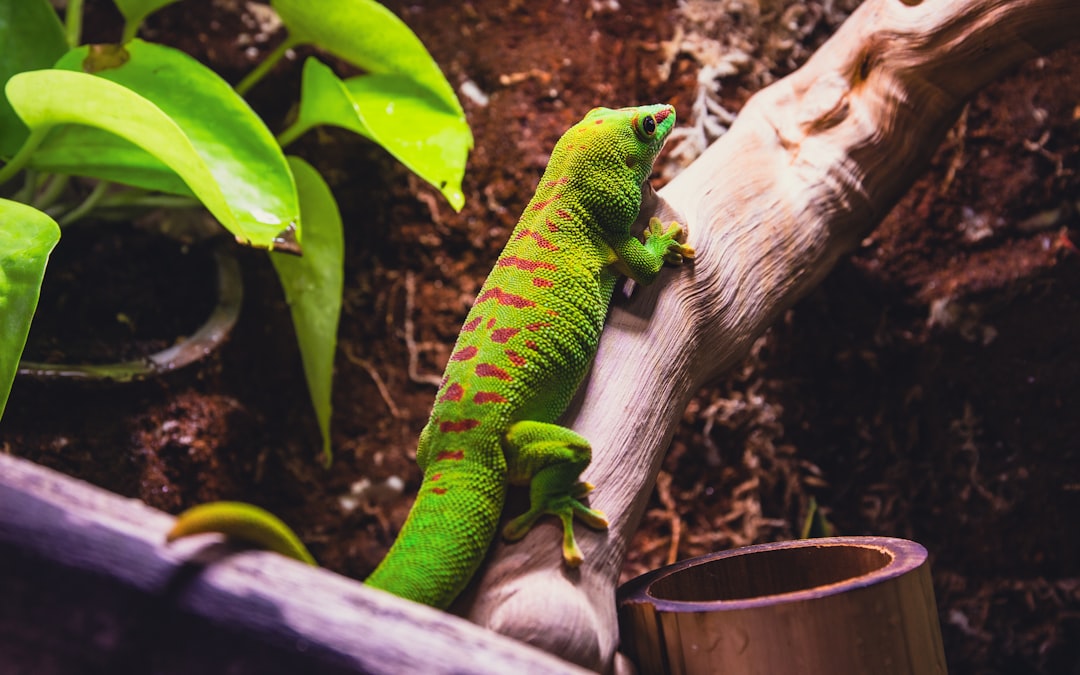
Geckos possess one of nature’s most impressive superpowers – the ability to stick to virtually any surface. Stickybot, a creation of Stanford engineers, emulates the incredible climbing ability of geckos. Inspired by the thousands of tiny hairs (setae) on gecko feet that enable them to adhere to surfaces, Stickybot can climb smooth vertical walls, even glass.
Scientists have developed gecko-inspired soft robots that can climb inclined, flat surfaces. By changing the design, the energy consumption could be reduced while increasing climbing ability and speed. The new prototype consumes only about a third of the energy of previous versions and manages to climb slopes of up to 84°. These remarkable machines could revolutionize inspection and maintenance work in dangerous environments.
Cheetahs – Speed and Agility in Robotics
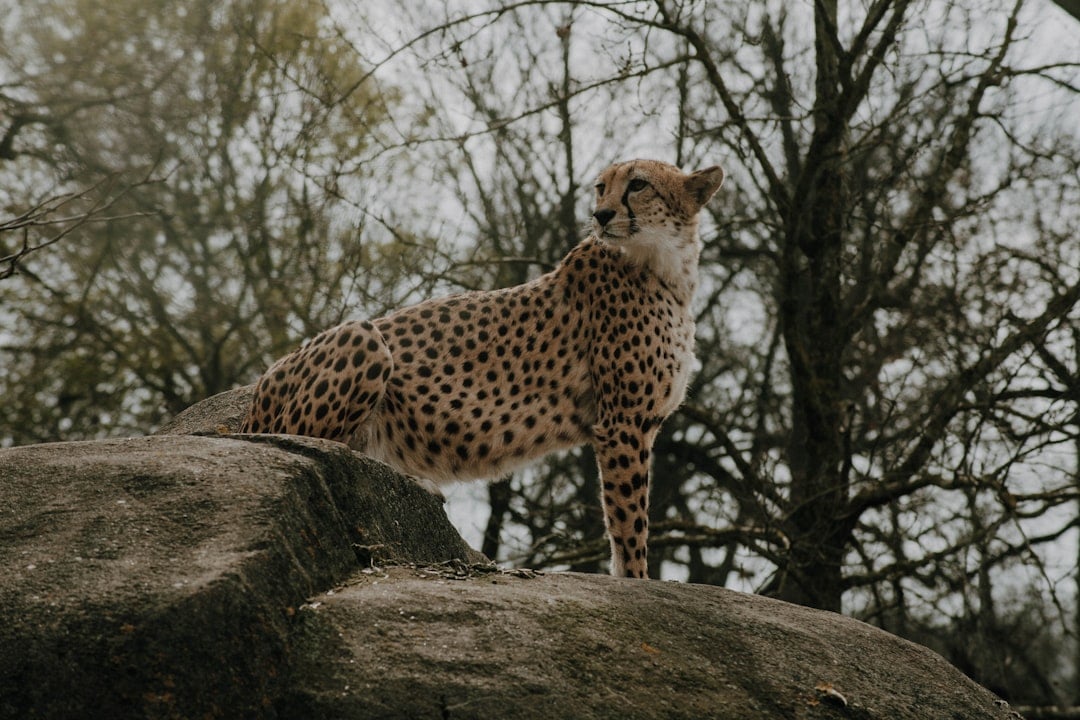
The MIT Cheetah Robot is a quadruped robot known for its impressive speed and agility. Developed by MIT’s Biomimetic Robotics Lab, this robot can run, jump, and even recover from falls. Its potential applications include search and rescue missions, disaster response, and military operations.
What makes the cheetah such perfect inspiration is its unique spine flexibility and leg coordination. The robot mimics the cheetah’s galloping gait, where all four legs leave the ground simultaneously during each stride. This biomimetic approach allows for incredible speeds that traditional wheeled robots simply cannot match.
Birds – Taking Flight with Biomimetic Wings

Birds have mastered the skies for over 150 million years, so it’s no surprise they’re inspiring flying robots. The individual segments fan out during wing upstroke, allowing air to flow through the wing. The segments then close during the downstroke so that flying robots can fly more powerfully. By closely replicating wings of an actual bird, the BionicSwifts feature a flight profile far superior to previous flapping wing drives.
RoboFalcon2.0, a flapping-wing robot with reconfigurable mechanisms performing bioinspired flap-sweep-fold (FSF) motion for controlled bird-style takeoff. FSF couples flapping, sweeping, and folding within a single wingbeat cycle, mimicking vertebrate slow-flight kinematics. These innovations could transform how drones navigate urban environments and tight spaces.
Snakes – Slithering Through Impossible Spaces

Researchers at Carnegie Mellon University have been programming snake robots for years to get them to crawl through rubble and around obstacles. The inspiration came from observing sidewinders. Their motion can best be described in two terms: vertical and horizontal body waves. Changing the phase and amplitude of these waves allows snakes to achieve enhanced movement.
Snake-inspired robots excel at navigating confined spaces where traditional robots would fail. Their segmented, flexible bodies can squeeze through narrow pipes, crawl through debris, and access areas that would be impossible for wheeled or legged robots. NASA is exploring these designs for space exploration missions.
Octopuses – Soft Robotics Pioneers

The Octobot, developed by Harvard researchers, is a remarkable example of soft robotics. This 3D-printed robot is entirely soft-bodied, mimicking the squishy texture and flexibility of a real octopus. It is powered by hydrogen peroxide and controlled by a microfluidic logic circuit, eliminating the need for traditional batteries or electronics. The Octobot’s ability to move autonomously demonstrates the potential of soft robotics in various applications.
The octopus represents a completely different approach to robotics – one without rigid structures or traditional motors. These soft robots can squeeze through spaces much smaller than their relaxed diameter, making them perfect for medical applications or underwater exploration.
Dragonflies – Precision Flight Control

Festo’s BionicOpter is a marvel of engineering, mimicking the flight of a dragonfly with remarkable accuracy. Its four wings, controlled by complex software and electronics, allow it to maneuver in all directions, hover, and even glide without flapping. This lightweight and agile robot showcases the potential of bio-inspired flight technologies.
Dragonflies are nature’s aerial acrobats, capable of instantaneous direction changes and precise hovering. Their four independent wings provide unmatched maneuverability that traditional propeller-driven drones cannot replicate. The biomimetic approach unlocks new possibilities for surveillance and inspection applications.
Fish – Underwater Navigation Experts
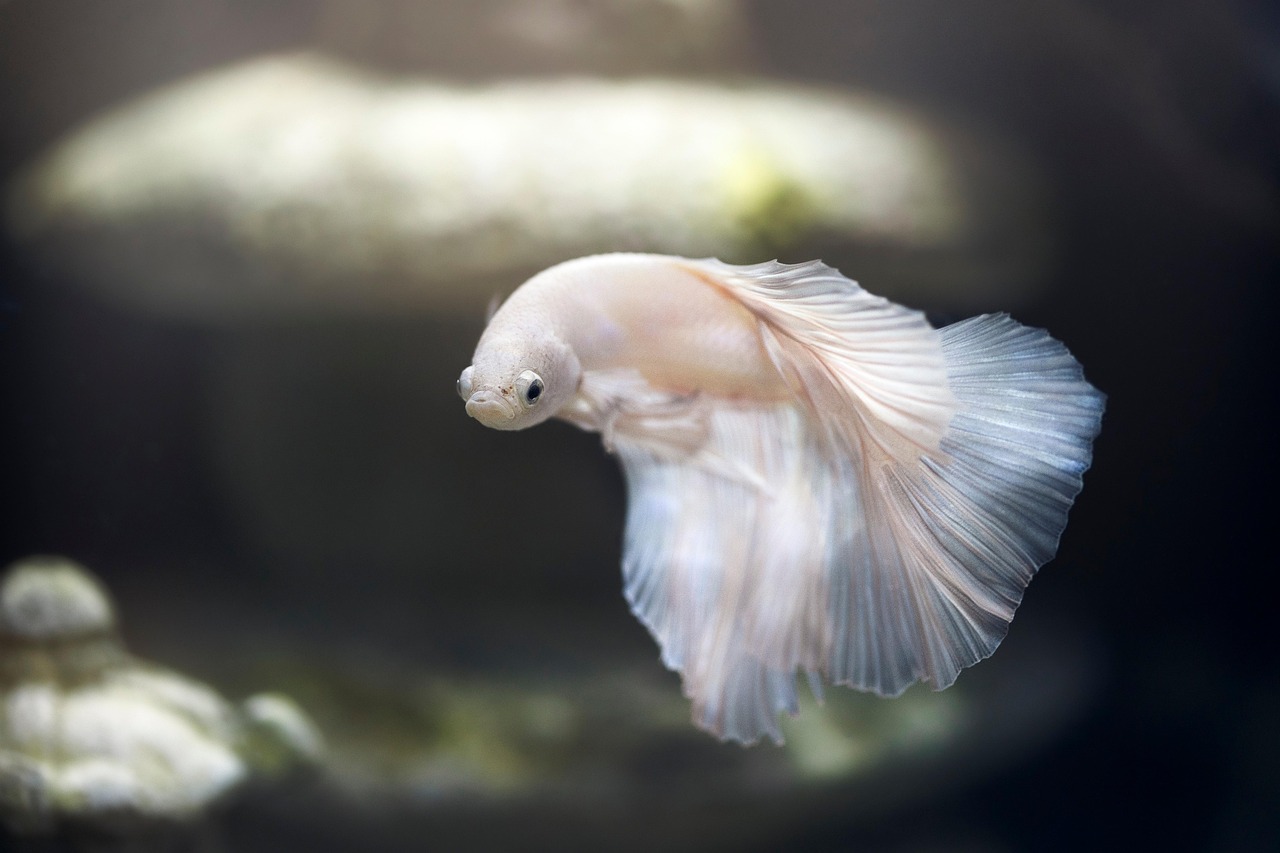
MIRO (Marine Intelligence Robot), developed by AIRO Inc., stands as the world’s first commercially available biomimetic aquarium robot fish. Equipped with two motors and four distance measurement sensors, MIRO can swim autonomously or be controlled remotely, mimicking the movements of various fish species like carp, arowana, and even sharks. This remarkable robot can dive up to 50 meters, offering a mesmerizing underwater experience.
Fish have perfected underwater propulsion through millions of years of evolution. Their streamlined bodies and flexible fins provide incredibly efficient movement through water. Robot fish can navigate underwater environments with minimal energy consumption, making them ideal for marine research and underwater inspection tasks.
Cockroaches – Resilient All-Terrain Mobility
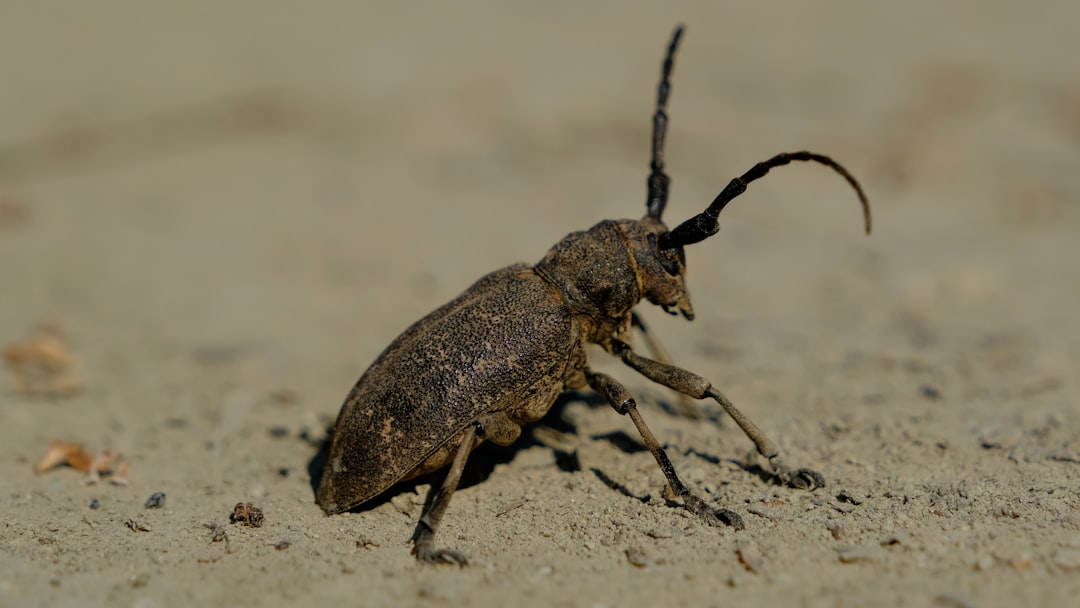
The Harvard Ambulatory MicroRobot (HAMR) is a tiny robot inspired by the remarkable mobility of cockroaches. This centimeter-scale robot can walk, swim on water, and even walk underwater. Developed by Harvard University researchers, HAMR’s potential applications include exploration of confined spaces and disaster response scenarios.
Cockroaches are among the fastest animals, running over 50 body lengths per second, equivalent to 200 mph when scaled up to human size. They are highly capable: can climb up walls, race along ceilings, ingress into narrow crevices, rapidly change direction by turning or disappear rapidly by swinging under ledges. Their incredible versatility makes them perfect models for rescue robots.
Spiders – Eight-Legged Engineering Marvels
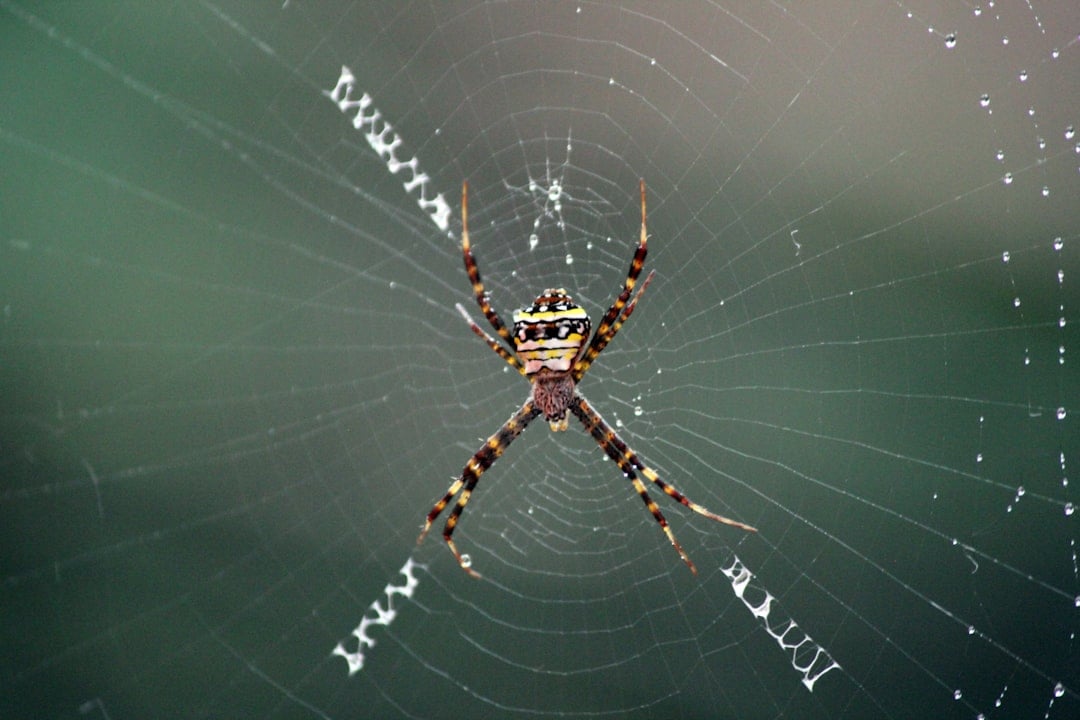
Robugtix T8X is a bio-inspired, 3D-printed spider robot that moves with the eerily realistic gait of its eight-legged namesake. Spiders represent one of nature’s most successful body plans, with eight legs providing redundancy and stability that four-legged creatures cannot match.
Spider-inspired robots can lose several legs and still maintain mobility – a crucial advantage for robots operating in dangerous environments. Their distributed leg arrangement also allows for incredibly stable movement across uneven terrain, making them perfect for exploration missions where reliability is paramount.
Conclusion
The intersection of biology and robotics continues to yield extraordinary innovations that seemed like science fiction just decades ago. When solving complex problems in the real world, today’s top robot builders often draw on the natural world for inspiration: giving them millions of years of evolution to borrow from. This nature-inspired approach to problem solving and design is called “biomimicry,” and it’s resulted in some incredibly impressive robots, capable of astonishing feats.
From gecko-inspired climbing robots scaling nuclear reactors to bird-like drones navigating urban canyons, these biomimetic machines are transforming industries and opening new possibilities we never imagined. The animal kingdom remains our greatest teacher, showing us that the most elegant solutions often come from nature’s own laboratory.
What do you think about these remarkable animal-inspired robots? Tell us in the comments which creature you’d like to see roboticists tackle next!
