
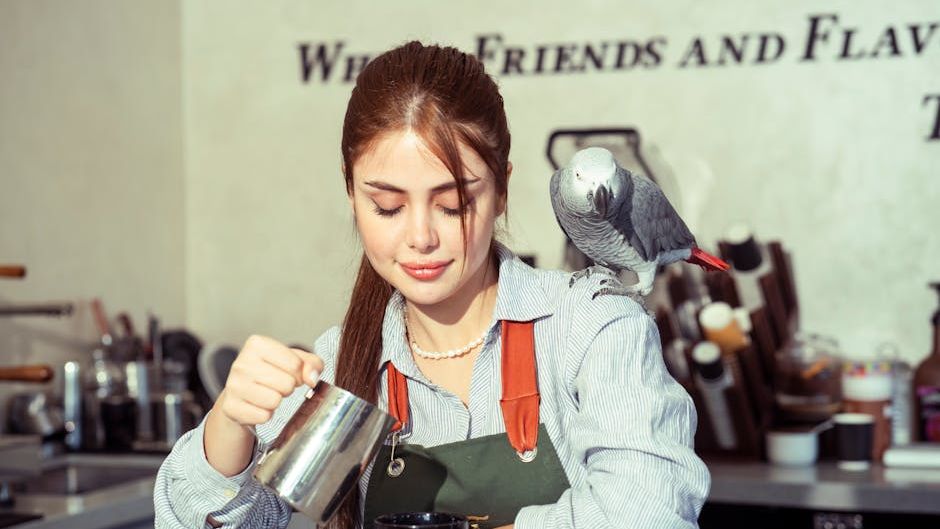
Parrots are curious, smart, and incredibly social creatures. They love to be part of the family, and that includes your mealtimes. Your bird will happily waddle over and beg for a taste of whatever you’re eating, eyes wide, feathers puffed with anticipation. It looks adorable. It really does.
Here’s the thing though: what is perfectly safe for you could be genuinely life-threatening for your feathered companion. It is incorrect to assume that parrots innately know which foods are dangerous for them. In fact, a parrot learns these things from their parents and flock mates in the wild. Most pet parrots have never had that natural education. So the responsibility falls entirely on you.
Some of the foods on this list will genuinely shock you. A few are everyday staples you probably eat without a second thought. Let’s dive in.
1. Avocado: The “Healthy” Food That Can Kill
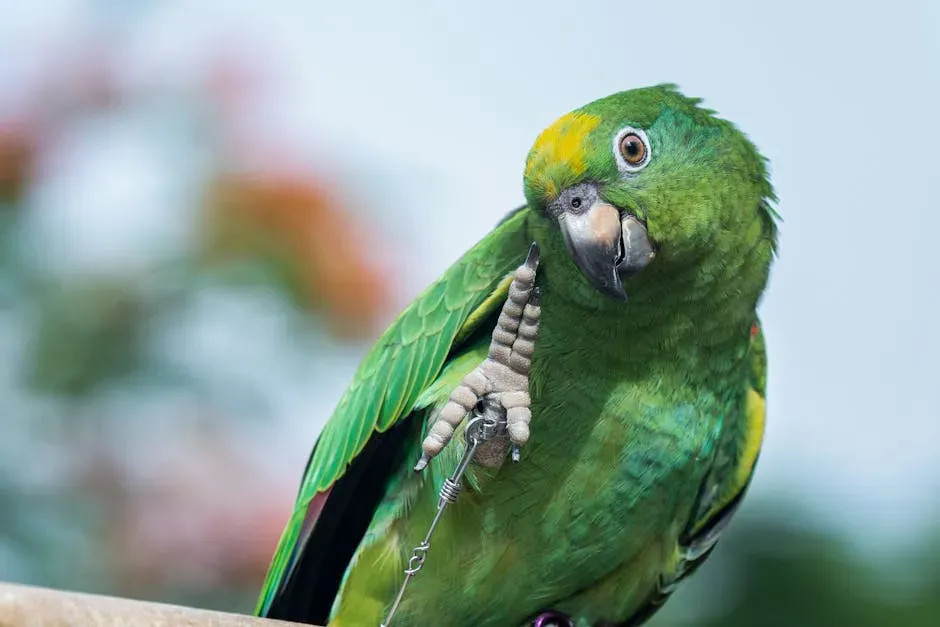
Avocado is beloved by health-conscious humans everywhere. Slap it on toast, blend it into a smoothie, nobody blinks. For parrots, however, it is one of the most dangerous foods on the planet.
Avocados contain a fatty acid derivative called persin. When parrots ingest avocado, persin can lead to breathing problems and the inability to perch safely. When sufficient persin is ingested, it causes fluids to accumulate around the organs. Once respiratory problems occur, death is the most likely outcome.
The avocado fruit contains a substance called persin, which is highly toxic to many bird species, including parrots. While some parrots appear unaffected by avocado consumption, others may suffer from severe toxicity. In a study, budgies that ingested small amounts of avocado passed away within 48 hours.
Persin can be found in all parts of the avocado tree, not just the fruit. That means the skin, pit, leaves and flesh are all off-limits. Do not even leave avocado scraps on a kitchen counter where a free-flying parrot could land.
2. Chocolate: A Sweet Treat That Turns Deadly
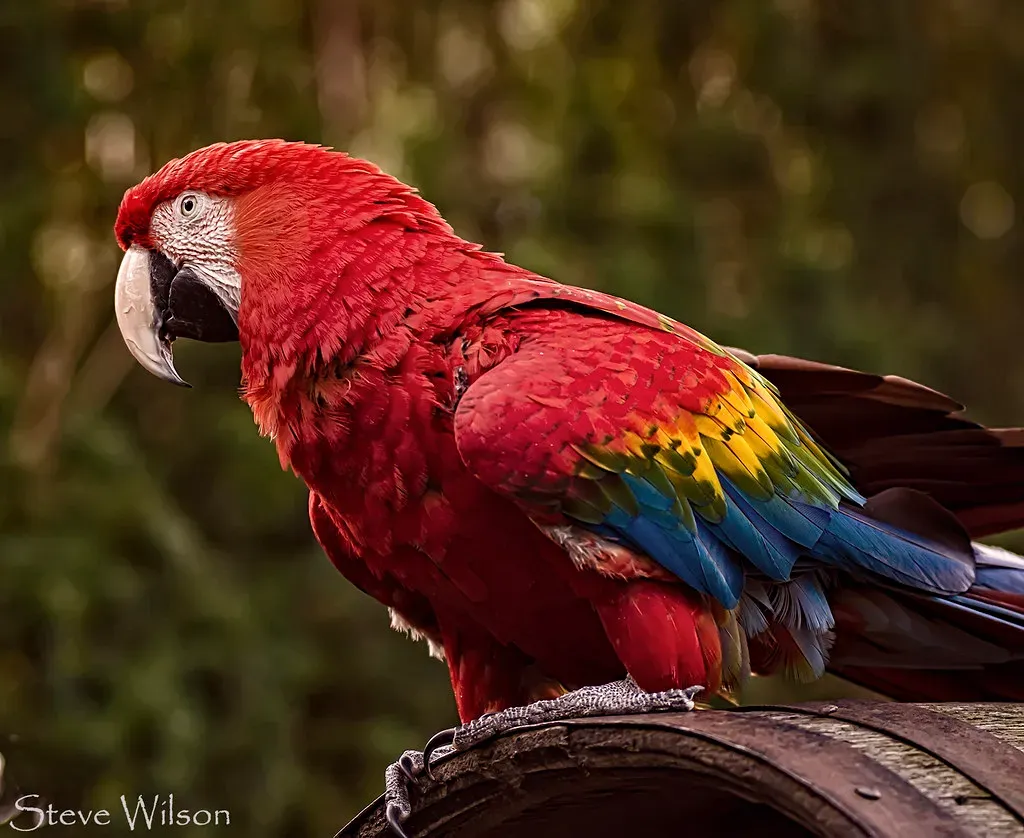
Honestly, most parrot owners already know about chocolate. Yet it is still one of the most common causes of bird poisonings, simply because parrots are so good at stealing bites when nobody is watching.
Chocolate contains theobromine, which is proven to be toxic to birds and other animals. The trouble is that theobromine hits birds far faster and harder than it hits us. Think of it like this: a bird’s body is a fraction of our size, so the concentration of a toxic compound becomes overwhelming very quickly.
Even a small bite of chocolate could be harmful to your bird. Dark chocolate is the most dangerous variety, containing the highest theobromine levels. Milk chocolate is less potent, but still dangerous. There is no safe amount to offer your parrot, full stop.
3. Onions and Garlic: Hidden Kitchen Dangers
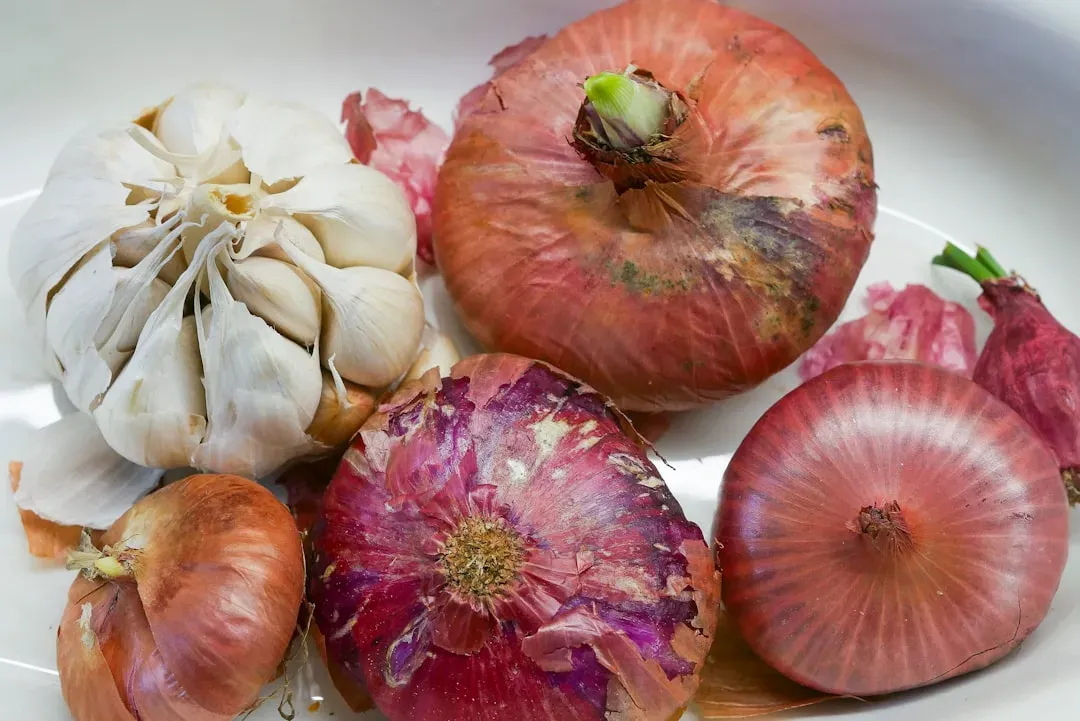
Here is one that genuinely surprises people. Onions and garlic are in practically every savory dish we cook. They are kitchen staples, the backbone of almost every cuisine on earth. Unfortunately, they are a serious threat to parrots.
Onions contain sulfoxides. Unfortunately, they don’t go away, even when cooked. Despite a lack of scientific research on birds, we believe sulfoxides in onions are toxic to parrots. Parrots shouldn’t eat raw, cooked, dried, or powdered onions.
Those in concentrated forms, such as garlic powder or onion soup mix, are more potent than the raw vegetable form. Fatal toxicity has been described in geese fed large amounts of green onions. Other birds exposed to these compounds experienced anemia and liver problems. The risk is very real.
4. Fruit Pits and Apple Seeds: Danger Hiding Inside Something Healthy
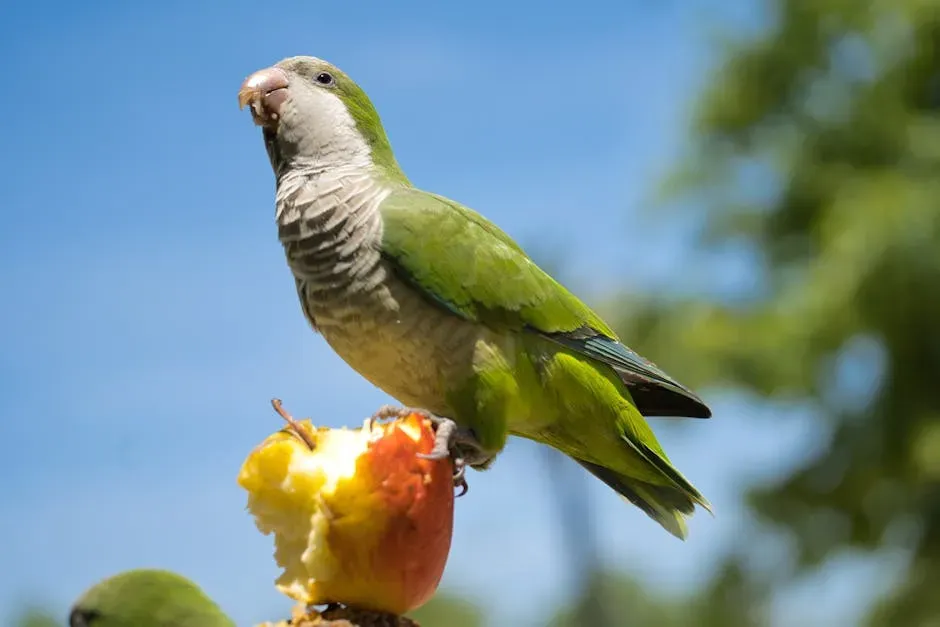
You’d think fruit would be totally fine for parrots, and in many cases it is. The flesh of many fruits is wonderful for them. The hidden danger is what’s inside. Seeds and pits from certain fruits contain compounds that no bird should ever encounter.
Certain fruit pits contain cyanide, a toxic substance that can be deadly to parrots. Pits from fruits like apples, cherries, apricots, plums, and peaches are particularly dangerous. Cyanide poisoning can occur if your parrot ingests even a small amount of these seeds.
While diced apple is ok for pet birds, the apple seeds contain cyanide and should always be removed prior to feeding apple to your bird. Pits from cherries, plums, apricots and peaches also contain cyanide so never allow your bird to chew on them. Think of it like offering a beautiful wrapped gift, but forgetting to check what is hidden underneath the bow.
5. Raw Beans: The Surprisingly Toxic Kitchen Staple
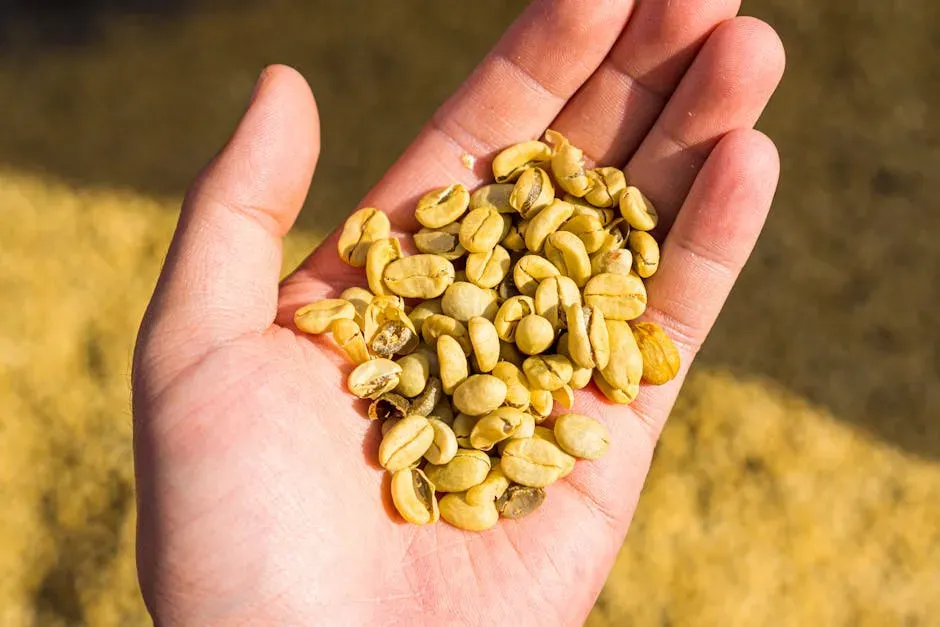
Beans are healthy, right? For humans, absolutely. Cooked beans are perfectly fine to share with your parrot in small amounts. Raw or undercooked beans, though, are a completely different story and one that doesn’t end well.
While beans can be a healthy addition to your parrot’s diet when cooked properly, raw or undercooked beans can be toxic. They contain a substance called lectin, which can cause digestive distress and, in severe cases, poisoning. If you want to feed beans to your parrot, make sure they are thoroughly softened and cooked. Never feed your parrot raw beans.
Think of lectin like a microscopic lock that only gets broken by proper cooking. Skip the heat, and that lock stays firmly in place, wreaking havoc on your parrot’s digestive system. It’s one of those risks that is so easy to avoid once you know about it.
6. Caffeinated Drinks: Your Morning Ritual, Their Worst Enemy
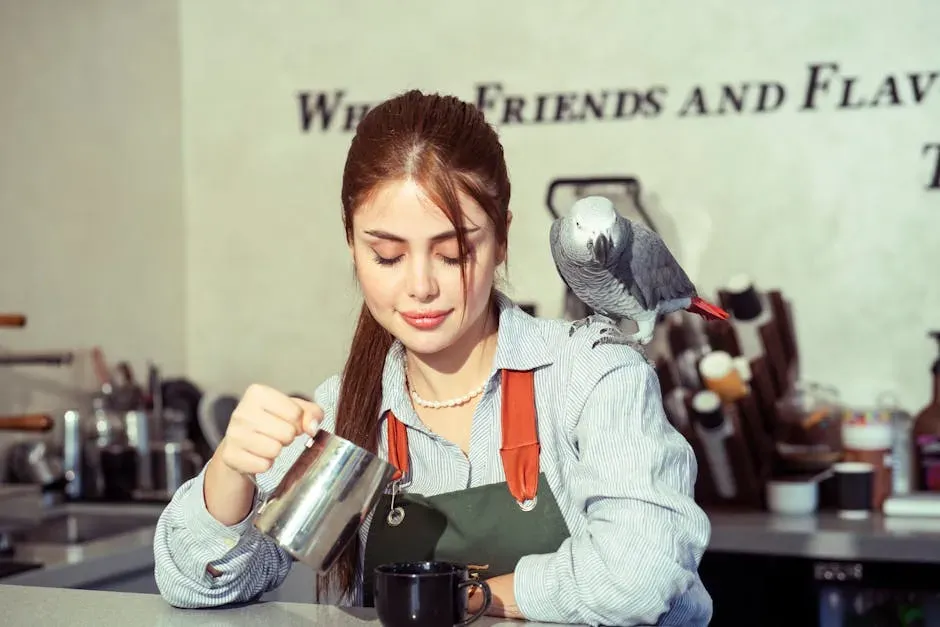
Your parrot is perched on your shoulder while you enjoy your morning coffee. Cute? Yes. Safe? Absolutely not. Caffeine is far more dangerous for parrots than most owners realize, and it works fast.
Caffeine is commonly found in coffee, tea, sodas, and energy drinks, and while it may give humans a boost, it can have the opposite effect on parrots. Ingesting caffeine can cause rapid heart rates, hyperactivity, and even heart failure in birds. As with chocolate, it’s best to avoid giving your parrot any caffeinated beverages. If your parrot consumes any of these products, it could lead to a life-threatening situation.
A small parrot’s heart is already beating extraordinarily fast under normal circumstances. Flooding that tiny cardiovascular system with stimulants is like pouring gasoline on an already burning fire. Keep your coffee to yourself.
7. Salty Processed Foods: A Slow Killer in Disguise
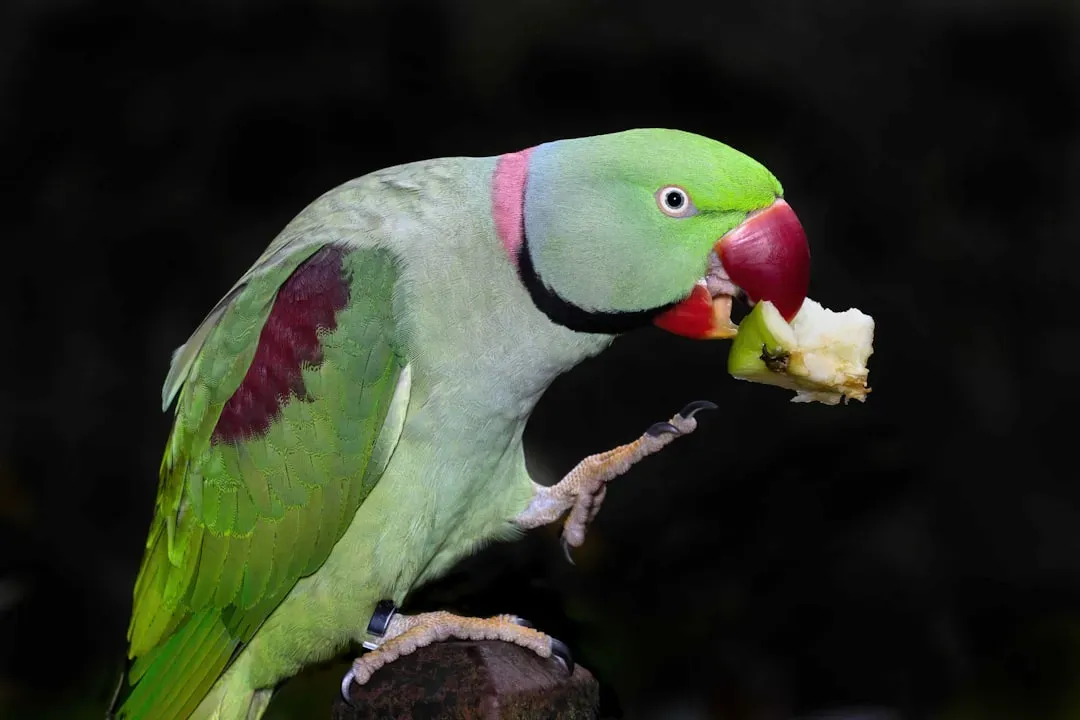
Chips. Crackers. Pretzels. Your parrot will absolutely try to steal them, and the little guy will look incredibly happy doing it. Do not be fooled by those bright eyes. Salt and processed junk food cause real, serious damage over time.
These foods are often high in salt and fat, which can lead to toxicity if consumed in large amounts. Salt toxicity can cause serious issues with a parrot’s kidneys, and high fat content can lead to obesity and liver disease. It’s best to keep processed human foods out of your parrot’s diet, opting for more nutritious, bird-safe options.
There is actually a documented case of this going tragically wrong. There was a case of a Hyacinth Macaw being allowed to eat unlimited quantities of salted peanuts. The bird died and on necropsy it was found that the extreme salt consumption had caused the bird’s brain to swell and that was the apparent cause of death. That is not a minor tummy ache. That is catastrophic.
8. Dairy Products: Not Toxic, But Still a Real Problem
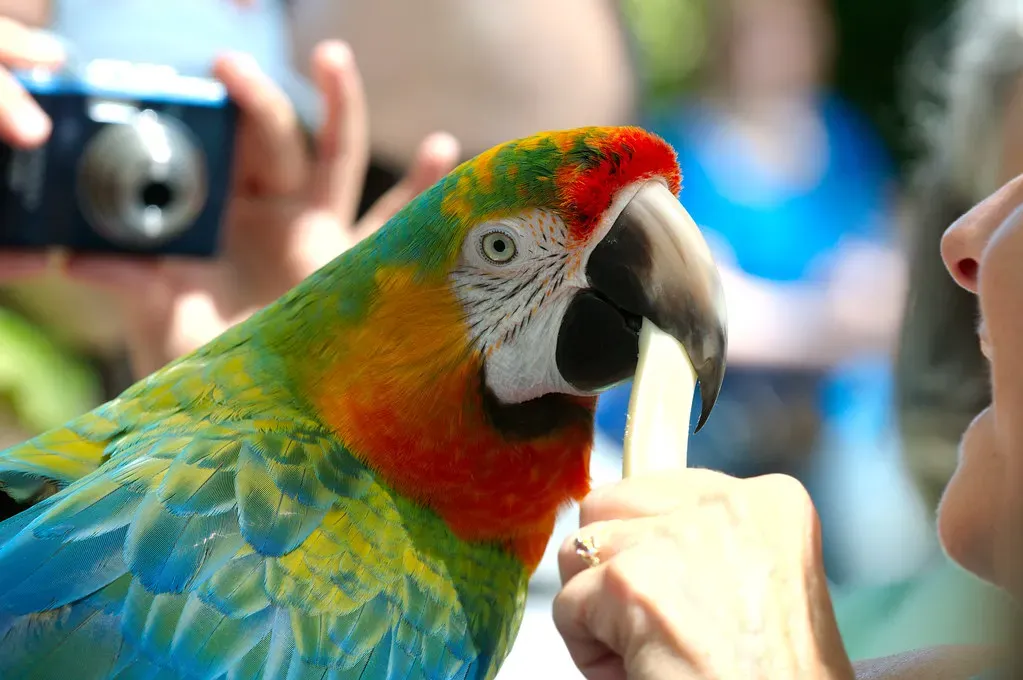
This one surprises people a lot. Cheese, milk, yogurt, they all seem pretty harmless. They are certainly not poisonous to parrots. Still, feeding dairy to your bird regularly is something avian vets consistently warn against.
Although not technically toxic, studies show that birds cannot digest lactose, which is found in milk and other dairy products. As the amount of dairy in the diet increases, birds can develop diarrhea. That might sound mild, but ongoing digestive disruption affects the absorption of vital nutrients and can seriously weaken a bird over time.
Not all dairy products contain lactose and/or have very little lactose in them, such as some cheeses and yogurts – still these foods should be fed as an occasional treat and in small amounts. It’s a bit like feeding a lactose-intolerant person dairy every single day and wondering why they feel terrible. The mechanism is the same.
9. Nutmeg: The Spice Rack Surprise
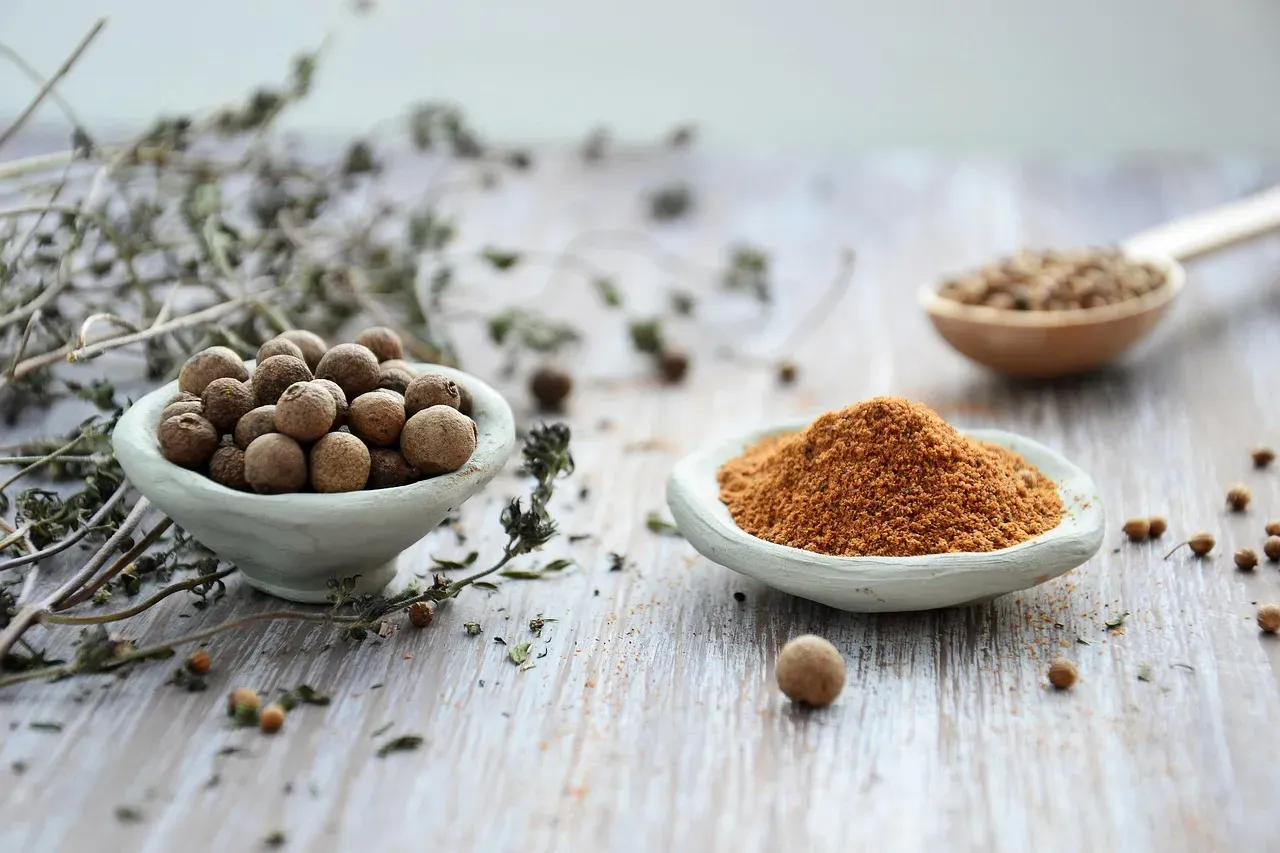
Of all the foods on this list, nutmeg is probably the one most people have never once considered. It’s a baking spice. It goes in eggnog and holiday cookies. How could it possibly be dangerous? Well, it very much is.
Nutmeg contains myristicin (a narcotic), which can lead to nausea, dizziness, and vomiting in parrots. Myristicin is the same compound that makes nutmeg mildly hallucinogenic to humans in very large doses. For a small bird, even a tiny amount can cause neurological disruption that is deeply distressing and potentially dangerous.
The lesson here is to be cautious about any food that has been seasoned or spiced before sharing with your parrot. A bite of your holiday cookie might seem like a fun treat, but the spices baked inside it are anything but festive for your bird.
10. Peanuts: The Beloved Snack With a Toxic Secret
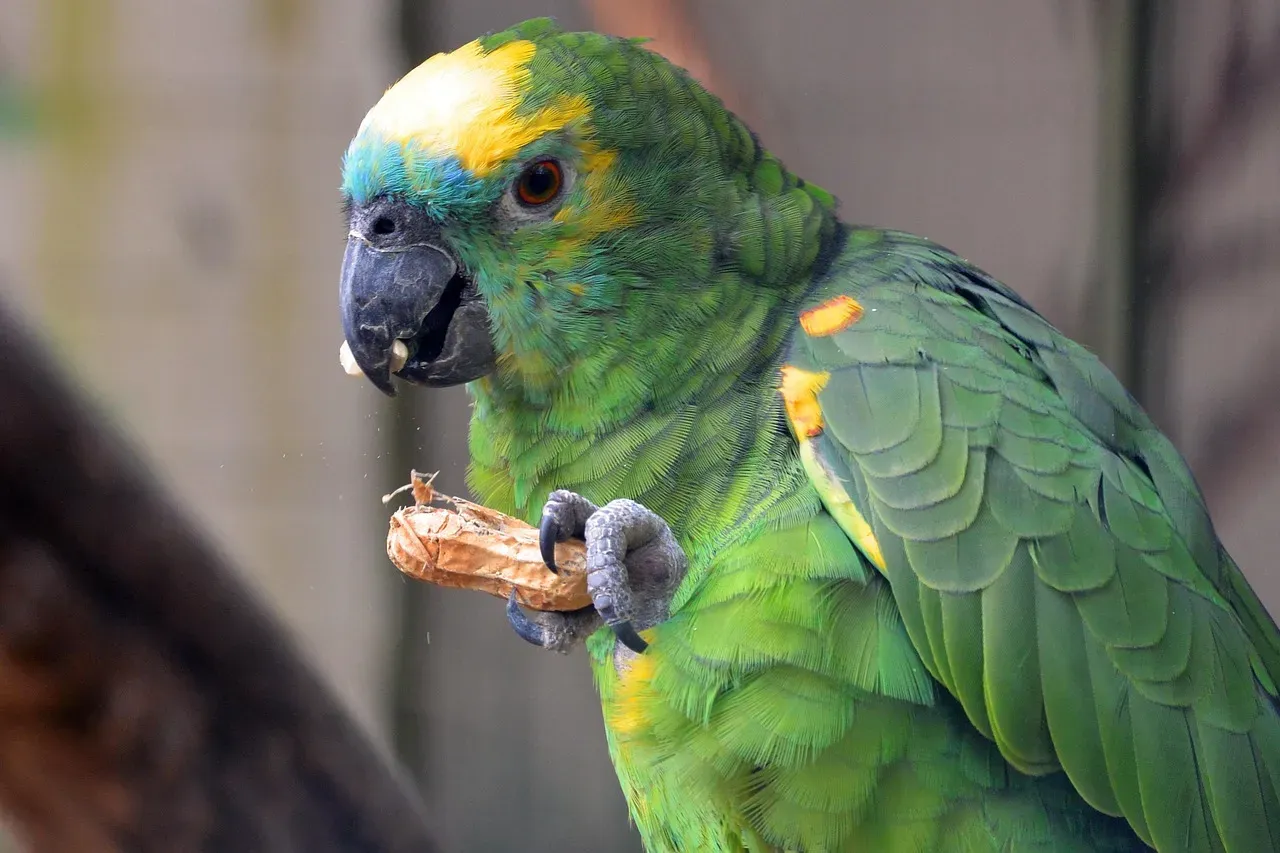
Peanuts feel like the ultimate parrot food. They’re a classic image: a colorful bird cracking open a peanut shell. It’s practically iconic. The reality, though, is considerably less charming once you understand what can lurk inside those shells.
If peanuts are improperly stored, they can develop a mould called aflatoxin, which is toxic to birds and can cause liver damage. While human-grade peanuts are usually safe for parrots, they are high in fat, which can contribute to obesity if fed in excess. Many parrot owners prefer to avoid peanuts altogether in favour of other, healthier nuts.
Offer fruits, seeds, and nuts only as a treat, and focus mostly on fresh berries and raw, unsalted nuts. Avoid giving peanuts, as these can be dangerous. Other nuts, such as almonds, pecans, and walnuts, can be used. If you do give peanuts, always source human-grade varieties from reputable suppliers and store them properly in cool, dry conditions.
Conclusion: Your Parrot Trusts You Completely
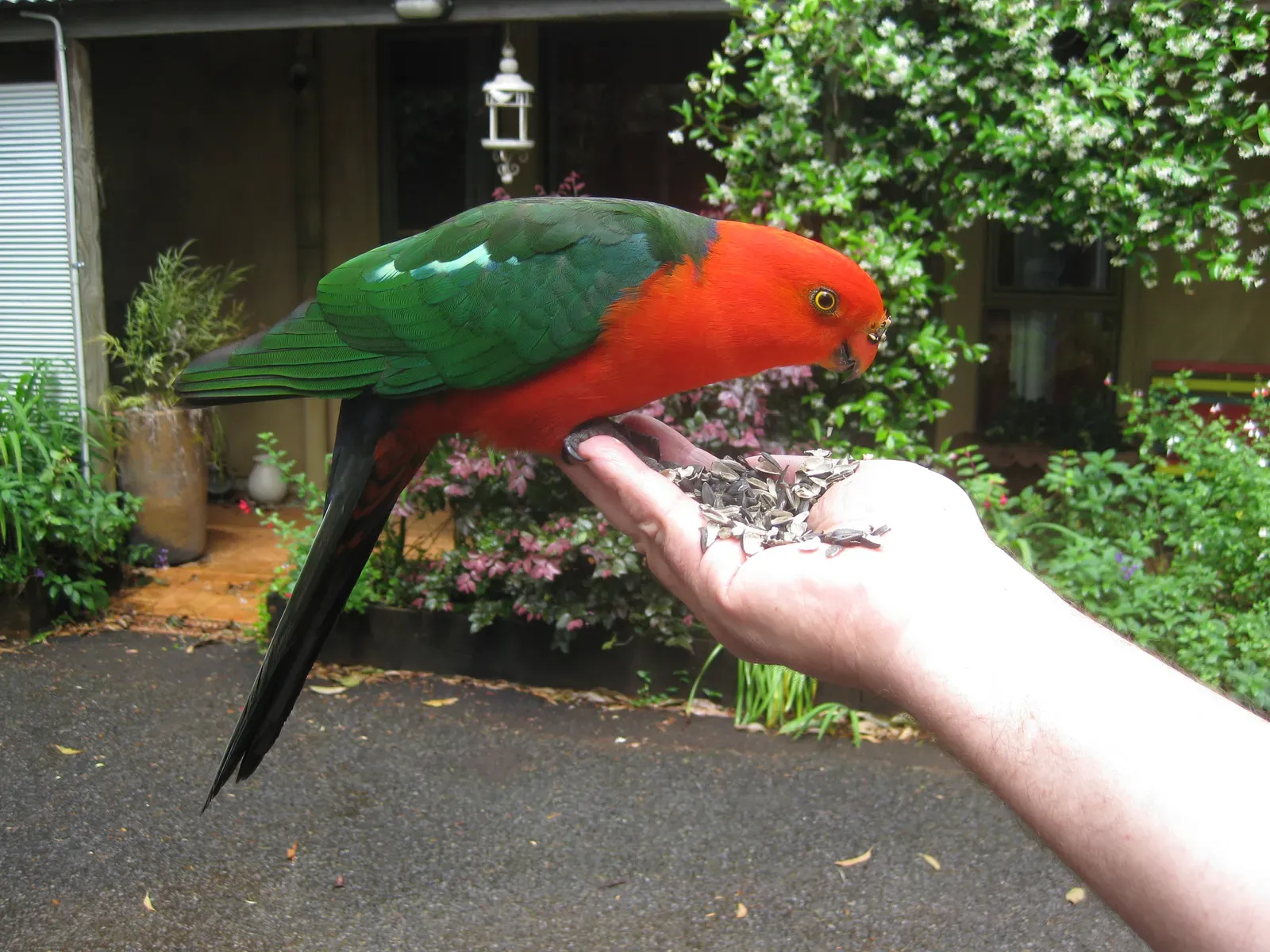
Parrots have one of the longest lifespans of any pet bird. With the right care, they can be your companion for decades. Diet is one of the most powerful tools you have to protect that long, healthy life.
It is incorrect to assume that parrots innately know which foods are dangerous for them. In fact, a parrot learns these things from their parents and flock mates in the wild. Your pet parrot has no flock to learn from. You are their entire world, and that includes being their nutritional guide.
The good news is that most of these dangers are completely avoidable once you know about them. Remove the pits before offering fruit. Keep the coffee and chocolate to yourself. Never share processed, salty snacks. Cook those beans thoroughly. Small habits, enormous impact.
I think what strikes me most about this list is how innocent most of these foods look. Avocado toast, a square of chocolate, a handful of peanuts. None of them scream “danger,” yet every single one can seriously harm your bird. The most dangerous threats rarely do. So the next time your parrot gives you those pleading eyes at the dinner table, think twice before sharing. Their life might literally depend on it. What food on this list surprised you the most? Tell us in the comments!

- 7 Clever Tricks Animals Use to Outsmart Their Predators and Survive - July 22, 2026
- 10 Dog Breeds That Are Not Suitable for First-Time Owners - July 22, 2026
- 10 Ways the Creek (Muscogee) Shaped the Early American Southeast - July 22, 2026