


For centuries, reptiles have been portrayed as cold, emotionless creatures with primitive brains capable of only the most basic functions. From cultural depictions of sinister snakes to scientific dismissals of their cognitive abilities, reptiles have rarely been credited with complex emotional lives. But recent research is challenging these long-held assumptions, suggesting that the scaly members of the animal kingdom may possess far richer inner experiences than we’ve given them credit for. As science advances and our understanding deepens, we’re discovering that the emotional capacity of reptiles might be one of zoology’s most underestimated frontiers.
The Historical Bias Against Reptilian Emotions
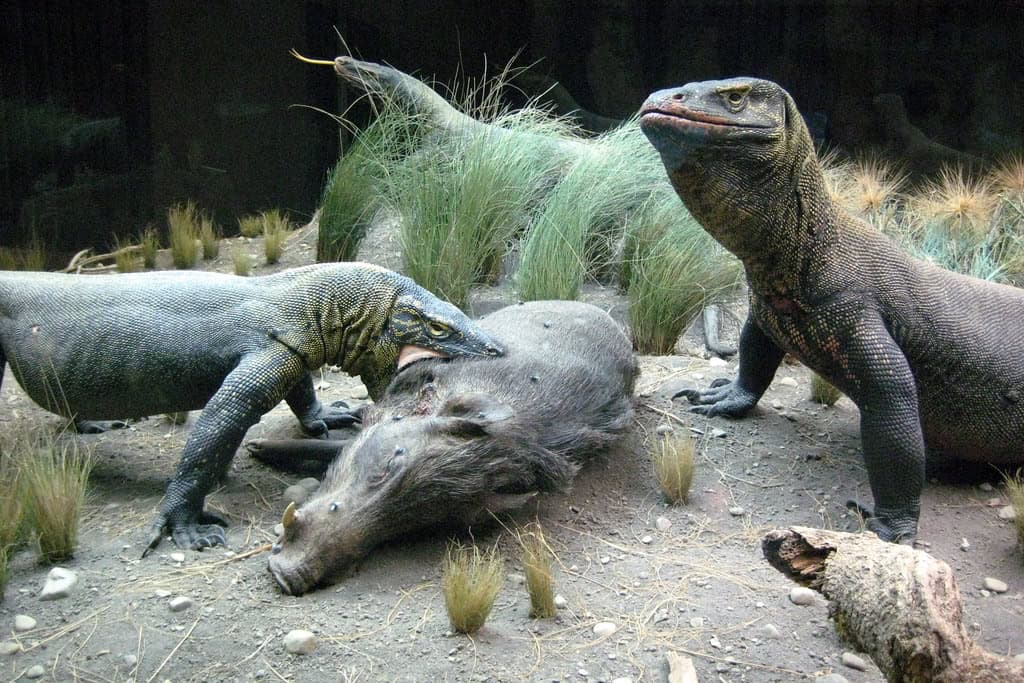
Historically, the scientific community has approached reptilian cognition with a dismissive stance rooted in outdated evolutionary theories. The triune brain model, popularized in the 1960s, suggested that reptiles possessed only a “primitive” brain responsible for basic survival functions, lacking the neural structures for complex emotions found in mammals. This model, though now largely debunked, cast a long shadow over reptile research.
Cultural representations haven’t helped either, with reptiles frequently portrayed as villainous, calculating, or emotionless in literature and media. From the serpent in the Garden of Eden to the cold-blooded antagonists in countless stories, our cultural narratives have reinforced the notion that reptiles are fundamentally different from—and emotionally inferior to—mammals.
The Neuroscience Revolution

Neuroscience has made remarkable strides in understanding reptilian brains, dismantling many previously held beliefs. Modern research reveals that while reptile brains are structurally different from mammalian brains, they possess analogous regions that serve similar functions. The limbic system, often credited as the emotional center in mammals, has comparable structures in reptiles that process sensory information and generate behavioral responses.
For instance, the dorsal ventricular ridge in reptiles performs many functions similar to the mammalian amygdala, which processes fear and other emotions. The discovery of these neurological parallels suggests that the capacity for emotional experiences may have evolved much earlier than previously thought, predating the divergence of reptiles and mammals hundreds of millions of years ago.
Recognition and Memory: The Foundations of Emotional Connection

One of the most compelling indicators of emotional capacity is the ability to recognize individuals and form memories based on social interactions. Contrary to the stereotype of the unresponsive reptile, studies have shown that many species can recognize their caretakers and distinguish them from strangers. Bearded dragons have demonstrated preferences for certain human handlers over others, while some tortoises adjust their behavior based on past experiences with specific individuals.
These recognition abilities suggest a level of social awareness previously thought impossible in reptiles. Even more impressively, research has revealed that some reptiles, like the red-footed tortoise, can navigate complex mazes and remember solutions for months or even years—a cognitive feat requiring sophisticated memory systems that may also support emotional learning and attachment.
Evidence of Social Bonds

The myth that reptiles are fundamentally solitary creatures incapable of forming social bonds is increasingly being challenged by scientific observations. While their social structures differ from the highly visible familial groups of many mammals, numerous reptile species exhibit surprisingly complex social behaviors. Desert night lizards have been observed huddling together for reasons beyond simple thermoregulation, suggesting comfort or security might play a role.
Some monitor lizards display signs of play behavior, a characteristic traditionally associated with emotional development in mammals. Perhaps most striking are observations of parental care in certain reptile species—from female alligators who guard their nests and respond to their babies’ distress calls, to male African dwarf crocodiles who have been documented carrying their hatchlings gently in their fearsome jaws. These behaviors suggest emotional connections that transcend mere instinct.
Stress and Fear Responses

While negative emotions like stress and fear might not seem like evidence of emotional complexity, the sophisticated ways in which reptiles respond to threats reveals much about their inner lives. Reptiles produce many of the same stress hormones as mammals, including corticosterone, which fluctuates in response to environmental and social conditions. Their behavioral responses to threats go far beyond simple fight-or-flight reactions. Some lizard species display elaborate threat displays with specific postures reserved for different situations, suggesting a nuanced assessment of danger.
Captive reptiles have been documented displaying symptoms consistent with anxiety when faced with unfamiliar environments or handling, including changes in breathing patterns, refusal to eat, and hiding behaviors. The persistence of these responses, even after immediate threats have passed, suggests emotional states that outlast the stimuli that triggered them—a hallmark of genuine emotional experience rather than mere instinctual reaction.
Pleasure-Seeking Behaviors
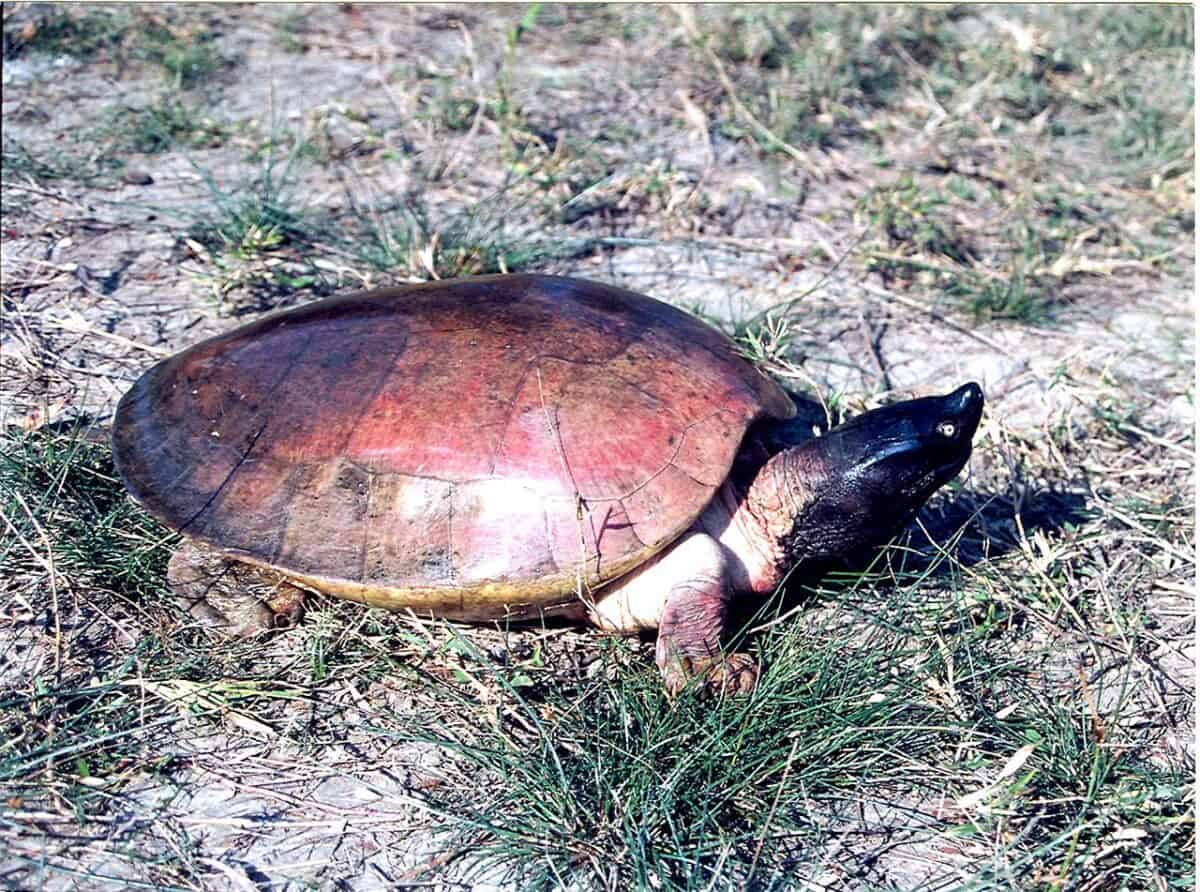
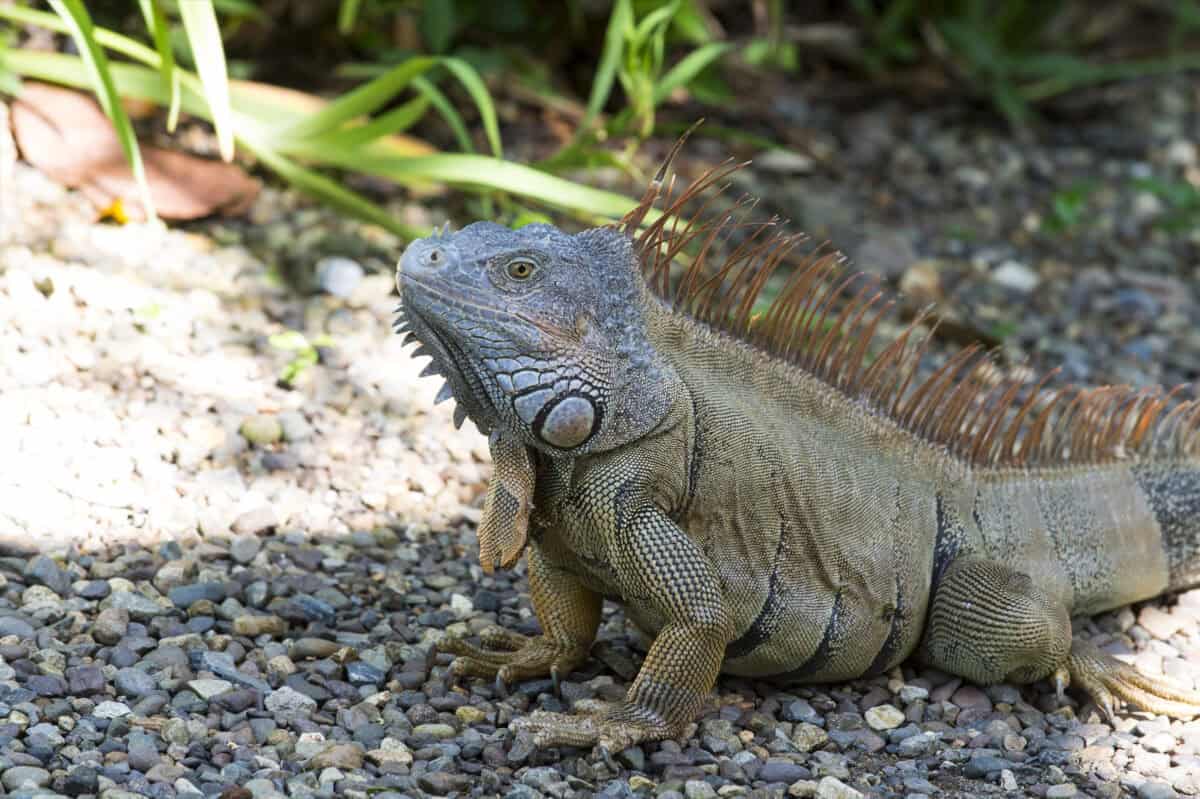
Perhaps the most convincing evidence for emotional lives in reptiles comes from observations of pleasure-seeking behaviors. Many reptile owners report that their pets appear to enjoy physical contact, actively seeking out scratches or strokes in specific areas. Iguanas, for instance, often close their eyes and relax when their heads are gently scratched, behavior strikingly similar to a cat purring when petted.
In more controlled settings, researchers have observed reptiles engaging in activities with no apparent survival benefit, such as basking in warm water when their body temperature is already optimal or sliding down inclines repeatedly in what appears to be play. Certain species of turtles have been documented engaging in what appears to be object play, pushing and manipulating items in their environment without any nutritional or reproductive purpose. These behaviors suggest that reptiles may experience positive emotional states akin to pleasure or contentment, challenging the notion that they are driven solely by basic needs and instincts.
The Challenge of Anthropomorphism

One significant challenge in studying reptilian emotions is avoiding inappropriate anthropomorphism—attributing human-like qualities to animals based on our own experiences rather than objective evidence. When a dog wags its tail or a cat purrs, we readily interpret these as signs of happiness because the behaviors align with our understanding of mammalian emotional expression. Reptiles, however, communicate through subtle changes in posture, color, and behavior that may be easy for humans to misinterpret or miss entirely.
Their facial muscles are limited compared to mammals, making it difficult for them to express emotions through facial expressions that we intuitively understand. Scientists must therefore tread carefully, developing specialized methodologies that can detect and measure reptilian emotions without human bias. This might include tracking hormone levels, brain activity, or developing comprehensive ethograms (catalogs of behaviors) specific to each species.
Individual Personalities
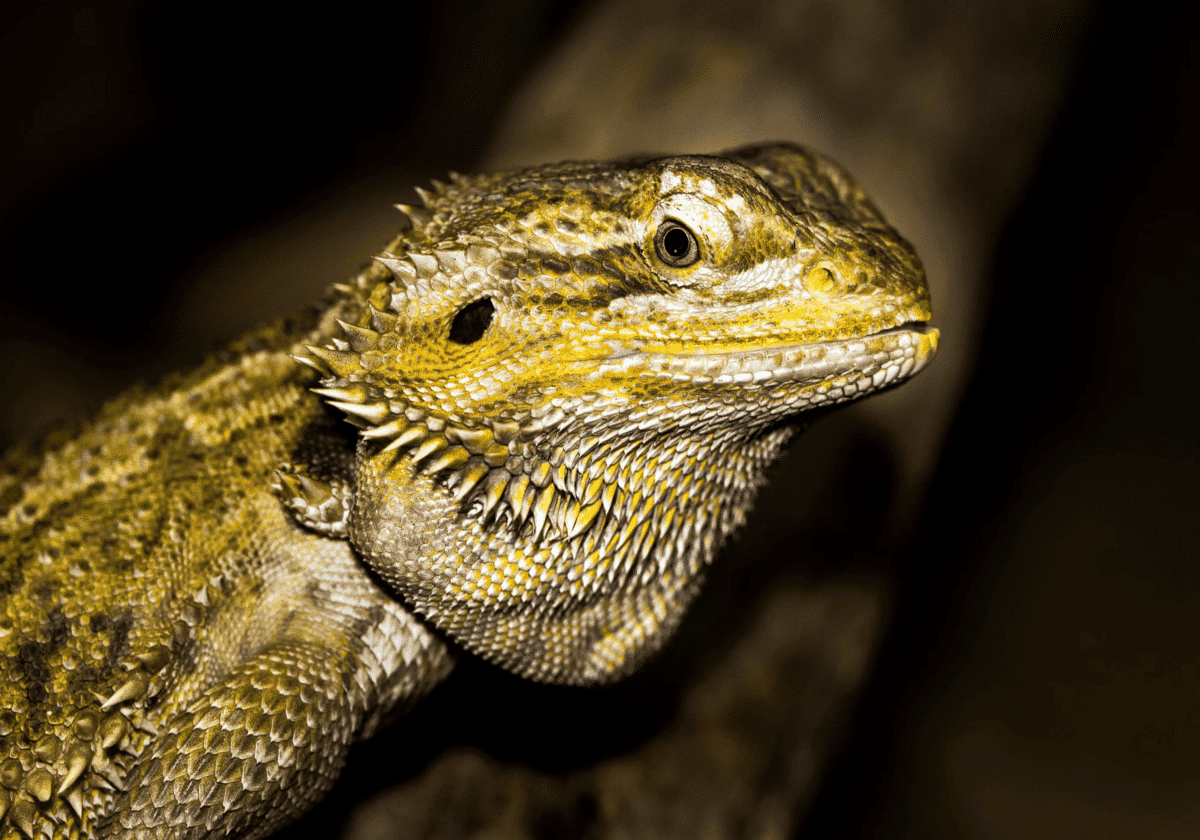
Perhaps one of the most overlooked aspects of reptilian emotional complexity is the presence of distinct individual personalities. Research and anecdotal evidence from keepers consistently show that reptiles, like mammals, exhibit individual behavioral tendencies that persist across time and situations. Some bearded dragons might be consistently bold and curious, while others of the same species, age, and sex remain shy and cautious.
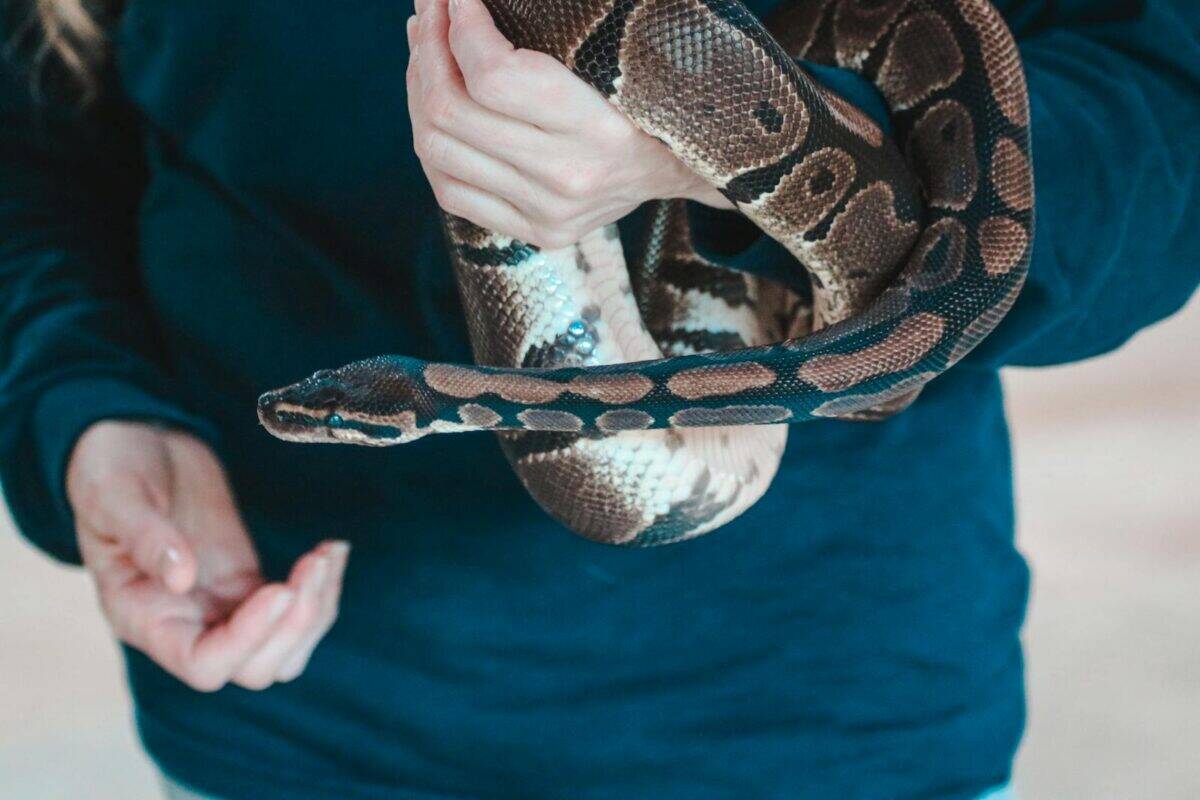
Ball pythons might develop preferences for certain types of enrichment activities, with some enjoying climbing while others prefer burrowing. These individual differences suggest that reptiles possess unique internal experiences that shape their interaction with the world. A 2018 study published in the Journal of Comparative Psychology found consistent personality traits in Eastern water skinks, with individuals showing stable behaviors related to aggression, exploration, and sociability over time—findings remarkably similar to personality studies in mammals.
The Ethics of Reptile Keeping
Recognition of reptilian emotional capacity raises important ethical questions about how we keep these animals in captivity. If reptiles experience emotions like boredom, stress, or contentment, then their psychological needs deserve the same consideration we give to mammals. This suggests a need to reevaluate standard husbandry practices, particularly in commercial settings where reptiles may be kept in sparse environments focused solely on physical health.
Environmental enrichment—providing stimulation through varied textures, climbing opportunities, hiding spots, and novel objects—becomes not just a luxury but a necessity for emotional wellbeing. The implications extend to the reptile pet trade as well, where animals may be wild-caught, housed in crowded conditions, or sold to owners unprepared for their complex needs. Understanding that a reptile might experience fear, stress, or even grief challenges us to develop more compassionate and sophisticated approaches to their care.
Cultural Shifts in Perception

As scientific evidence for reptilian emotions accumulates, we’re witnessing a gradual shift in how these animals are perceived in popular culture and by the general public. Documentaries like “Life in Cold Blood” have helped humanize reptiles by showcasing their sophisticated behaviors and adaptations. Social media has played a role too, with viral videos of affectionate reptiles challenging stereotypes.
Reptile owners increasingly refer to their animals as family members rather than specimens, sharing stories of apparent emotional connections. This cultural shift, though sometimes guilty of over-anthropomorphizing, has helped generate interest in reptile cognition research and conservation efforts. As more people come to see reptiles as sentient beings worthy of moral consideration, support for habitat protection and ethical treatment increases. This changing perception represents an important correction to centuries of unfounded bias against these remarkable animals.
Research Challenges and Future Directions
Despite promising advances, the field of reptilian emotion research faces significant challenges. The sheer diversity of reptiles—over 10,000 species with vastly different evolutionary histories, habitats, and behaviors—means that findings from one species may not generalize to others. Funding for reptile studies lags far behind research on mammals and birds, limiting the scope and sophistication of available data. Methodological challenges abound as well; traditional measures of emotion developed for mammals may not be appropriate for reptiles, necessitating creative new approaches.
Future research directions might include non-invasive neuroimaging to observe reptilian brain activity during various experiences, comprehensive studies of hormone fluctuations in response to environmental changes, and long-term behavioral observations of reptiles in naturalistic settings. Citizen science may play an increasing role, with reptile keepers contributing observations through standardized protocols, creating larger datasets than would be possible in laboratory settings alone.
Conservation Implications

Recognizing the emotional lives of reptiles has profound implications for conservation efforts. When species are valued merely for their ecological functions or aesthetic qualities, they may receive less protection than those perceived as sentient, emotionally complex beings. This perception bias has real consequences—reptiles receive significantly less conservation funding and public support than charismatic mammals, despite facing severe threats from habitat loss, climate change, and exploitation.
Approximately 21% of reptile species are currently threatened with extinction, yet they receive a fraction of the attention given to mammals with similar conservation status. By highlighting the emotional capacities of reptiles, conservationists can potentially generate greater public investment in their protection. Understanding that a Komodo dragon or a sea turtle might experience fear, attachment, or contentment creates an emotional connection that abstract ecological arguments cannot match, potentially translating to stronger conservation policies and greater funding for critical habitat protection.
Conclusion: Rewriting Our Understanding of Reptilian Minds
The growing body of evidence suggesting complex emotional lives in reptiles challenges us to fundamentally reconsider our relationship with these ancient creatures. What we once dismissed as “cold-blooded” and primitive animals now appear to be sentient beings with rich inner experiences that simply differ from our own. This paradigm shift carries profound implications for how we treat reptiles in captivity, how we prioritize their conservation in the wild, and how we understand the evolution of emotions across the animal kingdom.
As research continues to illuminate the sophisticated cognitive and emotional capacities of reptiles, we may discover that the evolutionary roots of our own emotional experiences run far deeper than previously imagined. Perhaps most importantly, this emerging understanding reminds us of the danger in assuming that differences in expression equate to an absence of experience—a humbling lesson that may well apply beyond reptiles to the countless other species whose inner lives remain mysterious to human perception.

From exploring the marine wonders in the Azores and witnessing the vast savannas of Kenya, to delving deep into the rich biodiversity of South Africa and traversing iconic landscapes in Australia and the US like Yellowstone, Chris's experiences are vast.
With a penchant for diving alongside sharks, the ocean holds a special place in his heart.
Through his academic insights, he champions wildlife conservation, striving with 'Animals Around The Globe' to cultivate a profound connection between humans and animals, enhancing our mutual appreciation.
Connect with him at Feedback@animalsaroundtheglobe.com.
- Why Spiders Don’t Get Stuck in Their Own Webs - July 20, 2026
- What Scientists Found in a 10,000-Year-Old Beehive - July 20, 2026
- This Spider Builds Fake Decoys of Itself - July 20, 2026