

You cleaned the kitchen. You sealed the pantry. You haven’t left food out in weeks. Yet somehow, impossibly, there is a mouse in your house. Sound familiar? Most homeowners are completely blindsided when they discover a rodent has taken up residence inside their walls or behind their appliances. The truth is, mice are far more resourceful, cunning, and anatomically bizarre than most people realize.
These tiny creatures have spent thousands of years evolving specifically to exploit human structures. They don’t need much. In fact, they need shockingly little. What you’re about to read might make you rethink the safety of your “sealed” home entirely. Let’s dive in.
The Dime-Sized Secret Most Homeowners Don’t Know About
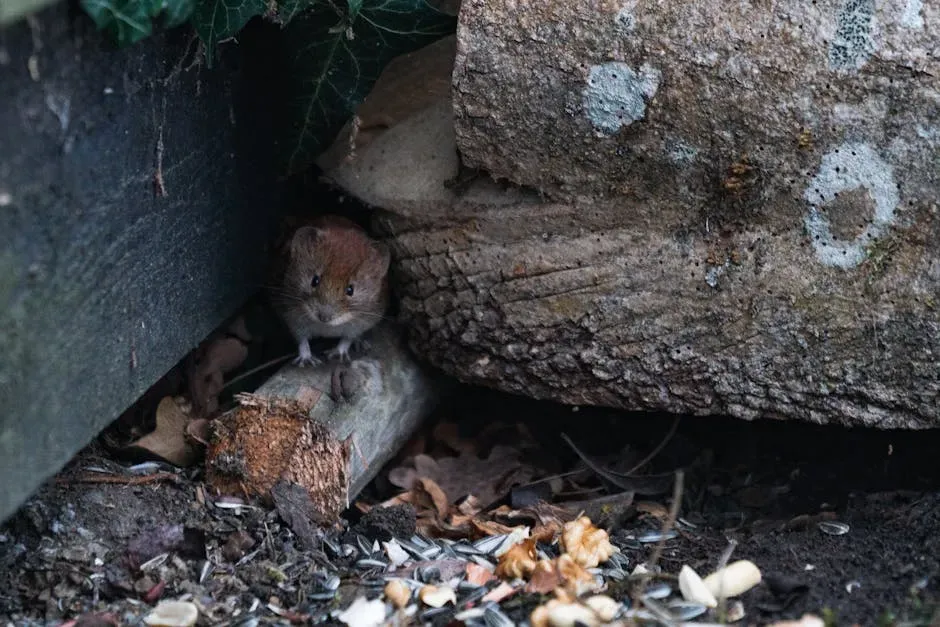
Here’s something that genuinely stops people in their tracks. Mice are sometimes called “liquid animals” because of how easily their bodies can shift shape. Their skeletons aren’t as stiff as other mammals, and their ribs can compress inward, letting them flatten their bodies to fit through spaces you wouldn’t believe.
A typical house mouse can squeeze through an opening as small as 6 to 7 millimetres, roughly the width of a pencil. Research confirms that gaps as small as a quarter of an inch are often enough for adult mice to pass through. That is smaller than a standard button on your shirt.
The skull is the stiffest part of the body, so if it fits, the rest of the mouse will follow. Experts say if a mouse’s head can pass through a hole, so can the body. Their skulls are tiny and narrow, allowing them to pass through spaces as small as a dime. Honestly, that single fact should change the way every homeowner looks at their walls.
Cracks in Your Foundation: The Silent Welcome Mat

Your home’s foundation is meant to be solid and sturdy, but even the best-built foundation can develop cracks over time. These cracks, whether caused by natural wear or changing temperatures, can be just wide enough for mice to sneak through.
You might dismiss a small crack as innocent, but mice are persistent. They can wiggle through the narrowest of spaces and create a pathway straight into your home. Think of it this way: what looks like a hairline fracture to you looks like a grand entrance to them.
Examine the foundation of the building for signs of crumbling mortar or cracks in the cement, as this could be evidence of mice or rats trying to enter the building from below. A regular seasonal check of your foundation perimeter is one of the easiest preventative habits you can build.
Gaps Around Utility Lines and Pipes

The first place to look is pipes. Electrical, plumbing, and gas lines often have gaps around them, and this is where mice are most likely to enter. These gaps are often invisible to us because they tend to be hidden behind appliances, under counters, or in dark basement corners.
Utility entry points are commonly overlooked because they’re out of sight, usually hidden in basements, behind furniture, or under cabinets. Mice are excellent at finding these spots, squeezing through tiny spaces to get inside.
Mice are also known to find their way inside via entry holes around plumbing and oven gas lines. If you’ve ever had a plumber or cable installer do work in your home and noticed they left a small gap around their handiwork, there’s a real chance something eventually moved in after them.
Doors and Windows With Worn Weatherstripping
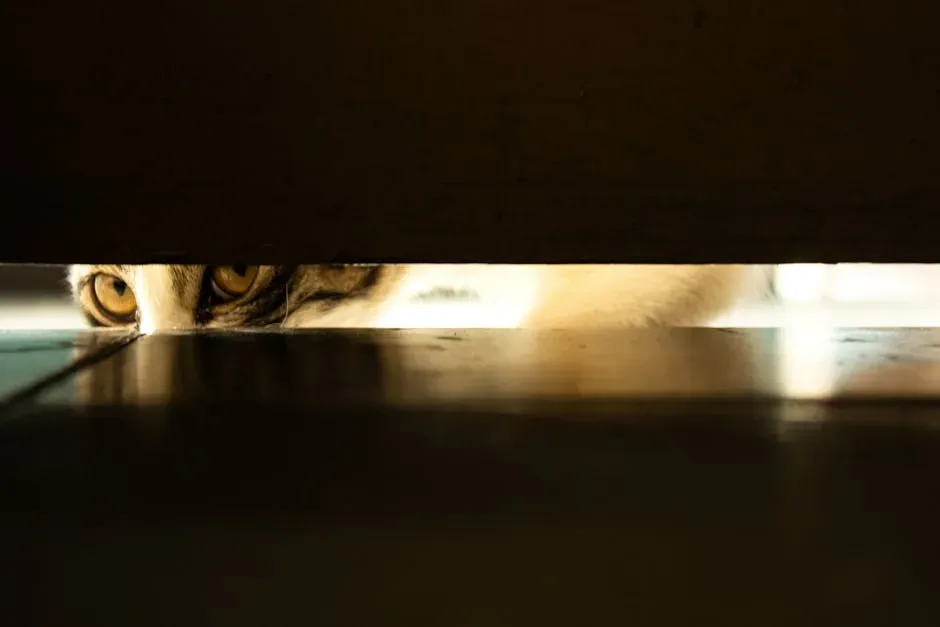
Let’s be real. Most of us don’t think about our weatherstripping until we feel a draft in winter. Poorly sealed doors and windows, especially those without proper weather stripping, can let mice in. It’s one of the most underestimated entry points in any home.
According to the National Association of Home Builders, a gap of just a quarter of an inch under an exterior door can easily admit rodents. That tiny sliver of light you can see under your back door when it’s dark outside? That is more than enough room.
Installing door sweeps, applying weatherstripping around windows, and repairing damaged window screens are among the key steps to preventing mice from entering your home. It’s a small fix with a surprisingly large payoff in terms of protection.
Roof Vents, Gutters, and the Attic Route
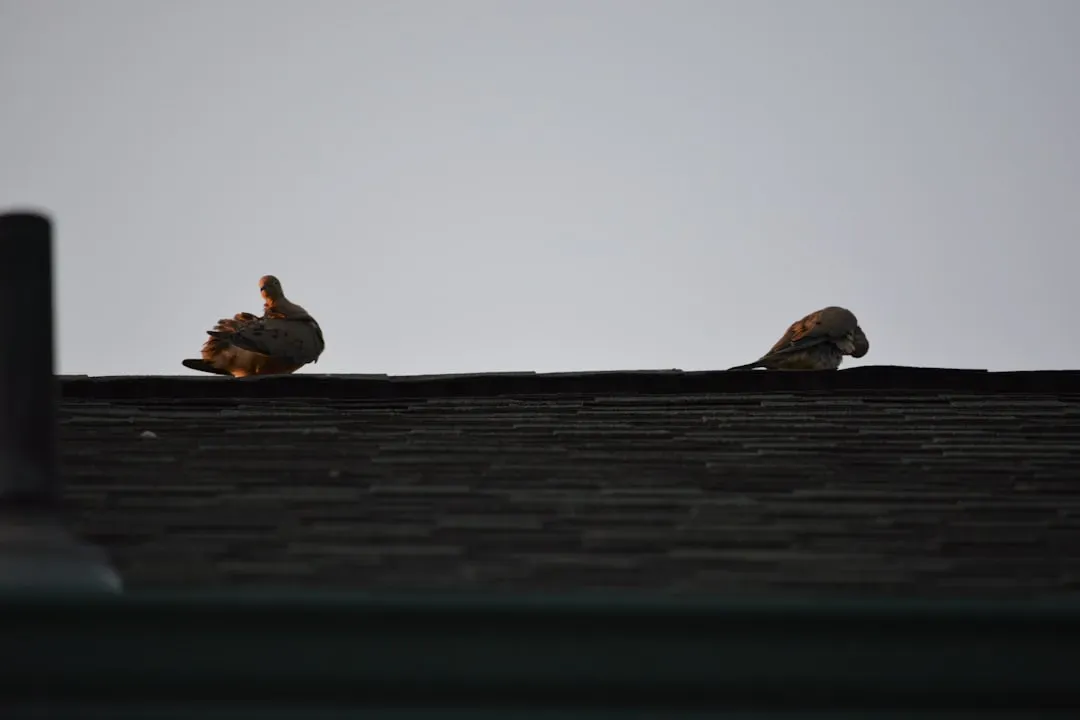
Most people guard their ground level. Almost nobody thinks to look up. Mice can climb very steep, even vertical, rough surfaces, so it should be no surprise that they can sneak into your house through the roof and attic. Most of the time, mice enter through gutters, roof vents, or downspouts, typically gaining access by climbing directly up the siding or by jumping from a nearby tree.
Mice aren’t just good at squeezing, they’re skilled climbers. Their powerful back legs act like springs, helping them leap and climb vertical surfaces. This allows them to reach high entry points like attic vents or gaps along the roofline. They can scale bricks, wires, and even siding with ease.
Cutting vegetation that comes dangerously close to your roof is one natural way to keep mice away from your house. That overhanging tree branch isn’t just a falling hazard during storms, it’s also a private bridge for rodents making their way to your roofline.
The Garage: An Overlooked Gateway

Garages are a favourite entry point for mice. Poorly sealed garage doors leave just enough space for them to crawl underneath, and once inside the garage, they’ll scope out opportunities to get into the rest of your home. Your garage can act as a staging area for an invasion.
I think this one surprises people the most because the garage feels separate from the home. It’s not. Garage and shed doors that do not close properly are essentially an open invitation for mice to enter. These areas, often used for storage, can provide ample food sources and nesting materials for mice, making them particularly attractive.
Openings around garage doors are another common entry point, as mice can squeeze through gaps between doors and frames, or find cracks along badly-fitted garage doors. Installing a proper rubber door sweep at the bottom of your garage door is one of the simplest fixes available.
The Chimney: An Ancient Problem That Still Catches People Off Guard
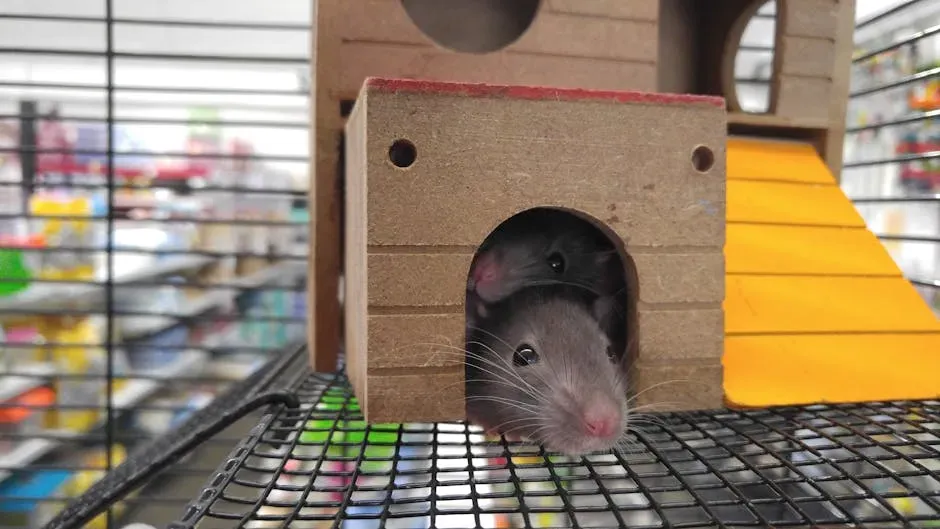
Mice can also get in through your chimney. Like your roof, your chimney is subject to wear and tear over time. A mouse could easily enter through a damaged chimney gutter, or it could simply climb up the brick, enter the chimney hole, and creep down into the cozy comfort of your home.
It sounds almost medieval, and in a way it is. But this entry route is remarkably common, especially in older homes. Mice may also exploit the openings provided by vents, along with gaining entry via the chimney. A fireplace without a properly fitted cap or mesh guard is basically a vertical welcome tunnel.
Using anti-mouse mesh screens to cover openings in gutters, chimneys, and other potential outside access points is one of the most effective physical deterrents you can install. It’s cheap, it’s simple, and it works.
Basement and Cellar Entry Points You Probably Never Check

Cellars and basements are ideal places for a mouse infestation because they are humid and tend to be used to store food. Openings near air ducts or drainage pipes can serve as entryways, and poorly sealed cellar or basement doors can also make it easy for mice to enter a building.
Basements are basically designed for mice without us realizing it. Dark, cluttered, warm, and rarely disturbed. Cluttered spaces like garages or basements provide perfect hiding spots and nesting areas for mice.
Mice may also enter the home through gaps in windows or ceilings, as well as through sewer lines. If drainage pipes are not properly sealed, mice may enter homes through sink or bathtub drains. Yes, really. Your drain. That’s not a comfortable thought, is it?
Scent Trails and the Social Entry Problem

Here’s the thing that makes mice truly alarming to deal with. It’s never just about one mouse finding one gap. Once mice find a good entry point, they remember it and return to it again and again. They even leave scent trails that guide other mice to the same spot, meaning one tiny gap can become a highway for an infestation.
Once a mouse finds an entryway, it often leaves scent trails, encouraging others to follow. A single overlooked gap can quickly turn into a busy thoroughfare, making the issue of mice squeezing through gaps a year-round concern.
As a result of dropping temperatures, infestations tend to begin in fall. After a colony enters a structure and finds it to be safe and warm, they rarely venture outside again. Mice proliferate quickly and populations may exceed 200 specimens within a matter of months. Two hundred. Let that one sink in.
Chewing Their Own Door: When No Gap Exists, They Make One

Sometimes there is no existing crack at all. That doesn’t stop them. The most common ways mice get into a house is through an existing hole created by other wildlife, by chewing out a new entry hole, or by a structural anomaly like an exposed crack in the home’s siding. If there has not been a previous wildlife issue or if the home was built very securely, then it’s most likely that the mice chewed their way in.
Mice don’t give up when faced with a challenge. If a hole looks promising, they’ll keep at it until they succeed. They may chew, push, and squeeze for hours, testing the limits of the gap. Their determination means that even if an opening isn’t ideal, it often becomes wide enough over time.
Mice have been known to start fires by chewing through the electrical wiring in attics or basements. So the act of gnawing an entry isn’t just about getting in. Once inside, their relentless chewing continues. The chewing habits of mice can lead to damaged furniture, compromised structural integrity, and even pose fire risks due to gnawed electrical wiring.
Conclusion: Your Home Has More Doors Than You Think

The uncomfortable truth is that most homes, no matter how well built, have vulnerabilities. Mice have spent millennia figuring out exactly where those vulnerabilities are. From the cracks in your foundation to the gap under your garage door, from your chimney stack to the pipe sleeve behind your dishwasher, they use every route available to them.
Roughly 21 million American homes deal with mice every year. That means the odds are genuinely not in your favor if you choose to ignore the problem. Prevention, not reaction, is the only strategy that truly works.
Walk around your home this week with fresh eyes. Look at the gaps around your pipes, the state of your door sweeps, the condition of your roofline. Sealing entry points with steel wool or caulk, storing food properly, and reducing clutter to eliminate hiding spots are the core defenses that actually hold up over time. Because the moment you stop looking, they start exploring. What part of your home do you think you’ve been overlooking? It might be worth finding out before something else does first.
