
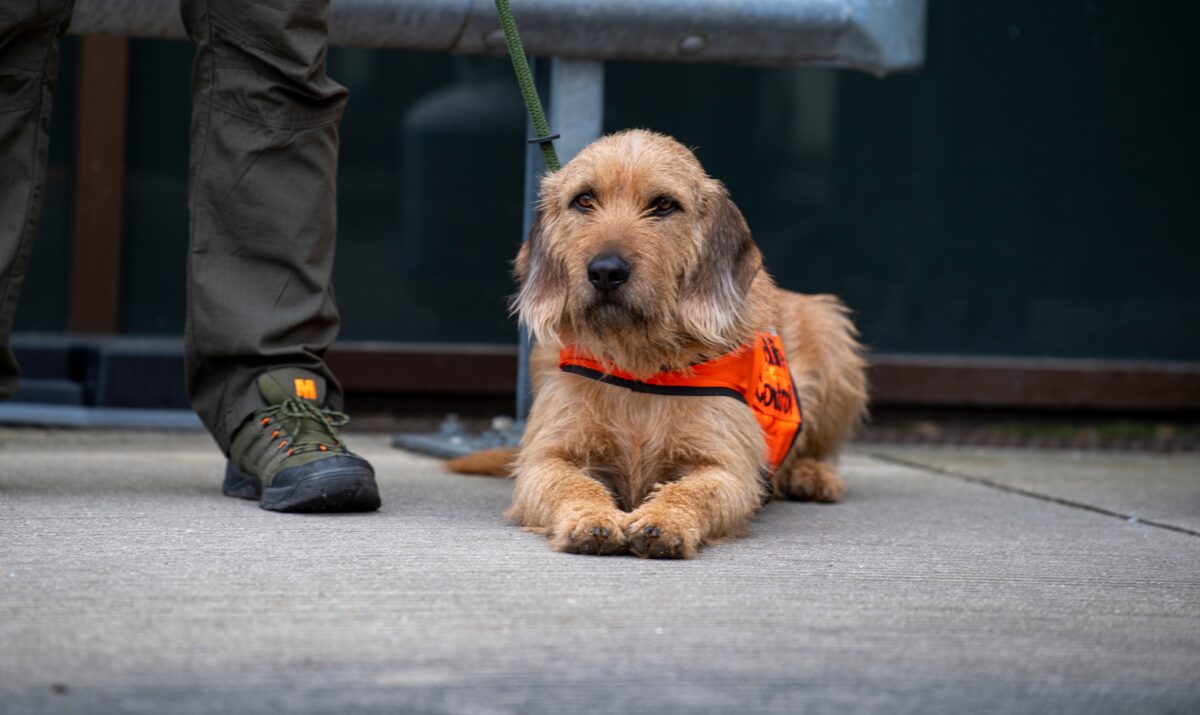
Dogs rarely complain in words we can understand, and older dogs tend to complain even less. Many of them simply adjust. They sleep in a different spot, skip the stairs, or stare at you a beat longer than usual.
Those small shifts are easy to wave off as “just getting old.” Yet veterinary researchers have spent years showing that a lot of what we call normal aging is really pain, sensory loss, or cognitive change that can be managed. Here are ten quiet requests worth learning to read, counted down from ten to one.
10. Help Getting Comfortable on the Floor
🔥 Would you like to save this?
We'll email this post to you, so you can come back to it later!
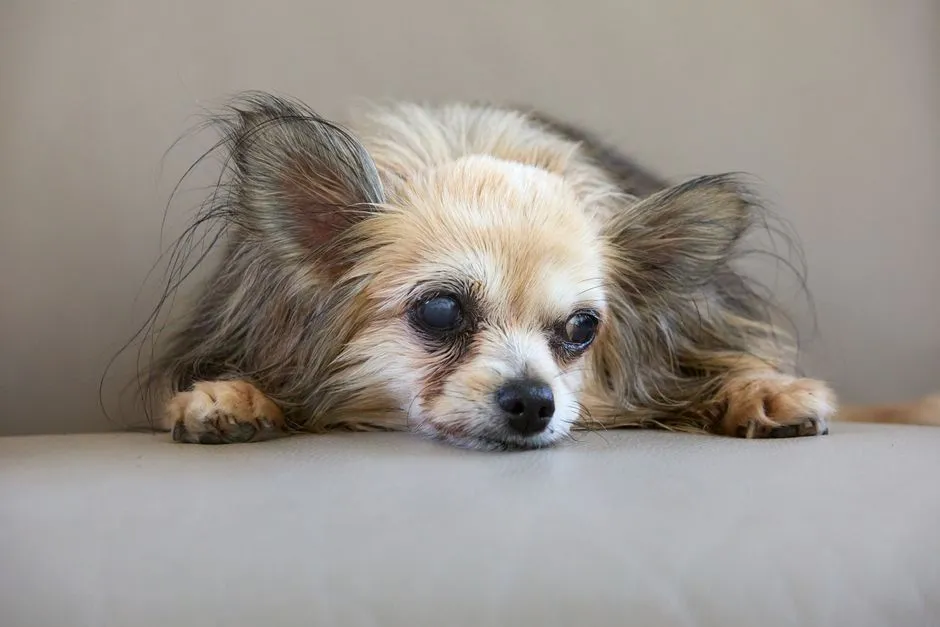
Watch how your dog lies down. A dog with sore joints may circle more than usual, hover before dropping, or flop down heavily instead of settling smoothly. Some start choosing hard floors over soft beds because getting out of a deep, squishy bed takes real effort.
Osteoarthritis is very common in older dogs, and it’s often underdiagnosed because dogs hide discomfort so well. Studies of dogs in veterinary practice suggest that a large share of senior dogs have some degree of joint disease, even when owners haven’t noticed a limp.
A thick orthopedic bed with a low entry edge, placed away from drafts, can make a visible difference. Rugs or yoga mats on slick floors help too. It’s a cheap change, but it tells your dog you noticed.
9. Traction Under Their Paws
🔥 Would you like to save this?
We'll email this post to you, so you can come back to it later!
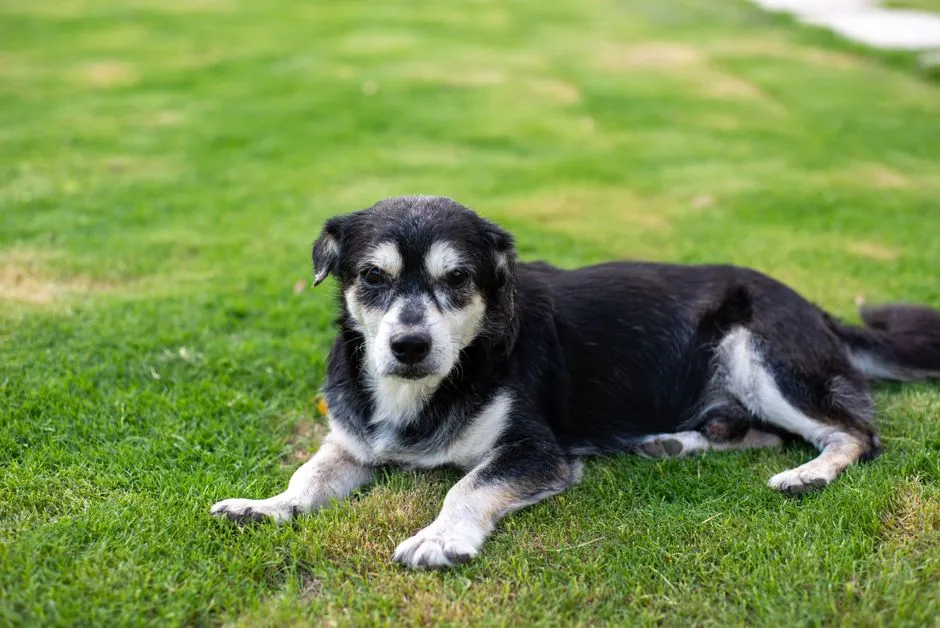
Hardwood and tile turn into skating rinks for a dog with weakening hind legs. You might see splayed back feet, a hesitant walk across the kitchen, or a dog who now waits at the edge of a room instead of crossing it. That hesitation is a request, even if it’s silent.
Muscle loss in the hindquarters is common with age, and it makes slipping more likely. Every slip can also make a dog more fearful of moving at all, which then leads to even less muscle. It’s a loop that’s worth breaking early.
Runners, carpet tiles, and nail trims help more than people expect. Overgrown nails change how a paw meets the ground, and trimmed fur between the pads can improve grip. Your vet can also talk through grip socks, harnesses, and whether pain control is part of the picture.
8. A Gentler Way Up and Down
🔥 Would you like to save this?
We'll email this post to you, so you can come back to it later!
The dog who used to launch onto the couch now stands at its edge and looks at you. Or maybe they stop halfway up the stairs. Owners often read this as stubbornness or laziness, but it’s more often a polite request for a ramp, a lift, or at least a pause.
Pet stairs and ramps reduce the jarring impact on joints and the spine. Introduce them with treats and patience, because many dogs distrust a wobbly new surface. A ramp with grippy carpeting works better than a slick plastic one.
For car trips, a ramp can spare you from lifting a heavy dog, which is hard on your back and scary for them. If lifting is unavoidable, support the chest and hindquarters together rather than hauling them by the belly.
7. Clearer Signals Because the World Is Getting Fuzzy
🔥 Would you like to save this?
We'll email this post to you, so you can come back to it later!
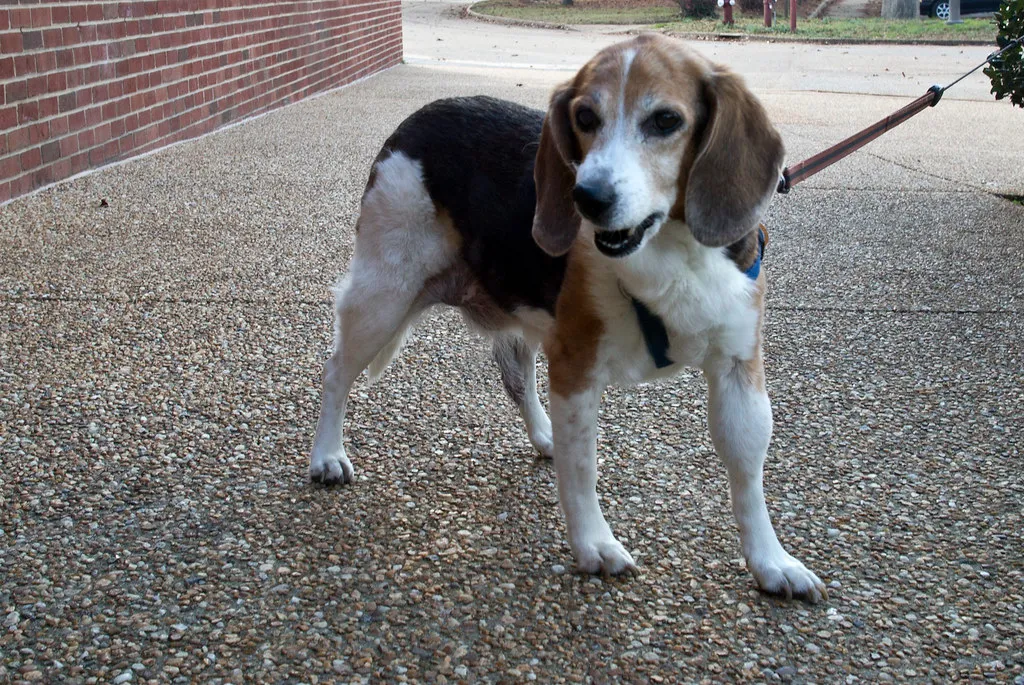
Hearing and vision both decline with age. A dog who doesn’t come when called may not be ignoring you at all. Startling easily when touched from behind, bumping into furniture, or hesitating in dim light are other quiet hints.
Dogs with hearing loss often learn hand signals surprisingly fast. A flashlight blink or a gentle foot stomp that sends vibration through the floor can get their attention without a fright. Approach from the front when you can, and let them see or smell you before touching.
For failing eyesight, keeping furniture in the same place helps a lot, since dogs map a home by memory. Sudden cloudiness in the eyes deserves a vet visit. Some of it is a harmless age-related change in the lens, but other causes, like cataracts or glaucoma, need attention.
6. Reassurance at Night
🔥 Would you like to save this?
We'll email this post to you, so you can come back to it later!
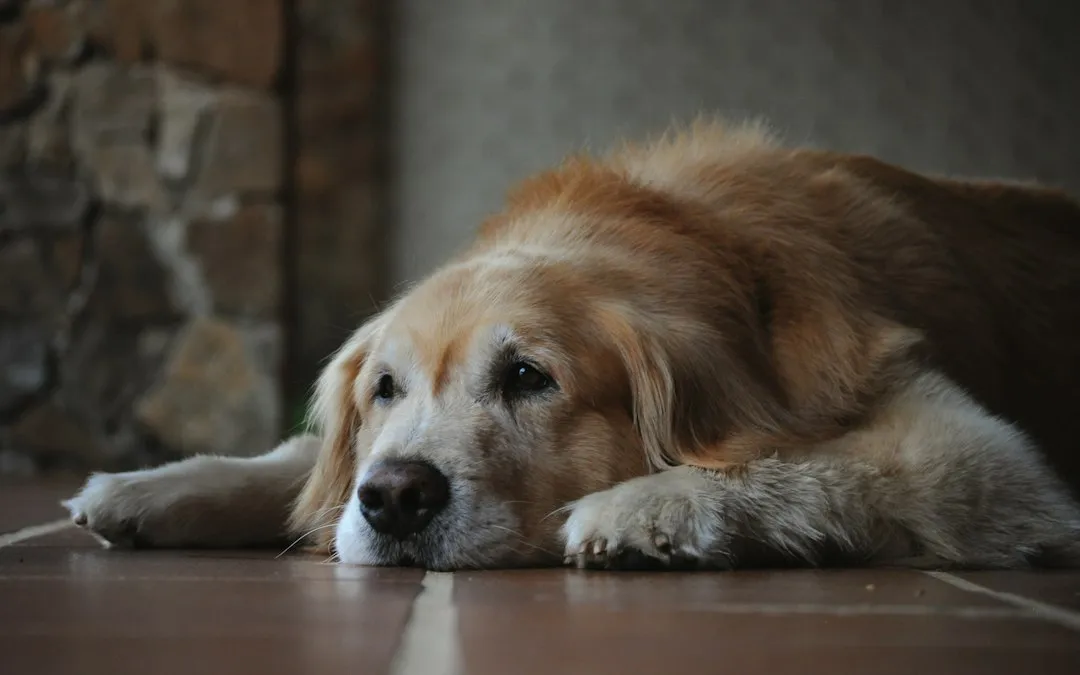
A senior dog who begins pacing after dark, panting in a cool room, or waking you up to stand and stare is saying something. Sleep changes are among the more recognized signs of canine cognitive dysfunction, a condition that has been compared to dementia in people. Disorientation, altered interaction with family, and house soiling are the other classic signs often grouped with it.
Pain can look similar, so it’s not safe to assume. Anxiety, thyroid problems, and other illnesses can also muddy the picture. That’s one more reason a proper checkup beats guessing.
Practical help includes a predictable evening routine, a night light, daytime exercise, and mental activity like sniff games. Vets can discuss diets and supplements marketed for cognitive support, along with prescription options. Evidence varies, so keep expectations realistic.
5. More Frequent Bathroom Breaks
🔥 Would you like to save this?
We'll email this post to you, so you can come back to it later!
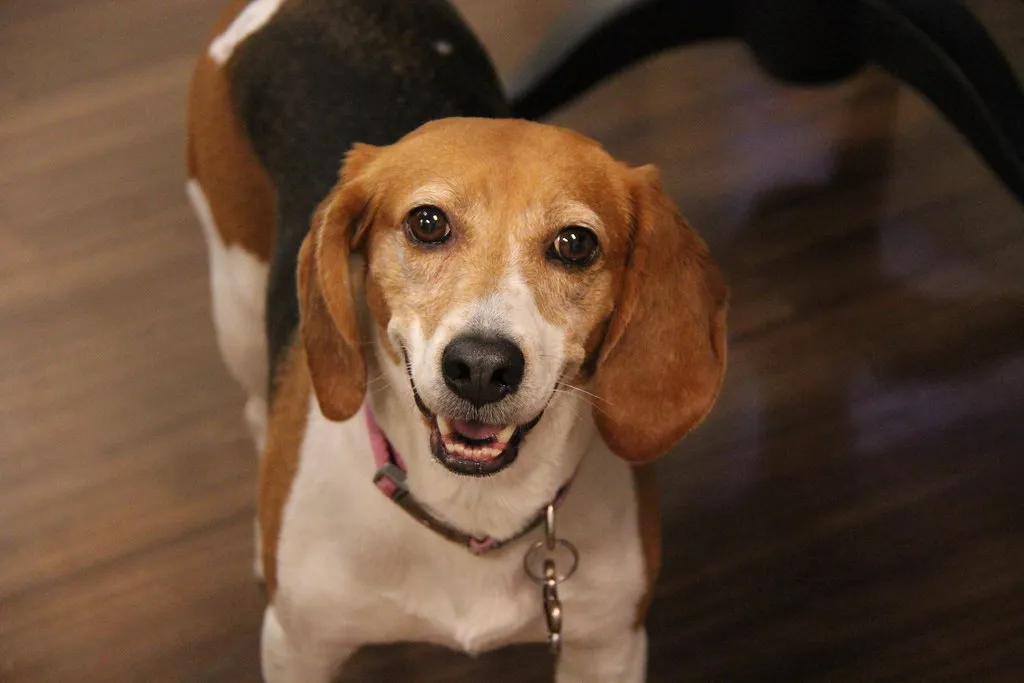
An older dog who suddenly has accidents isn’t being spiteful. Increased thirst, more urination, or needing out at odd hours can point to kidney disease, diabetes, urinary infections, or hormonal problems. Weak bladder control, especially in spayed females, is another possibility.
Mobility matters here too. A dog with sore hips may simply not be able to get to the door in time, or may dread the steps down to the yard. Sometimes the silent request is for the door to be opened more often, or for a potty spot closer to the house.
Don’t scold. Track how much your dog is drinking and how often they go, then bring that information to the vet. Bloodwork and a urine test are routine, inexpensive ways to catch trouble early.
4. A Softer Touch and More Space
🔥 Would you like to save this?
We'll email this post to you, so you can come back to it later!
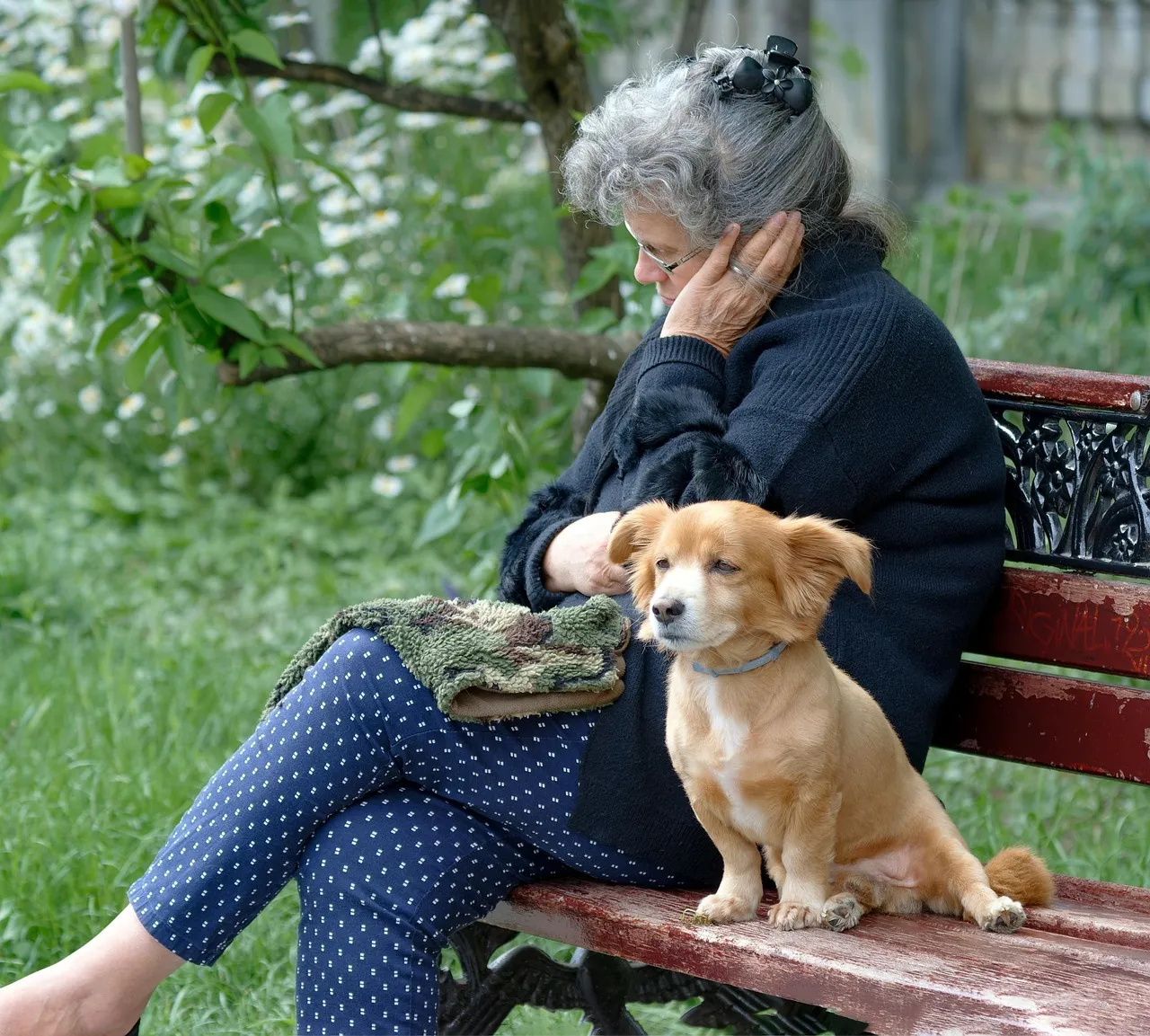
Some aging dogs grow quietly irritable. They may flinch when petted along the back, move away from the kids, or grumble when stepped over. A dog who has been gentle for twelve years and suddenly snaps is rarely having a character change. Pain is a leading suspect.
Dental disease is another hidden culprit. Bad breath, drooling, dropping food, or chewing on one side can all signal sore teeth or gums, and dental problems are widespread in older dogs. Because dogs don’t paw at their mouths the way you might expect, owners often miss it.
Give your dog a retreat, such as a quiet room with a bed and a baby gate, and teach children to let sleeping dogs be. Then book an exam. Behavior changes are medical information, not bad manners.
3. A Different Kind of Exercise
🔥 Would you like to save this?
We'll email this post to you, so you can come back to it later!
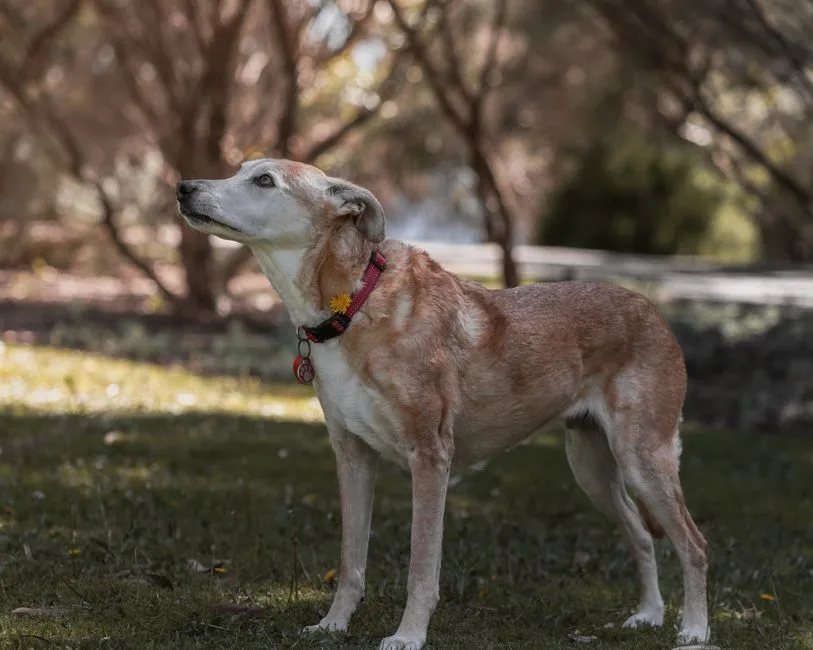
Many older dogs still love walks, but the old routine may no longer fit. You might notice lagging behind, lying down mid-walk, or limping later that evening or the next morning. That delayed soreness is a classic sign that the outing was too much.
Shorter, more frequent walks usually beat one long march. Slow sniffing walks are great, because they give the brain a workout without punishing the joints. Swimming or controlled hydrotherapy can help some dogs, particularly those with arthritis, if your vet agrees.
Staying active matters, since muscle supports the joints. The goal is to adjust, not retire. Watch your dog’s body after the walk, not just during it.
2. Food That Fits a Changing Body
🔥 Would you like to save this?
We'll email this post to you, so you can come back to it later!
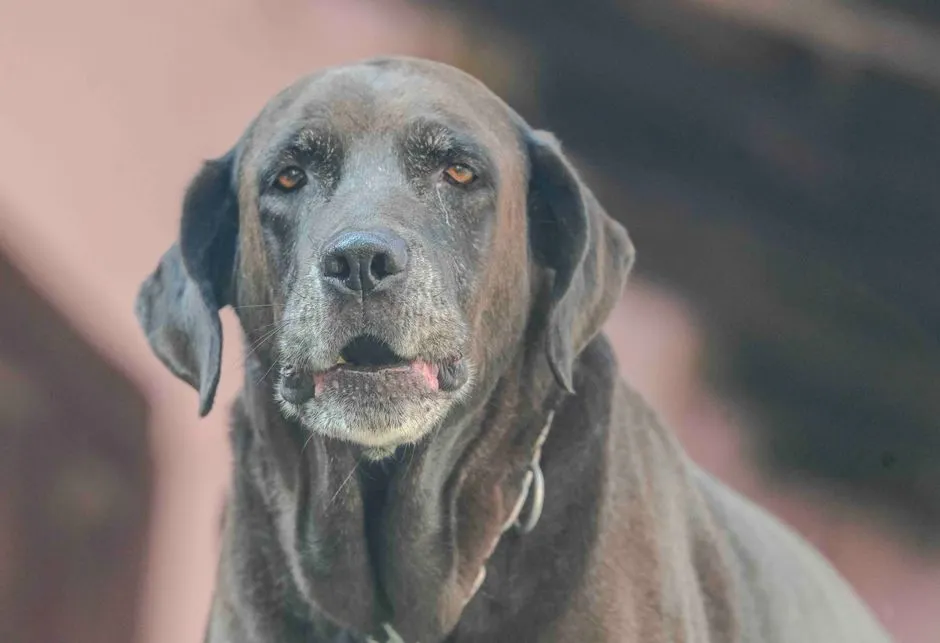
Appetite shifts quietly. A dog who leaves kibble in the bowl, eats more slowly, or gets picky might be dealing with dental pain, nausea, or a lowered sense of smell. Others gain weight, which stresses the joints further, while some lose weight and muscle without anyone noticing.
Ask your vet to score body condition and muscle condition at every visit. You can check at home, too: you should be able to feel the ribs under a modest layer of padding. Unexplained weight loss in a senior dog is always worth a call.
Warming food slightly, adding water, or switching texture can help a dog with a weak appetite, but only after medical causes are checked. Never change a diet drastically overnight. Gradual transitions are gentler on older stomachs.
1. More Frequent Vet Visits
🔥 Would you like to save this?
We'll email this post to you, so you can come back to it later!
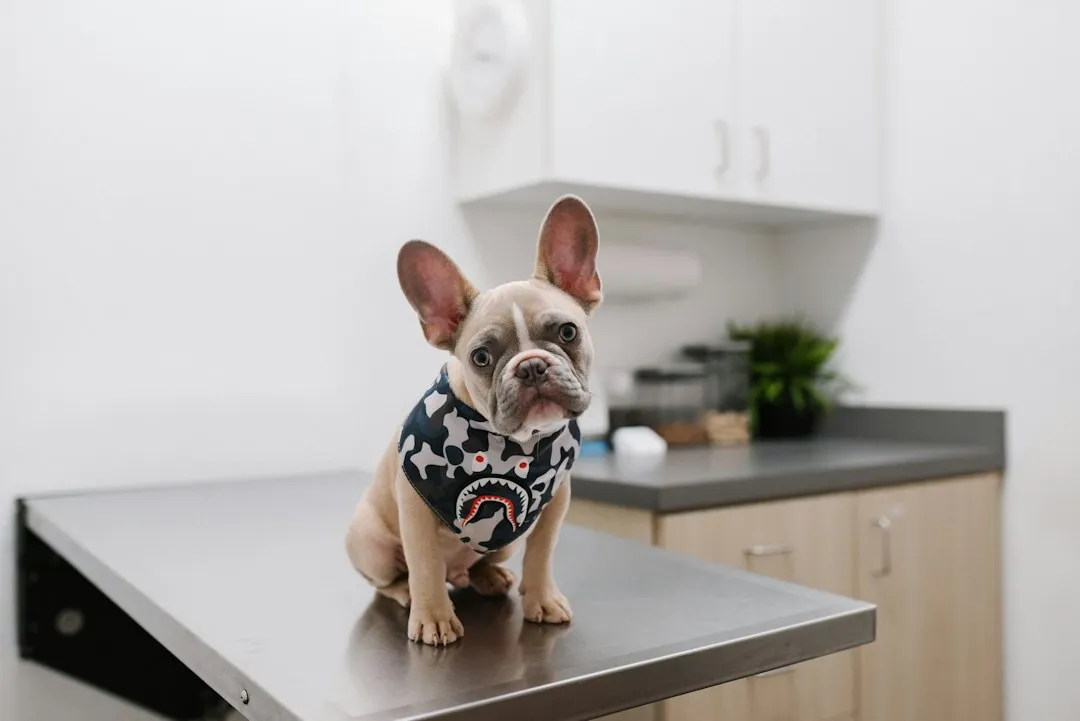
This is the biggest silent request, and it’s the one owners overlook most. Many veterinary groups recommend that senior dogs be seen about twice a year, since conditions can progress quickly in a short time. Large breeds are generally considered seniors earlier than small ones.
A senior workup can include a physical exam, bloodwork, urinalysis, blood pressure, and a pain assessment. Many clinics also offer questionnaires that help owners describe subtle changes, like hesitation on stairs or restlessness at night. Bring videos of anything odd, since dogs often act normal in the exam room.
Pain management has come a long way, and there are several options, from prescription medications to physical therapy and weight control. What works depends on the dog, so only a vet can sort that out. Waiting rarely makes any of it easier.
Final Thoughts
🔥 Would you like to save this?
We'll email this post to you, so you can come back to it later!
My view is simple: “slowing down” should never be the end of the conversation. It should be the start of one. Most of the signs above are treatable or at least improvable, and dogs shouldn’t have to endure them just because they have gray muzzles.
Your dog has spent years learning to read you. The least we can do is return the favor. Pay attention to the small stuff, and the quiet requests tend to get easier to hear.

- 7 Everyday Habits That Can Make Your Senior Dog Happier - November 5, 2026
- 10 Enigmatic Structures That Continue to Puzzle Scientists Today - November 5, 2026
- 10 Strange Ruins in the Americas That Challenge What We Know About Early History - November 5, 2026