
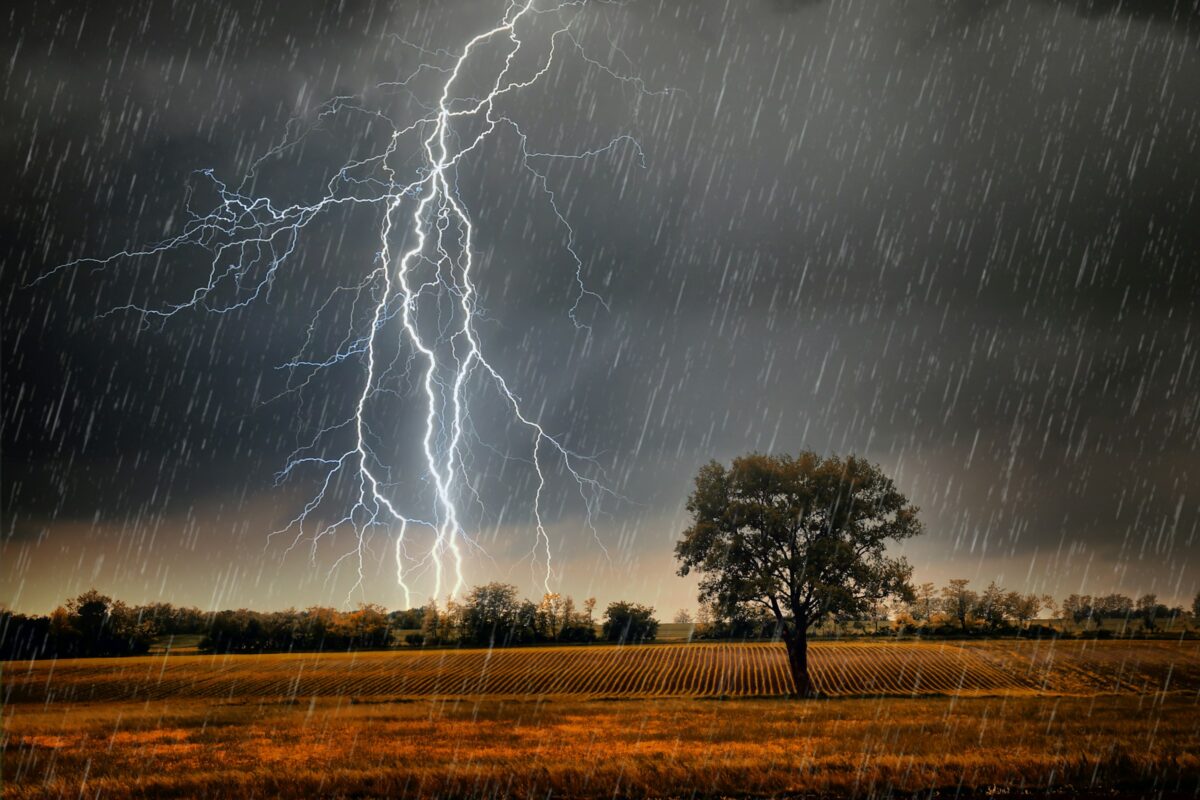
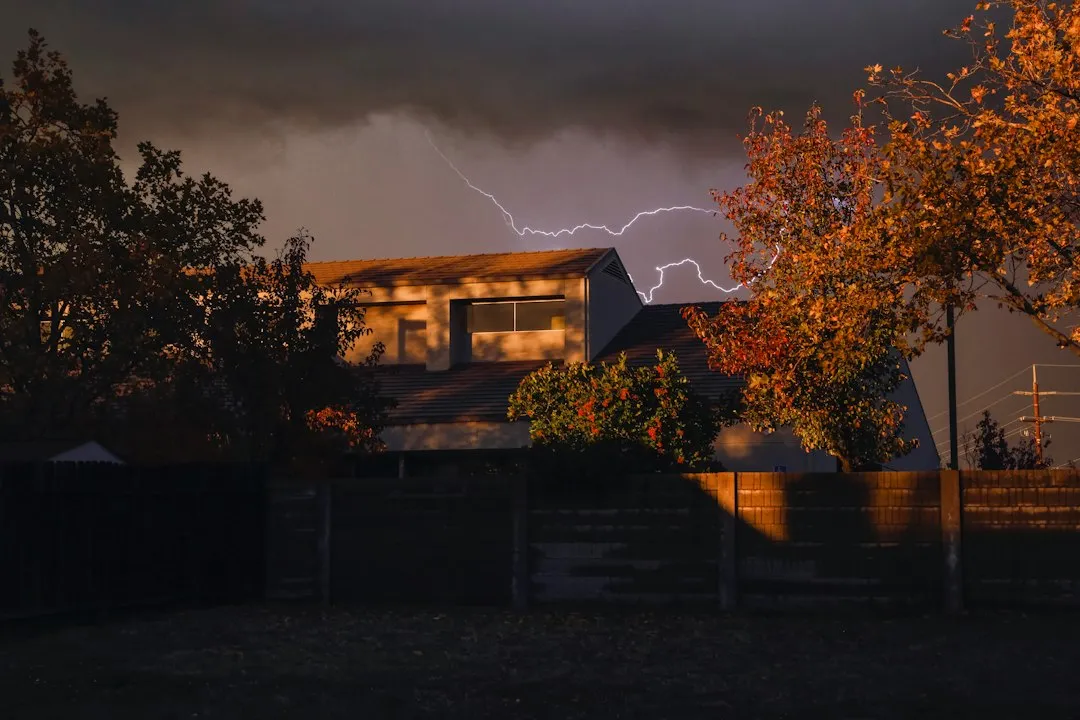
Most of us have stood at a window watching a storm roll in, counting the seconds between flash and rumble. It feels familiar, almost ordinary. Yet the physics behind that show is stranger than the countdown suggests.
A few of the things people assume turn out to be shaky, and some of the real details are more surprising than the myths. Here are seven that tend to get overlooked.
Thunder Is Really a Shock Wave
🔥 Would you like to save this?
We'll email this post to you, so you can come back to it later!
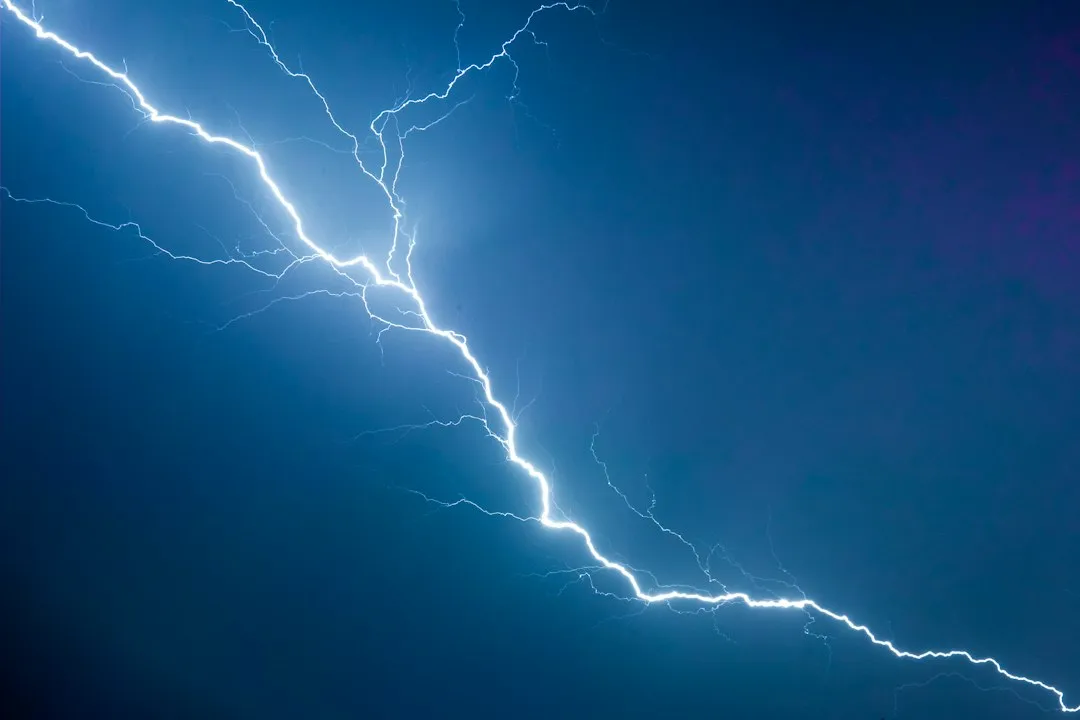
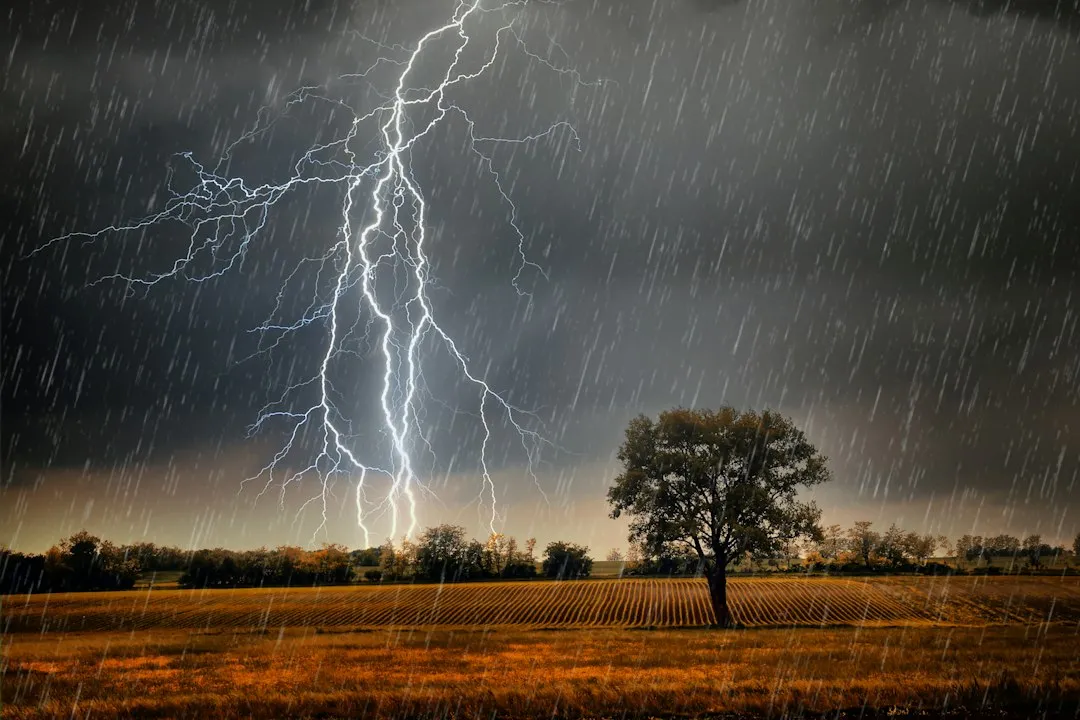
Thunder isn’t a sound that lightning “makes” in the way a drum makes noise. A lightning channel heats the surrounding air to temperatures several times hotter than the surface of the sun, and that air expands explosively fast. The result is a shock wave that fades into the rumble we hear.
That’s also why thunder sounds so different from one strike to the next. A close strike gives a sharp crack, while a distant one stretches into a long roll. The sound travels from different parts of a jagged channel, and it arrives at your ears at slightly different times.
Counting Seconds Only Tells You So Much
🔥 Would you like to save this?
We'll email this post to you, so you can come back to it later!
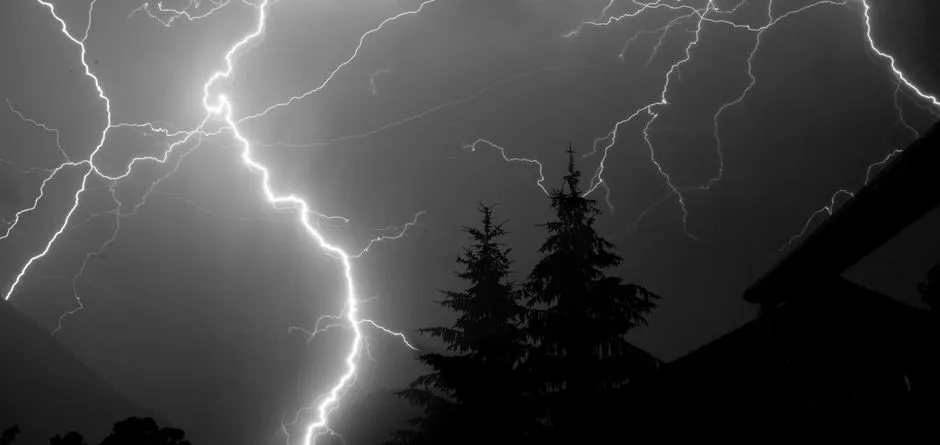
The old trick says to count the seconds between flash and thunder, then divide by five to estimate the distance in miles. It’s a decent rule of thumb, because sound covers roughly a mile in about five seconds. Still, it only measures the strike you happened to watch.
The bigger lesson is that lightning can reach farther than people expect. Strikes can land miles from the main rain shaft, sometimes under skies that look fairly clear. The National Weather Service’s long standing advice is simple: when thunder roars, go indoors.
Lightning Doesn’t Always Strike Down
🔥 Would you like to save this?
We'll email this post to you, so you can come back to it later!
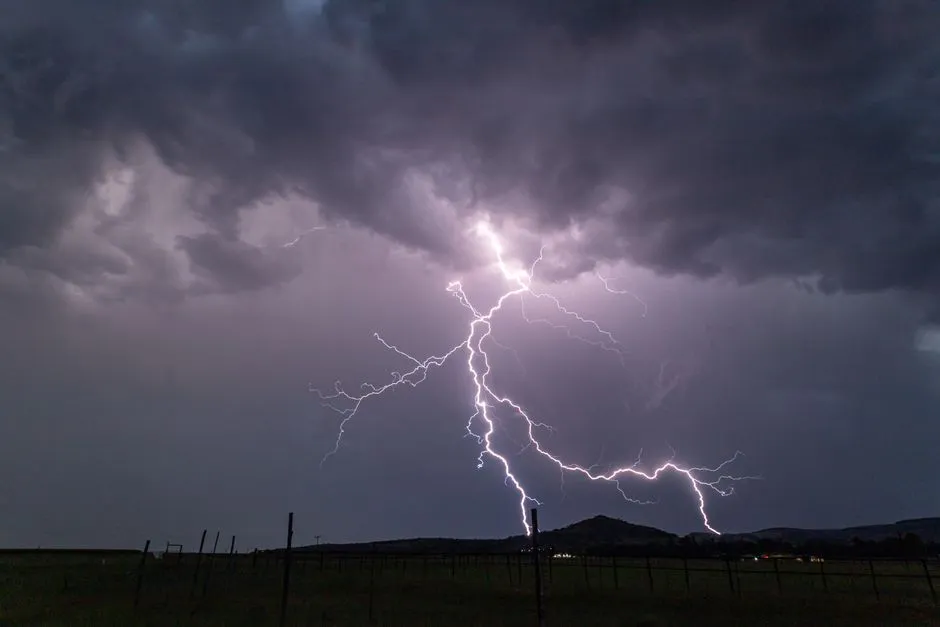
We picture a bolt dropping from cloud to ground, but a large share of lightning never touches the ground at all. Much of it stays inside the cloud or jumps between clouds. Ground strikes are the ones that make headlines because they’re the ones that hurt people and property.
There’s also a process happening before the visible flash. A faint channel of charge, called a stepped leader, works its way downward, and a connecting streamer rises from the ground to meet it. The bright flash you see is the return stroke, which travels upward after contact has been made.
A Storm Cloud Is a Giant Engine
🔥 Would you like to save this?
We'll email this post to you, so you can come back to it later!
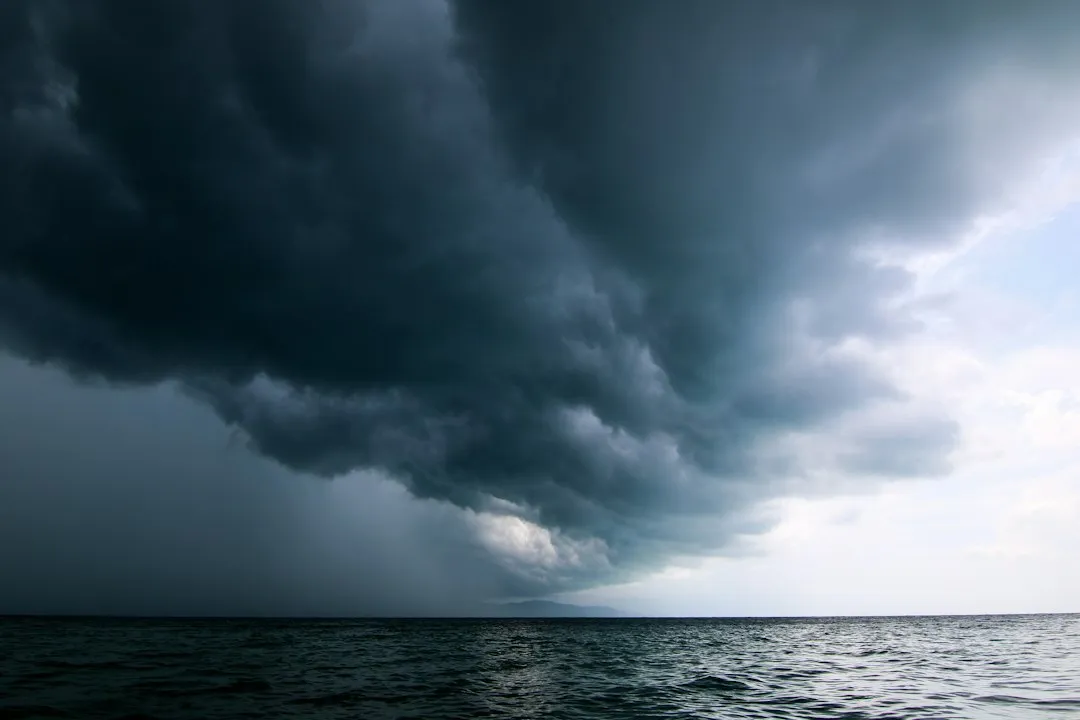
A thunderstorm runs on warm, moist air rising quickly into cooler layers above. As that air climbs, the moisture condenses and releases heat, which keeps the engine going. Updrafts can carry water droplets and ice particles to great heights, where they collide and build up electric charge.
Scientists still debate some of the finer details of how clouds separate their charge so efficiently. The broad picture, involving collisions between ice crystals and soft hail, is widely accepted. Even so, the exact mechanisms remain an active area of research, which is humbling for something so common.
The Smell Before the Rain Has an Explanation
🔥 Would you like to save this?
We'll email this post to you, so you can come back to it later!
Many people swear they can smell a storm coming. There’s some real chemistry behind that. Strong downdrafts can carry ozone from higher altitudes down to the ground, and ozone has a sharp, clean scent.
Then there’s the earthy smell after rain begins, often called petrichor. It comes from oils released by plants and from compounds made by soil microbes, which get kicked into the air by falling drops. So the storm really does have two distinct smells, from two different sources.
Inside the Car and Indoors, Safety Has Rules
🔥 Would you like to save this?
We'll email this post to you, so you can come back to it later!
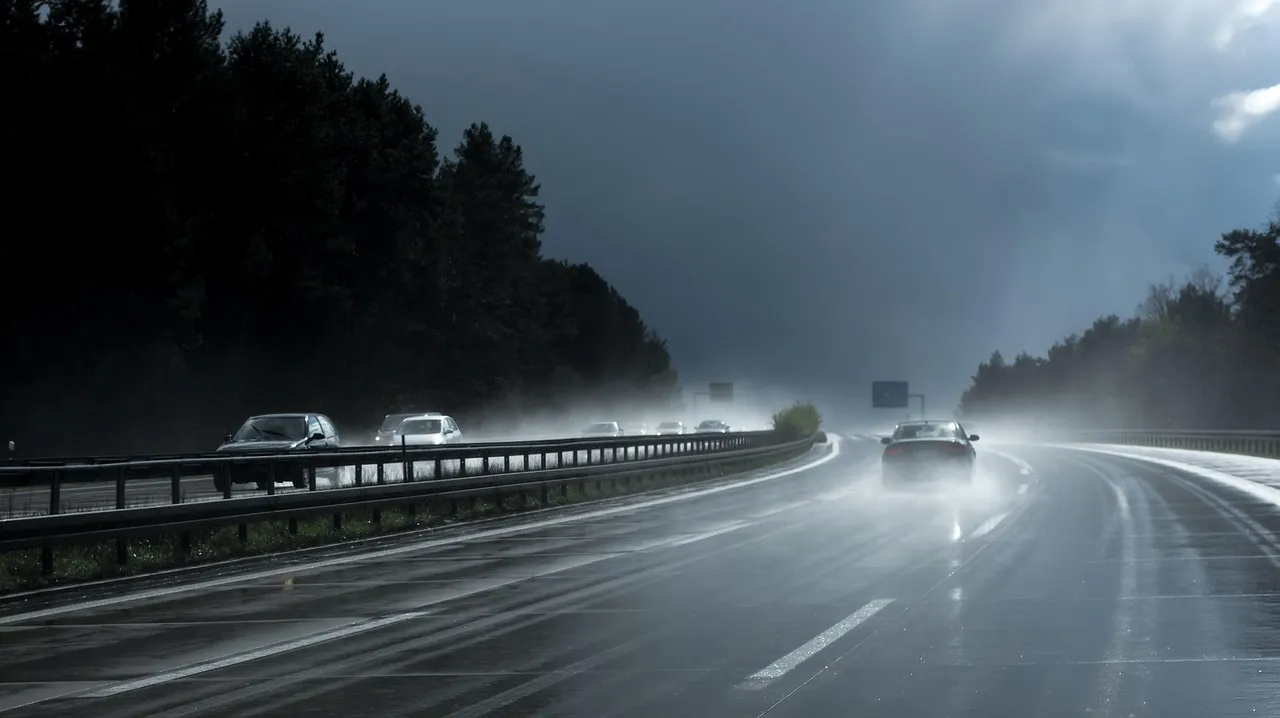
A common belief is that rubber tires protect you in a car. In reality, a hard topped metal vehicle helps because the metal body carries the current around the outside. Convertibles and soft tops don’t offer that same protection.
Indoors matters too, but not everything inside is safe. Plumbing and corded electronics can carry current from a nearby strike, so officials advise avoiding showers, baths and plugged in devices during a storm. A sturdy building is the goal, not just any shelter, so a picnic pavilion or open porch won’t do.
Storms Can Do More Than Flash and Boom
🔥 Would you like to save this?
We'll email this post to you, so you can come back to it later!
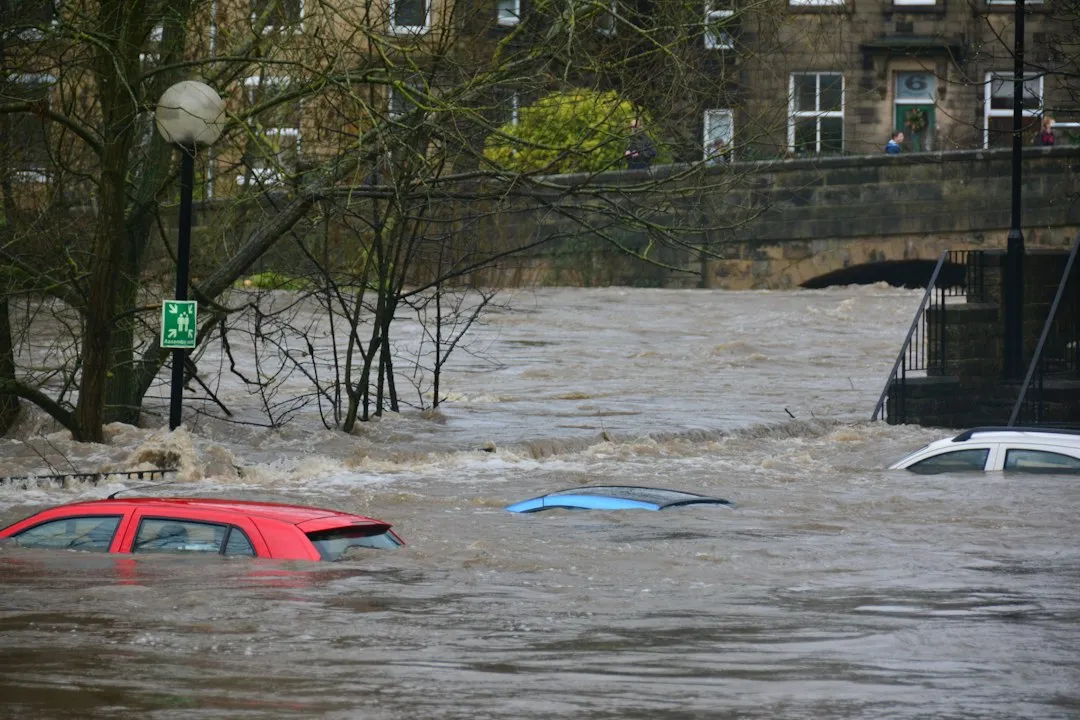
Thunderstorms bring a whole bundle of hazards beyond lightning. Flash flooding, hail, damaging straight line winds and, in some storms, tornadoes can all develop. Flash floods in particular are a leading cause of storm related deaths in many years, and the danger is often underestimated.
Some storms also produce downbursts, sudden columns of sinking air that spread out violently at the ground. They can flatten trees without any tornado at all. It’s a reminder that a storm’s rating shouldn’t depend only on how loud it sounds.
Final Thoughts
🔥 Would you like to save this?
We'll email this post to you, so you can come back to it later!
My view is that we treat thunderstorms as background noise far too often. They’re a daily event somewhere on Earth, so familiarity breeds a casual attitude that doesn’t match the energy involved. Appreciating the science makes the spectacle better, but it should also make us quicker to head inside.
Watch the show, by all means. Just do it from a safe window, and take the next rumble as a prompt rather than a curiosity.

- 7 Everyday Habits That Can Make Your Senior Dog Happier - November 5, 2026
- 10 Enigmatic Structures That Continue to Puzzle Scientists Today - November 5, 2026
- 10 Strange Ruins in the Americas That Challenge What We Know About Early History - November 5, 2026