


Standing Still Without Needing to Move
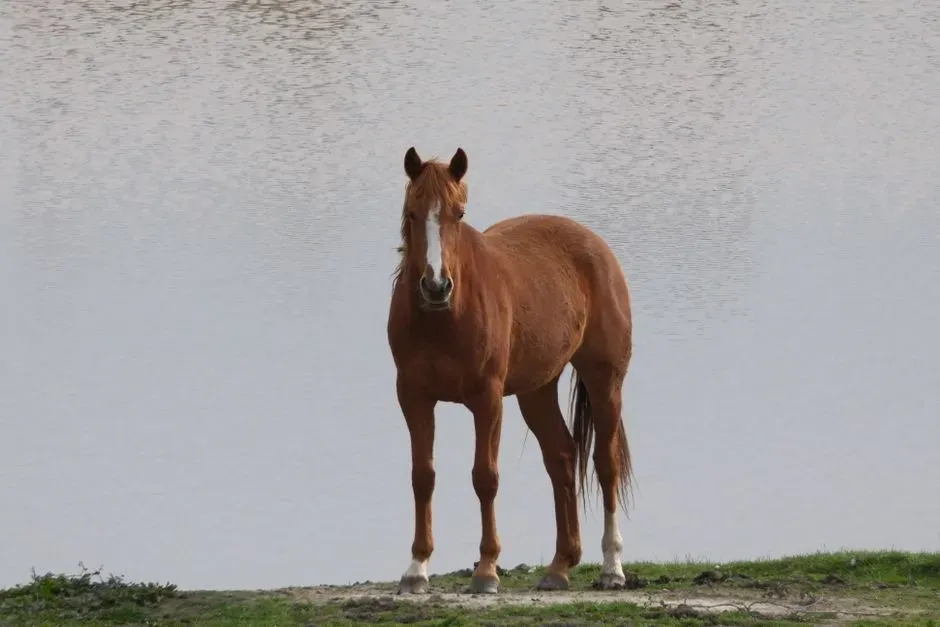
Horses often remain motionless for long stretches, scanning their surroundings with calm attention. This habit shows how presence does not require constant action or forward progress. They simply occupy space and let the moment unfold on its own terms.
People who work with horses learn to match that stillness instead of filling every pause with movement or words. The result is a deeper awareness of what is actually happening right now. Over time the practice carries into ordinary routines, turning ordinary waiting into something steadier and less restless.
Reading Subtle Shifts in Energy
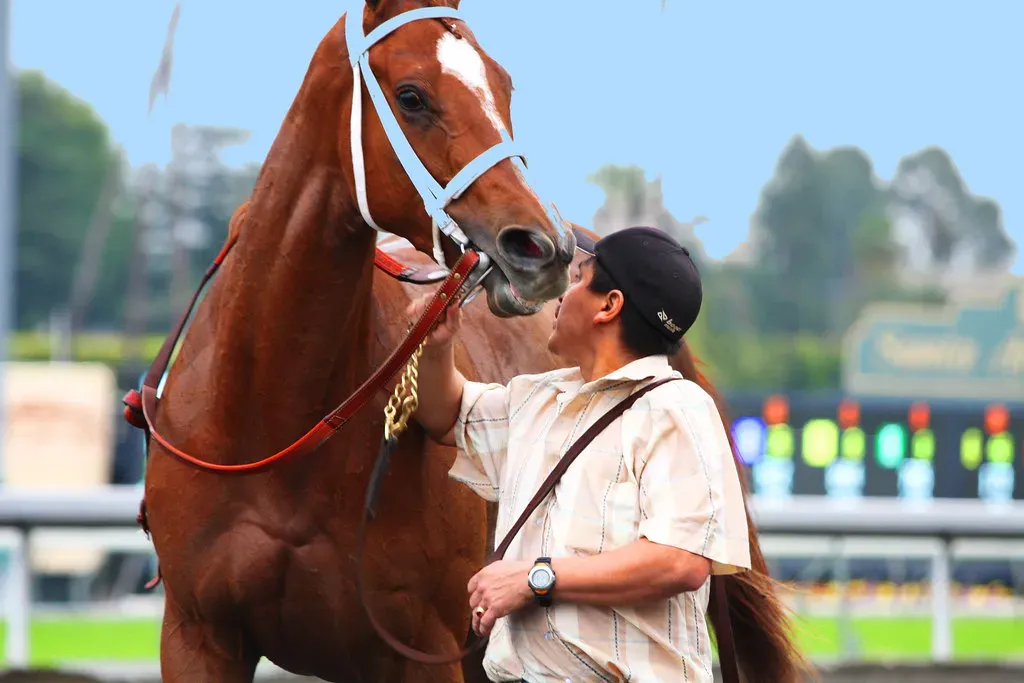
A horse notices the smallest change in posture or breath long before any obvious signal appears. That sensitivity comes from staying fully tuned to the present rather than anticipating what might come next. Patience here means allowing those details to register without rushing to interpret them.
Handlers who develop the same attention find conversations and relationships become clearer. They catch tension early and respond with quiet adjustments instead of dramatic fixes. The skill grows through repeated, unhurried observation rather than forced study.
Letting Trust Form at Its Own Speed
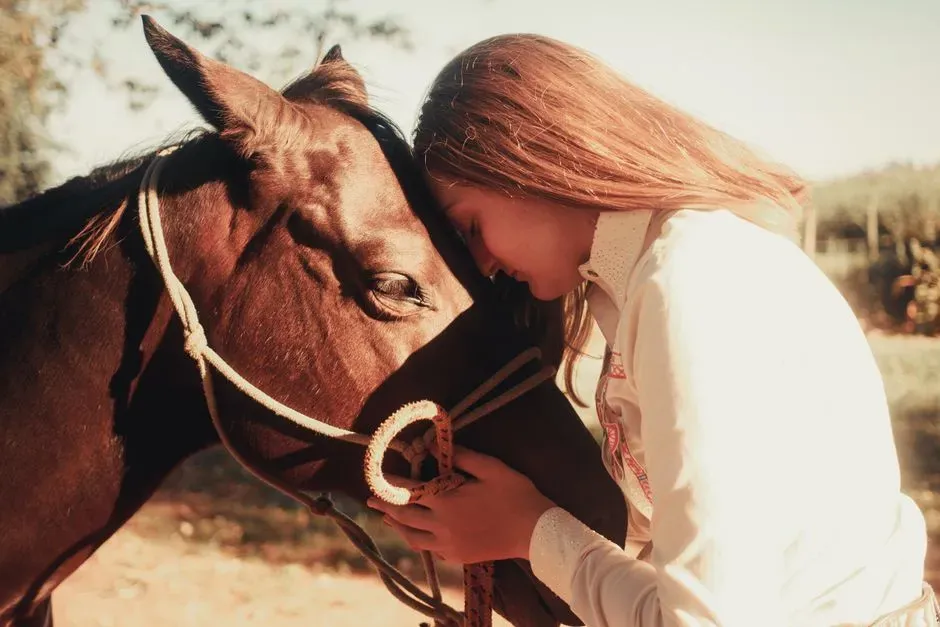
Building connection with a horse rarely happens on a schedule. Each session adds a small layer of familiarity, and forcing the pace usually sets progress back. Presence shows up as consistent, low-pressure availability day after day.
That same gradual approach applies when people try to strengthen bonds with one another. Rushing for quick closeness often creates distance instead. Horses demonstrate that reliable presence over time creates a foundation nothing hurried can replace.
Breathing Through Discomfort
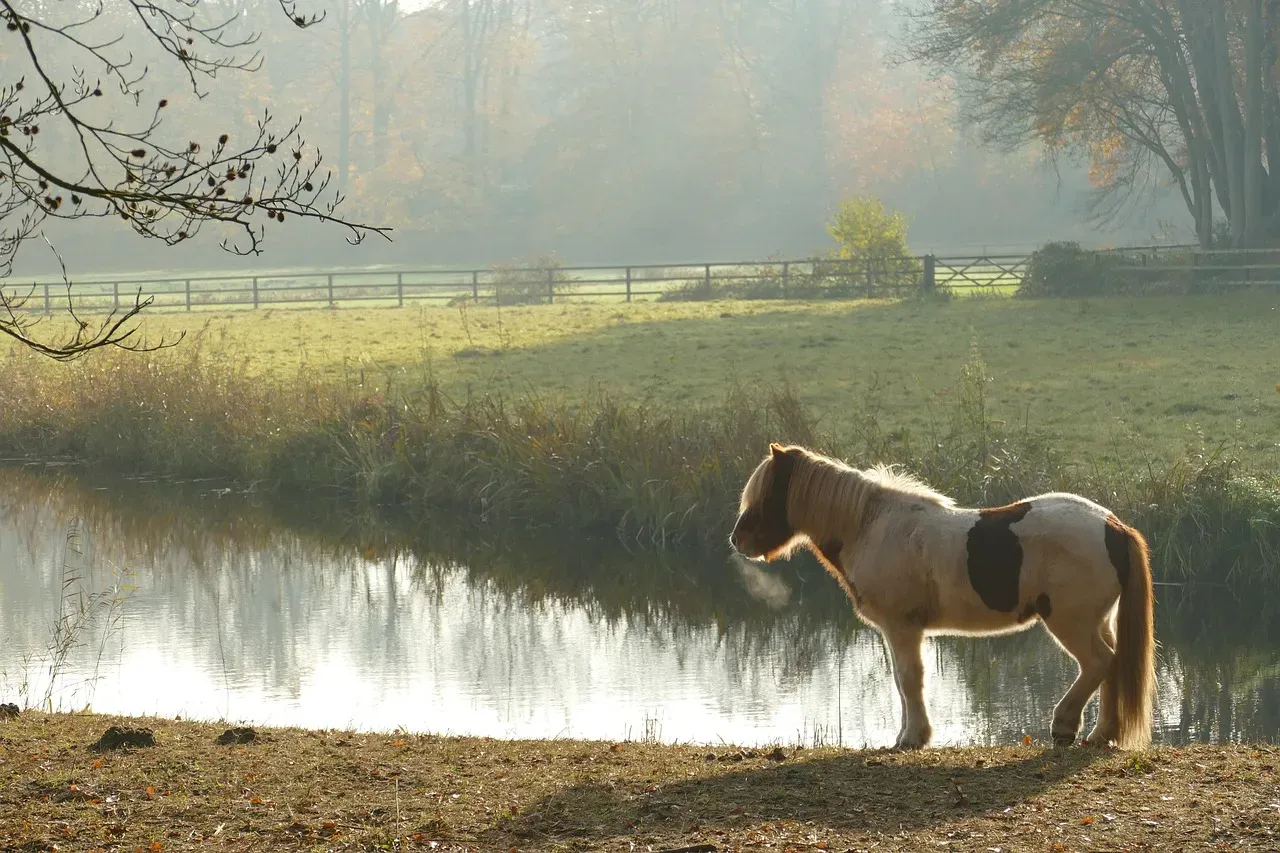
When something startles a horse, the first response is often a long exhale that resets the nervous system. The animal does not fight the feeling or try to escape it immediately. Patience appears in the willingness to stay with the sensation until it passes.
Learning to mirror that breath helps riders and handlers stay grounded during tense moments. The body settles, the mind clears, and decisions become more measured. Over repeated exposures the habit becomes automatic and carries into other stressful situations.
Staying With One Task Until It Is Complete
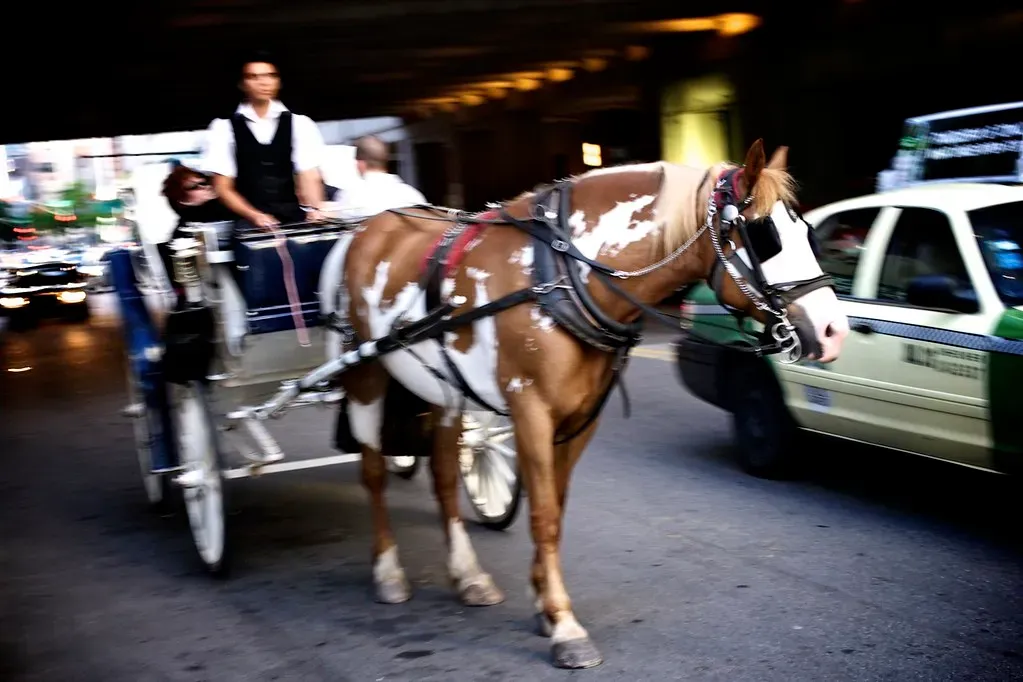
Horses focus on the single job in front of them, whether that is crossing a stream or accepting a new piece of equipment. They do not multitask or jump ahead to the next challenge. Presence keeps them engaged until the current step feels settled.
People who adopt this single-minded approach notice fewer half-finished projects and less scattered attention. The satisfaction of finishing one thing well builds momentum for the next. Horses make the case that depth beats breadth when real learning is the goal.
Accepting What Cannot Be Changed Right Now
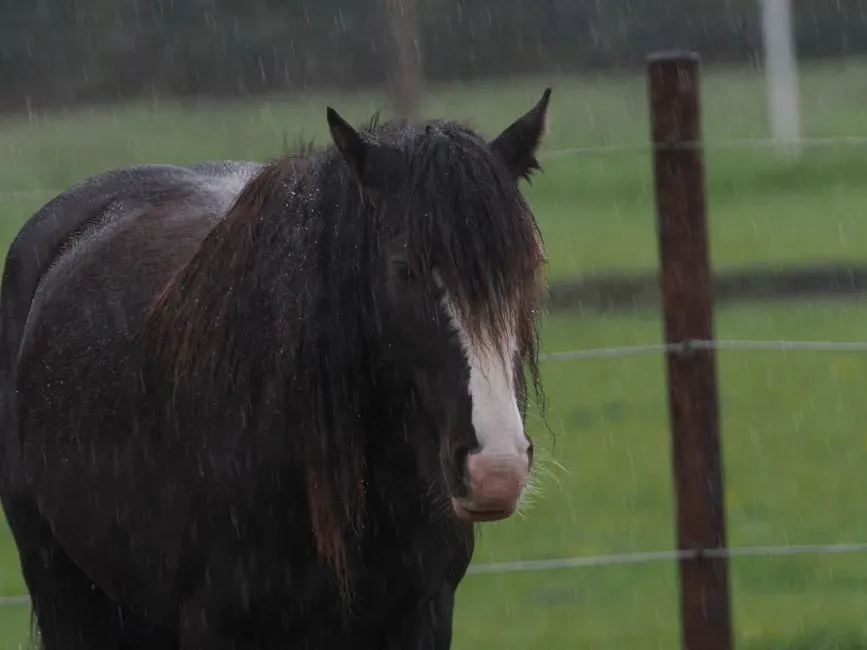
A horse standing in the rain does not waste energy wishing the weather were different. It adjusts posture, finds shelter if possible, and waits. Patience here is the absence of protest against conditions outside its control.
That quiet acceptance reduces the mental noise that comes from constant resistance. Presence keeps attention on what can be influenced in the moment rather than on imagined alternatives. The lesson transfers directly to traffic jams, delayed plans, and other everyday frustrations.
Moving Only When the Timing Feels Right
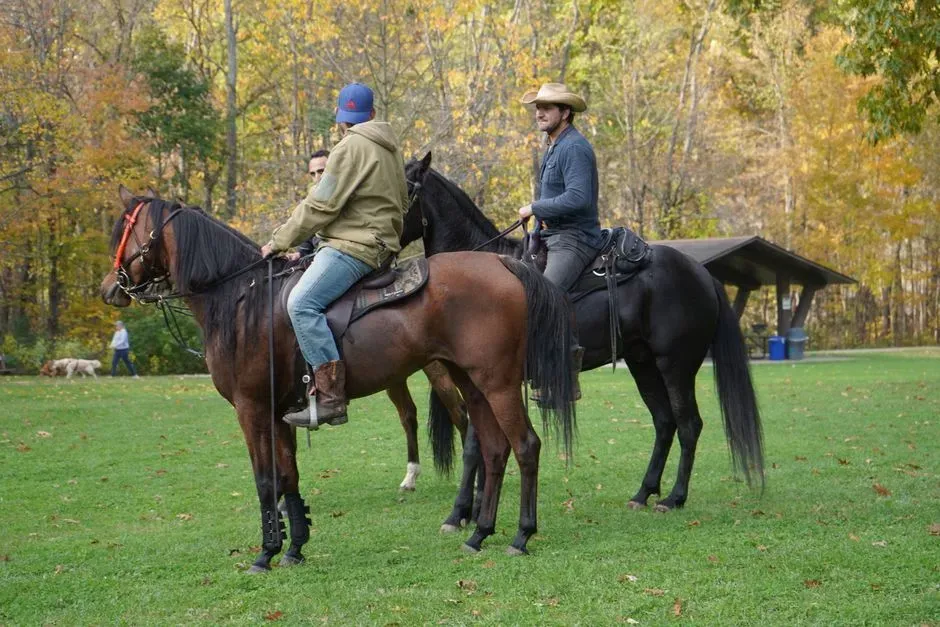
Horses rarely bolt into action without first checking the environment and their own readiness. They pause, assess, and then commit. Presence supplies the information needed to choose the moment wisely.
Riders who respect that timing discover smoother transitions and fewer corrections. The same respect for natural rhythm improves everything from training sessions to personal projects. Rushing rarely saves time in the long run and often costs more than it gains.
Returning to Calm After Every Distraction
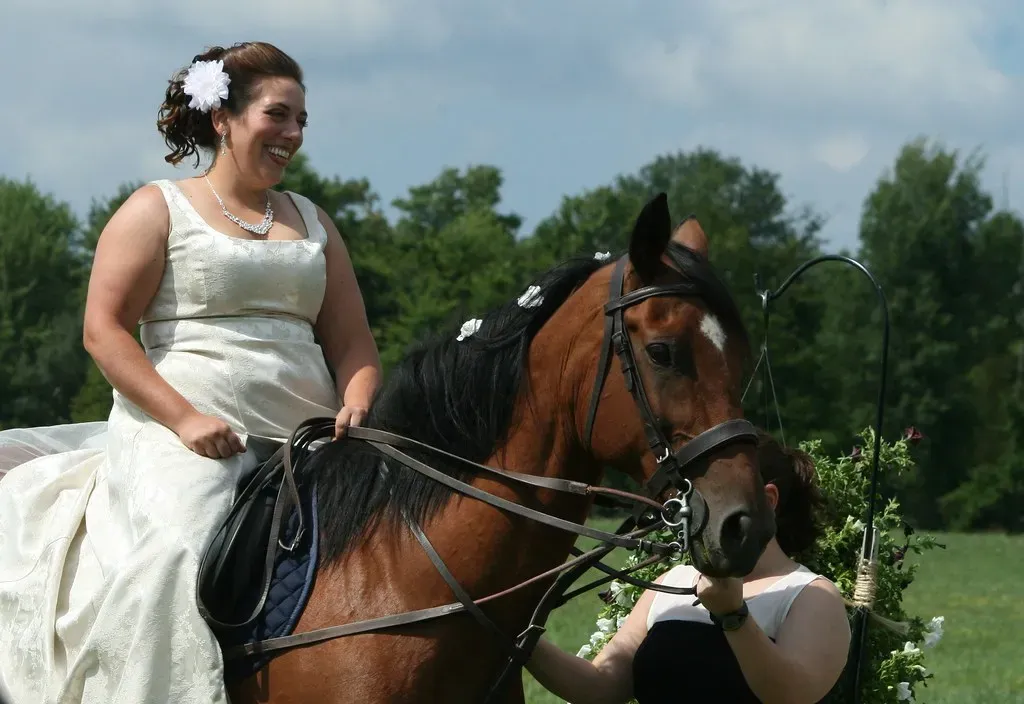
After a sudden noise or movement, a horse typically settles back into its baseline state within seconds. It does not replay the event or carry tension forward. Presence allows the reset to happen without extra effort.
Practicing that quick return to baseline helps people manage interruptions at work or at home. The mind learns to release what just happened instead of letting it linger. Horses model an efficient form of emotional housekeeping that keeps energy available for what comes next.
Sharing Space Without Needing to Fill It
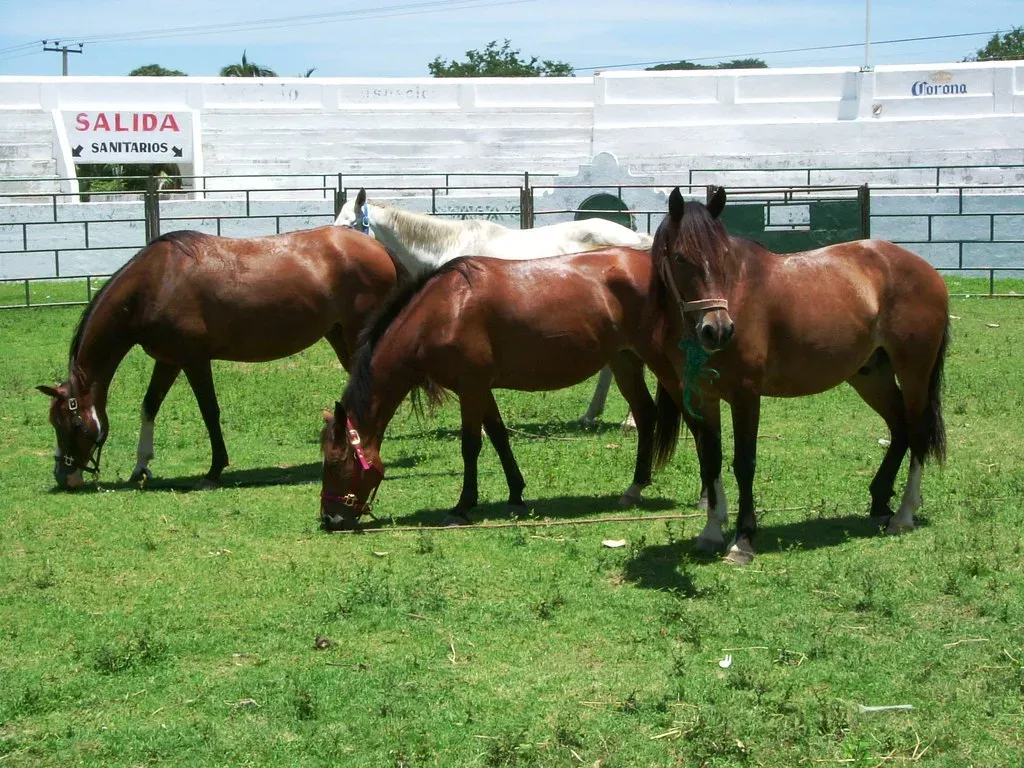
In a herd, horses can stand near one another for hours with very little interaction. The companionship itself is enough. Patience shows up as comfort with silence and simple coexistence.
That ease with quiet presence changes how people experience time with others. Conversations gain depth when they are not required to be constant. Many find that simply being nearby becomes its own form of support and connection.
Letting Go of Outcomes and Staying Engaged
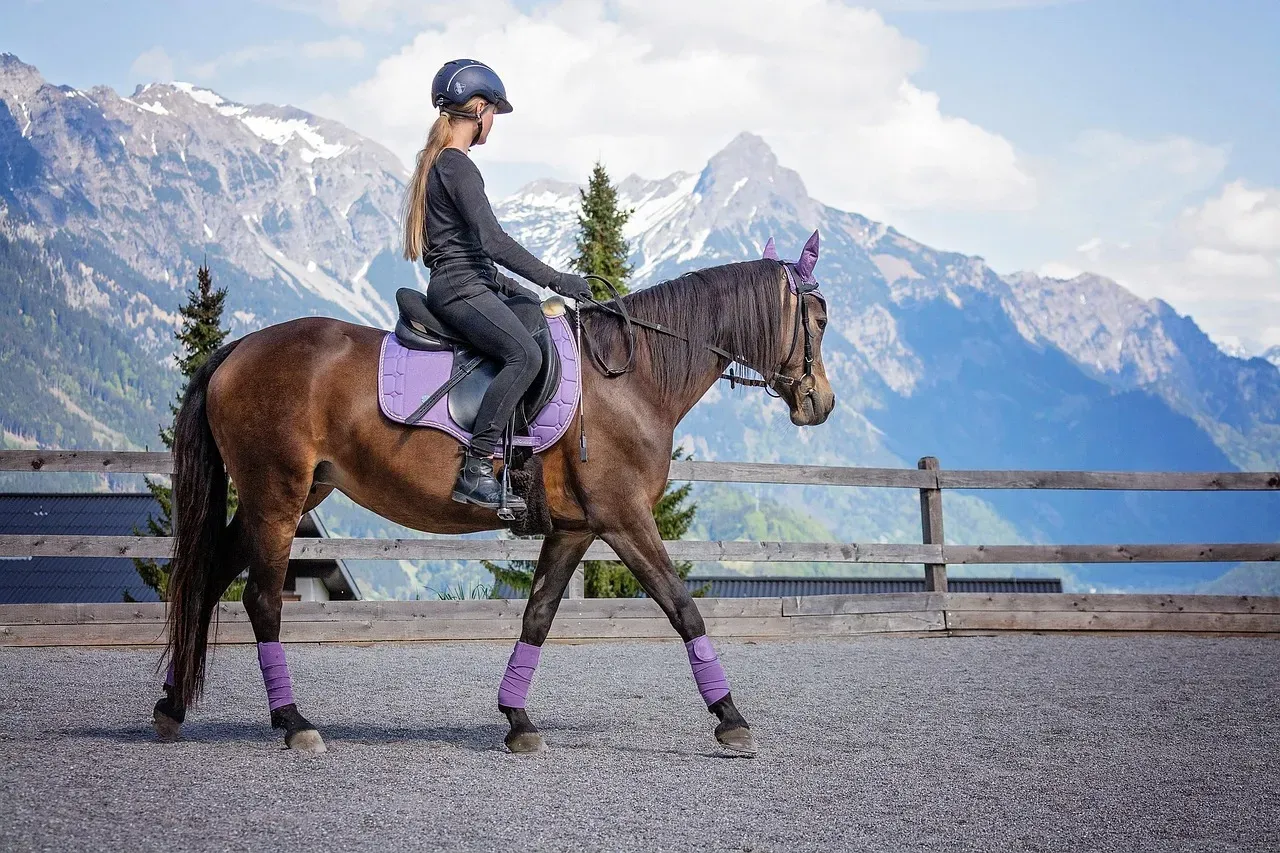
A horse does not measure success by ribbons or praise. It responds to the feel of the work itself and adjusts as needed. Presence keeps attention on the process rather than on a distant finish line.
Adopting that mindset reduces the pressure that often accompanies goals and deadlines. Progress still happens, yet it feels less forced. Horses remind us that steady engagement usually produces better results than anxious striving for a particular result.
Horses do not set out to teach anything, yet their way of moving through the world quietly demonstrates what patience and presence actually look like in practice. The lessons accumulate through ordinary time spent together rather than through dramatic moments. Paying attention to those patterns offers a steady reference point when life speeds up again.
As a little kid, I fell in love with nature, wildlife, and animals. Living in the USA, South Africa, Italy, China and Germany gave me the opportunity to discover the world's Wildlife. My favorite animals are Mountain Gorillas, Siberian Tigers, and Great White Sharks.
I'm a certified PADI Open Water Diver, went to Everest Base Camp and Trekked Gorillas in Uganda. I hold a Master of Science in Economics and Finance.
Please send any feedback to feedback@animalsaroundtheglobe.com
- The Fearsome Komodo Dragon Earth’s Largest Lizard - August 18, 2026
- How Bears Are Adapting to Urban Life in the U.S. - August 18, 2026
- Animals and Wildlife in North America - August 18, 2026