
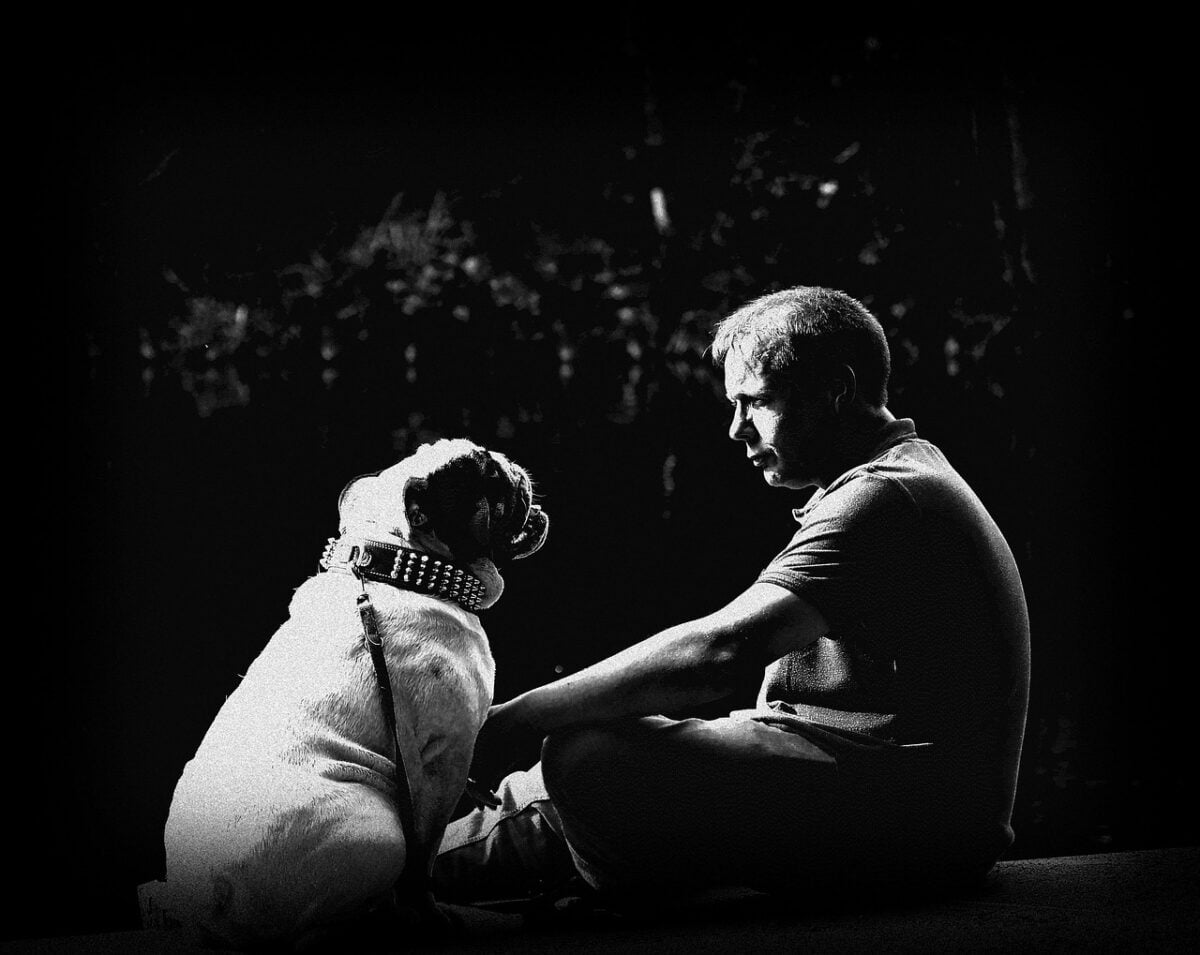
Most people assume every dog in the house loves everyone the same way. Feed them, walk them, let them nap on your feet a few hundred times, and surely the love spreads out evenly, right?
Anyone who has actually lived with a dog into its gray-muzzle years knows that’s not how it works. Somewhere around year ten or eleven, the chaos fades and something quieter, sharper, and far more specific takes its place – aimed almost entirely at one person. Not the person who plays the most. The one who stayed. Long-time owners and behavior specialists keep describing the same small, strange rituals, and once you notice them, you can’t stop noticing them. By the last one on this list, you’ll understand why.
#1 – They Start Watching You Instead of the Front Door
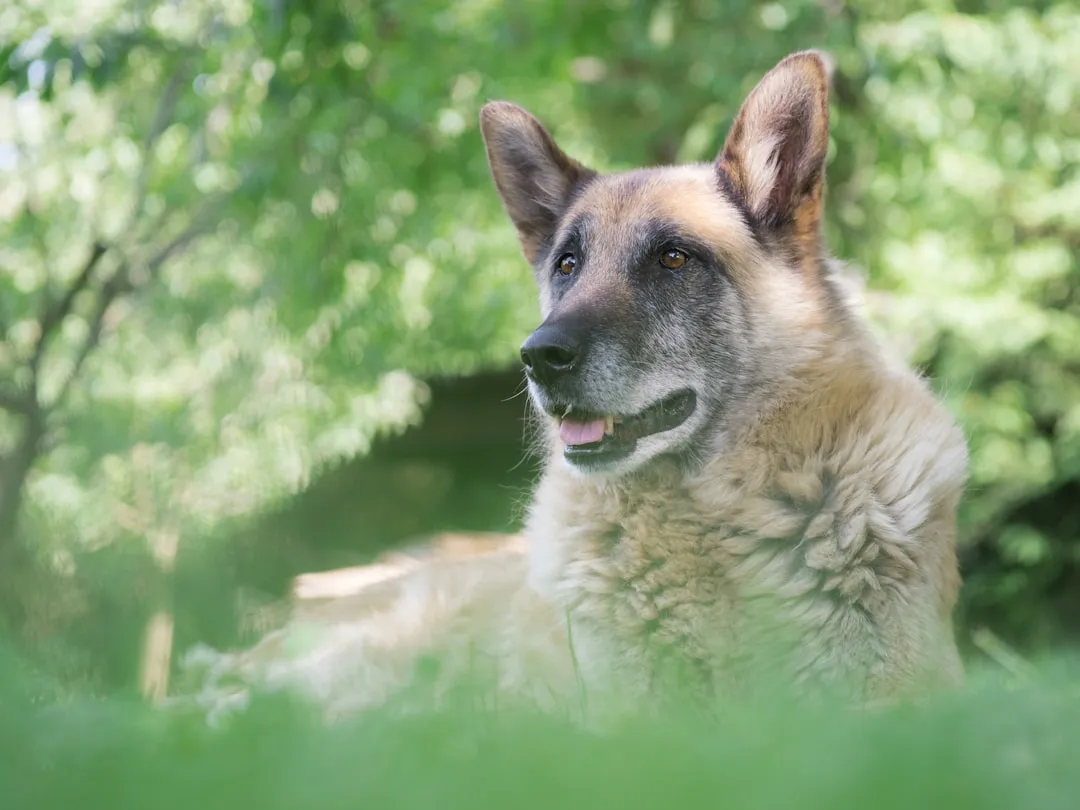
Young dogs treat every doorbell, passing car, and rustling leaf outside like breaking news. Somewhere in the senior years, that alarm system quietly shuts off – and gets rerouted to one target only: you.
Their whole “job” shifts from guarding the entrance to tracking your every move. A stranger can walk in and barely earn a raised eyebrow, but the second you shift your weight to stand up, their head snaps toward you like clockwork.
Behavior specialists say this isn’t laziness, it’s economics. Older dogs have less energy to spend, so they spend what’s left on what actually matters. If your senior dog’s eyes follow you around the room instead of the window, that’s not decline talking. That’s them telling you exactly who they consider worth watching.
#2 – They Adjust Their Sleep Just to Sync With Yours
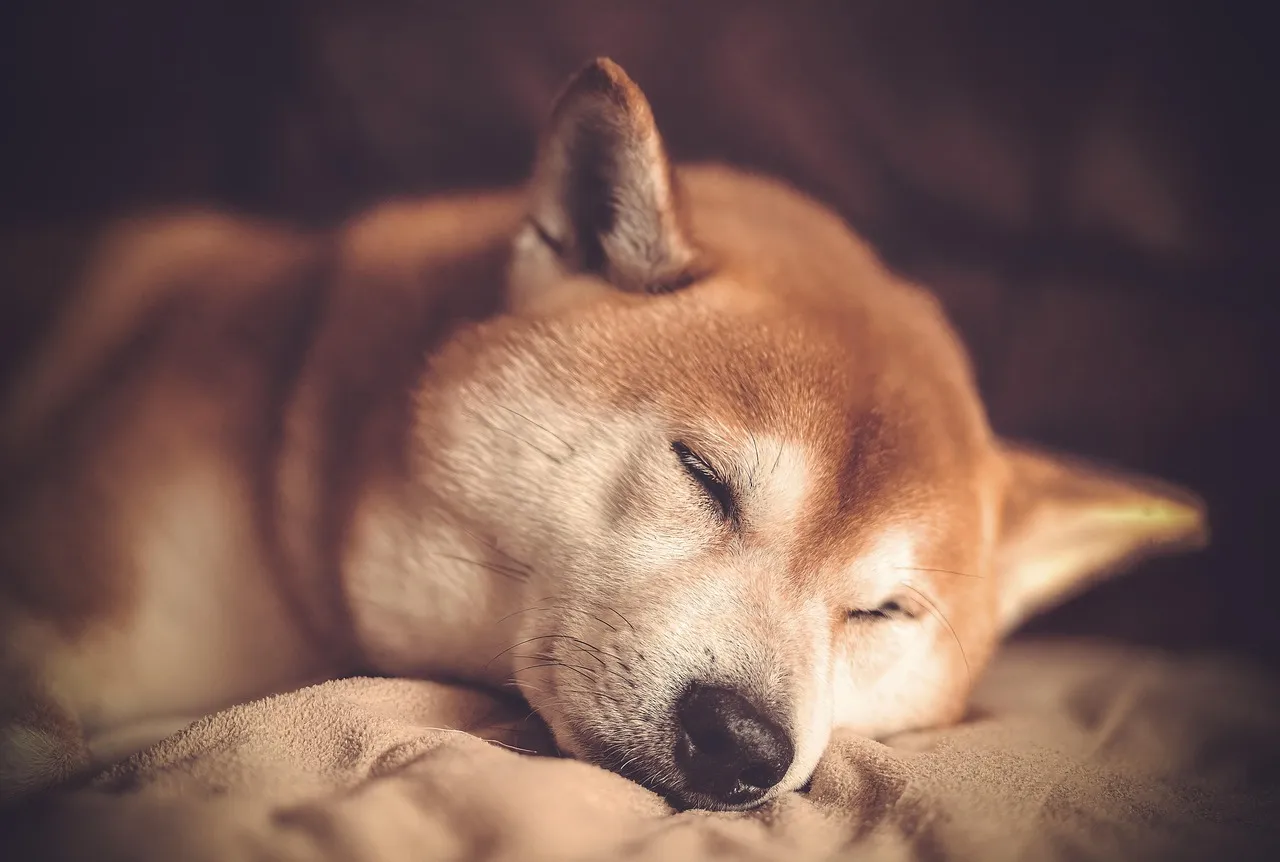
Puppies crash the second they’re tired, wherever they happen to be standing. Senior dogs start timing their deepest sleep around you instead. Plenty of owners notice their older dog staying restless, half-alert, until they see their person finally settle in for the night.
Only once you’re “down” do they allow themselves to fully let go. In the wild, sleep is when animals are most exposed. A senior dog who waits for you before they truly relax is telling you, in the clearest language a dog has, “you’re my safety system now.”
Some will even drag their bed closer to your bedroom door, or insist on lying where they can hear you breathe. It looks like clinginess to strangers. To the person who’s earned it, it’s calm, deliberate loyalty – a nervous system finally at rest because yours is nearby.
Fast Facts
- Most vets consider dogs “senior” somewhere between ages 7 and 10, depending on breed size.
- Large breeds typically enter their senior years earlier than small or toy breeds.
- Senior dogs often sleep 16 to 18 hours a day, more than they did as younger adults.
- Deep, fully relaxed sleep becomes rarer with age, which makes the moments they do let go more meaningful.
#3 – They Save Their Last Burst of Puppy Energy Just for Your Arrival
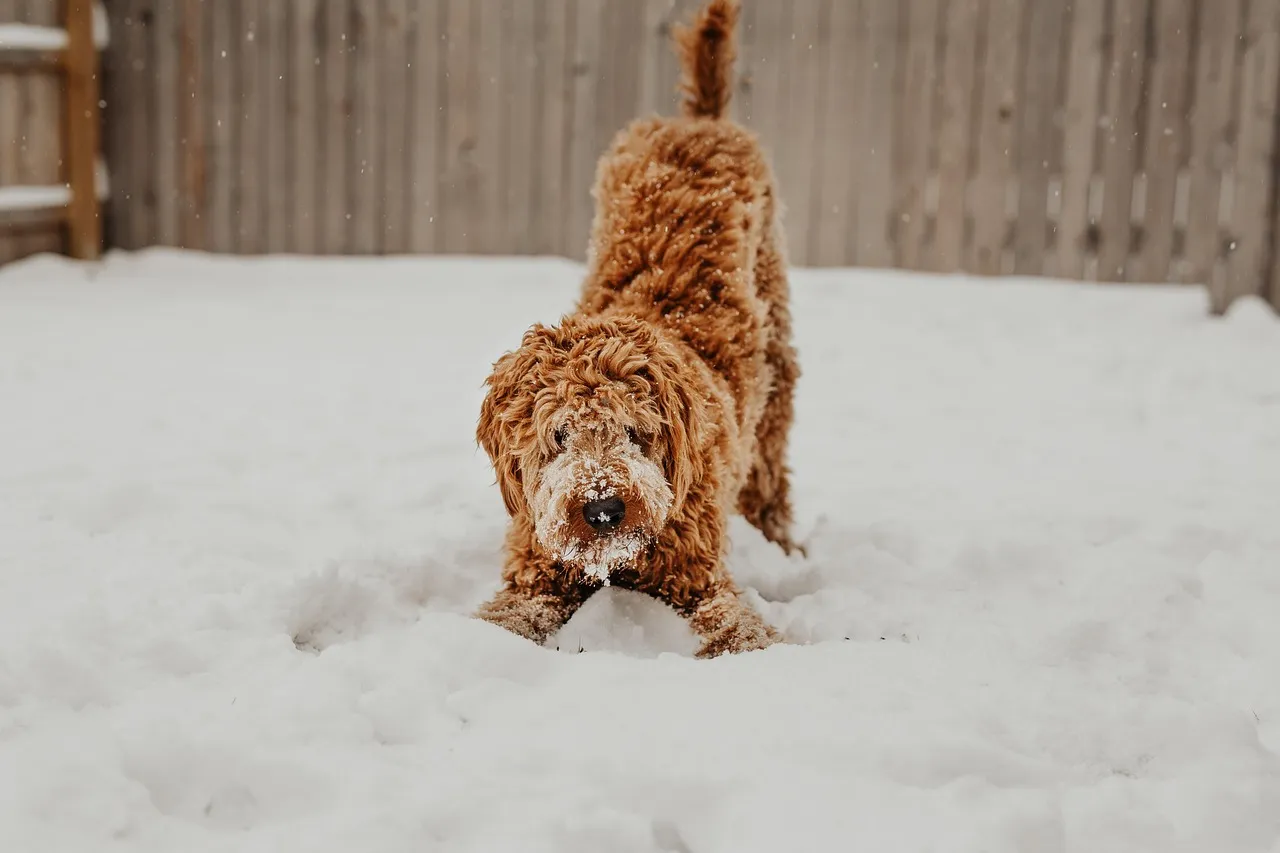
Here’s a strange thing about old dogs: they can look exhausted all day long – until they hear your key in the door. Suddenly the stiff legs move faster, the tail thumps harder, and for ten or twenty seconds, they look like their younger self again.
That tiny “fake puppy” performance is reserved for exactly one person – the one they’ve emotionally bet everything on. They may barely lift their head when someone else walks in. But for you, they dig into a reserve of joy they’ve clearly been rationing all day.
It costs them something physically now – sore joints, heavier breathing – but they do it anyway. It’s not theater. It’s a daily, deliberate “I’m still your dog,” repeated for as long as their body allows it.
#4 – They Start Running Night Patrols Just to Check On You
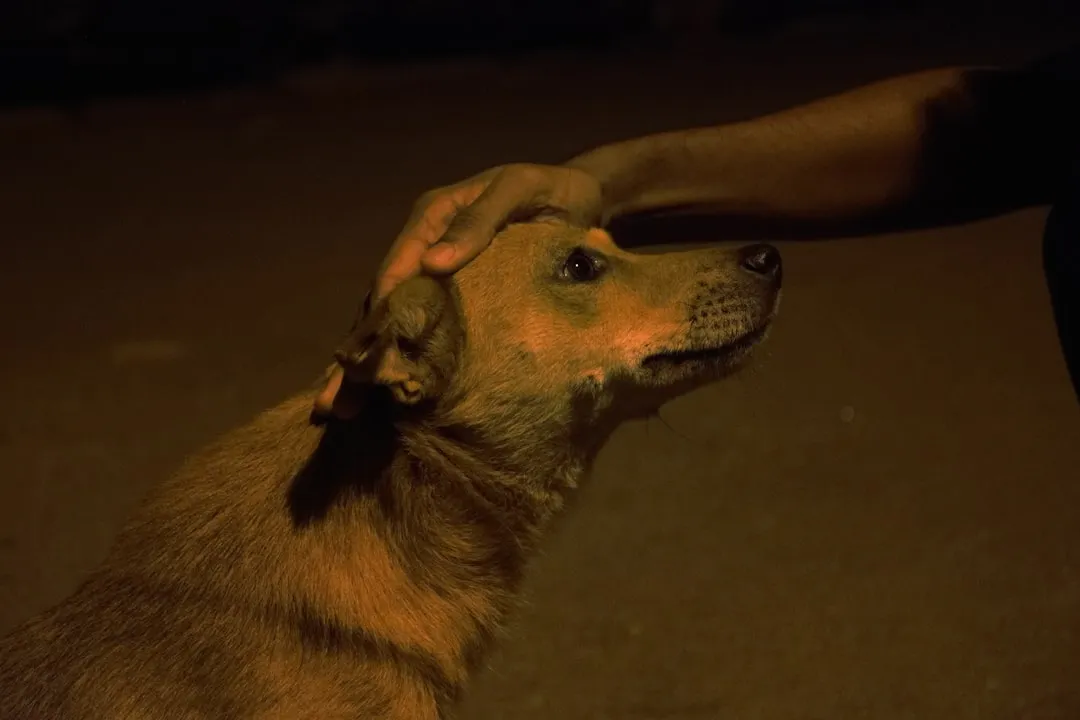
Most people assume a senior dog getting up at night is only about a weak bladder or aging joints. Sometimes that’s true. But plenty of long-time owners describe something else entirely – their older dog padding quietly into the bedroom, pausing, letting out one soft huff, then walking back to their spot.
That little night patrol usually isn’t about them at all. It’s about making sure you’re still there. They can’t guard the whole house the way they used to, but they can still check that their person is breathing, safe, and exactly where they left them.
Critics will say we’re reading too much into it. But ask any owner who’s watched it happen for years, always aimed at the same person, and they’ll tell you it’s not a coincidence. It’s the last shift of a job they refuse to retire from.
#5 – They Lean Their Full Weight on You as a Quiet Thank You
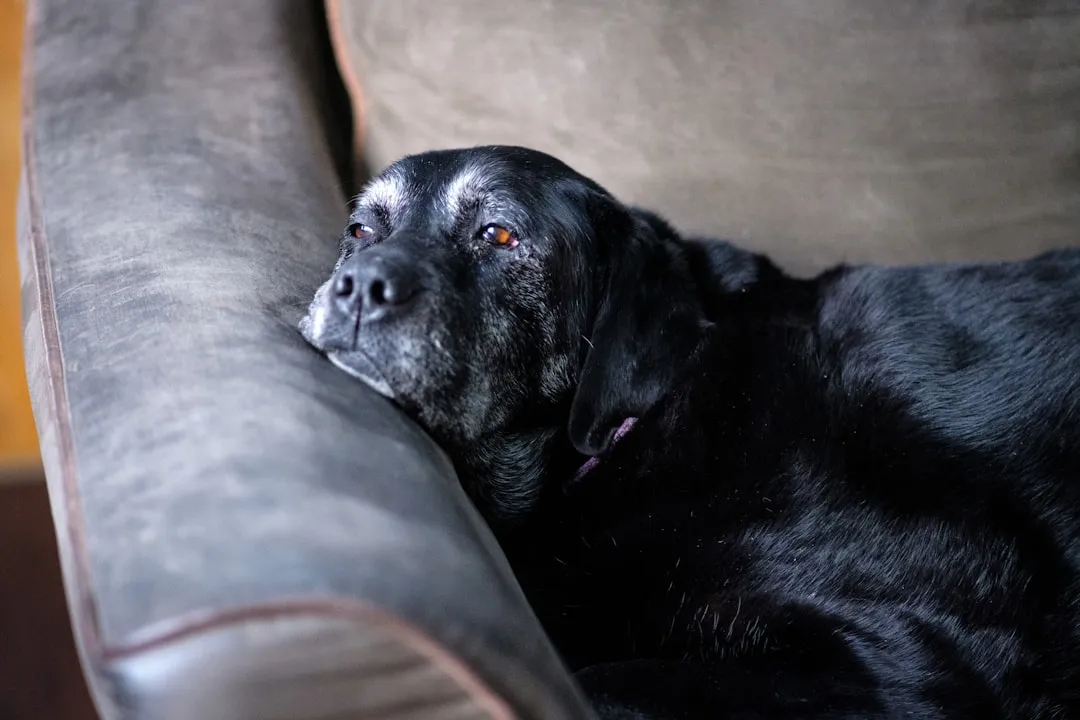
Puppies crash into you. Senior dogs lean – slowly, deliberately, transferring their whole weight into your leg or side while you’re sitting on the floor or the couch.
That soft lean is one of the purest trust signals a dog can give, and older dogs save it for whoever feels like their emotional anchor. They know exactly how fragile their bodies have become. Stairs are harder. Turns are careful. So when they choose to lean into you, it’s never accidental.
It tends to happen in the quiet moments – late at night, right after a thunderstorm, first thing in the morning. They’re not asking to play. They’re asking you to hold still with them for a second, and most people who’ve felt that weight settle in never forget it.
#6 – They Guard One Beat-Up Toy Like It’s Sacred – and Only Bring It to You
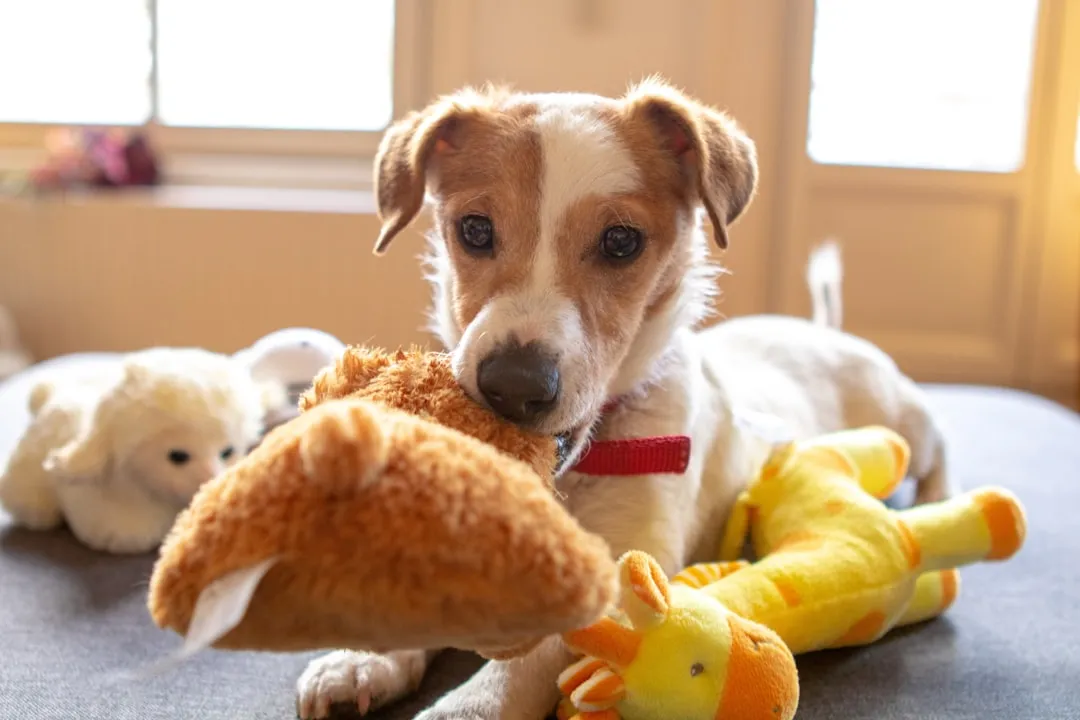
Older dogs usually lose interest in rough play, but many keep one or two ancient, half-destroyed toys with an almost sentimental grip on them. Watch closely and you’ll notice a pattern: that specific relic only comes out for one person.
It’s not about fetch anymore. It’s about shared history you probably forgot you were building. The toy from the bad vet visit. The one from your first apartment together. They’ll carry it around like a kid with a worn stuffed animal, then drop it near you and sigh, satisfied.
- The toy that survived three house moves.
- The squeaker that stopped squeaking years ago but still gets carried everywhere.
- The one nobody else is allowed to throw away.
To a stranger, it looks like random attachment. To the person who’s been there the whole time, it’s a photo album made of chewed-up rubber.
#7 – They Start Listening to Your Tone Instead of Your Commands
Young dogs respond to cues – sit, stay, come. Senior dogs start tuning into something underneath the words entirely: the emotion carrying them.
If your voice trembles, their head pops up – even if you never said their name. That’s not obedience slipping. That’s years of living beside you paying off as real emotional intelligence.
They’ve heard you through breakups, bad news, and 2 a.m. phone calls. They know your “I’m fine” voice, and they know the silence that means you’re not. So they shuffle over when you sigh a certain way, lick your hand when your words go tight, or quietly disappear when your tone says you need space. They’re not ignoring the command. They’re reading the room, and the room is you.
Quick Compare
- Young dogs: react to specific words and obvious commands.
- Senior dogs: react to tone, mood, and emotional undertone.
- Young dogs: greet everyone with the same burst of enthusiasm.
- Senior dogs: ration their attention and save the real response for one trusted person.
#8 – They Choose the Hard Floor Just to Stay Closer to You
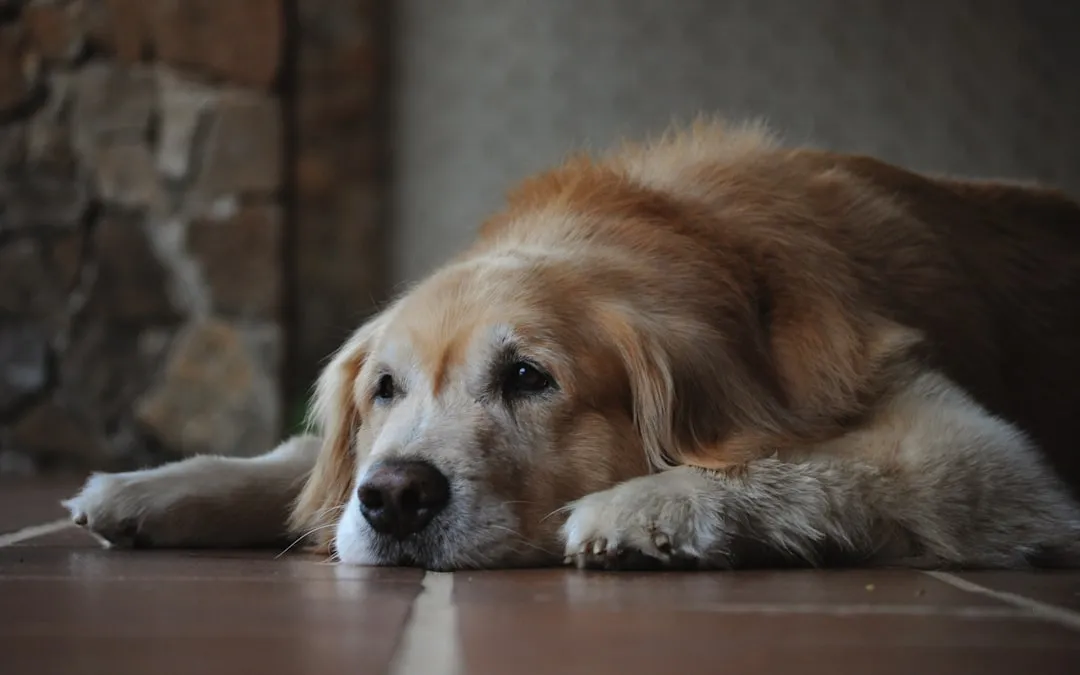
Comfort hits differently once joints start aching. Most senior dogs will pick a soft bed over bare floor every single time – unless the soft bed is far away and you’re not.
When an older dog abandons the orthopedic bed for cold tile by your feet, that’s a real sacrifice, not a preference. It flips the assumption most people carry, that comfort always wins.
- Sleeping in doorways so they can monitor you.
- Curling up on kitchen tile while you cook.
- Parking on the thin rug beside your desk all day.
They’ll trade a sore hip for your presence every time. That’s the whole tell – physical comfort loses to emotional security, and it’s not close.
#9 – They Respond to Your Tears With Stillness, Not Chaos
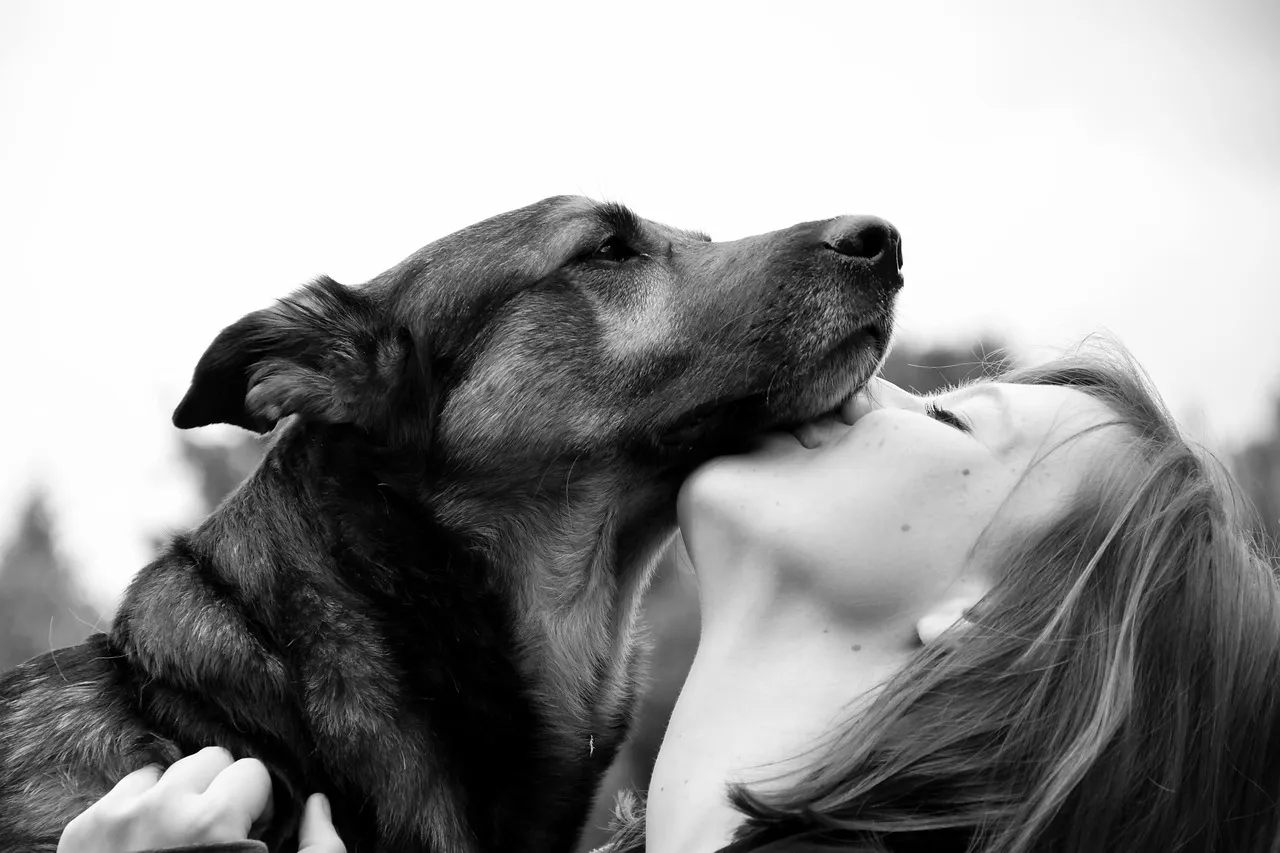
Puppies react to crying with frantic licking and confusion. Senior dogs develop something almost ceremonial instead – approaching slowly, resting their head on your lap, pressing their nose into your hand, and then simply staying there.
The stillness is the part that catches people off guard. They’ve learned your pain isn’t something to fix, just something to sit beside. That kind of restraint doesn’t show up without years of paying attention to what actually helps you.
They remember that wild jumping overwhelmed you and quiet contact calmed you down, so now they skip straight to what works. No performance. Just presence. Anyone who insists dogs don’t understand human emotion has clearly never cried into an old dog’s fur and felt them go still on purpose.
#10 – They Quietly Start Mirroring Your Daily Routine
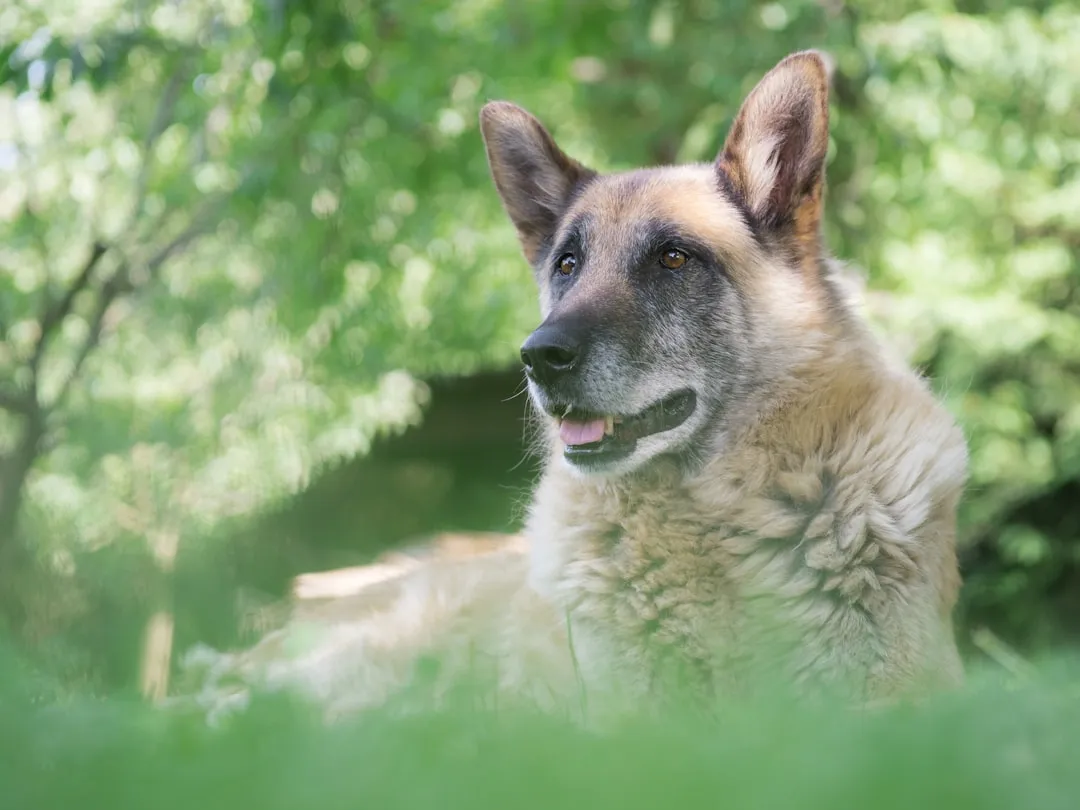
You stretch, and they do a half-hearted stretch. You head to the bathroom, and they wait right outside the door. You grab a snack, and they wander over to their bowl even though they’re not hungry. None of that is random.
Over years, many senior dogs sync their entire day to the person they trust most. Their world has gotten smaller – fewer walks, fewer visitors, less noise – so your patterns become the only clock they need.
It’s not dependence in the sad sense. It’s alignment. When a senior dog shadows you room to room, they’re not being needy. They’re telling you, in the only language they have, “wherever you go, that’s where my day goes too.”
#11 – They Let You Handle Them the Way They’d Never Let Anyone Else
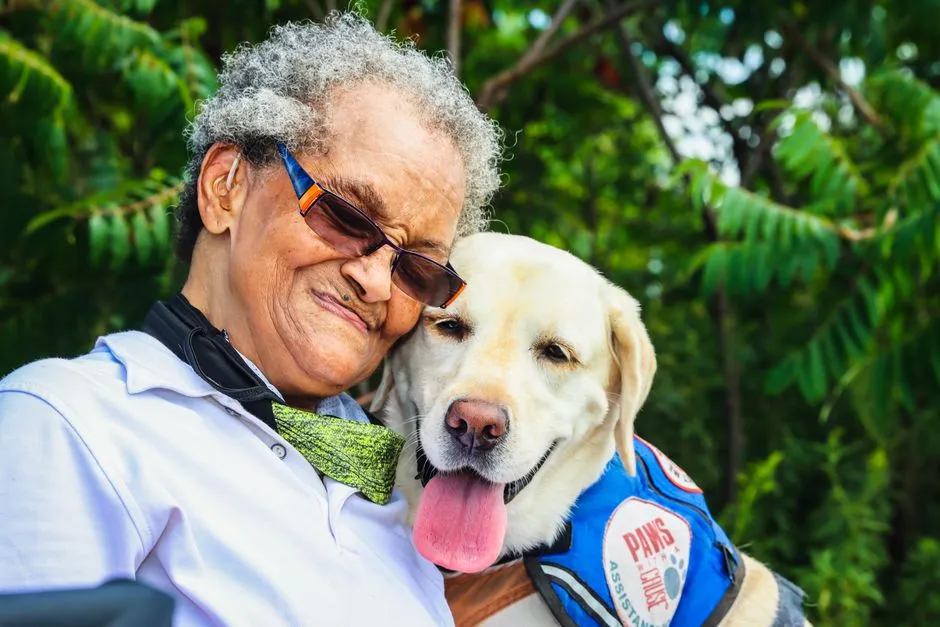
Proud, independent dogs usually hate being lifted, having their paws touched, or being guided down stairs. But age forces a turning point – and most senior dogs make an exception for exactly one person.
They’ll accept vulnerable, hands-on help only from whoever has proven, over years, that they’re gentle and safe. That’s not blind loyalty. It’s a risk calculation they’ve quietly run a thousand times.
- They pull away when a stranger wipes their eyes, but go still for you.
- They panic when someone else lifts them into the car, but relax under your hands.
- They fight the vet tech on nail trims, then surrender their paw to you at home.
That selective surrender – letting the one trustworthy person move their aching body – is one of the clearest proofs of a bond built over a lifetime, not a moment.
#12 – They Guard Your Recovery Like It’s a Full-Time Job
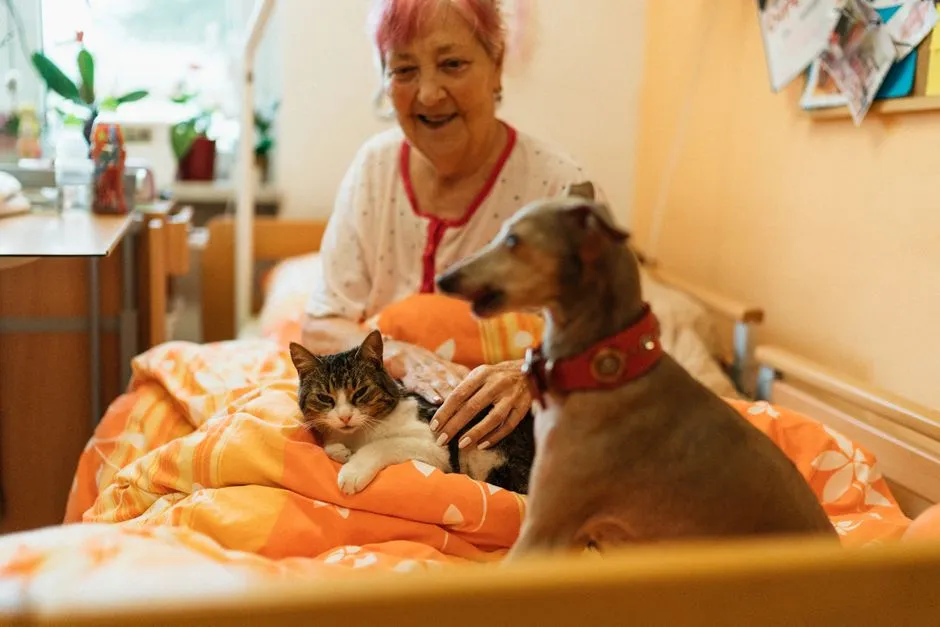
If you’ve ever been sick or recovering from surgery with a senior dog in the house, you already know this one. They park themselves beside your bed or couch and basically clock in for a shift.
They’ll skip meals, ignore toys, and tune out household noise, all to stay on duty next to you. It’s often more intense than anything they showed as a young, energetic dog.
They reposition every time you shift, as if recalibrating their coverage. They stare down anyone who walks through the door, silently sorting friend from threat. Some behaviorists chalk it up to routine disruption, but ask anyone who’s gone through a long illness with an old dog at their side – something deeper than habit is running the show.
#13 – They Search You Out the Moment Confusion Sets In
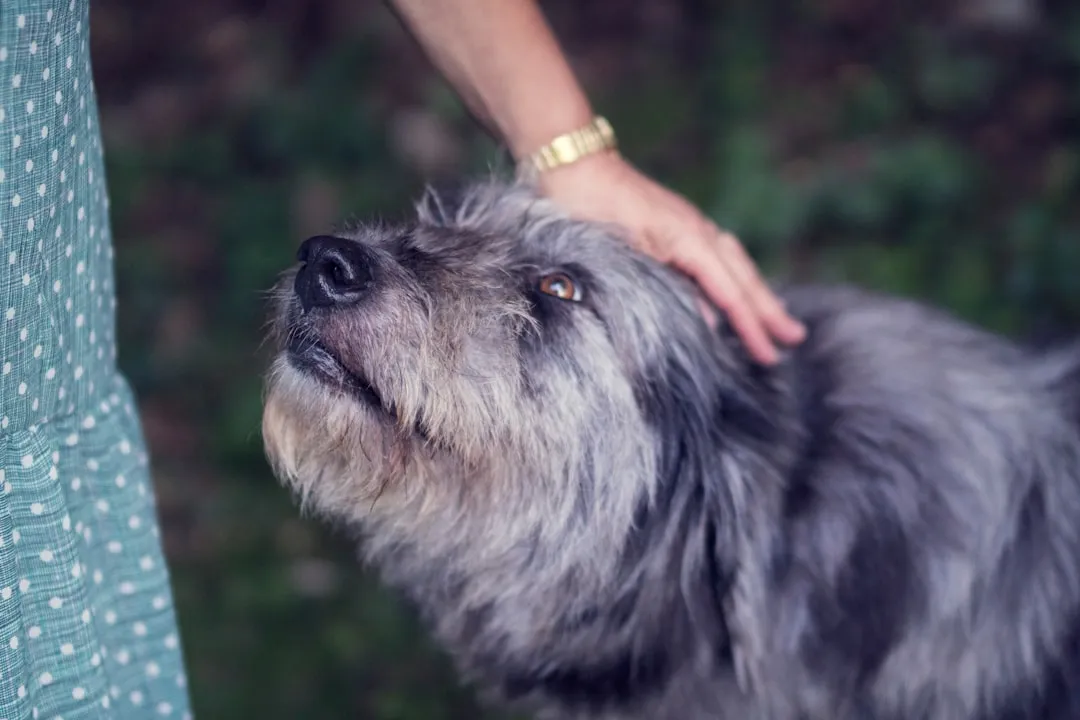
Cognitive decline, hearing loss, fading eyesight – senior dogs deal with all of it. But watch what happens in those disorienting moments, and you’ll see who they look for first.
They’ll scan the room, ignore several familiar faces, and walk straight to the one person they’ve always trusted to make sense of the world. When fireworks go off or the furniture gets rearranged, the panic isn’t random. It has a target: you.
They’ll seek out your smell specifically, press their side into your leg until they reorient, and finally relax the moment your hand finds their collar. Call it habit if you want. But habit is exactly what long-term security looks like from the outside, and choosing you over and over, even while confused, is its own kind of devotion.
#14 – They “Apologize” Differently – and Only to You
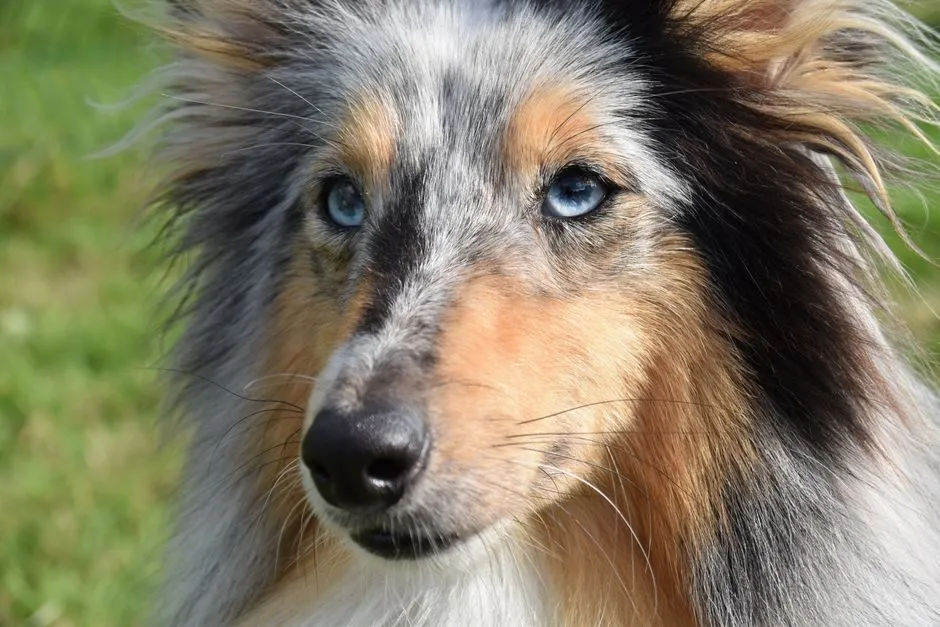
Young dogs apologize with dramatic belly-flops and frantic licking. Senior dogs develop something quieter and strangely grown-up: slow approach, close contact, and that long, searching eye contact that feels almost uncomfortably human.
It’s not guilt exactly. It’s social awareness built over years of reading you correctly. Maybe there was an accident in the house. Maybe they growled when something hurt. Instead of theatrics, you get a small tail wave, a tiny head dip, a careful pause while they wait for your reaction.
It’s a quiet check-in: are we still okay? Dogs don’t extend that kind of vulnerability to just anyone. It’s reserved for the relationship they’re most afraid of losing.
#15 – Their Eyes Become the Main Way They Say I Love You
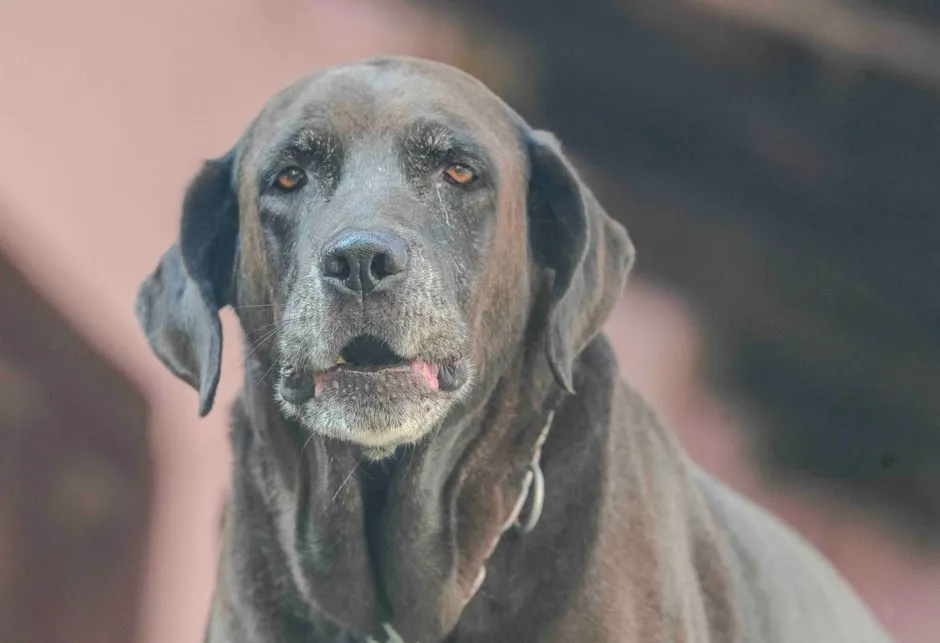
As play slows down, speed fades, and hearing dulls, something else sharpens: the way a senior dog looks at you. Not begging, not anticipating dinner – just watching, for long stretches, seemingly for no reason at all.
Eye contact between a dog and their person releases oxytocin in both of them, and older dogs seem to lean hard into that free, quiet chemistry. You’ll catch it across the room while you’re on your phone, from their bed while you cook, at red lights in the car when they think you’re not paying attention.
It can feel eerily knowing. Trainers usually warn against locking eyes with young, reactive dogs, but with a senior, that steady gaze becomes the gentlest kind of conversation – a quiet way of saying, we did life together, and I still know you.
Worth Knowing
- Researchers have found that mutual gazing between dogs and owners can raise oxytocin in both, similar to the bonding hormone shared between parents and infants.
- Vision and hearing often fade together in senior dogs, which can make visual contact an even more important form of communication.
- Dogs with cloudy or aging eyes tend to lean more on scent and touch, but most still actively seek out eye contact with their favorite person.
#16 – They Protect Your Silence Instead of Interrupting It
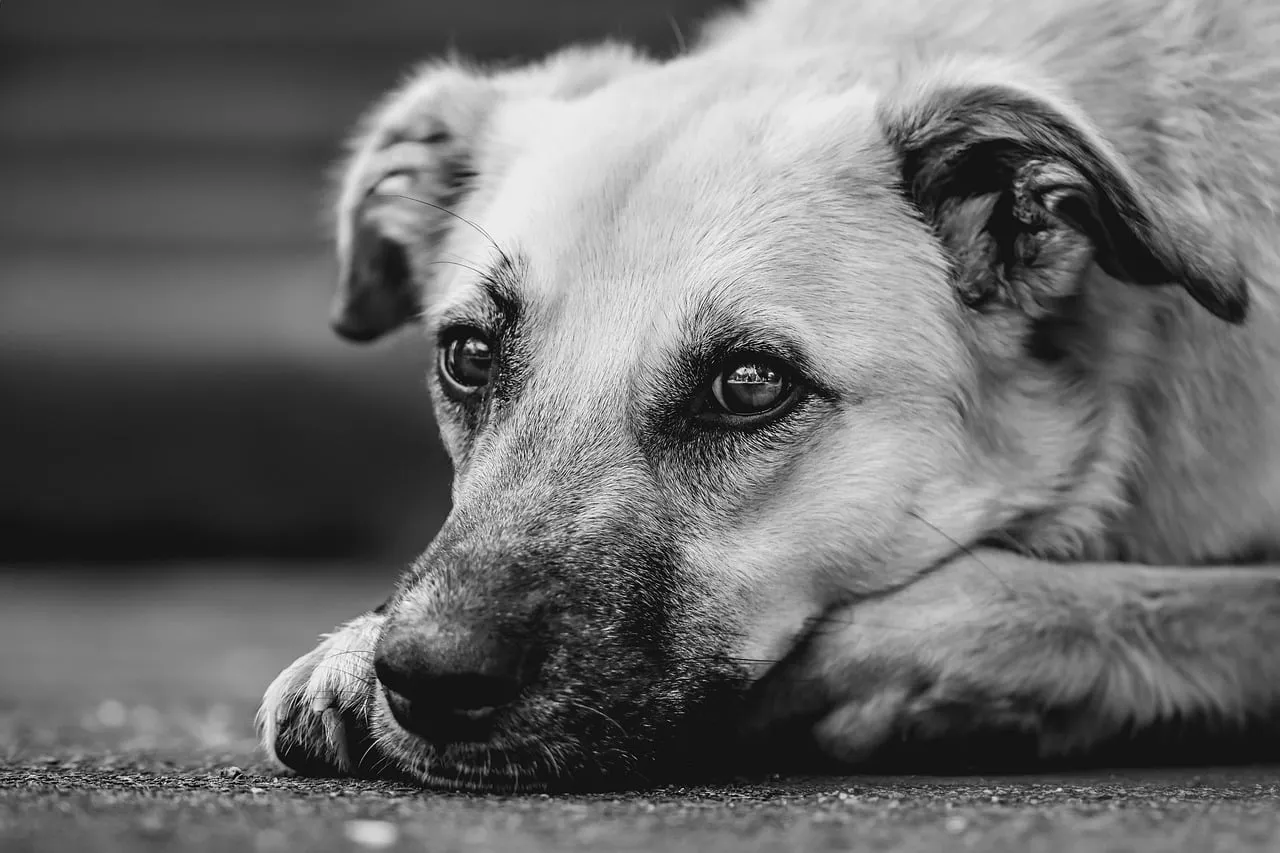
Puppies treat every quiet moment like an invitation to bark, chew, or demand attention. Senior dogs often do the opposite. When they see you reading, working, or just zoning out, plenty will settle nearby and deliberately stay calm.
They’ve learned to tell the difference between when you need stimulation and when you desperately need to be left alone. That’s a subtler skill than most people give dogs credit for.
They’ll wait until you stretch or stand before asking to go outside. They’ll match their breathing to the mood of the room. And they still know exactly when to break the rule – when you’ve been sitting too long in a bad headspace – because respect for your peace was never about ignoring you. It was about finally understanding you.
#17 – They Keep One Secret Signal That Only You Can Read
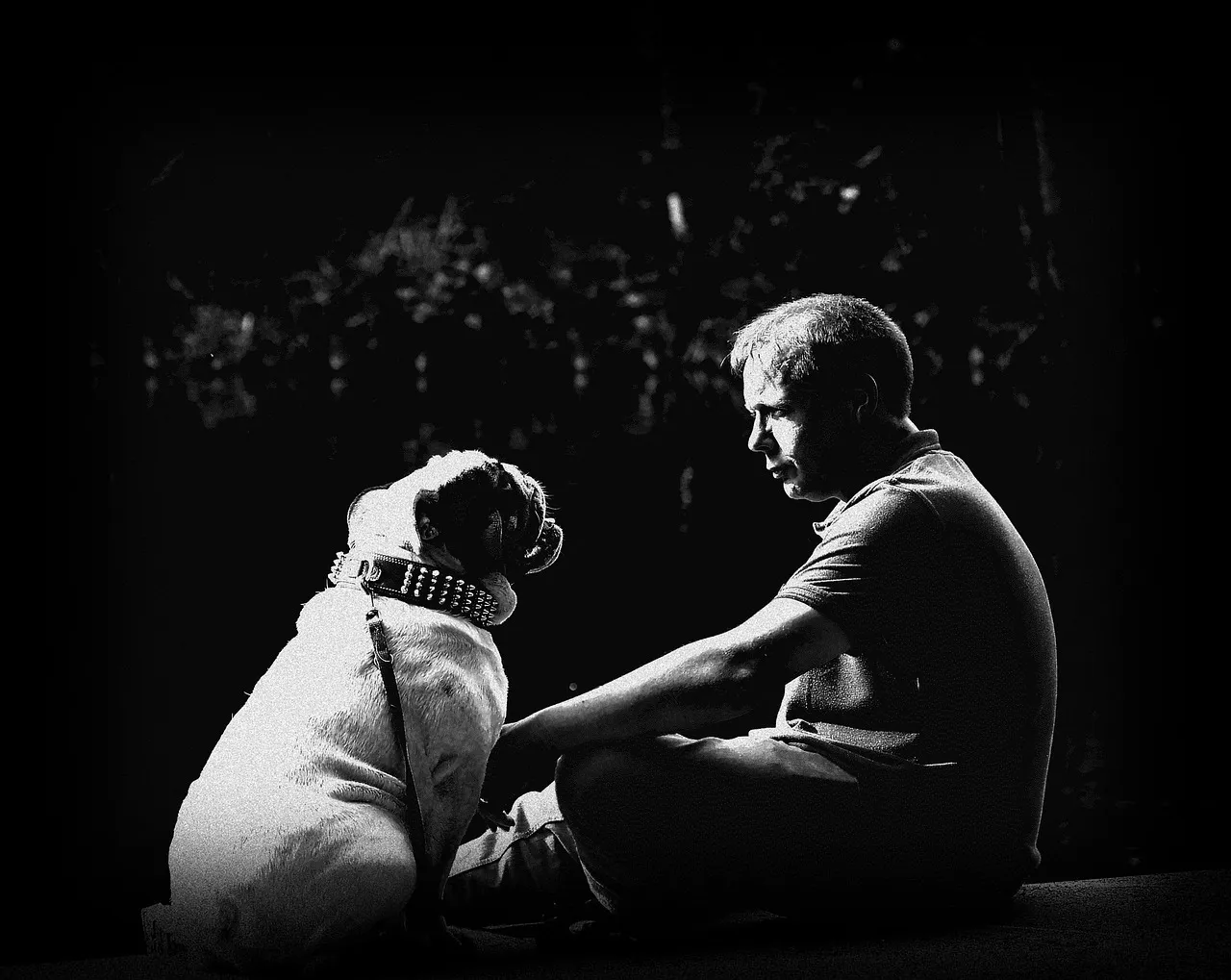
Almost every long-term dog-human pair develops one strange, custom behavior, and it usually becomes unmistakable by the senior years. A specific paw tap that means “I need water.” A tiny tail flick that means “I’m done walking, take me home now.”
Whatever it is, it’s usually something only you can reliably translate. Friends miss it completely. Even family members get it wrong half the time.
- A certain look that means “I need to go out, right now.”
- A particular grunt that means “my joint is hurting today.”
- A half-lifted ear that means “I’m overwhelmed, can we leave.”
You and your dog built that private code over thousands of ordinary days together. Anyone who’s ever said “it’s just a dog” has never kept one long enough to develop a language like this.
#18 – They Spend Their Final Good Moments Making Sure You’re Okay
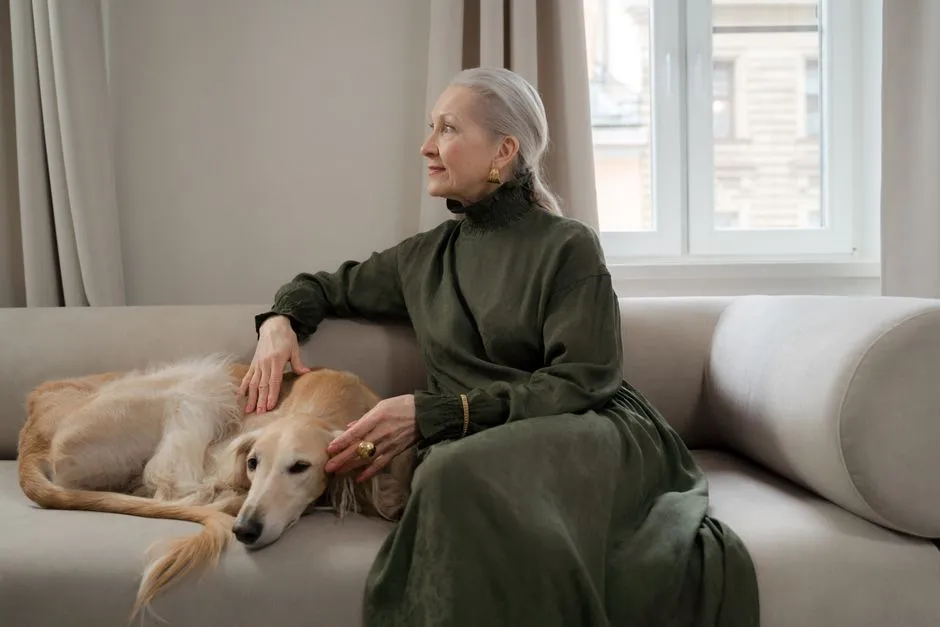
Here’s the part almost nobody warns you about. In story after story, senior dogs have stunned their owners by spending their hardest, final stretch comforting the humans who were supposed to be comforting them.
Even weak, in pain, or heavily medicated, many old dogs use whatever good energy they have left not to demand, but to reassure. They lift their head just to lick away tears at the vet’s office. They insist on sitting closer than usual the week their body starts failing. They give one long, steady look that people carry with them for the rest of their lives – one last “I’m with you,” even as you’re the one letting them go.
Skeptics call it coincidence. But it happens too consistently, and almost always with the same person – the one who handled the late-night potty trips, the senior dog food, the expensive medication, the messes nobody else wanted to clean up. At the very end, that dog spends its fading strength doing the one thing it’s quietly done all along: taking care of your heart.
The Bottom Line
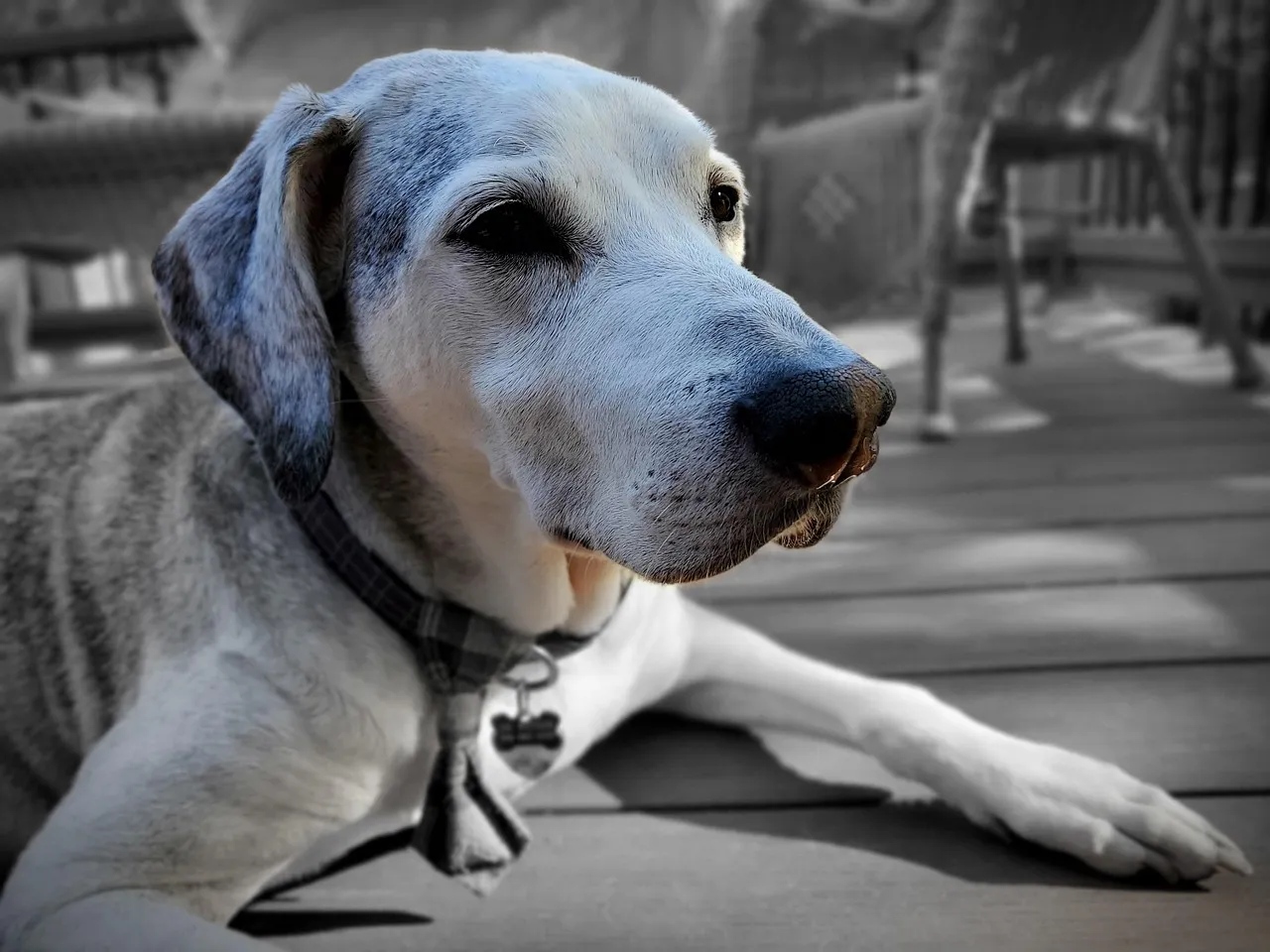
Senior dogs don’t love bigger than young dogs do – they love quieter, sharper, and with a precision you only earn through years of showing up. The leaning, the night check-ins, the floor naps by your feet, that last burst of puppy energy when your key hits the door – none of it is decline. All of it is evidence.
People chasing the easy, bouncy puppy phase will never see any of these eighteen small miracles, and honestly, that’s their loss. You don’t earn this kind of devotion by being a perfect owner. You earn it by staying – through the vet bills, the carpet stains, the 2 a.m. wake-ups, and the long, slow goodbye nobody wants to think about yet. If there’s a gray muzzle watching you from across the room right now, you already know. This is the real story, and it was never about the tricks.
