


Wolves, as apex predators, play a crucial role in maintaining ecosystem balance across their range. Their health is not only vital for their own survival but also impacts the wellbeing of numerous other species and their habitats. From the expansive forests of North America to the tundra of Russia, wolves have evolved remarkable adaptations that keep them thriving in some of Earth’s most challenging environments. However, these magnificent creatures also face significant threats in our modern world. This article explores ten essential factors that contribute to wolf health and three major challenges that endanger their existence, providing insight into the delicate balance between wolf conservation and the pressures they face in changing landscapes.
10. Social Structure and Pack Dynamics

The highly organized social structure of wolf packs plays a fundamental role in maintaining wolf health. Typically consisting of a breeding pair (alpha male and female) and their offspring from multiple years, this family unit creates a support system that enhances survival. Pack members cooperate in hunting, territory defense, and caring for pups, which significantly increases individual wolves’ chances of survival compared to solitary living.
This social structure also facilitates knowledge transfer between generations. Older wolves teach younger pack members essential skills like hunting techniques, territory boundaries, and predator avoidance. Research has shown that packs with experienced older members demonstrate higher hunting success rates and better overall health metrics. The emotional bonds within packs also contribute to mental wellbeing, as wolves are highly social animals that thrive with companionship and defined roles within their family group.
9. Diverse Diet and Hunting Prowess
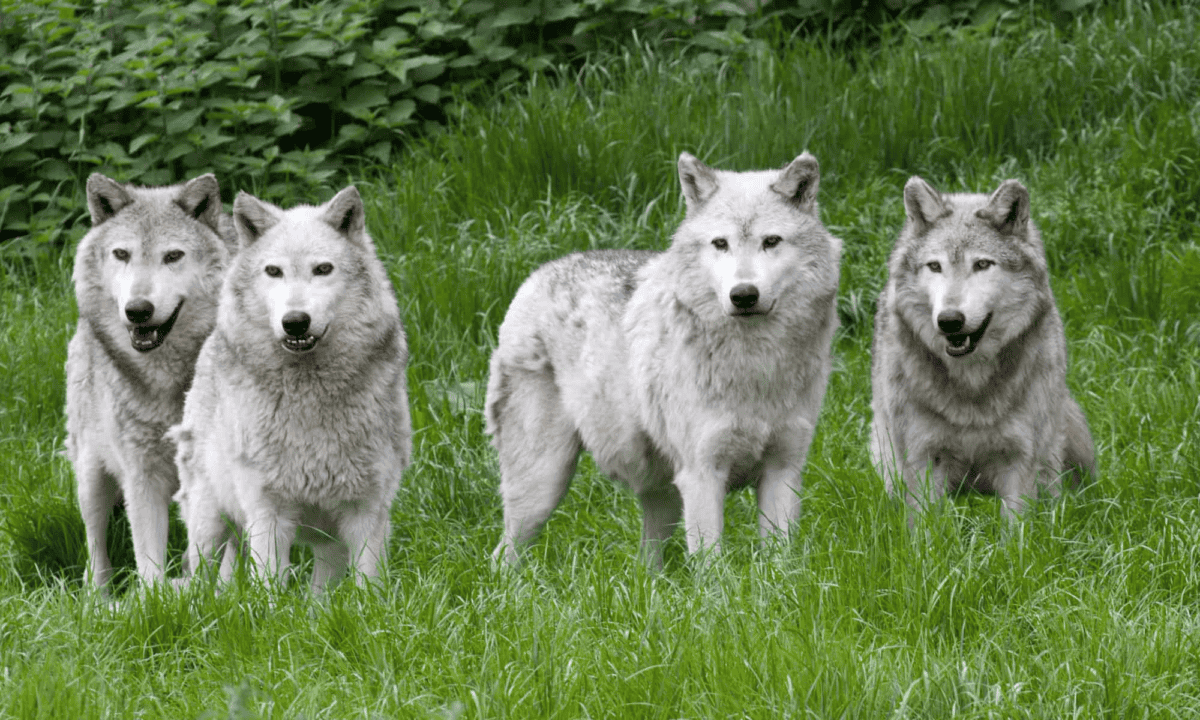
Wolves are carnivores with remarkable dietary adaptability, which contributes significantly to their health. Their primary diet consists of ungulates like deer, elk, moose, and caribou, but they supplement this with smaller mammals, birds, fish, and occasionally plant matter. This dietary diversity ensures wolves receive a wide range of nutrients essential for their health. A study published in the Journal of Wildlife Management found that wolves in areas with greater prey diversity showed better body condition scores and reproductive success.
Their cooperative hunting strategies allow wolves to take down prey much larger than themselves, maximizing energy efficiency. Wolves can consume up to 20 pounds of meat in a single feeding and can go for several days between meals—an adaptation that helps them survive in environments where prey availability fluctuates seasonally. Their digestive systems are highly efficient, extracting maximum nutrition from their meals and allowing them to maintain energy through lean periods, which is crucial for winter survival in northern habitats.
8. Genetic Diversity and Adaptability

Healthy wolf populations maintain strong genetic diversity, which provides resilience against diseases and environmental changes. Wolves naturally disperse over long distances when reaching maturity, often traveling hundreds of miles to establish new territories. This behavior prevents inbreeding and promotes genetic exchange between different wolf populations. The resulting genetic diversity helps wolves adapt to varying conditions across their range, from desert environments to arctic tundra.
Genetic studies have revealed that wolves possess remarkable adaptability in their genome. For example, certain wolf populations have developed genetic adaptations for high-altitude living, while others have evolved specific traits to deal with particular prey species or climate conditions. This genetic plasticity has been crucial for wolves’ survival throughout their evolutionary history and continues to be vital as they face rapidly changing environments. Conservation efforts that maintain connectivity between wolf populations are therefore essential for preserving this genetic health.
7. Territorial Behavior and Space Requirements
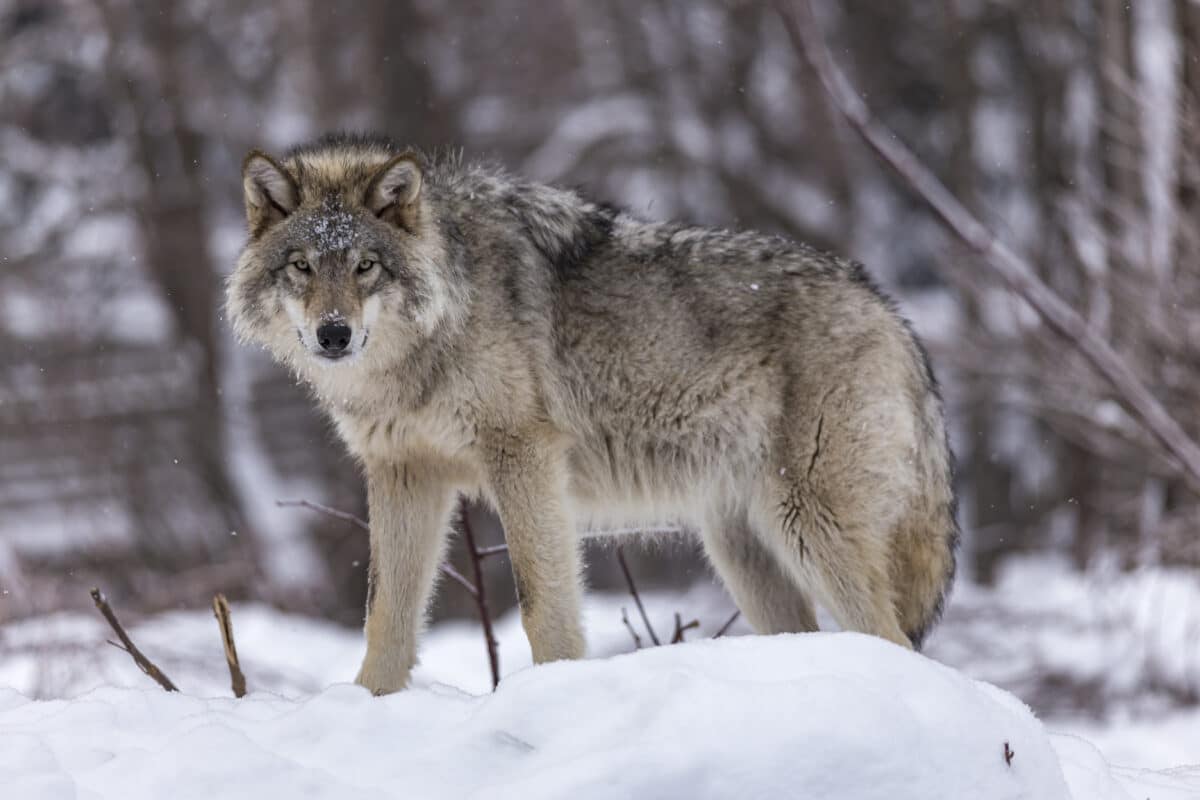
Wolves are highly territorial animals, with packs defending areas ranging from 50 to over 1,000 square miles, depending on habitat quality and prey availability. This territorial behavior helps maintain healthy wolf populations by naturally limiting density and reducing competition for resources. Territories are marked through scent-marking, howling, and direct confrontation with intruders, creating a natural spacing system that prevents overexploitation of local prey populations.
Adequate space is crucial for wolf health, allowing them to follow migrating prey, avoid human disturbances, and find safe denning sites. Wolf packs with secure, undisturbed territories show lower stress hormone levels and better reproductive success. Research conducted in Yellowstone National Park demonstrated that wolves with stable territories had higher survival rates and better overall health compared to those forced to shift their ranges frequently due to human activity or competition with other packs. This territorial system represents a self-regulating mechanism that promotes sustainability within wolf populations.
6. Natural Immune Defenses

Wolves possess robust immune systems that have evolved to combat the various pathogens they encounter in the wild. Their immune defenses include physical barriers like skin and mucous membranes, as well as cellular and humoral immune responses that target specific pathogens. Studies have found that wolves carry antibodies to numerous diseases without showing clinical symptoms, indicating effective immune protection. This natural immunity helps wolf populations recover from disease outbreaks that might devastate less resilient species.
Additionally, wolves engage in behaviors that help maintain their health. They regularly groom themselves and pack members, removing parasites and cleaning wounds. Wolves also seek out specific plants with medicinal properties when ill, demonstrating a form of self-medication observed in several wild canid species. Their habit of traveling through running water may help reduce parasite loads, while their avoidance of contaminated food sources suggests an innate ability to recognize potentially harmful substances. These behavioral adaptations complement their physiological immune defenses, creating a comprehensive health maintenance system.
5. Seasonal Adaptations

Wolves have evolved remarkable seasonal adaptations that help them remain healthy throughout the year. Their double-layered coat consists of a dense, insulating undercoat and longer guard hairs that repel water and snow. This coat thickens significantly in winter and is shed during warmer months, allowing wolves to regulate their body temperature efficiently across extreme temperature ranges. Additionally, wolves develop thicker foot pads and more fur between their toes in winter, providing natural “snowshoes” that distribute their weight and protect against frostbite.
Behaviorally, wolves adjust their activity patterns seasonally. They may hunt primarily at night during summer months when temperatures are higher and shift to daytime hunting in winter to conserve energy. Their reproductive cycle is precisely timed to align with seasonal prey availability, with pups typically born in spring when food resources are becoming more abundant. A study in Alaska documented how wolves alter their hunting strategies seasonally, targeting different prey species and adjusting pack hunting formations based on snow conditions, demonstrating their impressive adaptability to seasonal challenges.
4. Water Sources and Hydration

Access to clean water sources is vital for wolf health, supporting essential bodily functions and helping regulate body temperature. Wolves are adept at finding water in various forms, from rivers and lakes to snow and even moisture-rich prey. Research has shown that wolf territories almost invariably contain reliable water sources, and pack movements often follow waterways, highlighting the importance of hydration in their daily lives. During winter months, wolves may eat snow or break ice to access water underneath.
Wolves obtain significant moisture from their prey as well. The blood and tissues of freshly killed animals contain high water content, helping wolves meet their hydration needs even in arid environments. This adaptation allows wolves to survive in regions where surface water is scarce or seasonally unavailable. Conservation efforts that protect watershed integrity therefore indirectly support wolf health by maintaining the clean water sources these predators depend on throughout their range.
3. Rest and Denning Behavior

Adequate rest is essential for wolf health, allowing for physical recovery and energy conservation. Wolves typically sleep or rest for 30-40% of their day, often in secluded areas away from human disturbance. They select resting sites based on factors like visibility, protection from weather, and proximity to prey, demonstrating their ability to identify locations that maximize both safety and comfort. These periods of rest are crucial for muscle recovery after hunting expeditions that may involve chasing prey at speeds up to 35 mph over several miles.
Denning behavior is particularly important for reproductive success and pup survival. Female wolves select den sites with extreme care, choosing locations that offer protection from predators and harsh weather while providing adequate drainage and ventilation. Dens are typically located near water sources but away from human activity. The same denning areas may be used for generations if they remain undisturbed, showing the importance of these specialized habitats. Studies in Minnesota’s wolf population revealed that successful reproduction was strongly correlated with the availability of secure, undisturbed denning sites, highlighting how this aspect of wolf behavior directly impacts population health.
2. Natural Selection and Population Regulation

Natural selection maintains wolf population health by favoring the most fit individuals. In undisturbed wolf populations, only the strongest, healthiest wolves typically reproduce, passing on beneficial traits to future generations. This process helps maintain the overall genetic health of the population by removing detrimental genes that might otherwise lead to reduced fitness. Research in Yellowstone National Park has documented how competitive breeding opportunities naturally limit reproduction to the most capable individuals, resulting in pups with stronger genetic profiles.
Wolf populations are also self-regulating in response to environmental conditions. When prey becomes scarce, reproduction rates decline naturally, with fewer females becoming pregnant or smaller litter sizes being produced. Conversely, in areas with abundant prey, wolves produce larger litters with higher survival rates. This natural regulation prevents population booms and crashes that could threaten long-term viability. Scientists studying wolves in Isle Royale National Park observed this phenomenon over decades, noting how wolf numbers fluctuated in relation to moose abundance without human intervention, demonstrating the sophisticated biological mechanisms that maintain population health.
1. Wilderness Preservation

The preservation of large, connected wilderness areas is perhaps the most critical factor for maintaining healthy wolf populations. Wolves require expansive territories with minimal human disturbance to thrive. These wilderness areas provide the full range of ecological components wolves need: diverse prey populations, secure denning sites, travel corridors, and buffer zones from human conflict. Conservation biology research suggests that viable wolf populations require core protected areas of at least 3,000 square miles surrounded by semi-protected buffer zones where human activities are limited.
Wilderness preservation also maintains the natural ecological processes that wolves have evolved within. These include natural fire regimes, hydrological cycles, and prey population dynamics unaltered by excessive human management. When these systems remain intact, wolves can fulfill their ecological role as apex predators, which in turn supports their health through maintaining prey diversity and abundance. The successful wolf recovery in areas like the Greater Yellowstone Ecosystem demonstrates how wilderness protection directly translates to wolf population health, with protected lands serving as crucial anchors for expanding wolf range.
Threat 3 Habitat Fragmentation and Loss
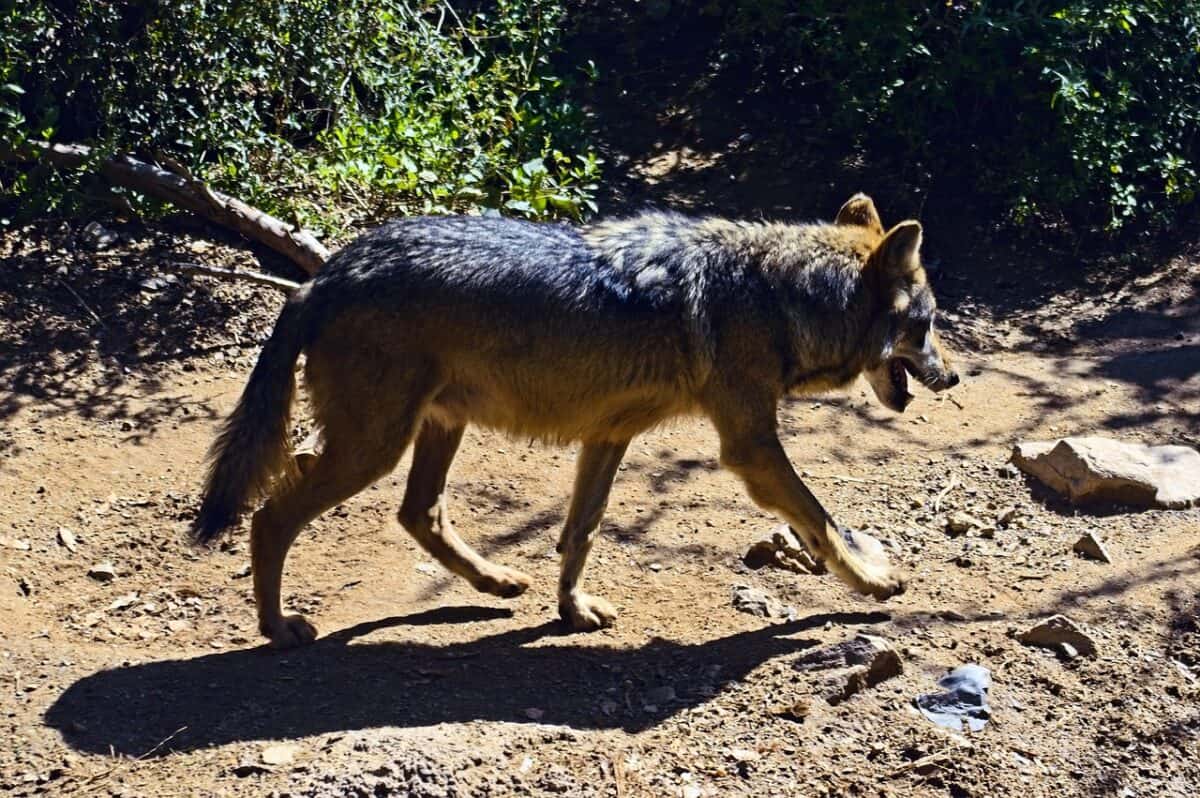
Habitat fragmentation represents one of the most significant threats to wolf health globally. As human development expands through road building, urban sprawl, and resource extraction, wolf habitats become increasingly divided into smaller, isolated patches. This fragmentation disrupts wolf movement patterns, limits access to prey, and restricts genetic exchange between populations. A comprehensive study published in Conservation Biology found that wolves in fragmented landscapes showed higher stress hormone levels, reduced reproductive success, and increased mortality compared to those in contiguous habitats.
Beyond fragmentation, outright habitat loss continues to shrink the total area available to wolves. Agricultural conversion, deforestation, and infrastructure development permanently remove land from potential wolf habitat. This loss forces wolves into smaller areas with higher densities, increasing competition and disease transmission risks. It also pushes wolves closer to human settlements, leading to more conflict scenarios. The cumulative impact of habitat loss and fragmentation creates a cascade of negative health effects, from nutritional stress to increased vulnerability to disease, representing a fundamental threat to long-term wolf viability in many regions.
Threat 2 Human Persecution and Conflict

Despite legal protections in many regions, direct persecution by humans remains a leading cause of wolf mortality worldwide. This takes various forms, from legal hunting and government culling programs to illegal poaching and poisoning. In areas with intense wolf-livestock conflict, retaliatory killing is common. Studies across Europe and North America have documented how human-caused mortality can account for 50-80% of all wolf deaths in some populations. This pressure not only reduces numbers but can disrupt pack structure, leading to decreased hunting success and pup survival.
The psychological impact of persistent human persecution also affects wolf health. Wolves in areas with high hunting pressure show altered behavior patterns, becoming more nocturnal and avoidant of open areas. These behavioral changes limit their access to optimal hunting grounds and increase energy expenditure. Research using GPS-collared wolves has revealed that even non-lethal harassment causes stress responses that can compromise immune function and reproductive success over time. As human expansion continues into wolf habitat, managing this conflict represents one of the most challenging aspects of wolf conservation, requiring both biological understanding and social solutions.
Threat 1 Disease and Parasites

While wolves have natural defenses against many pathogens, they face increasing disease threats in the modern world. Canine diseases like parvovirus, distemper, and rabies can spread from domestic dogs to wild wolf populations with devastating effects. A distemper outbreak in Yellowstone during the early 2000s killed approximately 60% of the park’s pups in affected packs. Climate change is expanding the range of vector-borne diseases, exposing wolves to pathogens they have little evolutionary history with. Additionally, wolves in areas with high human activity may face novel pathogens from human waste or domestic animals.
Parasitic infections also threaten wolf health, particularly when wolves are already stressed by other factors. Heavy parasite loads can cause malnutrition, reduced reproductive success, and increased vulnerability to predation or other diseases. The sarcoptic mange outbreaks documented in numerous wolf populations demonstrate how parasites can significantly impact wolf numbers and health. Wolves in the northern Rocky Mountains suffered substantial population declines during mange outbreaks, with infected individuals experiencing hair loss, skin infections, and reduced hunting success due to constant irritation and energy expenditure trying to relieve itching. These disease challenges often interact with other threats like habitat loss and persecution, creating compound stressors that further endanger wolf populations.
Conclusion: Balancing Wolf Conservation in a Changing World
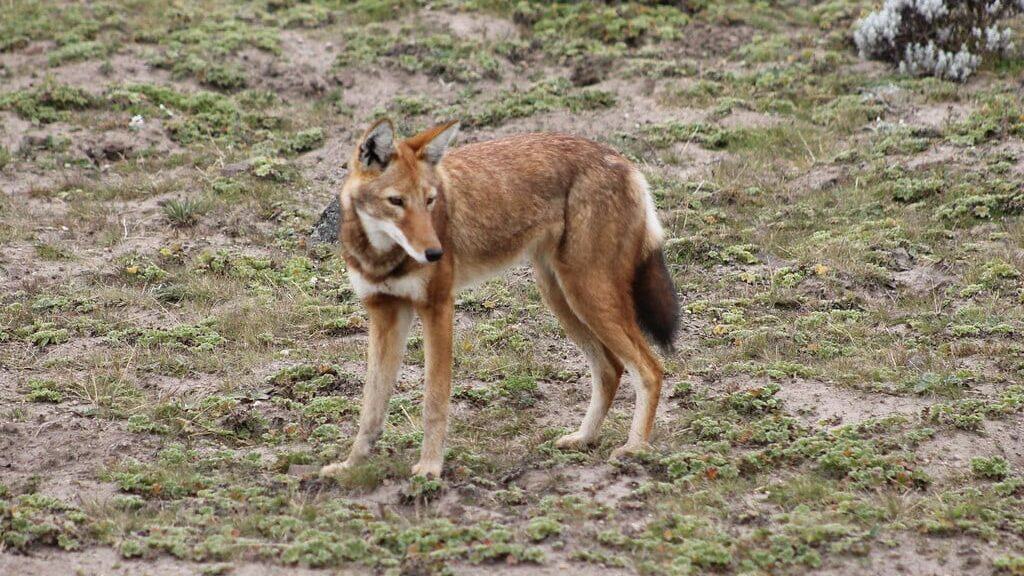
The health of wolf populations depends on a complex interplay of natural factors and human influences. The ten positive elements discussed—from social structure and genetic diversity to territorial behavior and wilderness preservation—demonstrate how wolves have evolved sophisticated systems to maintain their health in challenging environments. These adaptations have allowed wolves to survive for millennia as apex predators, shaping ecosystems and evolving alongside their prey species in dynamic balance.
However, the three major threats of habitat fragmentation, human persecution, and disease present significant challenges to wolf conservation in the modern era. As human populations expand and climate change alters traditional habitats, wolves face unprecedented pressures that test the limits of their adaptability. Successful conservation requires addressing these threats through science-based management, habitat protection, conflict mitigation, and public education about the ecological importance of wolves.
The future of healthy wolf populations ultimately depends on our ability to create coexistence models that balance human needs with wolf conservation. This means preserving large, connected wilderness areas while developing effective tools for reducing conflicts where wolves and humans share landscapes. It also requires ongoing research to better understand wolf health dynamics and how they respond to changing conditions. By supporting the natural factors that keep wolves healthy while actively addressing the threats they face, we can ensure these remarkable predators continue to fulfill their ecological role for generations to come.
As we move forward with conservation efforts, it’s worth remembering that healthy wolf populations indicate healthy ecosystems overall. By protecting wolves, we’re not just preserving a single species but supporting the intricate web of life that depends on fully functioning natural systems. This broader perspective emphasizes why wolf health matters not just for the species itself, but for the integrity of the wild landscapes they inhabit.

As a little kid, I fell in love with nature, wildlife, and animals. Living in the USA, South Africa, Italy, China and Germany gave me the opportunity to discover the world's Wildlife. My favorite animals are Mountain Gorillas, Siberian Tigers, and Great White Sharks.
I'm a certified PADI Open Water Diver, went to Everest Base Camp and Trekked Gorillas in Uganda. I hold a Master of Science in Economics and Finance.
Please send any feedback to feedback@animalsaroundtheglobe.com
- 10 Patriotic Animals Associated With U.S. History - June 30, 2026
- 14 Reasons Chickens Make Surprisingly Great Pets - June 30, 2026
- 15 Creepiest Creatures Found in Caves - June 30, 2026