
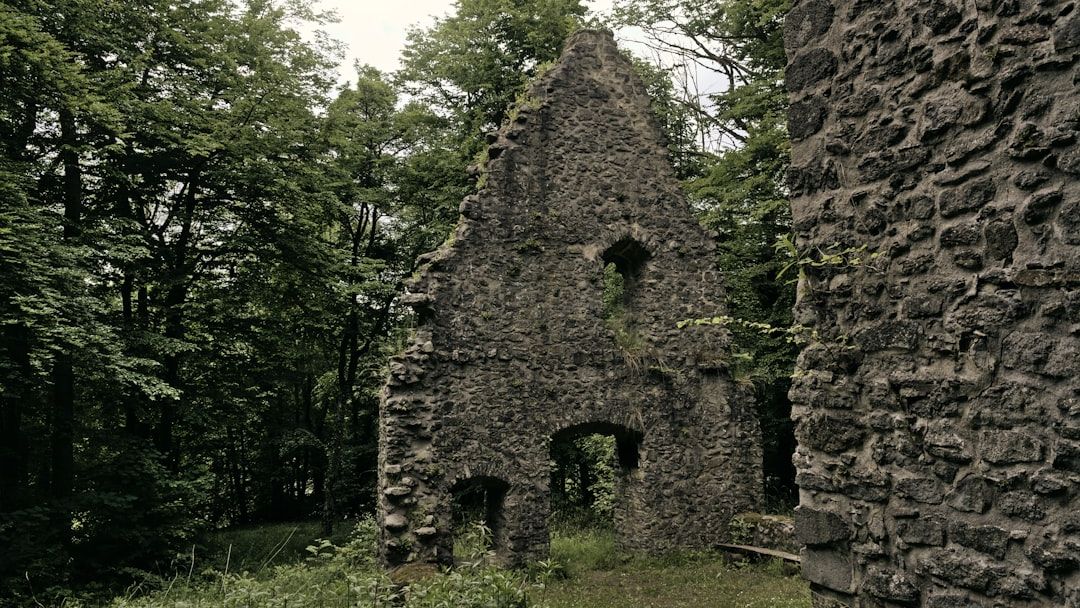
The past decade has been nothing short of extraordinary for archaeology. While we often think we’ve figured out most of what ancient civilizations left behind, recent years have proven us spectacularly wrong. Researchers keep pulling discoveries from the ground that make them stop, scratch their heads, and completely rethink what they thought they knew about human history.
It’s one thing to find another ancient pot or burial site. It’s quite another to uncover something so unexpected, so bizarre, that it forces scientists to rewrite textbooks. From mysterious stone structures hidden underwater to perfectly preserved artifacts that shouldn’t exist, the archaeological world has been absolutely buzzing. Let’s dive into some of the most shocking finds that have left even the most seasoned experts stunned.
The Deep Sea Canaanite Ghost Ship That Defied Everything We Knew
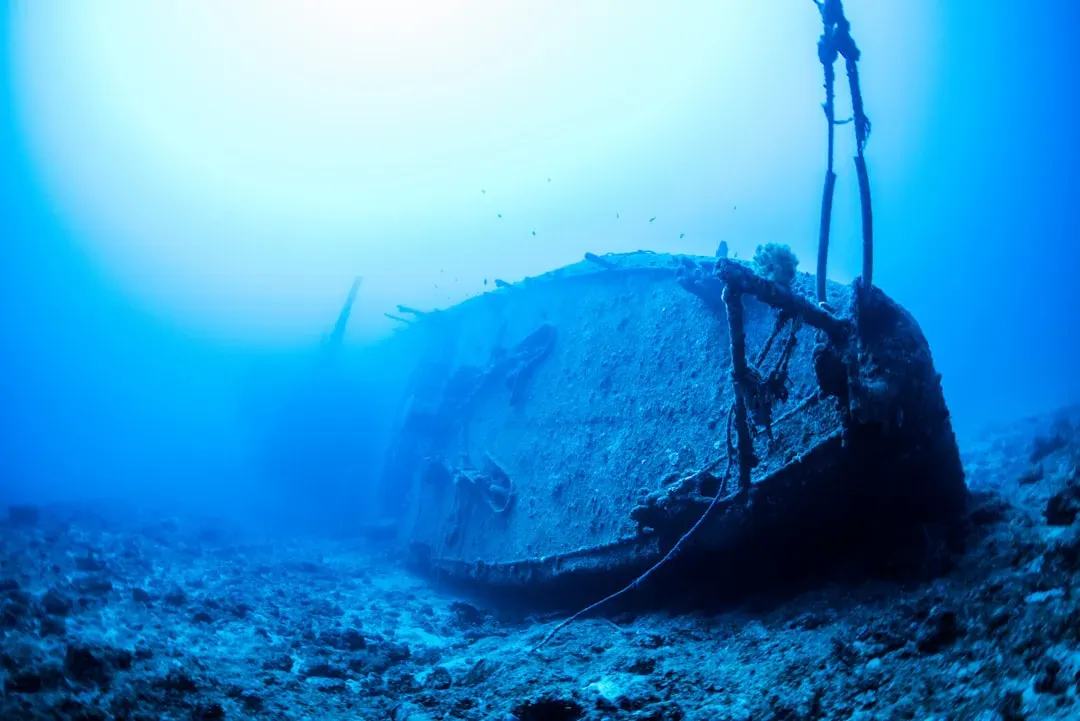
Nearly 2 kilometers below the sea surface lies a nearly perfectly preserved Canaanite shipwreck that sunk 3,300 years ago, discovered by robots deployed off the coast of Israel. Here’s the thing: this discovery completely flipped our understanding of ancient navigation on its head. Before this find, archaeologists were pretty confident that ancient Mediterranean seafarers stuck near land during their travels.
Think about it for a moment. This vessel was found at a depth where sunlight doesn’t reach, in the middle of open water, from an era when we thought people hugged coastlines like scared children clinging to their parents. The ship’s location suggests these ancient mariners were far more skilled and adventurous than anyone gave them credit for. I honestly find it mind-blowing that people roughly 3,300 years ago had the courage and capability to venture into deep waters without GPS, modern navigation tools, or even a basic understanding of what lay beneath them.
The Amazon’s Lost Garden Cities That Weren’t Supposed to Exist
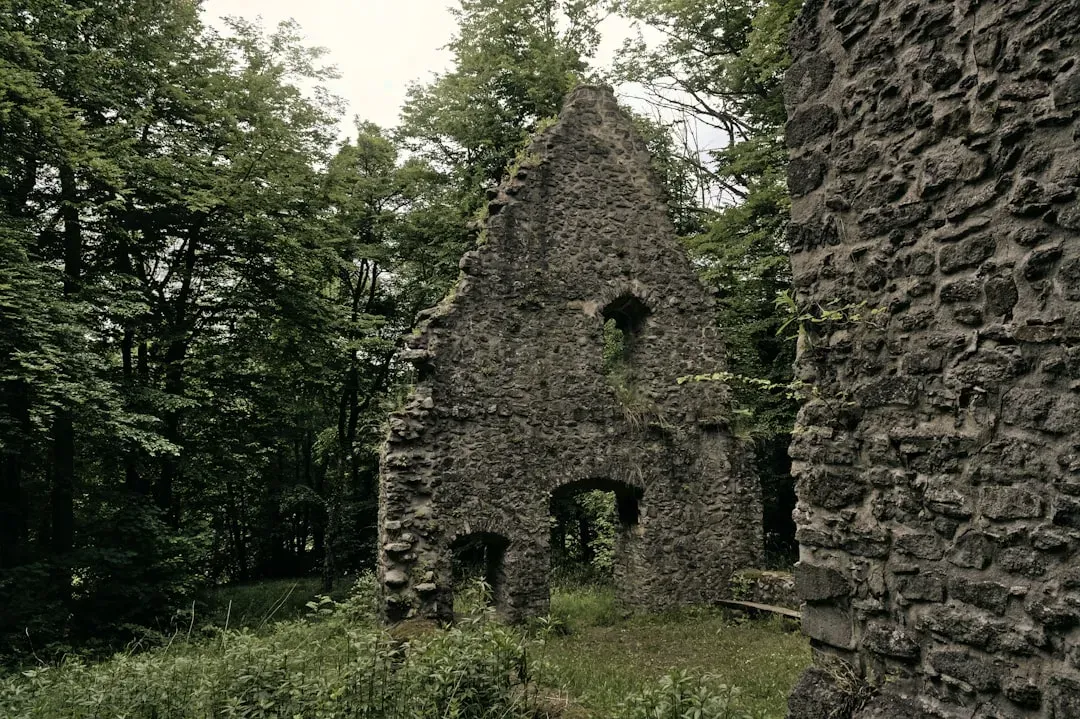
Scientists have long insisted that ancient cities couldn’t exist in the Amazon rainforest. The soil’s too poor, they said. Agriculture would be impossible, they claimed. Well, they were wrong. Ground-sensing technology uncovered over 6,000 interconnected earthen platforms in Ecuador that date back 2,000 years, revealing an entire landscape of gardens, roads, and rivers.
So it made sense that no one had ever found traces of ancient cities in the forest – except now we have. This discovery represents a sophisticated civilization that figured out how to thrive in one of Earth’s most challenging environments. The scale is staggering. We’re not talking about a small settlement or a hunting camp; we’re talking about an interconnected urban system that housed thousands of people who somehow mastered agriculture in a place modern farmers would struggle to work.
Scotland’s 6,000-Year-Old Hall That Predates Stonehenge
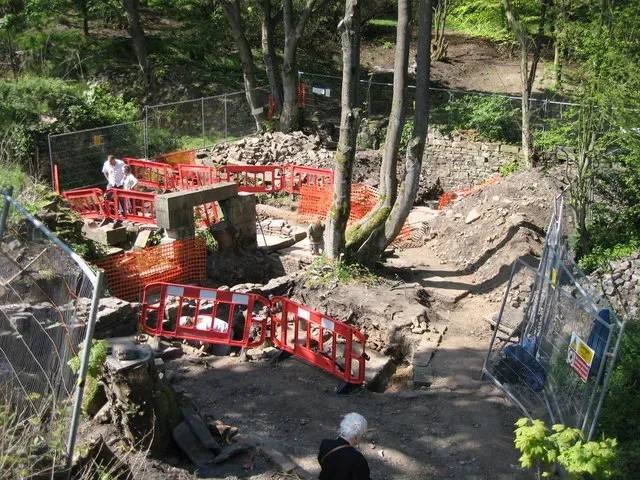
Imagine digging beneath a school playground and discovering something older than one of Britain’s most famous monuments. That’s exactly what happened in Scotland. Archaeologists unearthed traces of a Neolithic hall and its companion building, which date back 6,000 years, predating Stonehenge by over a thousand years and is the largest ever found in Scotland.
The real shocker? The excavation site yielded ritual pits and a hoard of Bronze Age weapons, including a Celtic gold-inlaid spearhead. This wasn’t just some primitive shelter. These ancient builders possessed architectural sophistication and social organization that challenges everything we thought about prehistoric Britain. Other artifacts came from the Highlands and Arran, suggesting wide-reaching social organization and ritual activity in prehistoric Britain, which means these people had established trade networks and cultural exchanges far earlier than anyone imagined.
The Plague of Justinian Finally Gets Proof After 1,500 Years
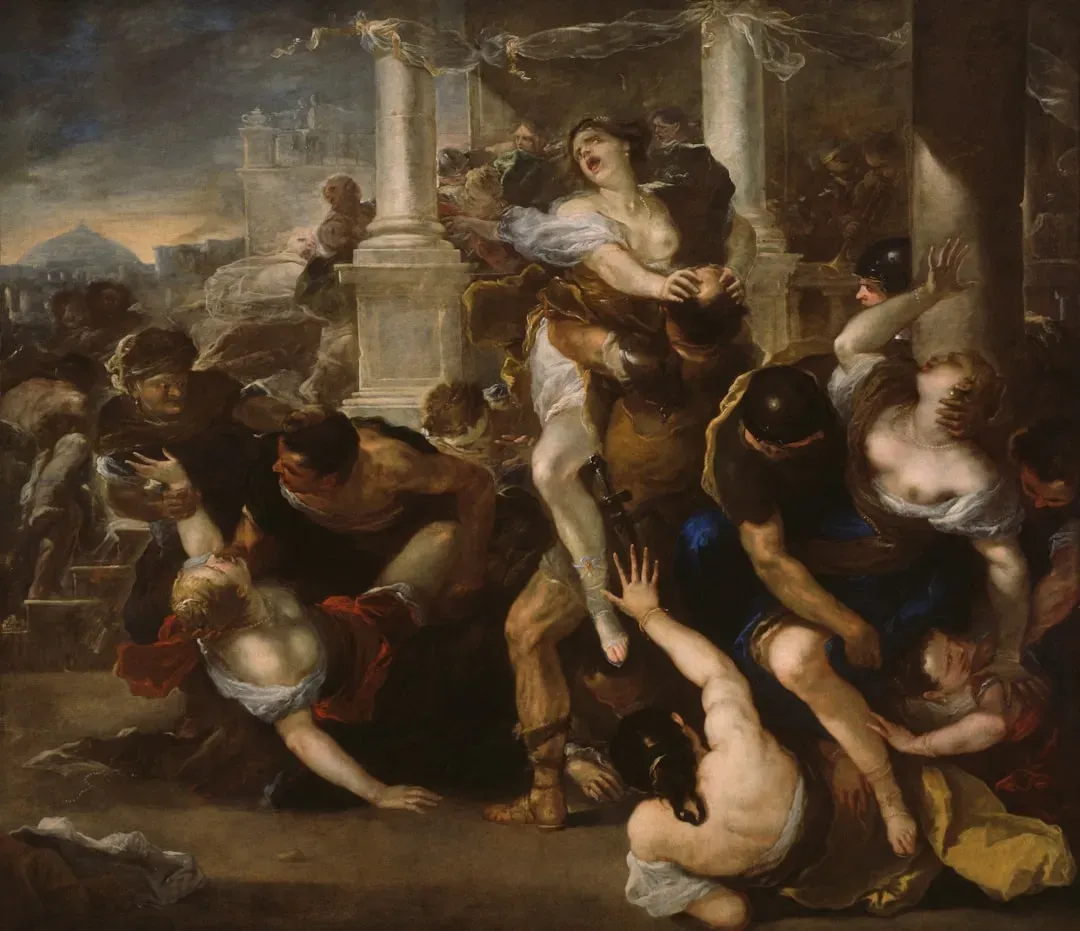
For centuries, historians debated whether the Plague of Justinian actually happened or was just exaggerated medieval propaganda. Scientists have finally uncovered direct genetic evidence of Yersinia pestis – the bacterium behind the Plague of Justinian – in a mass grave in Jerash, Jordan, resolving a centuries-old debate. Let’s be real: finding bacterial DNA that’s roughly 1,500 years old is no small feat.
This discovery matters more than you might think. The Plague of Justinian is considered one of the first recorded pandemics in human history, potentially killing millions and altering the course of Western civilization. Yet without hard evidence, skeptics questioned whether it was really as devastating as ancient texts claimed. Now we know. The bacteria was real, the pandemic happened, and it probably reshaped the entire medieval world in ways we’re still trying to understand.
The Dionysian Mystery Cult Revealed in Pompeii’s Hidden Frescoes
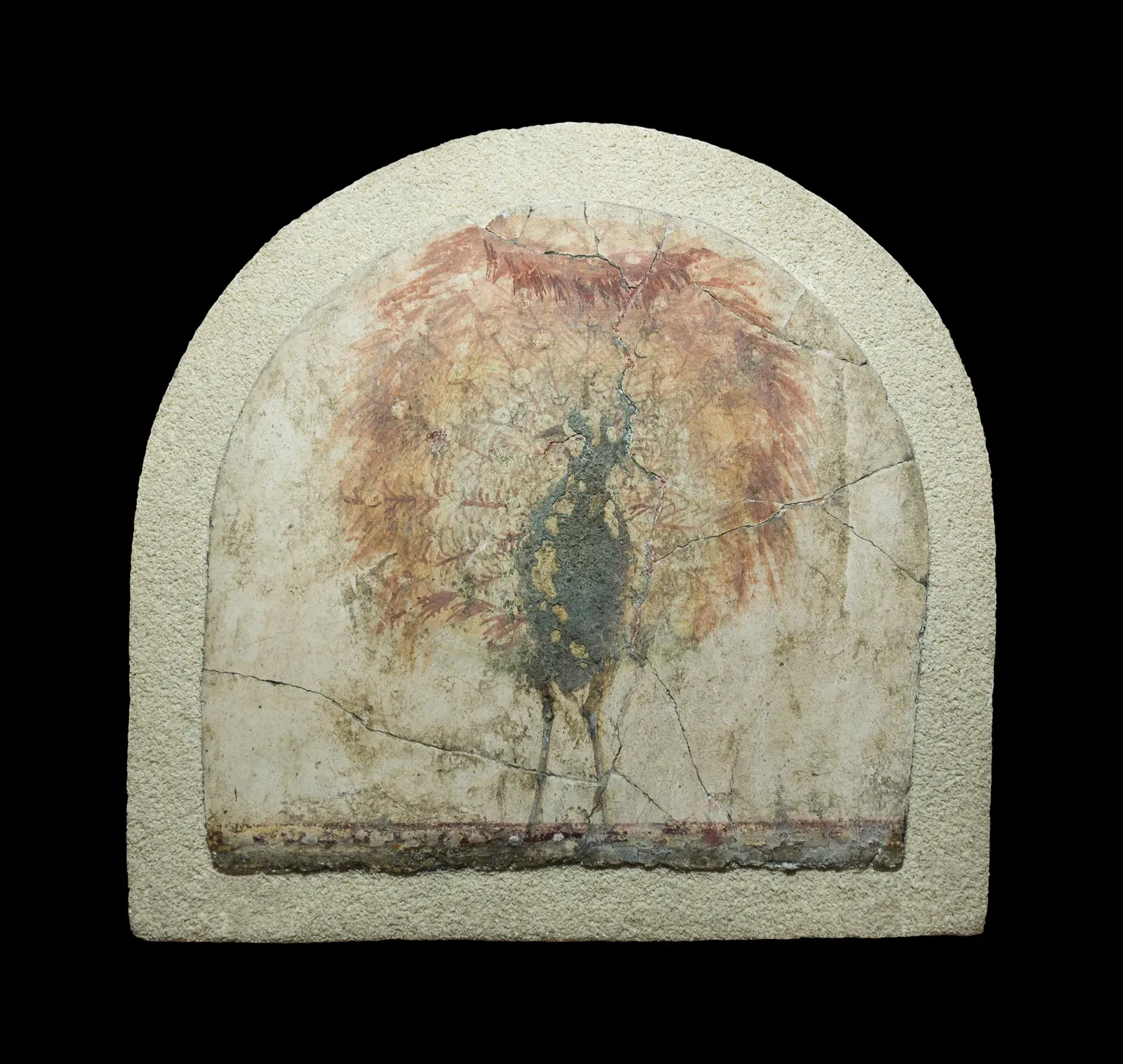
About a century before the ancient Roman city’s destruction, artists adorned the walls of a Pompeii banquet hall with a peculiar procession extending across three walls, depicting followers of Dionysus. What makes this shocking isn’t just the artwork’s beauty – it’s what it reveals about one of antiquity’s most secretive religious cults.
The discovery reveals rare insights into the Dionysian Mysteries, secretive initiation rites practiced by the Cult of Dionysus in ancient Greece and Rome. These rituals were so closely guarded that their exact nature faded into obscurity. Figures in the Pompeii frieze confirm the use of dance, music, and intoxication to induce ecstasy during the Dionysian Mysteries. It’s wild to think that these ancient party-goers left us a visual manual to their most sacred and secret ceremonies, frozen in time by volcanic ash.
Artificial Intelligence Cracks a 4,000-Year-Old Babylonian Hymn
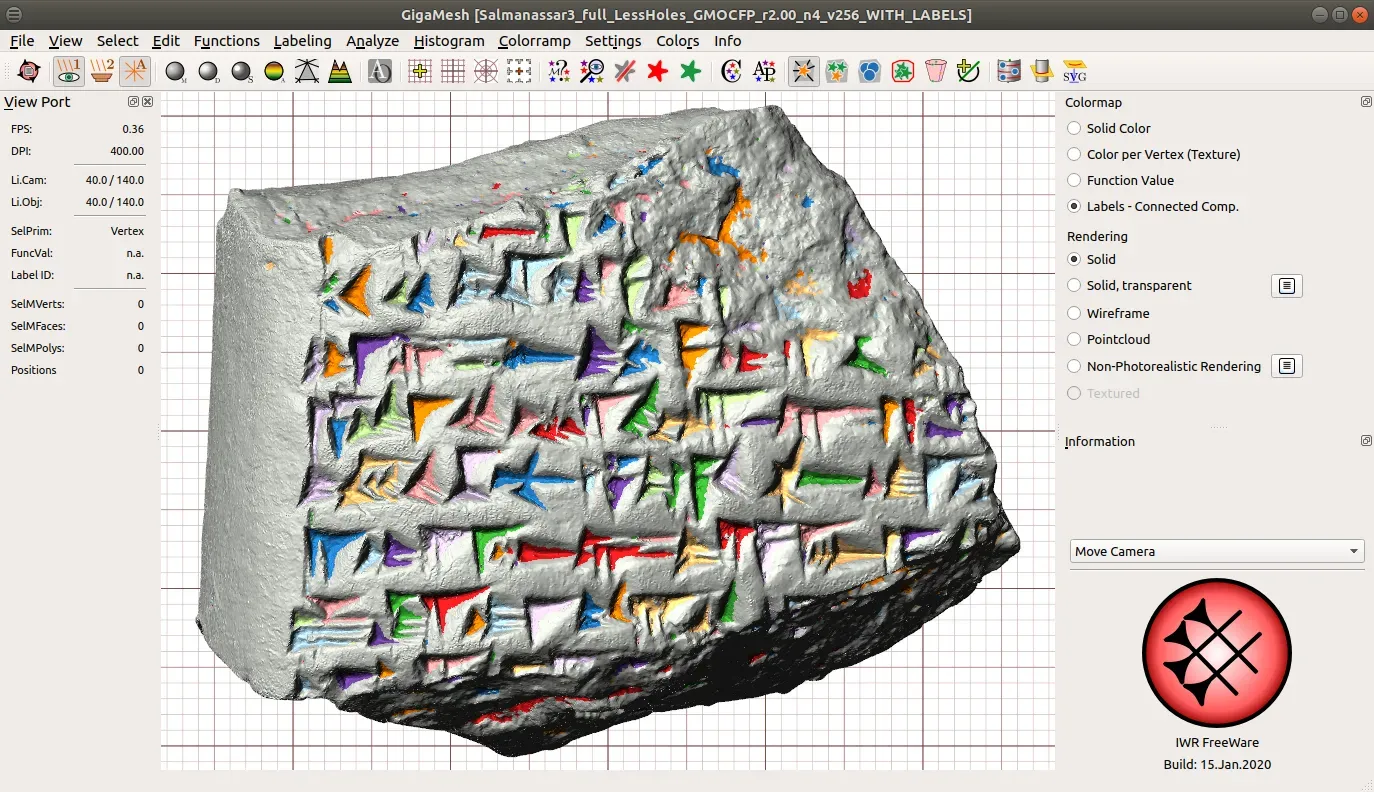
Sometimes the most shocking discoveries aren’t found in the dirt but in museum storage rooms. A newly deciphered, previously unknown hymn extolling Babylon as the first city in existence also praises Babylon’s citizens and their patron deity, Marduk. Scientists used artificial intelligence to identify and piece together fragments that had been sitting in various collections for over a century.
The numbers are staggering. In the past 150 years of cuneiform studies, researchers found around 6,000 places where tablet fragments joined, but they’ve found 1,500 in the last five years thanks to AI. This technological leap means we’re on the verge of unlocking thousands of ancient texts that would have taken human researchers decades or centuries to decipher. The hymn contains many previously unknown pieces of information, such as an enumeration of the duties of Babylonian priestesses, who also served as midwives, giving us unprecedented insight into daily life in one of history’s greatest civilizations.
Conclusion
These six discoveries remind us that history isn’t some dusty, finished book sitting on a shelf. It’s alive, constantly being rewritten as new evidence emerges from the ground, the sea, and even museum basements. Each find challenges our assumptions and forces us to ask uncomfortable questions about how much we really understand our ancestors.
What strikes me most is how these discoveries reveal that ancient people were far more capable, adventurous, and sophisticated than we ever gave them credit for. They sailed deep waters, built cities in impossible places, organized complex societies, and kept secrets that took millennia to uncover. Makes you wonder what else is still out there waiting to be found, doesn’t it? What will the next decade reveal that makes today’s archaeology textbooks look outdated? The ground beneath our feet holds more mysteries than we can imagine.

- 9 Cat Breeds That Love Kids (And 9 That Prefer Adult Company) - June 30, 2026
- Which Zodiac Signs Would Choose Pit Bull For Their Pet - June 30, 2026
- Gardening Is Becoming More Popular Among Older Americans - June 30, 2026