
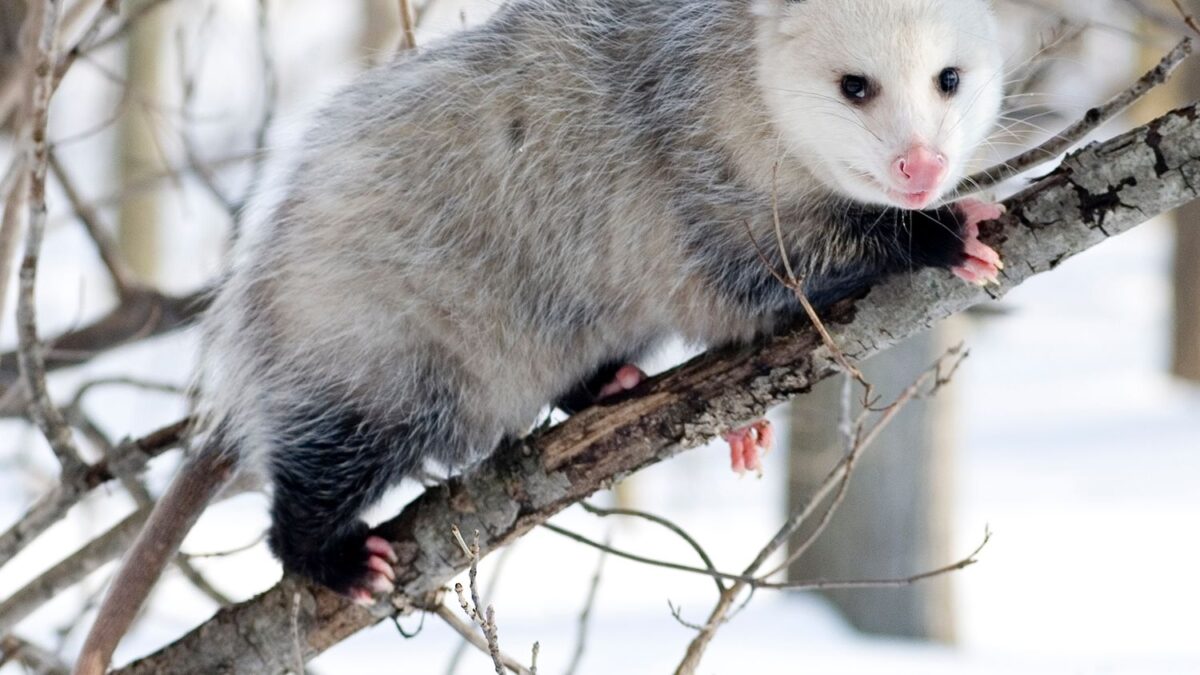
Most people see an opossum and immediately think: oversized rat, garbage pest, weird roadkill. That’s honestly a shame, because this strange little creature is one of the most fascinating, resilient, and genuinely useful animals walking around North America right now. Opossums are quietly doing things that no other animal on the continent can do.
From ancient survival tricks to potential life-saving medicine, the opossum is full of surprises. If you’ve ever dismissed one as just a backyard nuisance, what you’re about to discover might completely change your mind. Let’s dive in.
1. They Are North America’s Only Marsupial – and That’s a Big Deal
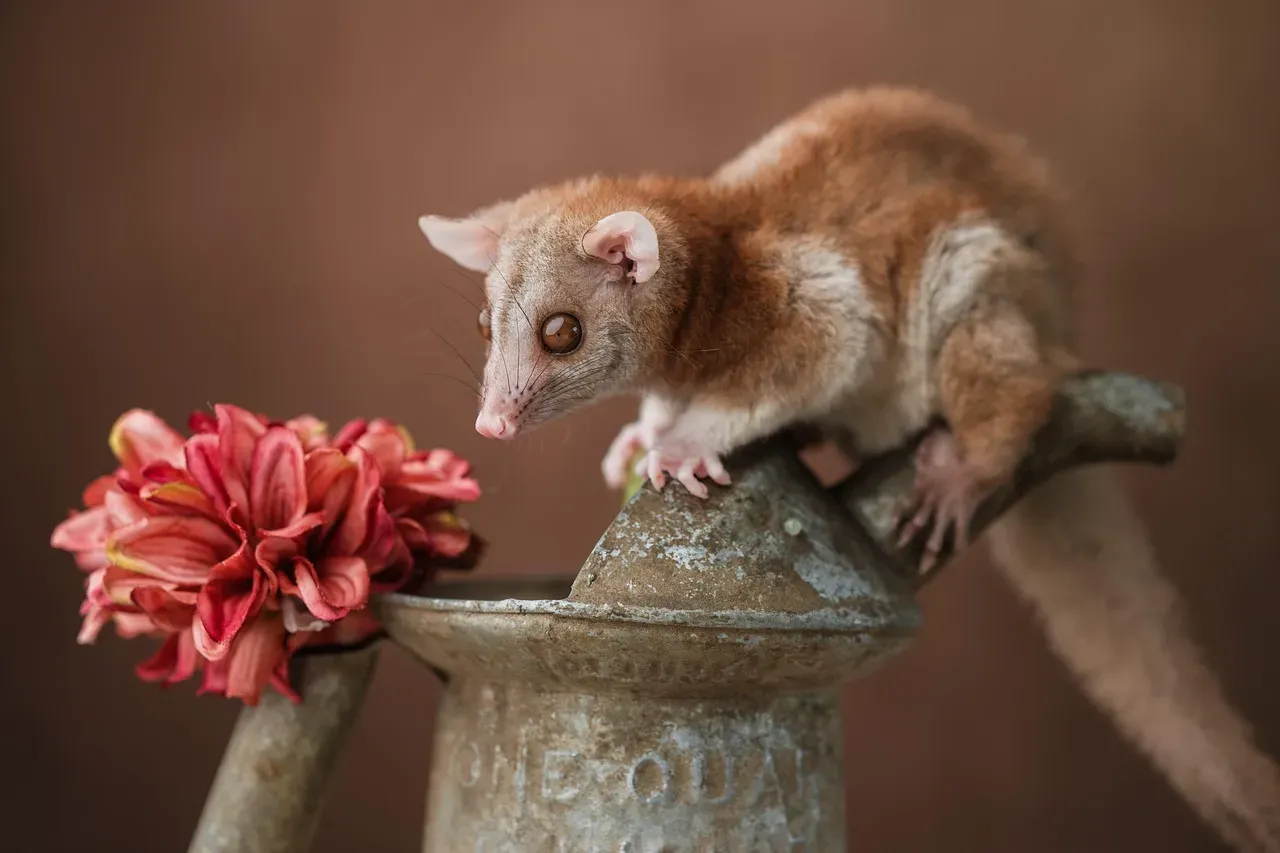
Think marsupials and your mind probably jumps straight to Australia. Kangaroos, koalas, wombats. It’s easy to forget that one remarkable marsupial made it to North America too. Just one, the Virginia opossum, lives in the United States and North America. That makes it genuinely one of a kind on this entire continent.
Opossums originated in South America and spread to North America when the continents conjoined. Think about that for a second. They’ve been here for an almost incomprehensible stretch of time. A study conducted by a University of Florida researcher traces the existence of opossums as far back as the extinction of dinosaurs. Dinosaurs. These things are ancient survivors.
Opossums are the only marsupials in North America. Marsupials are animals that carry their babies in pouches, just like kangaroos. That’s right – opossums are more closely related to kangaroos than to rats or other backyard animals. So next time someone calls one a giant rat, feel free to correct them.
2. “Playing Possum” Is Real, Involuntary, and Absolutely Wild
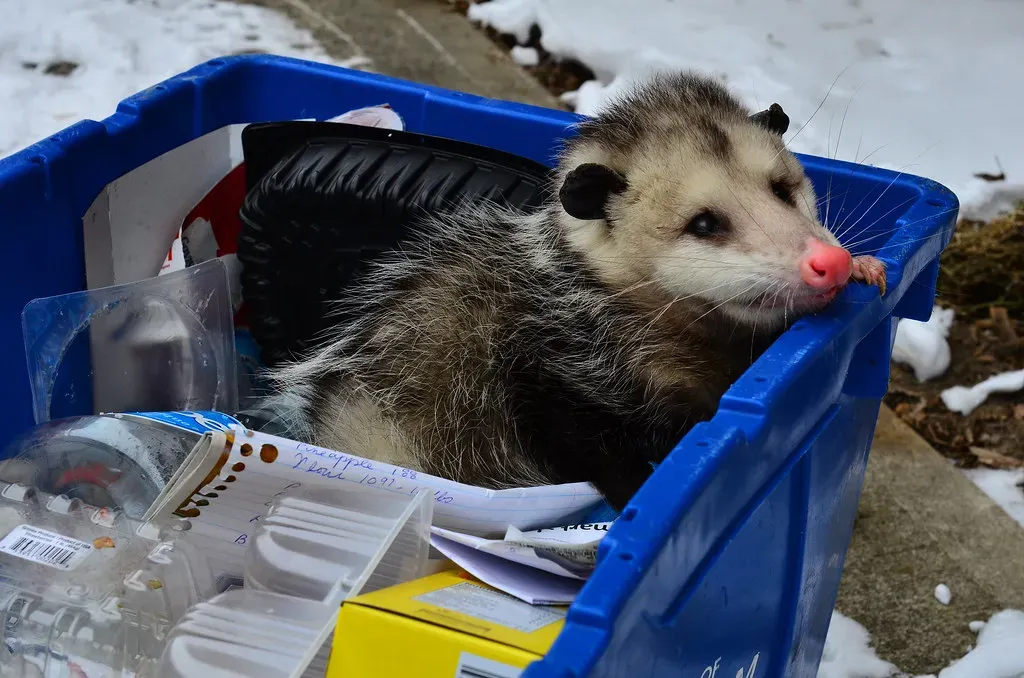
Everyone has heard the phrase “playing possum.” Most people assume it’s a clever act, a deliberate con the opossum pulls off when danger shows up. Here’s the thing: it’s not a choice at all. Opossums legitimately do play dead, but it’s not a voluntary response. Instead, it’s a physiological response to danger that they have no control over, like fainting is for humans.
The performance itself is genuinely convincing. Called thanatosis or death-feigning, it’s triggered by stressful events. They do not have control over this instinctive behavior; they basically pass out from fear. This can last anywhere from a few minutes to a few hours, and then they’ll wake back up and continue on their day.
What makes it even more committed? It emits a foul substance from its anus, the smell described as corpse-like. So the opossum doesn’t just look dead. It smells dead too. That’s method acting taken to an extreme level that no Hollywood performer could ever match.
3. Their Resistance to Rabies and Snake Venom Is Like a Real-Life Superpower
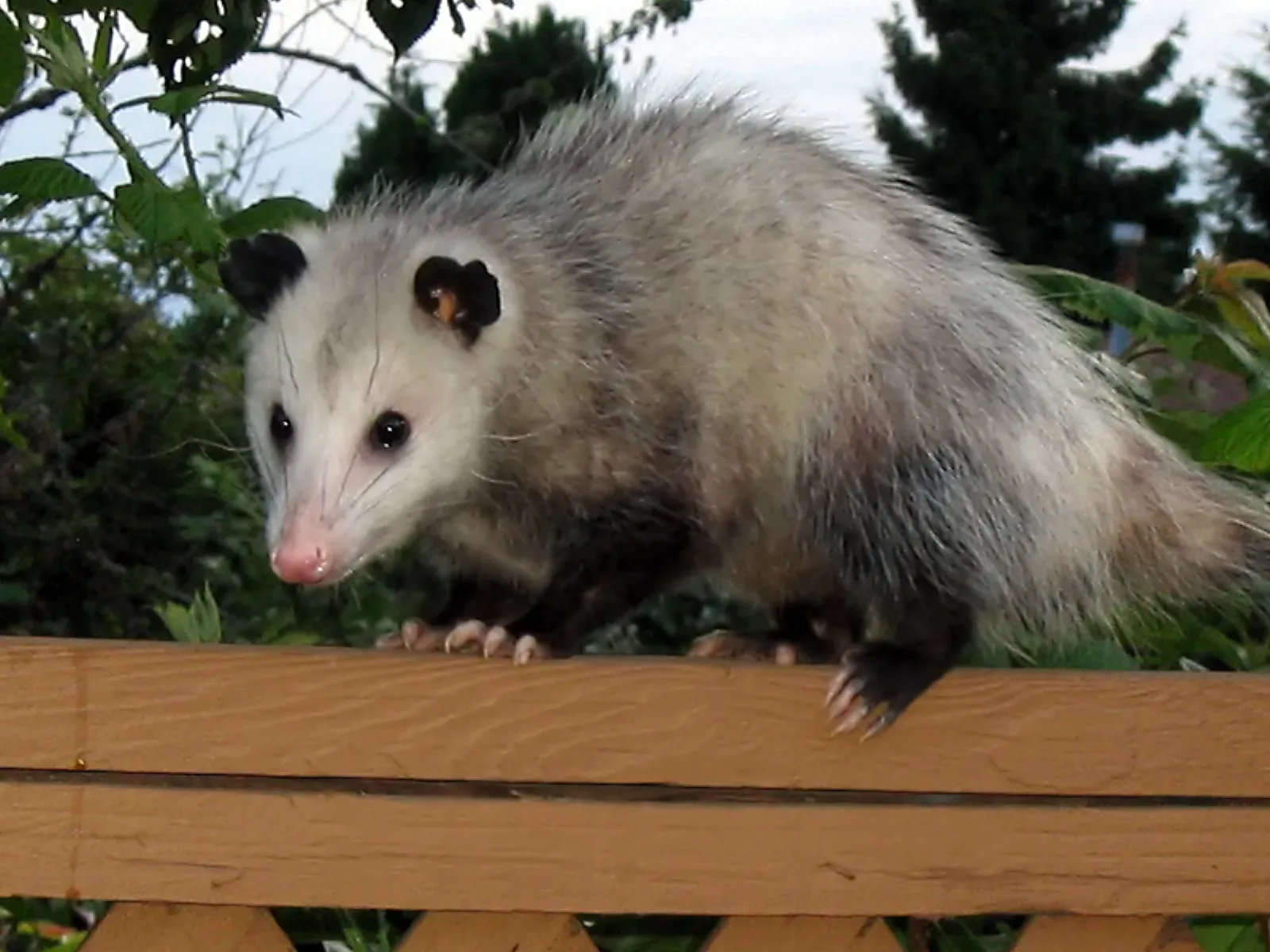
While many wonder whether opossums can get rabies, their body temperature is too low for the virus to survive like it does in other mammals, such as raccoons and bats. This is genuinely remarkable. So while raccoons and bats regularly transmit rabies, the opossum is essentially built to resist it at a biological level.
The snake venom immunity is even more astonishing. Opossums are generally immune to the venom in most venomous snake bites in North America, allowing them to feast on dangerous snakes like copperheads and water moccasins. Opossums have a special protein in their blood called Opossum Venom Neutralizing Factor (OVNF) which binds to and neutralizes the toxins in snake venom, preventing these toxins from harming the opossum.
Scientists are now paying very close attention to this biological gift. In lab experiments with mice, a team discovered the exact molecule, called a peptide, in the North American marsupial’s blood that can neutralize snake venom. The peptide worked against several venomous snake species, including America’s western diamondback rattlesnake and India’s Russell viper. The implications for global medicine are genuinely exciting.
4. Their Babies Are Born Tinier Than a Honeybee
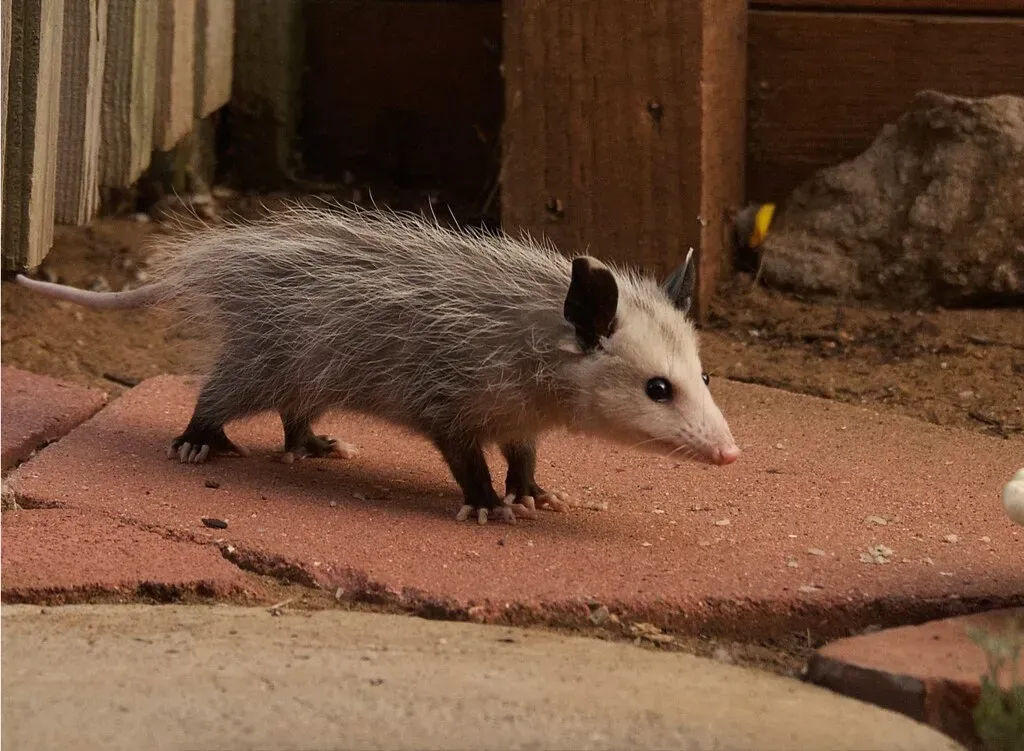
Opossum reproduction is, I think, one of the strangest and most impressive things in the entire animal kingdom. Brace yourself. Female opossums are only pregnant for 13 days before giving birth to babies that are as small as honeybees, the San Diego Zoo reports. Thirteen days. That’s barely two weeks. For context, a human pregnancy is roughly 280 days.
Baby Virginia opossums are born hairless and sightless and are about the size of a honeybee. They are essentially walking embryos. Immediately upon birth, they have to use their small but strong front legs to clamber into the pouch. It’s a race for survival that starts the moment life begins.
While litters can be as large as 20, the average surviving litter size is about eight. Joeys will stay in their mother’s fur-lined pouch for about two months, but even afterward they stick close to their moms for awhile. It’s during this time when you may see the young opossums engaging in that all-too-cute behavior of riding around on their mother’s back.
5. They Have More Teeth Than Any Other North American Mammal
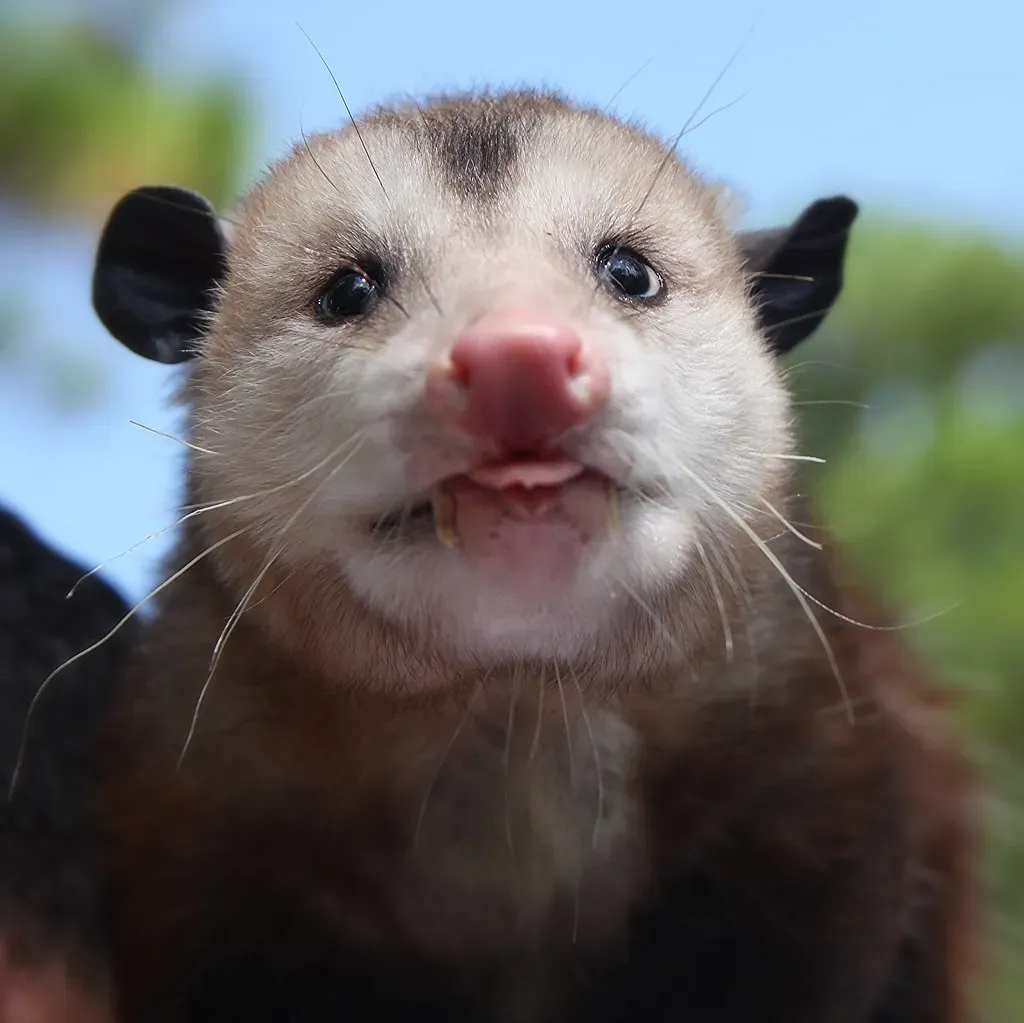
You would never guess it just by looking at one waddling across a parking lot, but opossums are hiding an impressive weapon behind those lips. They have 50 teeth – more than any other mammal in North America, according to Wildlife Illinois. Fifty. That’s genuinely a lot for an animal most people dismiss as harmless.
With as many teeth as the opossum has, you’d think they would be a dangerous and vicious animal, but that’s quite far from their normal behavior. These animals eat just about everything they can – that includes bones. With the help of their strong teeth, they can bite and break down more complex foods most animals and raccoons won’t touch. They’re opportunistic eaters in the truest sense.
6. They’re Master Climbers With a Surprising Set of Tools
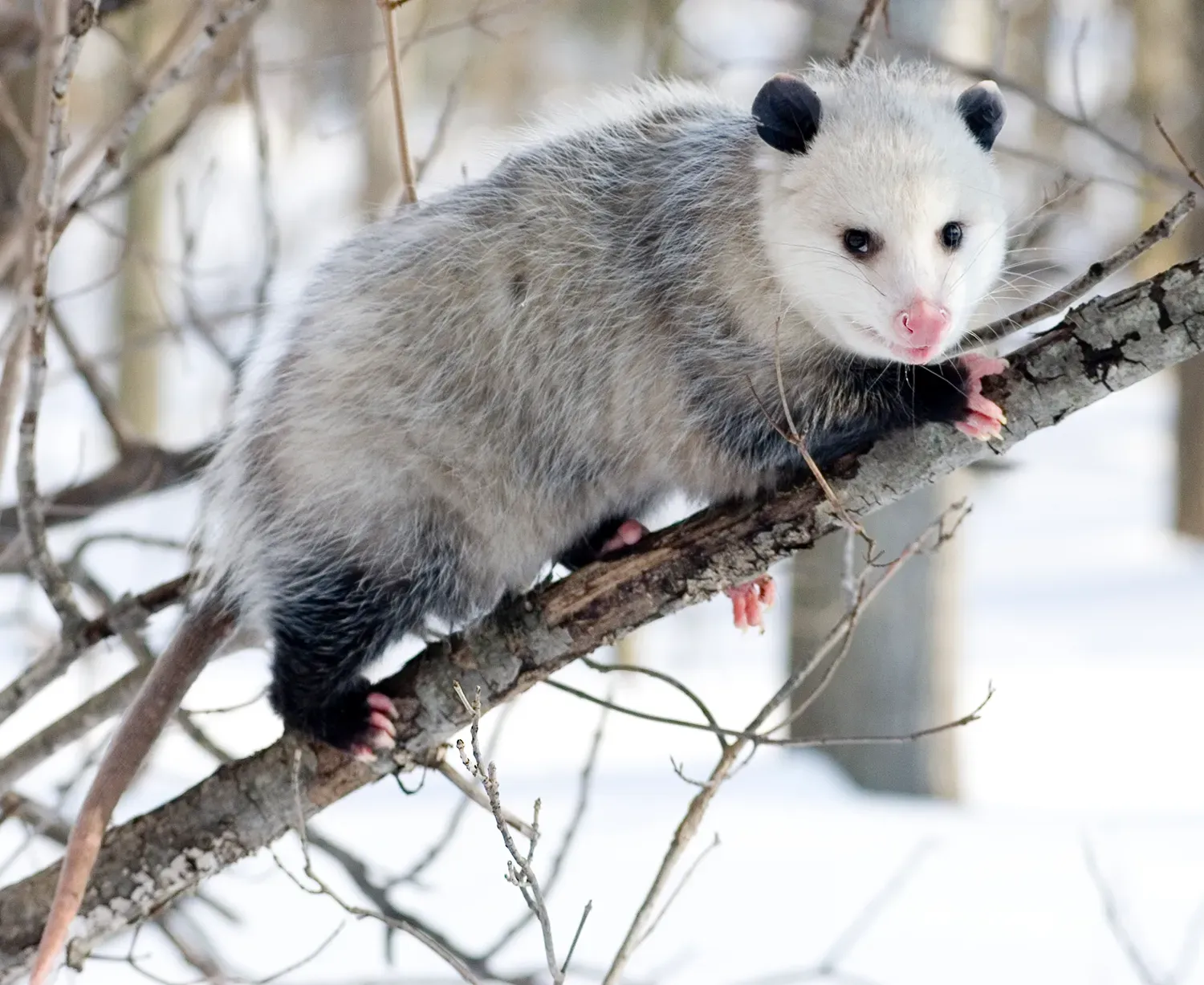
At first glance, an opossum looks about as athletic as a slow, slightly grumpy couch potato. Looks are wildly deceiving. Opossums are world-class tree climbers, with sharp claws, opposable thumbs on their hind feet, and a prehensile tail that helps them scale trunks and hang onto branches. In fact, opossums love trees so much that they often nest in tree hollows.
Their tails are extremely strong and can support their full body weight. Opossums have prehensile tails, meaning they can grab objects with those long fleshy appendages. That’s why you’ll see them hanging upside down from a tree branch or a power line. It’s like nature gave them a fifth limb.
Opossums are skilled climbers, thanks to their opposable rear thumbs and long tails that are designed to wrap around branches. They are also great swimmers, although they prefer to travel on land. Honestly, the more you learn about them, the more impressive they become.
7. They Are Nature’s Tick Vacuum Cleaners
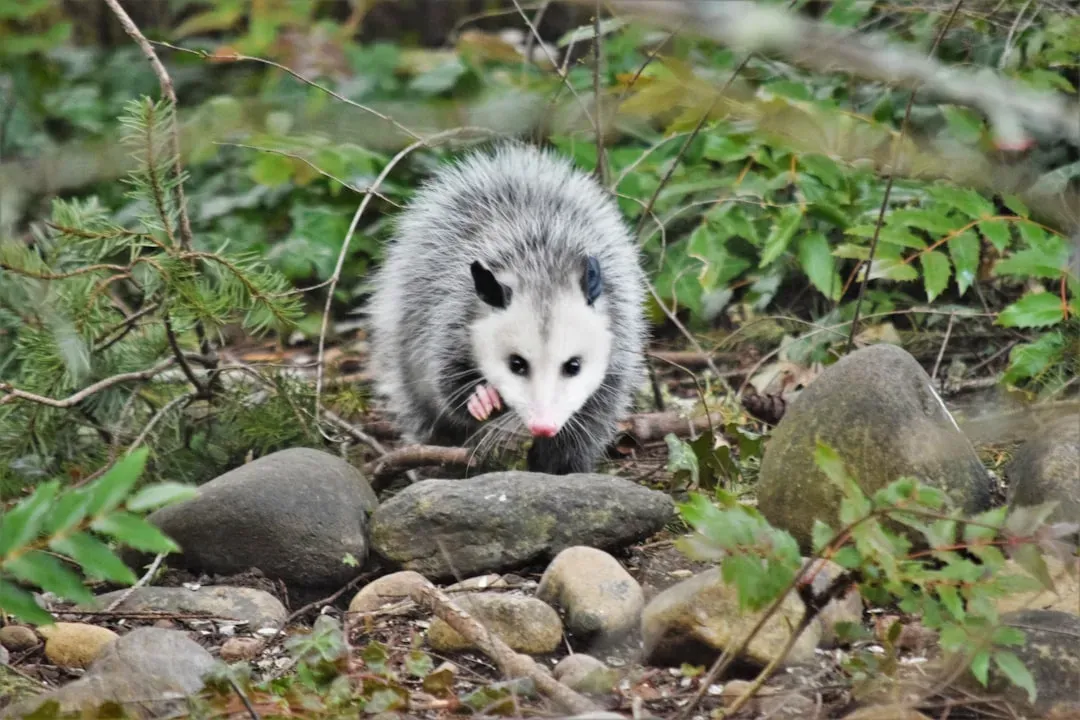
If you live somewhere with Lyme disease concerns, you may want to seriously reconsider your feelings toward the neighborhood opossum. These animals are walking, breathing tick exterminators. What opossums eat is quite impressive – they eat more than 90 percent of the ticks they encounter, according to the National Park Service. Some scientists note that they can kill up to 95 percent of ticks that feed on them and eat more than 5,000 ticks in a single season!
Opossums are fastidious groomers – in fact, they’re practically odorless unless they’re feigning death – so 97 percent of the ticks were cleaned off and consumed during a controlled study. Think of it like this: each opossum wandering through your backyard is essentially a living, breathing pest control service, operating completely free of charge.
By the way, they also eat cockroaches, crickets, beetles, mice, and rats. So the next time one shows up near your garden, it might actually be doing you a genuine favour. Hard to stay annoyed at that.
8. Their Eyes Aren’t Actually Pure Black
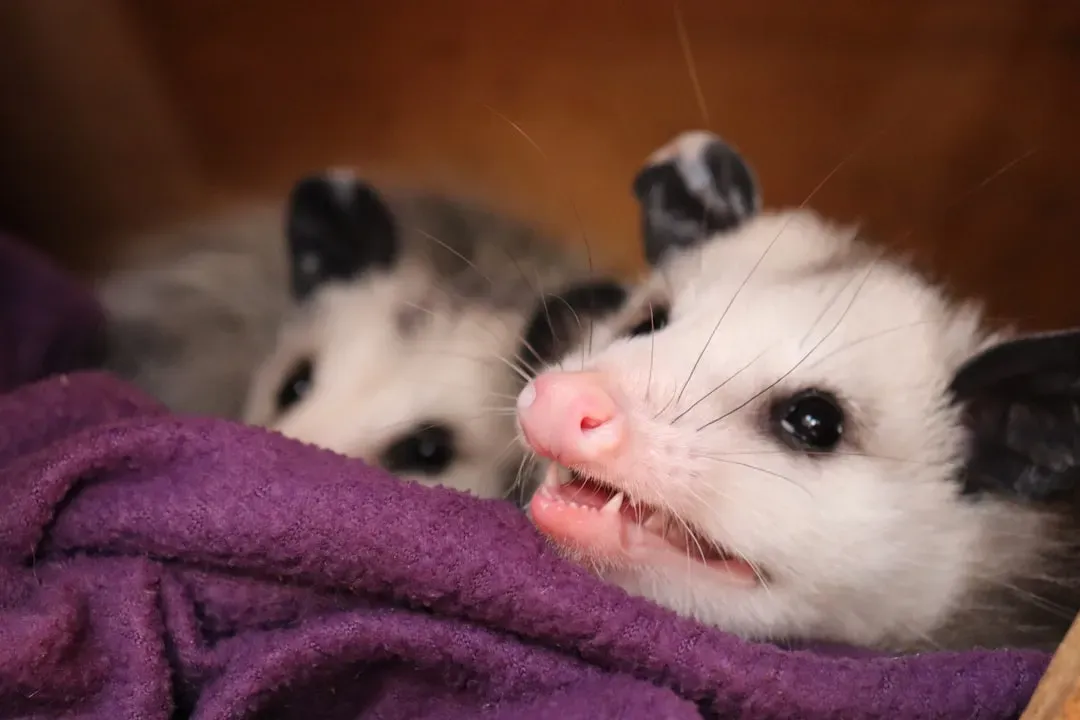
One of the most striking features is those dark, glassy eyes that seem to stare through you like they know something you don’t. It turns out, the reality is a bit different from what you see. One of the opossum’s most recognizable features is its opaque eyes. Opossum eyes do have whites and irises, but because their pupils are so large, their eyes appear completely black from a distance. The exaggerated pupil dilation is thought to help the nocturnal animals see better after the sun goes down.
Despite having good night vision, these nocturnal marsupials have a relatively poor general eyesight and color vision. To make up for it, opossums mostly get around through the use of their sensitive whiskers and keen sense of smell. So those haunting black eyes are really just pupils dialed all the way up. Fascinating little detail that most people never know.
9. They Are Exceptionally Clean Animals
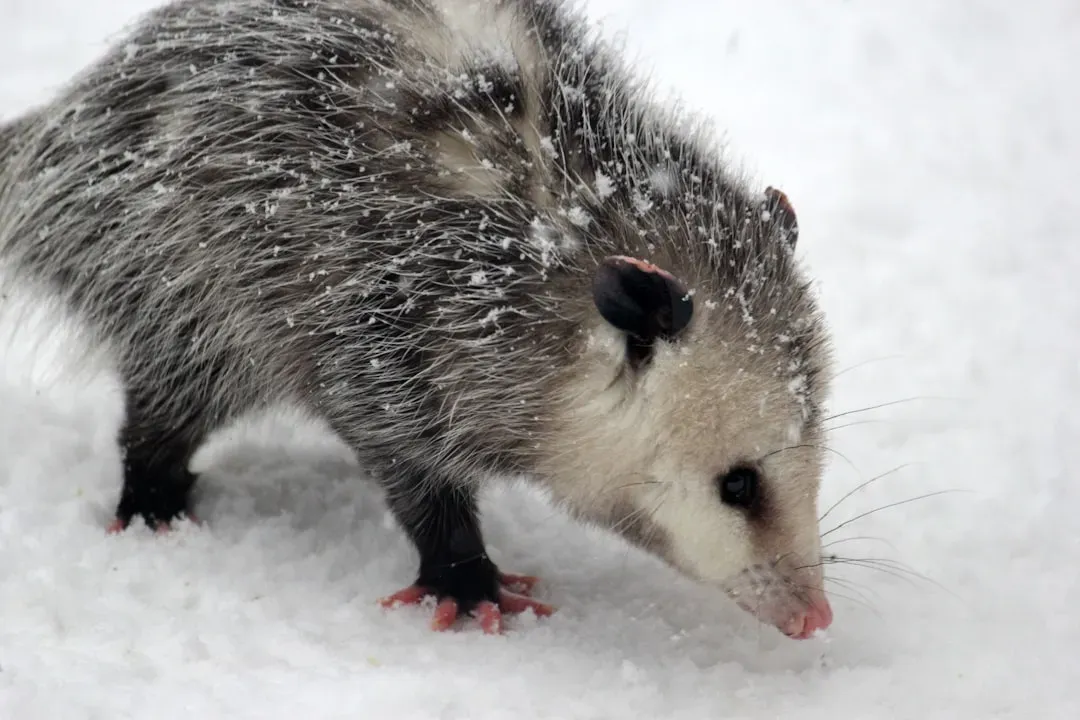
Given the whole “smells like a corpse when scared” thing, you could be forgiven for assuming opossums are filthy creatures. They are not. Not even close. According to the Washington Department of Fish and Wildlife, opossums – like house cats – use their tongues and paws to groom themselves frequently and thoroughly. Possums largely lack sweat glands, so grooming is believed to help them cool down. It also has the added effect of rendering them odorless.
Like the cats you may share your homes with, opossums constantly self-groom with their tongues and paws. Since they don’t have sweat glands, opossums also groom themselves to cool down in hot weather. So the opossum’s daily grooming routine actually serves multiple purposes at once. Efficiency at its finest.
10. They Age Extremely Fast – and Science Doesn’t Fully Understand Why
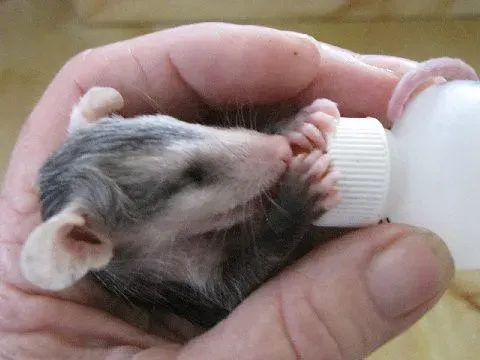
Here’s a fact that feels almost unfair. For all of their remarkable biological gifts, opossums don’t get to enjoy them for very long. Opossums are animals with fairly short lives, with lifespans of only around one to two years in the wild. Even in captivity, they live short lives of up to four years. This is because opossums have an extremely fast aging process, making them live fast and die young.
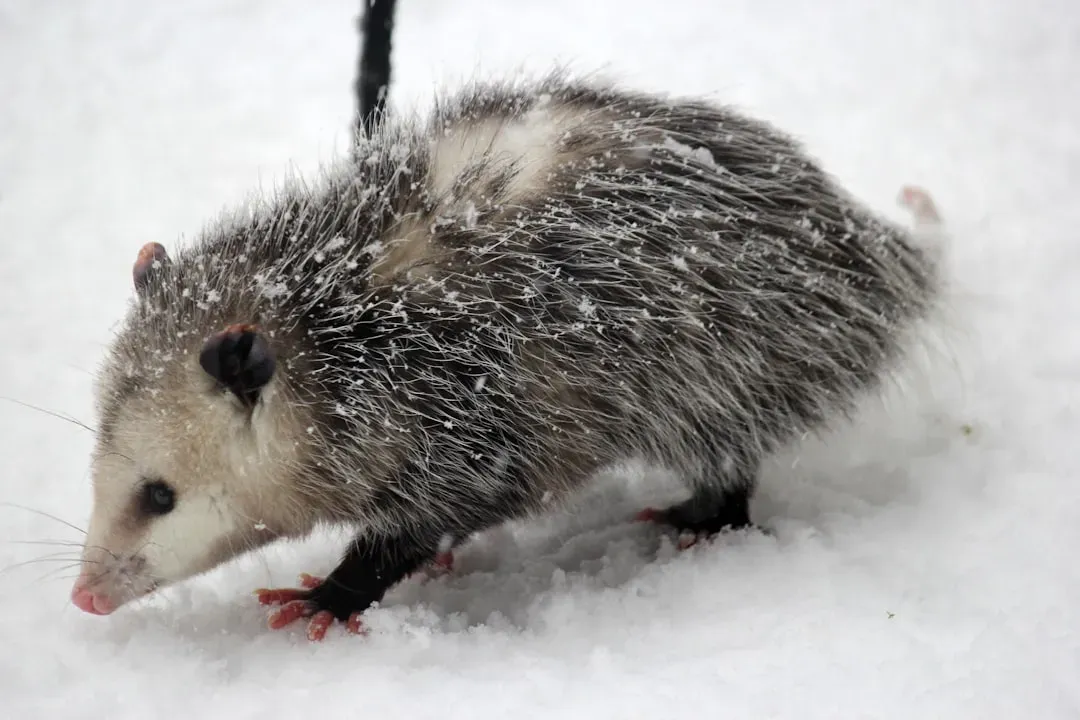
It’s a strange contrast. An animal resistant to snake venom, practically immune to rabies, and capable of outlasting countless predators is still gone within a couple of years. Unlike some other mid-sized mammals that thrive in the presence of humans, opossums don’t have furry, protective tails. In fact, their tails and ears are hairless, making them particularly susceptible to frostbite and even hypothermia. Many opossums bear physical evidence of surviving harsh winters – damaged ears and tails.
It’s a humbling reminder that even nature’s most resilient creatures have their limits. They adapt, they survive, they eat your garden pests, and then they’re gone far too soon.
The Opossum Deserves a Serious Reputation Upgrade
Honestly, the opossum might be the most underrated animal in North America. It’s immune to snake venom that would kill most creatures, it resists one of the most feared viral diseases on the planet, it cleans your yard of ticks and vermin, and it’s been doing all of this since before the dinosaurs disappeared. That’s not a pest. That’s a legend.
We tend to judge animals by their looks, and the opossum draws a short straw in that department. They’re actually smarter, cleaner, and more beneficial to people than many of their woodland comrades. The science backs that up clearly.
So the next time one of these incredible creatures shows up in your backyard, maybe pause before reaching for a broom. You might just be looking at an ancient, venom-resistant, tick-eating, living medical breakthrough. Did you really expect that from the animal you always thought was just the weird one rooting through your trash?

- 14 Signs a Dog Near the Rainbow Bridge Is at Peace With Its Person - July 21, 2026
- 15 Ways a Shelter Animal Tells You It Was Always Meant to Be Yours - July 21, 2026
- 14 Ways a Dog Shows You Are the Center of Its Whole World - July 21, 2026