
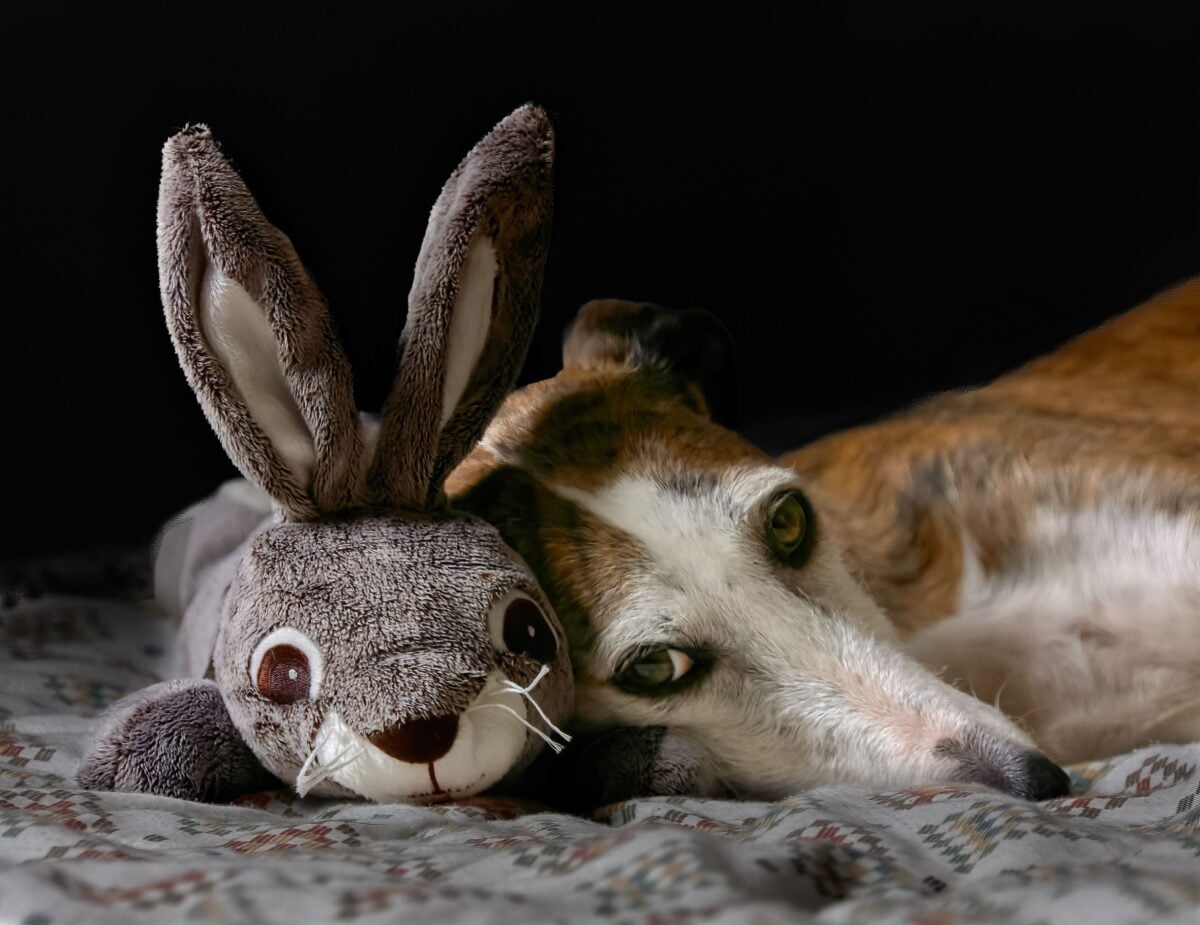
Most people believe there’s only one real sign a dog is nearing the Rainbow Bridge: obvious pain, or refusing to eat. That’s the myth. Veterinarians and hospice specialists say the truth is quieter, stranger, and honestly more comforting than that.
Many dogs tell you they’re at peace long before their final breath – you just have to know what you’re looking at. These small, easy-to-miss moments can reassure you that even in the middle of heartbreak, you haven’t failed them. Here are 14 subtle signs, straight from end-of-life experts and long-time dog guardians, that a dog near the Rainbow Bridge has made peace with the person beside them.
#1 – They Start Choosing Rest Over Everything Else
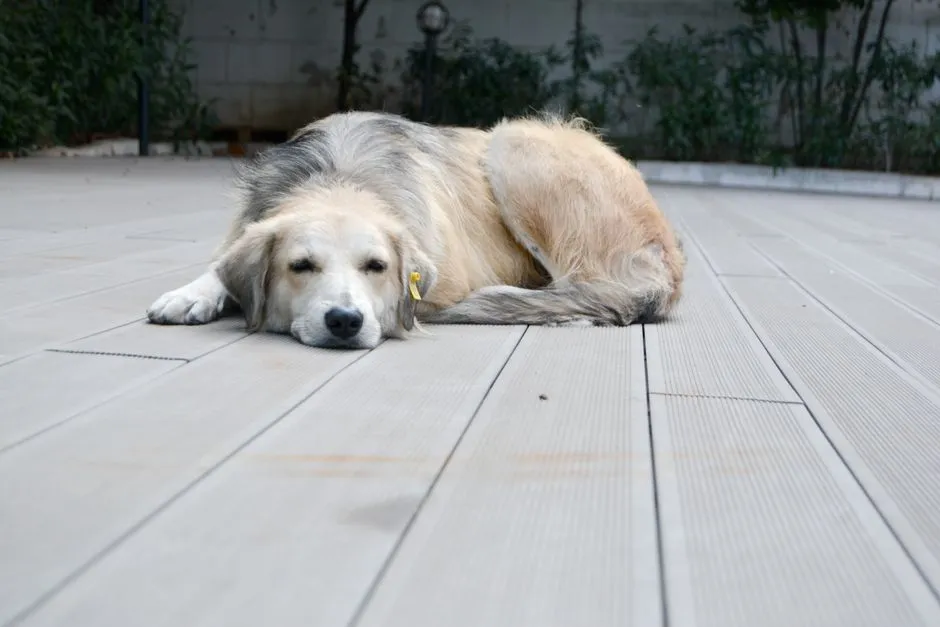
One of the first signs of peace is simple: your dog stops fighting rest. As dogs approach the Rainbow Bridge, many begin to prefer soft, quiet spots over anything that used to excite them – walks, toys, even the front door. This isn’t giving up. It’s their body finally choosing comfort over habit.
Instead of pacing or wandering, a peaceful dog settles more easily and stays settled longer. Their sleep looks deeper, less interrupted by the sounds that used to set them off. Many guardians describe this as their dog finally “exhaling” after years of being on alert. It hurts to watch, but it’s also proof: they’re letting go of the wheel because they trust you’re steering.
#2 – They Gently Drift Closer to You, Not Away
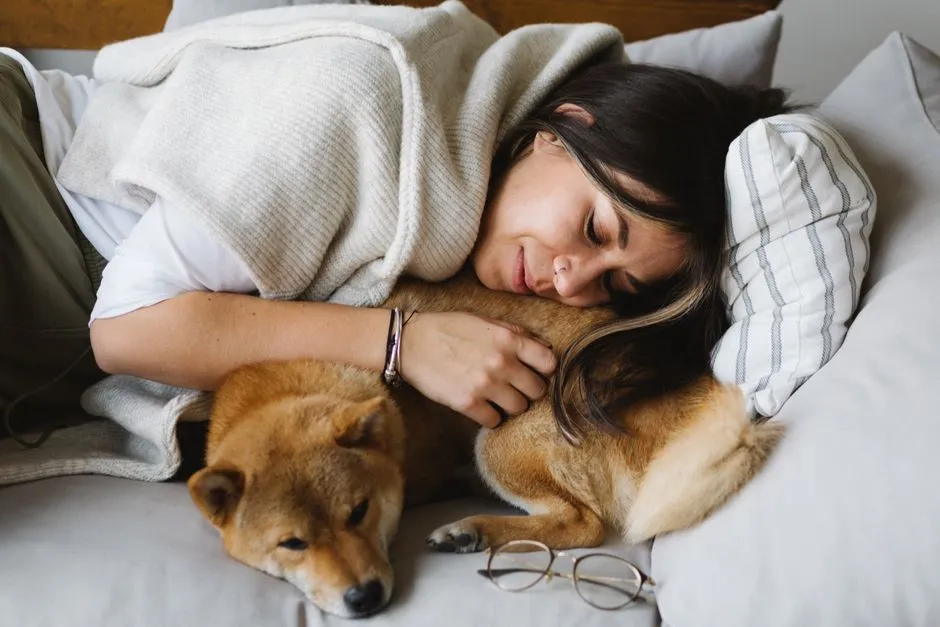
A lot of people fear their dog will “go off alone” to die. Sometimes that happens, but often the opposite is true. Many dogs near the Rainbow Bridge actually choose to be physically closer to their person than ever before – curling at your feet, leaning against your leg, sleeping on your pillow if they can manage it.
You might notice guests, other pets, even favorite people fade into the background. You become the only anchor point that matters. A paw on your foot, a head on your lap, a slow blink from across the room – this is a dog saying, “I know exactly where I belong.” That quiet choosing is one of the clearest signs they’re at peace with you, even while you’re still nowhere close to being at peace with losing them.
#3 – Their Eyes Look Softer, Not Just Older
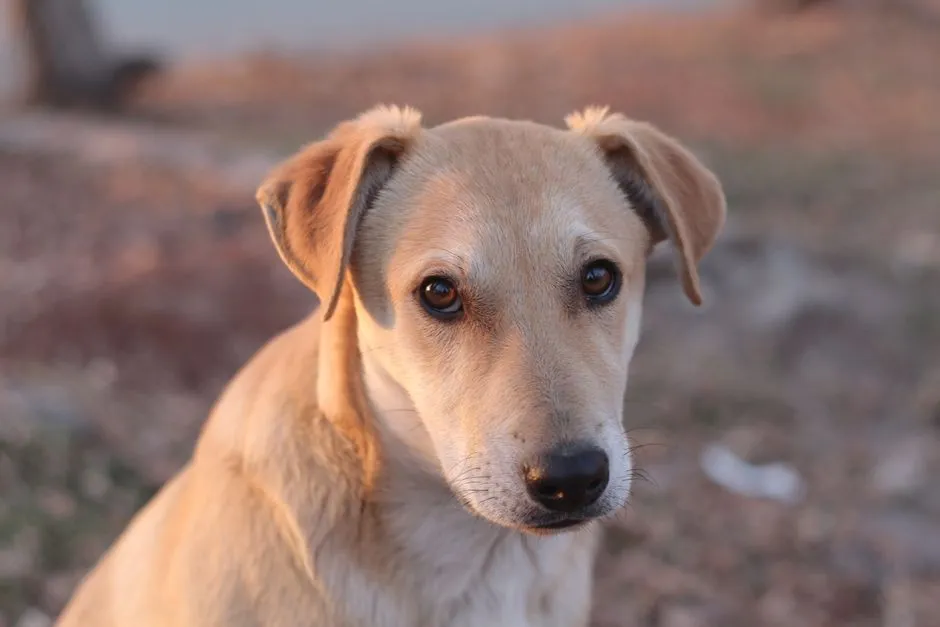
There’s a harsh myth that says you’ll know it’s time when their eyes go dull. It’s not that simple. Many guardians describe a shift from alert, searching eyes to a gaze that’s softer, slower, and strangely calm. The light doesn’t vanish – it changes shape.
Instead of scanning for squirrels or threats, they spend more time just watching you, almost memorizing your face. The difference between suffering and peace often comes down to tension: painful dogs squint and hold their mouths tight, while a peaceful dog’s whole expression loosens, like they’ve made a quiet agreement with what’s coming – as long as you’re there when it does.
Quick Compare
- Pain often looks like: squinting, a tense jaw, pinned-back ears, restless shifting
- Peace often looks like: a soft, steady gaze, a loose jaw, slow blinks, relaxed stillness
- The real tell: tension held in the face and body versus a gentle “melting” into rest
#4 – They Stop Hiding Their Vulnerable Moments From You
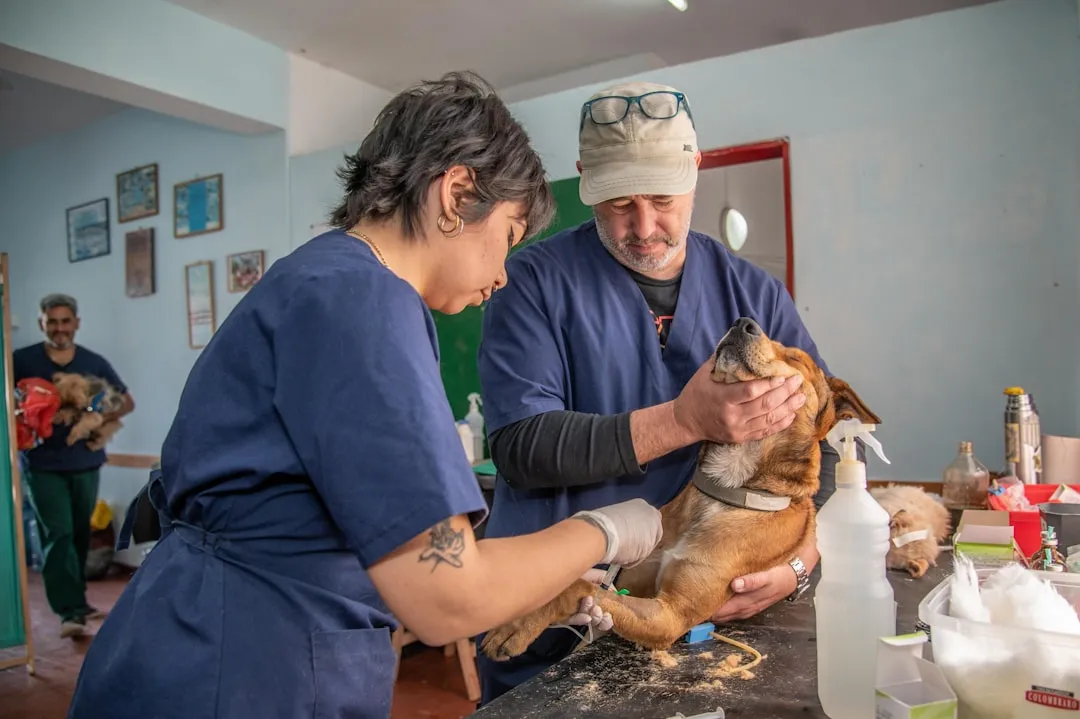
Healthy dogs instinctively mask pain. It’s a survival strategy older than domestication. End-of-life dogs often do the opposite: a dog at peace with their person will let you see them at their weakest without pulling away. They’ll accept help standing, let you clean them, tolerate you checking sore spots they once fiercely guarded.
You may also notice they don’t slink off after an accident or a stumble. Instead of retreating in shame, they look straight at you, as if asking, “Is it okay?” Hospice vets often see this not as neediness, but as a dog who has finally stopped pretending and started leaning into the care they know you’ll give without question.
#5 – Food Matters Less, But Connection Still Lights Them Up
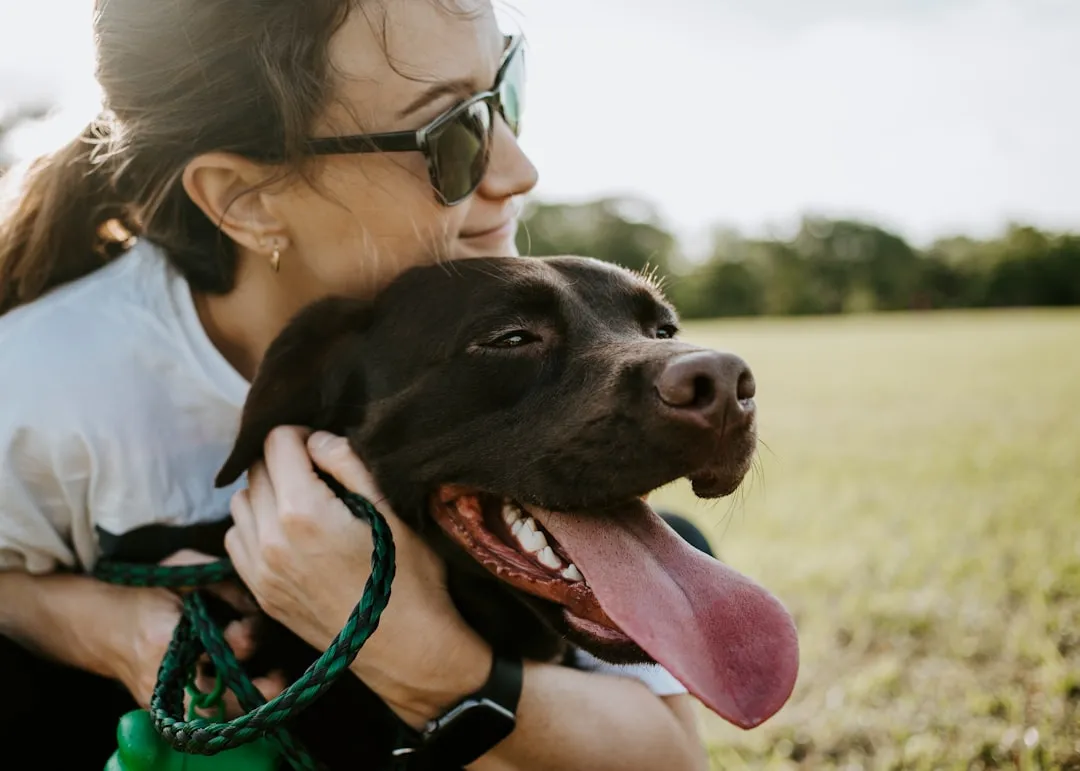
“Once they stop eating, it’s over.” That line does real damage, and it’s simply not true. Appetite is a clue, not a verdict. As dogs near the Rainbow Bridge, their interest in food often drops while their interest in you stays beautifully intact. They might ignore a full bowl yet still lift their head the second you walk in.
They may turn down favorite treats but lean in hard for ear scratches or quiet conversation. Some will still accept tiny “ceremony bites” – a lick of ice cream, a piece of chicken – not because they’re hungry, but because you’re the one offering it. That mismatch isn’t a sign you waited too long. It’s a sign their bond with you is still very much alive, and that bond is what’s carrying them through.
#6 – They Set Their Own Slower Rhythm, and You Learn to Follow It
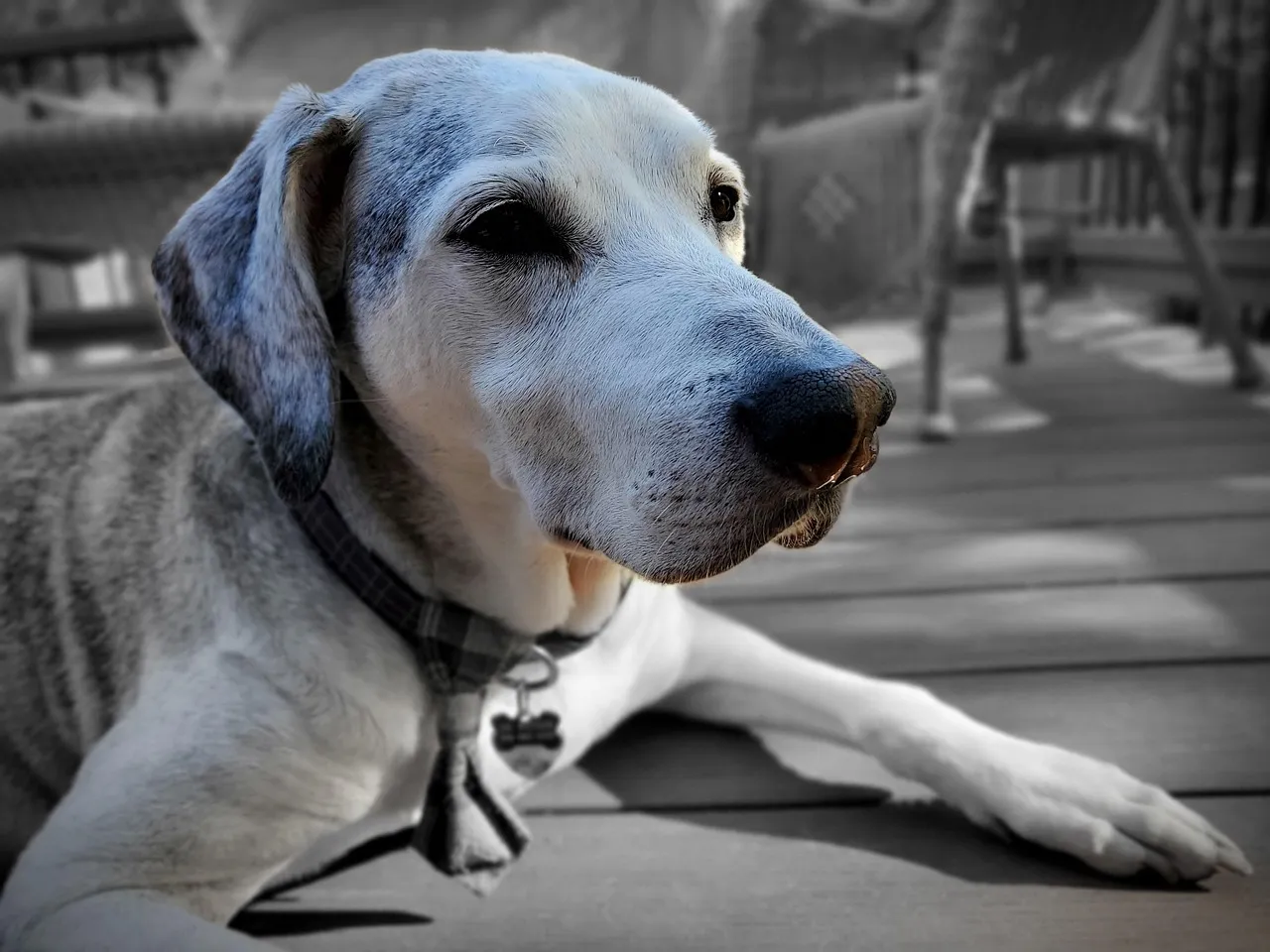
One under-discussed sign of peace: your dog stops fighting their new limits, and so do you. Instead of forcing themselves to keep up, many end-of-life dogs adopt a slower, almost ceremonial pace. Walks become gentle sniff sessions. Play becomes one slow tug and then a long rest.
Here’s the real marker of peace, though: when you start matching that rhythm instead of resenting it. You carry them up the stairs. You shorten the walks. Hospice vets consistently report that dogs allowed to live at their new speed, without pressure to be who they used to be, show far less anxiety near the end. The rules changed – and you changed with them.
#7 – The Panic Fades, Even If the Sadness Doesn’t
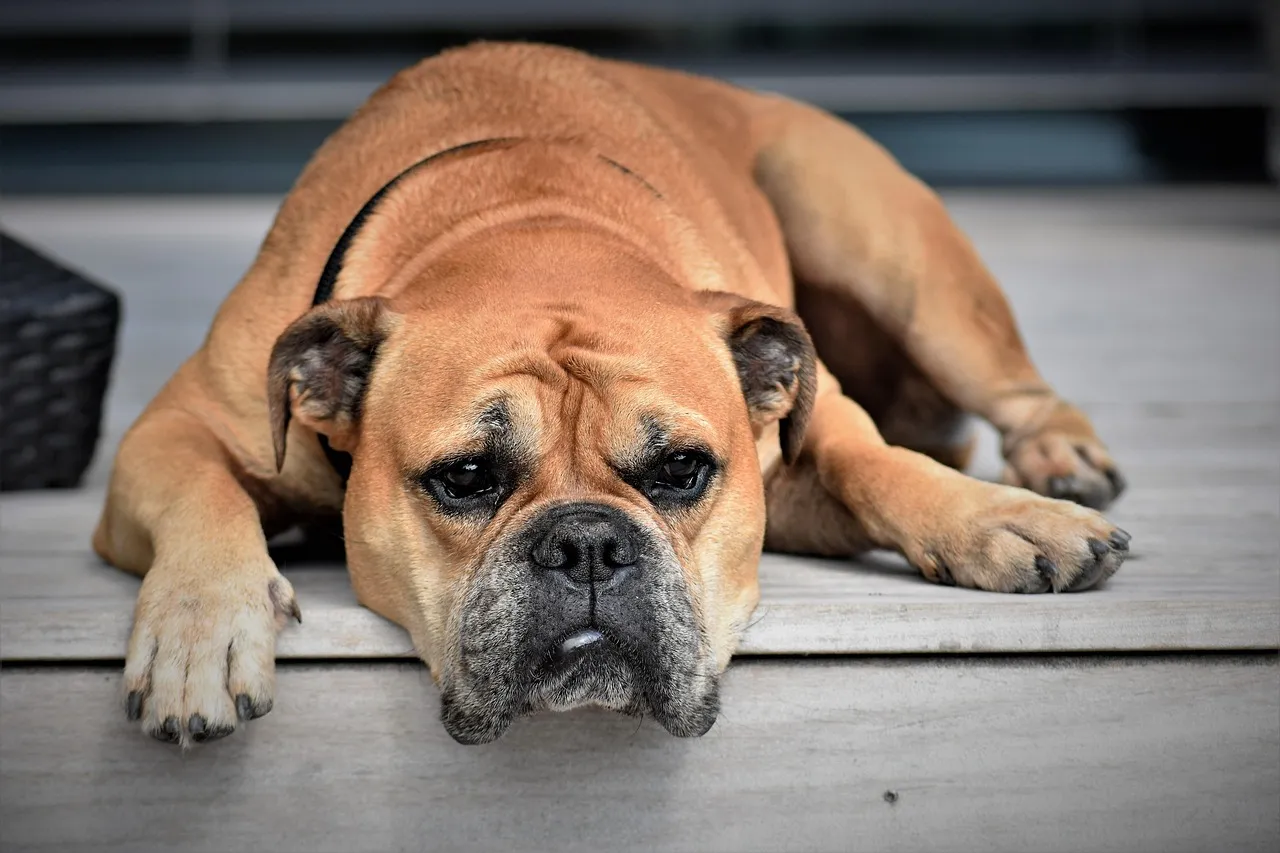
Not every dog dies in visible distress. In fact, many don’t. There’s often a middle phase, once pain is managed and symptoms controlled, where you’ll see panic, pacing, or restlessness slowly disappear. Nights get calmer. They stop bolting up at every sound.
Let’s be honest, though: sadness can still be there, and that’s brutal to witness. But a dog who can lie down, breathe evenly, accept touch, and fall asleep near you is not living in fear of what’s coming. That easing of urgent distress is one of the strongest signs they feel held, not abandoned, through the process.
Fast Facts
- Calmer nights with fewer sudden startles or pacing episodes
- Steadier, more even breathing at rest
- Willingness to be touched or held without flinching
- Longer stretches of uninterrupted sleep near their person
#8 – They Still Respond When You Reach for Them
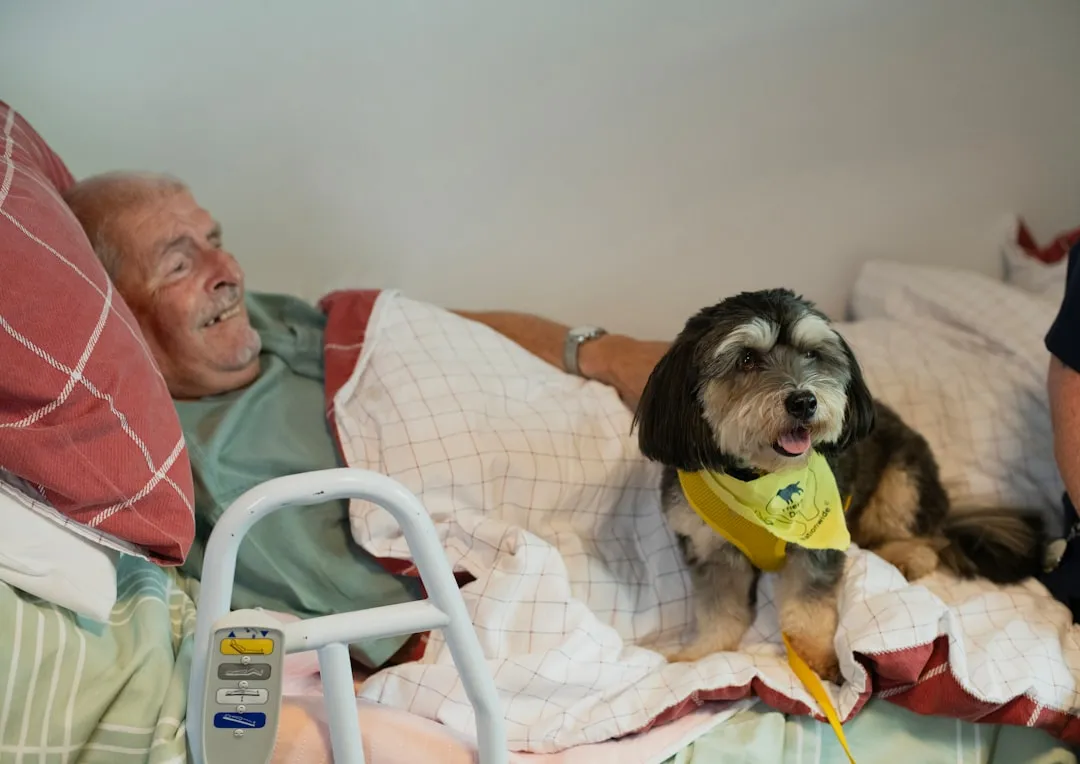
A lot of people obsess over whether their dog “knows” they’re loved at the end. Their behavior usually answers that question. Even when energy is almost gone, many dogs make small but unmistakable efforts to respond to your voice or touch – a tail tip twitch, a slow head turn, an ear flick at the sound of your footsteps.
To outsiders, it might look like nothing. To the person who knows that dog, it’s everything. Some dogs will even rally for a weak final greeting when you walk through the door, saving their last little bursts of attention for you alone. That selective response – choosing you when they barely have anything left to give – is one of the clearest signs of trust right up to the edge of the Rainbow Bridge.
#9 – They Let Go of Old Anxieties Around You
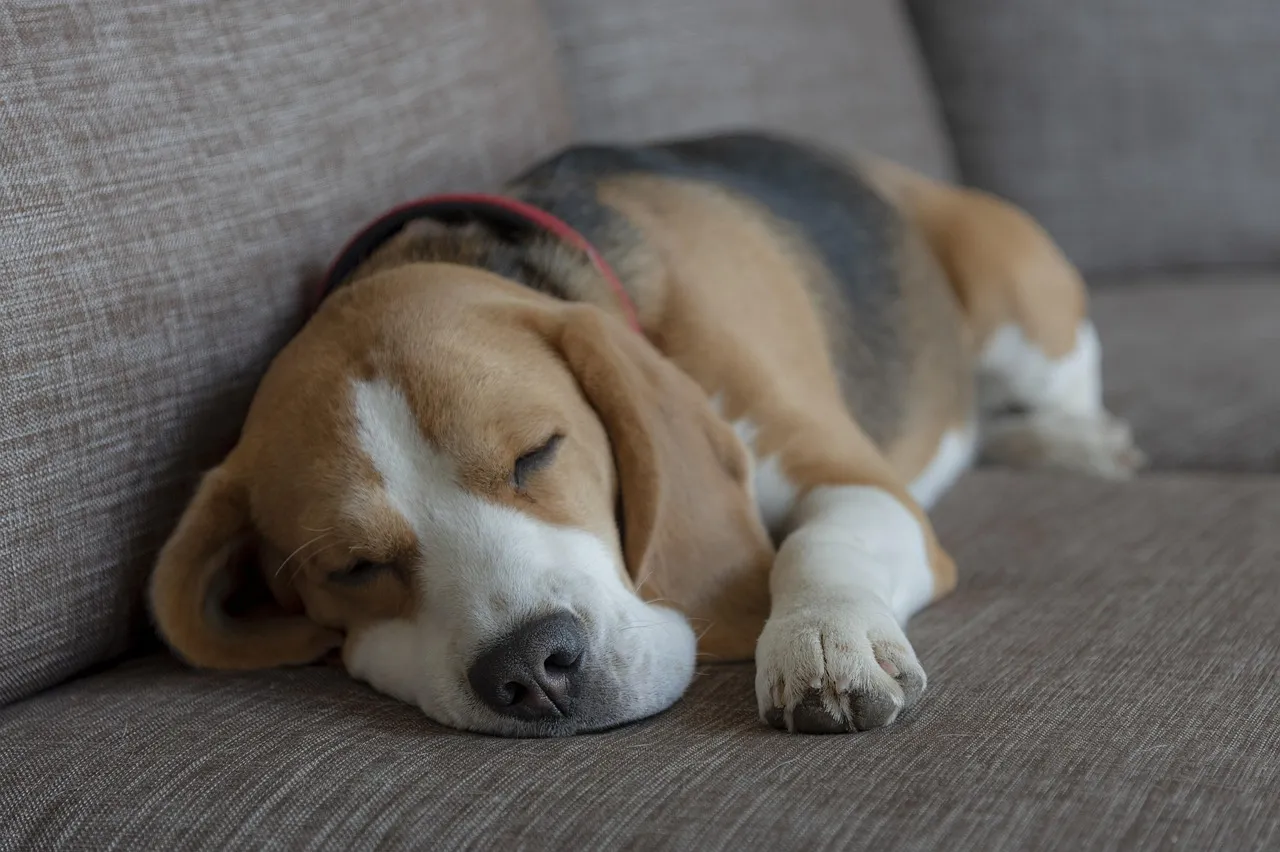
This one surprises a lot of long-time dog people. Dogs with noise phobias, separation anxiety, or reactivity sometimes show a late-in-life softening of those sharp edges when they’re closely bonded to their person. The dog who used to shake at thunderstorms may now just lift their head, notice the sound, and go back to sleep at your feet.
Some guardians panic when they see this, assuming their dog has “checked out.” Often it’s the opposite: their nervous system is simply too tired to stay on high alert, and your constant, predictable presence works like a weighted blanket. It’s a deep exhale after years of being wired tight – proof that, at least with you, they finally feel safe enough to stop scanning for danger.
#10 – They Accept Gentle Help Without Resisting
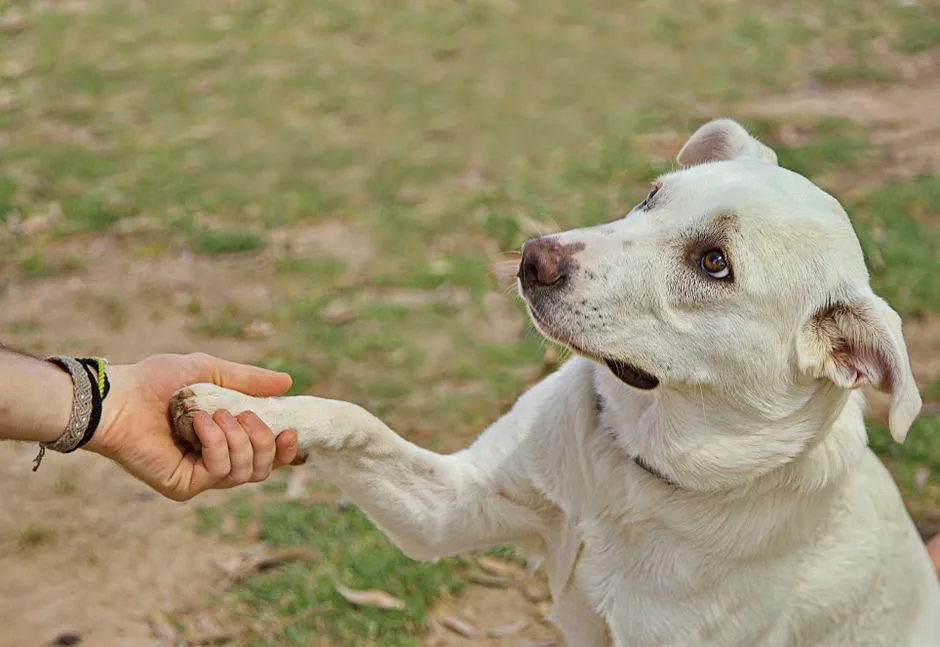
Independent dogs are often the hardest for guardians to read, and then something quiet changes. The dog who once yanked their paw away during nail trims or insisted on jumping into the car alone may begin to allow, and sometimes even invite, your help. They lean into your hands as you lift them instead of stiffening.
That cooperation isn’t just exhaustion. It’s surrender rooted in trust. A peaceful end-of-life dog often moves from “I’ll handle it” to “We’ll handle it,” which is quietly profound. Yes, it’s heartbreaking to watch your once-invincible dog need this much help. But that acceptance means they believe you’ll keep their dignity intact, even when their body no longer can.
#11 – They Choose Familiar Comforts Over Novelty
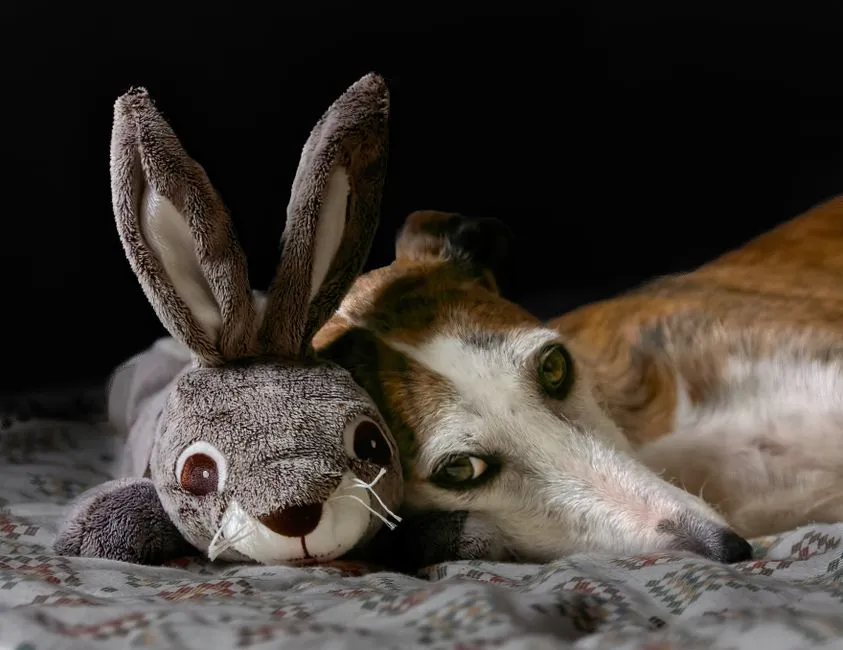
For most of their life, many dogs chase new things – new routes, new toys, new smells. Near the Rainbow Bridge, that flips hard. You’ll notice they gravitate toward what’s familiar and drop interest in nearly everything else: their old torn toy over a new one, your worn t-shirt over a fancy dog bed.
This isn’t depression by default. In hospice care, comfort is a valid priority. Their world gently shrinks down to a few safe anchors, and you’re almost always the main one. When they can fully relax into those familiar routines, it’s a strong signal they’ve stopped mentally fighting the process and are settling into a small, steady circle of peace that looks a lot like home.
Worth Knowing
- Old, worn toys often bring more comfort than anything new
- A familiar blanket or your worn clothing can soothe more than a plush dog bed
- Same room, same schedule, same voice – predictability eases anxiety
- A “shrinking world” isn’t always decline; it’s often contentment
#12 – They Have Brief, Clear “Good” Moments Between the Hard Ones

This is one of the most argued-about realities in dog hospice care. People fight about it constantly online: “If they can still wag, it’s not time!” versus “Any wag is just adrenaline!” The truth sits somewhere in the middle. Many hospice vets point out that dogs near the Rainbow Bridge often show short, genuine windows of comfort in between the tough stretches.
A tail wag at the sound of their name. A calm car ride with their head out the window one last time. These good moments don’t erase the illness sitting beside them – they just prove it hasn’t taken everything yet. A dog at peace with their person spends whatever energy is left on two things: small pleasures, and you.
#13 – They Seem to Wait for You, and Relax the Moment You Arrive
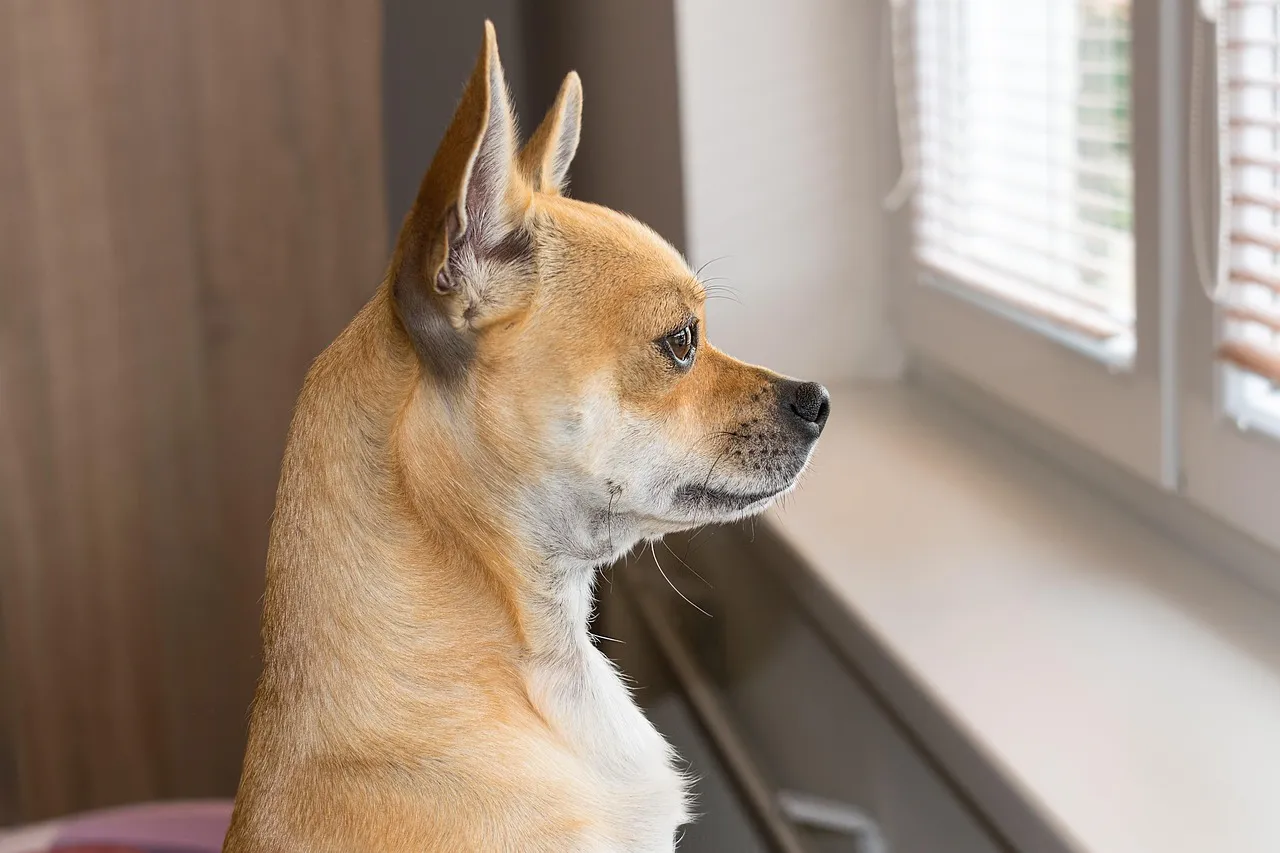
Not everyone believes this, but enough people have lived through it that it’s hard to dismiss. Countless guardians report their dog appeared to wait for them before letting go. The dog had been restless or struggling, and then the person finally got home, sat down, and everything softened.
“Dogs are not our whole life, but they make our lives whole.”
Roger Caras
Veterinary teams see this pattern too – the anxious dog in the exam room who calms the second their person walks back in, trembling stopping the instant they’re gathered into a familiar lap. Call it coincidence if you want. Or call it the final proof of an attachment that’s been building since the day you brought them home.
#14 – They Leave You With a Strange, Quiet Certainty
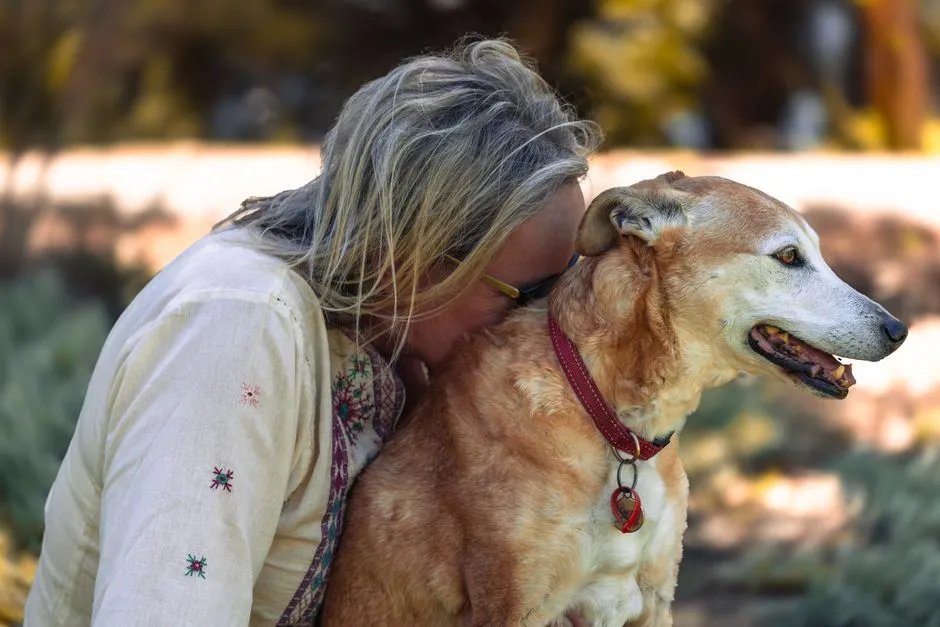
This is the part nobody talks about until they’ve lived it. After all the torment of “Is it time?” and the nights spent second-guessing every decision, many people describe a surprising sense of rightness in the hours after their dog passes. Not because they’re glad. Because something in them knows their dog wasn’t fighting them.
In grief counseling, this is considered one of the biggest markers that a dog was at peace with their person: the guardian is shattered, but not haunted by doubt. You remember soft eyes and leaning bodies instead of panic. Your mind doesn’t scream “I betrayed them.” It whispers, “We did this together.” That doesn’t erase the pain. It just makes the pain feel clean.
The Bottom Line
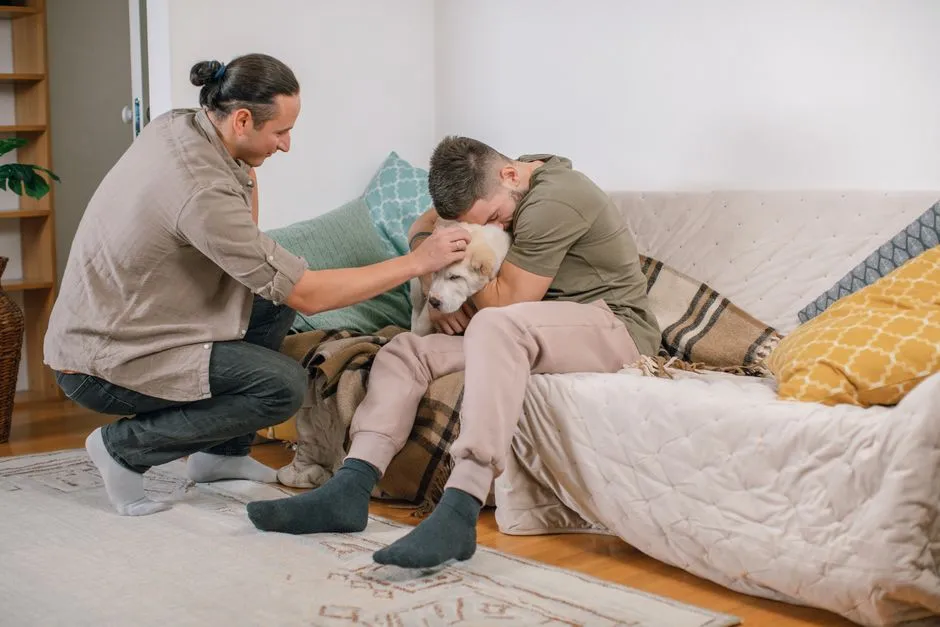
The hardest truth here is also the most comforting one: most dogs don’t measure their final days by pain charts or perfect timing. They measure them by whether their person stayed present, gentle, and honest. A dog who seeks your touch, settles in your presence, and softens instead of panicking is telling you something loud and clear – they are not at war with you or with their own body anymore.
People online love arguing about the “exact right moment.” In real life, it’s messier and far more human than that. If you recognize even a few of these signs in your own dog, you’re probably doing a better job than you’ll ever give yourself credit for. The bond didn’t break. It just changed shape, and it’s still carrying both of you.
At a Glance
- Closer physical contact, not distance, is a common late-stage sign of trust
- Softer eyes and a relaxed jaw often replace the tension of pain
- Brief “good moments” don’t cancel out peace – they confirm it
- A calm goodbye is often remembered without guilt, not without grief
