
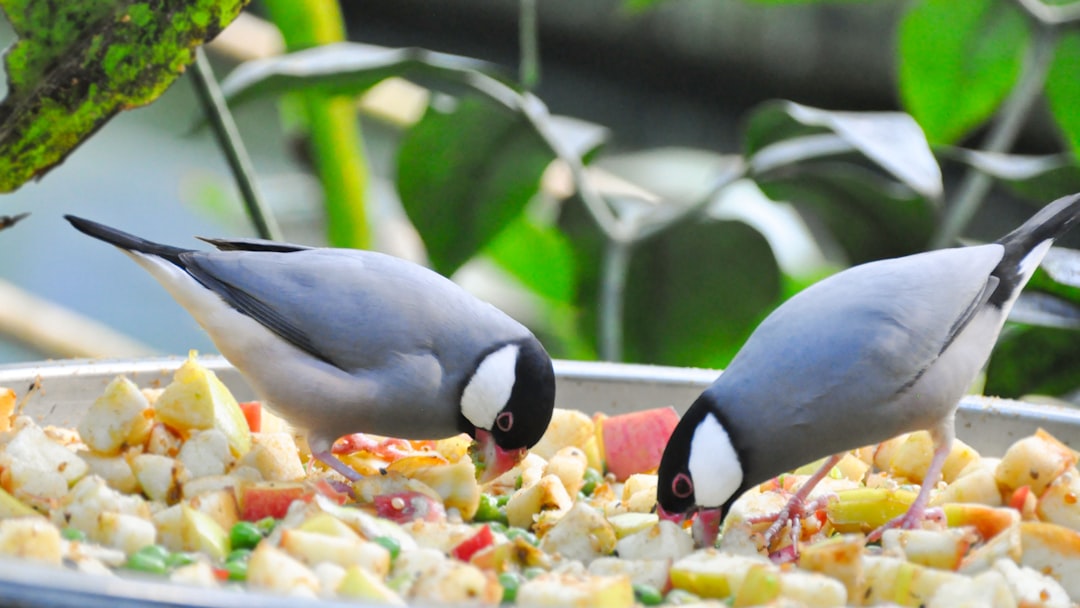
Birds are remarkable creatures. Intelligent, sensitive, and in many cases deeply bonded to the people who care for them, they demand a level of awareness that most people simply don’t anticipate when they first bring one home. A parrot can outlive a dog. A small finch can sense airborne dangers that remain completely invisible to human senses. Yet despite this, birds are consistently underestimated.
What makes bird ownership genuinely different from keeping other pets is how easily harm can be caused by things that seem entirely ordinary. A frying pan. A bowl of guacamole. A cigarette smoked in another room. This list covers ten of the most important , whether you’re a first-time owner or someone who’s had birds for years. Some of these may surprise you.
#1: Never Cook with Non-Stick Cookware Around Them
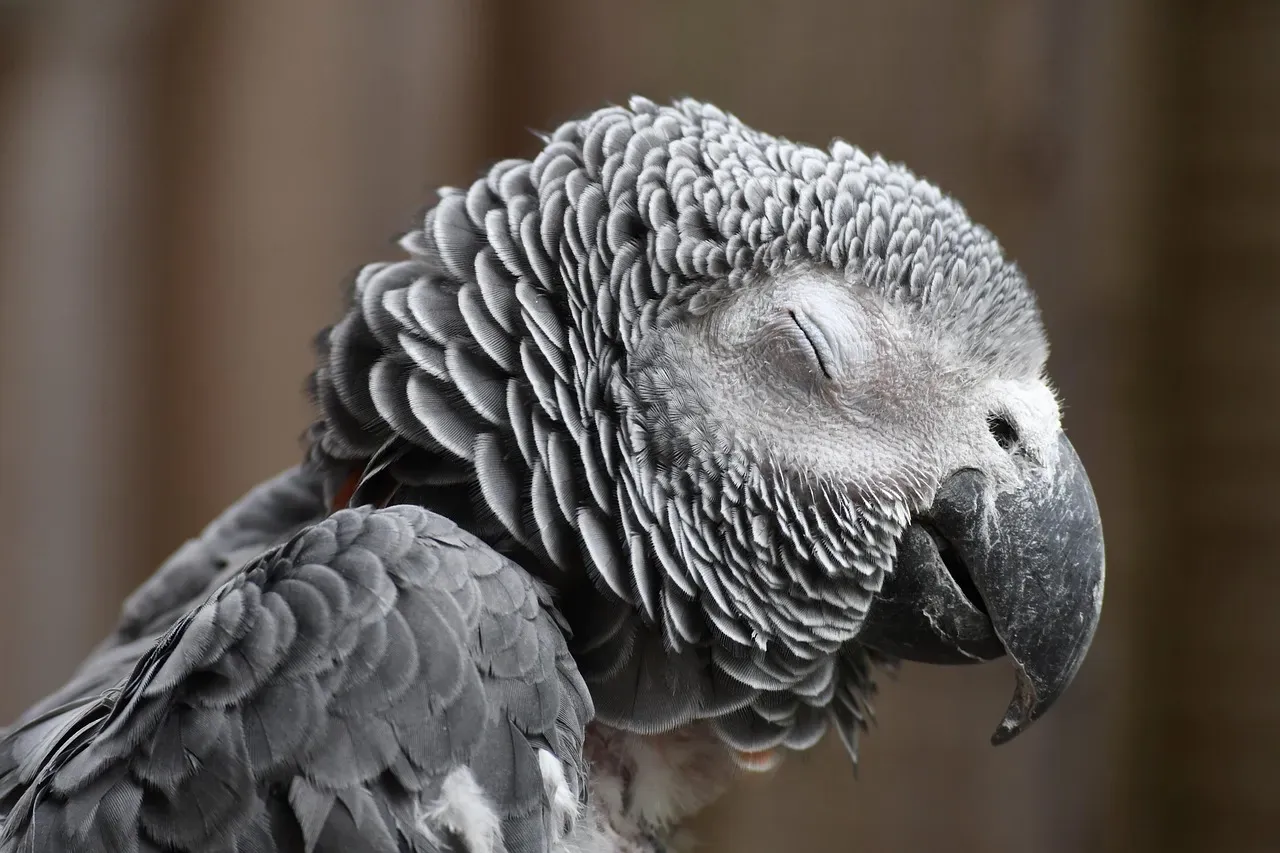
This one sits at the top of the list for a reason. Polytetrafluoroethylene, better known by the brand name Teflon, is used as a non-stick coating on cookware, and when heated to high temperatures it releases toxic particles and acidic gases that are lethal when inhaled. These gases are colorless and odorless, meaning owners are often completely unaware their bird has been exposed.
Symptoms of PTFE toxicity include severe respiratory distress, including open-mouthed breathing, tail bobbing, and raspy breathing, followed by coma and birds dropping off their perches. PTFE toxicity is typically fatal, rarely giving owners time to get their birds examined or treated for the poisoning.
Birds do not even have to be in the same room where items containing PTFE are used for poisoning to occur. For bird owners, the key phrase to look for when buying cookware is PTFE-free, not just PFOA-free. Switching to stainless steel or cast iron is the safest practical choice.
#2: Never Feed Them Avocado
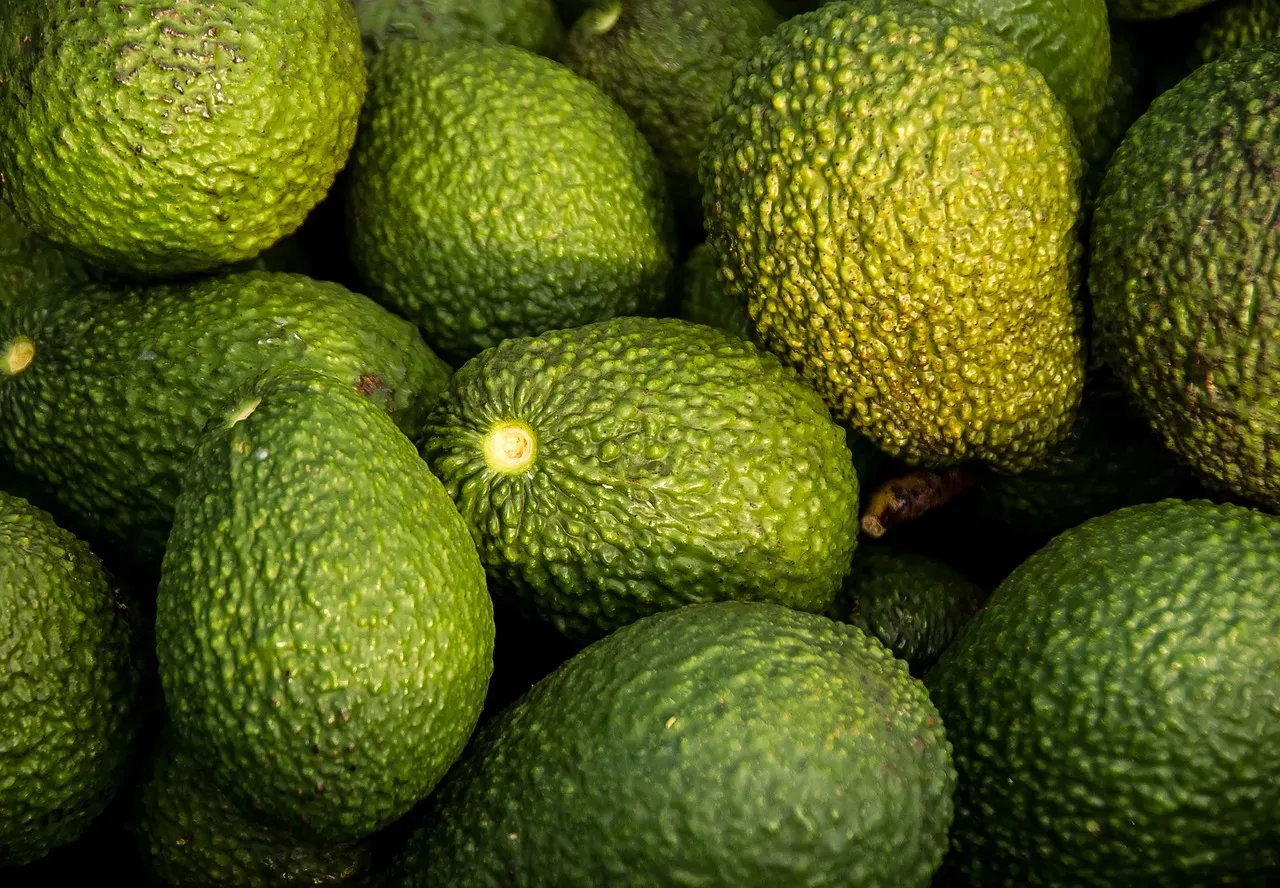
Avocado leaves, fruit, stems, bark, and seeds are all highly toxic to birds. The specific toxin in avocado is called persin, and it causes heart conditions, respiratory distress, and death. This applies to the whole plant, not just the fruit itself, which catches many well-meaning owners off guard.
Clinical signs like respiratory distress usually develop twelve hours after ingestion, and death can occur within one to two days. It is also unclear how much avocado a pet bird would have to eat to be affected, which is exactly why it’s best to simply avoid feeding avocado and avocado-containing foods like guacamole entirely. There’s no safe dose to test.
#3: Never Smoke Around Them
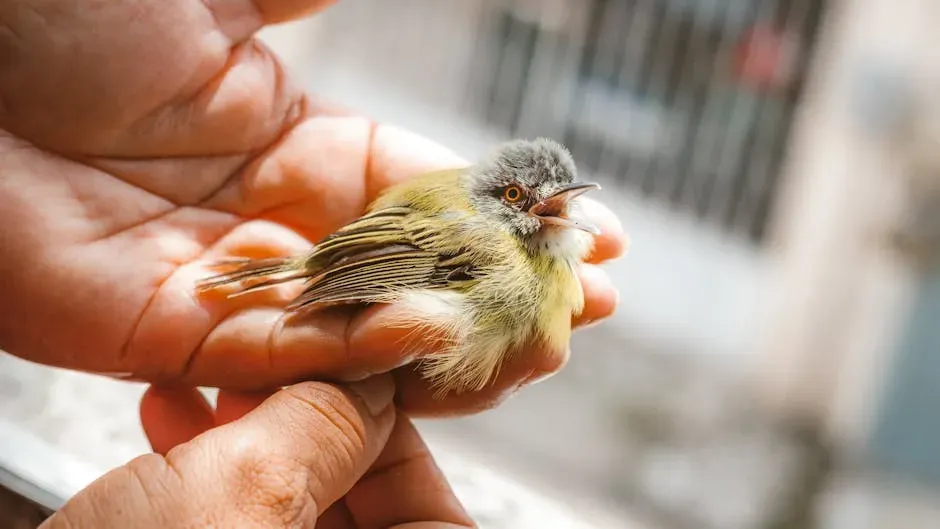
Exposure to secondhand smoke can have particularly severe effects on pet birds compared to other animals. A smoke-filled environment can lead to pneumonia, secondary bacterial infections, conjunctivitis, and can even cause certain cancers. Their respiratory systems are simply not equipped to handle it.
Birds can get sick not only from breathing in smoke but also from ingesting nicotine off smokers’ hands or clothing. Birds perching on a nicotine-coated hand can end up with irritated feet, beaks, and mouths. Birds whose feet are irritated by nicotine may chew on their toes until they bleed. They may also ingest nicotine when they preen feathers on which secondhand smoke has landed. Even smokers who smoke nowhere near their birds have nicotine and other chemicals deposited on their clothes that birds can pick up when perching on them.
#4: Never Feed Them Chocolate or Caffeine

Chocolate contains theobromine and caffeine, both classified as methylxanthines, which can cause hyperactivity, increased heart rate, tremors, possibly seizures, and potentially death when ingested at a toxic dose. As a general rule, the darker and more bitter the chocolate, the more potentially toxic it is.
Even a sip or two of caffeinated beverages can be toxic to birds. Caffeine can increase heart rate, induce arrhythmias and hyperactivity, and even cause cardiac arrest. It’s easy to dismiss a small sip as harmless, but a bird’s metabolism operates on an entirely different scale to ours. What’s a minor stimulant for a human can be a cardiac event for a bird.
#5: Never Expose Them to Aerosol Sprays or Chemical Fumes
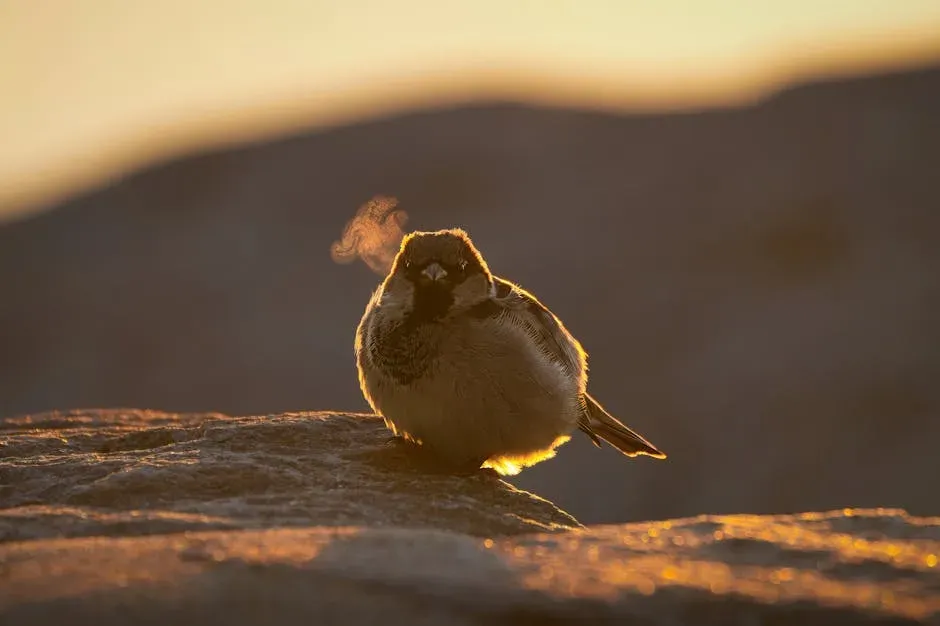
Smoking is unhealthy enough for people, but it’s even worse for birds, whose airways actually inhale and exhale simultaneously with every breath and who are extremely sensitive to smoke and other aerosols. Spray cleaners, hair spray, perfumes, incense, and even candle fumes can irritate birds’ lungs and air sacs.
One of the most common toxins threatening pet birds is insecticides sprayed in the home. These should not be sprayed near cages or perches, or in areas where a bird’s food is stored. Other dangerous chemicals include ammonia, bleach, oven cleaner, glues, nail polish remover, paint, and perfumes. The rule is simple: if it’s a spray, keep the birds completely away from it.
#6: Never Let Them Near Cats, Dogs, or Other Predators Unsupervised
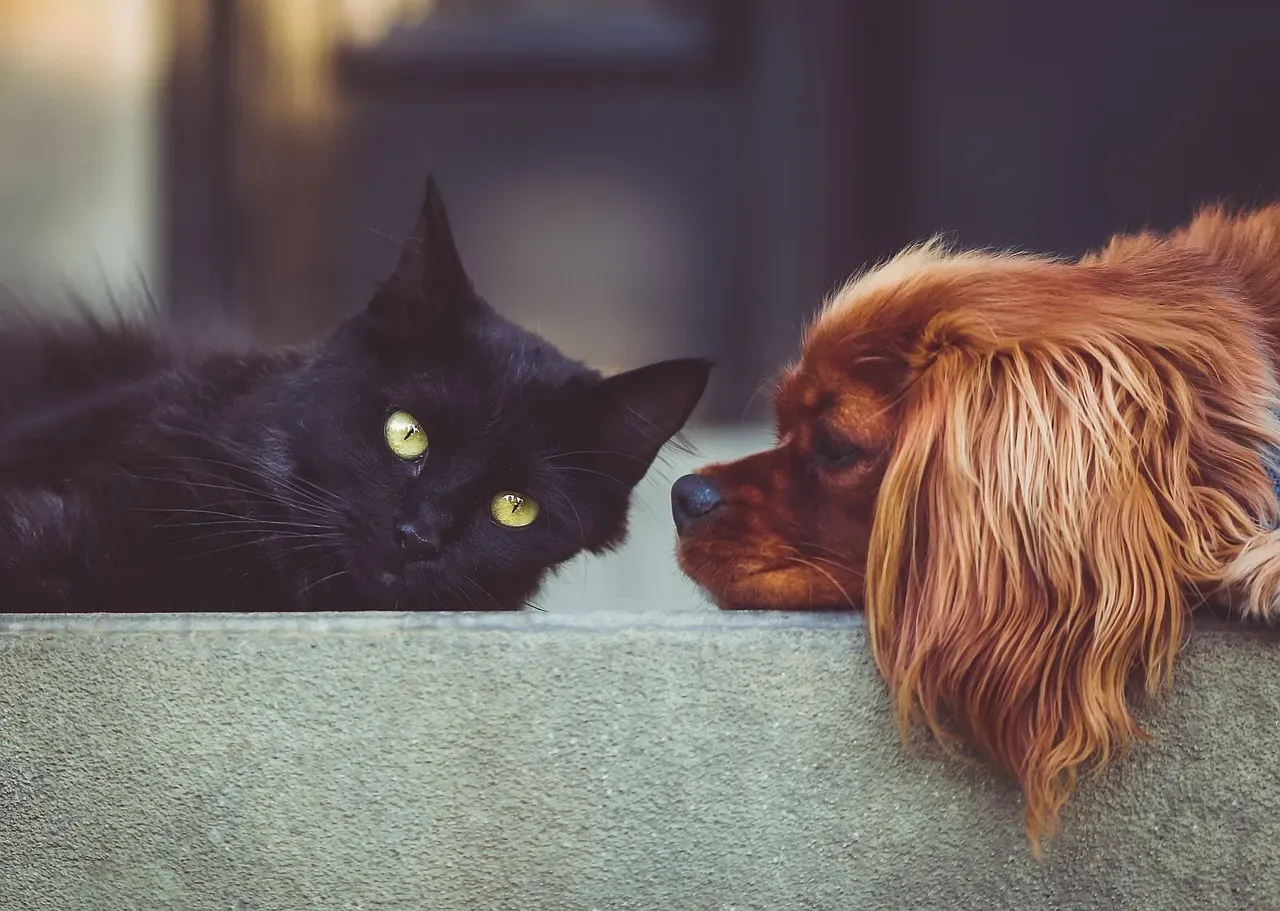
Cats and dogs are natural predators, and birds are natural prey. Dogs and cats instinctually want to run after and catch a flying or moving bird, and often go after them with their mouths and claws. Teeth and nails can easily puncture a bird’s skin, and the force of jaws grasping a bird is often enough to injure or kill it.
The bacteria and other germs inside a cat’s or dog’s mouth are foreign to a bird and, if introduced through a wound, can lead to serious and often fatal infections. Even a well-intentioned cat or dog who merely wants to pick up the bird and play with it can cause serious injury. Dogs, cats, and birds should never be allowed to play together unsupervised and should never be trusted together, no matter how docile they seem.
#7: Never Feed Them Onions, Garlic, or Salty Foods
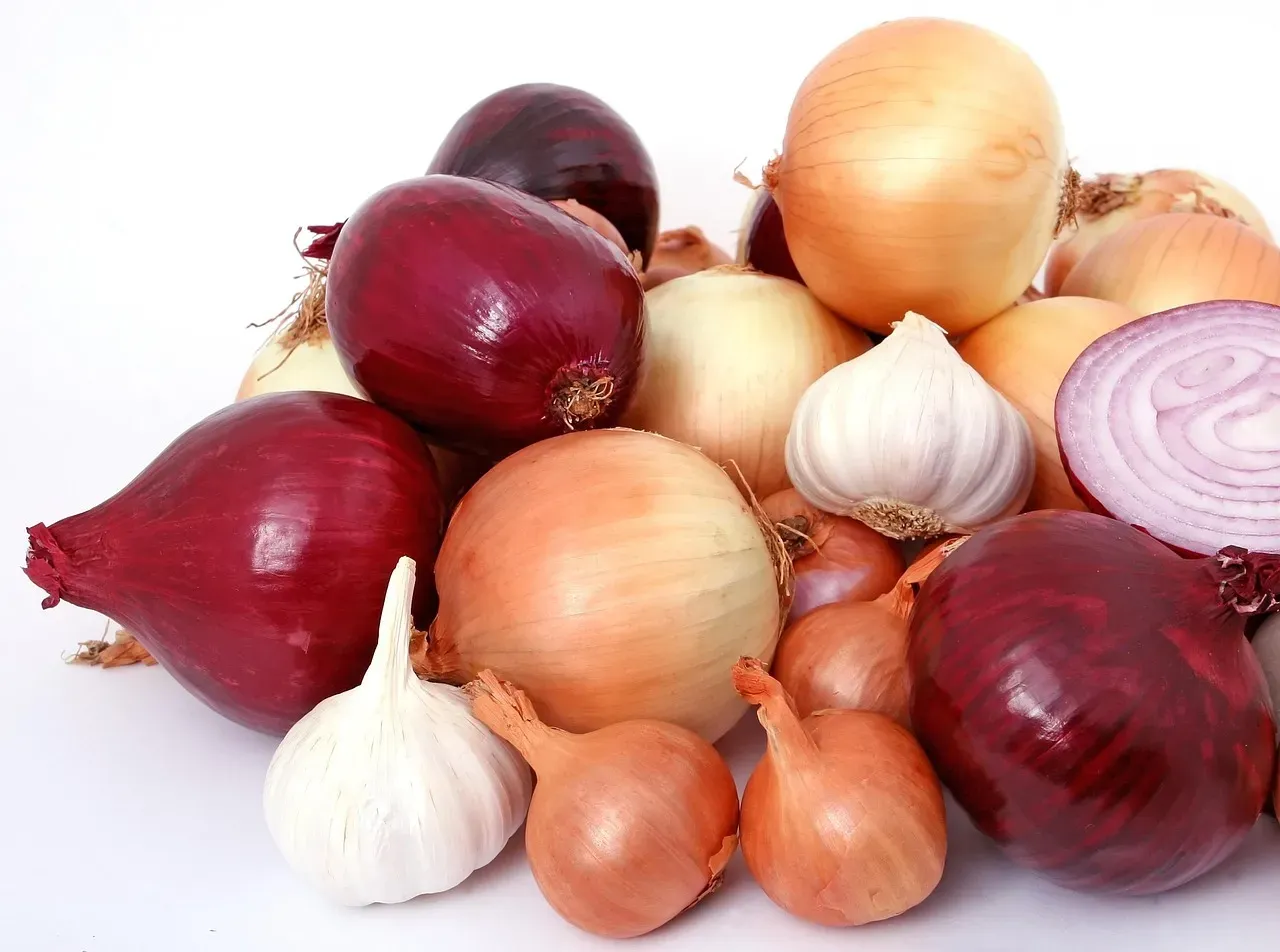
Onions contain sulfur compounds that, when chewed, can irritate the lining of a bird’s mouth, esophagus, or crop, causing ulcers, and can induce rupture of red blood cells resulting in anemia. Garlic contains allicin, another chemical that can cause anemia and weakness in birds. These are kitchen staples that many people assume are as harmless for birds as they are for humans.
For a small bird, a few chips or pretzels can contain potentially toxic amounts of salt that can upset their electrolyte balance, leading to excessive thirst, dehydration, kidney dysfunction, and even death. Onion powder found in processed foods is especially dangerous because it’s far more concentrated than raw onion. Reading ingredient labels before sharing any human food is simply non-negotiable.
#8: Never Leave Them Isolated Without Enrichment or Interaction
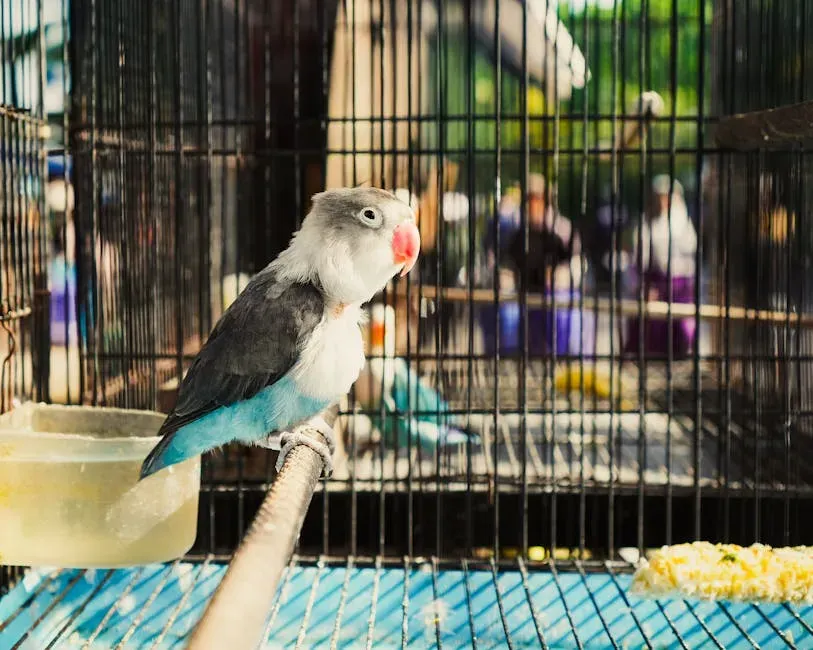
Birds are flock animals wired for connection to a partner or a group, and social isolation is psychologically damaging to them. To thrive, birds need the freedom to carry out their normal behaviors. In the wild, birds spend roughly ninety percent of the day foraging. That context matters enormously when thinking about what life inside a barren cage actually feels like to them.
Captive environments often lack the stimulation and variety that birds would encounter in the wild. A barren cage with few toys or perches fails to engage a bird’s natural curiosity and problem-solving abilities. This lack of enrichment can lead to boredom and stress, as birds have little to occupy their intelligent minds. All pet birds need supervised out-of-cage time every day, with two to four hours being ideal.
#9: Never Allow a Bird to Roam Unsupervised in Unsafe Spaces
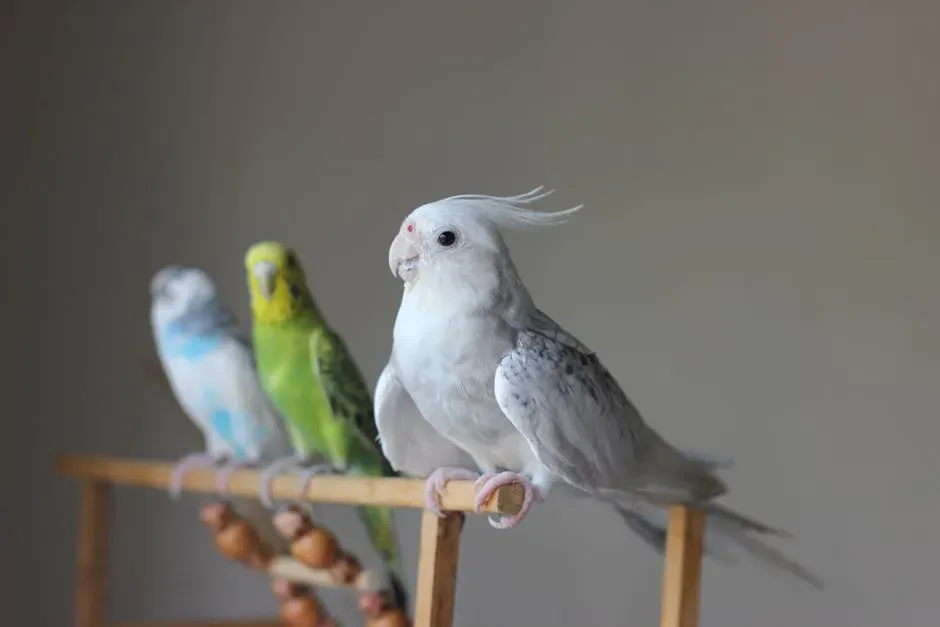
Pet birds can fly out of open windows and doors or directly into mirrors and ceiling fans. If they land on top of doors without their owner’s knowledge, they can be crushed when the door is shut. They can fly into hot foods and liquids like coffee, tea, and soup, or into open flames. They can also land on the floor and be inadvertently stepped on, or fall into open toilet bowls and drown.
Ceiling fans pose a real danger to flying birds, with serious injuries and even deaths occurring when birds fly into them. Birds also tend to be nervous about things moving above them, so a ceiling fan running near their cage can cause ongoing stress. Before letting a bird out to fly freely, a proper room-by-room check is not being overly cautious. It’s just good ownership.
#10: Never Share Food Directly from Your Mouth
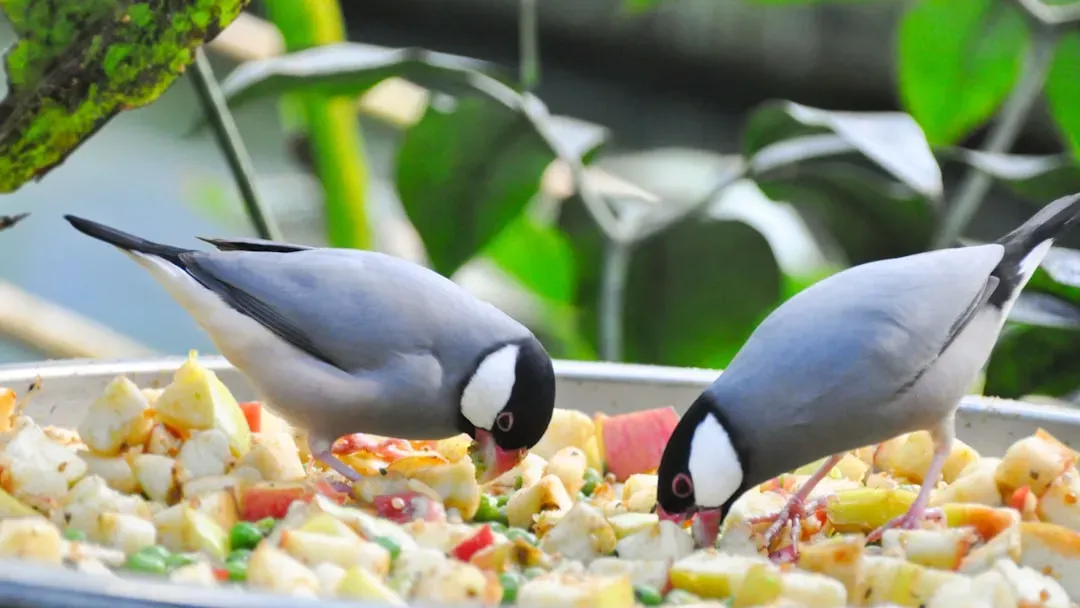
Many of the bacteria in humans’ mouths can cause serious, potentially life-threatening infections in birds. Bird owners should never share food from their mouths with their pet birds and should be careful about using utensils that have been in their own mouths to cut food for their birds. It might feel like a natural bonding gesture, especially when a bird begs for a bite, but the risk is real.
While birds feed each other in the wild by regurgitating food to share, this is not something pet owners should replicate, as humans have bacteria, yeast, and other organisms in their mouths that are not found in birds and that can cause serious infections. When offering fruits with seeds like apples or pears, and pits like cherries or apricots, birds should never be allowed to eat the seeds or pits, as they contain small amounts of cardio-toxic cyanide. Every time we share food with a bird, we carry more responsibility than we might realize.
Caring for a Bird Means Understanding What It Can’t Tell You
Birds don’t show illness the way dogs or cats do. In the wild, showing weakness is a survival risk, so many birds mask symptoms until they’re in serious trouble. That instinct doesn’t disappear in captivity. By the time something looks wrong, it often already has been for a while.
The ten things on this list aren’t edge-case disasters. They’re situations that happen in ordinary homes, often with owners who genuinely love their birds and simply didn’t know. The good news is that almost every single one of these risks is preventable with information and a bit of adjustment to daily habits.
Caring well for a bird is less about grand gestures and more about quietly removing the dangers that were hiding in plain sight all along. That’s the part of bird ownership nobody puts on the packaging, but it matters more than almost anything else.
