
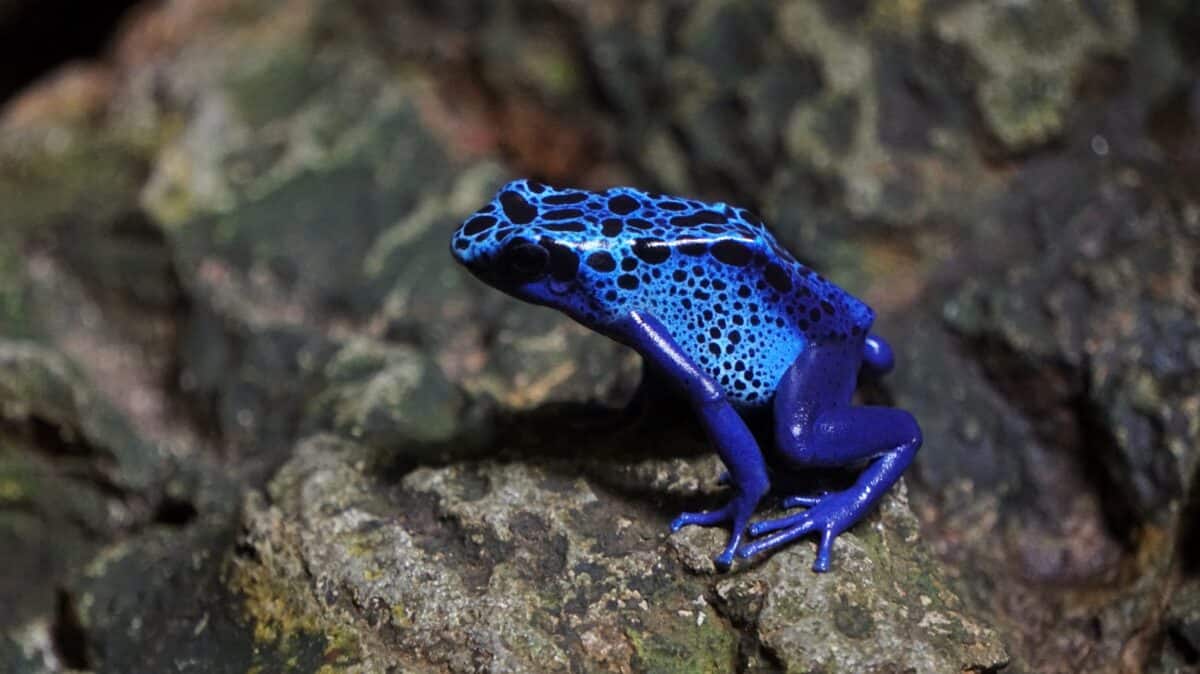
When we think about dangerous animals, towering predators like lions or bears might come to mind. However, some of the most lethal creatures on Earth are surprisingly small and often underestimated. These seemingly innocuous animals have evolved unique adaptations that make them incredibly deadly. In this article, we’ll explore ten tiny animals whose size belies their lethal capabilities. Prepare to be amazed by the power packed into these miniature bodies.
The Box Jellyfish

Despite its delicate, ethereal appearance, the box jellyfish is one of the most venomous creatures in the sea. Found primarily in the warm coastal waters of the Indo-Pacific region, its tentacles contain nematocysts loaded with toxins that can cause heart failure, paralysis, and even death in minutes. Its near-transparent body makes it easy to overlook, leading to unintentional and often dangerous encounters.
The Golden Poison Dart Frog

Not much larger than a paperclip, the golden poison dart frog carries enough toxin to kill ten adult men. Indigenous cultures have utilized its potent venom to coat the tips of blow-darts for hunting. Found only in the rainforests of Colombia, this small amphibian’s bright coloration serves as a warning to potential predators, advertising its lethal capabilities.
The Cone Snail

The cone snail may move at a snail’s pace, but its venom is swift and lethal. Found in tropical and subtropical waters, this small mollusk hunts by spearing prey with a harpoon-like tooth loaded with a potent toxin. Human encounters can result in paralysis, respiratory failure, and sometimes death. Surprisingly, researchers are studying the cone snail’s venom for its potential medical applications, demonstrating the dual-edged nature of its toxicity.
The Inland Taipan

While many assume that large snakes pose the greatest threat, the small inland taipan rivals them all in terms of venom potency. Often referred to as the “fierce snake,” its venom is capable of killing 100 adult men with a single bite. Thankfully, this Australian serpent is reclusive, and human encounters are rare. Its toxicity is primarily an evolutionary adaptation for hunting small mammals in the arid outback.
The Blue-Ringed Octopus
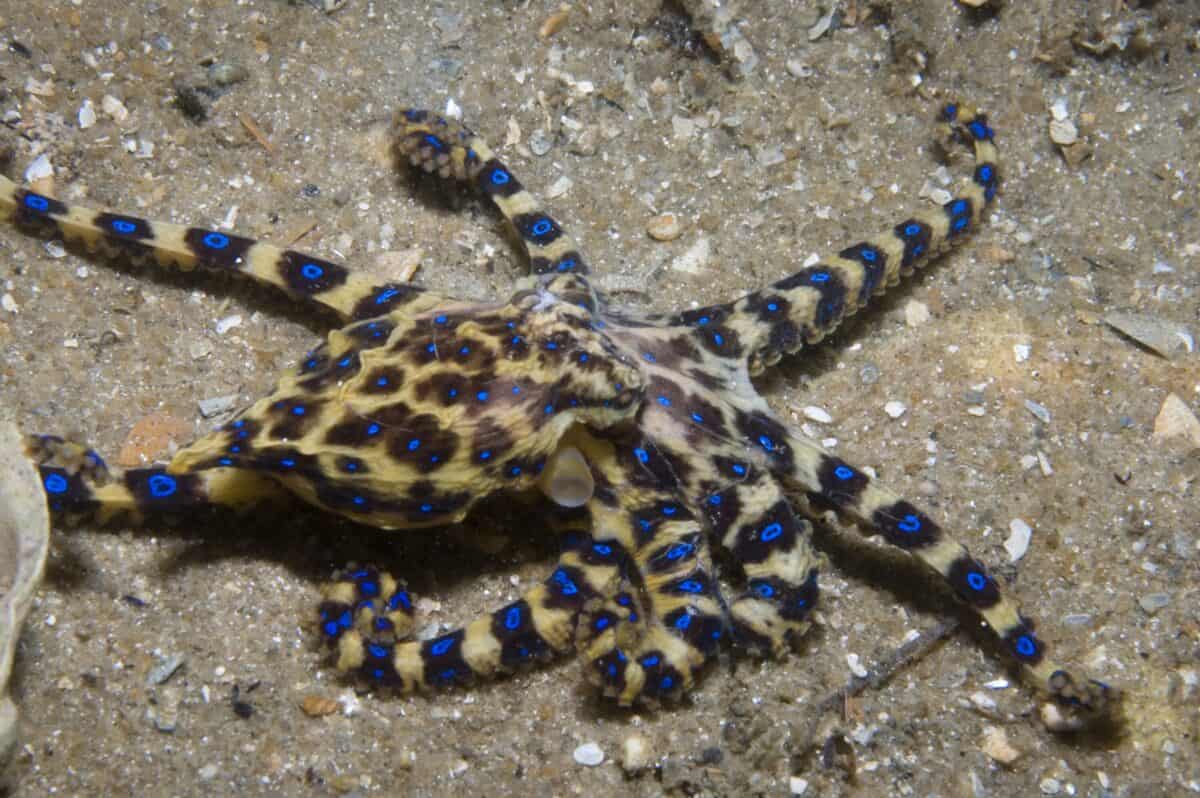
With its vibrant blue rings flashing as a warning of danger, the blue-ringed octopus is a master of both beauty and lethality. Small enough to fit in the palm of a hand, this creature carries a toxin with the power to cause respiratory arrest within minutes. Found in tide pools and coral reefs of the Pacific and Indian Oceans, its encounters with humans can be perilous without proper caution.
The Pufferfish

The pufferfish, known for its ability to inflate into a spiny ball, also contains tetrodotoxin, a poison potent enough to kill several people. In certain cultures, it’s consumed as a delicacy called fugu, but only when prepared by skilled chefs who carefully avoid the toxic parts. Despite its seemingly benign appearance in its deflated state, this fish harbors a lethal secret beneath its skin.
The Irukandji Jellyfish

Much smaller than its cousin the box jellyfish, the irukandji jellyfish can induce a condition known as Irukandji syndrome. Symptoms include severe pain, vomiting, and anxiety that can lead to death. Approximately the size of a fingernail, and largely invisible in its watery habitat, the danger it presents is vastly disproportionate to its size.
The Bullet Ant
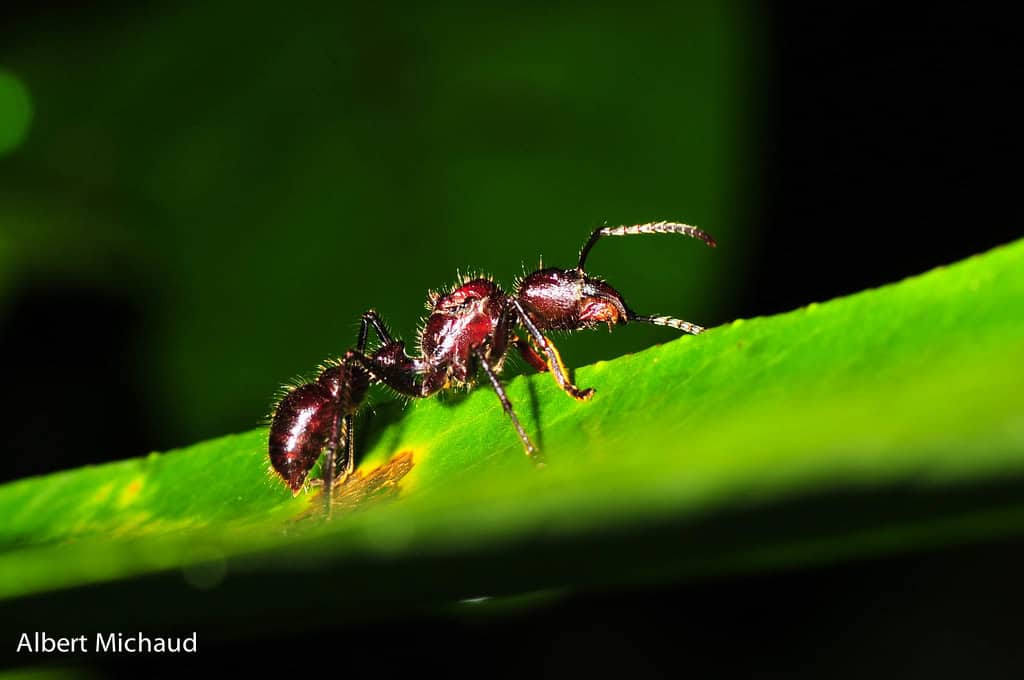
The bullet ant, native to the rainforests of Central and South America, delivers a sting that ranks at the top of the insect pain scale. Its sting is said to cause an excruciating, 24-hour bout of pain comparable to being shot — hence its name. Though not typically deadly, the pain and potential for allergic reaction from its sting can lead to dangerous situations for those unlucky enough to cross its path.
The Brazilian Wandering Spider

This nocturnal spider, found throughout South America, is known for its highly aggressive nature and potent venom. Its bite can lead to a series of symptoms, including increased heart rate and difficulty breathing, and can be fatal without medical treatment. Despite its small size, its tendency to appear in populated areas, hidden in clothing or shoes, heightens the risk of an unexpected encounter.
The Stonefish

Often lurking unnoticed on the ocean floor, the stonefish is an unassuming lethal predator. It holds the title of the world’s most venomous fish, with spines on its back that deliver a venom capable of causing shock, paralysis, and tissue death. Its ability to camouflage perfectly with the seabed makes accidental encounters common and often perilous for unsuspecting swimmers or divers.
Respect Small but Mighty

These ten tiny creatures remind us of the astonishing diversity and complexity of nature. They demonstrate that size doesn’t always determine the threat level. Awareness and respect for these tiny yet deadly animals are crucial, whether you’re wandering the beaches of Australia or navigating the rainforests of the Amazon. They serve as a commendable testament to the myriad ways life has evolved defenses and hunting strategies, underscoring the notion that beauty and danger often coexist in the natural world.

- The Weirdest Fish Ever Pulled from Pacific Depths - July 20, 2026
- 12 Times Animals Saved Human Lives in Incredible Ways - July 20, 2026
- The Most Powerful Earthquake Ever Felt in the U.S. - July 19, 2026