


When we think of Earth’s tallest peak, Mount Everest usually comes to mind, towering at 8,848 meters above sea level. However, the depths of our oceans hold mysteries just as vast and awe-inspiring. This article explores ten underwater trenches that surpass Mount Everest in their impressive depths, showcasing the secretive and yet captivating world beneath the waves.
Understanding Ocean Trenches
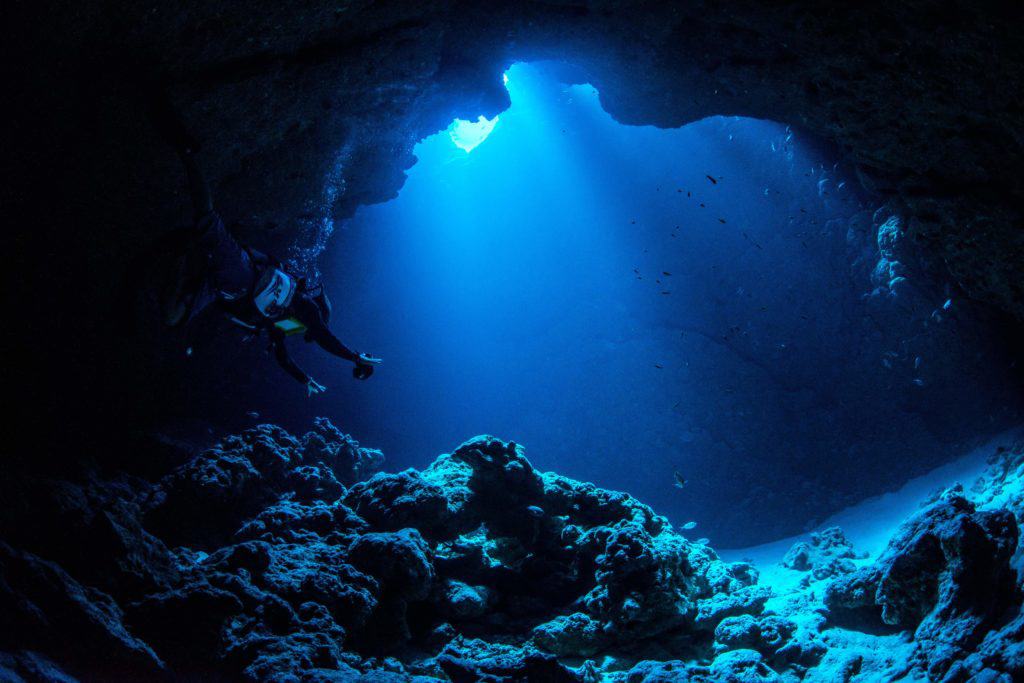
Oceanic trenches are long, narrow depressions on the seabed. They are the result of tectonic activity, often formed where two tectonic plates converge. These regions are profound and complex, plunging deeper than the highest mountains soar, serving as windows into Earth’s geologic processes.
The Challenger Deep Earth’s Deepest Point
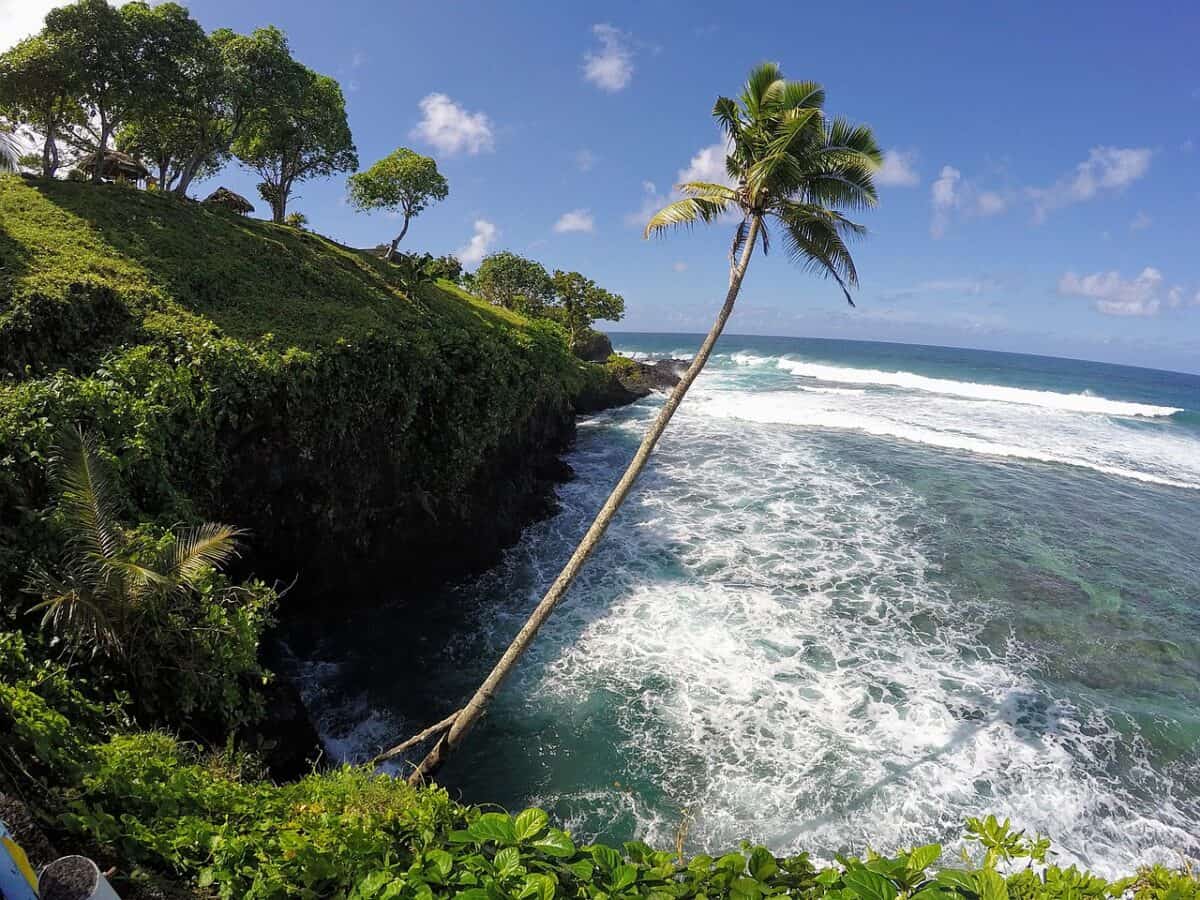
The Challenger Deep in the Mariana Trench is the deepest known point on Earth, reaching depths of approximately 10,994 meters. This trench is a part of the Pacific Ocean’s seafloor, located east of the Philippines. It has captured the attention of scientists and explorers alike, having been the focus of numerous deep-sea missions.
The Tonga Trench A Challenger’s Rival

Not far behind in depth is the Tonga Trench, located in the South Pacific. This trench dives to a remarkable depth of about 10,882 meters, making it one of the deepest trenches in the world. Its formation is attributed to the subduction of the Pacific Plate beneath the Indo-Australian Plate.
The Philippine Trench A Deep Dive
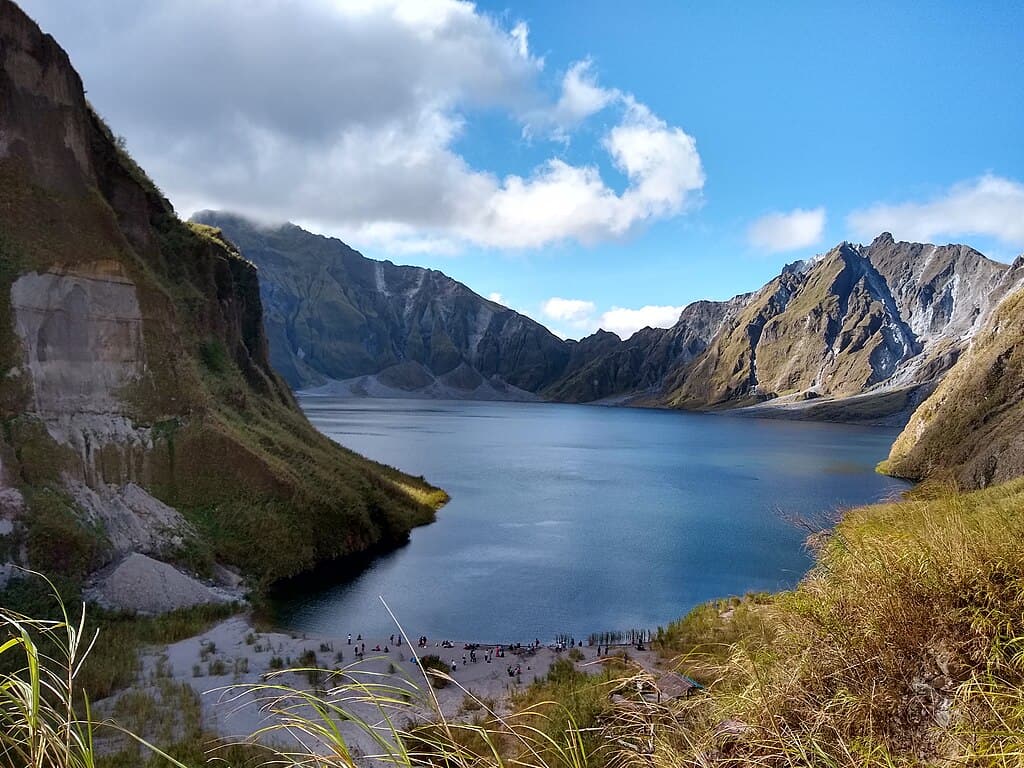
The Philippine Trench, also known as the Mindanao Trench, descends to depths of around 10,540 meters. It is a significant geological structure resulting from the convergence of the Philippine Sea and Eurasian plates, hosting a diverse range of deep-sea organisms.
The Kuril-Kamchatka Trench Russia’s Abyss

Stretching along the eastern coast of Russia, the Kuril-Kamchatka Trench reaches depths of 10,542 meters. It is part of a subduction zone that extends from Japan to the Kamchatka Peninsula, influencing seismic activity in the region.
The Kermadec Trench New Zealand’s Depth

The Kermadec Trench, situated off the coast of New Zealand, plunges to approximately 10,047 meters below sea level. This trench is part of the boundary where the Pacific Plate meets the Indo-Australian Plate, playing a vital role in the region’s volcanic activity.
The Peru-Chile Trench South America’s Deep Crease
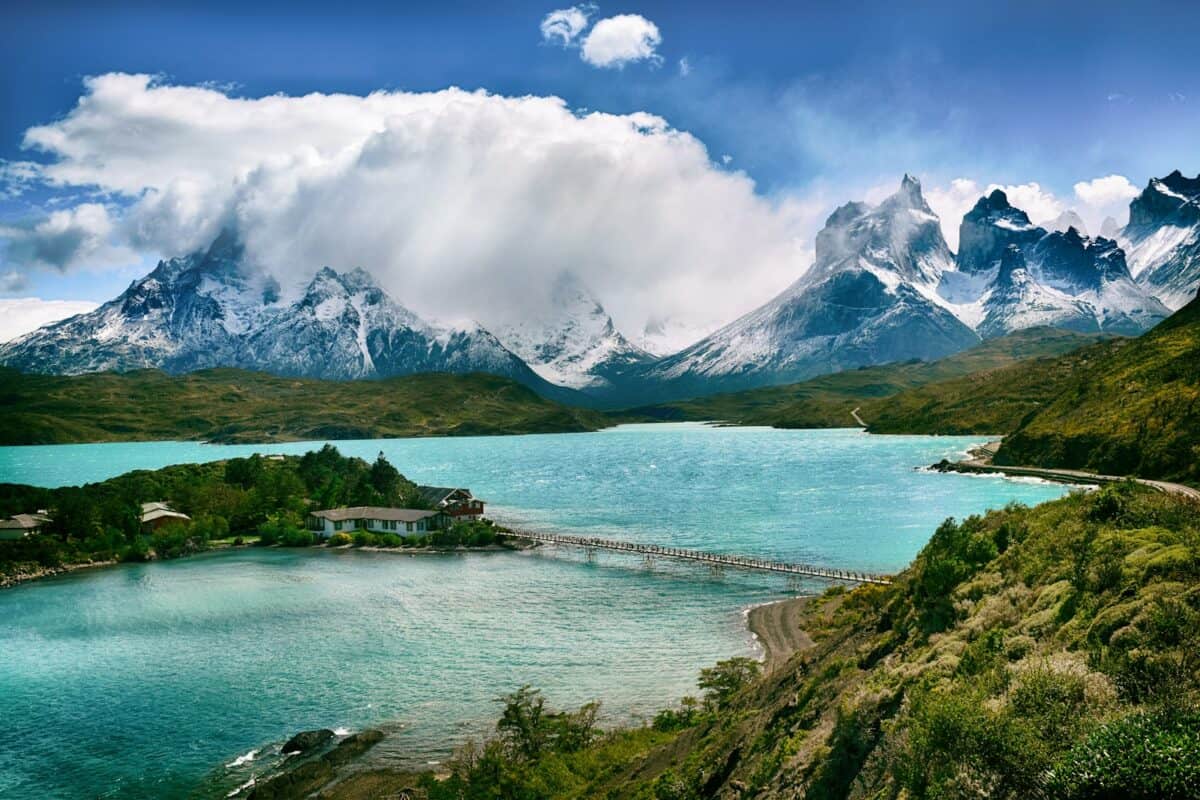
Also known as the Atacama Trench, it runs along the western coast of South America, reaching a depth of nearly 8,065 meters. It is one of the most significant features of the Pacific Ocean floor, created by the subduction of the Nazca Plate under the South American Plate.
Exploring the Japan Trench

The Japan Trench is notable not just for its depth of about 9,000 meters but also for its role in the 2011 Tohoku earthquake. It is a part of the Pacific Ring of Fire and has substantial implications for seismic activity in Japan and the surrounding areas.
The Puerto Rico Trench Atlantic’s Deepest Point
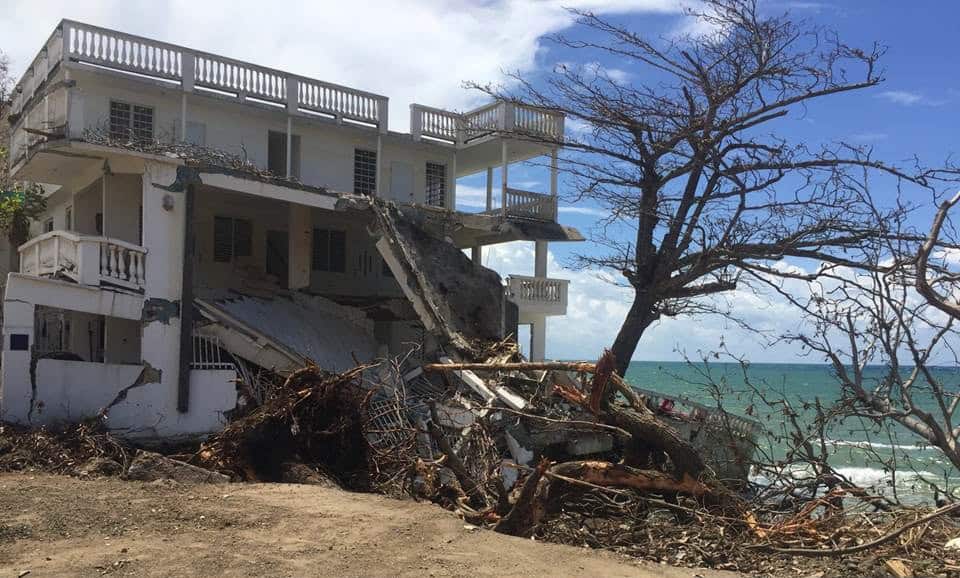
The Puerto Rico Trench is the Atlantic Ocean’s deepest point, reaching depths of about 8,376 meters. It is a tectonic boundary between the Caribbean and North American plates, contributing to the region’s seismicity.
The South Sandwich Trench A Hidden Gem
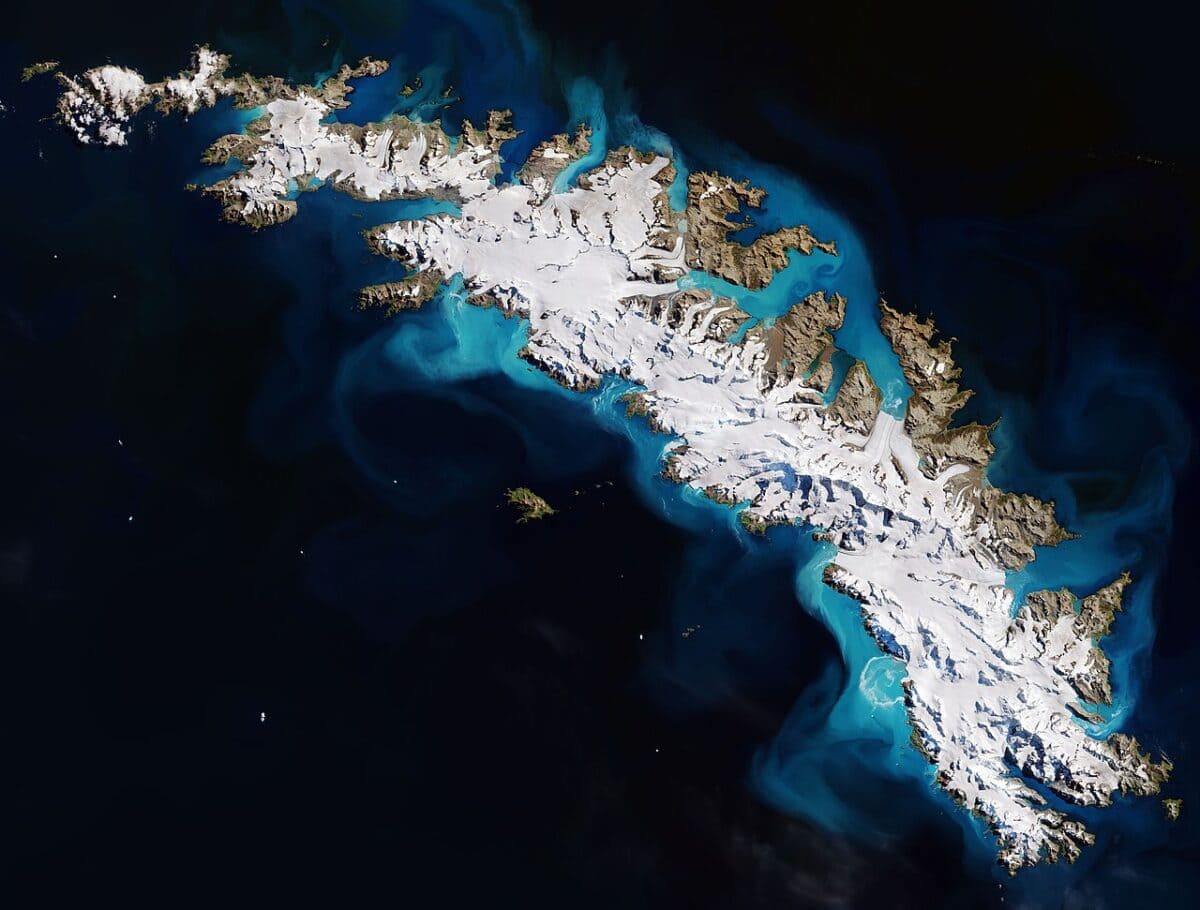
Located in the southern Atlantic Ocean, the South Sandwich Trench reaches a depth of approximately 8,428 meters. The trench is part of the Scotia Sea tectonic activity, encapsulating a relatively unexplored segment of the Earth.
The Sunda Trench: A Historical Abyss

Known for its role in the 2004 Indian Ocean earthquake, the Sunda Trench stretches to depths of about 7,725 meters. Located in the eastern Indian Ocean, it is formed by the convergence of the Australian and Eurasian plates, posing significant seismic threats to the region.
Conclusion: The Underwater Wonders of Our World
Exploring these trenches highlights the incredible contrasts of Earth’s topography. While Mount Everest stands as a testament to the planet’s towering heights, these aquatic abysses remind us of the profound depths that lie below. Understanding and studying these regions not only helps us appreciate the geological wonders of our planet but also symbolizes the vast, largely uncharted territories that hold answers to some of Earth’s most intriguing scientific questions.

As a little kid, I fell in love with nature, wildlife, and animals. Living in the USA, South Africa, Italy, China and Germany gave me the opportunity to discover the world's Wildlife. My favorite animals are Mountain Gorillas, Siberian Tigers, and Great White Sharks.
I'm a certified PADI Open Water Diver, went to Everest Base Camp and Trekked Gorillas in Uganda. I hold a Master of Science in Economics and Finance.
Please send any feedback to feedback@animalsaroundtheglobe.com
- The 10 Rarest Dog Breeds Making a Comeback in America - July 19, 2026
- 13 Creatures That Survived Mass Extinctions - July 19, 2026
- 12 Pets That Are Perfect for Seniors - July 19, 2026