
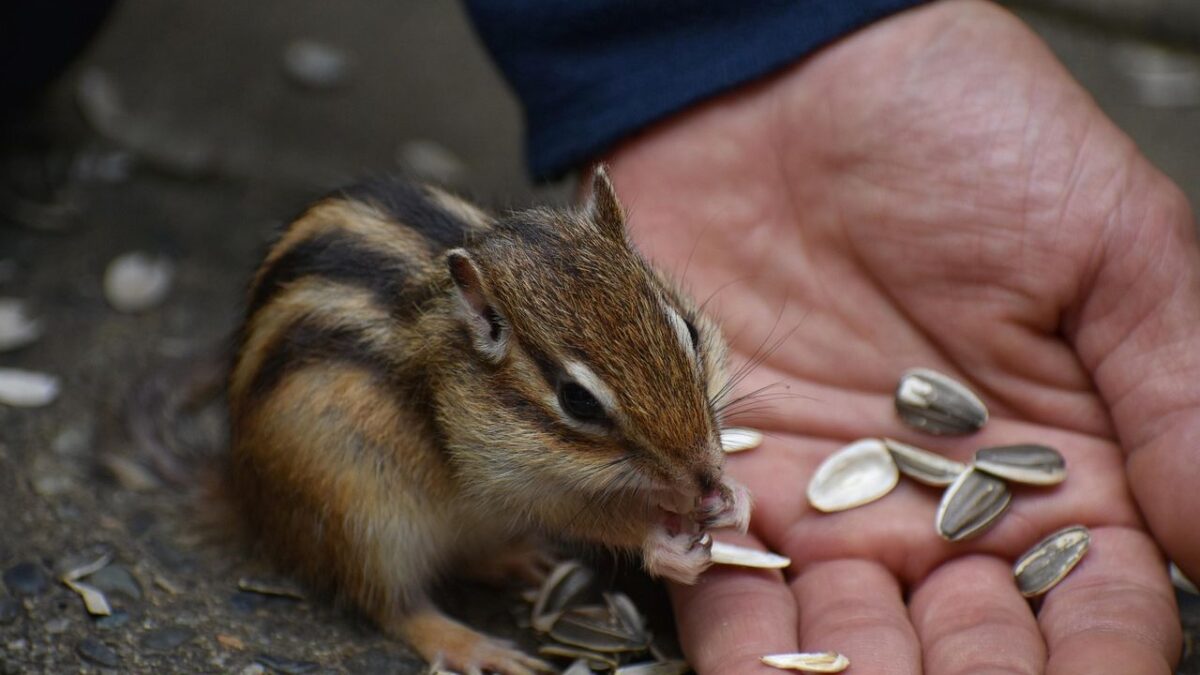
Most people spot a chipmunk, smile at its striped back and puffed cheeks, and move on with their day. It’s a brief, pleasant encounter with a creature that seems entirely harmless and almost cartoonishly simple. What gets overlooked is just how remarkably complex these small animals truly are.
Beneath that adorable exterior is a creature that engineers elaborate underground cities, disperses the seeds of entire forests, and manages a winter survival strategy that scientists still find fascinating. The more you learn about chipmunks, the harder it becomes to see them as mere backyard decoration.
#1: There Are 25 Species, and Almost All of Them Live in North America
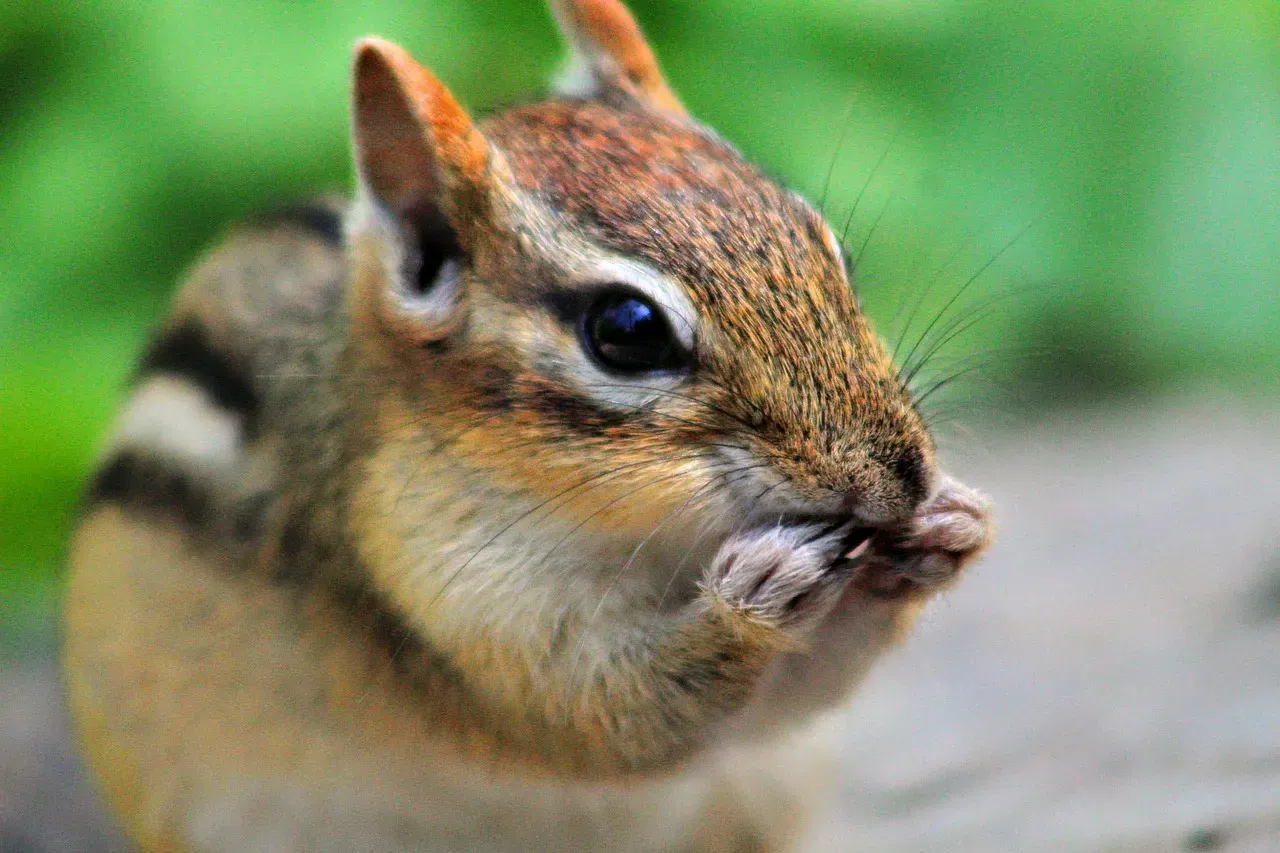
When most people picture a chipmunk, they’re imagining the Eastern chipmunk – the plump, russet-colored one darting across walking trails and garden walls. The common perception of a standard chipmunk is often based on just one of many species: the Eastern chipmunk, just one of the 25 species recognized by scientists. The sheer variety within this group tends to surprise people.
There are 25 species of chipmunk, and only one of those species, called the Siberian chipmunk, lives outside of North America. The Siberian chipmunk lives in Asia and is expanding into parts of Europe, according to the International Union for Conservation of Nature. Each species has adapted to its own particular habitat, from dense eastern woodlands to the rocky slopes of the American Southwest.
The Hopi chipmunk lives among the buttes and canyonlands of the American Southwest and is remarkably adept at climbing sheer rock faces and overhangs. The Uinta chipmunk, which lives in montane forests of the western United States, is much like a tree squirrel in its habits. In addition to denning in burrows, it regularly sleeps and nests in trees, where it sometimes raises young in tree cavities or abandoned bird nests.
#2: Their Cheek Pouches Can Triple the Size of Their Head
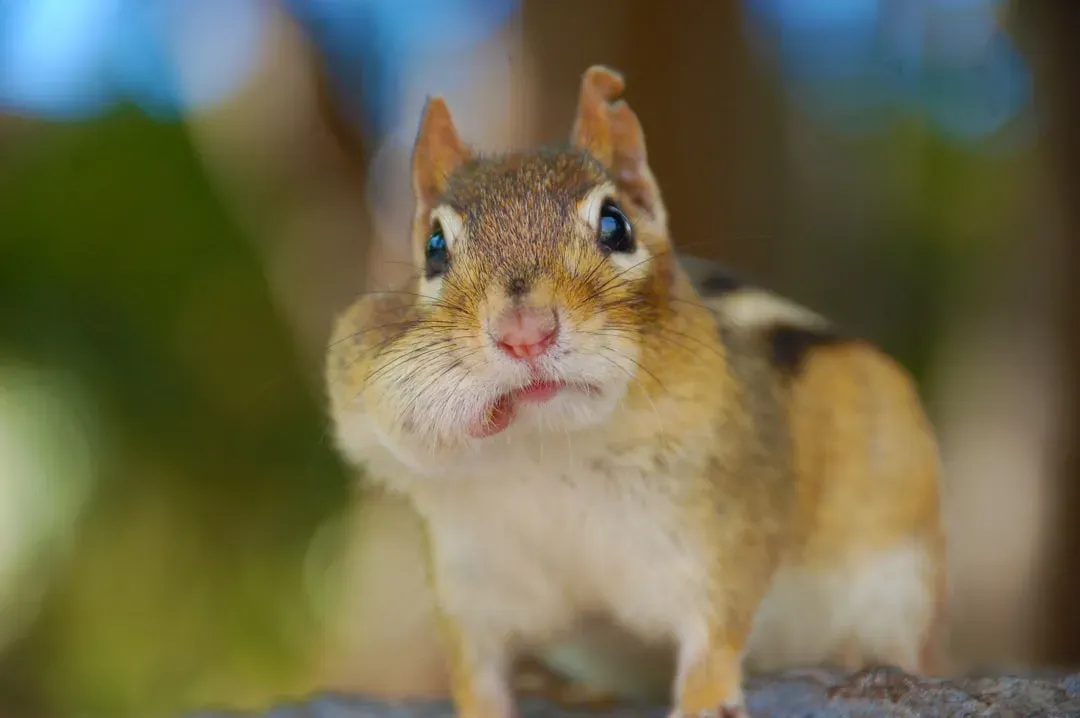
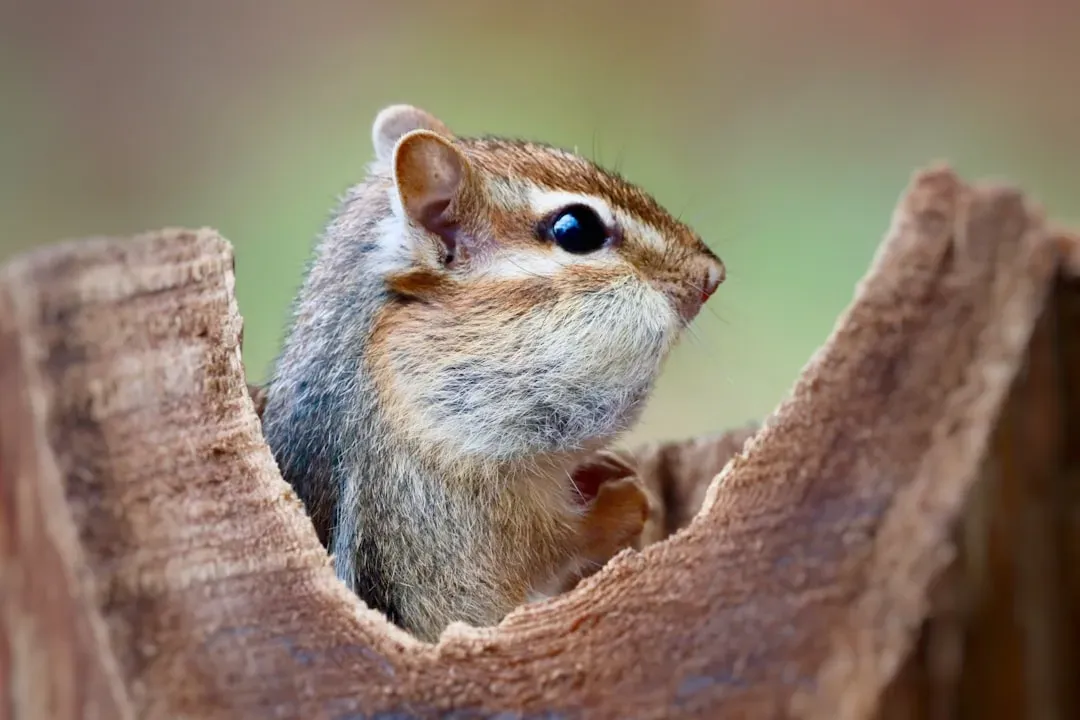
The expandable cheek sacs can stretch to an astonishing capacity. When fully extended, they can triple the size of the chipmunk’s head. The pouches are supported by special muscles that allow the animal to control them with remarkable precision, and each pouch operates independently, meaning a chipmunk can fill one side while keeping the other empty or less full depending on immediate needs.
Their cheek pouches can hold as many as 12 acorns, 31 corn kernels, or 70 sunflower seeds. That’s not a minor anatomical quirk – it’s a precision-engineered survival tool. Another great advantage of cheek pouches is that chipmunks can run away from predators if needed without leaving their food behind. The pouches essentially function as a mobile pantry that travels with them everywhere they go.
#3: One Chipmunk Can Gather Up to 165 Acorns in a Single Day
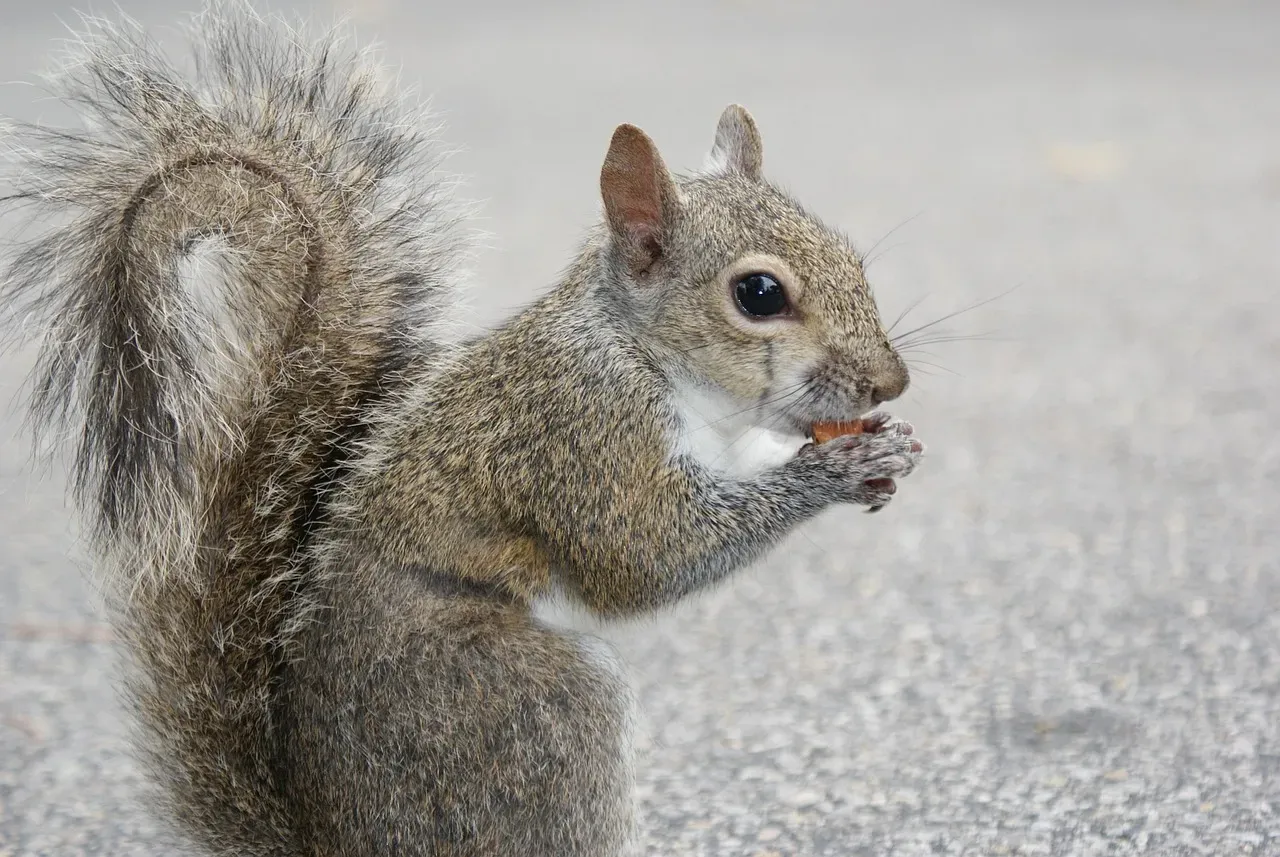
One chipmunk can gather up to 165 acorns in a day. In just two days, a chipmunk can collect enough food to last an entire winter, although chipmunks typically hoard much more food than necessary. That speed and efficiency is genuinely difficult to picture until you watch one in action.
During late summer and fall, a single chipmunk can transport up to 8 pounds of nuts, seeds, and dried fruits to its burrow, making hundreds of collection trips facilitated by their efficient pouch system. Research has shown that chipmunks with damaged or less efficient cheek pouches gather significantly less food for winter storage, substantially reducing their survival chances. That one physical feature, the cheek pouch, is quite literally the difference between life and death.
#4: Their Underground Burrows Are Architectural Masterpieces
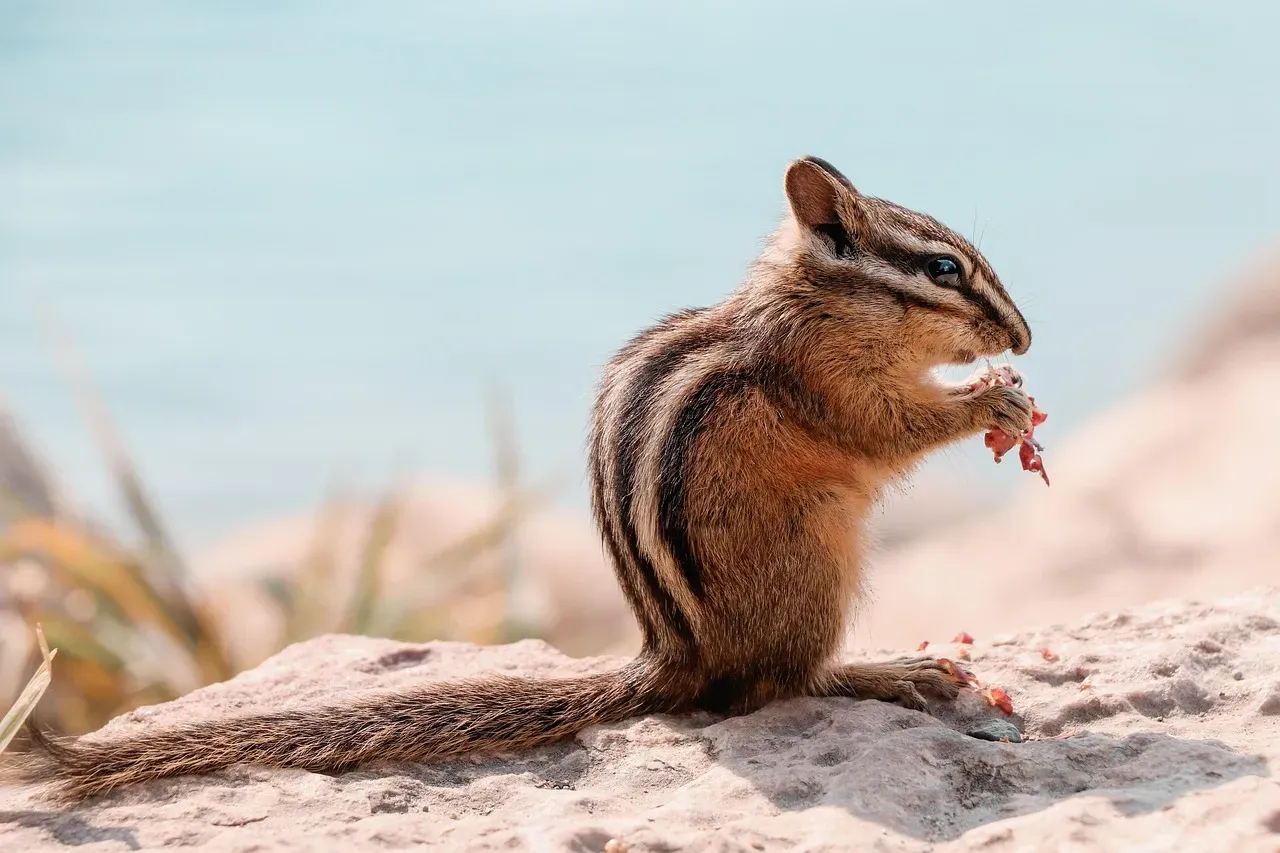
The main tunnel can extend up to 30 feet long and 3 feet deep. Within this complex, chipmunks excavate specialized chambers. A central nesting chamber, lined with soft materials like leaves and grasses, serves as a resting area and where young are raised. Side pockets and storage rooms are present for hoarding food and collecting empty shells. Some burrows even include narrow drainage tunnels to manage water.
What makes these burrows particularly clever is how well they’re hidden. A distinguishing feature of a chipmunk hole is the absence of a dirt mound surrounding the opening. As the chipmunk excavates, it methodically transports the soil away from the site using its expandable cheek pouches. The displaced dirt is scattered elsewhere, leaving the entrance flush with the ground and making the burrow difficult to spot. A chipmunk uses its own cheek pouches to carry away the evidence of its construction.
#5: Chipmunks Don’t Truly Hibernate – They Do Something Stranger
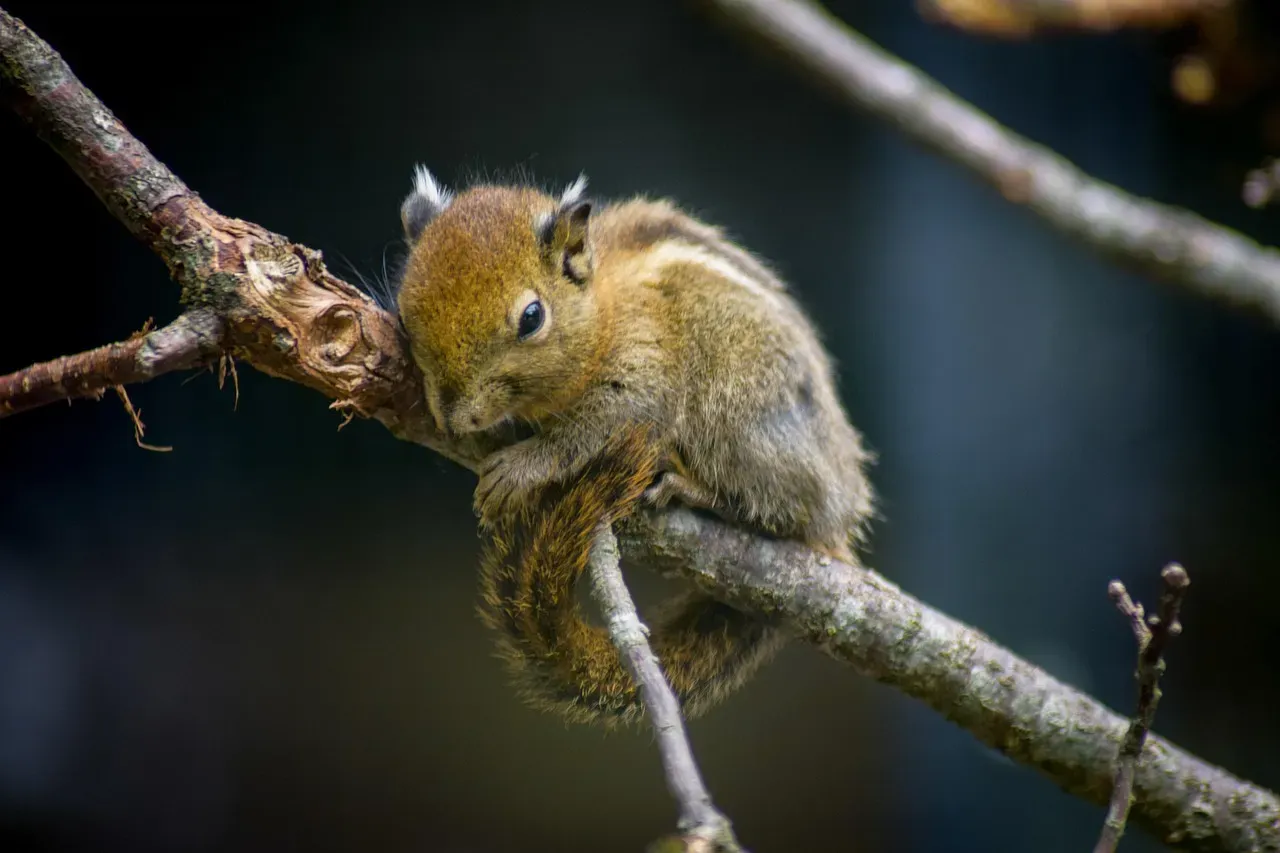
Unlike other animals that hibernate during winter, chipmunks spend the cold months in a state of torpor where they take loads of naps. This behavior is similar to hibernation but not precisely the same. The distinction matters more than it might seem at first.
As most chipmunks do not accumulate significant fat during the fall, they depend upon cached food during the winter. Although they experience periods of torpor, chipmunks occasionally emerge on sunny, windless winter days. Studies indicate that the eastern chipmunk’s body temperature drops to between 5 and 7 degrees Celsius during torpor, a difference that characterizes true hibernators. Chipmunks periodically wake up from hibernation to consume food from their stockpile, ensuring their survival during the dormant period. It’s a finely calibrated system – enter a near-death state, wake up, snack, repeat.
#6: They’re Omnivores That Will Eat Almost Anything
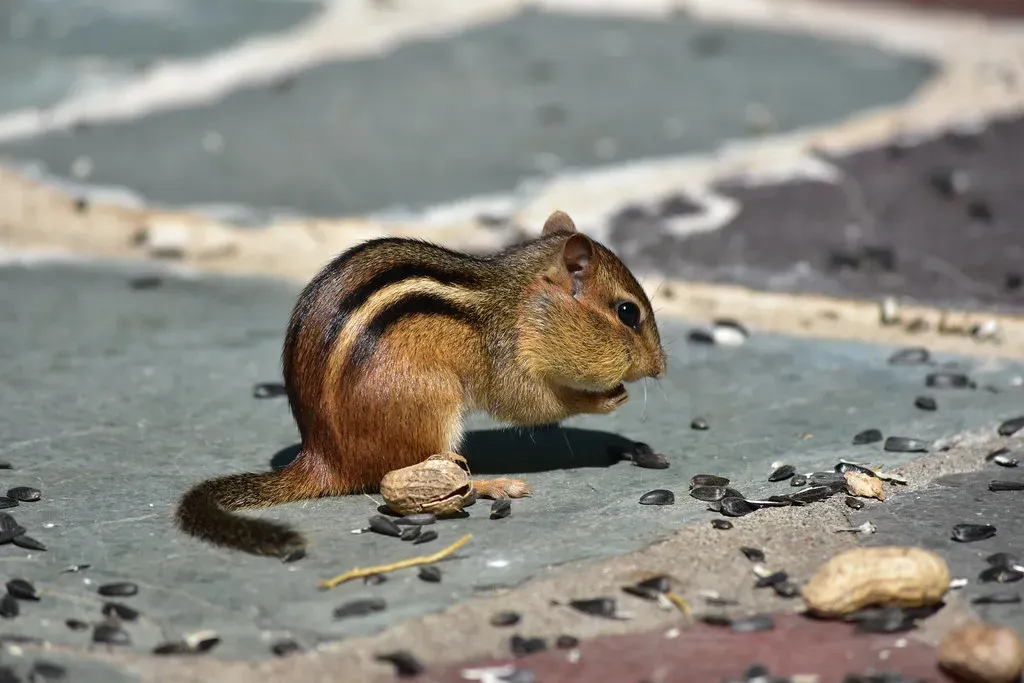
The image of a chipmunk happily nibbling on seeds is accurate but incomplete. Chipmunks are omnivores, and they aren’t picky about what they eat. Part of their diet consists of vegetation such as mushrooms, berries, nuts, seeds, and grains. Chipmunks also eat other creatures such as insects, baby birds, frogs, and bird eggs. That last part tends to catch people off guard.
This may surprise some who think chipmunks only eat plants. However, chipmunks eat a wide variety of other animals, including worms, snakes, and a wide variety of insects. Chipmunks even eat birds. They relish seeds, berries, and tender plants, but they also eat fungi, insects and other arthropods, and sometimes carrion. The creature you’ve been tossing peanuts to is a fully capable, opportunistic hunter.
#7: Chipmunks Are Secret Architects of Forest Regeneration
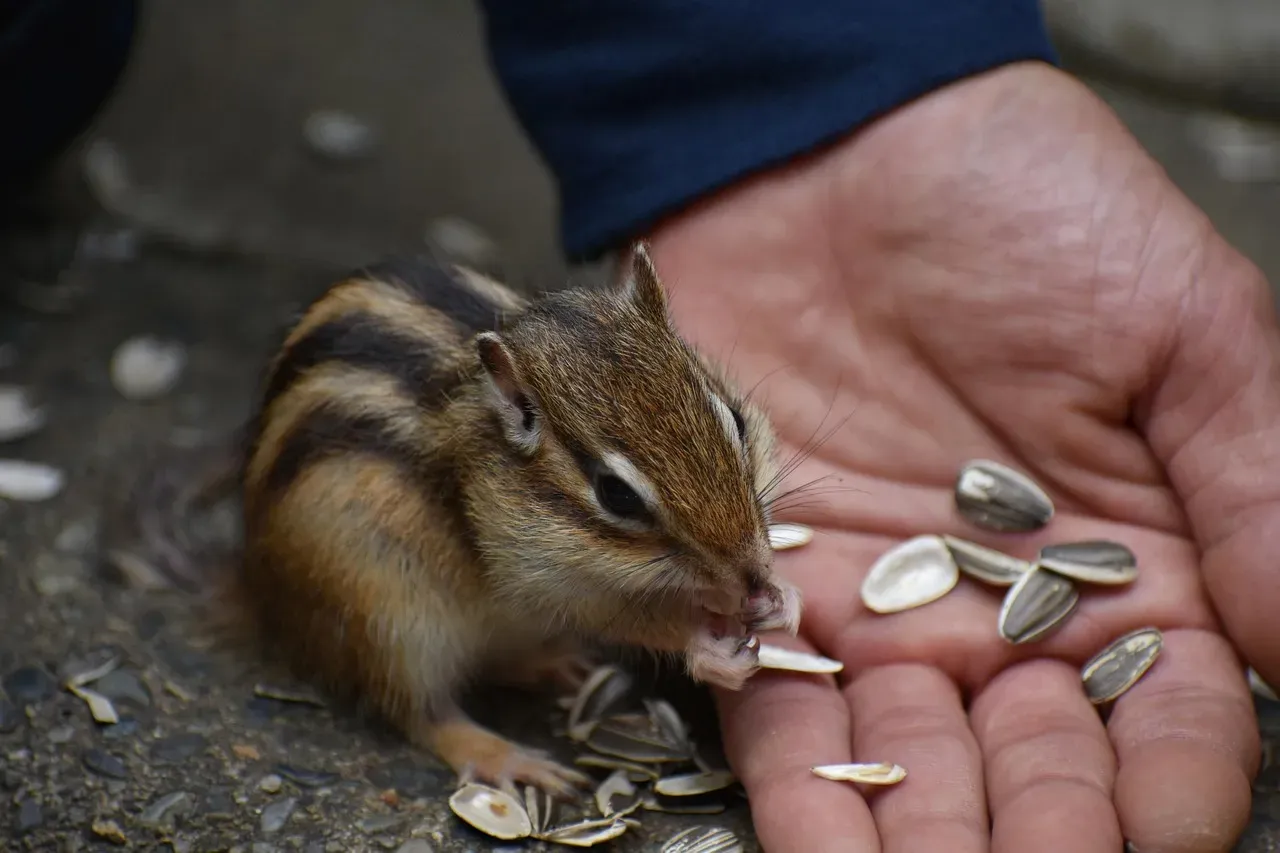
These small mammals fulfill several important functions in forest ecosystems. Their activities harvesting and hoarding tree seeds play a crucial role in seedling establishment. They consume many different kinds of fungi, including those involved in symbiotic mycorrhizal associations with trees, and are a vector for dispersal of the spores of subterranean sporocarps (truffles) in some regions. Movement or storage of seeds in soil caused by chipmunks leads to the germination of new plants.
The forests we walk through today owe a quiet but measurable debt to generations of chipmunks. By collecting and caching nuts and seeds, they help promote forest regeneration when forgotten caches sprout into new plants. Their burrowing activity also loosens soil, enhancing water infiltration and nutrient cycling. A single chipmunk, by simply forgetting where it buried things, can plant more trees in a season than most gardeners manage in a lifetime.
#8: They Have a Sophisticated Vocal Communication System
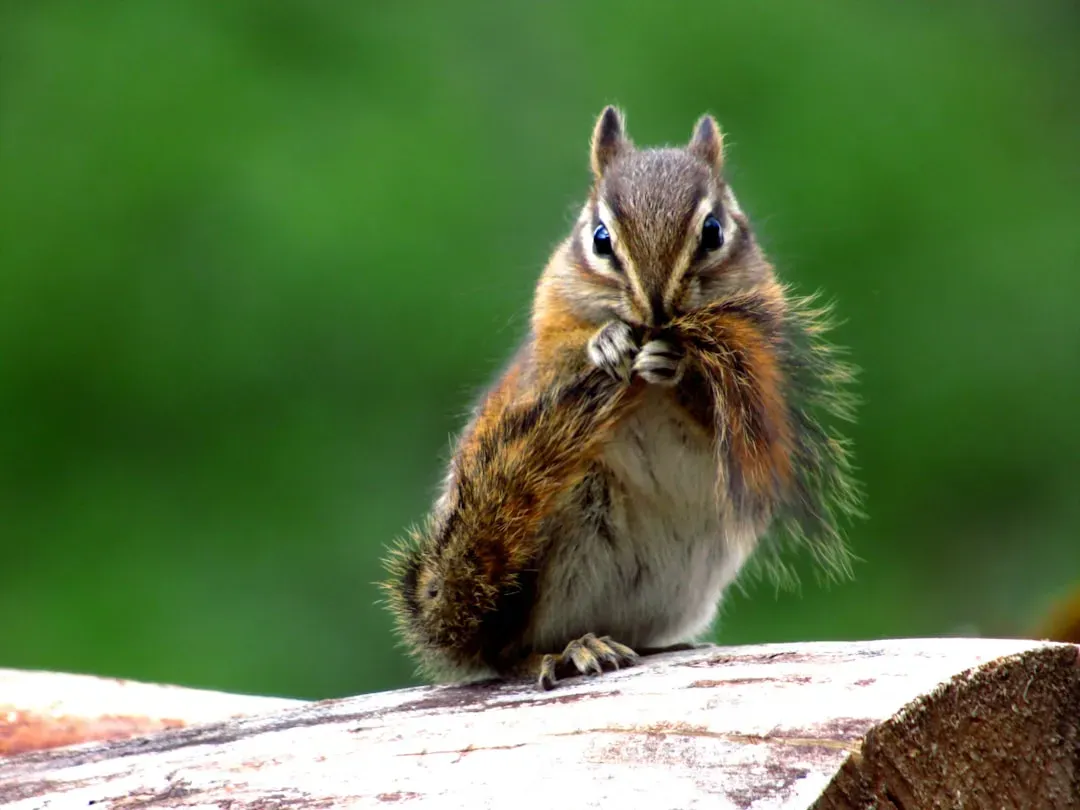
Chipmunks communicate with each other using a variety of vocalizations, including chirps, trills, and chatters. They also use scent marking to define their territory. This isn’t simple noise – it’s structured communication that carries specific meaning.
Wild chipmunks do vocalize in meaningful ways. A biologist at Texas Tech University who studies eastern chipmunks recognizes three chipmunk calls: the chip, the deeper chuck, and the startle call. The last is an alarm that warns of impending danger. Chipmunks will even make calls in a chorus composed of several individuals. Ground-nesting birds have even been found to avoid setting up house in areas where they hear chipmunk squeaks, to reduce the risk that the chipmunks will eat their eggs and young. Other species in the forest are actively listening to what chipmunks say.
#9: They Use Scent Glands to Claim and Defend Their Territory
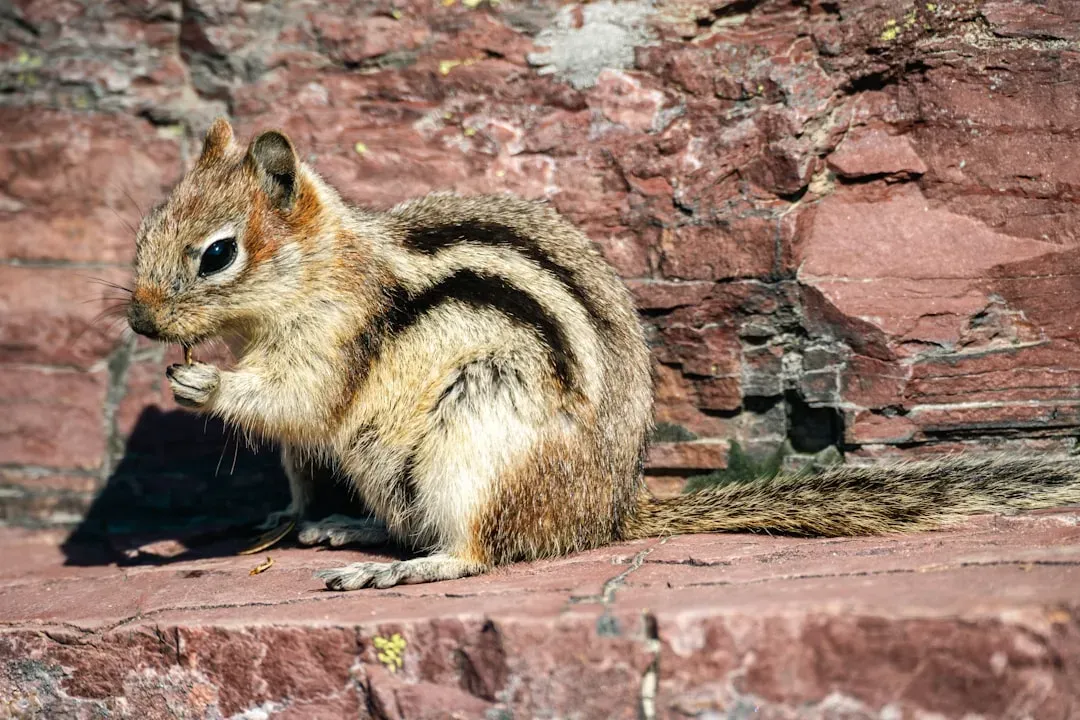
Chipmunks use scent glands on their cheeks to mark their territories. They rub against trees, rocks, and other objects. This behavior helps deter competition for resources and ward off predators. It’s a quietly assertive way of communicating without ever having to be present.
While chipmunks may interact during mating season, they are generally aggressive toward intruders entering their territory. As a result, chipmunks can engage in high-speed chases, disputes, and territorial battles. Moreover, each chipmunk defends its burrow system, a complex network of tunnels and chambers for various purposes. The solitary, gentle creature you see foraging in the garden is, in its own world, fiercely territorial and completely self-reliant.
#10: Baby Chipmunks Are Born Completely Helpless
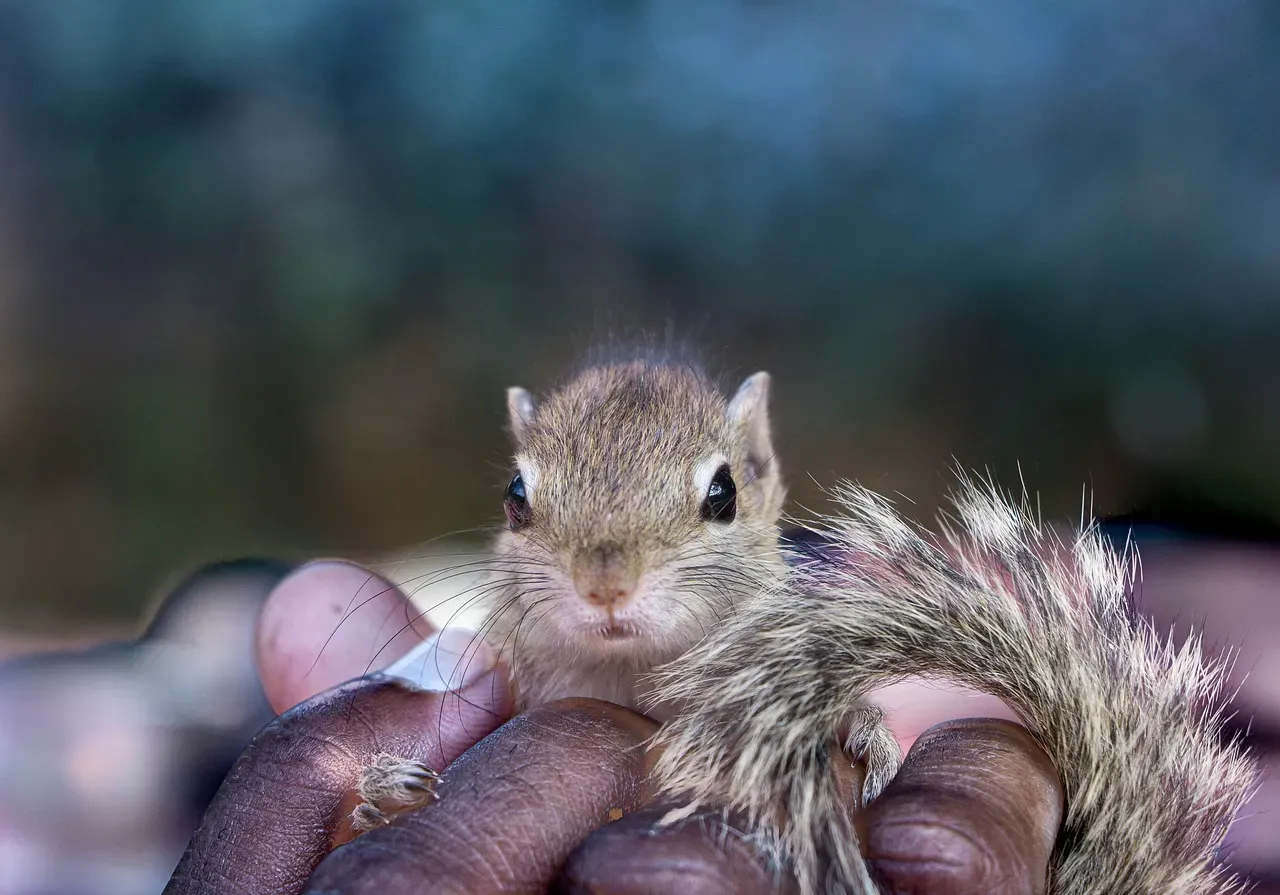
The chipmunk life cycle begins in late spring when female chipmunks give birth to litters of four to five babies, known as pups. These adorable pups are born blind, hairless, and completely dependent on their mother for care and nourishment. They stay in the nest for up to six weeks, where they grow and develop essential skills.
Eastern chipmunks usually mate twice a year, once in early spring and again from early June to mid-July. The female rebuffs the male after mating, and he does not share in the rearing of the young. After six weeks, and under their mother’s watchful eye, the pups begin taking short trips out of the burrow. At week seven or eight, the mother becomes more aggressive toward her offspring to prepare them for independence. That abrupt shift from nurturing to tough love is a small but striking detail about how chipmunks raise their young.
#11: Their Lifespan Is Short, but They Pack a Lot into It
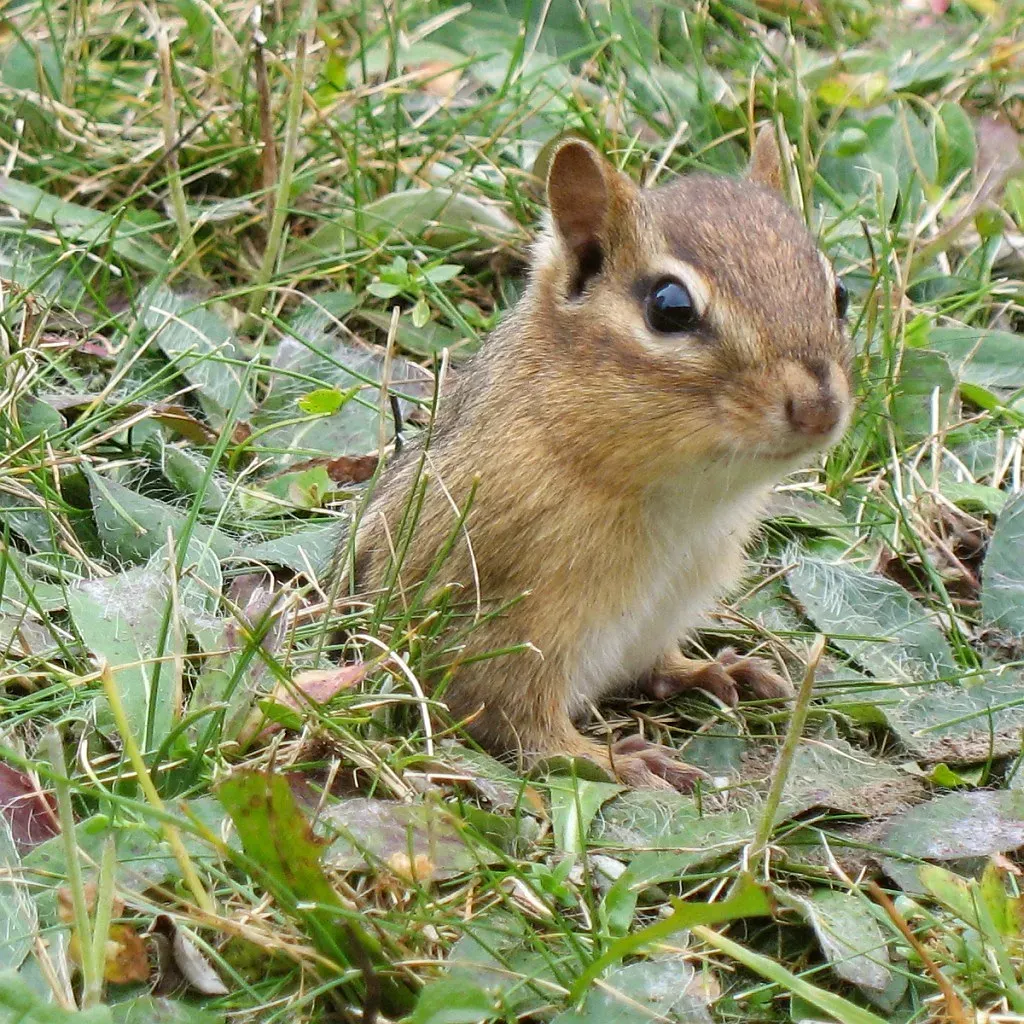
Chipmunks have an average lifespan of just two to three years in the wild. For an animal that engineers complex burrows, manages a multi-season food supply, raises multiple litters, and actively shapes the forests around it, that’s a remarkably compressed existence. Those in captivity may live considerably longer, up to eight years.
Female chipmunks have the ability to produce one to two litters per year. This reproductive strategy ensures the survival of their species, compensating for the relatively short lifespan of chipmunks in the wild. Once the pups reach the appropriate age and acquire the necessary skills, they leave the nest and embark on their independent journey. At this point, they start building their own burrows and gathering food to prepare for the upcoming winter months.
#12: Climate Change Is Disrupting Their Winter Survival Strategy
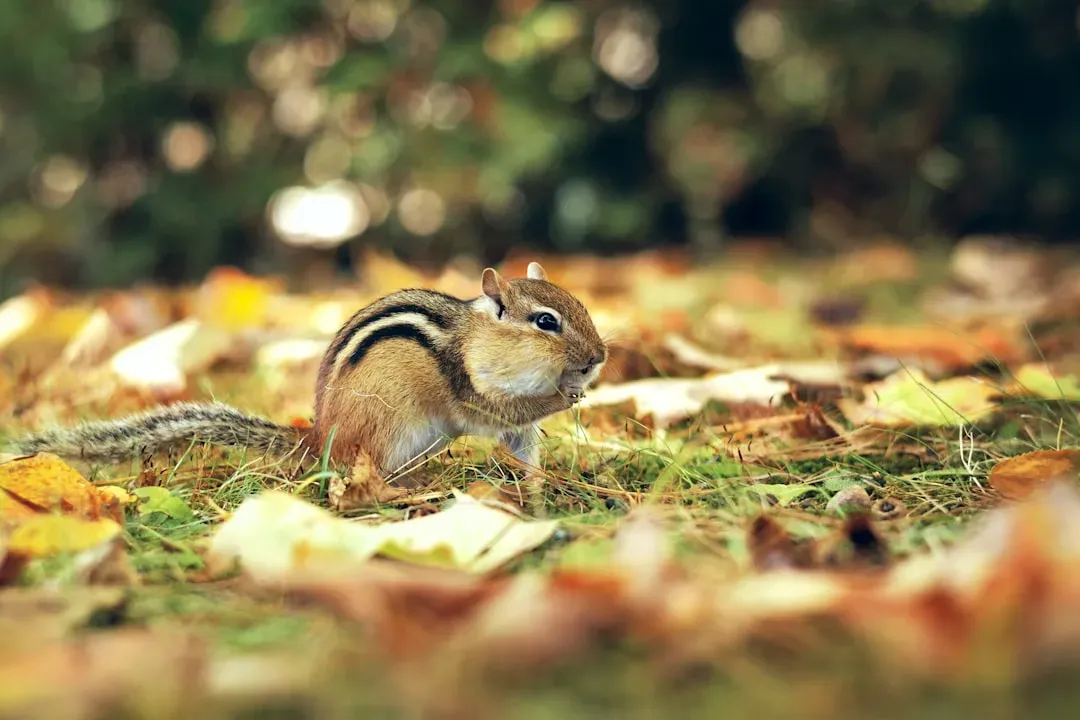
A study found that as winter temperatures rise due to global warming, chipmunks in warmer areas become less likely to hibernate during the coldest months. The research indicates that chipmunks that follow normal hibernation procedures enjoy a strong survival rate through winter, while those that remain active because of warm winter weather are almost certain to die by spring. This is a stark finding for such a small creature.
The scientist who made this discovery feared that this evidence could suggest dire results for other hibernating species as the climate continues to warm. A species that has successfully navigated ice ages and continental shifts now faces a subtler threat – winters warm enough to keep it awake, but harsh enough to eventually kill it. The chipmunk’s entire survival system is built around a reliable cold season, and that reliability is quietly eroding.
A Small Animal with an Outsized Story
Chipmunks occupy that strange space in the natural world where familiarity breeds underestimation. They’re everywhere, they’re charming, and they seem simple – which is exactly why their true complexity tends to go unnoticed. From their precision-engineered cheek pouches to their role as inadvertent forest gardeners, these animals are doing far more work than most of us have ever given them credit for.
The next time you watch one freeze on a garden wall, cheeks stuffed to capacity, scanning the yard with quick dark eyes, it’s worth pausing. What you’re looking at isn’t just a cute distraction. It’s a highly adapted, ecologically vital animal running a tight operation – one acorn at a time.

- 6 Exotic Bird Species You Can Spot in U.S. National Parks - July 19, 2026
- 11 Iconic American Birds Facing New Challenges and How You Can Help - July 19, 2026
- 10 Friendliest Animals in the World - July 19, 2026