
Every now and then, someone digs up something that just doesn’t make sense. Maybe it’s a stone covered in symbols nobody can read, or a coin that has no business being thousands of miles from home. These discoveries sit in museums and spark debates that stretch across decades, leaving scientists scratching their heads and the rest of us wondering what really happened centuries ago. Some of these objects challenge everything we thought we knew about who lived where and when. Others might just be elaborate jokes that fooled generations of experts.
Let’s be real, North America has more secrets buried beneath its soil than most people realize. From the forests of New England to the deserts of California, strange artifacts keep surfacing that refuse to fit neatly into our history books.
The Kensington Runestone
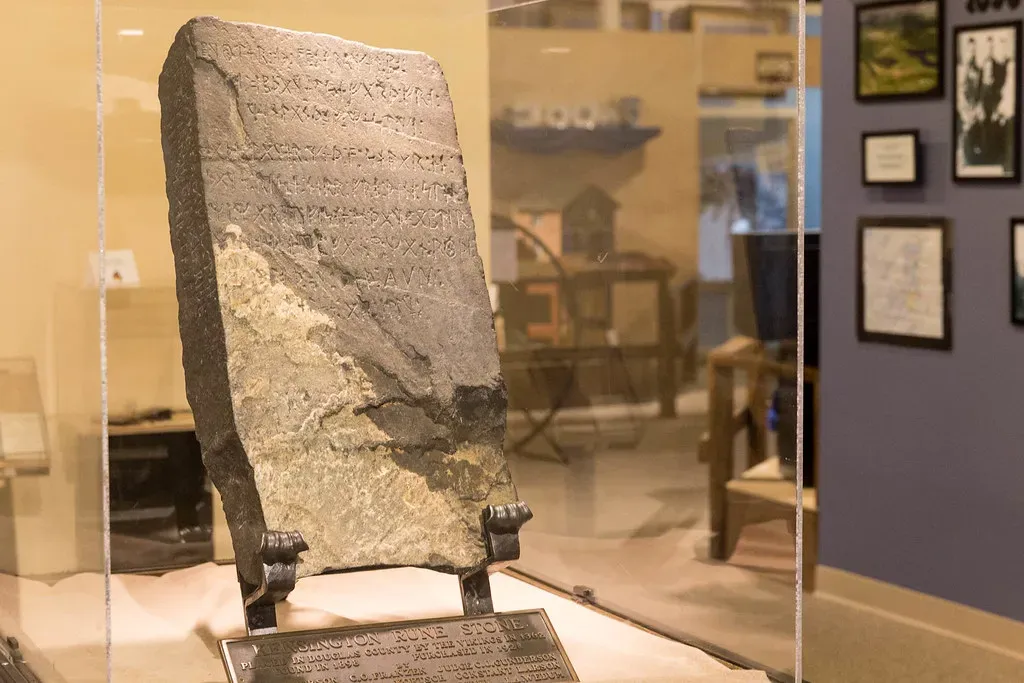
In 1898, Olof Öhman claimed to have stumbled upon the Kensington Runestone tangled in the roots of a poplar tree on his Minnesota farm. The inscription purports to be a record left behind by Scandinavian explorers in the 14th century (internally dated to 1362). The stone tells a dramatic tale of Norsemen on an exploration journey, complete with a grim discovery of ten men found dead.
Here’s where things get interesting. Since the first scientific examination in 1910, the scholarly consensus has classified it as a 19th-century hoax, with some critics directly charging Ohman with fabrication. Typically, runestones after centuries are heavily weathered and can be notoriously difficult to decipher. Certainly there were sections of this inscription missing, but the runes that did survive did not exhibit any sign of erosion whatsoever. The language itself raised eyebrows, being closer to modern Swedish than medieval text.
The Maine Penny
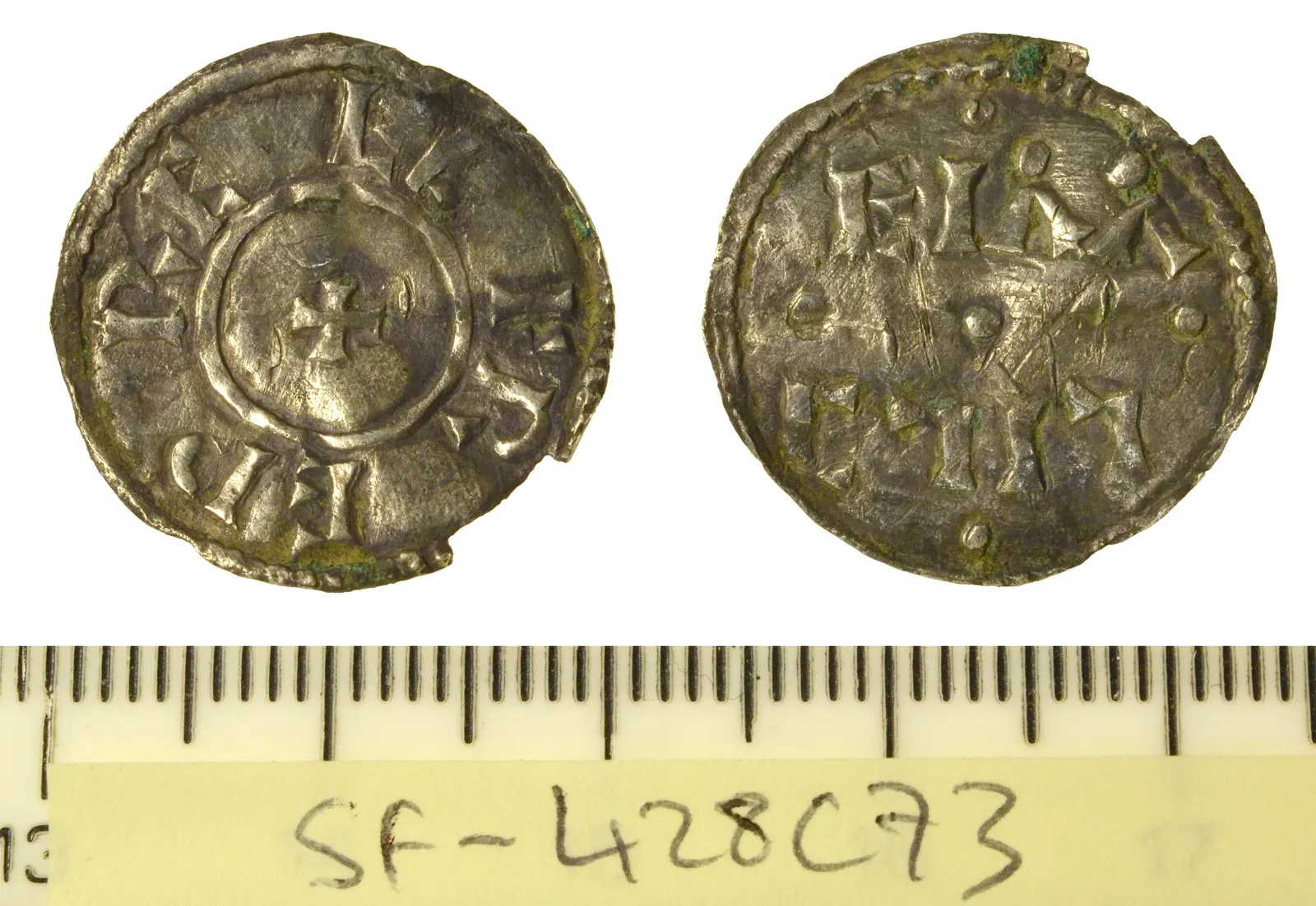
Guy Mellgren, a local resident and amateur archaeologist, said he found this coin on August 18, 1957, at the Goddard Site, an extensive archeological site at an old Native American settlement at Naskeag Point on Penobscot Bay in Brooklin, Maine. Initially mistaken for an English penny, the coin was later identified as something far more extraordinary. It was a Norse penny, made between 1065 and 1093 – evidence for Viking contact with North America centuries before Columbus.
The catch? Of the nearly 20,000 objects found over a 15-year period at the Goddard Site, the coin was the sole non-native artifact. Robert Hoge, writing for the American Numismatic Society in 2006, stated that “There is no reliable confirmation on the documentation of the Goddard coin, and much circumstantial evidence suggests that someone was deliberately trying to manipulate or obfuscate the situation. The Norse coin from Maine should probably be considered a hoax.” A November 2017 paper by Norwegian numismatist Svein Gullbeck suggests that the coin is a genuine find. The debate rages on.
Clovis Points
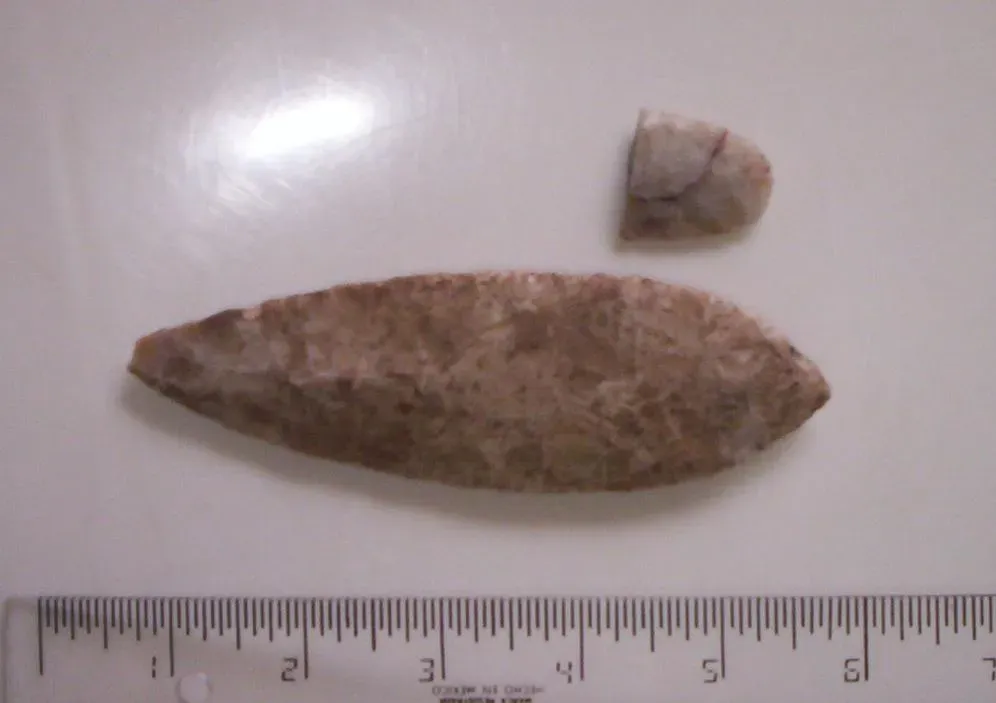
Clovis points are a collection of prehistoric stone tools, named for the Clovis culture and the New Mexican town where they were discovered in the 1920s. The oldest securely dated points, discovered in Texas, trace back 13,500 years. In a few centuries they show up everywhere from Florida to Montana, from Pennsylvania to Washington State. These distinctive fluted stone tools represent some of the earliest evidence of human presence across North America.
More than 10,000 Clovis points have been discovered, scattered in 1,500 locations throughout most of North America; Clovis points, or something similar, have turned up as far south as Venezuela. Their sudden appearance and rapid spread remain puzzling. According to the new analysis, which used the radiocarbon dating method, the people made and used the iconic Clovis spear-point and other tools for only 300 years, from 13,050 to 12,750 years ago. The mystery deepens when you consider they vanished just as quickly as they appeared.
Lake Winnipesaukee Mystery Stone
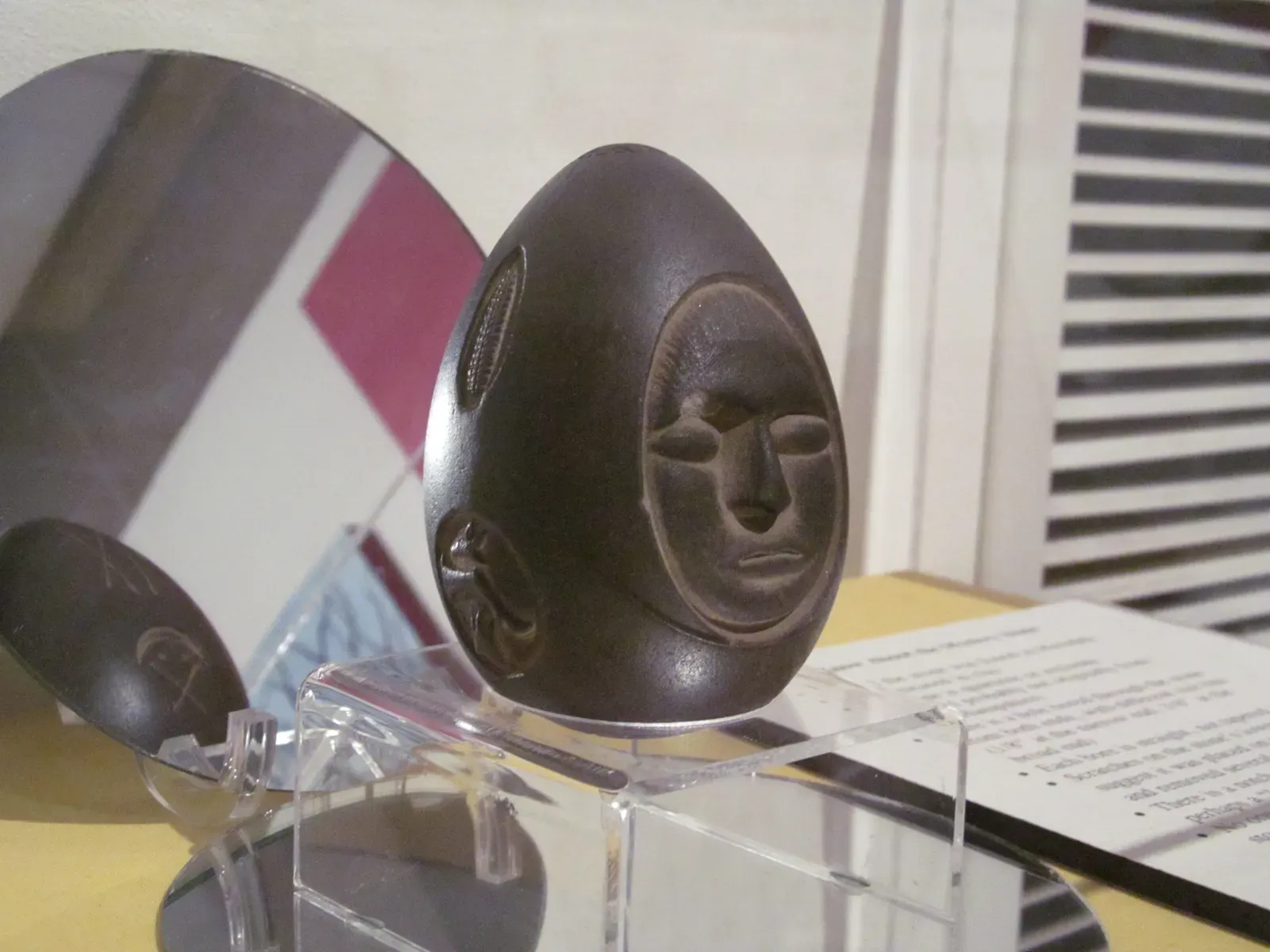
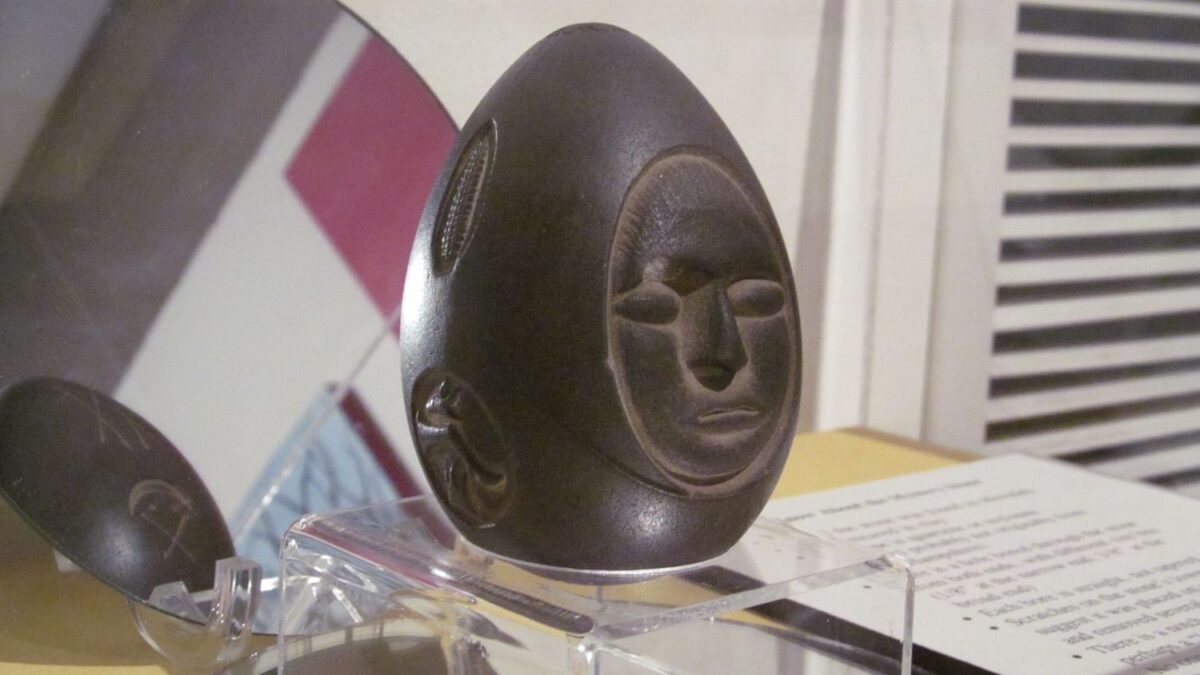
Discovered in 1872 buried close to Lake Winnipesaukee in New Hampshire, the eponymous mystery stone is dark, smooth, egg-shaped, and about 10 centimeters tall and 6.4 centimeters wide. On its surface are a number of carved symbols and images, including a face, ears of corn, and a teepee, among other unknown images. The small artifact has confounded experts for over a century.
Nobody can agree on what the stone actually is or who made it. One theory suggests that the stone may have been made by Native Americans to commemorate a peace treaty between two tribes. Scientists still can’t verify the age of the stone or determine how its symbols were carved. The unknown creator decided to add various inscriptions that remain open to interpretation, making this one of New England’s most enduring puzzles.
Great Serpent Mound
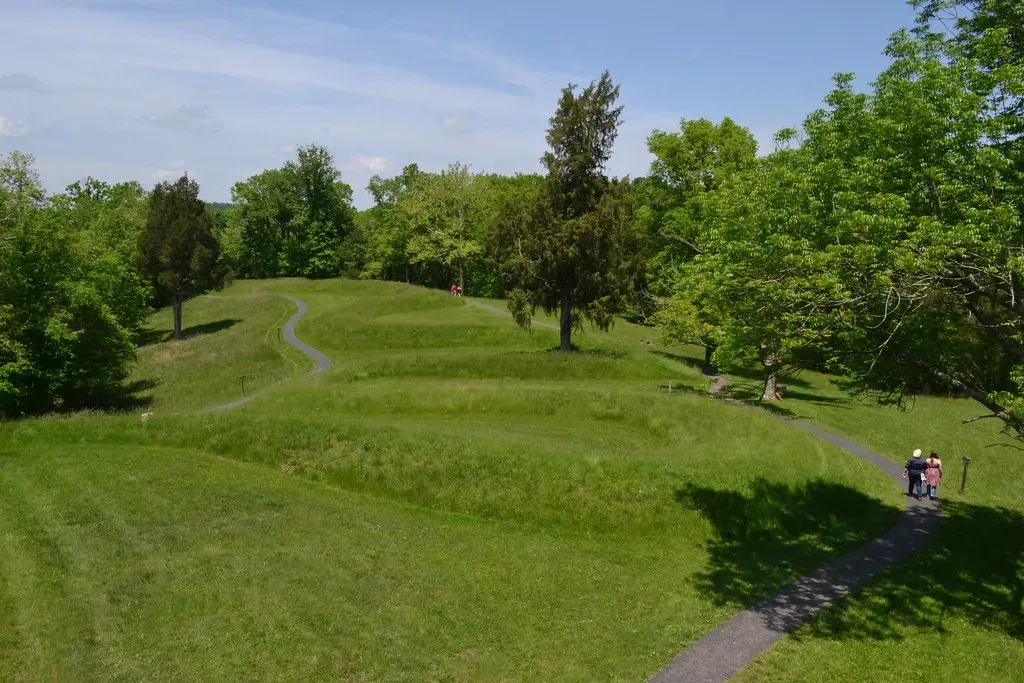
It’s an effigy mound, which is a mound in the form of an animal, in this case a giant snake. Archaeologists have been unable to figure out what culture built it, when it was built, or what its use was. Radiocarbon dating has suggested that the mound may have been built around AD 1000, while other studies have suggested it could be around 2,000 years old.
The dating controversy is just the beginning. There are a number of theories as to what the effigy was used for. Some scholars believe it was used in religious ceremonies and possibly sacrificial offerings. Others believe it is some sort of calendar, due to its astrological alignments. The serpent’s purpose remains as slithering and elusive as the creature it depicts.
The Miami Circle
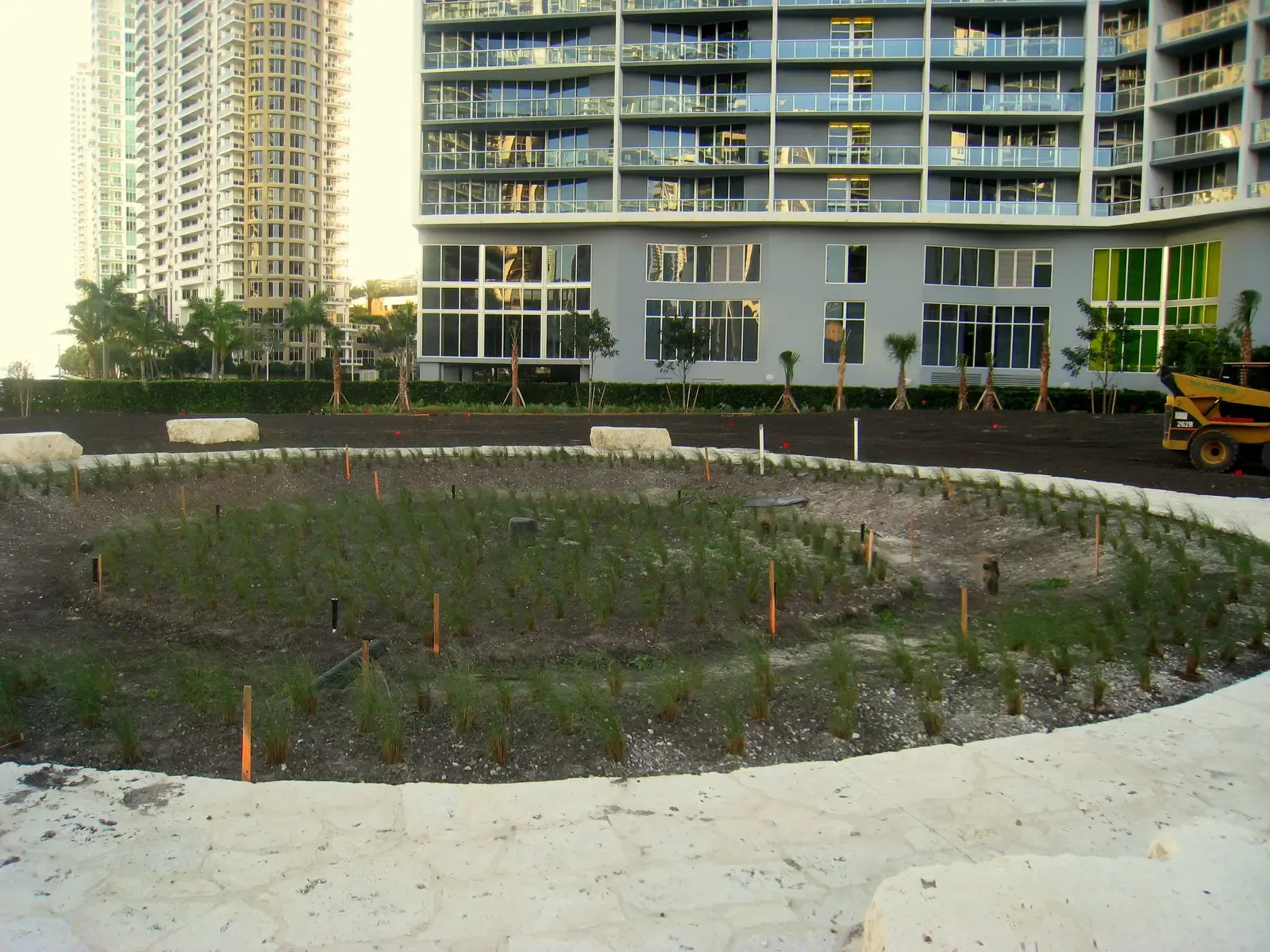
The Miami Circle was only unearthed in 1998 when a Florida developer knocked down a 1950s apartment complex, revealing a circular pattern of holes in the limestone bedrock. This discovery brought modern construction to a grinding halt as archaeologists realized what they’d stumbled upon. The feature comprises a ring of cut basins and post-holes carved into the limestone bedrock. Radiocarbon dates and artifact associations link it to the Tequesta people. The circle’s layout indicates a substantial structure that likely served ceremonial or communal functions.
Archaeologists remain puzzled by the precision of its construction and its true purpose. The perfectly circular structure now sits preserved beneath a public park in downtown Miami, visible through protective glass panels. It stands as a testament to sophisticated engineering from a time we’re only beginning to understand.
Hemet Maze Stone
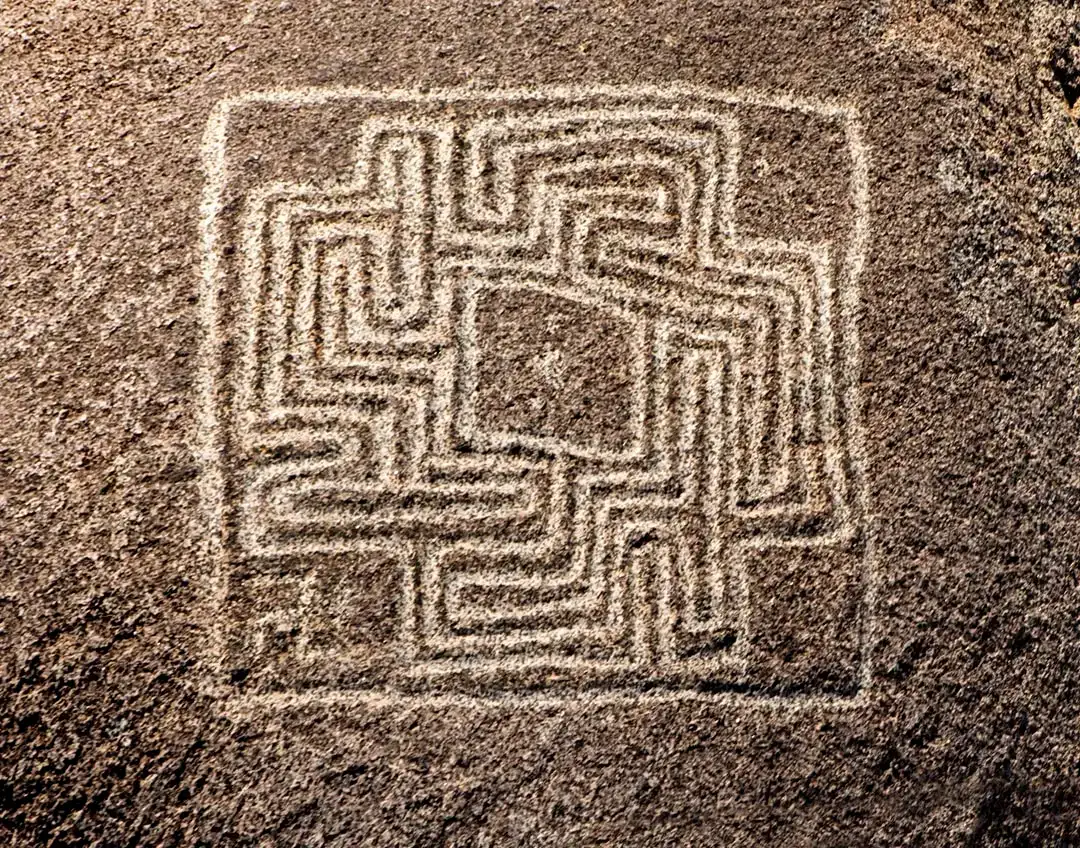
Unlike the other stones in this list, the Hemet Maze stone only has a single carving, but an intriguing one: a three-foot square with an intricate interlocking maze pattern. Archaeologists have only found a handful of other instances of this particular design used in North American rock art, all of them in California, and have no idea about their origin, meaning, or significance.
Archaeologists have only found a handful of other instances of this particular design used in North American rock art, all of them in California, and have no idea about their origin, meaning, or significance. The swastika-like pattern is more common in Hindu and Buddhist art than on this continent. Sadly, a vandal added their own marking to the design sometime in the twentieth century. Now the rock sits behind a chain link fence, isolated and enigmatic.
Poverty Point Mounds
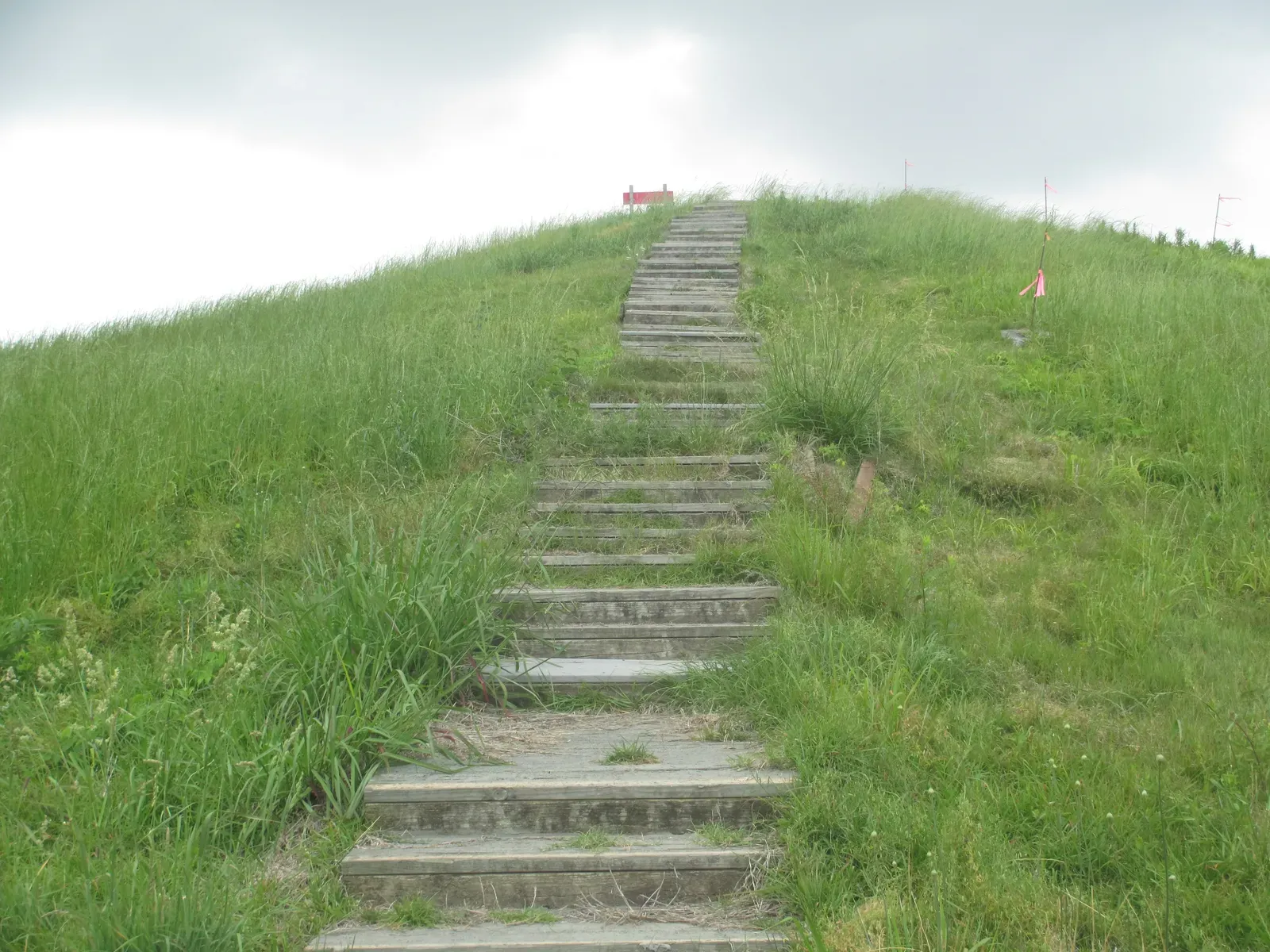
At this same time, in the Lower Mississippi Valley, the hunter-gatherers of a burgeoning egalitarian society were constructing one of the oldest and most impressive earthwork monuments in the western hemisphere. Known today as Poverty Point, this approximately 3,500-year-old structure was built sometime between 1700 B.C.E. and 1100 B.C.E. These ancient peoples also moved the equivalent of 140,000 dump trucks of dirt without the use of horses or even wheels.
The sheer scale boggles the mind. This discovery of artifacts from throughout the midwest and southeast regions of the U.S. seemingly confirms that Poverty Point was a major trading hub. According to the archaeological evidence, they did it in the absence of any kind of institutional hierarchy, wealth differences, or intensive agricultural systems. That challenges everything experts thought they knew about what was required to build massive monuments.
Blythe Intaglios
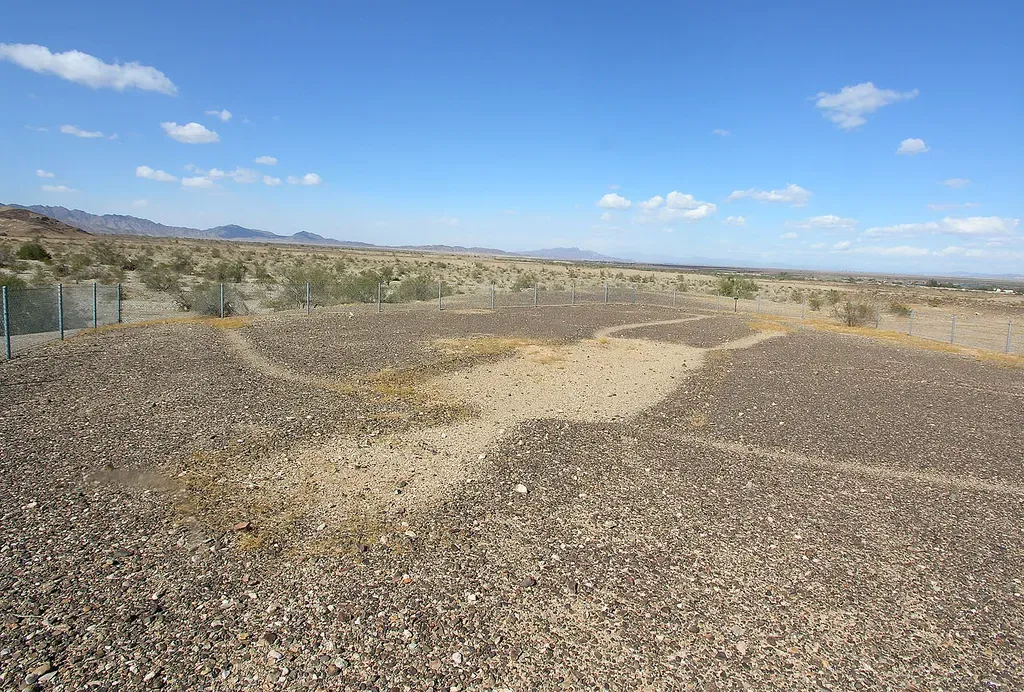
Stretching across the California desert near the Colorado River, the Blythe Intaglios show enormous ground figures depicting human forms, animals, and geometric shapes that can only be fully appreciated from the air. Created by scraping away desert pavement to reveal lighter soil underneath, these massive geoglyphs range from 95 to 171 feet in length.
Their exact age, purpose, and creators remain unknown. The sites are accessible to the public but truly make sense only when viewed from aircraft. Who created them and why remains one of the Southwest’s most captivating mysteries, especially considering the effort required to create images that can’t be properly appreciated from ground level.
Stone Chambers of New England
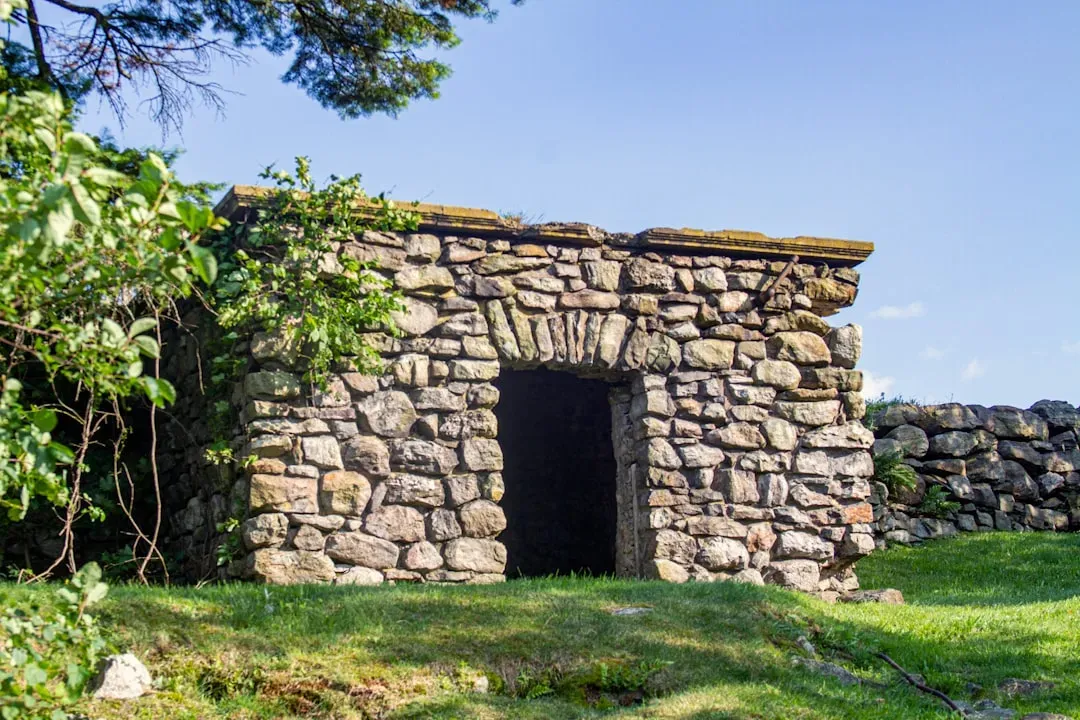
Scattered throughout the forests and fields of New England, particularly in Vermont and New Hampshire, stand hundreds of mysterious stone chambers that have left archaeologists puzzled for generations. While some argue these chambers were simple root cellars built by colonial farmers, their advanced engineering, orientation to solar events, and carbon dating of surrounding artifacts suggest they may be far older.
The Upton Chamber is built into a hill and has a long passageway that opens up into a beehive-like dome. The chamber indicates a fundamental knowledge of stonework on the part of its builders and is also astronomically aligned. On the summer solstice, the entrance of the chamber aligns perfectly with the Sun, allowing the inner dome to be fully illuminated. That kind of precision doesn’t happen by accident.
Conclusion
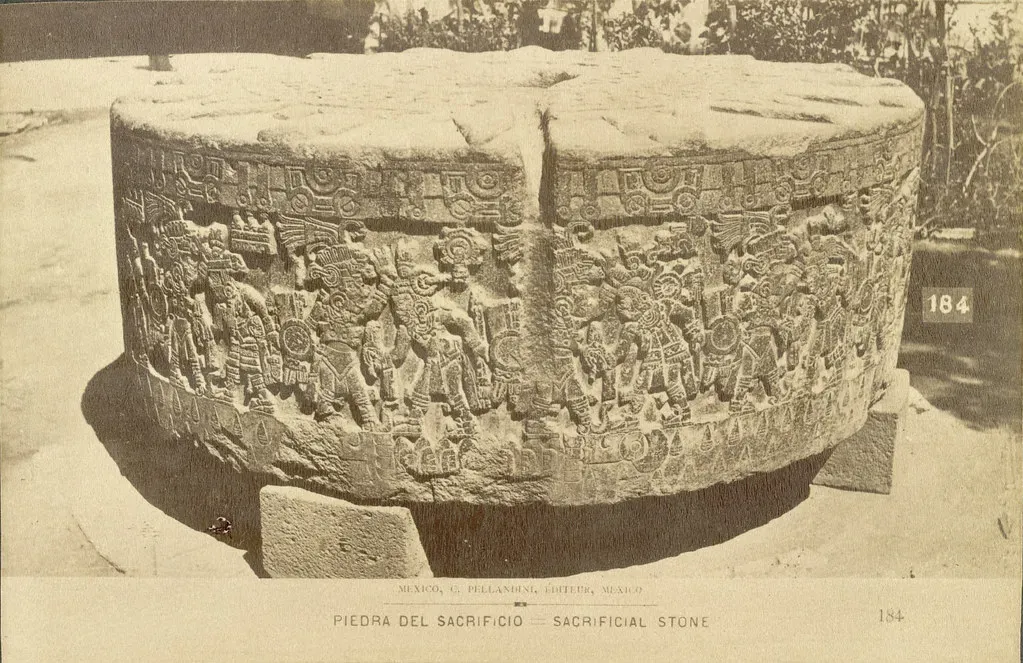
These ten objects represent just a fraction of the archaeological puzzles scattered across America. Some may eventually be proven as hoaxes, crafted by people with too much time and a sense of mischief. Others might genuinely rewrite our understanding of who traveled where and when. The debate surrounding each artifact reveals how passionate people become when history refuses to cooperate with established narratives.
Maybe that’s what makes these mysteries so compelling. They remind us that for all our scientific tools and expertise, the past still holds secrets we haven’t cracked. Each stone, coin, and earthwork whispers stories we can barely hear, leaving us to wonder what other surprises might be waiting beneath our feet. What’s your take on these mysteries? Are they elaborate frauds or genuine glimpses into a past we’ve yet to fully understand?
