


When it comes to unique animals, few are as bewildering as the platypus. Found exclusively in eastern Australia, this egg-laying mammal defies categorization. The platypus sports a duck-like bill, webbed feet, and a beaver-like tail—features that initially led European scientists to believe it was a hoax. Male platypuses can deliver a painful sting using venomous spurs on their hind legs. Their ability to sense prey through electroreception is another trait that sets them apart. The platypus is a living reminder of Australia’s distinctive wildlife evolution.
Koala The Eucalyptus Specialist

Koalas have captured the hearts of people worldwide with their fluffy ears and teddy bear-like appearance. However, their unique adaptation to life in eucalyptus trees makes them fascinating creatures. Exclusively found in eastern and southern Australia, koalas primarily feed on eucalyptus leaves, which are toxic to most animals. Koalas have a specially adapted digestive system that detoxifies the leaves. They spend up to 22 hours a day resting to conserve energy and digest their fibrous diet.
Kangaroo The Iconic Marsupial

The kangaroo is perhaps Australia’s most iconic animal, recognized for its powerful legs and jumping prowess. There are several species of kangaroos, scattered across various Australian landscapes, from deserts to forests. These marsupials give birth to underdeveloped young that continue growing in their mother’s pouch. Their incredible ability to cover large distances quickly and with minimal energy expenditure makes them unique among mammals. The red kangaroo, the largest of the species, can reach speeds of up to 56 kilometers per hour.
Wombat Nature’s Burrower
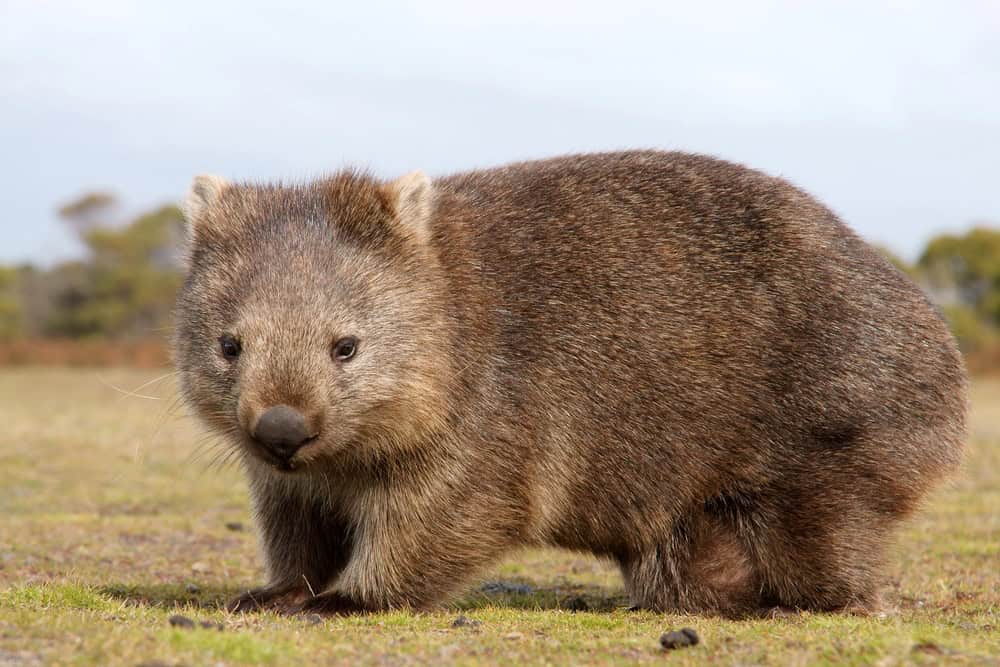
Wombats are robust, burrowing mammals native to Australia, known for their cube-shaped droppings. These nocturnal creatures have strong limbs and claws perfected for digging extensive burrow systems where they live and protect themselves from predators. Wombats have a unique backward-facing pouch, which keeps soil from covering their young while they dig. Their diet primarily consists of grasses, roots, and bark. Found commonly in forested, mountainous, and heathland areas, wombats contribute significantly to soil health and ecosystem balance.
Echidna The Spiny Anteater

Echidnas, or spiny anteaters, are remarkable for being one of the only egg-laying mammals, alongside the platypus. Covered in spines and possessing a long, sticky tongue, echidnas primarily eat ants and termites. Found throughout various Australian environments, from deserts to forests, their adaptability aids their survival. They have specialized snouts for detecting vibrations and several electroreceptors, much like the platypus. Echidnas curl into a spiky ball when threatened, deterring predators with their sharp spines.
Tasmanian Devil The Fiercest Marsupial

Native to Tasmania, the Tasmanian devil is the largest carnivorous marsupial still in existence. Despite its small size, it is known for its feisty demeanor and loud, screechy vocalizations. Tasmanian devils have extremely strong jaws, capable of crushing bones to extract nutrients from carrion. The species is under threat due to a contagious cancer known as Devil Facial Tumour Disease. Conservationists are working tirelessly to ensure the devil’s survival through breeding programs and disease management.
Quokka The World’s Happiest Animal

The quokka is often referred to as “the world’s happiest animal” due to its cheerful facial expressions. These small marsupials are native to Rottnest Island and parts of Western Australia. Quokkas are herbivorous and nocturnal, making them predominantly active during nighttime. Despite their friendly appearance, they are wild animals and should not be handled or fed by humans. Their population has endured challenges due to habitat loss and predation by non-native species, but conservation efforts have been increasing their numbers.
Numbat The Termite Eater
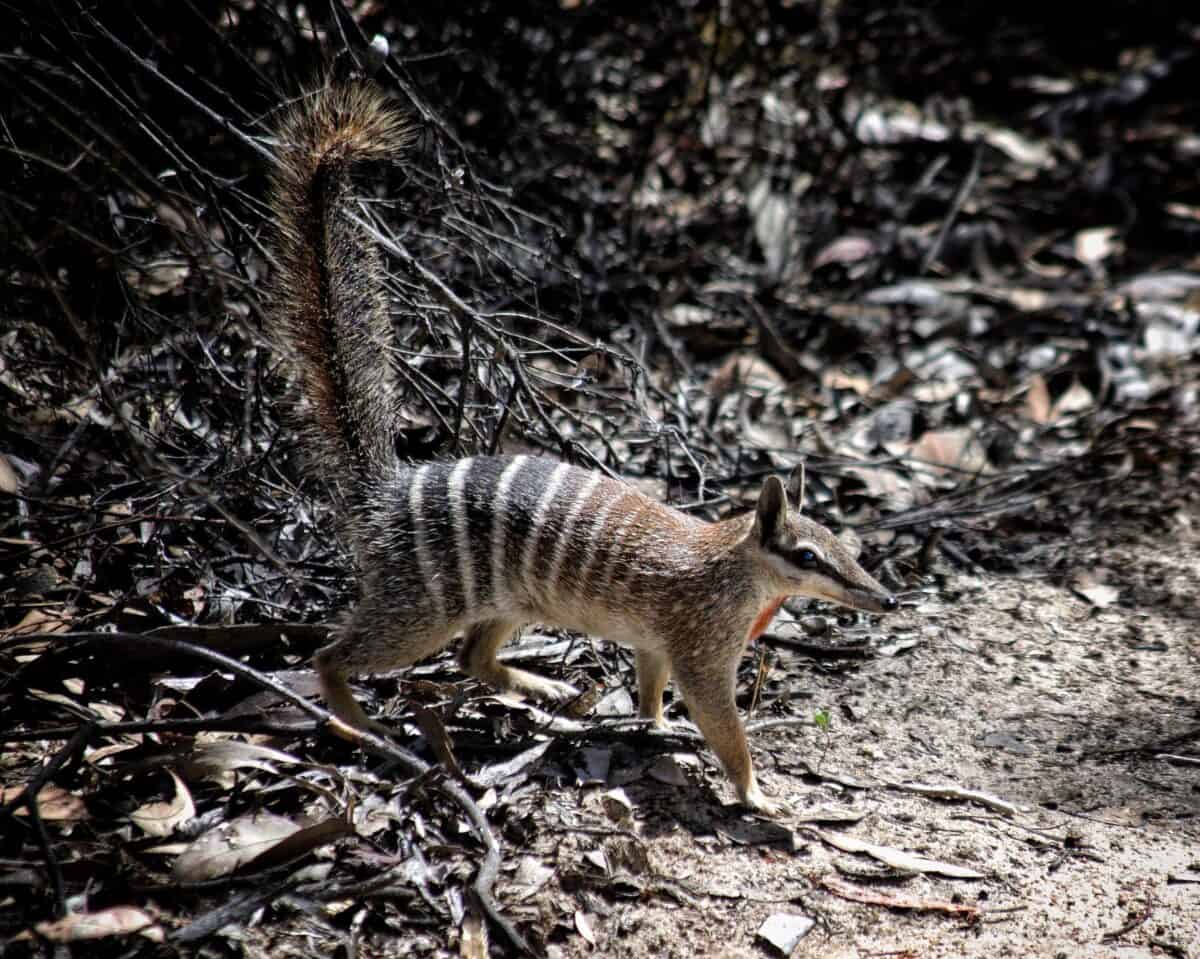
The numbat is a small marsupial with distinctive stripes across its back. Native to Western Australia, it primarily feeds on termites, which it locates using its keen sense of smell. Numbats play an essential ecological role in controlling termite populations. Once widespread, they are now endangered due to habitat destruction and predation. Conservationists aim to restore and expand their habitat and have successfully reintroduced numbats into part of their former range.
Sugar Glider The Miniature Acrobat
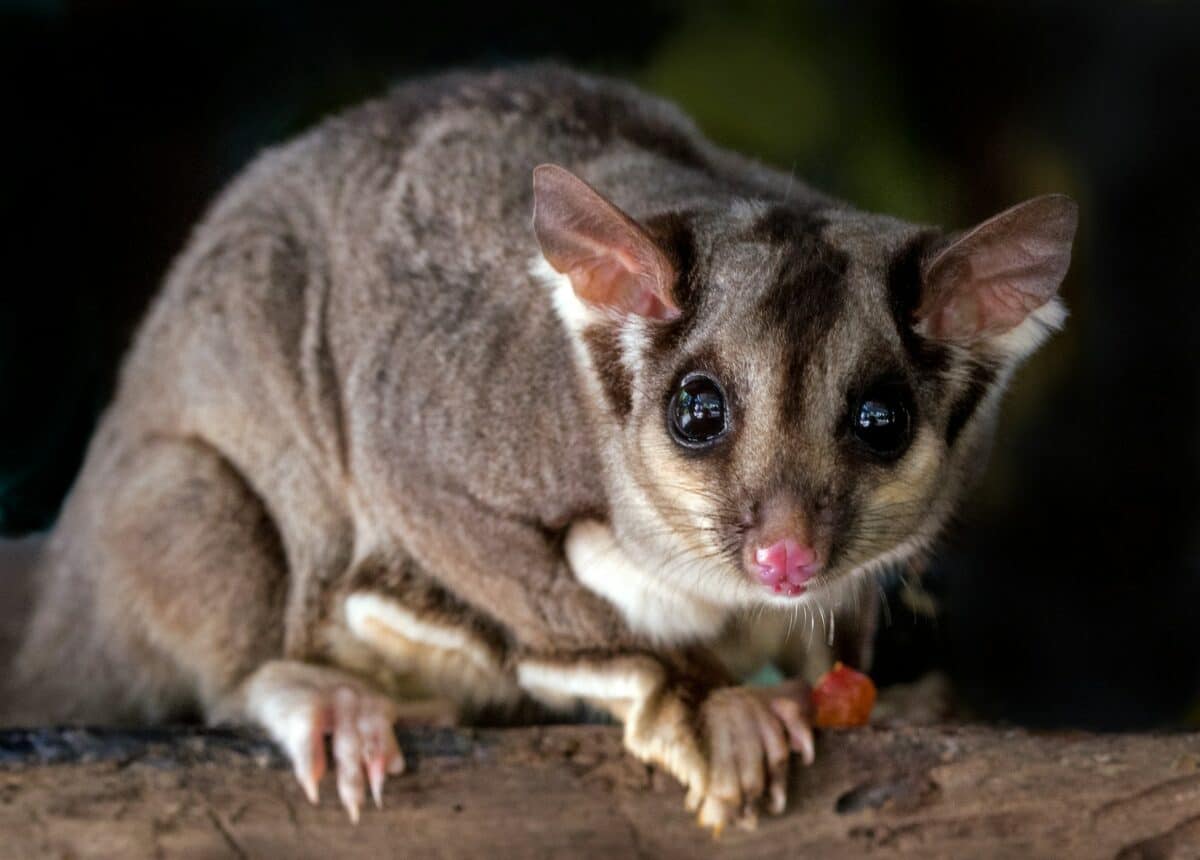
Sugar gliders are small marsupials capable of gliding through the air thanks to a special membrane stretching from their forelegs to hindlegs. This ability allows them to move between trees with ease, avoiding ground-dwelling predators. They are social animals, often found in groups, and primarily feed on sugary substances like sap and nectar, which gives them their name. Sugar gliders inhabit forests and woodlands across eastern and northern Australia, making them a widespread yet fascinating member of Australia’s wildlife family.
Cassowary The Rainforest Sentinel

The cassowary is a large, flightless bird found in the tropical rainforests of northern Australia. Known for its striking blue skin and formidable casque atop its head, the cassowary plays a crucial role in seed dispersal within its habitat. Despite their intriguing appearance, cassowaries can be dangerous, equipped with a sharp dagger-like claw. As a keystone species, their conservation is vital to maintaining the health and diversity of rainforest ecosystems. Habitat loss and vehicle collisions pose significant threats to their population.
“`

As a little kid, I fell in love with nature, wildlife, and animals. Living in the USA, South Africa, Italy, China and Germany gave me the opportunity to discover the world's Wildlife. My favorite animals are Mountain Gorillas, Siberian Tigers, and Great White Sharks.
I'm a certified PADI Open Water Diver, went to Everest Base Camp and Trekked Gorillas in Uganda. I hold a Master of Science in Economics and Finance.
Please send any feedback to feedback@animalsaroundtheglobe.com
- 14 Ways Zebras Stay Safe in the Wild - June 3, 2026
- Top Destinations for Swimming With Manatees in the U.S. - June 3, 2026
- 15 Marine Creatures You Did not Know Existed - June 3, 2026