


Every horse owner dreads the day when they must face the hardest decision of all – when to say goodbye to their beloved companion. It’s a moment that tests our love in ways we never imagined, forcing us to put our horse’s comfort above our own heartbreak. The phrase “crossing the rainbow bridge” has become a gentle way to describe this final journey, but knowing when that time has arrived isn’t always clear-cut.
Horses are incredibly stoic creatures by nature. As prey animals, they’ve evolved to hide pain and weakness, making it challenging for even experienced owners to recognize when their horse is truly suffering. Yet, if you know what to look for, your horse will communicate with you through subtle but unmistakable signs that their quality of life has diminished beyond what’s acceptable. So let’s explore the five most telling signs that your horse may be ready to cross the rainbow bridge.
Persistent and Unmanageable Pain
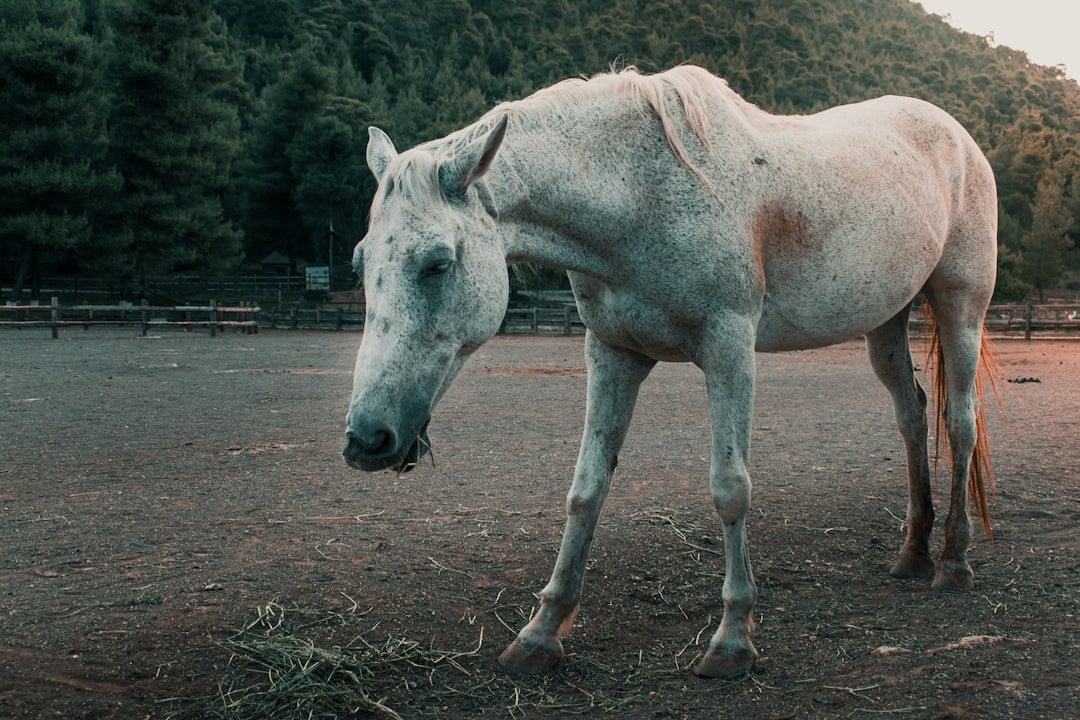
Perhaps the most heartbreaking sign is when your horse experiences continuous or unmanageable pain from a condition that is chronic and incurable. This isn’t the temporary discomfort from a minor injury or the manageable ache of mild arthritis. We’re talking about the kind of pain that medication can’t touch anymore, where your horse’s eyes tell a story of constant suffering.
Horses suffering chronic pain show reduced food and water intake, often accompanied with weight loss; changes in sleeping habits and increased periods of recumbency; and changes in social behavior, such as irritability or aggressiveness toward people and other horses. You might notice your horse standing in unusual positions, trembling, or showing signs of distress even when they’re supposed to be resting. When pain medication stops working or requires dangerously high doses to provide even minimal relief, it may be time to consider that final act of love.
Loss of Basic Life Functions – The MEDW Criteria
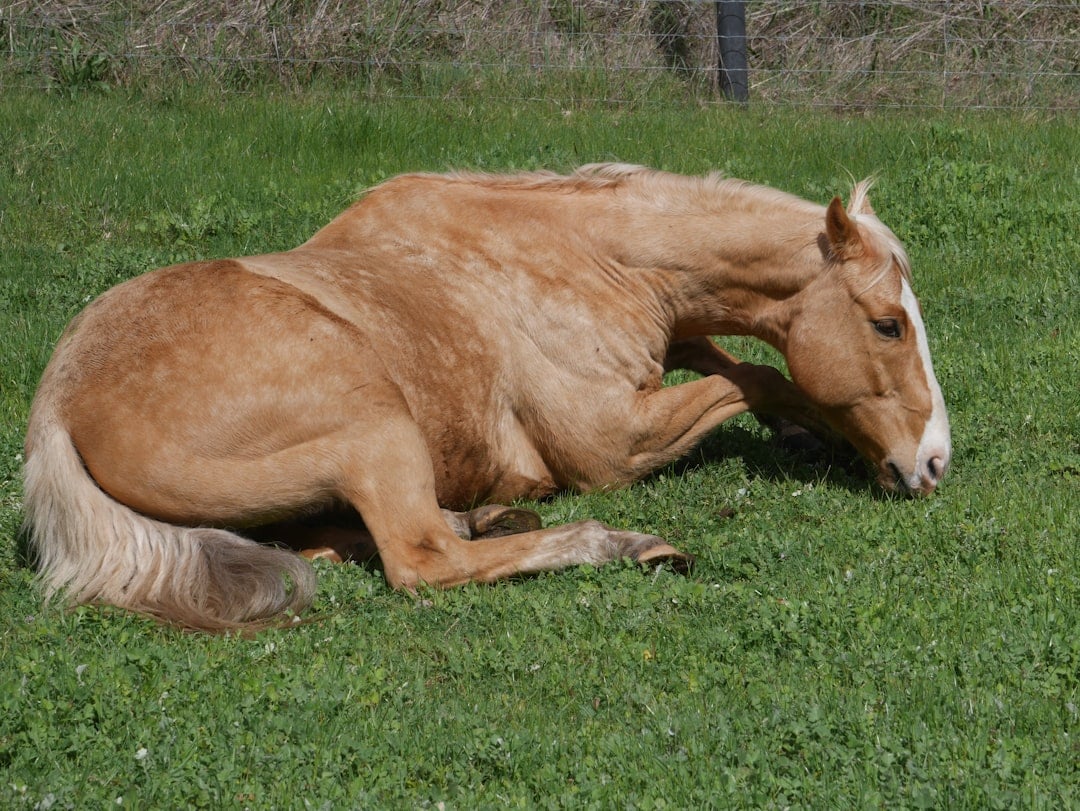
Some veterinarians use assessment criteria focusing on basic life functions to evaluate a horse’s quality of life. These criteria can be used in daily monitoring of the stages of disability of a horse, such as a geriatric horse, to evaluate normal ambulatory movement (M), eating (E), drinking (D), and body weight (W). Some endpoints using the MEDW criteria include the constant struggling of a horse to perform simple movement activities (M), a compromised eating desire or dental function (E), a failure to consume adequate amounts of water (D), or a deteriorated body condition with significant body weight loss (W).
When your horse can no longer perform these basic functions of life – when they struggle just to walk across the pasture, when eating becomes a painful chore, or when they’ve lost significant weight despite your best efforts – these are clear indicators that their body is failing them. Horses that can no longer rise from a recumbent position will be susceptible to colic due to their propensity to compromise gut function while down. The inability to get up is particularly serious, as it can quickly lead to additional complications.
Complete Loss of Mobility and Independence
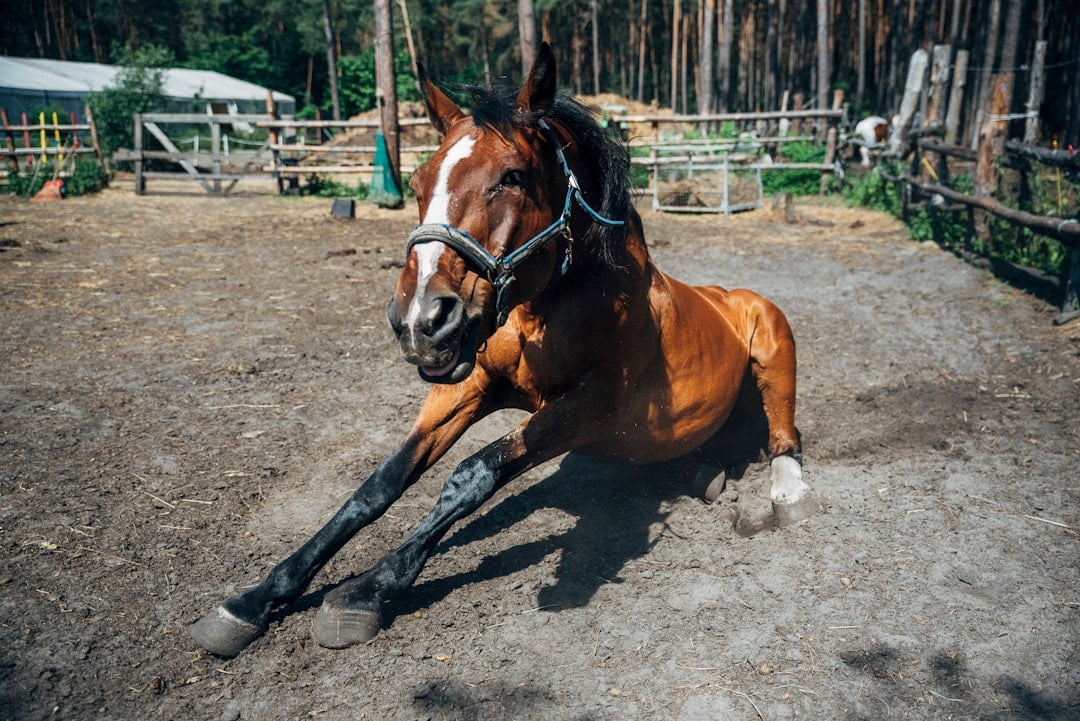
Signs that your horse may not have an acceptable quality of life include: not being able to graze or forage for food for most of the day – a behavior that’s as natural to horses as breathing. When a horse loses the ability to move freely, to choose where to go and what to do, they’ve lost something fundamental to their nature.
Horses are meant to be mobile creatures, designed to roam and graze for up to 16 hours a day. When chronic conditions like severe laminitis, advanced arthritis, or neurological disorders rob them of this basic freedom, they often become withdrawn and depressed. Horses known to be in pain, especially chronic pain, may seem depressed or at least more sedentary, and exhibit reduced self-maintenance behaviors. You might notice they no longer groom themselves, interact with other horses, or show interest in their surroundings.
Dangerous Behavior Due to Pain or Confusion
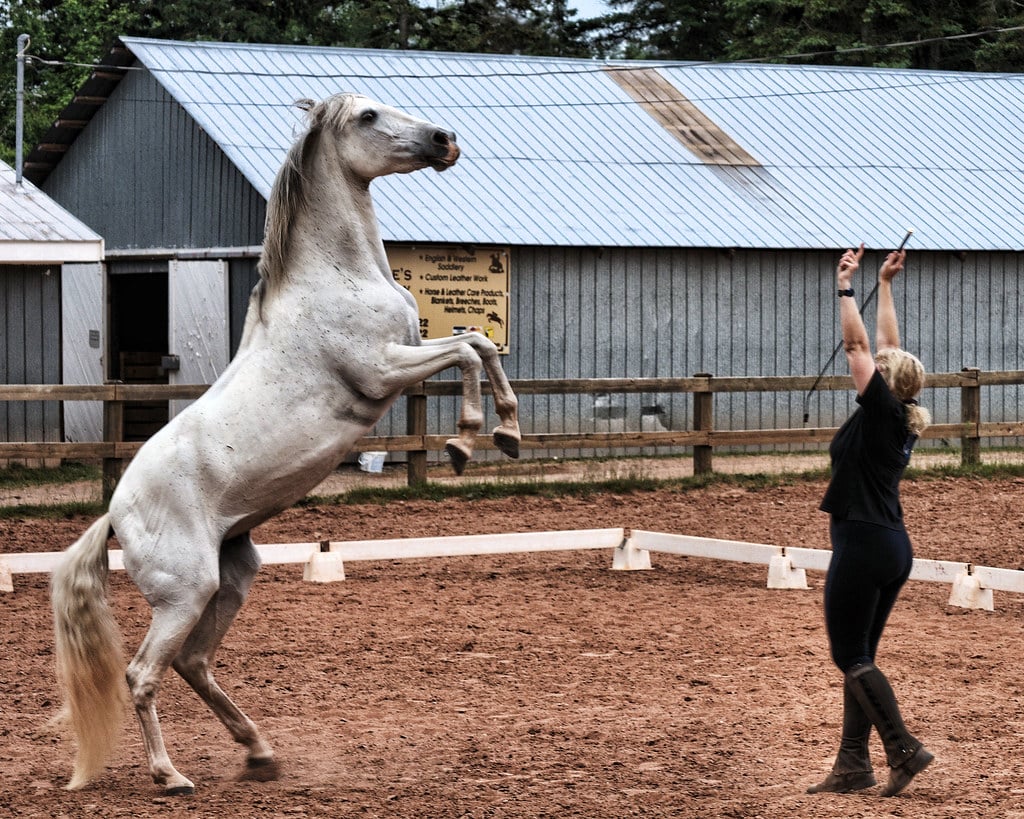
Sometimes, chronic pain or neurological conditions can cause horses to become dangerous to themselves and others. Some of the circumstances that may require an owner to make the decision to euthanize include dangerous behavior. Is the horse dangerous to himself or others? This isn’t about a horse having a bad day or being cranky – it’s about unpredictable, aggressive behavior that puts everyone at risk.
Behavioural assessment of behaviours such as aggression could also be studied to assess possible signs of chronic pain, as has been described in humans and in horses with chronic pain problems that reacted aggressively to humans. When pain drives a normally gentle horse to lash out without warning, or when neurological conditions cause erratic behavior that could injure handlers, family members, or other animals, the safety concern becomes paramount. This transformation is often as heartbreaking for owners as it is dangerous.
When Hope Has Been Exhausted

Is the condition chronic or incurable? Does the immediate condition suggest hopeless prognosis? Will the horse require continuous pain medication for the rest of its life? Perhaps the most difficult sign to accept is when you and your veterinarian have tried everything, and there’s simply nothing more that can be done to improve your horse’s quality of life.
This might come after months or years of treatments, surgeries, medications, and alternative therapies. You’ve spent countless hours and resources trying to help your horse, but their condition continues to deteriorate. Failing to face the decision to euthanize a horse to relieve pain and discomfort could be considered neglect. In this sense, “death becomes an act of care that starts long before the final moment of euthanasia.” When hope is exhausted and suffering continues, the kindest thing you can do is let them go.
Making Peace With the Most Difficult Decision
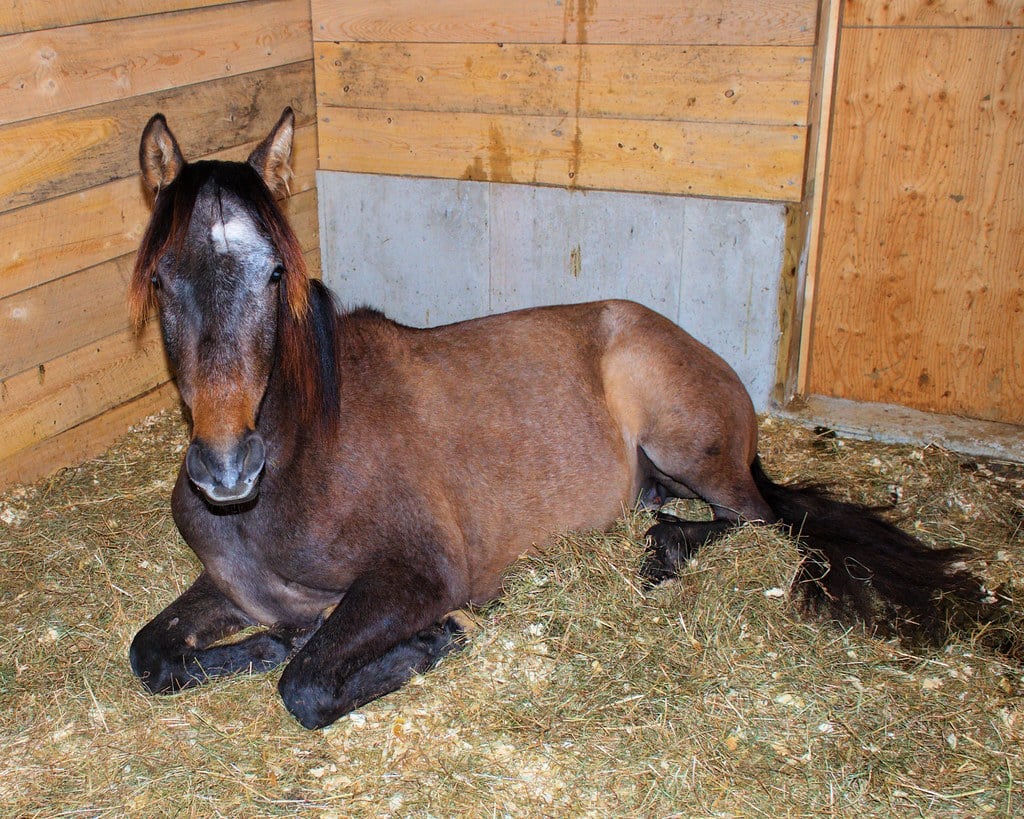
Considering your horse’s quality of life is imperative, and whilst it is not an easy decision to make, the implications in delaying euthanasia can have a much greater impact on their well-being and on your peace of mind. The decision to euthanize a horse is never easy, but it can be the final gift of love you give to a companion who has given you so much.
Many horse owners want to give their horse one last summer, but many veterinarians advocate that “It’s better a week too soon than a day too late.” This wisdom, though painful to accept, recognizes that our horses depend on us to make the hard choices they cannot make for themselves. Though one of the most difficult decisions owners must face, to euthanize a horse is also sometimes one of the most humane and selfless acts that can be made on behalf of the horse. When you see these signs in your beloved horse, remember that choosing to let them cross the rainbow bridge isn’t giving up – it’s giving them the ultimate gift of freedom from suffering.
The rainbow bridge may be just a metaphor, but the love that guides that final decision is real, profound, and lasting. What would your horse want you to remember most about the life you shared together?
