
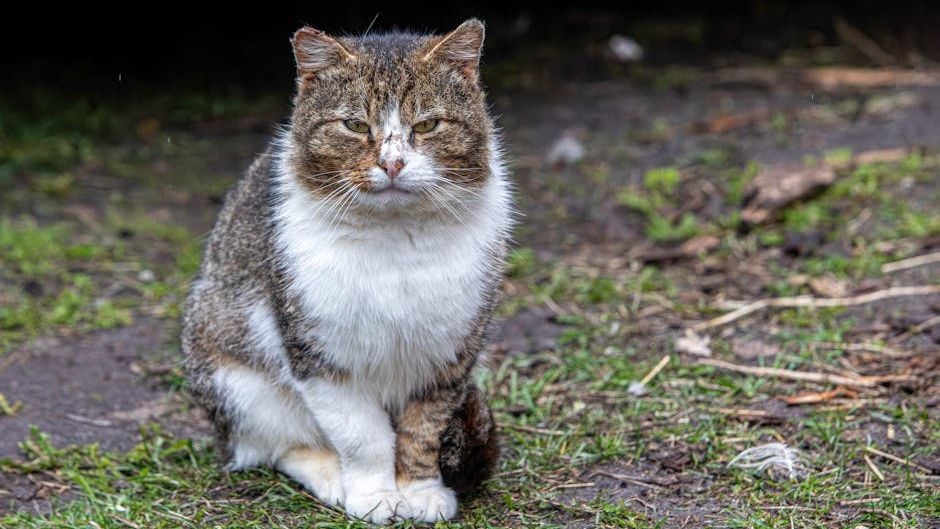
Grief has long been assumed to be a uniquely human experience. We build memorials, hold ceremonies, wear black, and carry our losses with us for years. Yet something shifts when you watch a mother elephant gently touch the bones of her dead calf with her trunk, or when you learn that an orca carried her newborn’s body through the ocean for seventeen days. The distance between human and animal emotion suddenly feels much smaller.
A growing body of scientific evidence supports the idea that nonhuman animals are aware of death, can experience grief, and will sometimes mourn for or ritualize their dead. Changes in a survivor’s patterns of social behavior, eating, sleeping, and expression of affect are the key criteria researchers use to define grief in animals. What follows are ten remarkable, research-supported ways that animals grieve, each offering a window into an emotional world far richer than most people expect.
1. Elephants Touch and Revisit the Bones of Their Dead
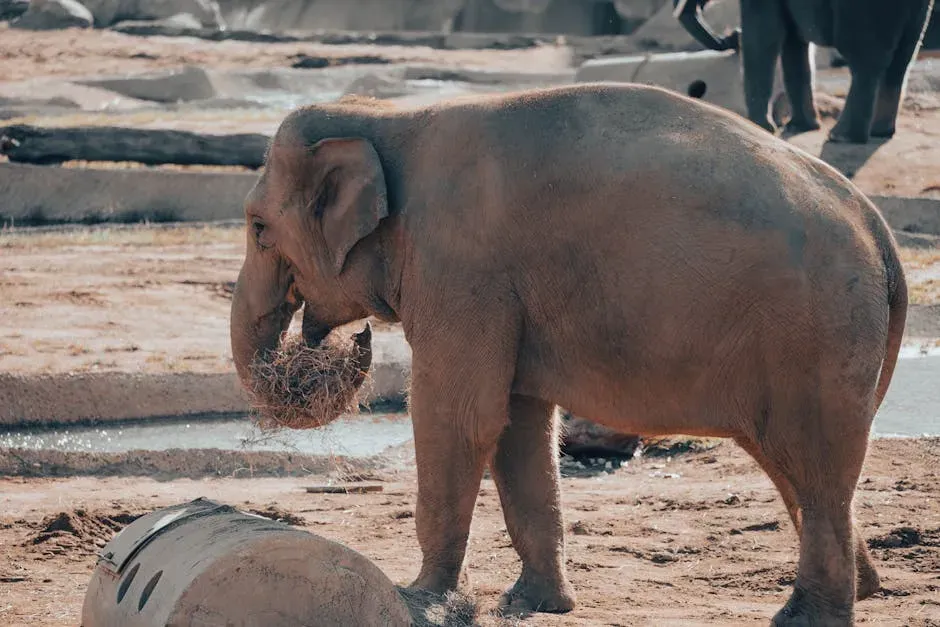
Of all animals observed in the context of grief, elephants occupy a category of their own. Elephants are, at present, the gold standard in animal grief studies. Their responses to death are not fleeting moments of confusion; they are deliberate, repeated, and clearly focused on the individual who has died.
Elephants have been known to cover the bodies of their dead with dirt and branches, smell and touch the bones of their dead, and visit them numerous times. Studies empirically confirm that they show more interest in elephant bones than those of other species.
One vivid ritual exploration of bones was caught on video in 2016 by a doctoral student studying elephants in Africa. Members of three different elephant families came to visit the body of a deceased matriarch, smelling, touching, and repeatedly passing by the corpse. The fact that unrelated family groups traveled to pay respects is particularly striking. It suggests something close to a communal mourning practice.
2. Orca Mothers Carry Their Dead Calves for Days
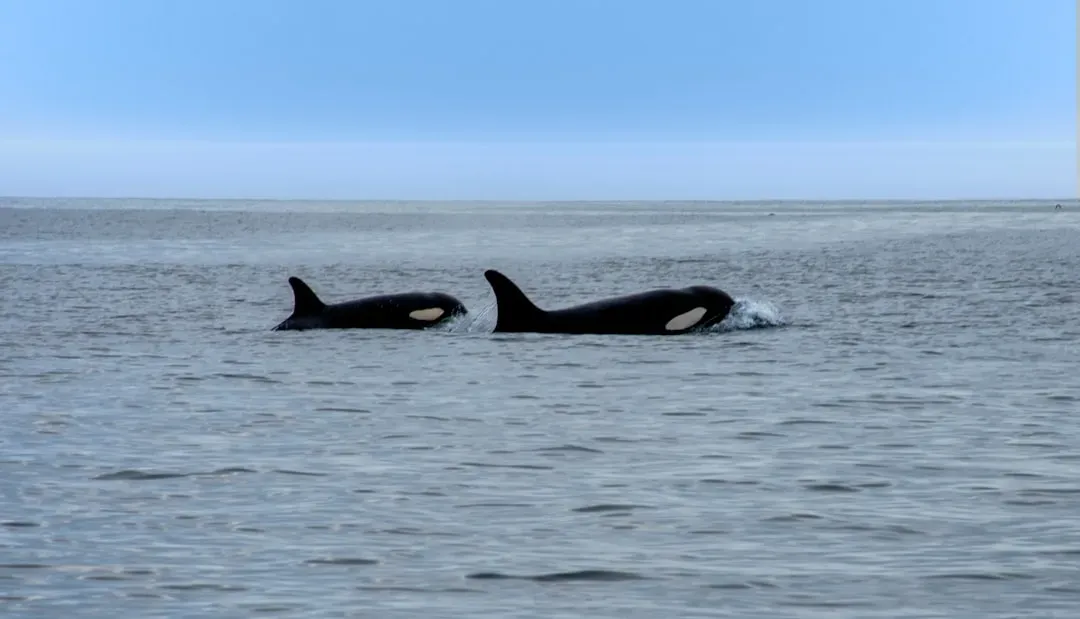
Perhaps no image captures animal grief more powerfully than that of an orca mother refusing to release her dead newborn. The most heartbreaking story is that of Tahlequah, an orca mother who carried her dead newborn for an astonishing seventeen days. She pushed the tiny body through the open ocean, diving to retrieve it each time it slipped away.
In 2010 in Washington State, people observed a killer whale pushing around and nuzzling her dead calf for six hours, unwilling to abandon the body. These cases are not isolated. Scientists found that at least twenty species of cetaceans display some form of post-mortem attentive behavior. Of these twenty species, most were dolphins rather than whales.
Such behavior carries an enormous cost: a whale keeping vigil over a dead companion is a whale that isn’t eating or reinforcing its alliances with other whales. The willingness to pay that price speaks to the depth of the bond.
3. Chimpanzees Groom and Guard the Bodies of Their Dead
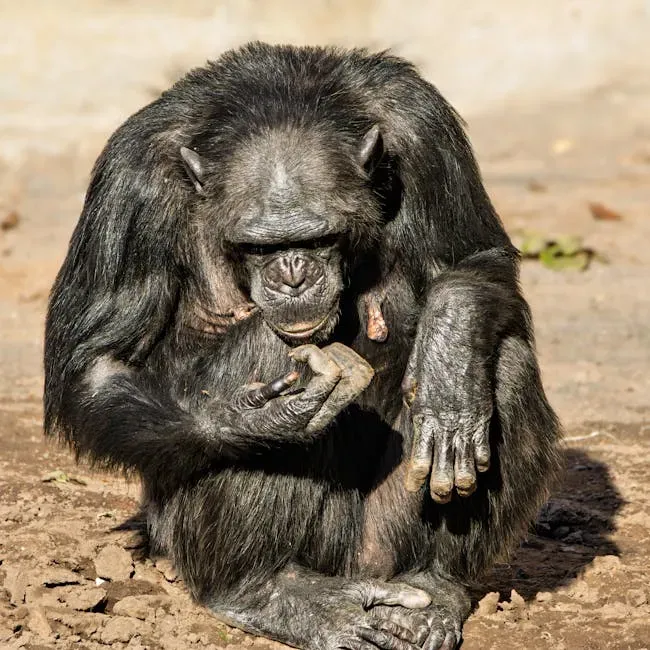
Chimpanzees have been known to take care of fellow chimps who are dying through grooming and cleaning practices. Healthy chimps will not leave the dying member’s side and will also often sleep next to those who are unwell. When death does arrive, that care continues in a different form.
In the case of an elderly female named Pansy, the chimpanzees checked her body for signs of life and cleaned bits of straw from her fur. They refused to go to the place where Pansy had died for several days afterwards. In another instance, scientists documented a chimpanzee using a tool to clean a corpse.
A research group led by Dora Biro at the University of Oxford observed two chimpanzee mothers carrying the remains of their dead infants for weeks. The observations were made in the forests of Bossou, Guinea, where primatologists had been studying wild chimps for three decades. The mothers even brushed flies away from their babies and groomed them regularly. It is hard to interpret that behavior as anything other than an expression of attachment persisting beyond death.
4. Corvids Hold What Researchers Call “Funerals”
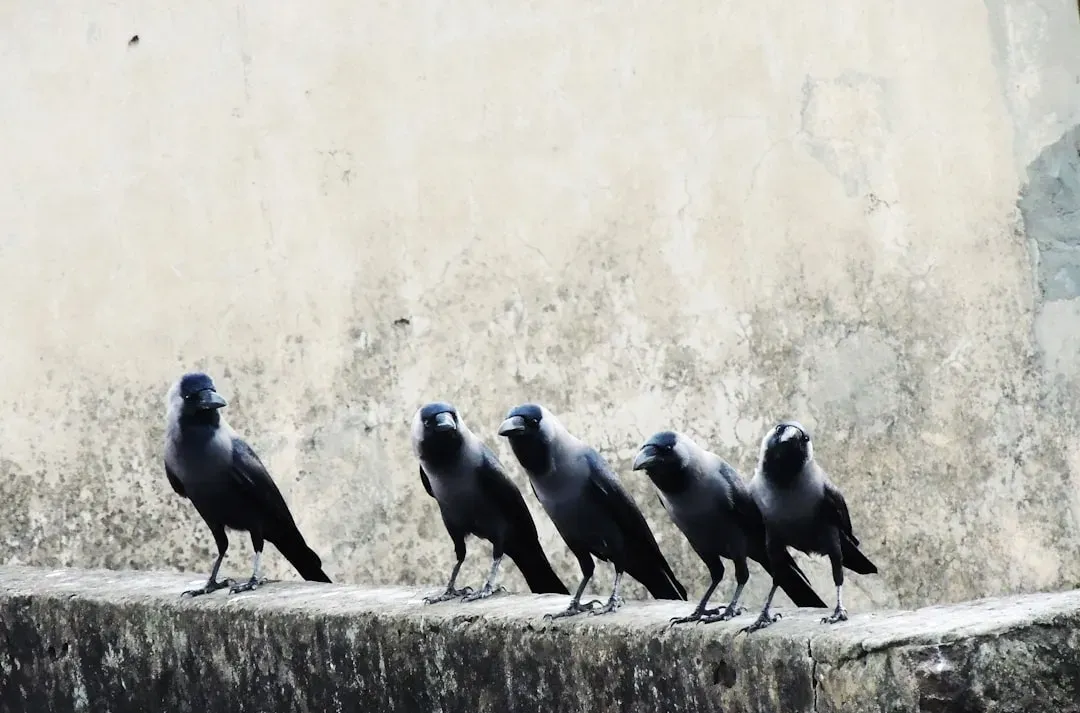
Crows, ravens, and magpies belong to the corvid family, a group renowned for their intelligence. Their response to a dead companion takes a form that many researchers describe as genuinely funeral-like. Crows have been seen forming what scientists call “cacophonous aggregations,” mobbing and squawking in a big group, in response to another dead crow.
When a magpie encounters a dead companion, it often calls loudly to attract other magpies to the scene. What follows is what researchers have termed “magpie funerals,” where the birds gather around the deceased, take turns approaching the body, and sometimes place grass or other items near or on the dead bird.
The assembled magpies often become quiet and subdued during these rituals, a stark contrast to their typically noisy, active behavior. Some researchers have observed magpies standing vigil beside dead companions for hours, refusing to leave even when approached by humans or potential predators. Whether this constitutes grief in a deep emotional sense remains debated, but the behavior’s consistency across corvid species is difficult to dismiss.
5. Dolphins Display Depressive Behavior and Refuse to Leave the Dead
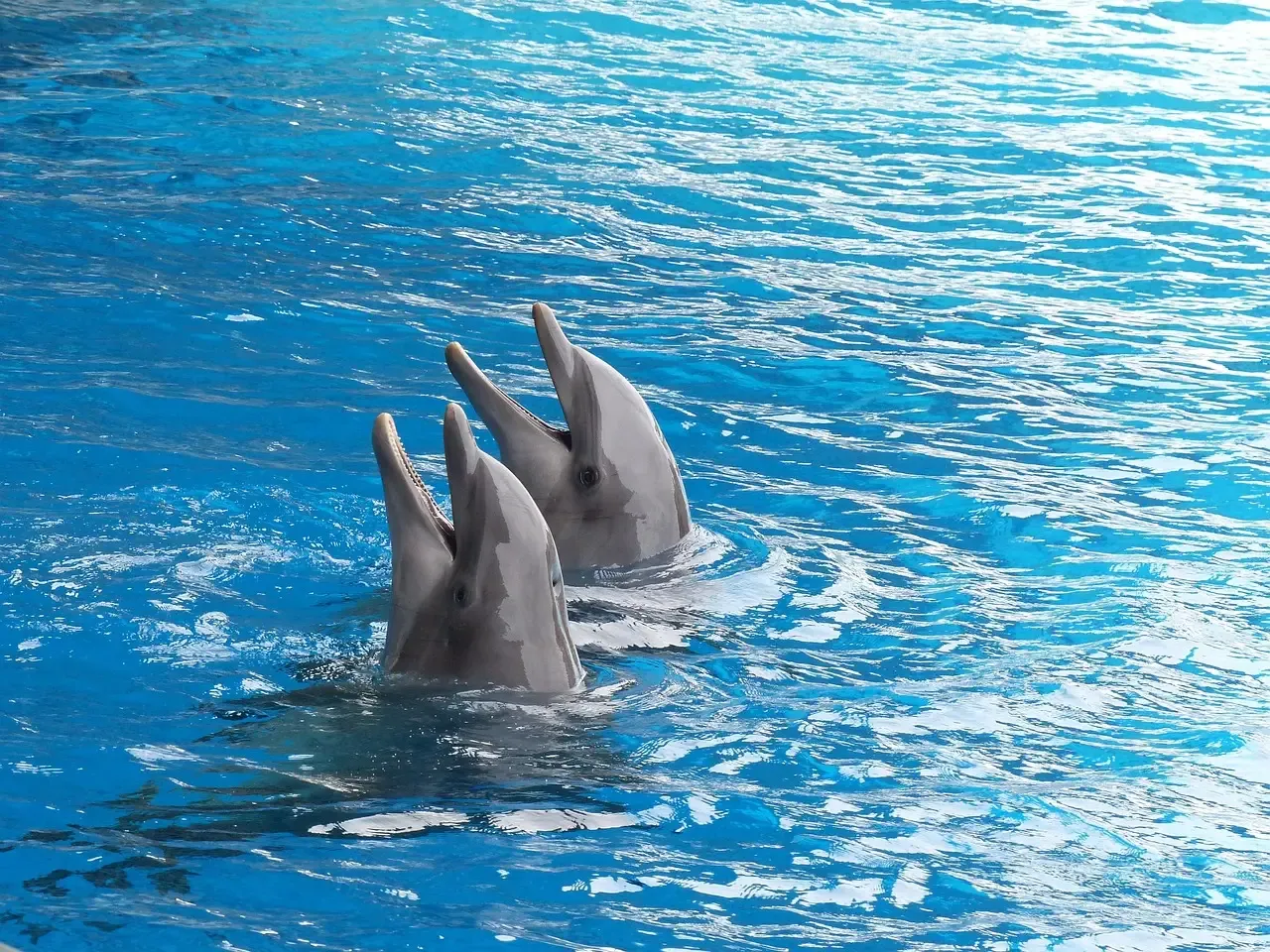
Dolphins are among the most socially complex animals on earth, and their responses to loss reflect that complexity. Dolphins maintain physical contact and watch over their deceased pod members, which demonstrates their sympathetic and altruistic tendencies.
Captive dolphins have been observed lying on the bottom of the pool, seemingly wracked with depression, after the death of a companion. In tight-knit pods, members have been seen unable to leave the bodies of deceased companions, touching them gently or circling them for long periods.
The study showed that cetaceans with the largest brain size relative to their body, living in more complex groups or pods, were more likely to show grief. That finding is consistent with the “social brain hypothesis,” which suggests that navigating the complex interactions of living socially requires more brain power. With that also comes more complex emotions, which includes feelings like grief.
6. Dogs Show Prolonged Behavioral Changes After Losing a Companion

For anyone who has watched a dog search repeatedly through the house after a companion animal dies, the evidence feels obvious. Science is beginning to confirm what pet owners have long observed. According to a recent study, nearly ninety percent of dogs exhibit negative behavioral changes after losing another dog from their household, as reported by their owners, and this appears to occur as a function of the quality of the relationship between the dogs.
Dogs were reported to reduce the volume and speed of food consumption and increase the amount of time spent sleeping. Both dogs and cats were reported to demand more attention from their owners and spend time seeking out the deceased’s favorite spot.
The behavior changes tended to resolve at different times, with changes in affection subsiding between two to six months following the death of a household pet, for both dogs and cats. That timeframe, researchers note, is remarkably similar to the acute grieving period observed in humans.
7. Gorillas Hold Group Vigils for Their Dead
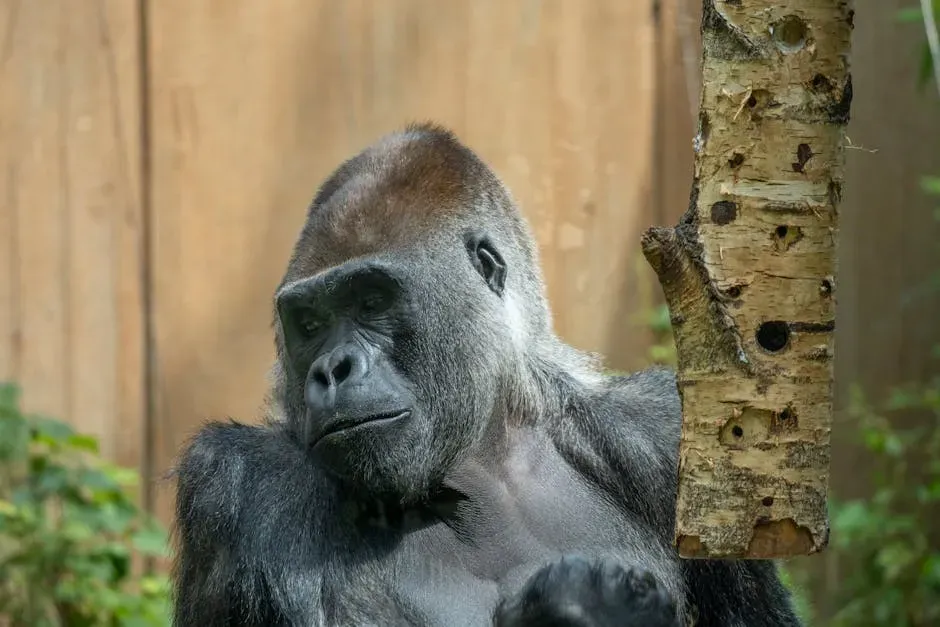
Gorillas are among the closest living relatives to humans, and their responses to death reflect a social awareness that researchers find genuinely striking. What makes gorilla mourning particularly notable is the way the entire social group appears to process the loss collectively. In captive settings, gorillas have been seen attempting to revive dead companions, showing apparent confusion and distress when their efforts fail.
At Zoo Atlanta, when a female gorilla named Babs died in 2008, zoo staff allowed her family members to see her body. The gorillas gathered quietly around her, with her longtime mate, Ozzie, staying by her side and gently touching her face in what appeared to be a farewell gesture.
For two days, a western lowland gorilla cradled and groomed her stillborn infant. Researchers note that allowing gorillas to see their deceased companions may help them process the loss rather than experiencing the stress of an unexplained disappearance, highlighting how similar their grief processing might be to our own.
8. Cats Vocalize and Search for Lost Companions
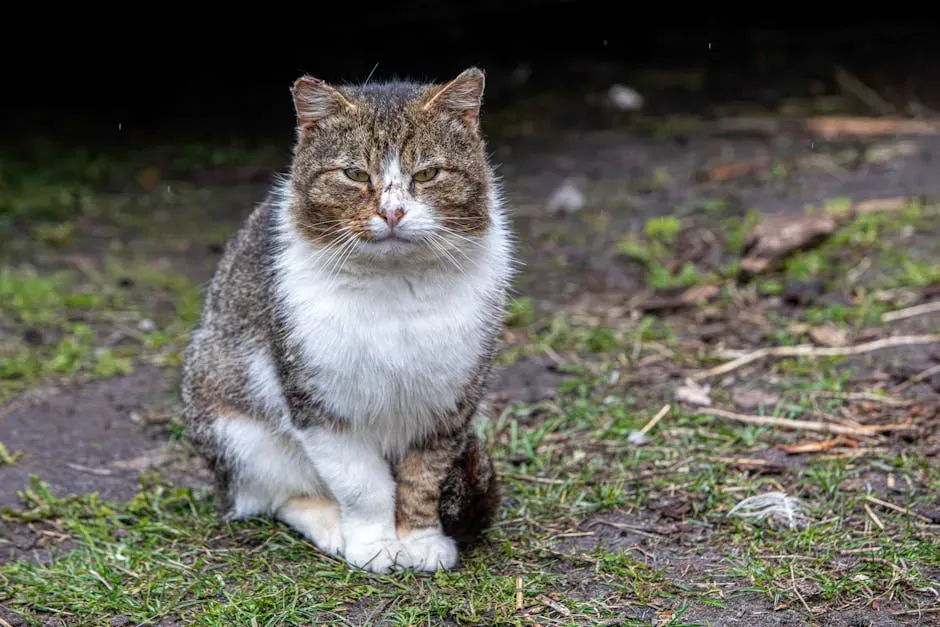
Cats are often portrayed as independent animals with little emotional dependence on others. The research suggests otherwise. Cats sometimes vocalize in distinctive ways or become unusually clingy after losing an animal companion.
Cats were reported to increase the frequency and volume of their vocalizations following the death of a companion. The median duration of reported behavioral changes in both species was less than six months. That sustained period of disruption points to something more than simple confusion over a changed routine.
Animals often search insistently for their deceased companions, much as humans do in the early stages of grief. A cat wandering through familiar rooms, calling out in a changed voice, is doing something that grief researchers recognize: looking for what is no longer there, because the absence is not yet fully processed.
9. Whales Form Protective Circles Around the Dead
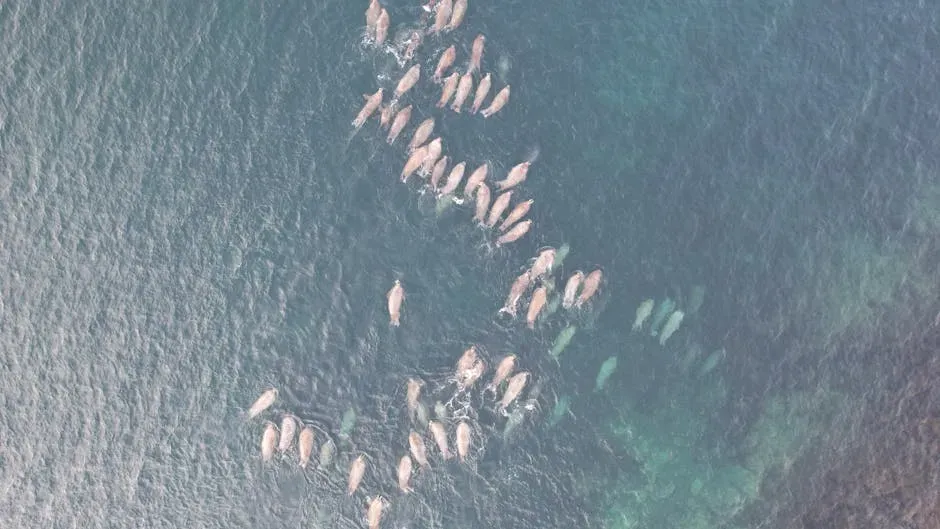
The social structures of whale pods are tight, long-lasting, and deeply layered. Species that live in a matrilineal system, such as killer whales and elephants, or in pods of related individuals such as pilot whales whose groups can comprise up to four generations of animals, spend a lifetime together, sometimes sixty years or more. When a member of such a group dies, the response of the pod can be extraordinary.
In one case, short-finned pilot whales in the North Atlantic Ocean made a protective circle around an adult and dead calf. In another case, a spinner dolphin in the Red Sea pushed a young animal’s body toward a boat. When the vessel’s occupants lifted the carcass on board, the entire group of dolphins nearby circled the boat and swam off.
Whales circle the deceased, carry them through the water, or linger near them in a depressed state. They put the demands of hunger, travel, and social interaction on hold to stay with the dead body. That willingness to defer survival needs for the sake of the dead is one of the most telling markers of something grief-like happening beneath the surface.
10. Diverse Species Show Withdrawal and Behavioral Disruption After Loss
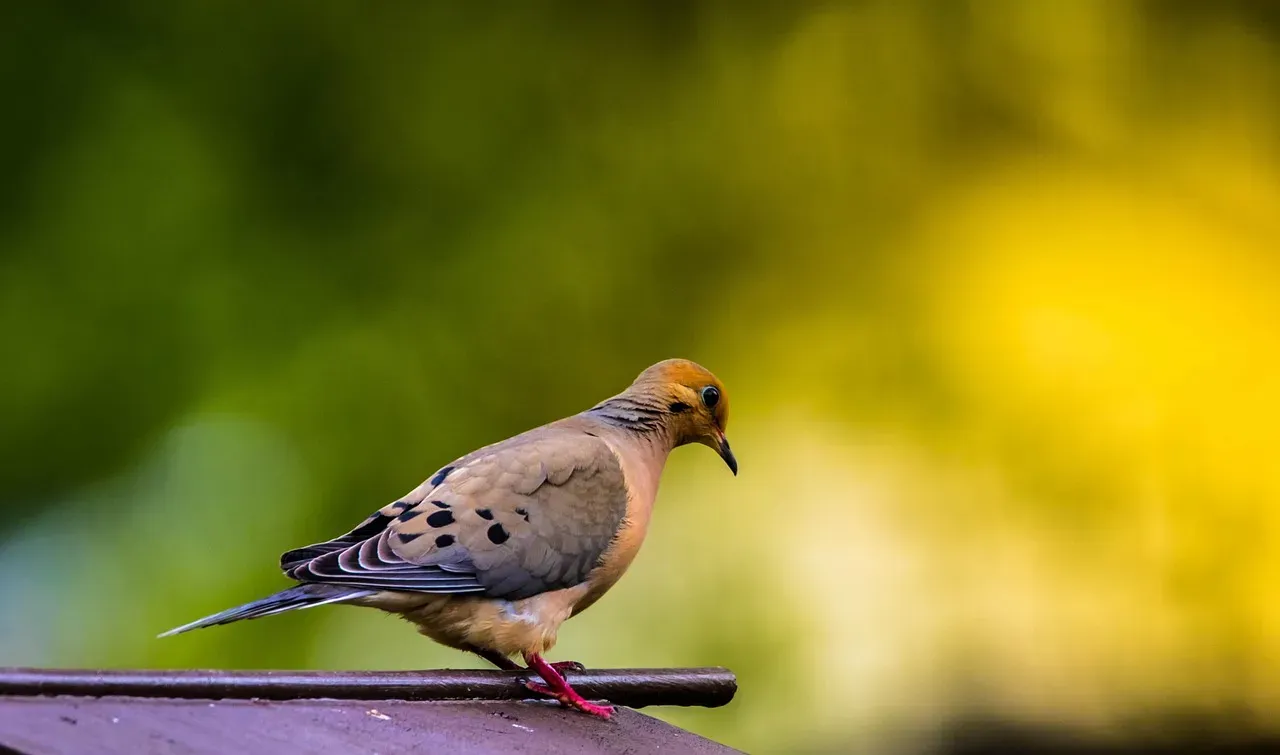
Grief-like behaviors are not confined to the most famous or large-brained species. It is not only big-brained mammals like elephants, apes, and cetaceans who can be said to mourn, but also a wide variety of other animals, including domestic companions like cats, dogs, and rabbits; horses and farm animals; and some birds.
In research discussing the greylag goose, Konrad Lorenz observed that the responses of these geese to the loss of a mate are “roughly identical with those accompanying human grief.” Anthropologist Barbara King documents animal loss responses ranging from cats, dogs, and rabbits searching for their companions, to horses gathering around the grave of one of their herd.
When many social animals mourn, they often exhibit behaviors that do not benefit their survival. Some of these include lacking sleep, reduced food consumption, and withdrawal from socialization. Even fundamental aspects of their personality may change for a period of time. These disruptions, recorded across species as different as geese and gorillas, point to something the research community is increasingly willing to name: the widespread, cross-species presence of grief.
Conclusion: A Broader Circle of Loss
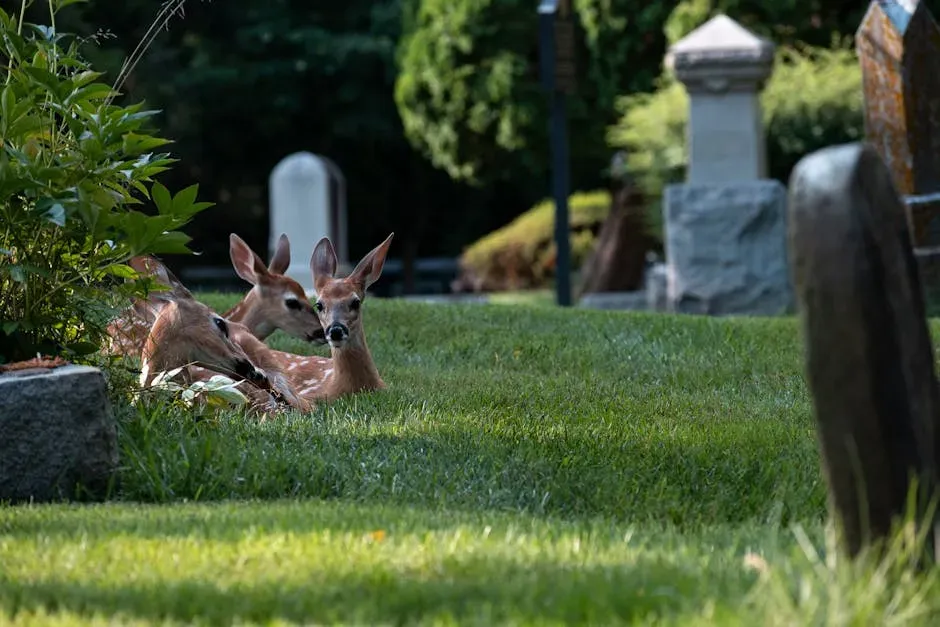
The scientific exploration of animal mourning continues to reshape our understanding of non-human consciousness and the emotional lives of other species. What began as anecdotal observations has evolved into a legitimate field of scientific inquiry, yielding compelling evidence that many animals recognize and respond emotionally to death in ways that parallel human grief.
The parallel evolution of grief-like behaviors suggests either common ancestry or convergent evolution driven by similar social pressures. In other words, grief may not be something humans invented. It may be something social creatures, across millions of years and countless species, evolved together.
The science remains cautious and incomplete, as it should be. Observing behavior is not the same as reading a mind. Still, an orca that carries her dead child for seventeen days, a crow that falls silent over a fallen companion, a dog that stops eating and sleeps in its friend’s old spot – these are not accidents of instinct. They are, in the most honest reading of the evidence, the price that comes with love.

- 10 Unique Ways Animals Display Grief and Mourning for Their Loved Ones - July 13, 2026
- 27 Hardy Plants That Turn a Barren Yard Into a Pollinator Paradise - July 13, 2026
- 8 US States with Significant Wild Horse Populations - July 13, 2026