
America is one of the most biodiverse nations on the planet. Sweeping coastlines, ancient forests, deep river systems, and sprawling prairies all shelter an astonishing variety of wildlife. Yet beneath that picture of natural abundance, something deeply troubling is happening.
The endangered species situation in the US reveals alarming statistics about wildlife conservation. Currently, over 1,600 species are listed under the Endangered Species Act, with many facing imminent extinction. That’s not a distant problem somewhere across an ocean. These are animals living alongside us, in our waters, our fields, and our skies, quietly disappearing.
Some of these creatures you’ll recognize instantly. Others will surprise you entirely. What they share is a razor-thin margin between survival and oblivion. Let’s dive in.
1. The Red Wolf: The World’s Most Endangered Wolf
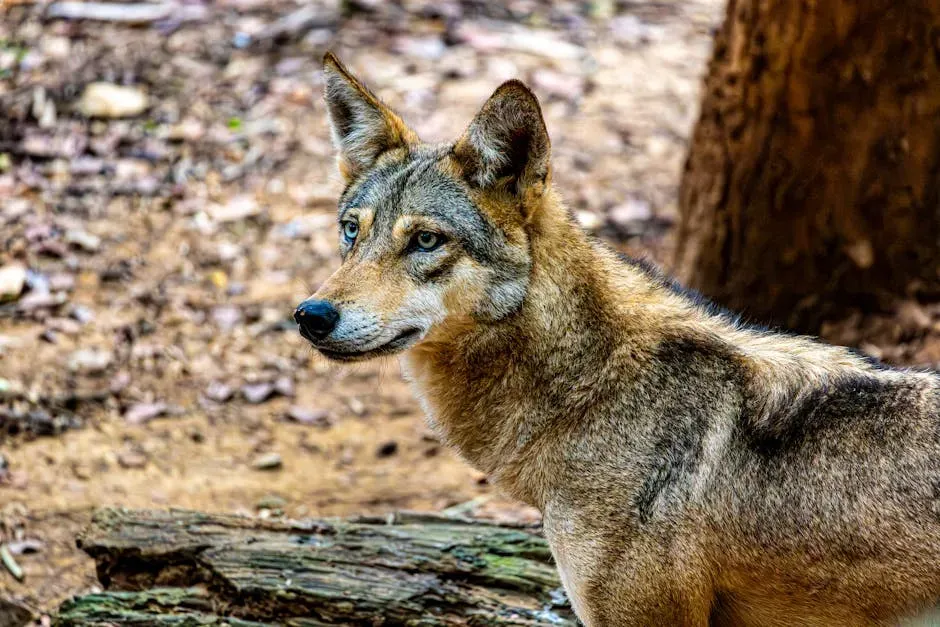
Let’s be real, when most people think of wolves, they picture packs roaming Yellowstone. Few realize that the most endangered wolf on Earth is right here in the US. Identifiable by its reddish fur behind its ears, neck, and legs, the red wolf is the world’s most endangered wolf, and the IUCN now categorizes it as critically endangered.
Once common in eastern and south-central regions of the US, the red wolf was listed as a species threatened with extinction in 1967, after population numbers dropped significantly due to decades of human activity including gunshots and vehicle collisions. The US Fish and Wildlife Service reintroduced them in eastern North Carolina in the late 1980s, though the species remains highly threatened, with only 20 to 30 individuals left.
Even as the species teeters on the edge of survival, five red wolves died in collisions on a nearby highway in 2023 and 2024. In 2024, the death of one male red wolf on the highway resulted in his five pups starving to death. It’s a heartbreaking chain reaction. One death, five more losses. The fragility of this species is almost impossible to wrap your head around.
2. The Florida Panther: A Ghost of the Southeast
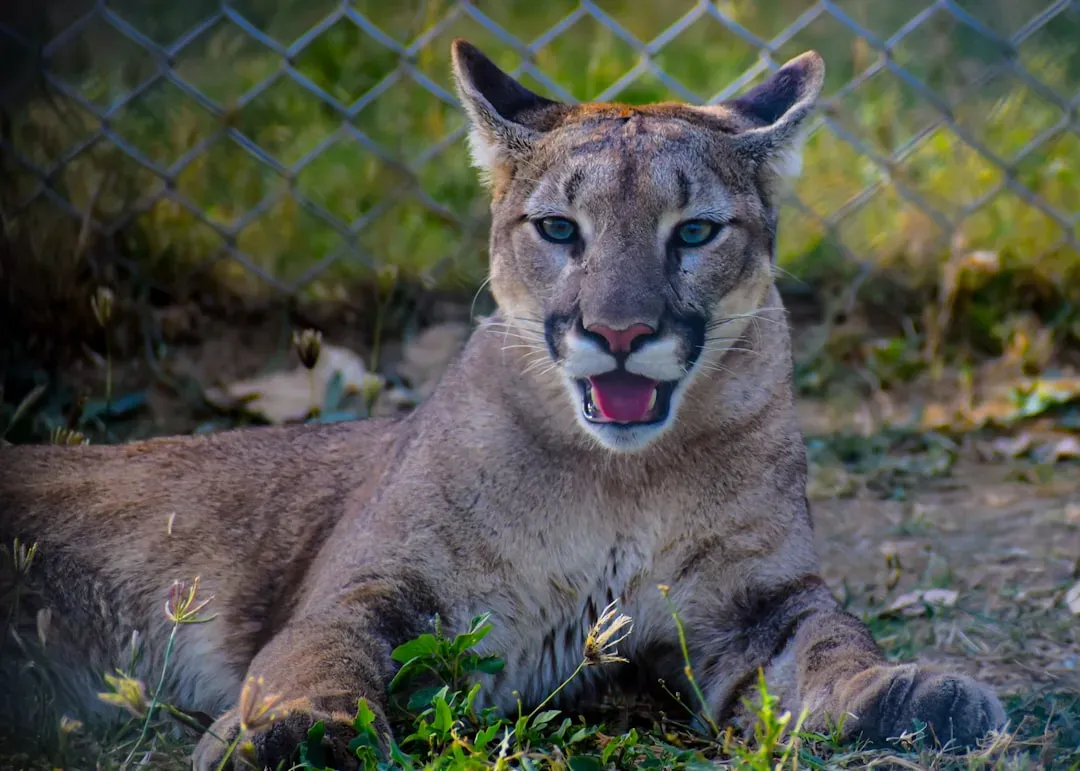
The Florida panther has been listed as an endangered species since 1967 and now lives in just 5% of its former range. Think about that. A wildcat that once prowled across much of the southeastern United States is now confined to a tiny corner of South Florida, like a famous actor squeezed into a broom closet.
While not currently assessed or listed by the IUCN, the Florida panther is federally listed as an endangered species under the Endangered Species Act of 1973. It’s estimated there are only 100 to 200 panthers left in the wild as a result of habitat destruction and widespread urbanization.
Habitat fragmentation is arguably the cruelest kind of threat. It doesn’t kill animals directly. It slowly squeezes their world until there’s nowhere left to hunt, breed, or simply exist. For the Florida panther, that squeeze is ongoing, and the clock is ticking.
3. The North Atlantic Right Whale: A Race Against Time
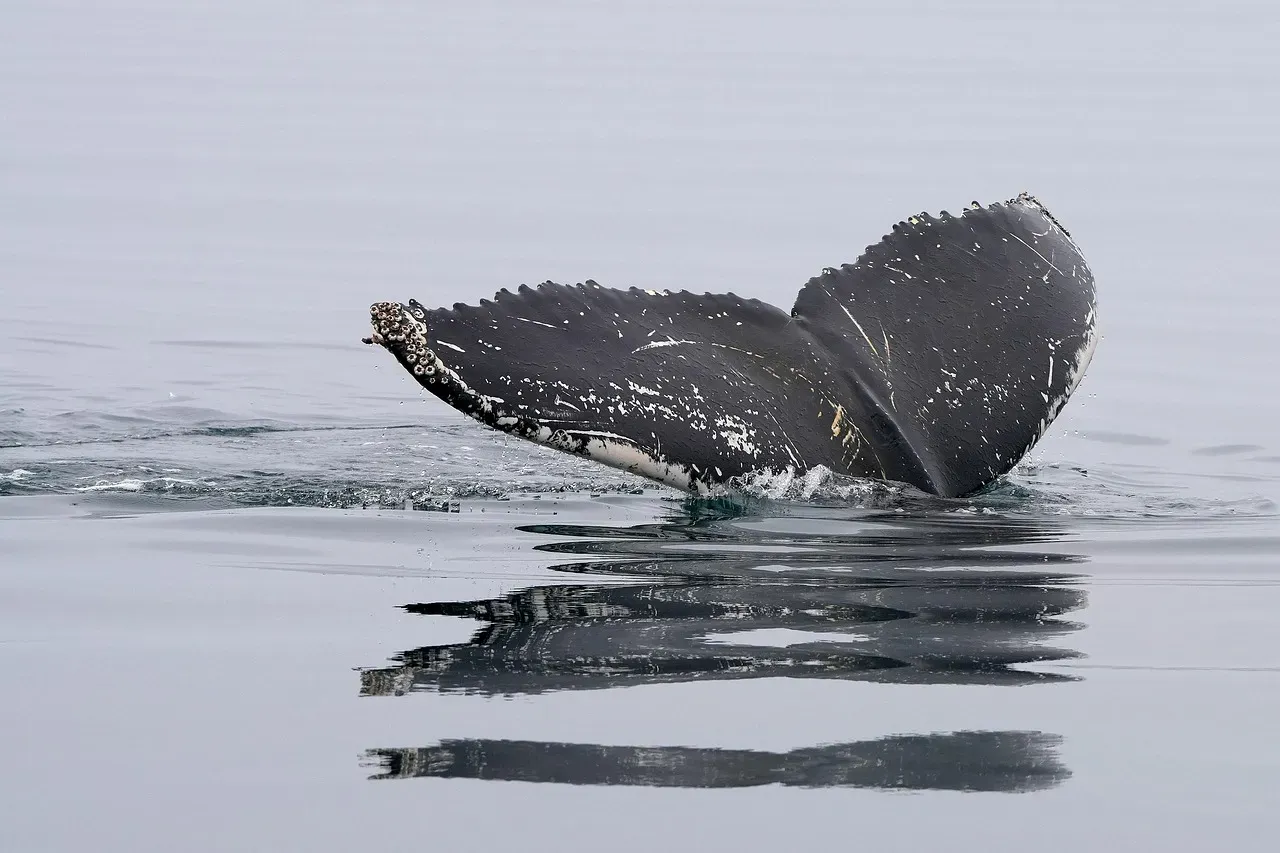
Honestly, the story of the North Atlantic right whale is one of the most urgent conservation crises in the entire world. Not just in America. The entire world. There are only approximately 384 critically endangered North Atlantic right whales left, according to a recent estimate by scientists.
Human-caused mortality and serious injury, particularly entanglements and vessel strikes, is the greatest threat to recovery of the species. Today there are approximately 360 North Atlantic right whales in existence, with fewer than 70 reproductive-age females in the population. Female numbers are declining more rapidly than males, and the corresponding loss of reproductive potential leads to an alarming concern about an increasing risk .
Coming off a difficult year in 2024 that saw five right whale deaths, 16 entanglements, and eight vessel strikes, 2025 has been a welcome relief with no logged deaths so far. That’s a cautious improvement, but a single bad season could erase years of progress. Ship strikes and fishing gear entanglements continue to reduce the numbers of the North Atlantic right whale population, and the species could become extinct by 2040.
4. The Florida Manatee: Starving in Plain Sight
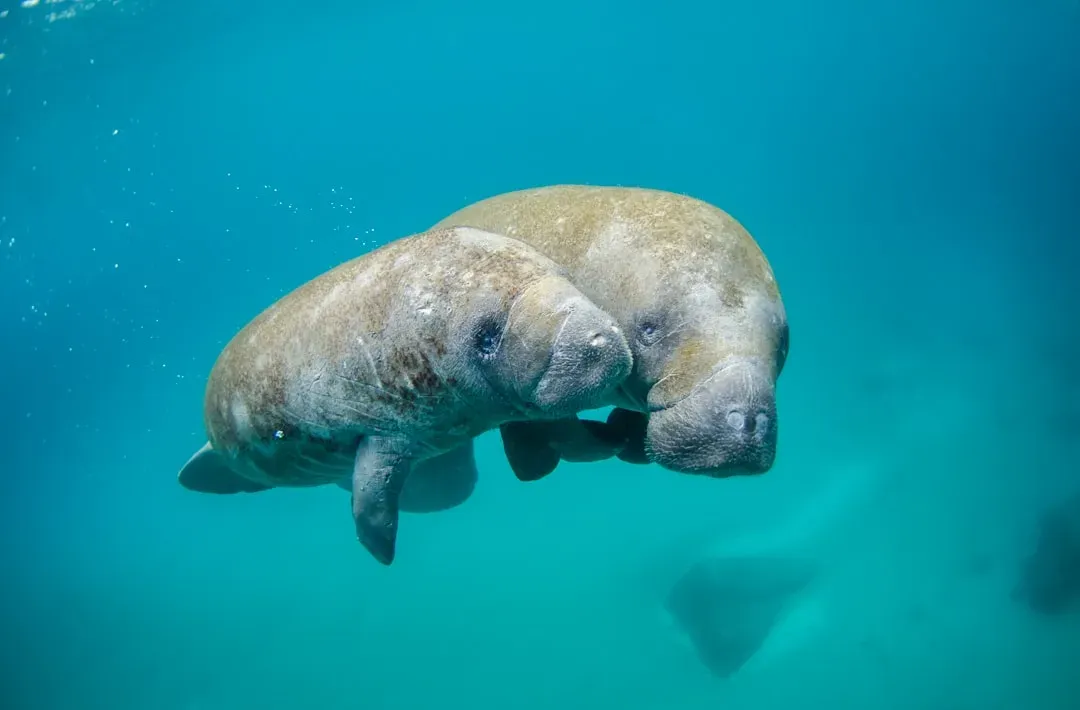
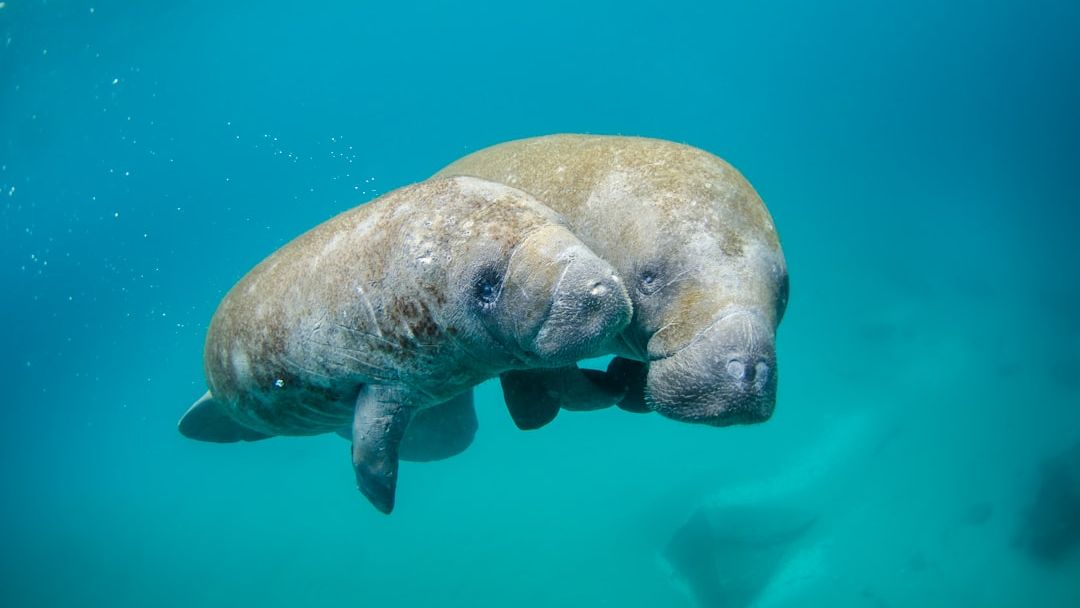
Few animals in America inspire as much affection as the manatee. These slow-moving, barnacle-shaped sea mammals are practically the golden retrievers of the ocean. Yet their survival story is genuinely shocking. Between 2020 and 2022, more than 2,500 manatees died, mostly from starvation because of the decline of seagrass, the manatee’s favorite food. Hundreds more died in 2023 and 2024.
The seagrass shortage has gotten so bad that the state at one point had to drop hundreds of tons of lettuce into the water to keep manatees from starving to death en masse. Drops of lettuce. Into open ocean waters. It’s a surreal image, but it tells you everything about how desperate things have become.
Boat strikes are a top threat to manatees, but climate change has caused problems too. Water temperature fluctuations put stress on the species, and increasing rates of deadly algal blooms are also to blame. Pollution, habitat loss, and warming waters are all piling onto an animal that simply doesn’t move fast enough to escape any of it.
5. The California Condor: A Near-Miracle, Still Not Out of Danger
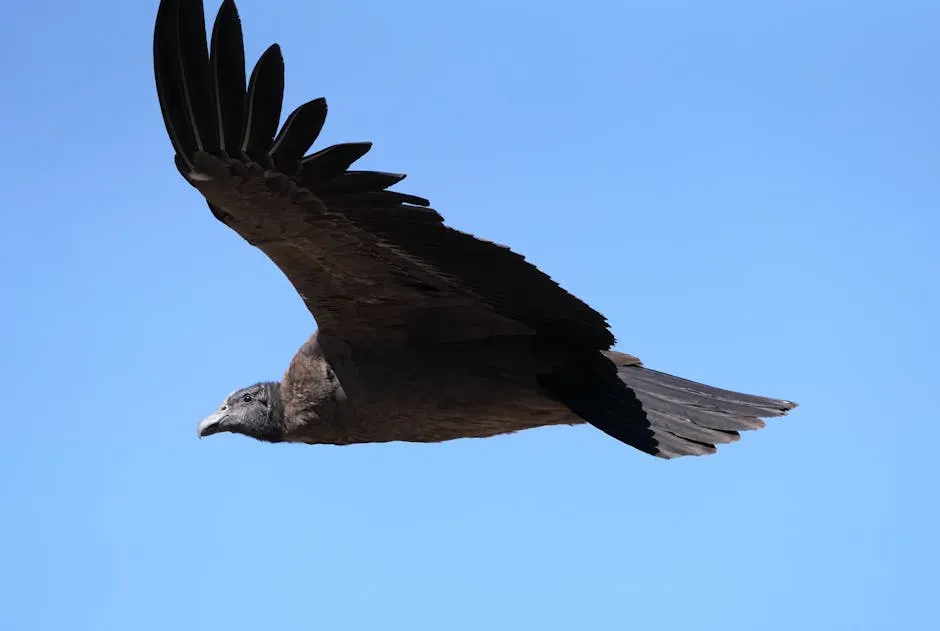
The California condor has one of the most dramatic comeback stories in conservation history. But calling it a success story would be premature. It became extinct in the wild in 1987 when all remaining wild individuals were captured, but has since been reintroduced to northern Arizona, southern Utah, the coastal mountains of California, and northern Baja California in Mexico.
In December 2025, the Fish and Wildlife Service updated the world population to 607. That’s remarkable progress from the 27 birds that existed in captivity back in 1987. Still, the species is listed by the IUCN as critically endangered.
Spent lead ammunition pollution in condor food, specifically carrion and gut piles, was most likely responsible for the decline of condor populations in the twentieth century and continues to be the leading source of condor mortality. Here’s a bird with a nearly 10-foot wingspan, soaring over the Grand Canyon, still being quietly poisoned by bullets that weren’t even aimed at it. It’s a painful irony.
6. The Black-Footed Ferret: Prairie Dog’s Most Unlikely Dependent
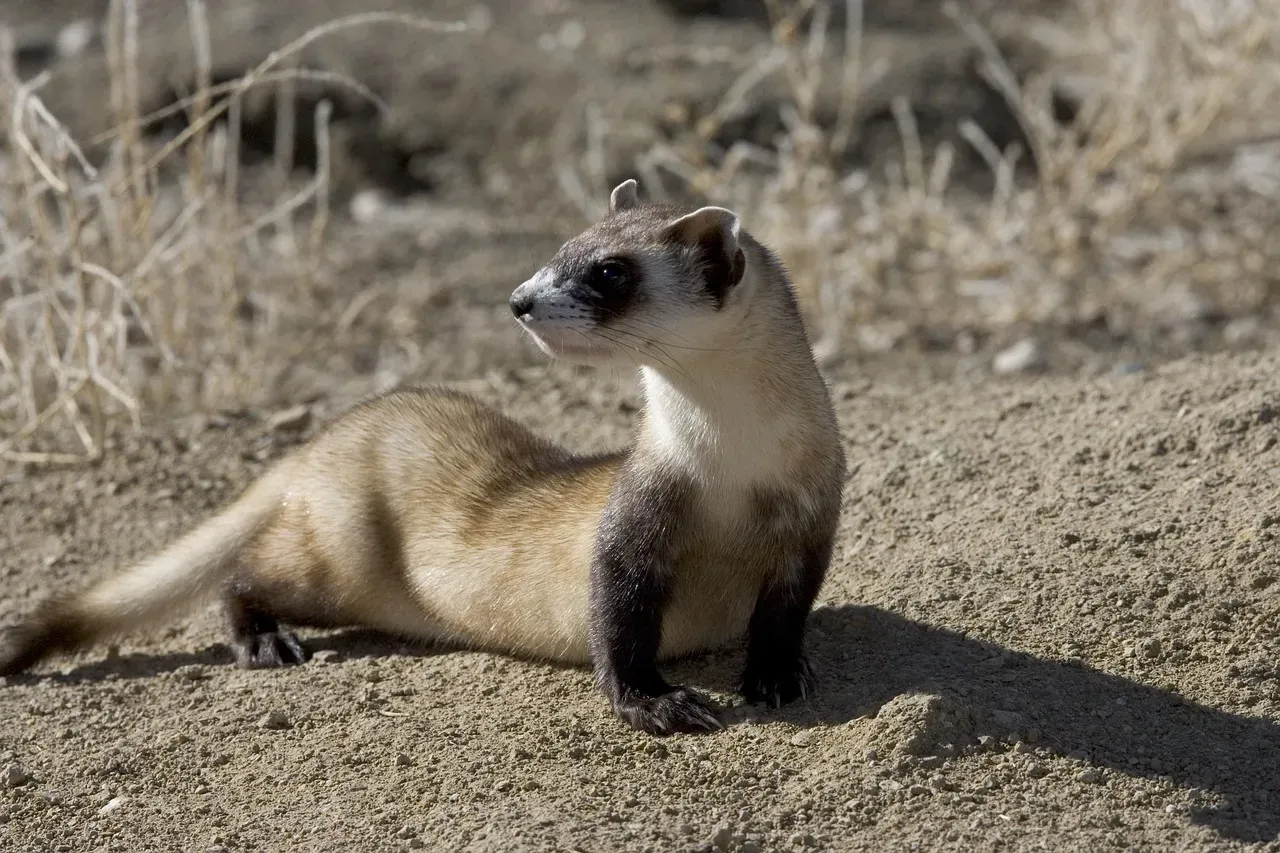
The black-footed ferret is one of those animals most Americans have never heard of, and it’s practically disappearing. The black-footed ferret is listed as endangered on the IUCN Red List and is one of the rarest mammals in North America. Once common throughout the Great Plains, the species became extinct in the wild in the 1980s, though conservation efforts successfully reintroduced populations in eight western US states and in Chihuahua, Mexico.
The IUCN classifies the black-footed ferret as endangered. Their numbers are decreasing, and as of 2025, there are thought to be only 206 mature individuals left in the wild. That’s fewer than the number of people in a small-town grocery store on a Saturday afternoon.
The black-footed ferret’s main prey is prairie dogs. During the 20th century, farmers and ranchers were allowed to kill prairie dogs because of the damage their burrows did to fields, nearly wiping out the black-footed ferret population in the process. Remove one species from the food chain, and another quietly collapses with it. Nature is unforgiving about that kind of cause and effect.
7. The Mississippi Gopher Frog: Confined to Three Ponds
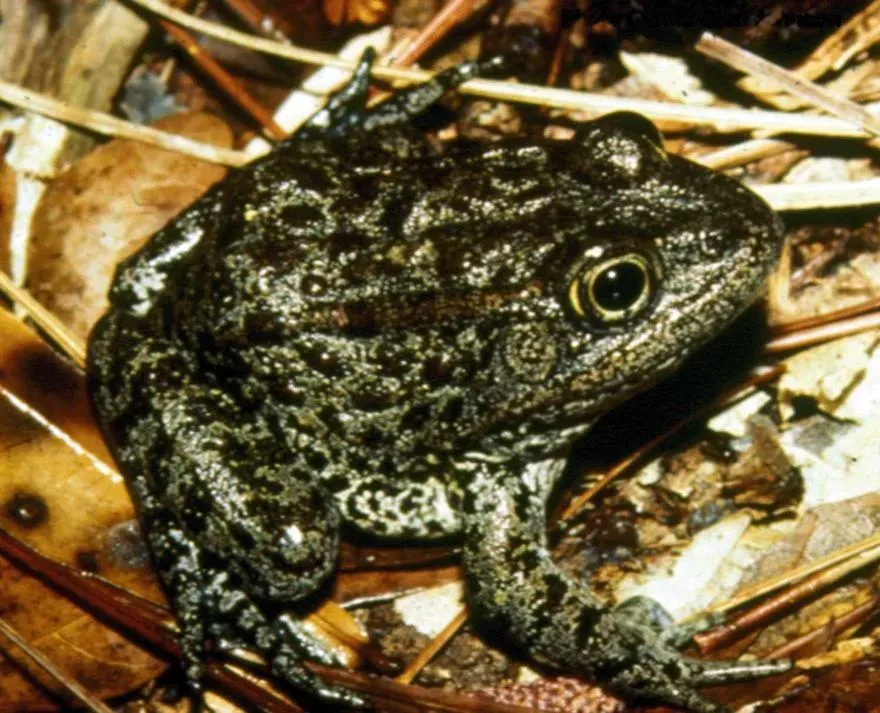
Most people would never guess that one of the most endangered amphibians in the United States exists in just three small ponds. This amphibian has been listed as endangered since 2001, and there are only about 100 to 250 members of the population left in the wild. Habitat loss, disease, and invasive species have led to this frog’s decline. Their range has come to just three little ponds in Mississippi, but a new proposed town could lead to their demise.
The dusky gopher frog lives in the forests and wetlands of Mississippi. It’s a black, grey, and brown frog with a warty back and a white-yellow underbelly. Dusky gopher frogs spend most of their time underground in burrows dug by gopher tortoises and other animals. It’s a secretive, strange, and utterly fascinating creature.
As of 2025, the IUCN categorizes the dusky gopher frog as critically endangered. The Nature Conservancy is transferring some tadpoles to its Old Fort Bayou Preserve to protect the species, and the Gulf Restoration Network has established designated Mississippi gopher frog habitat. It’s a valiant effort for an animal that most of the world doesn’t even know exists.
8. The Whooping Crane: Still Fighting After Decades
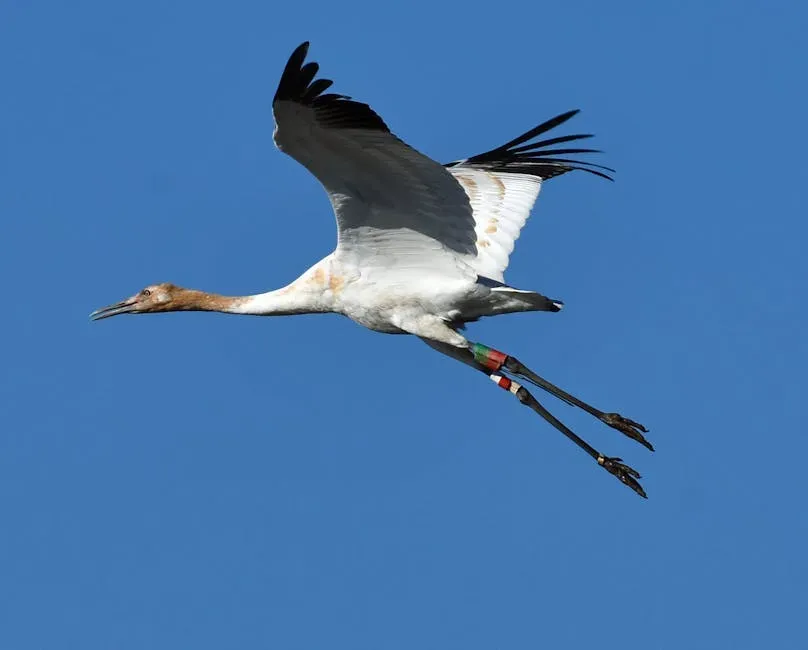
The whooping crane is one of America’s tallest birds, and it’s been fighting for survival longer than most people have been alive. It was nearly driven to extinction by humans, with its population dwindling to around 20 individuals. It had to be brought into a captive breeding program to be saved from extinction, and it still struggles today but is slowly reestablishing itself in the wild.
Conservation efforts have aided whooping cranes, with captive-bred chicks actually learning migration routes via ultralight aircraft. That’s not a science fiction plot. Biologists literally fly ultralight planes to teach young cranes how to migrate south for winter. It is, without exaggeration, one of the most extraordinary things humans have ever done for another species.
The species remains listed as endangered even as its numbers slowly grow. It’s a reminder that recovery is rarely a straight line. Sometimes it takes decades of sustained, creative, deeply committed effort just to pull an animal back from the edge.
9. The Grizzly Bear: Threatened in the Lower 48
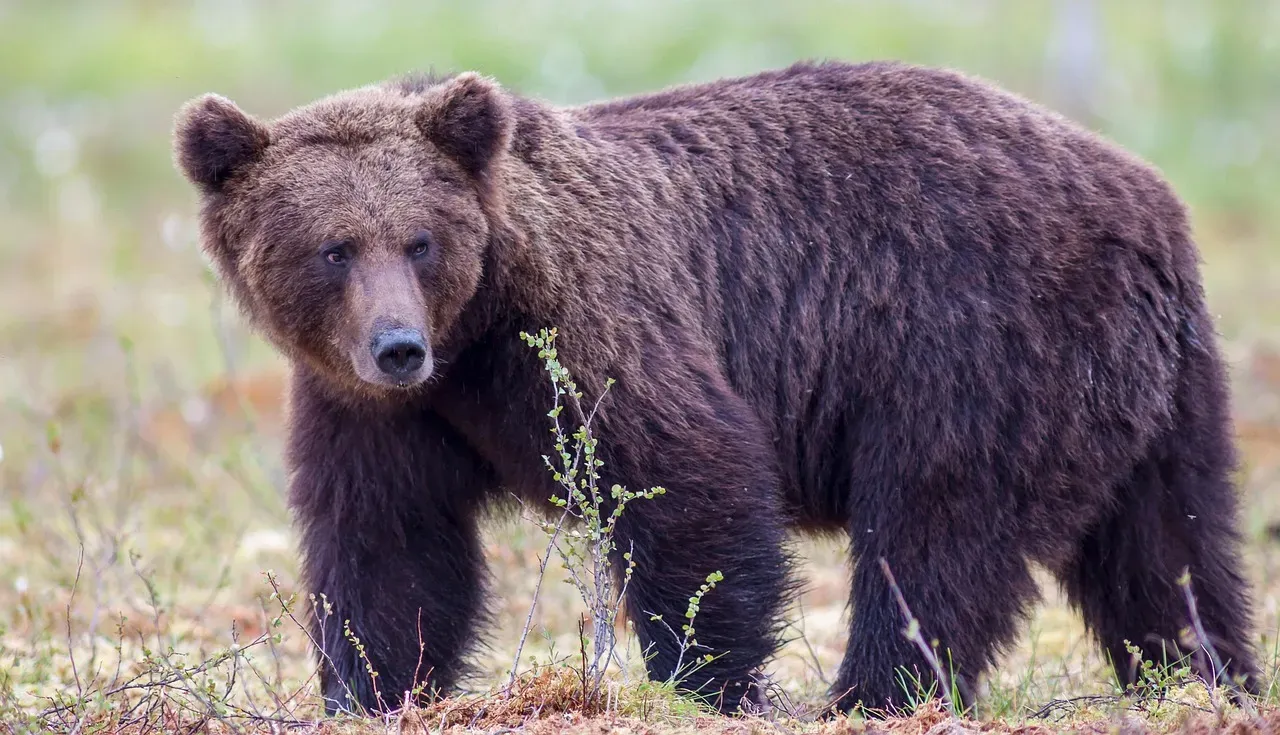
Grizzly bears might conjure images of raw, unstoppable wilderness power, and in Alaska, that image holds up. In the contiguous United States, though, it’s a very different picture. The grizzly bear is a large, predatory mammal that once roamed throughout much of North America. Today, grizzly bears are protected as a threatened species under the Endangered Species Act, with only an estimated 2,000 individuals remaining in the contiguous 48 states.
The grizzly bear is listed as threatened in the lower 48 states only. Conservation and reintroduction programs have helped stabilize some populations, particularly in the Northern Rockies and Greater Yellowstone regions. Yet habitat encroachment from human development remains a constant, creeping pressure.
It’s hard to say for sure whether grizzlies will ultimately thrive without much larger protected corridors. What’s certain is that a landscape without grizzlies is ecologically impoverished, and the lower 48 states are walking that line far too closely.
10. The Monarch Butterfly: A Migration in Peril
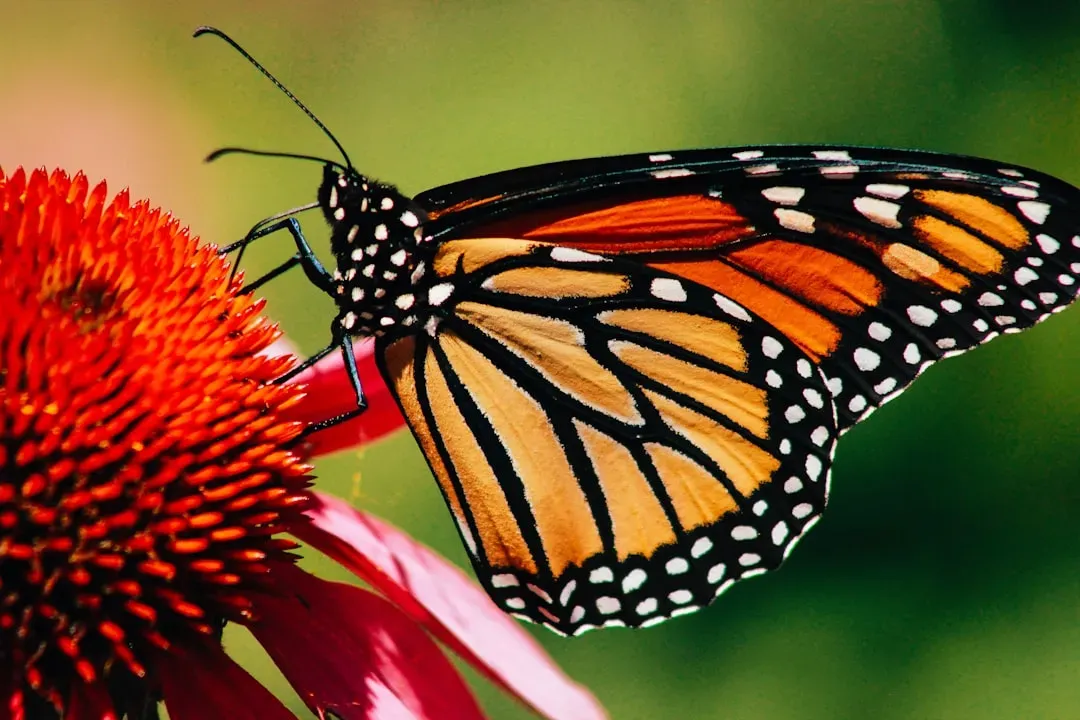
Close the list with something unexpected. An insect. Not a bear, not a whale, not a wolf. A butterfly. Every year, America’s orange and black monarch butterflies embark on an epic migration to Mexico. The journey lasts longer than any monarch’s lifespan, so the butterflies lay their eggs on native milkweed plants in the hopes that their children will continue the journey. Unfortunately, the decline of native milkweed has hit the monarch butterflies hard.
Their numbers have fallen by over 80% since the 1990s, with fewer monarchs gathering in their Mexico valley winter homes. Eighty percent. If any other beloved American animal lost eighty percent of its population, it would be front-page news every single day. For the monarch, it barely registers.
The monarch’s decline is a mirror held up to everything we’ve changed about the American landscape. Monoculture farming, herbicide use, suburban sprawl eliminating wildflower corridors. The butterfly doesn’t stand a chance unless we consciously rebuild the natural infrastructure it depends on. And honestly, that responsibility falls squarely on us.
Conclusion: The Silence We Cannot Afford
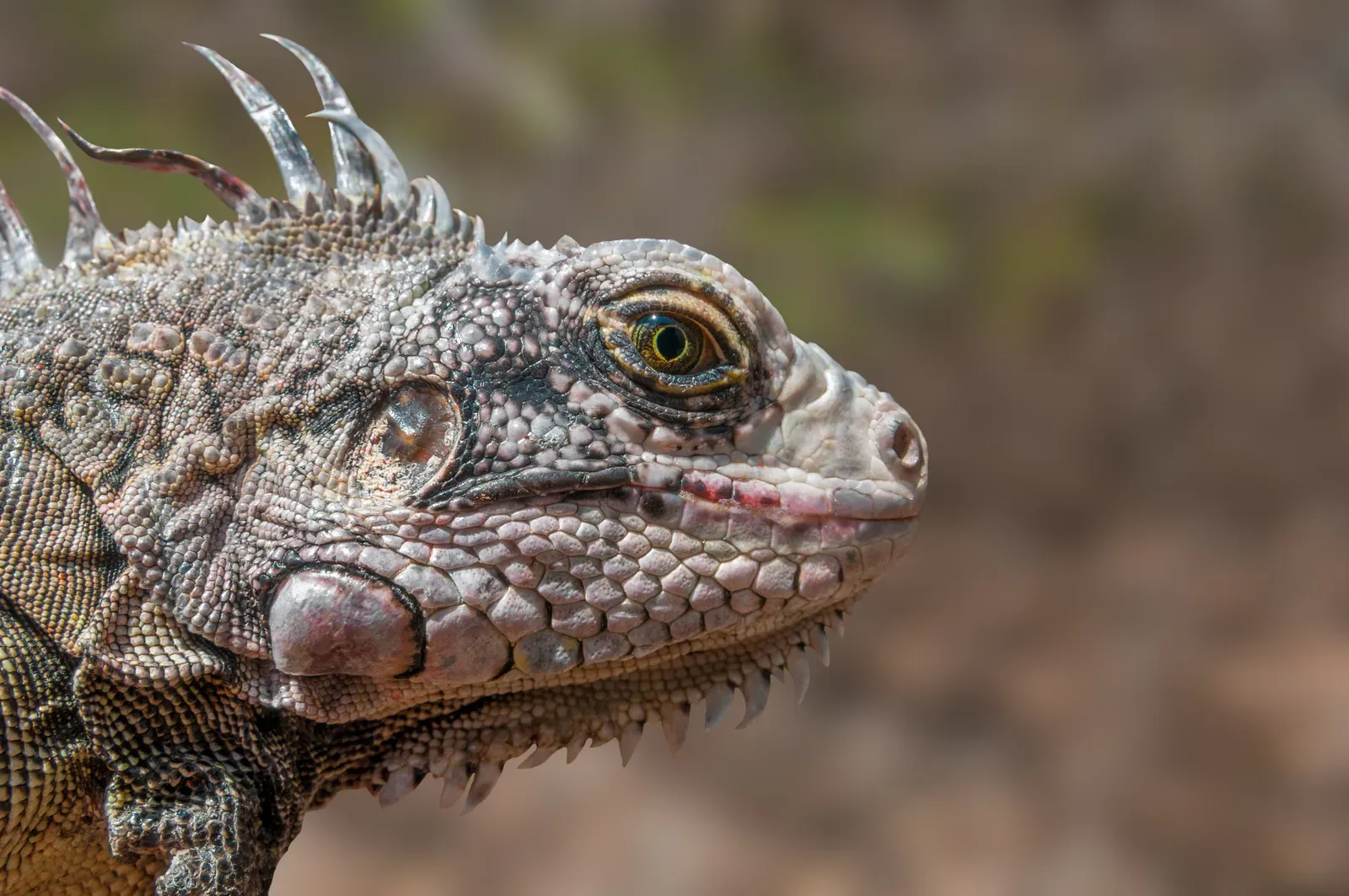
There’s something profoundly uncomfortable about reading through a list like this. Every animal, from the largest predator to the smallest insect, plays an essential part in its ecosystem. The loss of just one species has a significant impact on countless others. We are not talking about abstract ecological theory. We are talking about a cascade effect that eventually loops back to affect human communities too.
Throughout its history, the Endangered Species Act has proven to be incredibly effective in stabilizing populations of species at risk, preventing the extinction of many others, and conserving the habitats upon which they depend. Under its protection, the California condor, grizzly bear, whooping crane, and black-footed ferret have all been brought back from the brink . That proves something essential: when we choose to act, it works.
The question isn’t whether we have the knowledge or the tools to protect these animals. We clearly do. The question is whether we have the collective will to use them before the silence in our forests, skies, and oceans becomes permanent. What would it take for you to decide that enough is enough?

- 14 Things Rescue Dogs Do on Their First Night Home That Break Everyone's Heart - August 5, 2026
- 16 Animals Vets Say Form Bonds With One Person That Rival Any Dog – Most Families Never Expect Them - August 5, 2026
- 13 Gentle Signs a Senior Dog Is Saying Something Most Owners Don't Realise Until Later - August 5, 2026