
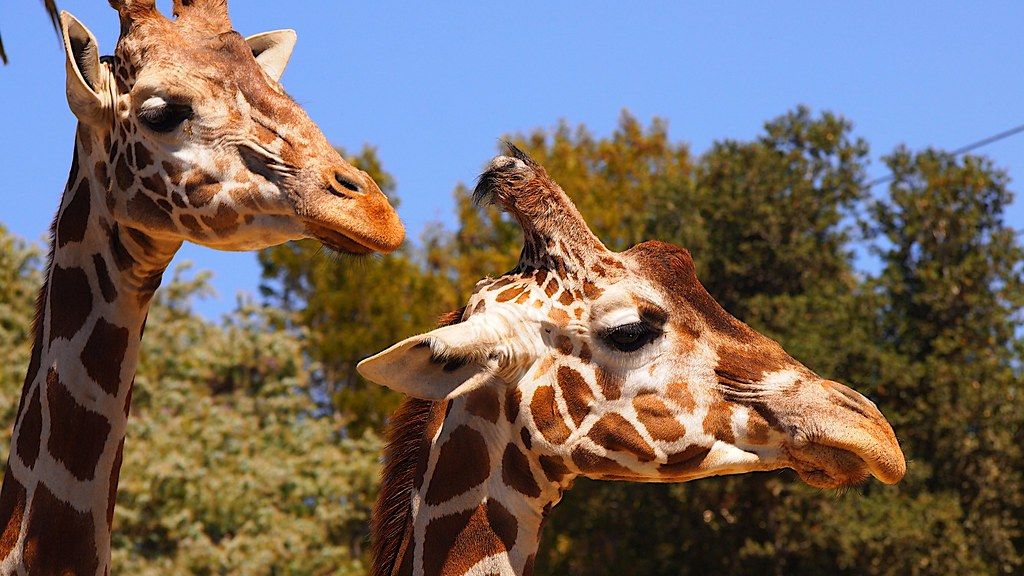
When most people think of zoos, they picture family outings and exotic animals behind glass. That’s the surface level view. Beneath it lies a quieter, more compelling reality, one where facilities across America have quietly transformed into refuges for creatures who had nowhere else to go. Some were plucked from basements or cramped cages, others survived illegal wildlife trafficking or devastating abuse.
These aren’t your typical weekend attractions. They’re sanctuaries built on heartbreak and hope, places where second chances come with acres of freedom and genuine care. Let’s dive into ten remarkable institutions that have dedicated themselves to rewriting the endings for animals who desperately needed a different story.
The Wild Animal Sanctuary, Colorado
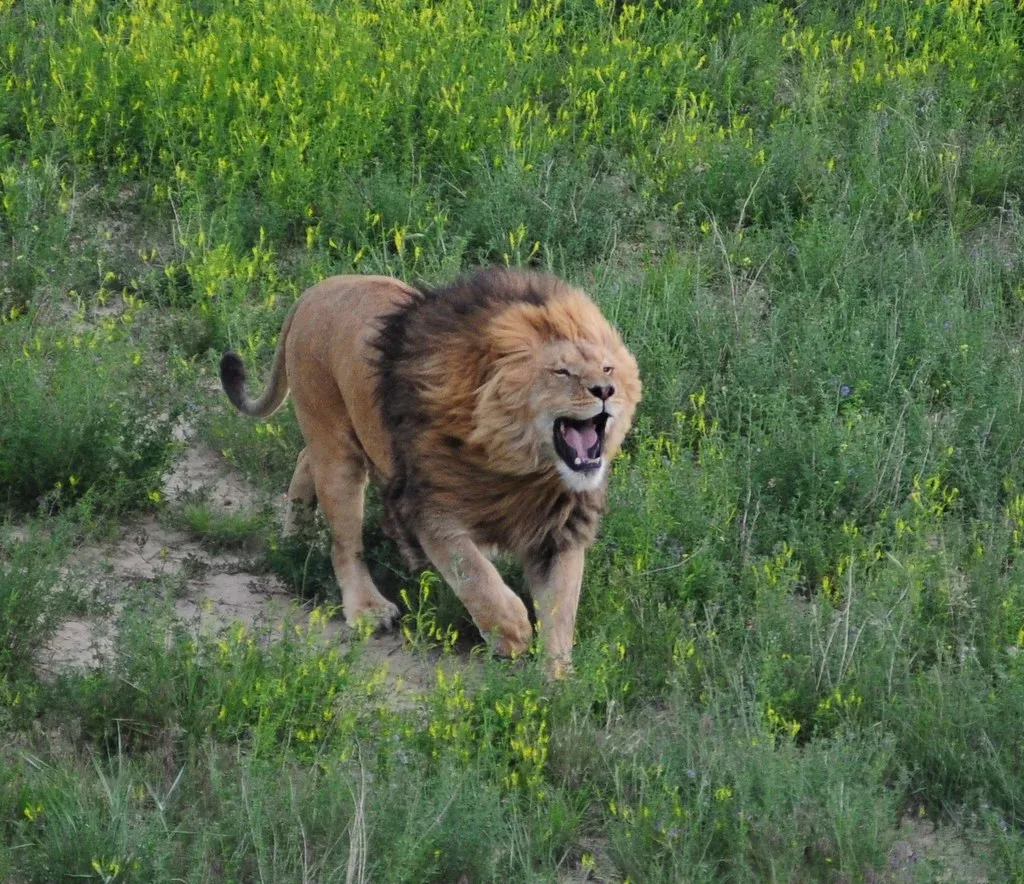
Established in 1980, The Wild Animal Sanctuary sits outside of Keenesburg, Colorado, on over 1,200 acres of rural, rolling grasslands, sheltering more than 750 large carnivores. It’s hard to wrap your head around just how massive this operation is. The facility is the largest and oldest sanctuary of its kind in the World.
For over 40 years, the sanctuary has responded to more than 1,000 requests from private citizens and government agencies to rescue animals from across the United States and other countries, with resident animals having been abandoned, abused, kept illegally or victims of other terrible situations. The animals here aren’t just being warehoused either, they’re actually living in species-specific habitats where they can roam and behave naturally.
Oakland Zoo, California
Oakland Zoo has provided sanctuary for a wide range of animals who were privately owned or confiscated, including African lions, tigers, gibbons, macaws, parrots, goats, sheep, rabbits, and reptiles, renovating and building spacious aviaries to provide rescued macaws and parrots not just a forever home, but one in which they could fly. That last detail matters more than you’d think.
The zoo assists the U.S. Fish and Wildlife Service with the rescue of confiscated invertebrates, reptiles such as monitor lizards and caiman alligators, birds, and mammals from the illegal wildlife trade, drug busts, and seizures. Their work goes beyond just taking in animals, they actively collaborate with law enforcement to intercept creatures caught in some truly horrific circumstances.
Best Friends Animal Sanctuary, Utah
Best Friends Kanab is the nation’s largest no-kill animal sanctuary with dogs, cats, horses, pigs, birds, rabbits, and wildlife rehabilitation. Nestled in red-rock canyon country, the sanctuary sprawls across thousands of acres where animals find permanent homes when adoption isn’t possible. Best Friends has grown to employ more than 400 people who maintain the sanctuary and care for the 1,600 animals that call Angel Canyon their home.
The facility isn’t just impressive because of its size. At Wild Friends, the goal is to restore the animals’ health and release them back into the wild. They’ve created different zones for different species, from Dog Town to Parrot Garden, each designed specifically to meet the psychological and physical needs of the residents.
Keepers of the Wild, Arizona
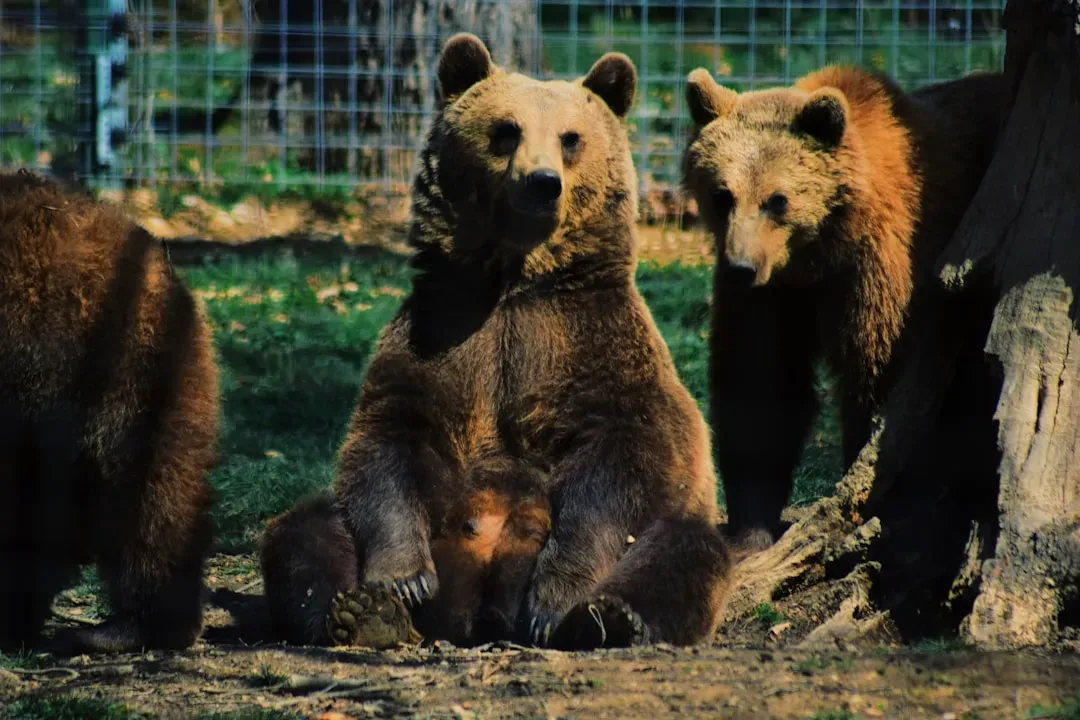
Keepers of the Wild is an accredited, nonprofit wildlife sanctuary and nature park dedicated to the welfare and conservation of captive wildlife, with founder Jonathan Kraft establishing the sanctuary in 1995 with a mission to protect and care for neglected, abused, and abandoned animals, now providing high standards of care, rescue, and rehabilitation for exotic and indigenous wildlife on over 175 acres. The Arizona desert landscape creates a naturally stunning environment for these rescued creatures.
The facility specializes in big cats and other exotic animals who can’t be released into the wild. Visitors can take guided safari tours, but here’s the thing, this isn’t entertainment for entertainment’s sake. The tours fund the ongoing care and educate people about why keeping exotic animals as pets is such a terrible idea in the first place.
Turpentine Creek Wildlife Refuge, Arkansas
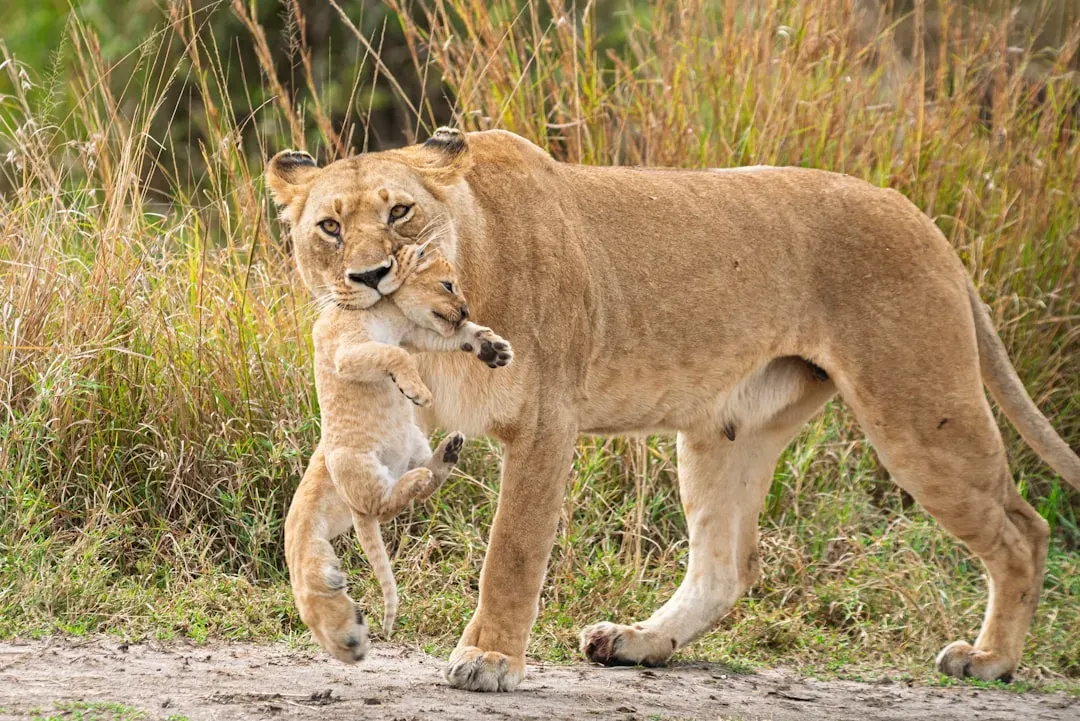
After the Tiger King show aired, Joe Exotic’s animals went to The Wild Animal Sanctuary in Colorado, while Carole Baskin’s cats were rehomed at Turpentine Creek Wildlife Refuge, where the cats surrendered have typically suffered some abuse and cannot be released back into the wild, with big cats living there for the remainder of their lives. That Netflix series brought unexpected attention to the sanctuary world, not all of it welcome.
The facility raises awareness about the dangers of the exotic animal trade and the need to preserve big cats. What sets Turpentine Creek apart is their commitment to lifetime care, no animal leaves once they arrive, they’ve found their permanent home.
Farm Sanctuary, New York and California
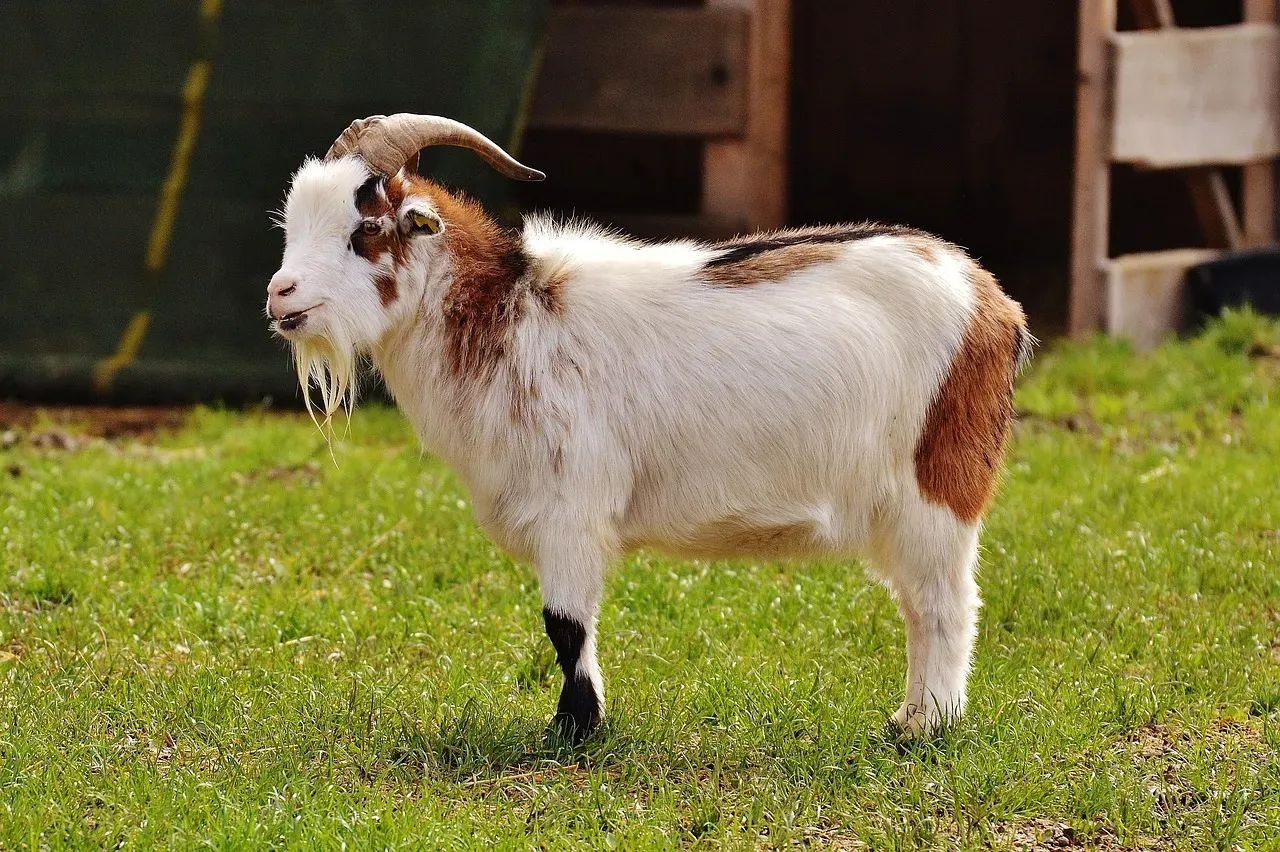
Nestled in the beautiful Finger Lakes Region of upstate New York, the rolling green pastures of Farm Sanctuary’s 275-acre New York Sanctuary are home to more than 400 rescued farm animals. Farm animals rarely get the attention that exotic species receive, but their suffering is just as real. The 39-acre Southern California Sanctuary is home to approximately 100 rescued farm animals.
Farm Sanctuary not only takes in and rehabilitates these animals but also raises awareness about participating in a vegan lifestyle, with three pillars constituting part of the mission: Rescue, Advocacy, and Education. They’re tackling the problem from multiple angles, providing homes while simultaneously working to change the systems that create the need for rescue in the first place.
Forever Wild Exotic Animal Sanctuary, Texas
Forever Wild Exotic Animal Sanctuary is a 501(c)-3 non-profit that is dedicated to preserving the lives of abused, neglected and abandoned exotic animals through rescue, rehabilitation and education. Texas has had its share of exotic animal issues over the years, making sanctuaries like this absolutely essential.
The facility focuses specifically on exotic species who’ve been kept in inappropriate conditions, often by private owners who had no business having them. They work to rehabilitate traumatized animals while educating the public about why these creatures belong in their natural habitats, not in someone’s backyard.
Lindsay Wildlife Rehabilitation Hospital, California
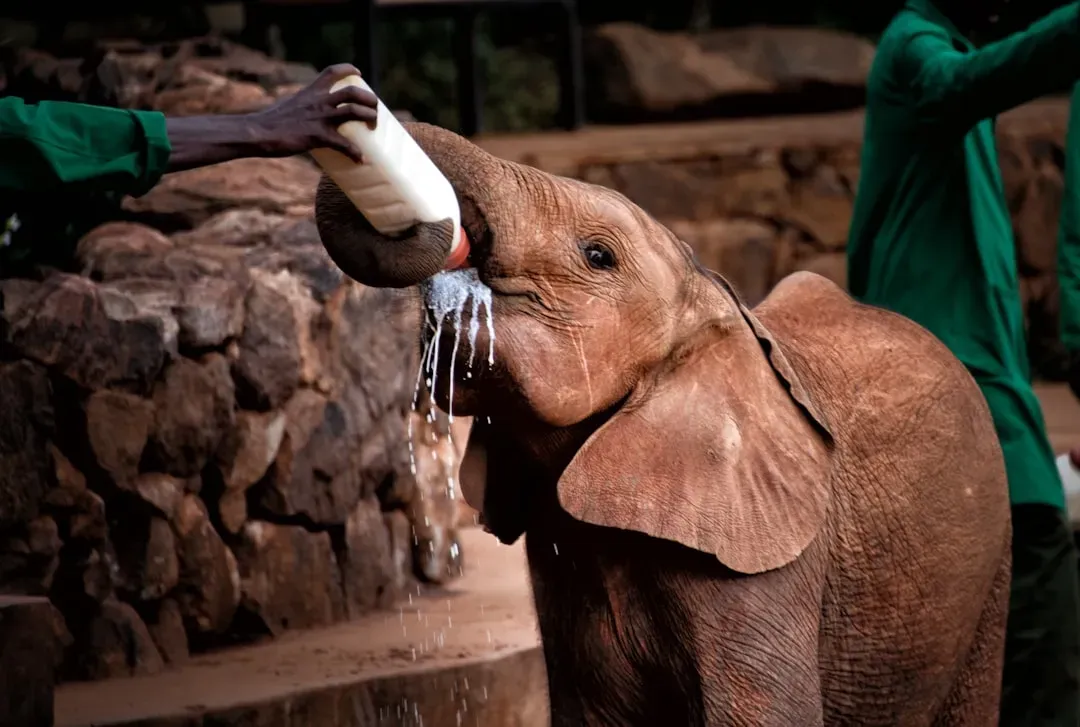
Lindsay Wildlife Rehabilitation Hospital is the first and among the largest wildlife rehabilitation centers in the United States, treating more than 5,500 injured and orphaned wild animals each year. That number is staggering when you actually think about it. Roughly fifteen animals every single day.
Unlike sanctuaries that provide permanent homes, Lindsay focuses on rehabilitation and release. Their veterinary hospital uses cutting-edge techniques to repair injuries caused by human activity, from car strikes to window collisions, then returns healthy animals back to their natural environments.
Wildlife Education and Rehabilitation Center, Florida
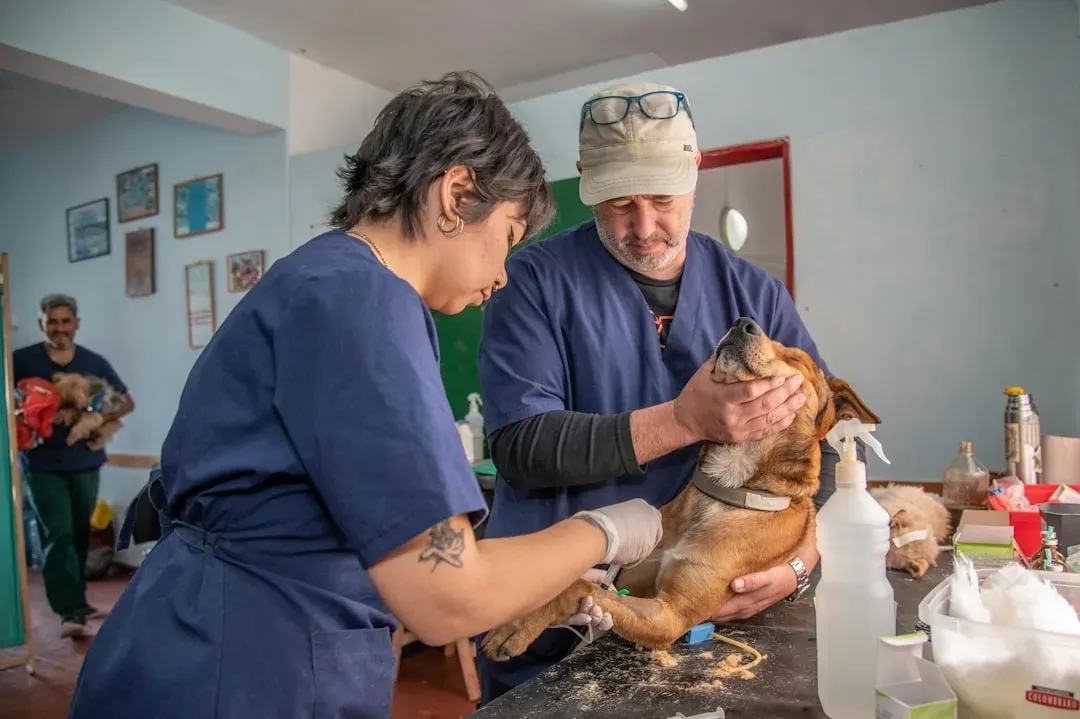
The entirely volunteer-run Wildlife Education and Rehabilitation Center in Bradenton Beach, Fla., is the largest rescue center in Manatee County, operating since 1980 and currently treating over 4,000 birds, mammals, and reptiles per year, yet nearly all of their funding comes from donations. The volunteer aspect deserves emphasis here, these are people dedicating countless hours without pay.
As stated on their website, their rescues come in all sizes, and they strive to help each one from the tiniest fallen chick to the bald eagle rescued and released. Florida’s unique ecosystem brings its own set of challenges, from marine animals to tropical birds, and this center handles them all with remarkable dedication.
Fund for Animals Wildlife Center, California
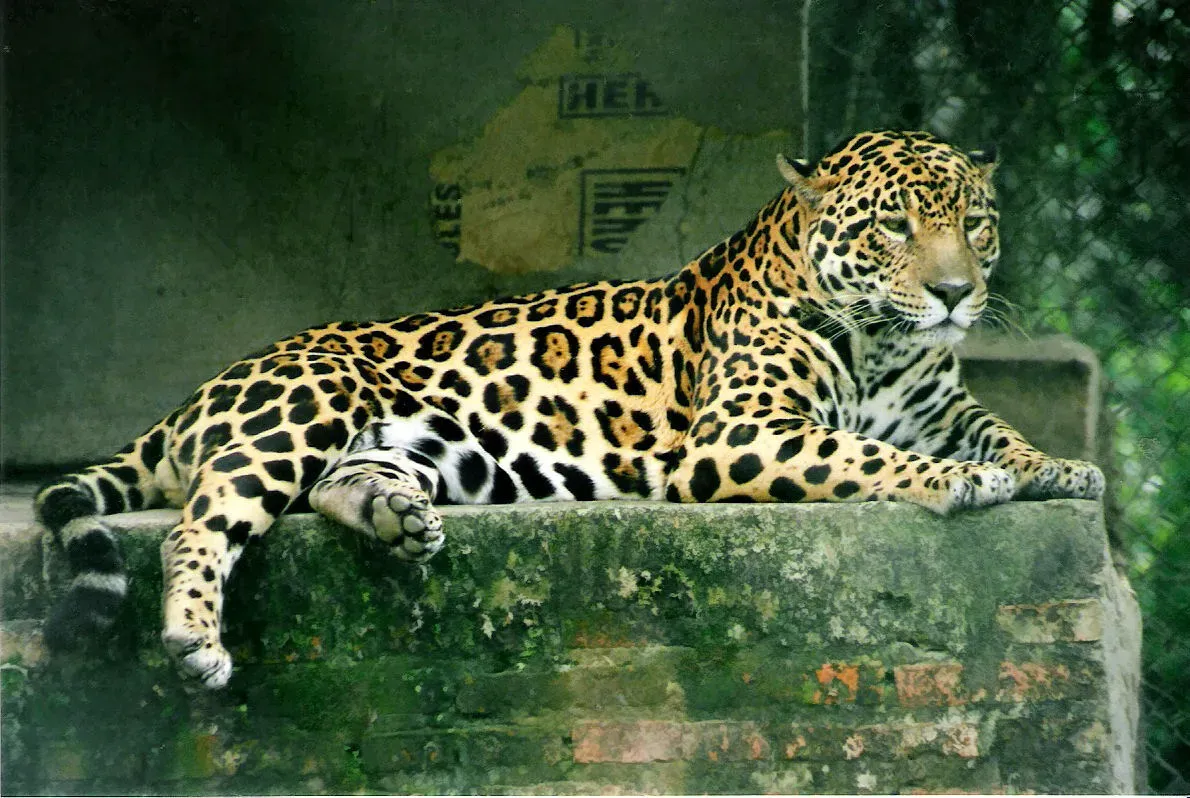
The Fund for Animals Wildlife Center in Ramona, Ca., stands out by focusing on injured and orphaned predatory animals, such as eagles, other raptors, bobcats, cougars and coyotes, and releasing them into the wild following rehabilitation, with the 13-acre center also caring for exotic animals rescued from the pet trade, while animals who can’t be released can live their lives peacefully in the Center’s sanctuary. Predators often get overlooked in rescue work because they’re perceived as dangerous.
Their dual approach makes sense. Some animals recover fully and return to the wild, while others have injuries or trauma that make release impossible. Rather than euthanizing those who can’t return home, they provide permanent sanctuary space where these creatures can live with dignity.
Conclusion: A Network of Second Chances
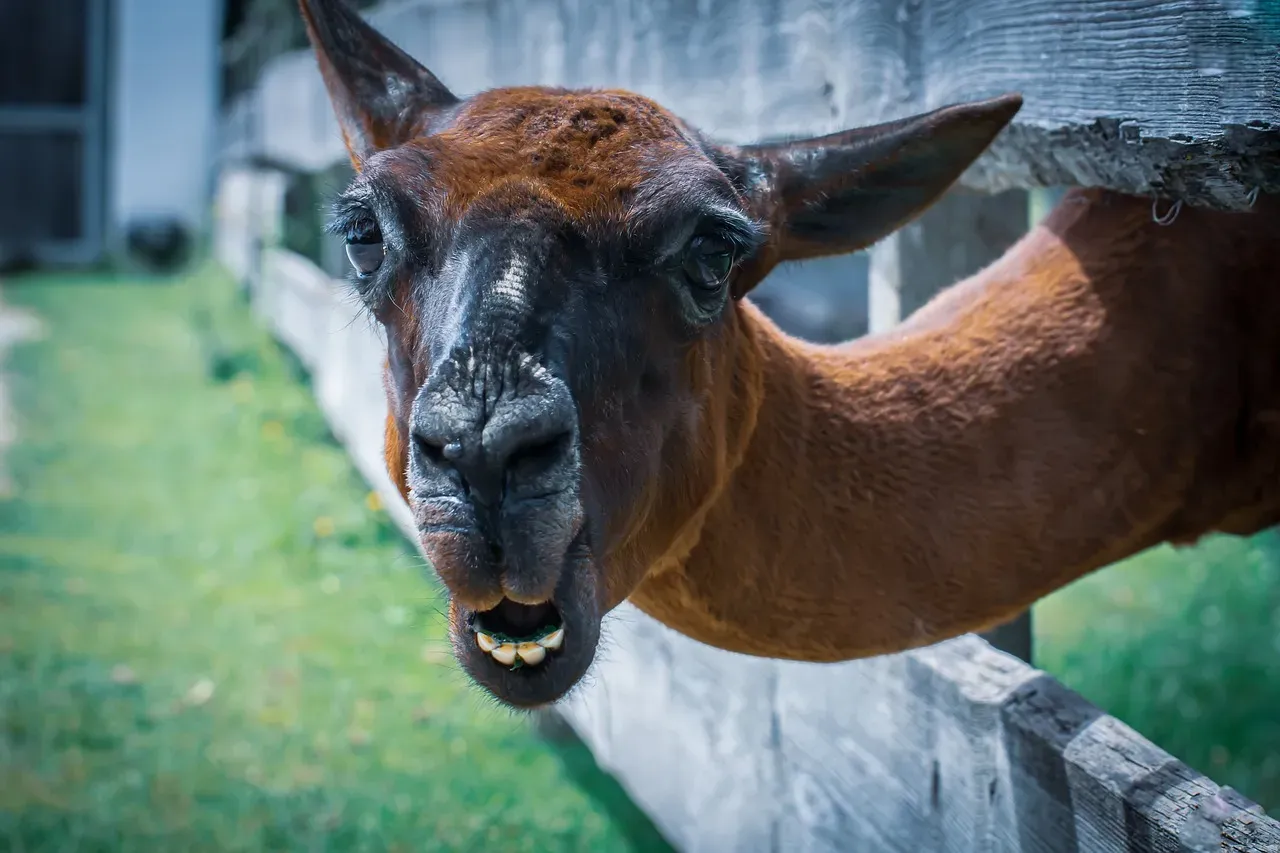
The facilities scattered across America tell a complicated story about our relationship with animals. They exist because of human cruelty, ignorance, and greed, the illegal pet trade, inadequate regulations, people treating living beings like disposable commodities. Yet they also showcase human compassion at its finest, individuals dedicating their entire careers to righting wrongs they didn’t create.
These sanctuaries and rehabilitation centers operate on tight budgets, relying heavily on donations and volunteers. They’re doing vital work that most people never witness, treating injuries, mending broken spirits, providing acres of freedom to animals who spent years in cages barely larger than their bodies. It’s exhausting, heartbreaking work that rarely receives the recognition it deserves.
Next time you hear about one of these facilities, consider supporting them however you can. They’re not just rescuing individual animals, they’re preserving our collective humanity. What would our world look like if we all showed that level of commitment to fixing what’s broken?

- What It Means When a Hummingbird Hovers Directly in Front of Your Face and Does Not Move – According to Indigenous Tradition From the American Southwest - July 16, 2026
- 10 US Zoos and Sanctuaries Dedicated to Animal Rescue - July 16, 2026
- 6 Polar Bear Facts That Explain Their Extreme Survival Skills - July 16, 2026