

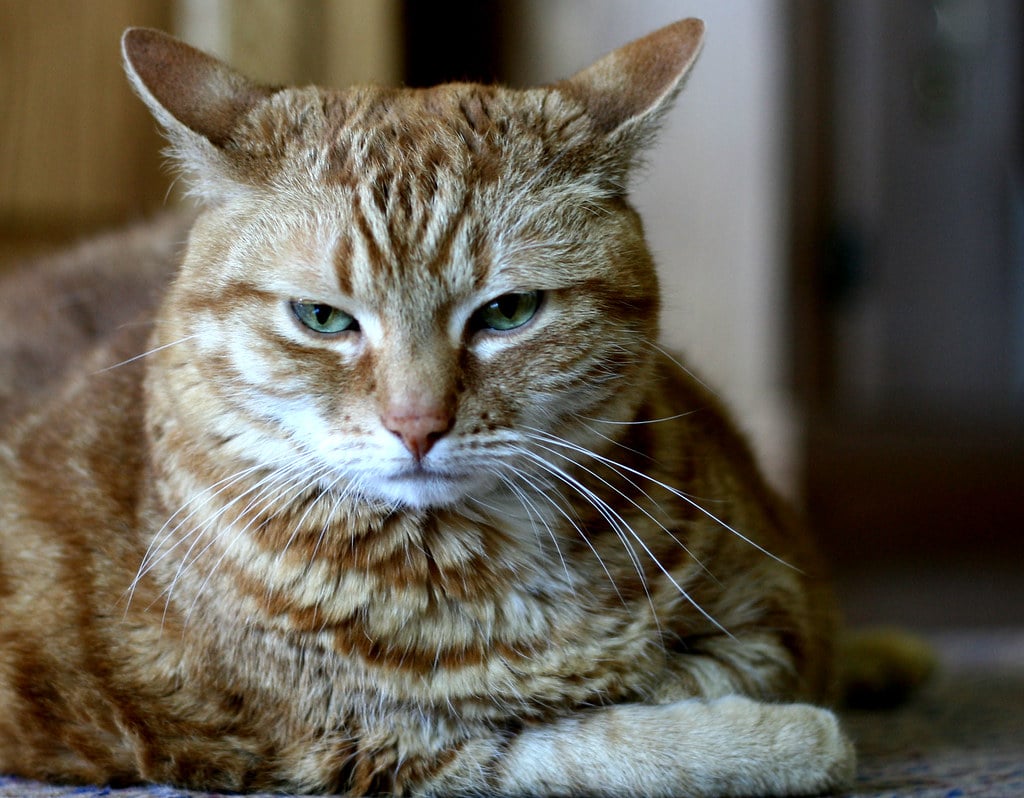
You think your cat loves you. And it probably does… in its own mysterious, dramatic, slightly chaotic way. But even the sweetest feline has limits, and when you cross them, your cat will not send a polite memo. It will send signals – sharp, silent, and easy to miss unless you know what to look for.
Once you start recognizing the subtle signs of feline irritation, you realize how often cats are basically whispering: “You’re on thin ice, human.” From a slow, icy blink to a tail that looks like an exclamation mark, their bodies are constantly talking. Let’s decode the quiet language of cat annoyance, so you can fix the problem before you get the dreaded swipe, bite, or disappearing act.
#1 The Whipping Tail That Says “Back Off”
If your cat’s tail is moving like a metronome on fast-forward, that’s not enthusiasm – that’s irritation. A relaxed cat tail usually moves slowly or stays gently curled; when it starts thumping, flicking sharply, or lashing side to side, your cat is overstimulated and on edge. People often mistake this as playfulness and keep petting, which is exactly how they earn a sudden nip.
Think of the tail as a mood thermometer: the faster and sharper the motion, the hotter the emotion. When your cat’s tail is flicking while you’re touching them, they’re basically saying they’ve had enough. The smartest move you can make is to pause interaction, give them space, and let that tail settle before trying again.
#2 The Ears That Slide Sideways Into “Don’t Touch Me” Mode
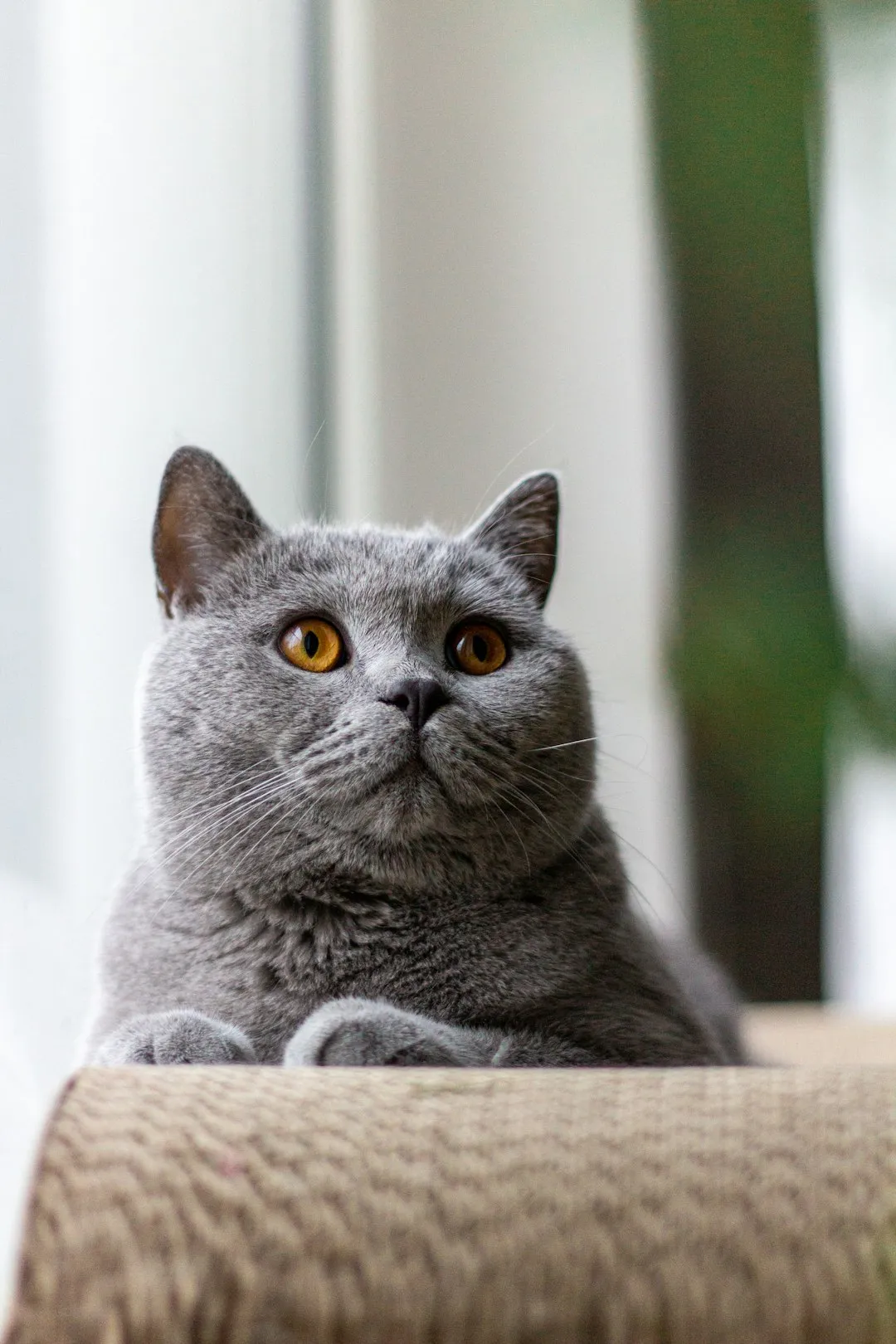
A cat’s ears are like tiny satellite dishes constantly tuning into their world – and into you. When your cat is content, their ears are usually upright or gently forward. But when they slide sideways like airplane wings or flatten back against the head, that’s a clear annoyance or stress signal. If you’re petting them and the ears go from neutral to sideways, you’re on borrowed time.
Sideways ears often come bundled with other warning signs: a still body, a twitching tail, or a tense jaw. I learned this the hard way as a kid when I tried to hug my family’s cat like a teddy bear; the ears flattened, I ignored it, and seconds later I got a very fast, very educational scratch. Now, when I see that subtle ear shift, I treat it like a yellow traffic light – time to slow down, not push harder.
#3 The Sudden Grooming Session: “I’m Over This Conversation”
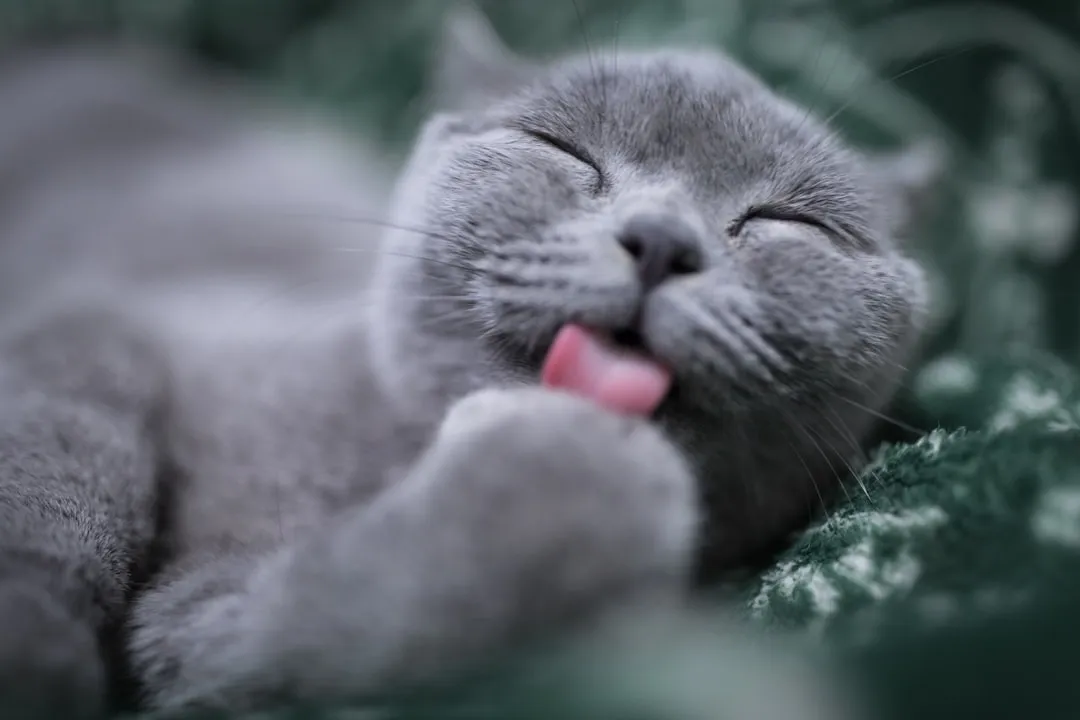
You finish petting your cat, and they immediately start furiously licking the exact spot you touched, like they’re washing your presence off. That quick, intense grooming can be a sign they were not thrilled with the interaction. Sometimes it’s over-stimulation, sometimes it’s frustration, and sometimes it’s your cat trying to self-soothe after a mildly stressful moment.
Cats also use displacement behaviors – like licking themselves, scratching, or suddenly grooming – as a way to cope when they feel conflicted or annoyed but do not want to fully escalate. Imagine being in a tense conversation and suddenly pulling out your phone to scroll; that’s the human version. When your cat does a “you-touch-I-lick” routine every time you handle them a certain way, take the hint: that type of touch is not their favorite.
#4 The Slow Turned Back and Walk-Away
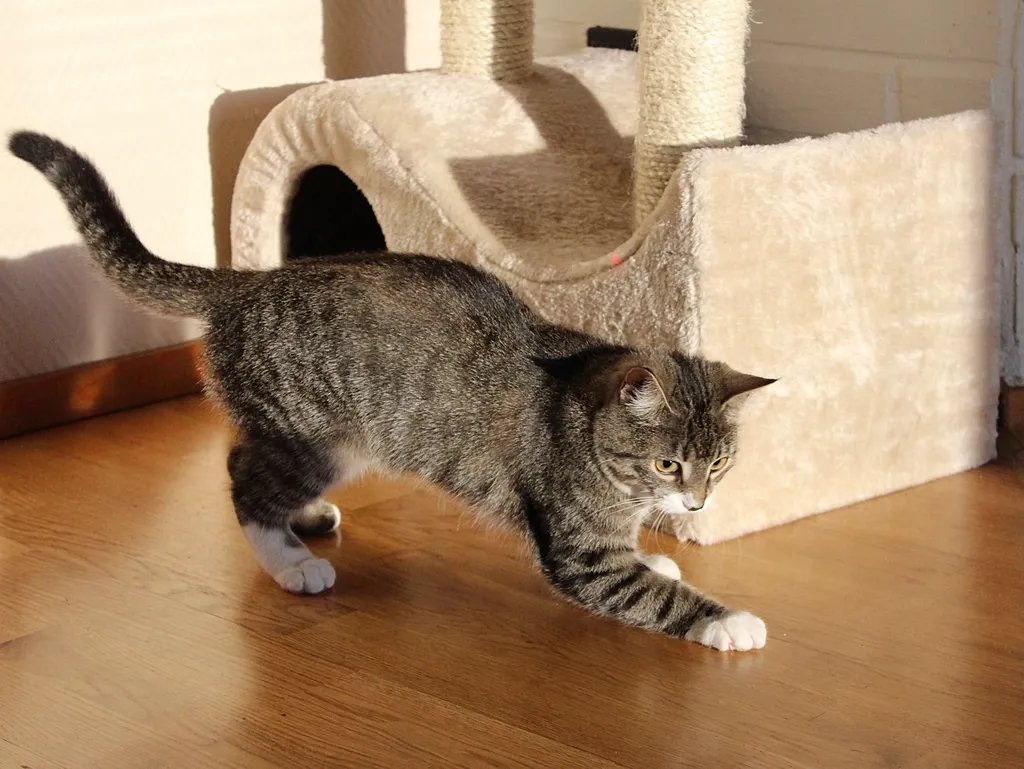
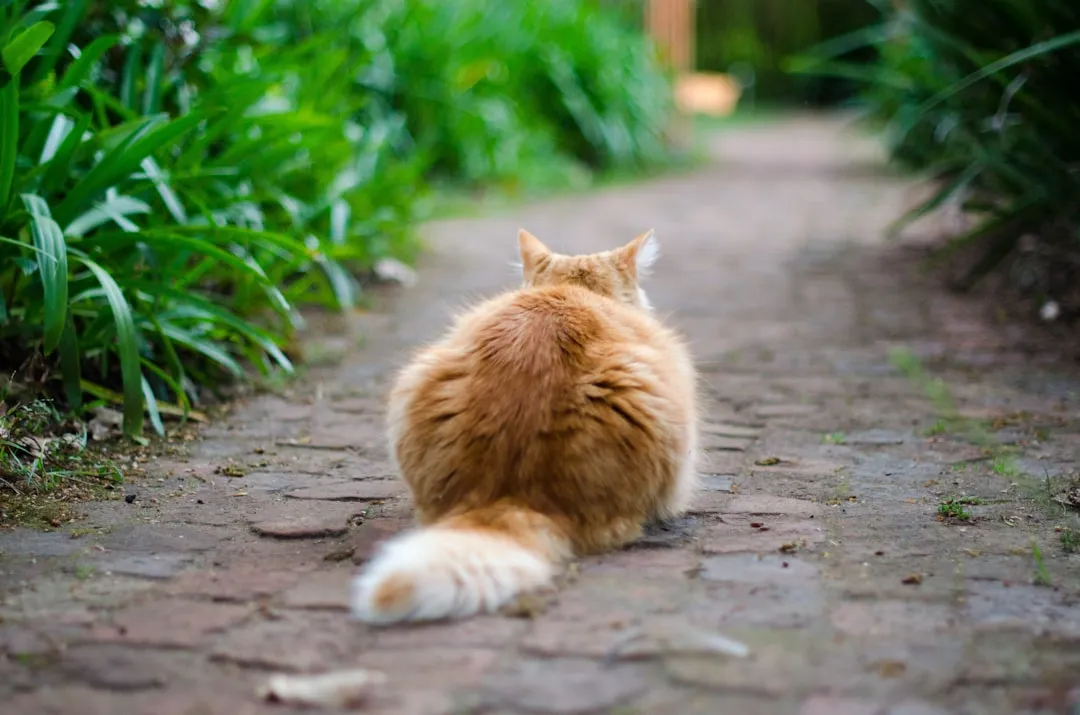
Few things are as passive-aggressive as a cat that deliberately turns its back on you and calmly walks away. When you call their name, pat the couch, or try to engage, and they respond by repositioning themselves with their back facing you, that’s feline cold-shouldering. It is not always hatred – often it’s a quiet message that they are done interacting on your schedule.
Annoyed cats won’t always hiss or scratch; sometimes they choose distance as their protest. If this happens right after you picked them up, moved them from a sunny spot, or interrupted a nap, assume they did not appreciate the disruption. The kindest response is to accept their boundary and let them come back on their own terms, instead of chasing them down like a furry ex you refuse to get over.
#5 The Overstimulation Bite During Petting
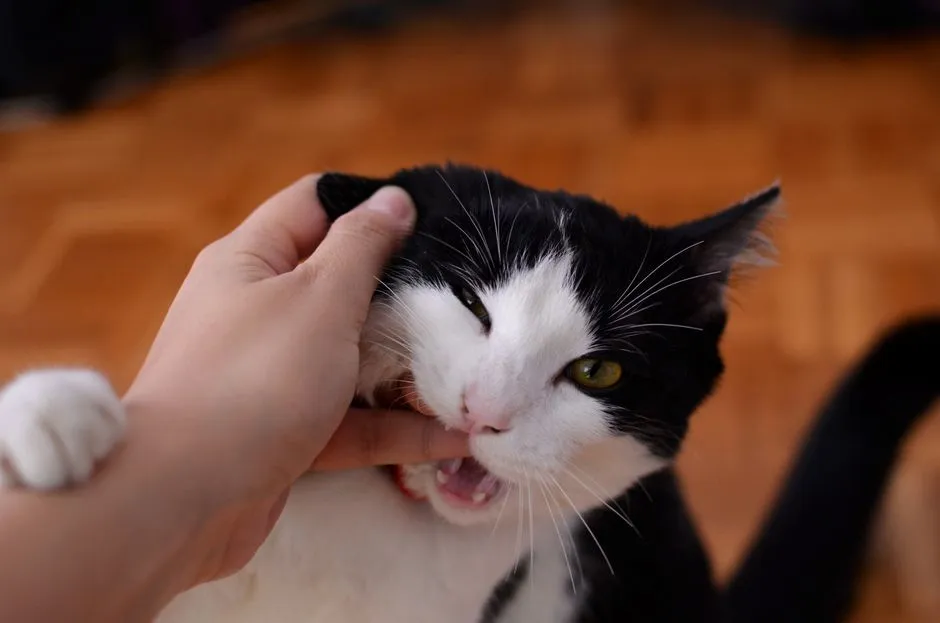
You’re petting your cat, they seem to enjoy it, maybe they’re even purring – and then, out of nowhere, they turn and bite. Not a full attack, but a quick, firm nip. This “love bite” is usually not affection; it is your cat’s way of saying the session went from good to too much, too fast. Cats have a threshold for touch, and once you cross it, they react instinctively.
Before the bite, there are often clues: skin twitching along the back, tail starting to flick, muscles tensing, ears angling sideways. Many cats love a few strokes around the head and cheeks but get irritated when you keep going down the back or touch sensitive areas like the belly or base of the tail. Instead of blaming your cat for being moody, learn their personal limit and stop before they feel forced to enforce it with teeth.
#6 The Staring Contest With Dilated Pupils
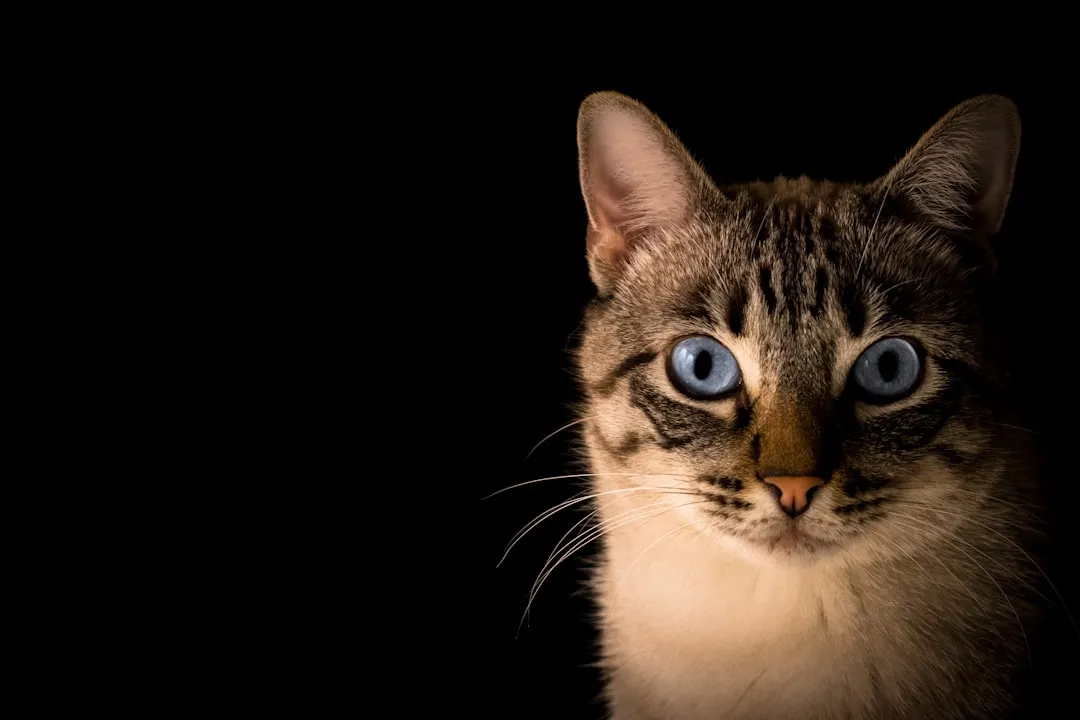
A soft, slow blink from a cat is usually a friendly, relaxed signal. But a hard, unbroken stare with big, dilated pupils can mean your cat is wound up, wary, or annoyed. If you’re approaching, trying to pick them up, or blocking their path while they’re giving you that intense look, you are not being charming – you are being irritating or even threatening in their eyes.
Cats are predators, but they are also small enough to feel like potential prey, so eye contact carries a lot of meaning for them. An annoyed cat may stare as a warning, almost like they are saying, “I see you. Do not push it.” If that stare is paired with a stiff body and a twitching tail, take it as a sign to slow down your movements, lower the intensity, and maybe give them a graceful escape route instead of cornering them.
#7 The Strategic Avoidance and Vanishing Act
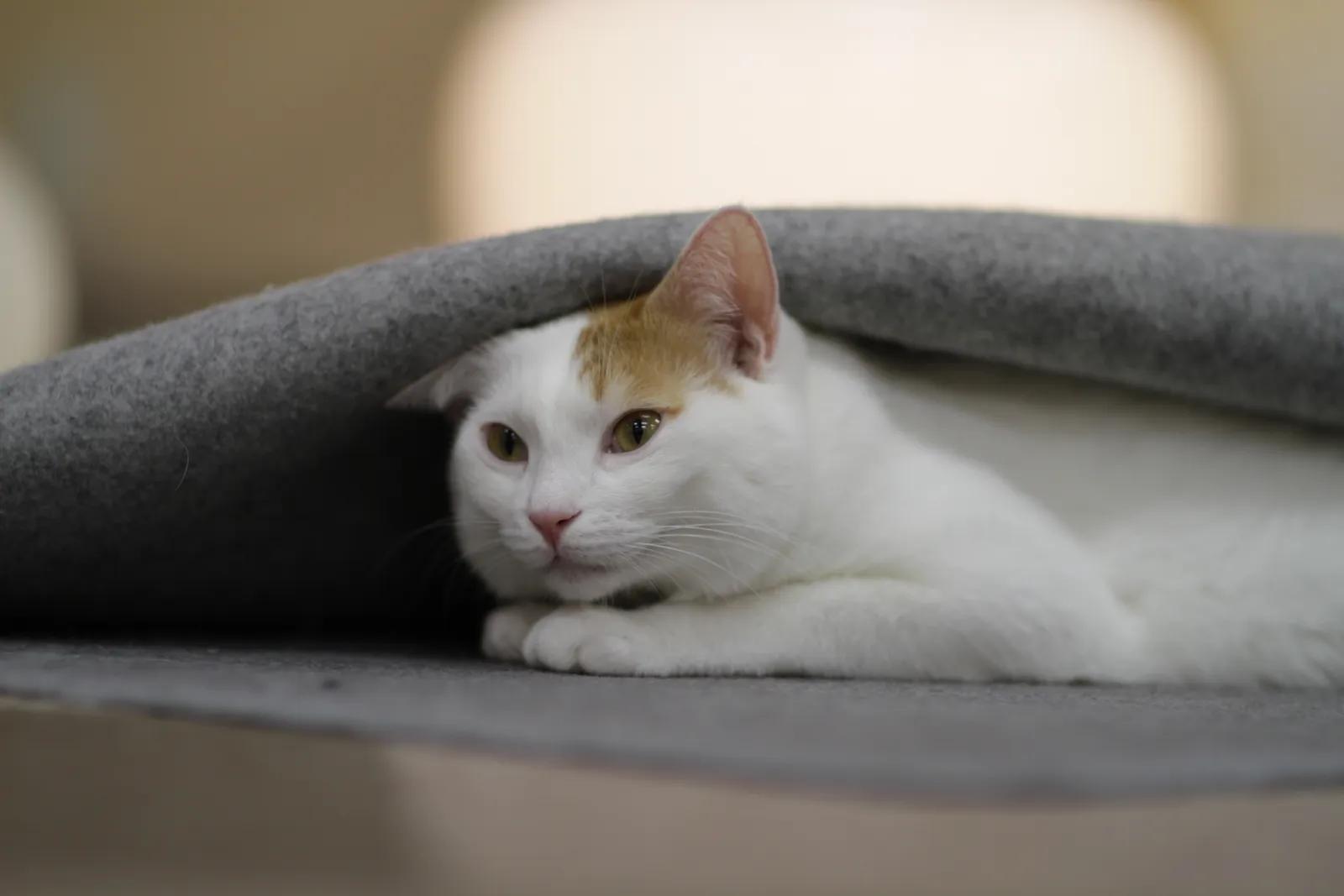
If you always scoop them up, insist on cuddles, or disturb their safe spots, they might simply decide it is easier to disappear. Cats are masters of quiet protest. Rather than punishing them for hiding, look at your own behavior. Are you rough when picking them up? Loud when you move? Ignoring their signals when they want to be left alone? Fixing those patterns often brings a “vanished” cat gently back into your orbit.
#8 The Twitching Skin and Rippled Back
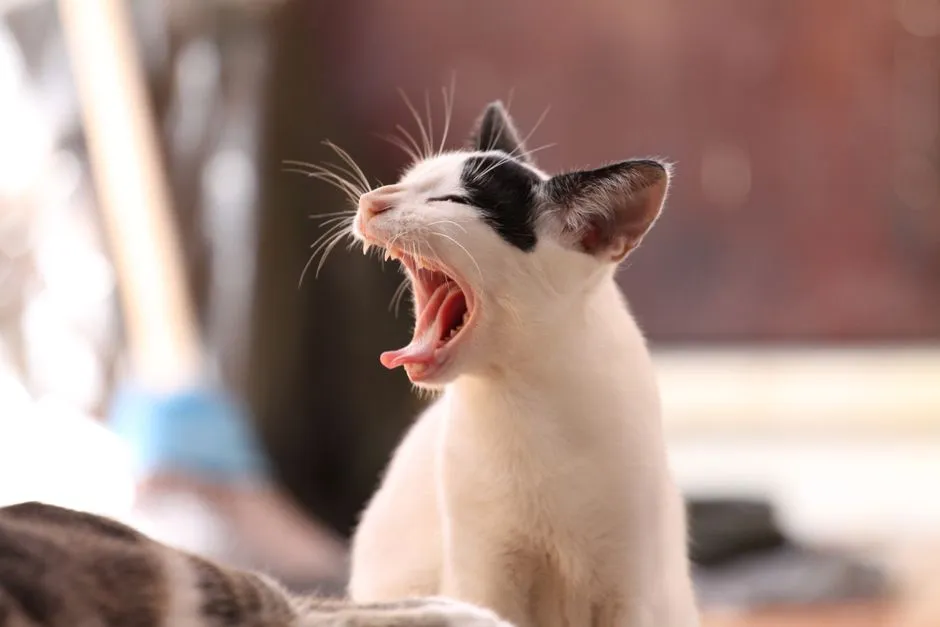
When your cat’s back looks like a tiny wave is running under the fur, that rippling skin can be a sign of discomfort or annoyance – especially during petting. Some cats have very sensitive nerve endings along the spine and do not enjoy long strokes down their back. That twitching can be their body’s way of saying, “Too much, too fast, in the wrong place.”
If you see this reaction consistently when you touch a certain area, respect it and adjust where and how you pet. Focus more on cheeks, under the chin, or the base of the ears if those spots get a calmer response. Of course, if the twitching becomes extreme, frequent, or is paired with vocalizing or sudden aggression, it can also signal pain or a medical issue – and at that point, annoyance is not the only concern, and a vet visit is a wise move.
#9 The “Accidental” Swat or Claw as You Pass
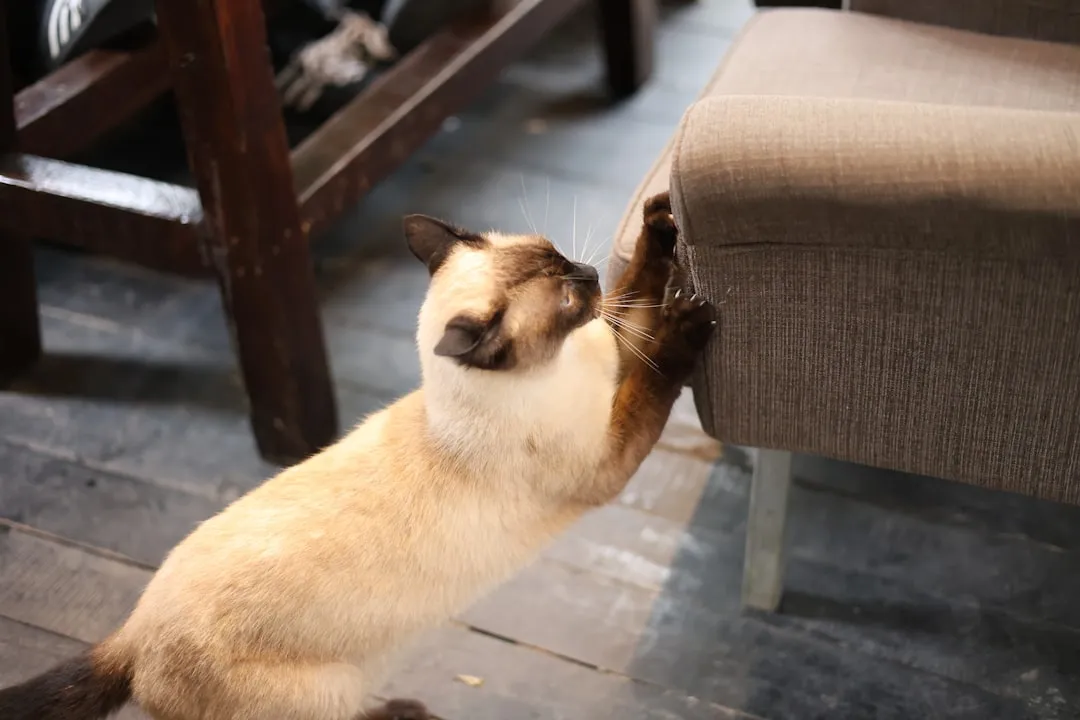
You walk by the couch and a paw darts out, claws grazing your leg. You reach past your cat and they give a quick swat, not full force, but pointed enough that you feel it. While sometimes this is play, it can also be a passive-aggressive message that they’re irritated by your movements, your proximity, or the way you keep ignoring their signals.
Annoyed swats are often paired with a tense body, narrowed eyes, or that irritated tail flick. I once lived with a cat who would swat my ankle every time I rushed past his favorite window perch. It wasn’t random; I was blasting through his territory without acknowledging him. Once I slowed down, said his name, and gave a gentle head scratch in passing, those little “ankle assassinations” mostly stopped. Cats notice how you move through their space – and they respond.
#10 The Withholding of Affection: “You’ve Offended Me” Mode
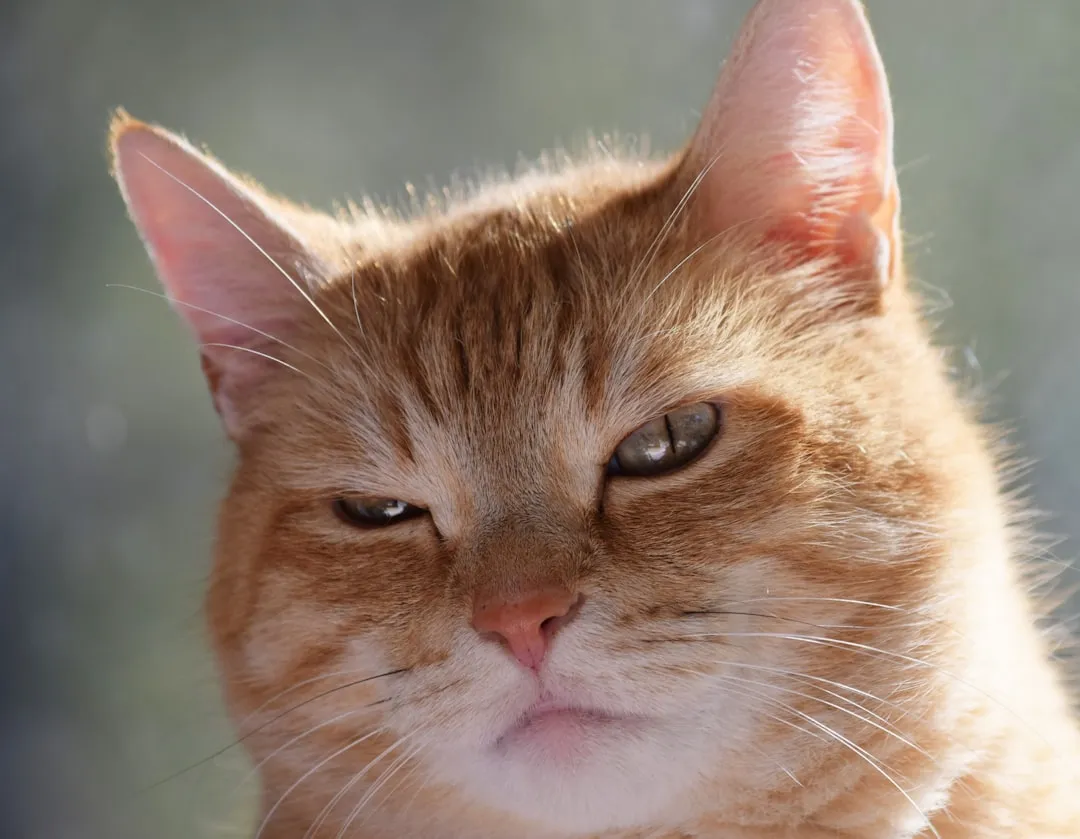
Sometimes the clearest sign your cat is annoyed is not what they do, but what they stop doing. A cat that usually curls on your lap but suddenly stops, or one that no longer greets you at the door or sleeps on your bed, might be quietly registering a complaint. Maybe you changed their routine, brought in a new pet, or started being rougher in play without noticing. Cats are creatures of habit and do not love unwanted surprises.
Withdrawal can work like a tiny emotional boycott: they are not attacking, they are not hissing, but they are not offering affection either. When I have pushed a cat’s boundaries too much – long car trip, forced meds, nonstop handling – the first sign things are off is that they choose distance instead of connection. Winning them back means rebuilding trust slowly: quiet time, predictable routines, gentle touch, and letting them approach first instead of demanding immediate forgiveness.
Conclusion: Annoyed, Not Evil – Learning to Listen to Your Cat
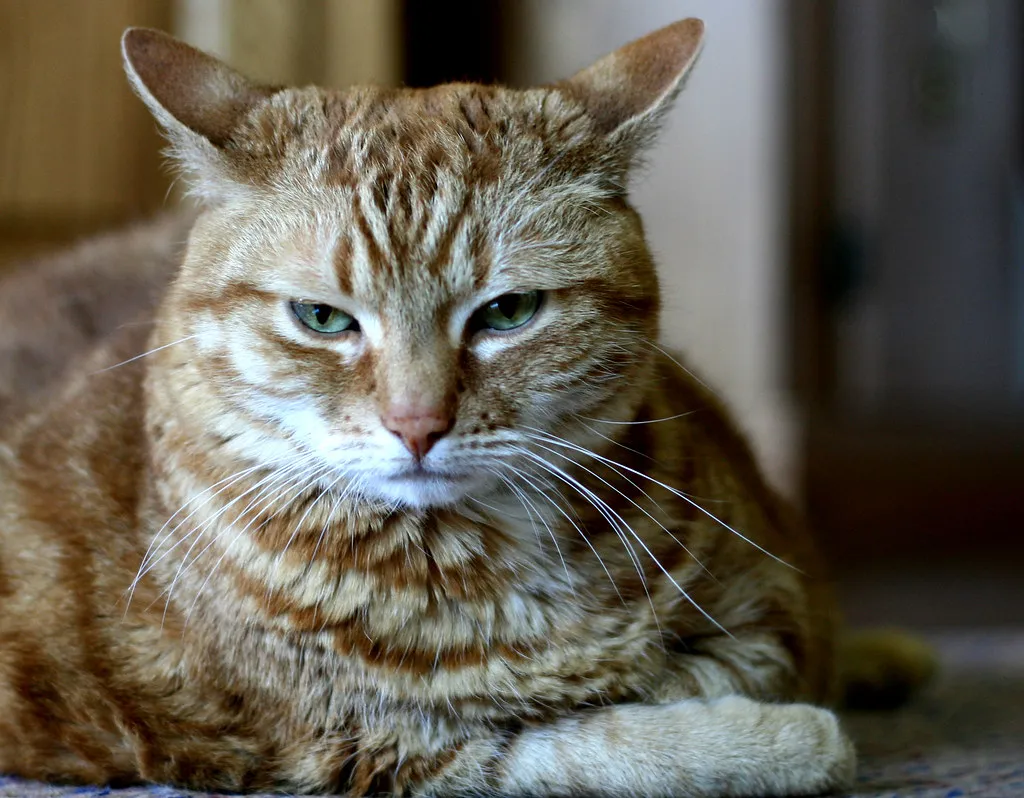
Cats get labeled as grumpy, dramatic, or mean, but most of the time they are just communicating in a language we never bothered to learn. An annoyed cat is not being “bad” – it is being honest. The tail flicks, ear shifts, stares, and disappearing acts are their way of saying, “Something about this does not feel good to me.” When we ignore those messages, we force them to shout louder, usually with claws or teeth.
In my opinion, the real shift happens when you stop expecting your cat to act like a tiny, fluffy dog and start respecting it as a separate species with its own rules. If you treat those subtle annoyance signs as feedback instead of defiance, your relationship changes: fewer bites, more trust, deeper connection. The question isn’t whether your cat ever gets annoyed with you – it absolutely does. The real question is: now that you know how to read the signs, what are you going to do differently?

- 10 Ways Cats Show They Are Secretly Annoyed With You - August 25, 2026
- 24 Animals That Form Attachments Nobody Ever Expected Them to Be Capable Of - August 24, 2026
- 17 American Ghost Towns Rangers Say Are Far More Intact Than Anyone Ever Expects - August 24, 2026