


Search for “free wildlife permits at 62” and you’ll find confident claims, excited headlines and a lot of people nodding along. Here’s the plot twist: no federal rule waives your hunting or fishing license when you turn 62. The one nationwide benefit that starts at that birthday is a paid pass, not a waiver.
Don’t close the tab yet. Scattered across the map are real state perks, and a few start earlier than you’d guess. One state hands out a permanent card for free at 60, another cuts prices in half at exactly 62, and one quietly retired its freebie. Here’s what the actual rules say, counting down from 14.
#14 – The “Waived at 62” Claim That Falls Apart
🔥 Would you like to save this?
We'll email this post to you, so you can come back to it later!
Senior wildlife perks are set state by state, not by Washington.
The age for a senior fishing license ranges from 60 to 89, and the most common age is 65. That means turning 62 rarely unlocks anything by itself.
The federal Senior Pass isn’t free either. It costs $80 for a lifetime pass or $20 for an annual one, and it’s open to U.S. citizens or permanent residents 62 and older.
Even where states are generous, the benefit is often smaller than people assume. The senior break is frequently a cheap lifetime license rather than a free one. Here is the realistic picture:
- Federal: starts at 62 and is purchased
- Most states: start at 65, often discounted rather than waived
- A handful: start at 60 to 64
Most “waived at 62” headlines blur these three categories together. That is how an $80 pass turns into “free permits for life” in your Facebook feed.
But the age on your driver’s license is only half the story. The other half is in #13.
#13 – Your Zip Code Decides Everything

🔥 Would you like to save this?
We'll email this post to you, so you can come back to it later!
Even the best senior perk can disappear the moment you cross a state line.
Nearly every exemption we found is residents-only. Non-resident seniors in Minnesota pay the same non-resident rates regardless of age. Alaska’s free senior ID is closed to non-residents.
Residency can also be revoked. An Alaska senior card is void the moment the holder stops being an Alaska resident.
Alaska’s own newsletter has listed disqualifiers, too. They include holding a resident hunting or fishing license in another state, or being registered to vote in another state.
Being exempt doesn’t mean being invisible. Delaware’s senior exemption requires proof of age and residency. Arkansas anglers who are exempt from buying a license still have to prove eligibility if a game warden asks.
Snowbirds should be most careful. Splitting a year between two states can quietly cost you a perk in both.
But the federal pass has its own fine print, and it’s waiting in #12.
#12 – The Fine Print Behind the “Free” Park Pass

🔥 Would you like to save this?
We'll email this post to you, so you can come back to it later!
“Free park pass” is a stretch, and the fine print proves it.
The pass covers entrance fees and standard day-use fees at sites run by the six federal land management agencies. That’s a real saving. It is not a blanket permit.
The Senior Pass generally does not cover or reduce special recreation permit fees or fees charged by concessioners. Those are the line items that surprise people at the register.
Here is how the pass breaks down:
- Covered: entrance fees and standard amenity (day-use) fees
- Possibly half off: camping, swimming, boat launch and specialized interpretive services
- Generally not covered: special recreation permits and concessioner fees
It also stops at the federal boundary. The Senior Pass only covers federal recreation sites. Your state park, state wildlife area and state hunting license are separate purchases.
Our view: calling this a “waiver” is generous. It’s a discount on access, and it only reaches the fees listed above.
Now for a state that really did stop giving seniors a free ride, in #11.
#11 – Georgia’s Vanishing Senior Freebie

🔥 Would you like to save this?
We'll email this post to you, so you can come back to it later!
An exemption can come with an expiry date, and Georgia is the proof.
Georgia used to hand out free licenses at 65. Senior licenses are no longer free for people 65 or older born on or after July 1, 1952.
Georgians born before that date still get theirs free. Everyone younger now has to pay something.
One recent roundup lists the replacement options below. Those were the state’s listed options, so confirm current prices with Georgia before you budget.
Fast Facts
- Born before July 1, 1952: still free at 65 or older
- Born on or after that date: you pay
- $70: senior lifetime sportsman’s license
- $35: lifetime hunting-only or fishing-only license
- $7: annual option
The lesson is blunt: legislatures revisit these programs, and birth-year cutoffs are a common way to wind them down.
If you’re planning retirement around a “free at 65” rule, treat it as a policy that can change. Read the current regulations in the year you qualify, not the year you start planning.
The next state doesn’t waive the fee at all. Instead, it quietly drops one specific stamp in #10.
#10 – Minnesota’s Quiet Trout Stamp Break

🔥 Would you like to save this?
We'll email this post to you, so you can come back to it later!
Minnesota doesn’t discount your base fishing license at all.
That surprises people who assume every northern state pampers its seniors. As of the 2025–2026 season, Minnesota offers no formal senior-discounted fishing license.
What it does offer is narrower. Residents 65 and older are exempt from the $11 trout and salmon stamp.
For a trout angler, that’s real money every year. One roundup puts the base license at $25 for a resident aged 65 to 89, with the stamp waived.
Minnesota also has a free tier, but it comes much later. Residents age 90 and older fish free. One state-by-state list puts that threshold at 89 instead, so check the current rule.
The perk is a stamp exemption, not a license waiver. If you read only the headline version, you’d miss that distinction entirely.
Louisiana, in #9, goes the other way and pulls seniors in early.
#9 – Louisiana Pulls You In at 60
🔥 Would you like to save this?
We'll email this post to you, so you can come back to it later!
Louisiana doesn’t wait until 65, and it doesn’t leave the choice to you.
Louisiana’s wildlife agency wrote its senior rule as a requirement. Any resident age 60 or older must have a Senior Hunting/Fishing License instead. The listing we could access is an older version of the page, so confirm current details.
That one license replaces a long list of separate purchases. Here is the snapshot from that listing:
At a Glance
- Who: residents age 60 or older
- Replaces: basic and saltwater fishing licenses; basic, deer, waterfowl and turkey hunting licenses; and the WMA access permit
- Listed price: $5 for residents
- For comparison: the standalone WMA Access Annual Permit was $20
A 2026 guide describes a free basic fishing license for Louisiana residents at 60, and lists Louisiana among states with free fishing licenses starting at that age. The two sources don’t line up on price, so check the current fee schedule.
There’s also a historical wrinkle. The license was free for residents born before June 1, 1940. That cohort is now in its mid-80s or older.
Next up: a state with a deal at 64, and one dollar figure that will make you check your calendar. See #8.
#8 – South Carolina’s $9 Lifetime License
🔥 Would you like to save this?
We'll email this post to you, so you can come back to it later!
South Carolina sells a lifetime license for nine dollars, and you can buy it at 64.
That’s one year earlier than the usual 65 cutoff. South Carolina residents 64 and older are eligible to buy a lifetime license for $9. Residents born before July 1, 1940 receive it free.
The bundle is broad. It covers hunting, a big game permit, a wildlife management area permit, a state waterfowl permit, freshwater and saltwater fishing, and a freshwater set hook permit.
That makes it the closest thing on our list to a one-stop wildlife permit for seniors. Several of those items are separate purchases for younger residents.
Applying is old-school. You can apply in person at a DNR office or by mail, with a photocopy of your valid SC driver license or ID and payment.
It’s a lifetime license, but it isn’t a lifetime of tags. See the box below.
Then there are the three states where 65 is the magic number, and the details vary. See #7.
#7 – The Age-65 Club: Florida, Mississippi, Delaware
🔥 Would you like to save this?
We'll email this post to you, so you can come back to it later!
For most seniors, the real waiver arrives three years after 62.
Three states offer full exemptions at 65. Florida residents 65 and older are exempt from the hunting license requirement. Mississippi residents 65 and older are exempt from hunting and freshwater fishing licenses.
Delaware residents 65 and older are exempt from fishing, hunting and trapping license requirements, with proof of age and residency.
The paperwork differs in each state:
- Florida: exempt from the license and hunter safety requirements with proof of age and residency
- Mississippi: proof of age and residency is required, unless you buy the voluntary Resident Senior Exempt license
- Delaware: exempt hunters and trappers still need a free License Exempt Number
Mississippi’s voluntary exempt license is valid for life as long as you remain a Mississippi resident. That’s a lifetime privilege.
If you’re 62 and eyeing one of these states, you have three years to wait. Some of the best-known “free for seniors” states don’t actually start until then.
Not every 65-plus state waives the fee, though. Some just shave it down, as #6 shows.
#6 – “Discounted” Is Not “Waived”: Texas and Virginia
🔥 Would you like to save this?
We'll email this post to you, so you can come back to it later!
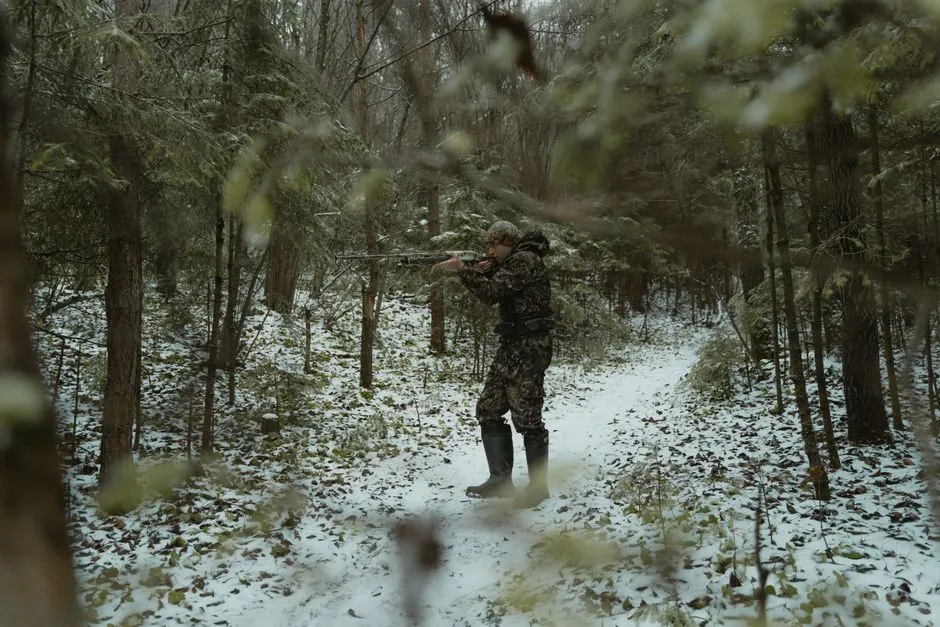
Texas and Virginia both give seniors a price break, but nobody gets a free ride.
Texas sets its senior hunting license at 65. The Senior Resident Hunting License was listed at $7, against $25 for the standard resident license. That Texas fee table came from an older page, so check the current price.
Virginia follows the same age. The Resident Senior Citizen Annual License to Hunt is $9 for licensees 65 or older, against $28 for a one-year resident license. A Virginia nonresident license, by comparison, runs $136.
Those are real savings, but they’re still purchases. One state-by-state roundup puts the average senior fishing license at $9.50.
The headline “waived” fits only a small share of states. For many seniors the honest word is “cheaper.”
California’s version of the 62 milestone is stranger still, and it’s in #5.
#5 – California’s “62+” Benefit Costs $709

🔥 Would you like to save this?
We'll email this post to you, so you can come back to it later!
California does have an age-62 benefit, and it’s the opposite of free.
The state’s 2026 fee table lists a lifetime fishing package for ages 62 and up. The listed price is $709, for California residents.
You can’t just click and buy it, either. Lifetime Fishing Packages must first be purchased from a CDFW License Sales Office.
The state’s actual senior break is aimed at lower-income residents and starts later. Eligible low-income seniors at least 65 years old may qualify for a Reduced-Fee Sport Fishing License. The listed 365-day price is $10.04.
Everyone else pays the standard fee. Any person 16 or older needs a valid sport fishing license to take fish, shellfish, reptiles or amphibians in California.
In California, then, 62 gets you access to a premium-priced lifetime product, not a waiver. Treat any “free at 62” claim about the state with suspicion.
Montana, in #4, is where the senior discount really does start at 62.
#4 – Montana: A Real Discount at 62
🔥 Would you like to save this?
We'll email this post to you, so you can come back to it later!
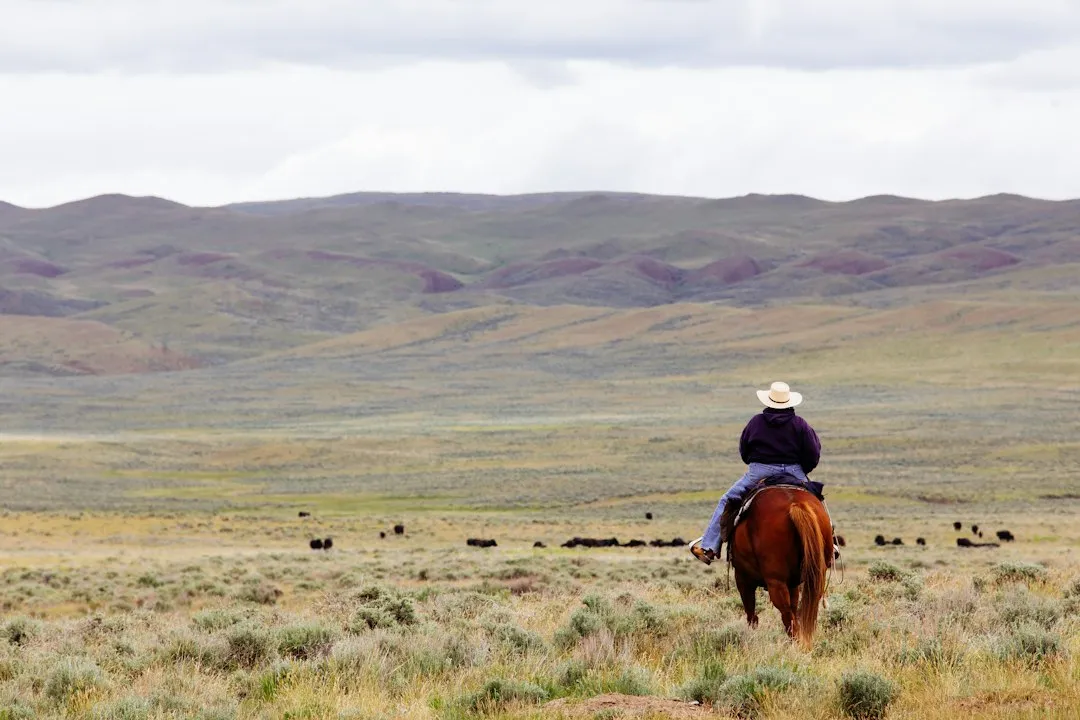
Montana is one of the few states where the senior break starts exactly at 62.
It’s written into state law. A resident who is 62 or older may buy certain licenses for half the cost. That includes more than fishing.
The list covers a Class A fishing license, a Class A-1 upland game bird license, a Class A-3 deer A tag, a Class A-5 elk tag, and a Class AAA combination sports license that doesn’t include a bear tag. The discount reaches big-game tags, not just the base license. The statute we found is a 2016 version, so confirm it hasn’t changed.
Published prices vary. One guide lists a fishing license at $31 for adults and $16.50 for seniors 62 and older. Another lists $8 for Montana seniors 62 and older. Check the current fee schedule before you plan around either number.
It’s a half-price deal, not a waiver. But for a 62-year-old resident, it’s the real age match for this headline.
Now for the state that makes every other senior deal look timid. Welcome to #3.
#3 – Alaska’s Free Card at 60
🔥 Would you like to save this?
We'll email this post to you, so you can come back to it later!
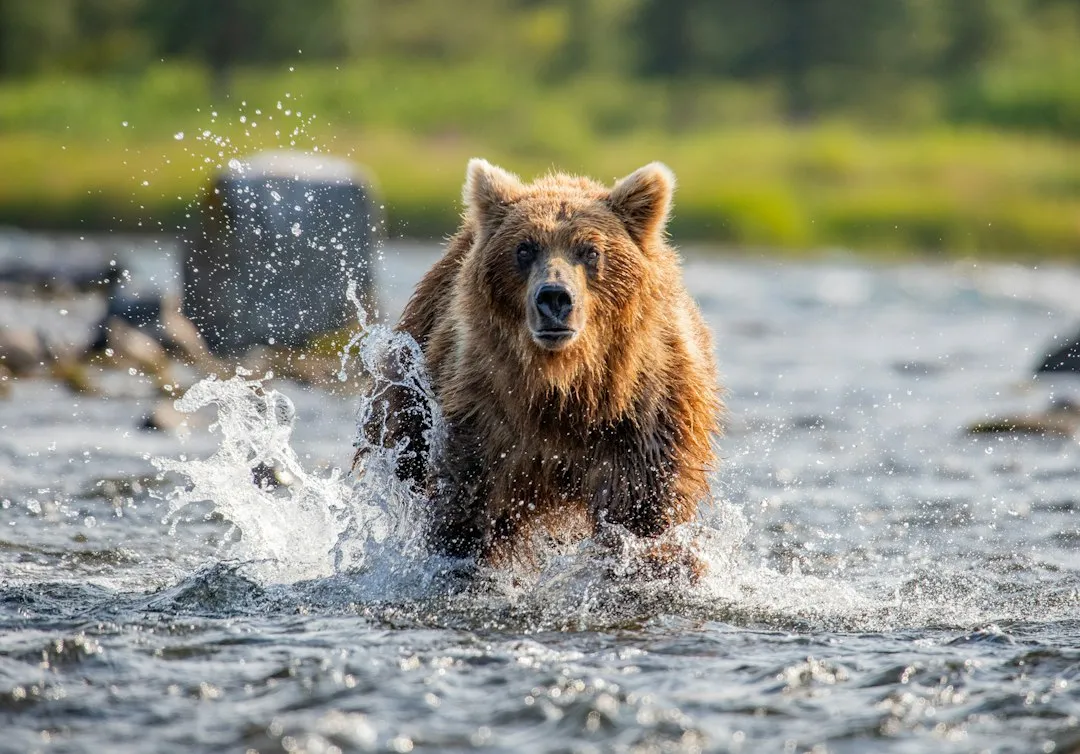
Alaska hands residents a permanent hunting, fishing and trapping card, free, two years before 62.
Alaska residents 60 or older who meet the department’s residency definition are eligible for a permanent identification card to hunt, sport fish or trap for free. There’s no renewal cycle.
It also skips some add-ons. You aren’t required to buy a king salmon stamp or an Alaska state waterfowl stamp. There’s a catch for duck hunters, though. You’ll still need a federal waterfowl stamp.
The card comes with conditions:
- Applicants must be physically present in Alaska to apply.
- Seniors fishing species with annual limits need a free Sport Fishing Harvest Record Card.
- It’s void if you leave the state for good.
Processing is quick. Applicants who meet the age and residency requirements get a card within 1 day to 4 weeks.
For a 62-year-old Alaskan, you’ve likely held it for two years already. For everyone else, it’s a reason to wonder why other states can’t do more.
The most useful 62-year-old perk is federal, and it covers more than you’d think. See #2.
#2 – One Pass, Your Whole Car
🔥 Would you like to save this?
We'll email this post to you, so you can come back to it later!
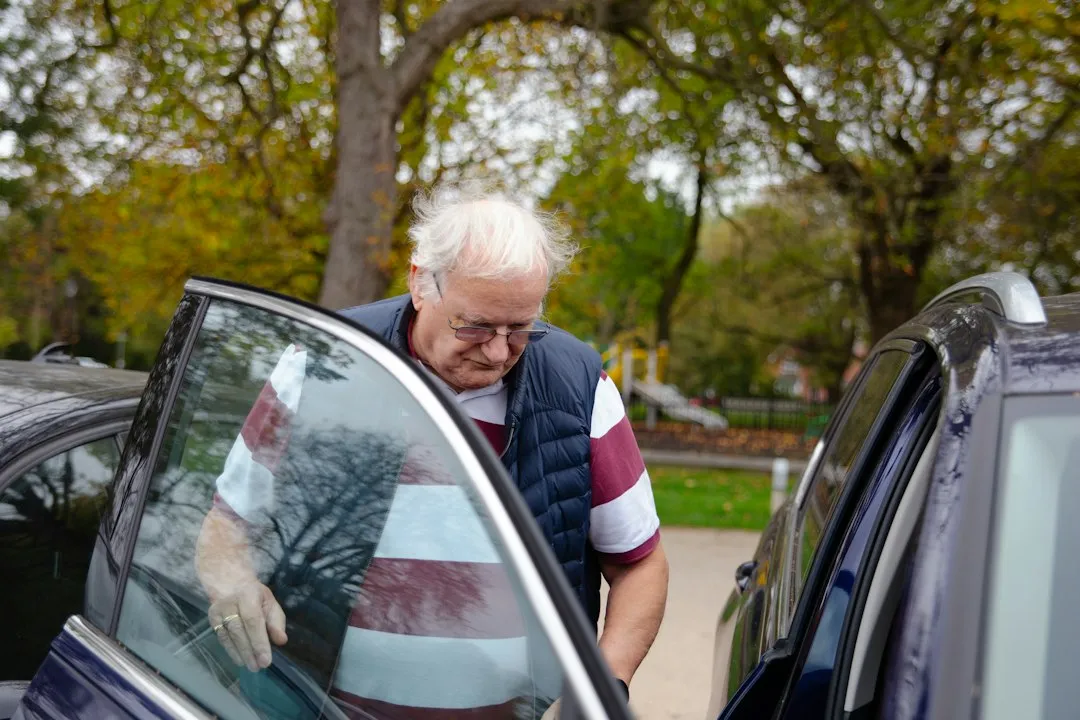
Most people assume the Senior Pass only covers the person named on it. It doesn’t.
How many people get in depends on how the site charges its fees.
Quick Compare
- Per-vehicle sites: the holder and everyone in one non-commercial vehicle, or up to two motorcycles
- Per-person sites: the holder plus three more adults, with children under 16 free regardless
You can bring your whole family in one car on one pass.
That reach includes wildlife-focused land. Each pass covers entrance fees at national parks and national wildlife refuges, plus standard amenity fees at several other federal land types.
Two rules to remember:
- The pass holder must be present whenever the pass is used.
- Since January 1, 2026, all America the Beautiful passes cover up to two motorcycles.
So a 62-year-old driving to a refuge with a spouse and grandkids is covered at the gate.
And here is the one benefit that truly begins the year you turn 62. See #1.
#1 – The $80 Pass That Truly Starts at 62

🔥 Would you like to save this?
We'll email this post to you, so you can come back to it later!
This is the only nationwide benefit that begins at 62, and it costs money.
Eligibility is simple. You must be at least 62 on the day you buy it and a U.S. citizen or permanent resident. There’s no income test.
It’s cheaper than it looks. Four annual Senior Passes can be traded in for a lifetime pass, spreading the $80 over four years. Each annual pass you turn in knocks $20 off the lifetime price, even if it has expired.
The price context has shifted. In January 2026, the standard annual pass rose to $80, the same price as the Senior Lifetime Pass. For anyone 62 or older, the lifetime option is the clear value.
The payback is quick for frequent visitors. Yellowstone charges $35 per vehicle for a week, so a few trips and the $80 is recouped.
So what does all of this add up to? The headline promise doesn’t hold up. Nothing is waived nationwide at 62. The federal Senior Pass is a purchase, and state perks start at 60, 64 or 65, depending on where you live.
Alaska’s free card at 60 is the standout. Montana’s half-price break at 62 is the closest match to the headline. Georgia is the warning: a freebie can vanish with a birth-year cutoff.
Our opinion: states should align on one senior age and stop burying stamps and tags in fine print. A retiree shouldn’t need a law degree to find out what a fishing license costs. Until that happens, check your state’s current rules and carry your ID.
Should all 50 states copy Alaska and make senior hunting and fishing free at 60?

- 14 Wildlife Permits Waived for Americans the Year They Turn 62 - November 5, 2026
- Machu Picchu’s Engineering Feats Were Far Ahead of Its Time - November 5, 2026
- 12 Most Beautiful American Cities To See Before You Die - November 4, 2026