

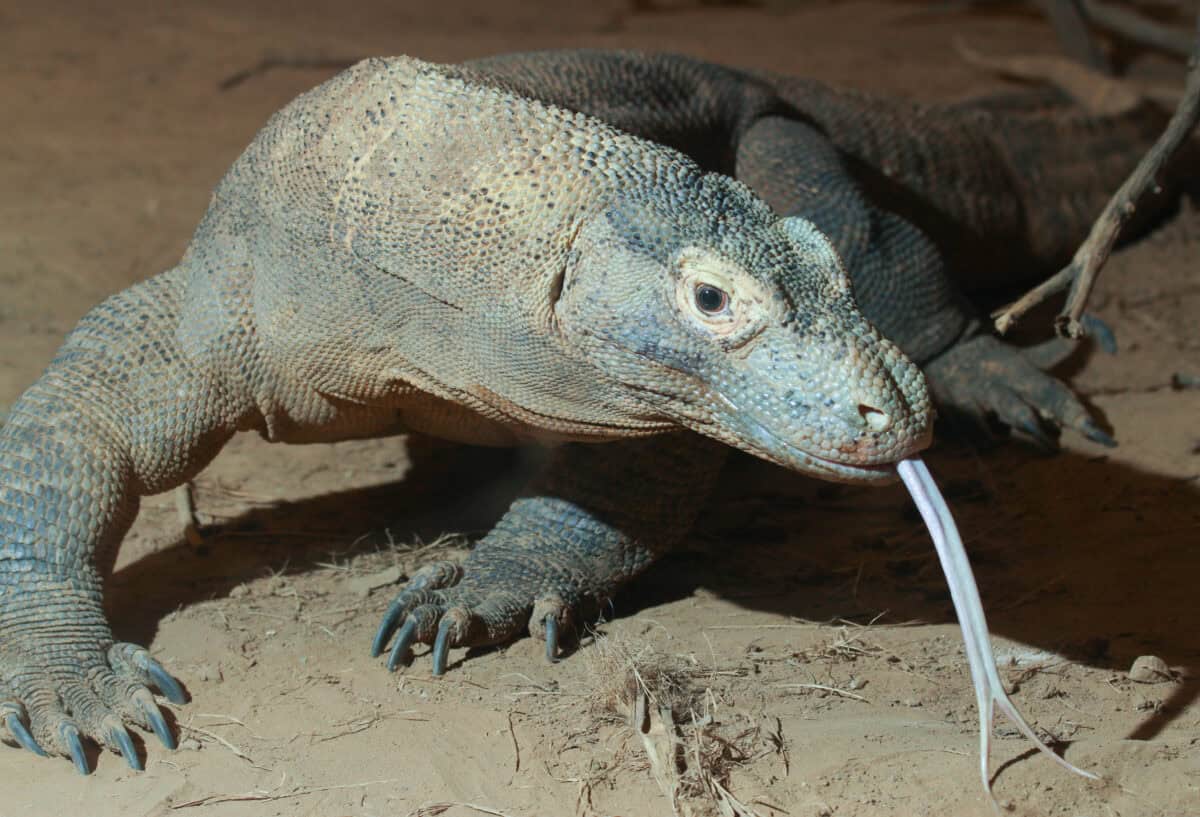
The Komodo dragon (Varanus komodoensis) reigns as the world’s largest lizard, an apex predator with hunting skills honed over millions of years of evolution. These formidable reptiles, native to Indonesia’s Lesser Sunda Islands, have developed sophisticated ambush techniques that make them one of nature’s most effective hunters. Their ability to patiently stalk, strategically position themselves, and deliver devastating attacks has fascinated scientists and wildlife enthusiasts alike.
While Komodo dragons are renowned for their hunting prowess, not all of their tactics yield success. This comprehensive examination explores ten effective ambush methods these magnificent reptiles employ to secure their meals—and four approaches that typically fail them. From their remarkable patience to their deadly bacteria-laden bite, we’ll uncover the hunting secrets of these ancient predators and the occasional missteps in their predatory repertoire.
The Patient Ambush Waiting in Strategic Locations

Perhaps the most iconic hunting technique of the Komodo dragon is the patient ambush. These predators can remain motionless for hours, sometimes even days, near water holes, game trails, or feeding areas where prey animals are likely to appear. Their mottled brown coloration provides excellent camouflage against the dry savanna landscapes of their island habitats, making them nearly invisible to unsuspecting prey. A Komodo dragon will often position itself downwind from the expected path of prey to prevent its scent from alerting potential victims.
Research conducted by the Komodo Survival Program has documented Komodo dragons waiting in ambush positions for up to 18 hours without moving. This remarkable patience pays dividends—studies show that ambush hunting has a success rate of approximately 70-80% when targeting medium-sized prey like deer and pigs. The dragon’s metabolic adaptations allow it to conserve energy during these extended waiting periods, making this seemingly passive hunting strategy highly efficient in the long term.
The Stealth Approach Silent Stalking

When a direct ambush isn’t possible, Komodo dragons employ an impressive stalking technique. Despite their large size—often reaching 10 feet (3 meters) in length and weighing up to 200 pounds (91 kg)—these reptiles can move with surprising stealth. They keep their massive bodies low to the ground and advance slowly, sometimes taking several minutes to cover just a few feet. This methodical approach minimizes noise and movement that might alert prey. Their split, forked tongue constantly samples the air, providing directional information about prey location through their highly developed vomeronasal organ.
Biologists studying wild Komodo populations have observed these predators stalking prey from distances exceeding 100 yards, maintaining perfect silence throughout the approach. Their specially adapted feet, with large claws and tough scales, distribute their weight effectively to prevent ground disturbance that might create warning vibrations. The dragons will often freeze instantly if their target appears suspicious, resuming their approach only when the animal returns to a relaxed state—a demonstration of remarkable situational awareness for a reptile.
The Ambush Charge Explosive Acceleration

When a Komodo dragon closes within striking distance—typically 10-20 feet from its prey—it can transform from a seemingly lethargic reptile into an explosion of predatory power. Using their powerful legs and tails for propulsion, these lizards can achieve short-distance speeds of up to 12 miles per hour (19 km/h). This sudden charge often covers the final distance to prey in just seconds, giving the target animal minimal chance to react. The dragon’s low profile during the charge makes it especially difficult for prey to gauge the attack’s timing and direction.
High-speed photography has revealed that during these charges, Komodo dragons can accelerate from a standstill to top speed in approximately 1.2 seconds—faster than many mammals of comparable size. The biomechanics of this movement involve a rapid weight shift and powerful muscle contractions in the hind limbs. Their streamlined body shape and the horizontal undulation of their spine further enhance this burst of speed. This combination of patience and explosive action creates a deadly one-two punch that frequently results in successful captures.
The Water Ambush Aquatic Hunting

Though primarily terrestrial, Komodo dragons are surprisingly adept swimmers and have developed effective aquatic ambush techniques. They will submerge themselves in shallow waters with only their nostrils exposed, waiting for animals to approach for drinking. When deer, pigs, or other prey animals come to drink, the concealed dragon lunges upward, often grabbing the animal’s head or neck. The element of surprise is nearly complete in this scenario, as most prey animals focus on scanning the surrounding land for threats rather than the water itself.
Thermal imaging studies have shown that Komodo dragons can lower their body temperature while submerged, making them less detectable to prey animals that might sense heat signatures. They can remain underwater for up to 30 minutes, though most aquatic ambushes are resolved much faster. These water ambushes are particularly common during the dry season when water sources become limited and predictable, concentrating potential prey in specific locations. The success rate of water ambushes has been estimated at approximately 60%, making it one of their more reliable hunting strategies.
The Group Hunt Coordinated Ambush

While often portrayed as solitary hunters, Komodo dragons occasionally engage in behavior that resembles coordinated group hunting—an unusual trait among reptiles. Multiple dragons may position themselves around a prey animal’s escape routes, effectively creating an ambush perimeter. Though not as sophisticated as the pack hunting seen in some mammals, this behavior demonstrates a level of predatory intelligence not commonly associated with reptiles. When hunting large water buffalo, for example, several dragons may attack simultaneously from different angles, increasing the chances of at least one delivering a successful bite.
Research from the University of Indonesia has documented instances where 3-5 dragons appeared to position themselves strategically around grazing deer herds, with some individuals seemingly driving prey toward others waiting in ambush positions. While debate continues about whether this represents true coordinated hunting or simply opportunistic behavior, the effect is the same—increased hunting success when multiple dragons are present. This behavior is most commonly observed during the dry season when prey is concentrated around limited resources.
The Scent Trail Following Wounded Prey

One of the most distinctive hunting strategies of the Komodo dragon involves tracking prey after an initial attack. When a dragon successfully bites a larger animal but fails to immediately bring it down, it will release the prey and begin a methodical tracking process. The dragon’s exceptional olfactory capabilities, coupled with the bacteria and venom introduced through its bite, create a lethal follow-up strategy. As the wounded animal flees, the dragon follows its scent trail, sometimes for several days, waiting for the prey to weaken from blood loss, infection, or the effects of the dragon’s venom.
Scientific analysis of Komodo dragon saliva has identified numerous bacteria species and venom compounds that induce shock, prevent blood clotting, and cause severe pain. A 2009 study published in the Proceedings of the National Academy of Sciences confirmed that Komodo dragons possess genuine venom glands, contradicting earlier beliefs that bacterial infection alone was responsible for prey death. This tracking strategy is remarkably efficient—dragons successfully recover approximately 90% of large prey animals that escape after an initial bite. GPS tracking of wild Komodos has shown they can follow wounded prey for distances exceeding 7 miles (11 km) over multiple days.
The Tree Ambush Vertical Advantage

Younger Komodo dragons, more agile and lighter than their adult counterparts, frequently utilize trees as ambush positions. Juvenile dragons can climb trees with surprising dexterity using their strong claws and muscular limbs. From these elevated positions, they drop onto passing prey, using the element of surprise and gravity to their advantage. This technique is particularly effective against smaller prey like rodents, birds, and young ungulates that might otherwise detect a ground-level predator.
Herpetologists have observed juvenile Komodos climbing to heights of up to 30 feet (9 meters) and remaining motionless on branches for hours. The success rate of this hunting method varies significantly depending on the prey species but averages around 40% for smaller targets. As dragons grow larger and heavier, they gradually abandon this technique in favor of ground-based ambushes. However, even adult dragons have been documented climbing onto elevated platforms like fallen logs or rock outcroppings to gain tactical advantages when hunting in dense vegetation.
The Nest Raid Targeting Vulnerable Young

Komodo dragons employ a specialized ambush technique when targeting nesting birds, turtles, or other animals with eggs or vulnerable young. They will meticulously search for nests, using their keen sense of smell to locate hidden clutches of eggs or newborn animals. Once a nest is located, the dragon will either dig it up or wait nearby for the parent to return, creating an ambush opportunity. This strategy requires minimal energy expenditure while providing high nutritional returns, making it particularly efficient.
During sea turtle nesting season, Komodo dragons have been observed patrolling beaches at night, intercepting female turtles as they come ashore to lay eggs or digging up freshly buried nests. Similar behavior has been documented around the nesting sites of megapode birds, whose large incubation mounds are particularly attractive targets. This opportunistic strategy demonstrates the dragons’ cognitive flexibility and ability to exploit seasonal food resources. Studies indicate that nest raiding activities can constitute up to 30% of a dragon’s feeding opportunities during peak nesting seasons.
The Carrion Ambush Defending Carcasses

Though not strictly an ambush hunting technique, Komodo dragons will often set up ambush positions near carcasses they’ve claimed, targeting other predators or scavengers that approach. A dragon will conceal itself near a large carcass, allowing smaller scavengers to feed until larger competitors arrive. When substantial scavengers approach, the hidden dragon will suddenly charge, driving away the competition. This resource-defense strategy effectively turns carrion sites into ambush locations for secondary prey.
Field observations in Komodo National Park have documented dragons maintaining ambush positions near large carcasses for up to four days, occasionally capturing smaller predators that attempt to scavenge. The dragons appear to discriminate between non-threatening small scavengers and potential competitors, conserving energy by only responding to larger animals. This behavior demonstrates sophisticated decision-making regarding energy expenditure versus potential rewards. Interestingly, this strategy sometimes leads to cannibalistic interactions, with larger dragons ambushing smaller conspecifics at carcass sites.
The Livestock Trap Exploiting Domesticated Animals

In areas where human settlements border Komodo dragon habitat, these adaptable predators have developed specialized ambush techniques targeting livestock. They will often position themselves along regular paths used by goats, pigs, or other domestic animals, learning the predictable movements created by human husbandry practices. Dragons may hide near feeding areas, water troughs, or gaps in fencing that livestock regularly use. This adaptation to human-modified environments demonstrates the dragons’ behavioral plasticity and problem-solving abilities.
Conservation organizations working in the Komodo islands have documented increased ambush success rates against livestock compared to wild prey—approximately 85% versus 70% for similarly sized wild animals. This disparity likely results from the reduced vigilance and predator-avoidance behaviors in domesticated species. Unfortunately, this hunting strategy brings dragons into conflict with local communities and has necessitated the development of predator-proof enclosures in villages throughout the dragons’ range. Wildlife management authorities now work with local communities to develop husbandry practices that minimize dragon predation while preserving the ecological role of these apex predators.
Failed Strategy #4 Pursuit Hunting Over Long Distances

Despite their fearsome reputation, Komodo dragons are fundamentally ambush predators, not pursuit hunters. When dragons attempt to chase prey over extended distances, they almost invariably fail. Their physiology simply isn’t designed for sustained high-speed movement. After the initial burst of speed during an ambush charge, a dragon’s energy reserves deplete rapidly. Most prey animals—including deer, pigs, and water buffalo—can easily outpace a Komodo dragon in a prolonged chase, maintaining higher speeds for much longer periods.
Thermal imaging studies have shown that Komodo dragons’ body temperature rises dramatically during extended physical exertion, leading to performance decline after just 30-45 seconds of vigorous activity. Field observations indicate that pursuit attempts lasting longer than 100 yards have a success rate below 10%. This physiological limitation explains why dragons have evolved such sophisticated ambush techniques rather than relying on chase-based hunting strategies. When dragons do attempt pursuit hunting, they typically abandon the chase quickly if the initial ambush fails, conserving energy for more promising opportunities.
Failed Strategy #3 Ambushing Alert Prey Groups

Komodo dragons fare poorly when attempting to ambush groups of alert prey animals. Many of their potential prey species, particularly deer and pigs, have evolved group vigilance behaviors specifically to counter predator ambushes. When multiple prey animals are actively scanning their environment and communicating threat information to each other, the dragons’ normally effective camouflage and patience provide minimal advantage. Studies have documented that when dragons attempt to ambush groups of more than five alert ungulates, success rates drop below 15%.
Research conducted by zoologists at the University of Melbourne has shown that prey groups that have recently detected a predator maintain heightened vigilance for up to three hours afterward. During these periods, Komodo dragons rarely succeed in ambush attempts regardless of their technique or position. This limitation has likely influenced the dragons’ preference for targeting isolated individuals, sick or injured animals, or prey in situations where group vigilance is compromised. Dragons observed failing in these scenarios typically retreat and either switch to alternative hunting grounds or wait for the prey group’s vigilance to naturally decrease over time.
Failed Strategy #2 Frontal Attacks on Large Prey

When hunting larger prey like adult water buffalo, which can weigh over 2,000 pounds (900 kg), Komodo dragons that attempt direct frontal ambushes almost always fail and may risk serious injury. The defensive capabilities of large ungulates—including horns, hooves, and sheer mass—make frontal attacks extremely dangerous for the predator. Dragons that attempt to grapple directly with adult water buffalo face mortality rates estimated at 10-15% from defensive injuries. Successful predation on these large animals almost exclusively involves ambushes targeting the rear or flanks, followed by the bite-and-track strategy.
Veterinary examinations of injured Komodo dragons have revealed that approximately 30% of adults show evidence of past injuries consistent with prey defense, including broken teeth, jaw fractures, and claw damage. These injuries primarily occur during mishandled attacks on large prey. Dragons that survive such encounters appear to modify their hunting approach, with tracking data showing they subsequently favor smaller prey or employ more cautious ambush positions when targeting large animals. This learned behavior suggests cognitive adaptability that helps experienced dragons avoid repeating dangerous hunting mistakes.
Failed Strategy #1 Ambushing in Open Terrain

Komodo dragons that attempt to set up ambush positions in open terrain with minimal cover experience dramatically reduced success rates. Without adequate concealment, the dragons’ large bodies become easily visible to prey animals with good vision, negating their primary hunting advantage. Studies in Komodo National Park have documented ambush success rates below 5% when dragons position themselves in locations with less than 30% visual cover. This stark contrast to their 70-80% success rates in optimal ambush locations demonstrates the critical importance of concealment in their hunting strategy.
Behavioral observations suggest that inexperienced juvenile dragons are more likely to attempt these suboptimal ambushes, perhaps due to inexperience or displacement from prime hunting locations by larger adults. GPS tracking data indicates that experienced adult dragons spend significantly more time scouting potential ambush locations before settling into position, selecting sites with superior concealment characteristics. This selective behavior regarding ambush location represents another example of learned hunting optimization that develops as dragons mature. Dragons that repeatedly fail in open-terrain ambushes typically abandon the area to seek more suitable hunting grounds.
Conclusion: The Evolutionary Marvel of Komodo Dragon Hunting
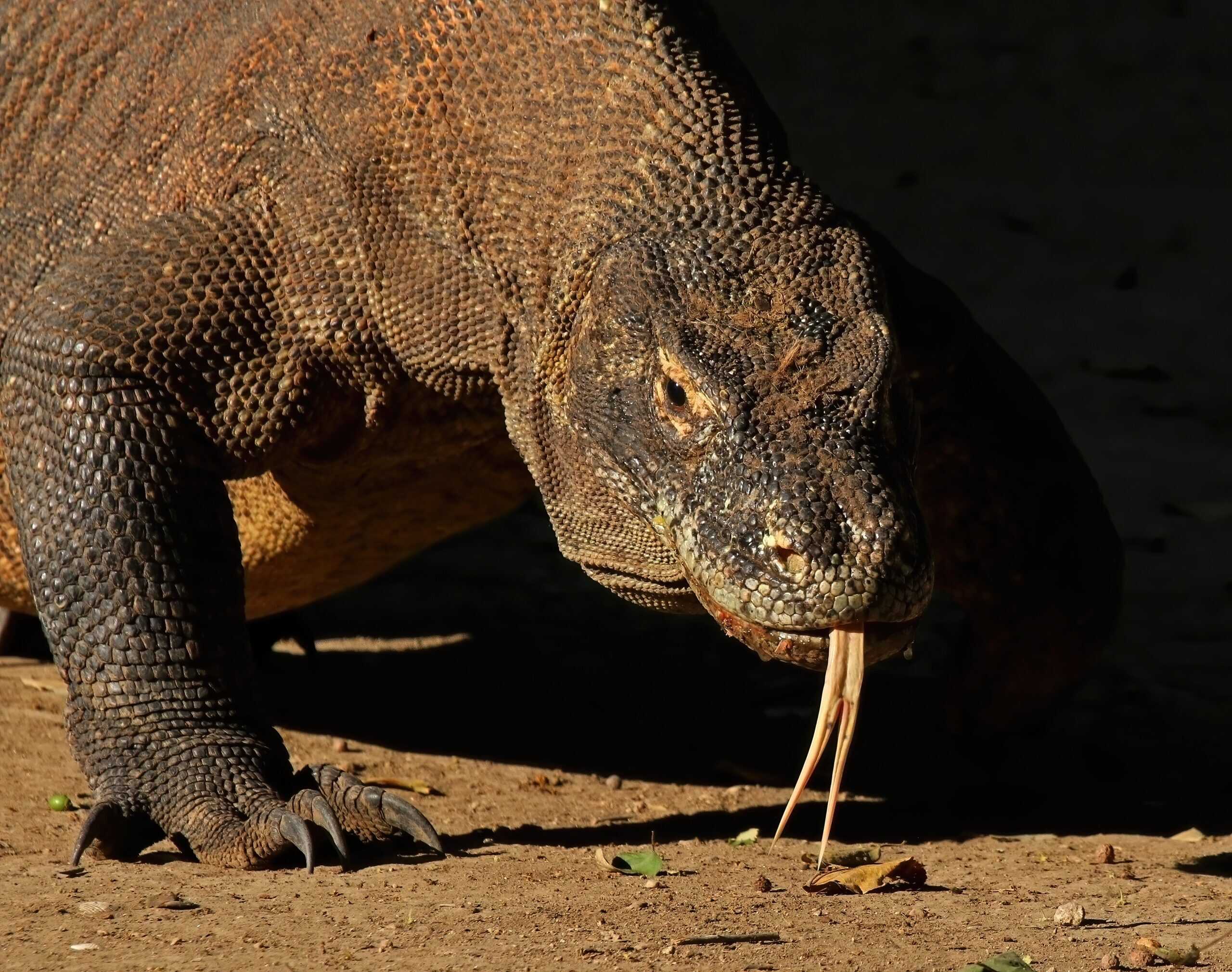
Komodo dragons are master predators, using a mix of stealth, brute strength, and strategic positioning to ambush prey with deadly efficiency. From blending into dry underbrush to launching surprise attacks near waterholes, these reptiles have evolved a diverse toolkit for taking down animals much larger than themselves. Their use of venom, powerful jaws, and patience make them formidable hunters, perfectly adapted to the harsh environments of their island homes.
However, not every tactic leads to success. Some ambush attempts fail due to poor timing, alert prey, or environmental challenges that expose the dragon too soon. These misfires highlight that even apex predators face obstacles in the wild. By studying both their successful and failed strategies, scientists gain a deeper understanding of how Komodo dragons survive—and what makes them one of nature’s most fascinating ambush predators.

As a little kid, I fell in love with nature, wildlife, and animals. Living in the USA, South Africa, Italy, China and Germany gave me the opportunity to discover the world's Wildlife. My favorite animals are Mountain Gorillas, Siberian Tigers, and Great White Sharks.
I'm a certified PADI Open Water Diver, went to Everest Base Camp and Trekked Gorillas in Uganda. I hold a Master of Science in Economics and Finance.
Please send any feedback to feedback@animalsaroundtheglobe.com
- 13 Aquatic Mammals That Don not Look It - July 10, 2026
- 15 Unlikely Hunters With Killer Instincts - July 10, 2026
- 10 Low-Maintenance Pets for Busy Owners - July 10, 2026